
Are smart farming solutions worth the upfront investment
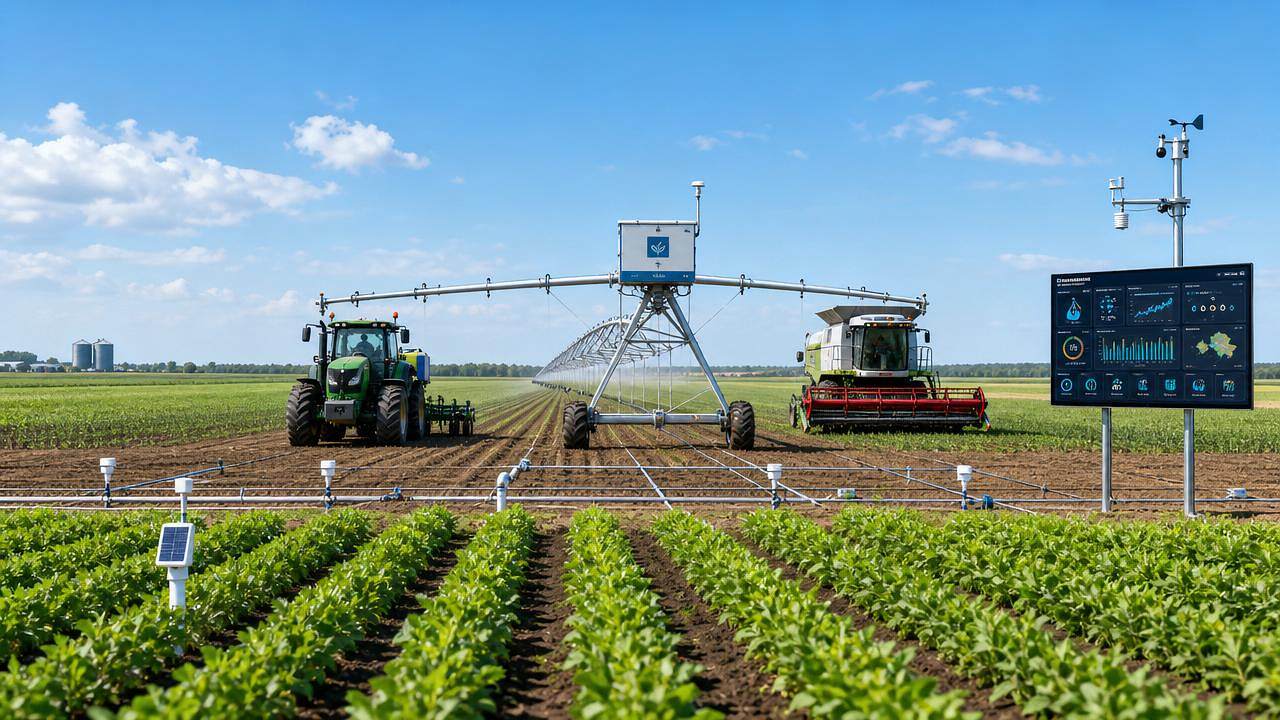




Are smart farming solutions worth the upfront investment for budget-conscious decision-makers? In most cases, the answer depends on measurable operating gains, not headline equipment cost. When precision irrigation, connected machinery, sensor-based monitoring, and field analytics are matched to real bottlenecks, smart farming solutions can reduce input waste, stabilize yields, improve labor efficiency, and protect long-term asset value. In a high-pressure agricultural environment shaped by water scarcity, volatile input prices, and tighter performance expectations, the smarter question is how to evaluate return with discipline.
Why a checklist matters before investing in smart farming solutions
Smart farming solutions often combine hardware, software, connectivity, and operational change. That means poor evaluation can turn a promising system into an underused expense. A checklist prevents decisions based on marketing claims alone.
It also helps compare precision irrigation systems, intelligent farm tools, autonomous support features, and data platforms using the same business logic. This is especially important when equipment cycles are long and field conditions vary by crop, region, and water access.
For large-scale agriculture, the strongest investment cases usually come from four outcomes: lower waste, better timing, stronger yield consistency, and more visible operating data. A checklist keeps attention on those outcomes.
Core checklist: how to judge whether smart farming solutions are worth it
- Identify the biggest loss point first, such as over-irrigation, overlap in field passes, harvester loss, labor delays, or uneven input application.
- Measure the current baseline using fuel use, water consumption, yield variability, machine downtime, rework frequency, and seasonal labor cost.
- Calculate payback by season, not just by year, because planting, irrigation, and harvest timing strongly affect real smart farming solutions ROI.
- Check compatibility with existing tractors, combine harvesters, pumps, valves, telemetry units, and farm management software before approving any upgrade.
- Verify data quality requirements, including sensor calibration, signal stability, mapping accuracy, and the frequency of actionable field-level reporting.
- Estimate labor impact realistically, including training hours, supervision needs, and whether the system reduces skilled operator dependence.
- Test water and input savings claims against local agronomic conditions rather than relying on global average performance benchmarks.
- Review service support depth, spare parts lead times, software update policies, and remote diagnostics availability before signing contracts.
- Model downside scenarios, including connectivity failure, weather disruption, sensor drift, and underutilization across smaller production blocks.
- Prioritize modular systems that can scale from one field, one irrigation zone, or one machine fleet segment without forcing a full reset.
Where smart farming solutions usually create the fastest returns
Precision irrigation and water-saving networks
Water management often delivers the clearest business case. Smart irrigation systems use soil moisture sensing, weather integration, and automated valve control to reduce overwatering. That lowers pumping energy, protects nutrient efficiency, and supports crop uniformity.
In regions facing water stress or rising energy costs, smart farming solutions tied to irrigation can pay back faster than machine autonomy projects. The reason is simple: water waste is usually measurable, frequent, and expensive.
Large-scale machinery and field operation efficiency
Guidance systems, variable-rate control, and machine data monitoring can reduce overlap, limit missed strips, and improve pass-to-pass consistency. On large acreages, even small efficiency gains multiply quickly across fuel, labor hours, and input use.
For tractor chassis and heavy-duty operations, smart farming solutions become more valuable when field windows are short. Better timing often matters as much as direct savings because delayed work can cut output quality and final yield.
Combine harvesting and loss reduction
Harvest is where mistakes become visible revenue loss. Connected combine harvesting technology can track throughput, grain loss patterns, moisture variation, and machine settings. That supports faster adjustment in changing crop conditions.
If a smart farming solution cuts harvesting losses by a small percentage across a large output volume, the gain can outweigh software subscription costs or sensor investment. This is especially true in high-value crops or narrow harvest windows.
Data visibility across the whole operation
Some returns are indirect but strategic. Better data can improve maintenance timing, reduce unplanned downtime, and support more accurate seasonal planning. Smart farming solutions become stronger when information leads to repeatable operating decisions.
A dashboard alone is not value. Value appears when field maps, irrigation alerts, machine telematics, and application records change what happens in the field the same week.
Commonly overlooked costs and risks
Underestimating integration work
Many smart farming solutions fail to meet expectations because farms treat integration as minor setup work. In reality, data mapping, machine compatibility, wireless coverage, and workflow redesign can affect both cost and rollout speed.
Buying more sophistication than the operation can use
A feature-rich platform is not always the best investment. If the team only uses basic guidance, moisture alerts, or zone-level irrigation scheduling, a complex package may add cost without improving outcomes.
Ignoring service and uptime exposure
When systems fail during planting or harvest, the cost is not technical inconvenience. It is lost timing. Smart farming solutions should be judged partly on support speed, diagnostics capability, and local parts availability.
Using weak ROI assumptions
Payback models often assume full utilization from day one. A better approach uses phased adoption, learning-curve delays, weather variability, and a realistic percentage of fields where the system will actually be used.
Practical execution advice before approval
- Start with one measurable use case, such as irrigation scheduling, machine overlap reduction, or harvest loss monitoring.
- Run a pilot across representative fields, not only the easiest block with ideal soil, terrain, and signal conditions.
- Set three hard metrics before deployment, such as water per hectare, fuel per hectare, or grain loss percentage.
- Require vendor reporting that shows decision-ready data rather than raw screens full of unfiltered machine readings.
- Review results after one full operating cycle and compare them against baseline, not against vendor case studies.
It is also wise to separate must-have functions from future options. That keeps capital discipline intact while allowing expansion once the first investment proves itself. Modular smart farming solutions often create better long-term flexibility than all-in-one systems.
For operations evaluating intelligent irrigation, combine harvesting technology, or precision field tools, the strongest plans connect each purchase to a visible operational pain point. That is where AP-Strategy’s Agriculture 4.0 lens becomes useful: performance only matters when it improves real field economics.
Conclusion: are smart farming solutions worth the upfront investment?
Yes, smart farming solutions are often worth the upfront investment when they solve a specific inefficiency, fit existing equipment, and produce measurable seasonal gains. They are less convincing when adopted for image, complexity, or vague digital ambition.
The best next step is simple: define the biggest current loss, build a baseline, test one targeted solution, and measure results across a full cycle. That process turns smart farming solutions from a capital question into an evidence-based growth decision.
Related News
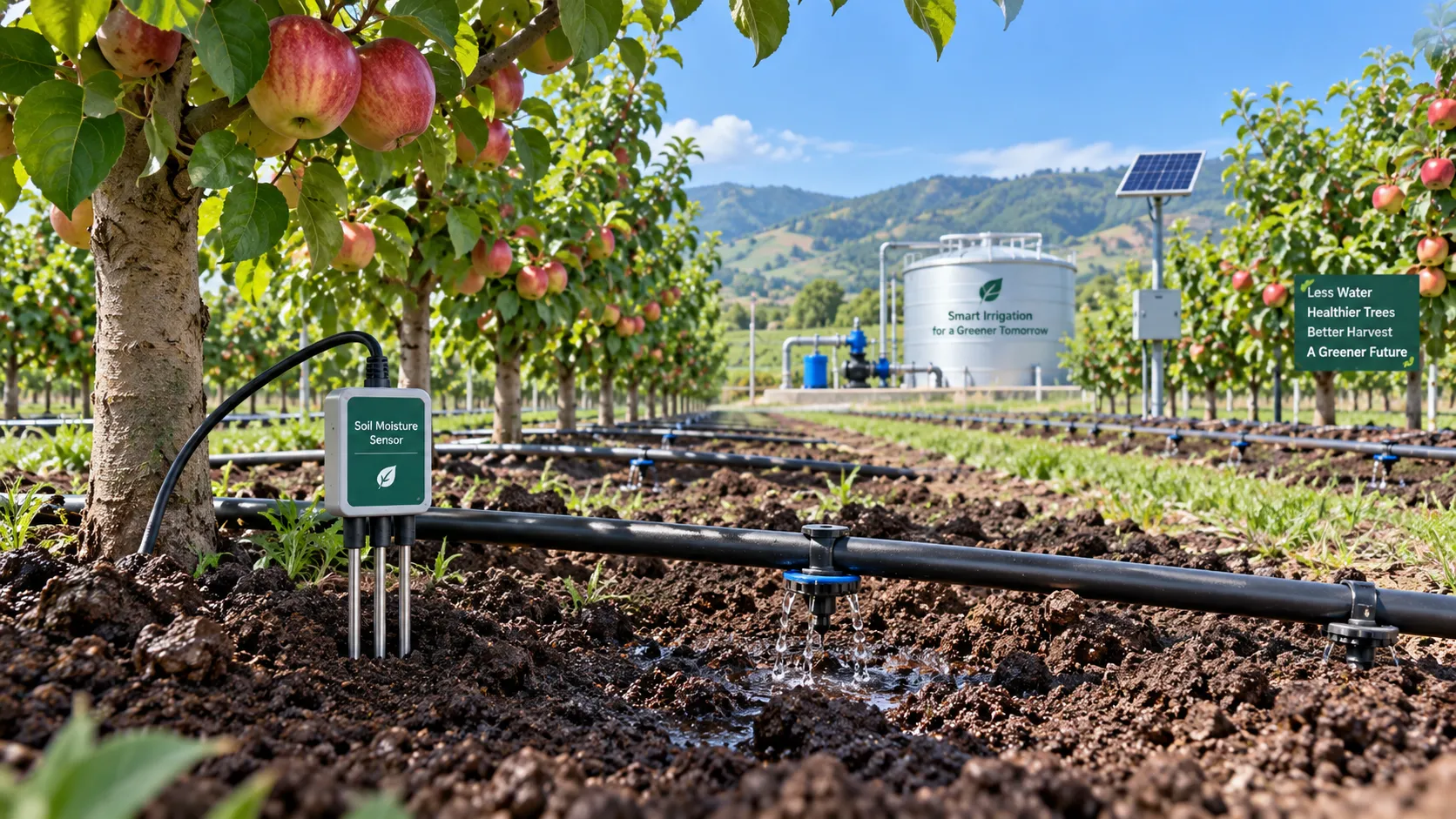
Orchard Water Management: Using Soil Moisture Data to Schedule Irrigation
Agricultural water management for orchards made practical: use soil moisture data to optimize irrigation timing, protect yield, reduce costs, and improve resilience.
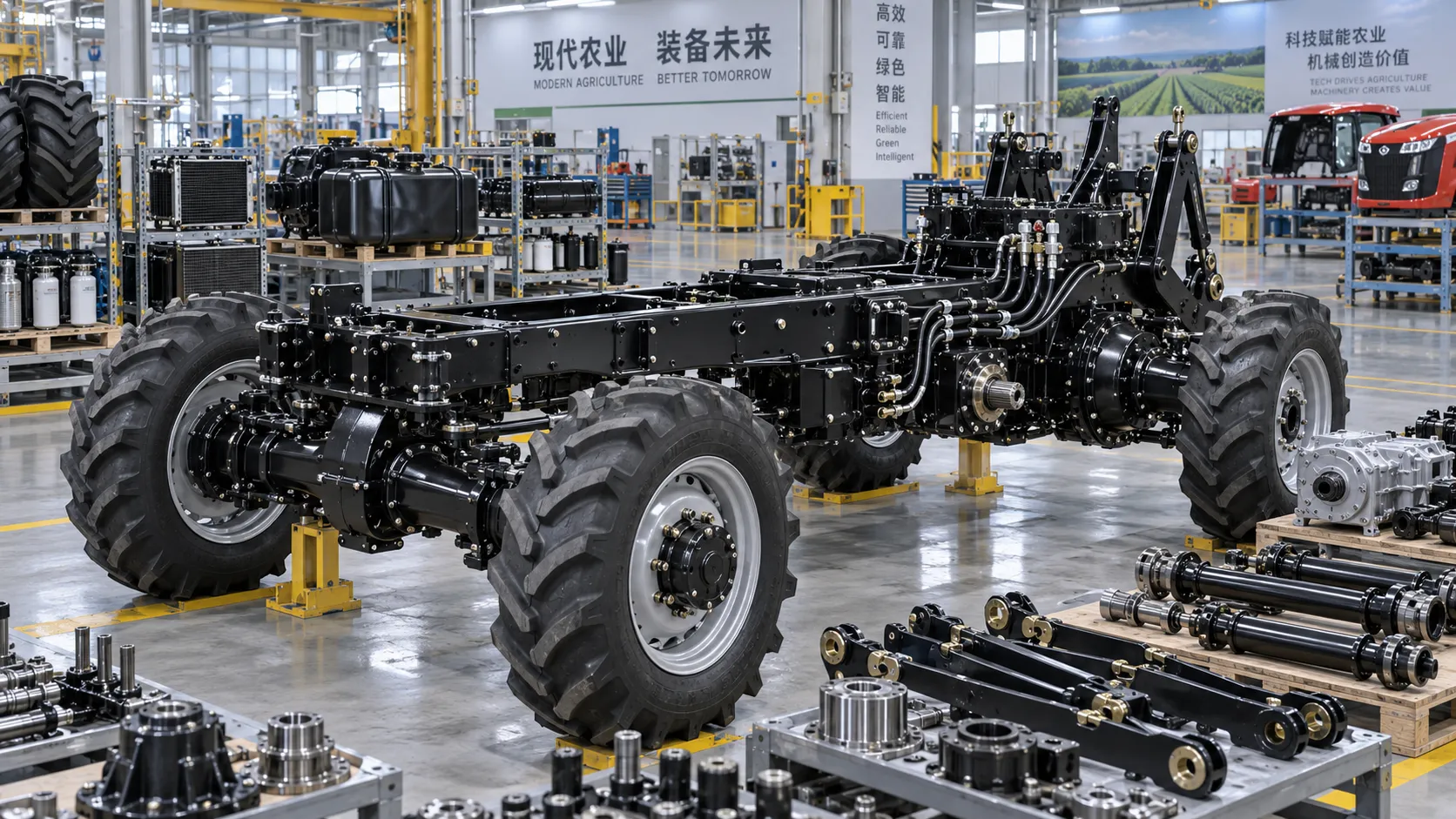
Tractor Chassis Price: What Buyers Should Compare Beyond the Initial Quote
Tractor chassis price is only the start. Compare load capacity, compatibility, durability, and lifecycle costs to choose a reliable, high-value chassis.
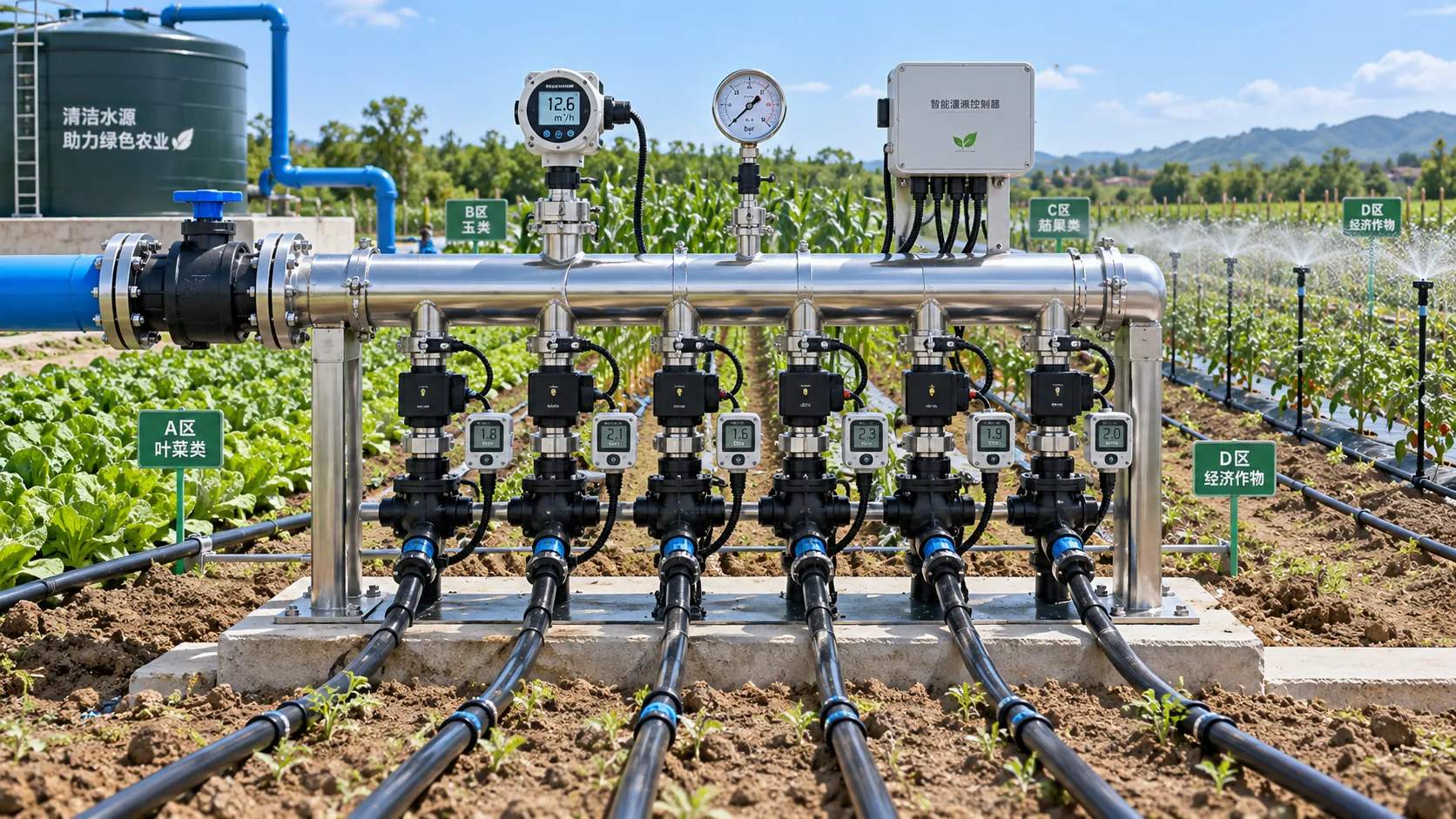
How to Select Smart Irrigation Valves for Multi-Zone Water Management?
Intelligent irrigation systems valves: learn how to match smart valves with multi-zone flow, pressure, control, feedback, and communication needs for reliable water management.
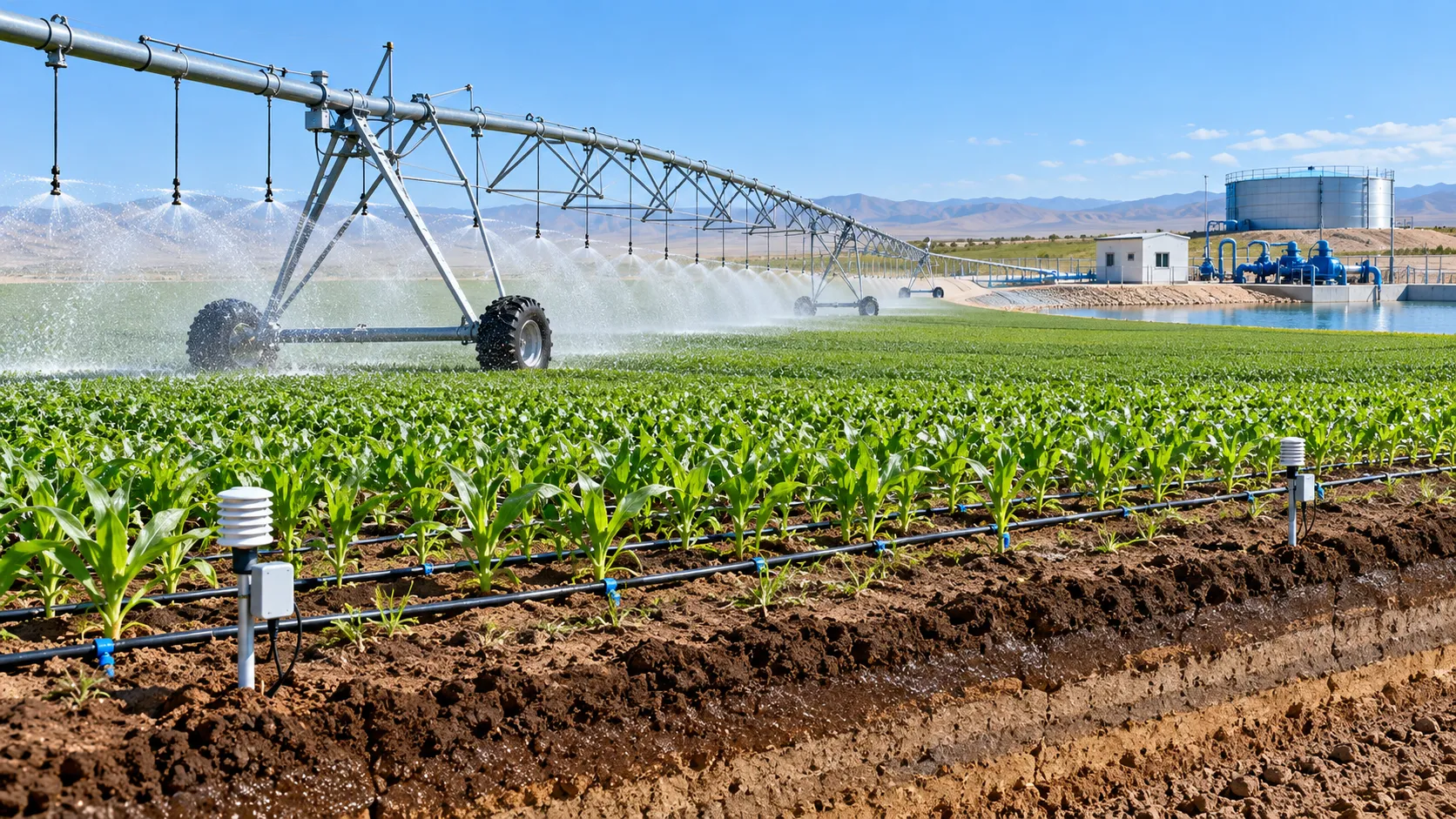
Climate-Smart Farming for Drought: A Practical Plan for Protecting Yields
Climate-smart farming for drought: build smarter water budgets, protect critical crop stages, improve irrigation uniformity, and safeguard yields with practical field-proven strategies.
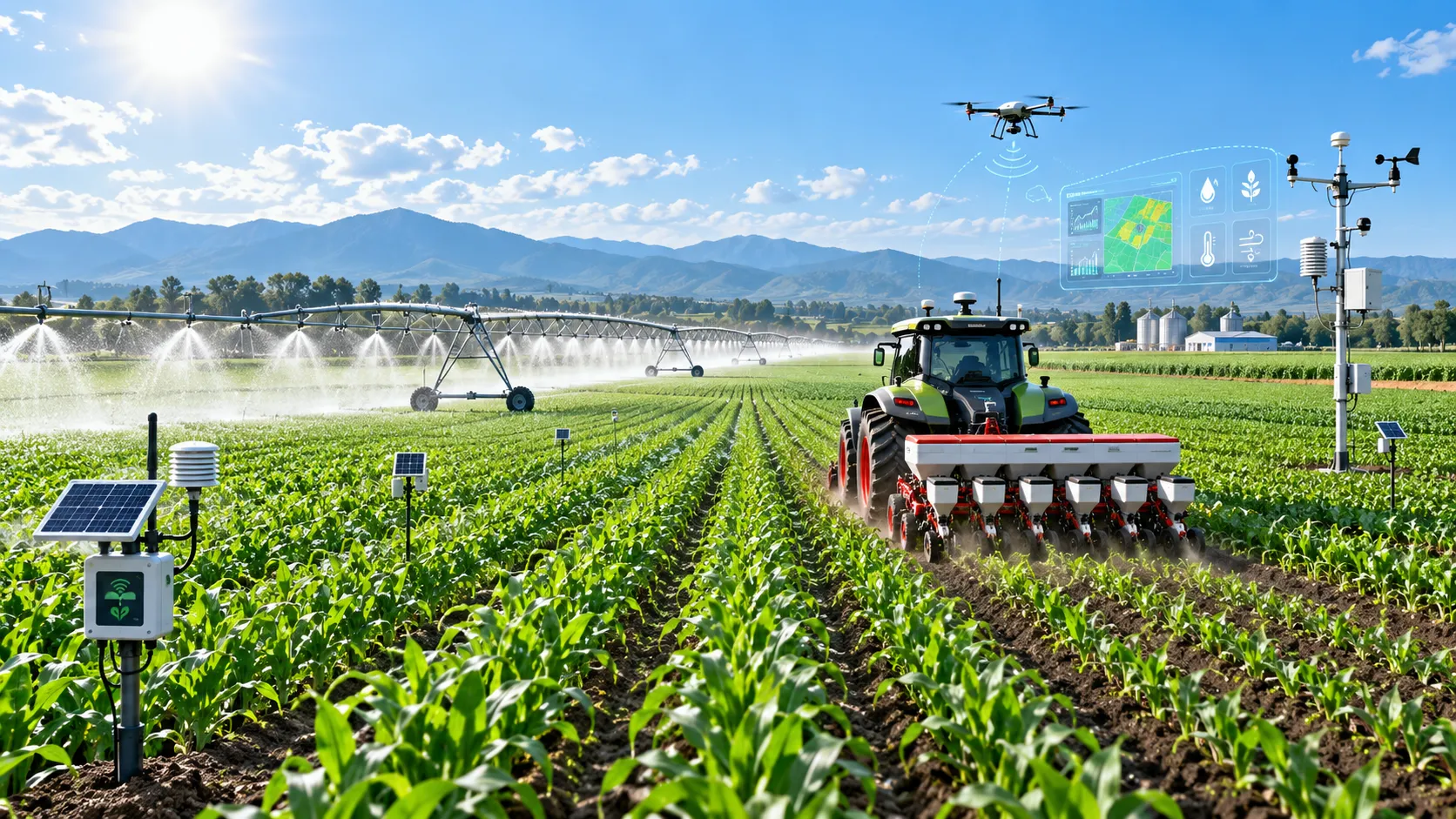
How Digital Agriculture Platforms Turn Field Data Into Better Input Decisions
Digital agriculture platforms turn field data into smarter fertilizer, water, seed, and equipment decisions—helping farms cut risk, improve margins, and scale sustainability.
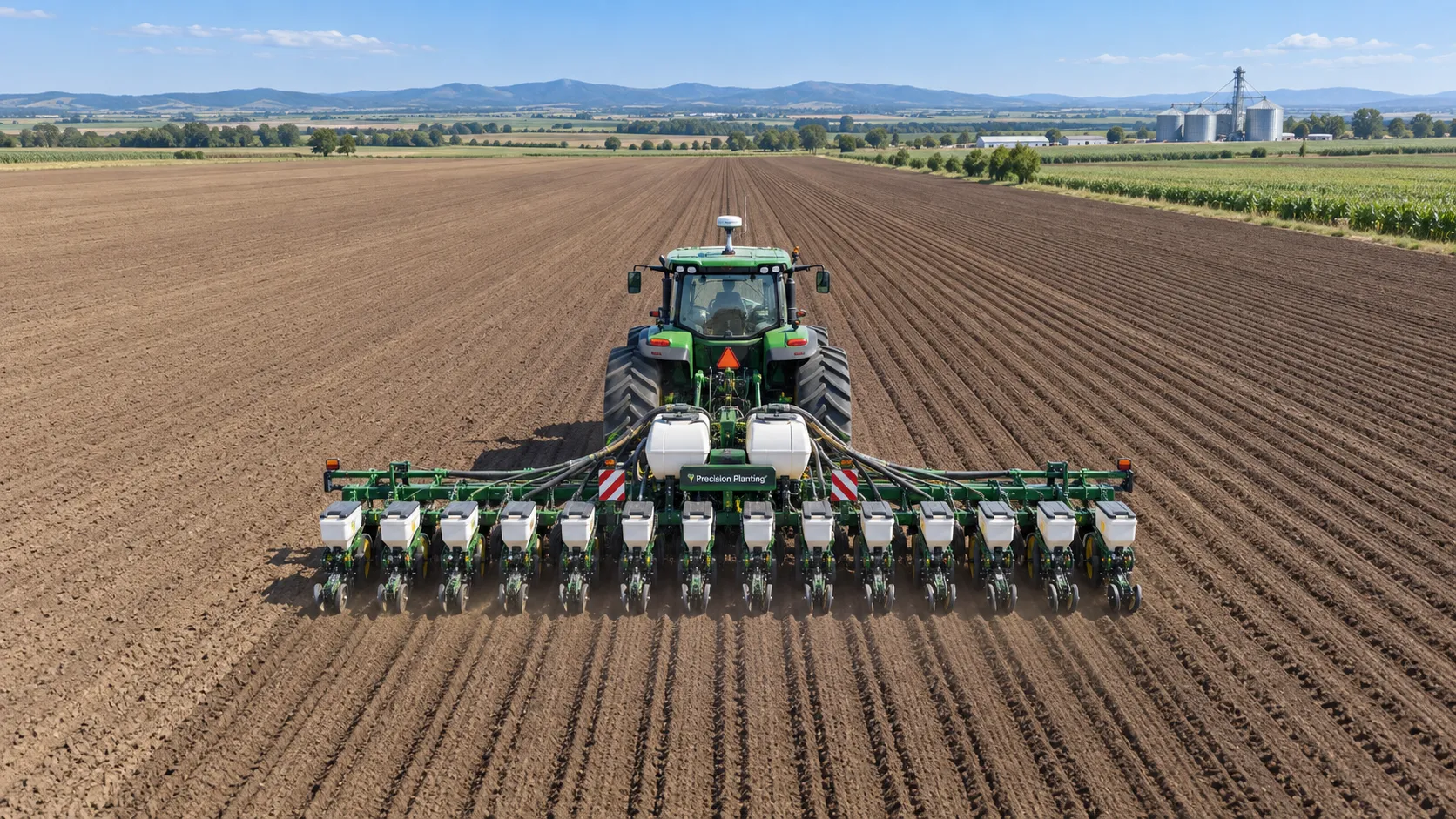
GPS-Guided Farm Machinery: Where It Delivers Measurable Field Efficiency Gains
Agri-mechanization GPS guided systems deliver measurable field efficiency gains through reduced overlap, precise planting, smarter inputs, and reliable farm data.
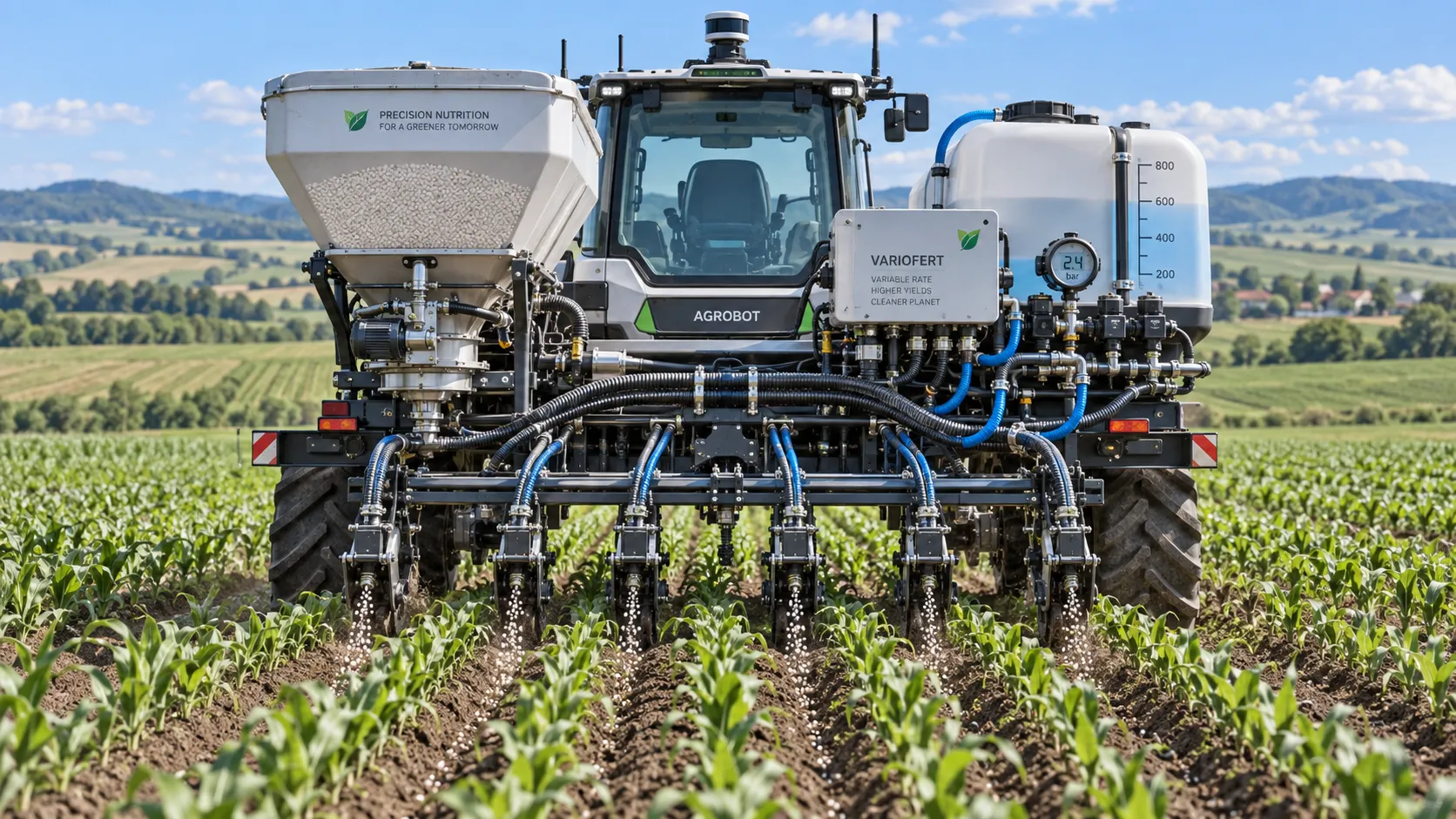
How Sensor Feedback Enables Accurate Variable-Rate Fertilization in Field Conditions
Precision fertilization systems with sensor feedback improve variable-rate accuracy by verifying flow, managing latency, and ensuring reliable field application.
How to Select Precision Crop Protection Equipment for Variable Field Conditions
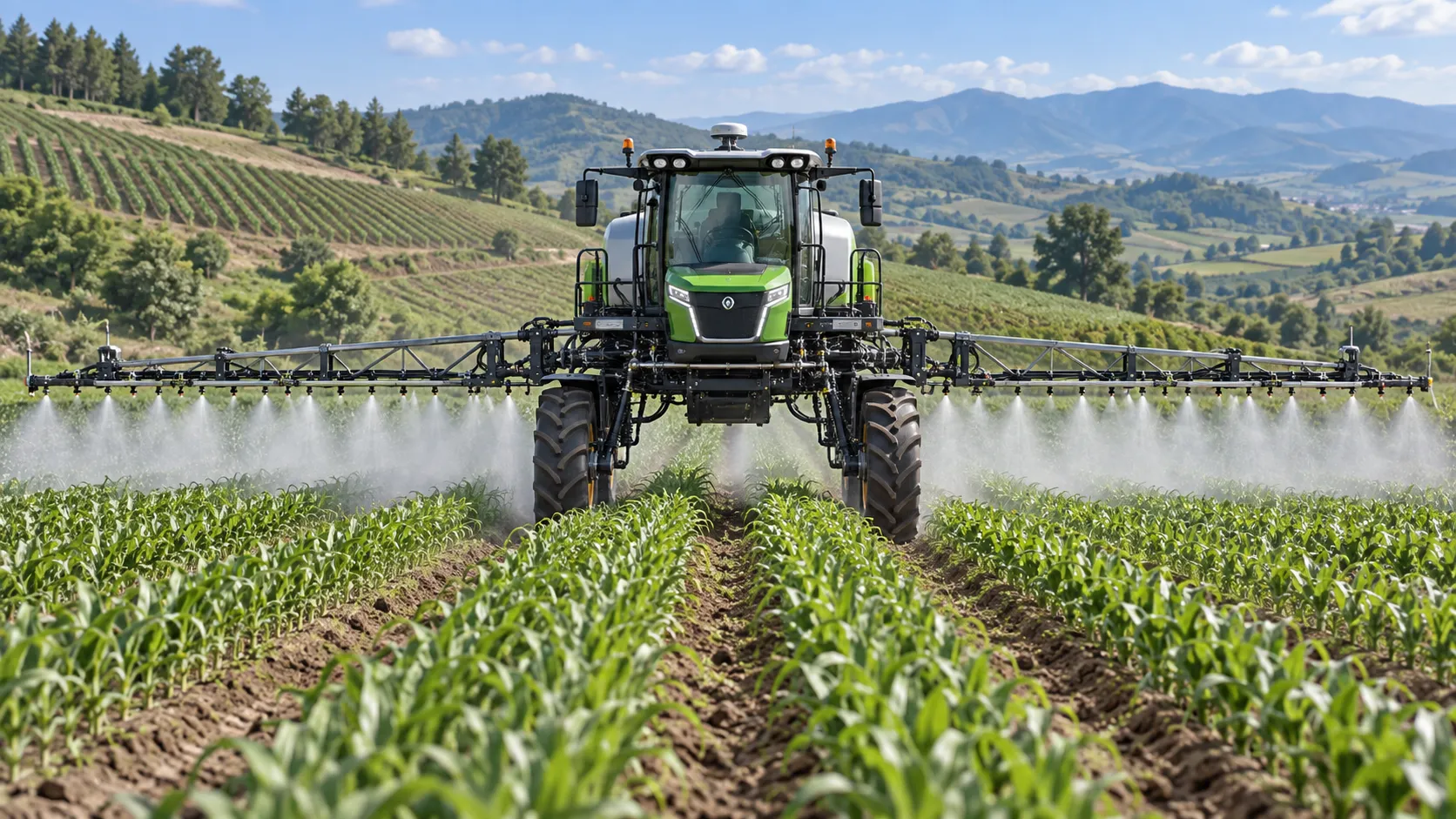
Precision crop protection equipment selection made simple: compare terrain, canopy, weather, control accuracy, and data workflows for reliable applications.

When Does Agricultural Machinery Leasing Cost Less Than Owning Equipment?
Agricultural machinery leasing can lower farm costs when use is seasonal or uncertain. Compare utilization, maintenance, cash flow, and risk to make a smarter equipment decision.
Related News
- 00
0000-00
Tractor Chassis Price: What Buyers Should Compare Beyond the Initial Quote - 00
0000-00
How Digital Agriculture Platforms Turn Field Data Into Better Input Decisions - 00
0000-00
When Does Agricultural Machinery Leasing Cost Less Than Owning Equipment? - 00
0000-00
Selecting Grain Farm Equipment by Acreage, Crop Mix, and Harvest Window - 00
0000-00
Poultry Equipment Selection: Evaluating Durability, Cleaning, and Compatibility
Popular Tags
Ms. Elena Rodriguez
Weekly Insights
Stay ahead with our curated technology reports delivered every Monday.