
How precision ag scientists use data to reduce input waste
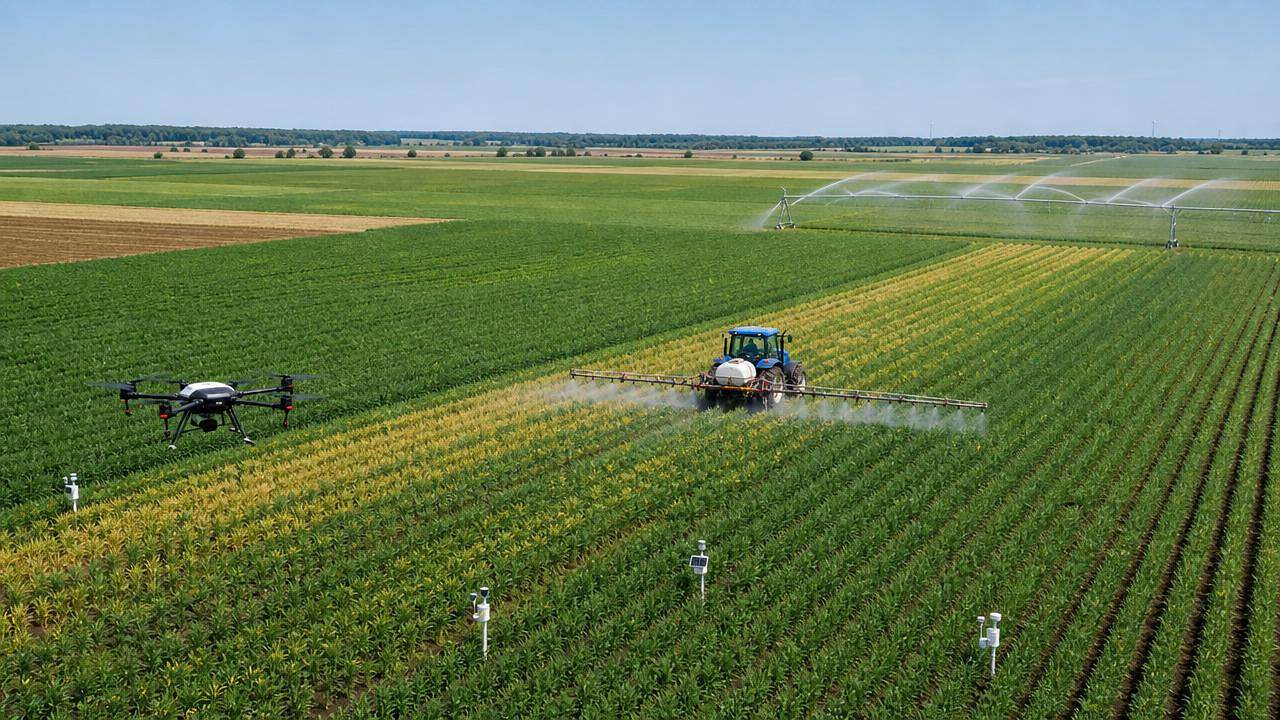




How do precision ag scientists turn field data into lower input waste without compromising yield or operational efficiency? For project managers and engineering leads, this topic sits at the intersection of machinery performance, sensor intelligence, and resource strategy. This article explores how data-driven precision agriculture helps optimize fertilizer, water, fuel, and labor use across modern farming systems while supporting measurable sustainability and cost-control goals.
Why precision ag scientists matter when input costs keep rising
For large farms, contractors, distributors, and system planners, the biggest risk is no longer only low yield. It is uncontrolled variability. Fields rarely behave as one uniform production unit, yet many operations still apply seed, fertilizer, irrigation, and machine hours as if they do.
That is where precision ag scientists create value. They convert agronomic variability into operational decisions. Instead of treating a farm as a flat map, they combine soil signals, crop response, machine feedback, weather patterns, and irrigation behavior into practical prescriptions that reduce waste.
For project managers, this changes the conversation from abstract innovation to measurable control. Waste can be tracked in liters of water, kilograms of nitrogen, overlap percentage in spraying, combine loss rates, fuel burn per hectare, and labor hours per field pass.
- They identify where uniform applications cause overuse and where under-application suppresses output.
- They align agronomic decisions with equipment capability, such as section control, rate controllers, telematics, and sensor-driven irrigation.
- They help engineering teams prioritize data streams that actually improve decisions instead of collecting disconnected metrics.
From field observation to resource allocation
Precision ag scientists do not just analyze crops. They also evaluate how machines interact with field conditions. A tractor chassis under poor traction, a combine set for the wrong crop moisture window, or an irrigation zone using weak scheduling logic can all drive hidden waste.
This systems view matches the intelligence approach of AP-Strategy. Its focus on large-scale agri-machinery, combine harvesting technology, intelligent farm tools, and water-saving irrigation systems reflects how resource efficiency is achieved in the real field: through connected decisions, not isolated equipment upgrades.
What data do precision ag scientists actually use?
Many teams invest in sensors before defining which decisions those sensors should support. Precision ag scientists usually work backward from waste points. They ask where losses occur, which variables explain them, and what level of data resolution is practical for management.
The table below outlines the most common data categories used by precision ag scientists and how each one contributes to input control across machinery, irrigation, and crop operations.
The key lesson is simple: not all data has the same management value. A strong precision program connects each dataset to a control point. If there is no decision linked to the signal, collection costs rise while input waste stays in place.
Why engineering leads should care about data quality
Bad data often leads to expensive confidence. Sensor drift, inconsistent calibration, poor georeferencing, and disconnected machine interfaces can turn a promising precision platform into a source of wrong prescriptions. Precision ag scientists therefore spend as much time validating data integrity as analyzing crop response.
How precision ag scientists reduce fertilizer, water, fuel, and labor waste
Fertilizer: moving from blanket rates to zone-specific decisions
Nutrient waste is one of the most expensive and politically sensitive issues in modern agriculture. Precision ag scientists use historical yield layers, tissue trends, soil maps, and in-season imagery to design application zones. The goal is not simply to cut rates. It is to place nutrients where response probability is higher and reduce application where return is weak.
This approach is especially valuable in large-scale farming systems where variable soil behavior can produce both over-fertilized and underperforming areas within the same field. Prescription maps become most effective when spreaders and sprayers can hold rate accuracy under real operating speeds.
Water: improving irrigation timing, not just irrigation hardware
Intelligent irrigation systems save more than water alone. They affect energy use, nutrient movement, disease pressure, and labor scheduling. Precision ag scientists combine soil moisture data, root-zone behavior, evapotranspiration estimates, and forecast logic to decide when and where irrigation should occur.
For project teams working with water-saving irrigation systems, the main mistake is assuming that modern hardware automatically delivers efficient use. In reality, pumps, valves, emitters, and control software only perform well when scheduling logic reflects crop stage and site-specific water demand.
Fuel and machine hours: reducing unnecessary passes
Fuel waste often hides inside overlaps, idle time, poor routing, and repeated corrective operations. Precision ag scientists work with telematics, guidance data, and field task records to identify where machine deployment is inefficient. In many operations, reducing one unnecessary pass has a stronger cost impact than negotiating small discounts on inputs.
This is where AP-Strategy’s close attention to tractor chassis performance, implement control, and large-scale machinery intelligence becomes useful. Fuel efficiency cannot be judged by engine specification alone. It depends on traction matching, hydraulic behavior, route planning, and field execution discipline.
Labor: turning field variability into clearer work instructions
Labor waste is not only about workforce size. It is also about unclear timing, poor coordination, and lack of actionable field guidance. Precision ag scientists convert complex data into simple operational rules: which zones need attention first, which fields should be irrigated tonight, and which harvest settings fit current crop moisture.
- Clear prescriptions reduce field-level guesswork for operators and supervisors.
- Task prioritization lowers delays during narrow weather windows.
- Better machine setup reduces rework caused by losses, skips, or uneven application.
Which farming scenarios benefit most from precision ag scientists?
Not every operation needs the same level of sophistication on day one. However, some project environments gain value faster because their waste exposure is already high. The following comparison helps managers identify where precision ag scientists can deliver the strongest early impact.
The strongest candidates are usually operations with large field variability, high input intensity, or narrow timing windows. In these cases, even modest gains in application accuracy or irrigation timing can materially improve budget control.
How to evaluate a precision agriculture project before procurement
Project managers often face a common procurement trap: buying technology by feature list instead of buying a decision system. Precision ag scientists help avoid this by defining the management outcome first, then matching tools, integrations, and field processes to that outcome.
A practical selection checklist
- Identify the highest-cost waste stream first, such as nitrogen leakage, irrigation inefficiency, combine loss, or fuel-heavy field passes.
- Confirm whether current equipment can execute prescriptions, including section control, variable-rate capability, and telemetry export.
- Check data compatibility across sensors, machine terminals, mapping software, and irrigation control platforms.
- Define who validates data and who owns the decision logic, especially in multi-vendor environments.
- Set a measurable pilot scope with baseline metrics before scaling across the full operation.
What to compare when choosing partners or platforms
The table below is designed for procurement and implementation teams that need to compare precision support options beyond marketing claims.
A reliable program treats procurement as part of a field system. Equipment, software, operator workflow, and agronomic assumptions must fit together. This is especially important in cross-border agri-projects where standards, support depth, and machine fleets vary by region.
Common mistakes that limit the work of precision ag scientists
- Collecting too much data without defining a decision path, which leads to dashboards but not lower waste.
- Ignoring machine calibration, even though variable-rate plans fail when spreaders, sprayers, or flow controls drift in the field.
- Treating irrigation scheduling as a one-time setup instead of a season-long adjustment process tied to weather and crop stage.
- Focusing only on agronomy while overlooking logistics, harvest timing, and tractor or implement performance.
- Launching at full scale before a pilot establishes baseline losses, response zones, and operator readiness.
These mistakes explain why some digital agriculture projects produce impressive maps but limited financial return. Precision ag scientists are most effective when technical deployment, agronomic reasoning, and operational discipline evolve together.
FAQ for project managers evaluating precision ag scientists
How do precision ag scientists fit into machinery-focused projects?
They help translate machine capability into field-level savings. For example, section control, telematics, or combine monitoring features become more valuable when linked to zone management, loss analysis, and timing decisions. Without that layer, advanced equipment may operate like conventional equipment with a higher purchase price.
Which input category usually offers the fastest return?
That depends on the production system. In irrigated operations, water and pumping energy often provide fast gains. In broadacre grain systems, overlap reduction, fertilizer zoning, and harvest loss control can be strong starting points. A baseline audit is usually more useful than assumptions.
Do precision ag scientists only help very large farms?
No, but scale affects prioritization. Large operations gain more from route efficiency, machine coordination, and prescription automation. Smaller operations may focus first on irrigation timing, targeted scouting, or a limited variable-rate program. The right scope depends on field variability and input pressure, not only on farm size.
What standards or compliance topics should teams watch?
Teams should review data handling practices, machine-interface compatibility, regional environmental rules for nutrient and water use, and any procurement requirements linked to traceability or sustainability reporting. In many cases, the practical issue is not certification alone but whether records are structured well enough to support compliance reviews and buyer expectations.
Why AP-Strategy is a practical intelligence partner for data-driven farming decisions
AP-Strategy operates at the point where field science, equipment performance, and strategic procurement meet. That matters for organizations managing large-scale agri-machinery, combine harvesting systems, intelligent farm tools, and water-saving irrigation projects across changing markets and regulatory conditions.
Its Strategic Intelligence Center connects the work of agri-mechanization specialists, precision ag scientists, and hydrological resource strategists. This combination helps project teams move beyond isolated product research toward coordinated decisions about machine capability, application logic, resource efficiency, and asset planning.
What you can consult with us about
- Parameter confirmation for large-scale machinery, harvest systems, and irrigation-control architecture.
- Product and solution selection based on field variability, input priorities, and fleet compatibility.
- Delivery-cycle planning, implementation sequencing, and pilot-scope definition for multi-stage projects.
- Custom strategy discussion around precision fertilization, telemetry integration, harvest loss feedback, and water-saving irrigation logic.
- Compliance-related information needs tied to regional market expectations, operational records, and procurement review.
- Commercial insight support for quotation alignment, long-cycle asset allocation, and technology road-mapping.
If your team is assessing how precision ag scientists can reduce input waste across fertilizer, irrigation, machinery, or harvest systems, AP-Strategy can help structure the conversation around measurable field outcomes. That means clearer selection criteria, smarter deployment priorities, and more grounded investment decisions for Agriculture 4.0 projects.
Related News
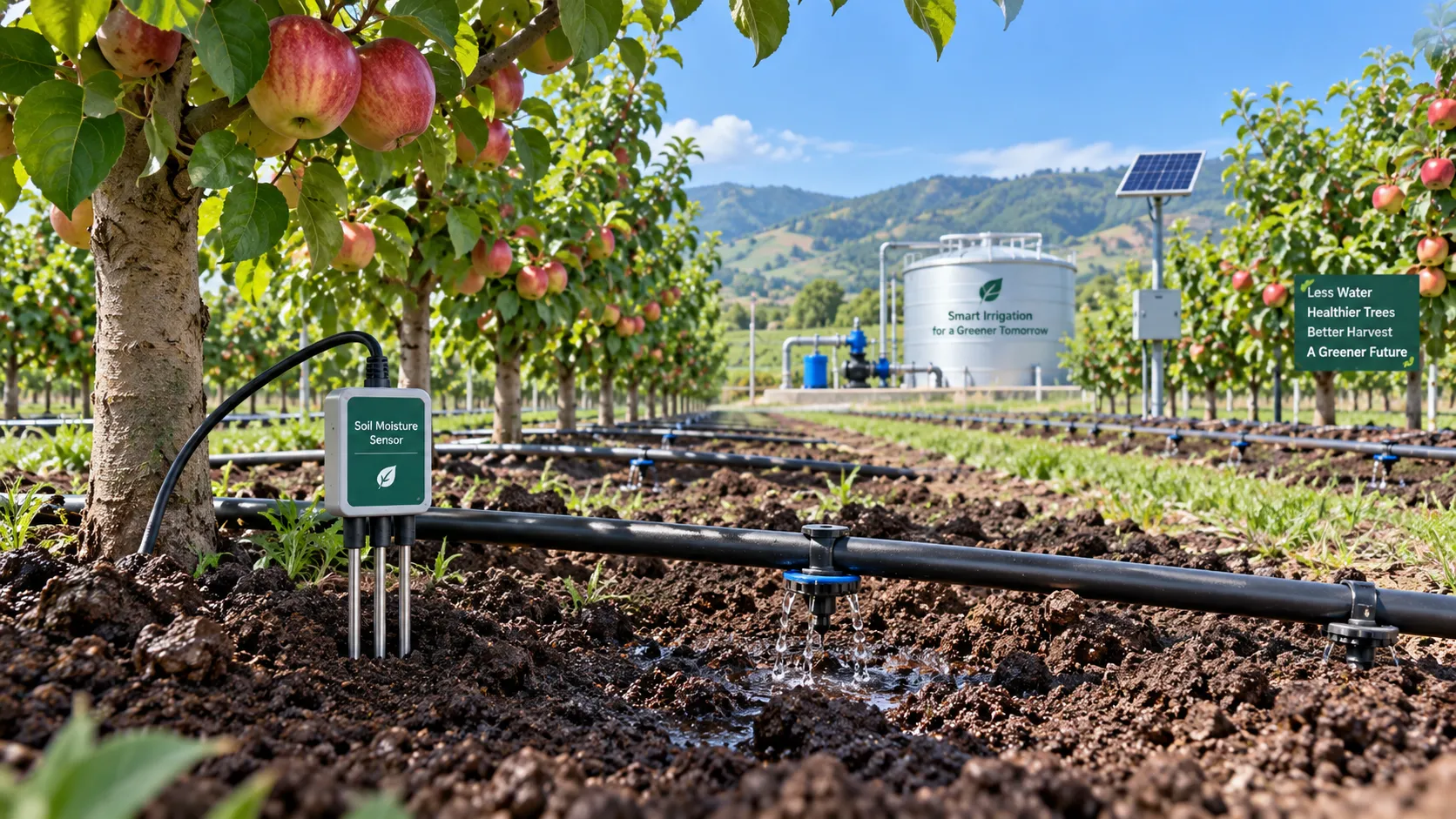
Orchard Water Management: Using Soil Moisture Data to Schedule Irrigation
Agricultural water management for orchards made practical: use soil moisture data to optimize irrigation timing, protect yield, reduce costs, and improve resilience.
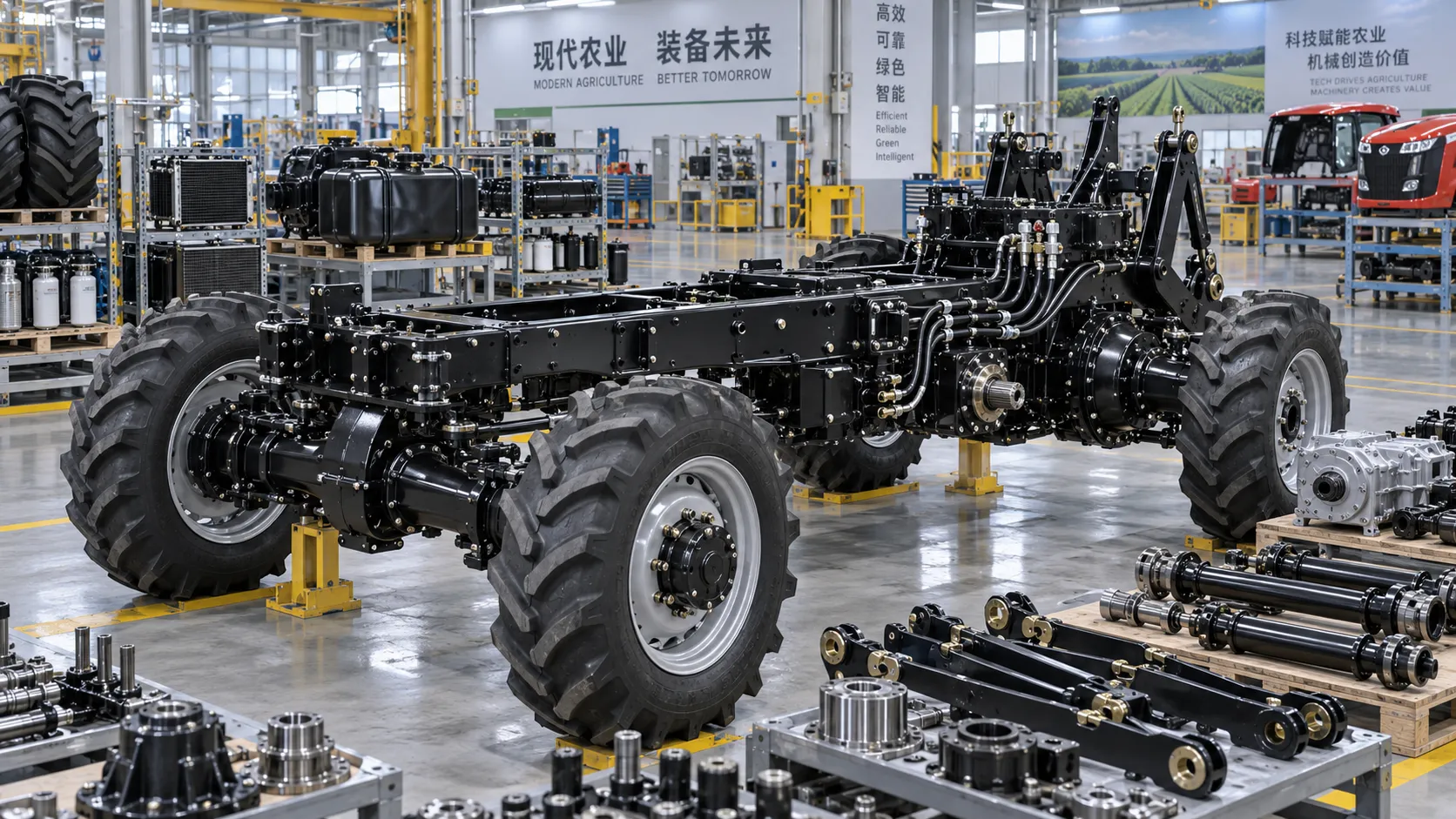
Tractor Chassis Price: What Buyers Should Compare Beyond the Initial Quote
Tractor chassis price is only the start. Compare load capacity, compatibility, durability, and lifecycle costs to choose a reliable, high-value chassis.
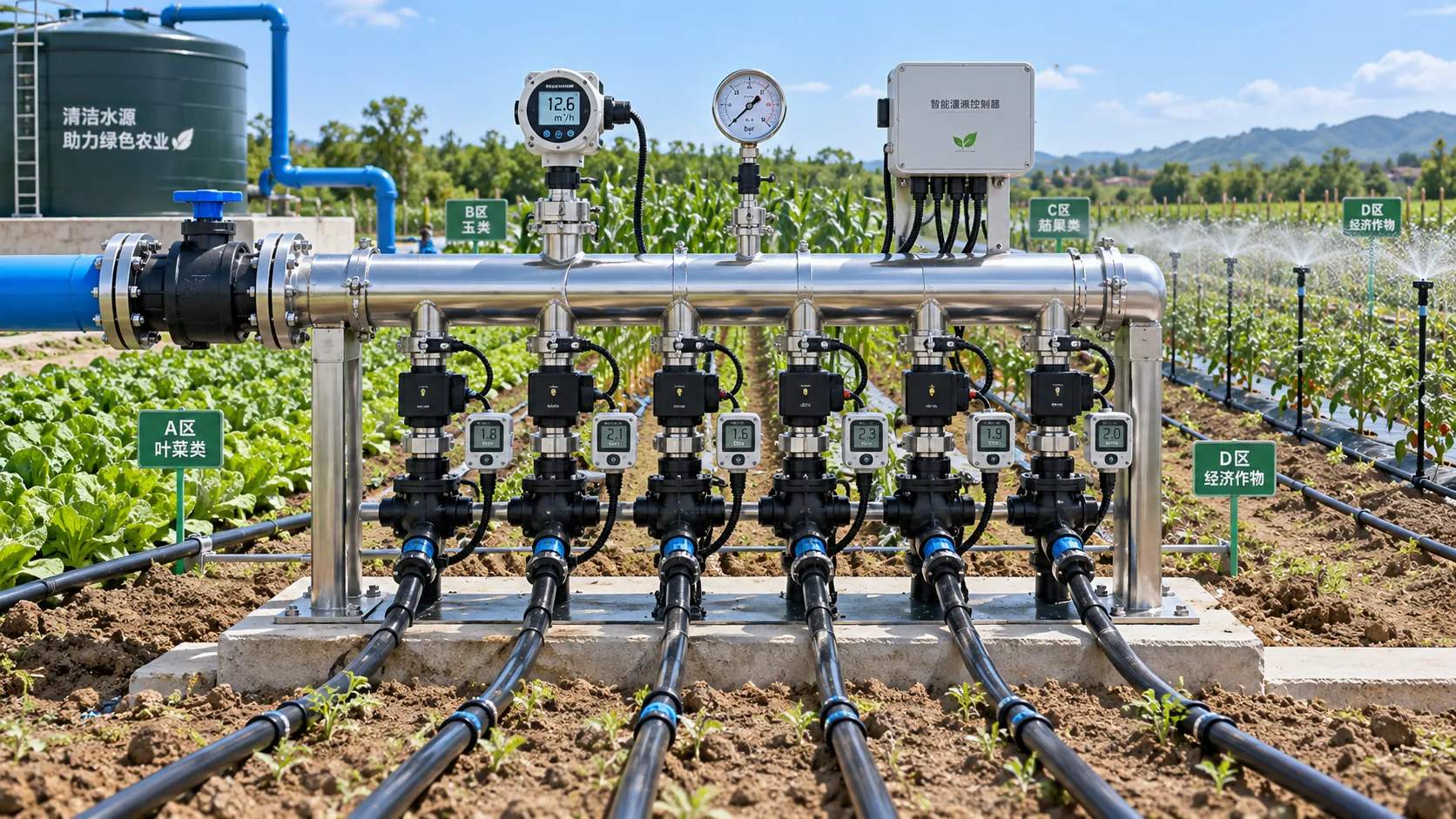
How to Select Smart Irrigation Valves for Multi-Zone Water Management?
Intelligent irrigation systems valves: learn how to match smart valves with multi-zone flow, pressure, control, feedback, and communication needs for reliable water management.
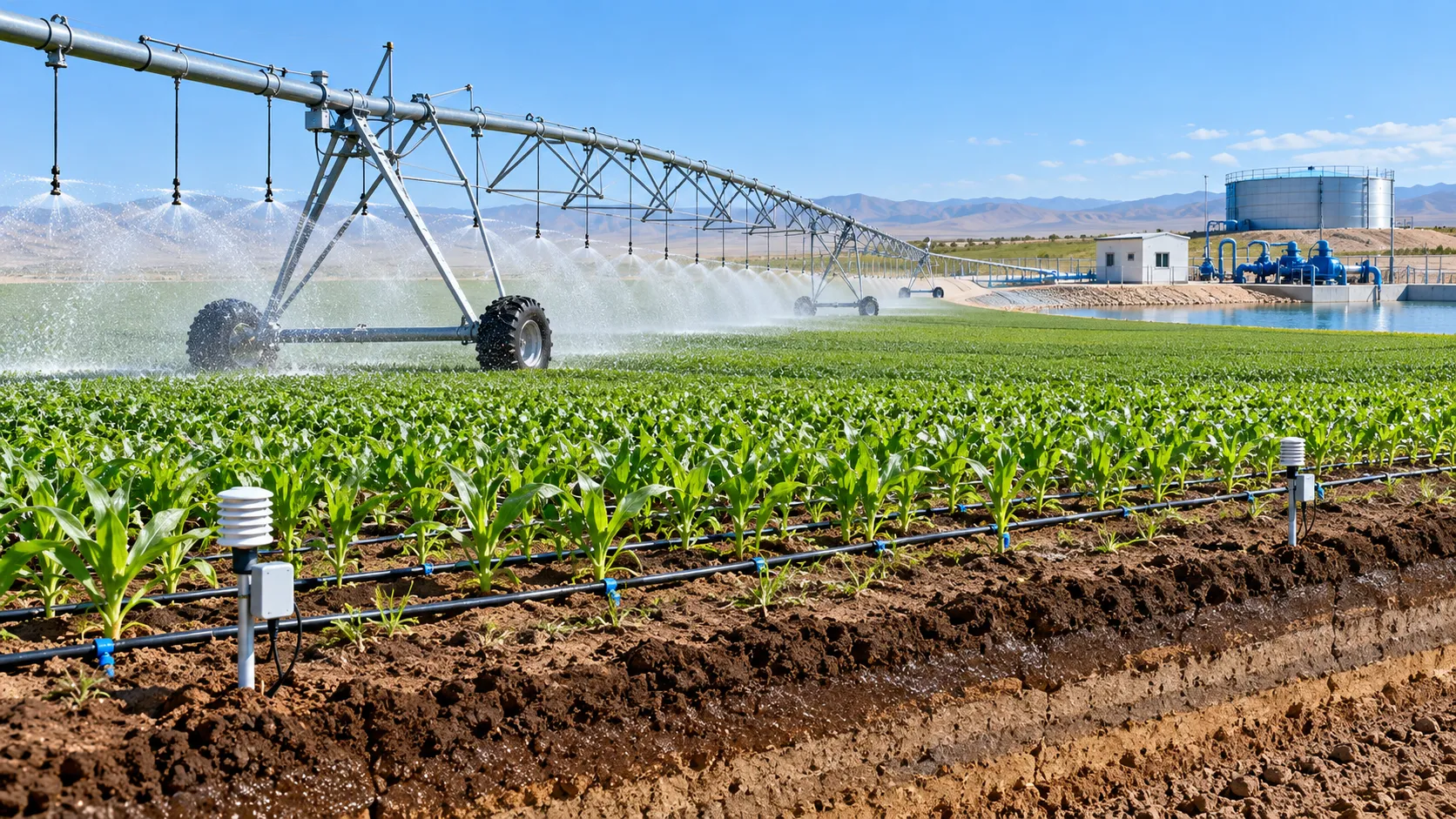
Climate-Smart Farming for Drought: A Practical Plan for Protecting Yields
Climate-smart farming for drought: build smarter water budgets, protect critical crop stages, improve irrigation uniformity, and safeguard yields with practical field-proven strategies.
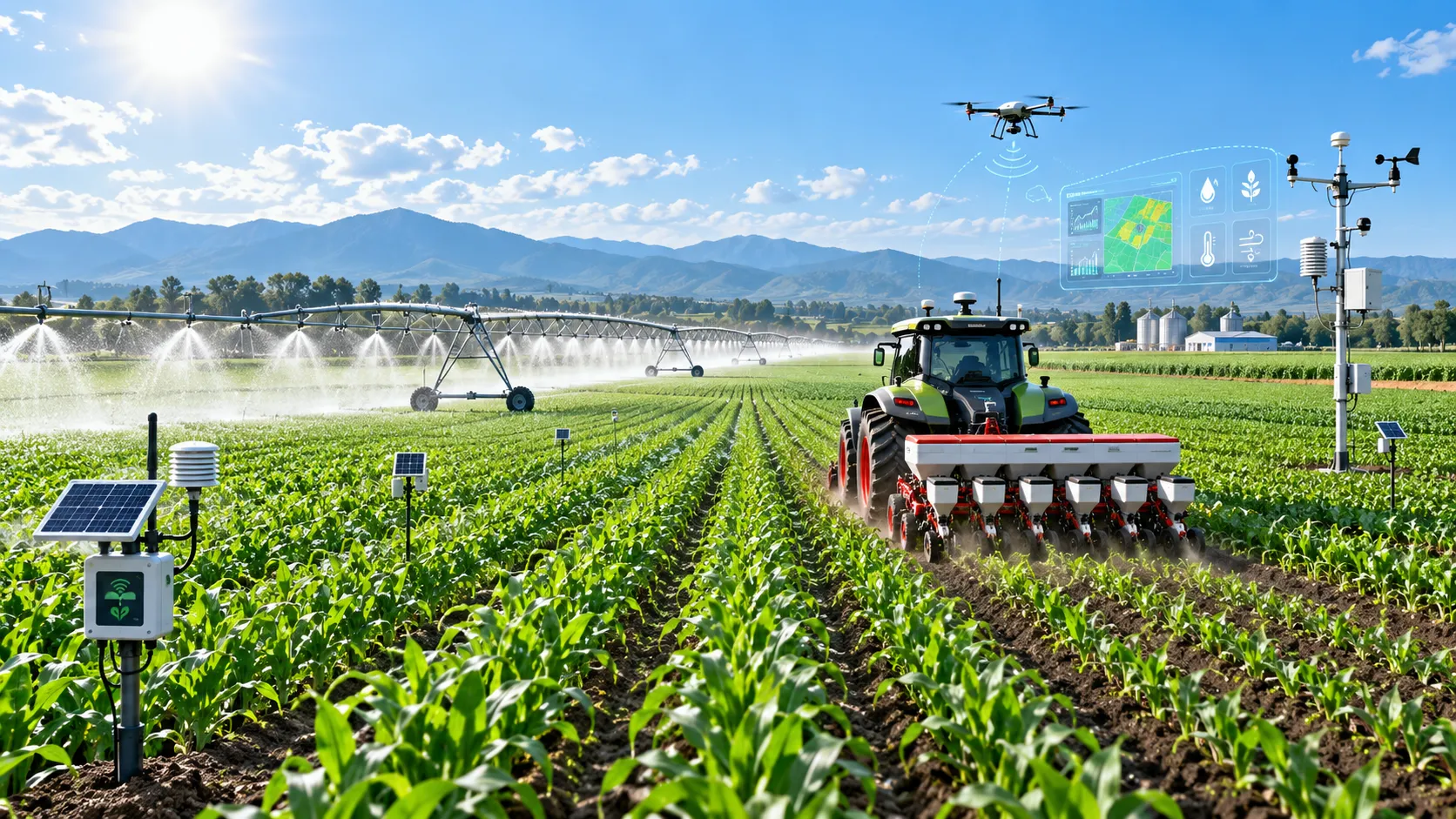
How Digital Agriculture Platforms Turn Field Data Into Better Input Decisions
Digital agriculture platforms turn field data into smarter fertilizer, water, seed, and equipment decisions—helping farms cut risk, improve margins, and scale sustainability.
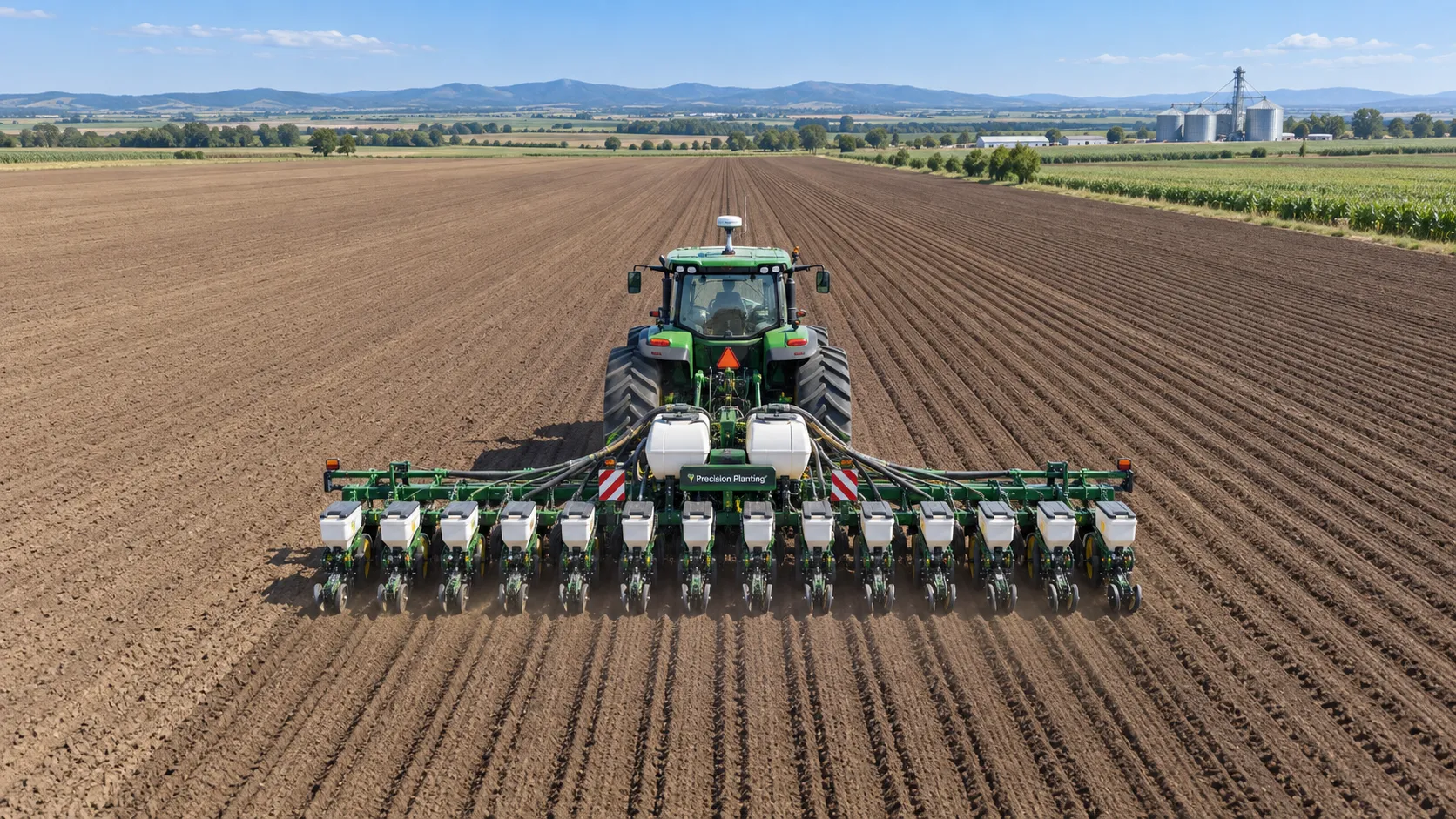
GPS-Guided Farm Machinery: Where It Delivers Measurable Field Efficiency Gains
Agri-mechanization GPS guided systems deliver measurable field efficiency gains through reduced overlap, precise planting, smarter inputs, and reliable farm data.
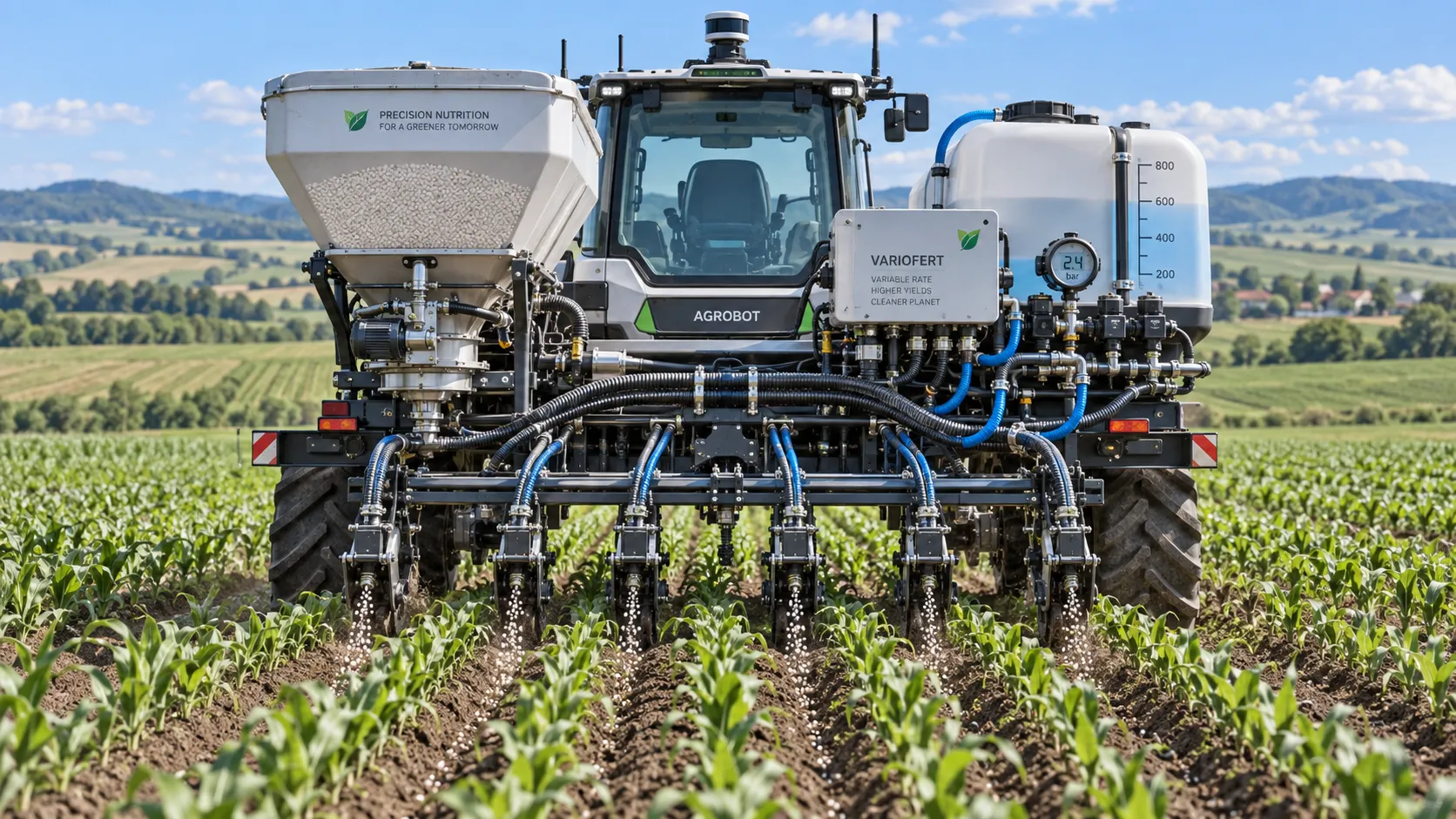
How Sensor Feedback Enables Accurate Variable-Rate Fertilization in Field Conditions
Precision fertilization systems with sensor feedback improve variable-rate accuracy by verifying flow, managing latency, and ensuring reliable field application.
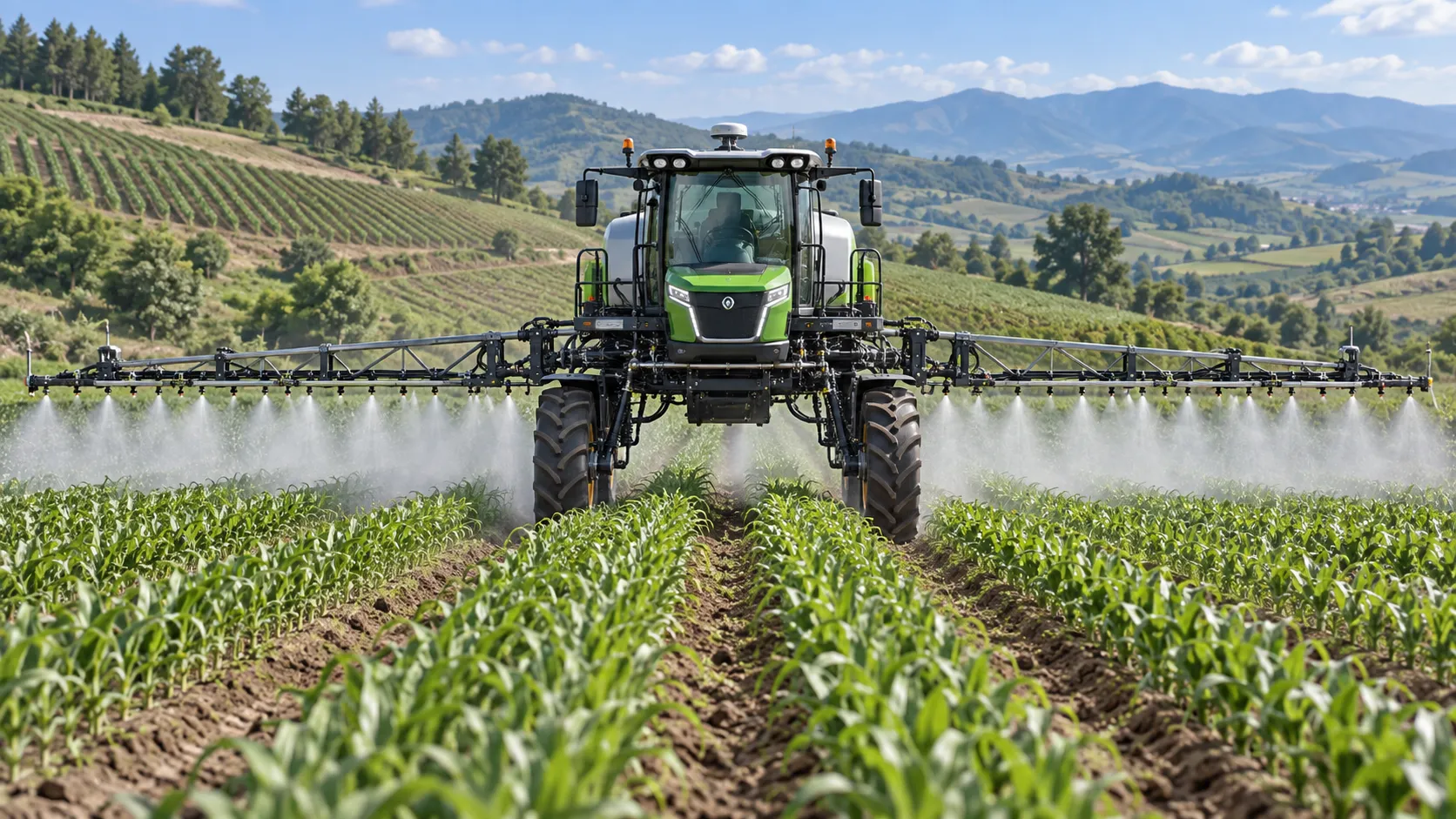
How to Select Precision Crop Protection Equipment for Variable Field Conditions
Precision crop protection equipment selection made simple: compare terrain, canopy, weather, control accuracy, and data workflows for reliable applications.
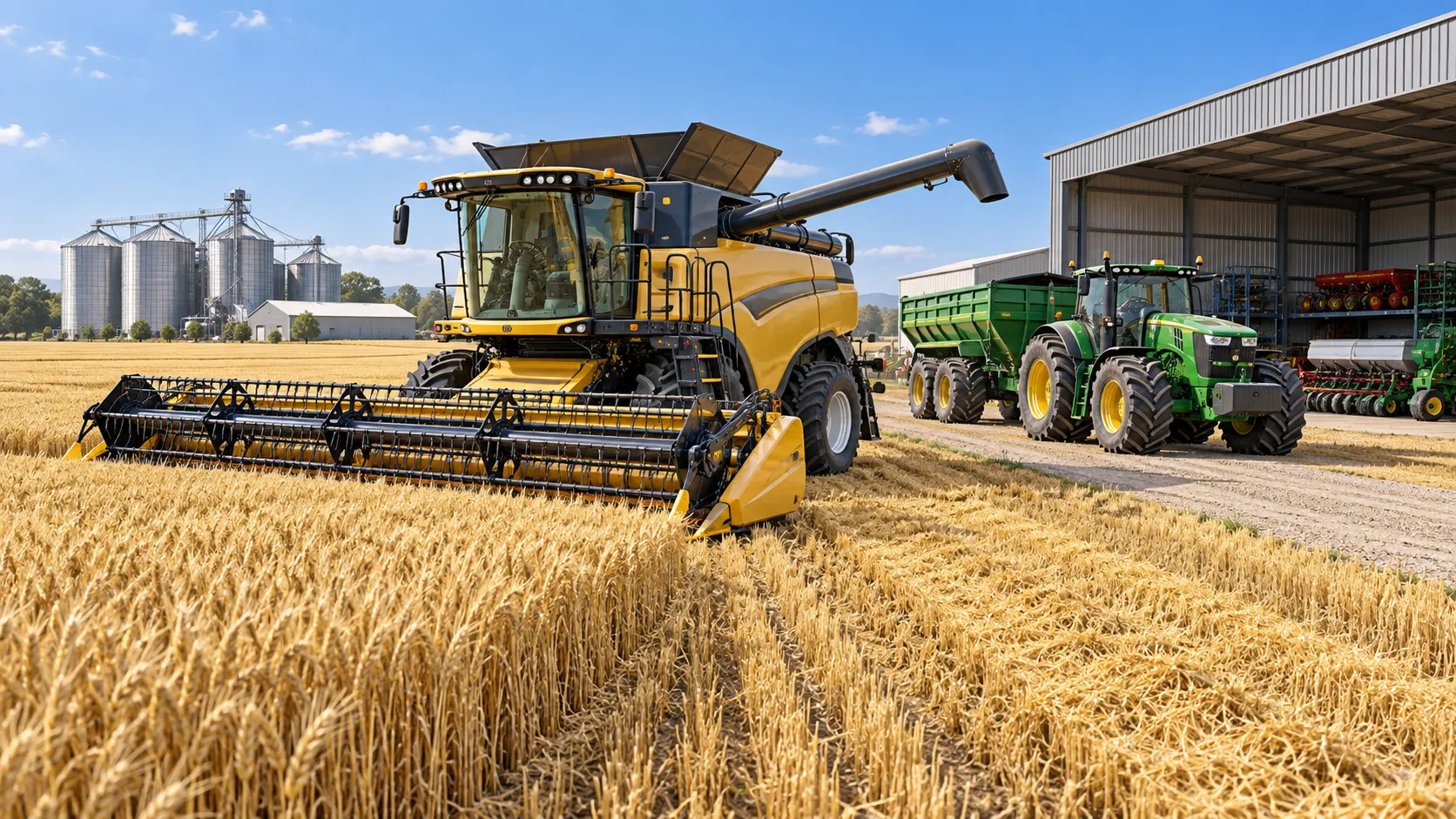
When Does Agricultural Machinery Leasing Cost Less Than Owning Equipment?
Agricultural machinery leasing can lower farm costs when use is seasonal or uncertain. Compare utilization, maintenance, cash flow, and risk to make a smarter equipment decision.
Related News
- 00
0000-00
How Sensor Feedback Enables Accurate Variable-Rate Fertilization in Field Conditions - 00
0000-00
How to Select Precision Crop Protection Equipment for Variable Field Conditions - 00
0000-00
How to Evaluate Precision Fertilization System Suppliers for Farm-Scale Deployment - 00
0000-00
How to Select a Precision Fertilization System for Variable Corn Field Conditions - 00
0000-00
When does equipment for sustainable farming justify a higher capital spend?
Popular Tags
Tractor Power Architect
Weekly Insights
Stay ahead with our curated technology reports delivered every Monday.