
US-China Agreement Eases Non-Tariff Barriers for Smart Irrigation Water Monitors
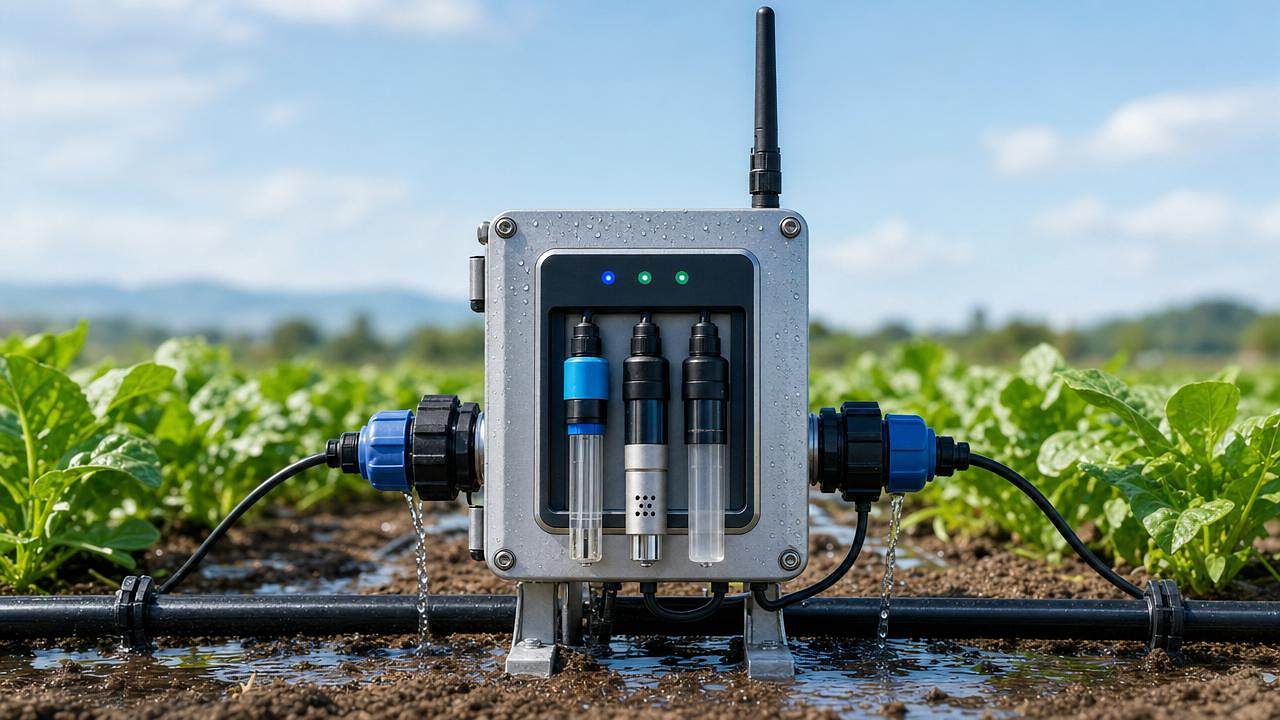




On May 18, 2026, the U.S. and China Agricultural Working Group reached a consensus allowing expanded export of Chinese-made smart irrigation water quality monitoring devices to the U.S. This development directly affects manufacturers of agricultural IoT sensors, precision irrigation equipment suppliers, and third-party certification service providers — particularly those engaged in pH/EC/turbidity sensing and LoRaWAN-enabled irrigation control systems.
Event Overview
On May 18, 2026, the U.S.-China Agricultural Working Group announced that the U.S. Environmental Protection Agency (EPA) has lifted the mandatory pre-market EPA registration requirement for Chinese smart water quality monitoring instruments used in agricultural irrigation. These devices measure multiple parameters including pH, electrical conductivity (EC), and turbidity, and incorporate LoRaWAN transmission modules. Market access is now permitted via a dual-verification pathway: third-party calibration accredited by the U.S. National Institute of Standards and Technology (NIST), supplemented by a China Metrology Accreditation (CMA) test report. The change applies specifically to devices deployed for irrigation return water monitoring and fertigation solution control.
Which Subsectors Are Affected
Direct Exporters of Smart Irrigation Monitoring Devices
Manufacturers exporting such devices to the U.S. are directly impacted because the removal of EPA registration as a prerequisite reduces regulatory friction. The shift means faster time-to-market and lower compliance overhead — especially for small and medium-sized enterprises (SMEs) previously constrained by lengthy, resource-intensive EPA submission processes.
Third-Party Calibration and Testing Service Providers
Entities offering NIST-traceable calibration or CMA-certified testing services gain new demand drivers. The dual-verification model creates parallel requirements: one set aligned with U.S. metrological standards (NIST), the other meeting Chinese regulatory evidence standards (CMA). Service providers capable of delivering both — or coordinating between certified labs — may see increased engagement from device makers preparing U.S.-bound shipments.
Precision Irrigation System Integrators
Companies integrating water quality sensors into larger irrigation automation platforms (e.g., fertigation controllers, cloud-based farm management systems) face revised component qualification pathways. Previously, end-system validation might have depended on upstream EPA registration of individual sensors; now, integrators must verify that sensor suppliers meet the updated NIST+CMA evidentiary standard — a change affecting bill-of-materials compliance workflows.
U.S.-Based Agricultural Technology Distributors
Distributors sourcing these devices from China will encounter altered import documentation expectations. Customs and FDA/EPA coordination points may shift toward verifying calibration certificates and CMA reports rather than EPA registration numbers. This requires internal updates to supplier onboarding checklists and import compliance protocols.
What Relevant Enterprises or Practitioners Should Focus On
Monitor official implementation guidance from U.S. EPA and USDA
The agreement outlines a new eligibility pathway but does not supersede existing statutory authorities. Enterprises should track any forthcoming EPA notices or USDA Agricultural Trade Office bulletins clarifying enforcement scope, recordkeeping expectations, or definitions of ‘irrigation return water monitoring’ versus other water quality applications — as misclassification could trigger re-evaluation.
Validate device classification and intended use against the agreed scope
The exemption applies only to devices used for irrigation return water monitoring and fertigation control. Devices marketed for drinking water, wastewater, or aquaculture applications remain subject to prior EPA requirements. Exporters must ensure product labeling, technical documentation, and marketing materials explicitly align with the approved use cases to avoid compliance risk.
Distinguish between policy signal and operational readiness
While the agreement was announced on May 18, 2026, actual customs clearance under the new pathway depends on alignment across U.S. port authorities, CBP systems, and laboratory accreditation databases. Enterprises should treat initial shipments as pilot validations — confirming acceptance of NIST-calibration records and CMA reports in practice before scaling volume.
Prepare cross-border lab coordination and documentation workflows
Successful adoption requires seamless handoff between Chinese CMA-accredited labs and U.S.-recognized NIST-traceable calibration providers. Exporters should identify and pre-qualify lab partners capable of issuing jointly acceptable reports, and build internal SOPs for archiving and presenting both documents during U.S. entry procedures.
Editorial Perspective / Industry Observation
This agreement is better understood as a targeted procedural adjustment within an ongoing bilateral technical dialogue — not a broad deregulatory shift. Analysis shows it reflects growing recognition of functional equivalence between certain Chinese metrological practices (as evidenced by CMA) and U.S. traceability frameworks (via NIST), at least for this narrowly defined application. Observably, it signals willingness by both sides to explore mutual recognition where measurement integrity can be independently verified — but only where use cases are tightly bounded and risks deemed manageable. From an industry perspective, it underscores that non-tariff barrier reductions are increasingly activity-specific and evidence-driven, rather than applied sector-wide. Continued attention is warranted because similar approaches may emerge for other agri-tech subcomponents — such as soil moisture sensors or drone-based NDVI calibration tools — if verification protocols prove robust in practice.
Conclusion: This development marks a concrete, limited-scope easing of market access conditions for a specific class of agricultural IoT hardware. It does not represent a general relaxation of U.S. environmental product regulation, nor does it eliminate technical compliance obligations. Instead, it substitutes one verification sequence (EPA registration) with another (NIST calibration + CMA testing), shifting the burden toward demonstrable measurement reliability rather than administrative pre-approval. For stakeholders, the most pragmatic interpretation is that this is a calibrated, use-case-specific facilitation — best approached with careful documentation discipline and close attention to implementation fidelity.
Information Source: Official joint statement issued by the U.S.-China Agricultural Working Group on May 18, 2026. Note: Implementation details — including CBP acceptance protocols, list of recognized NIST-traceable labs accepting Chinese CMA reports, and enforcement timelines — remain subject to further official clarification and are under active observation.
Related News
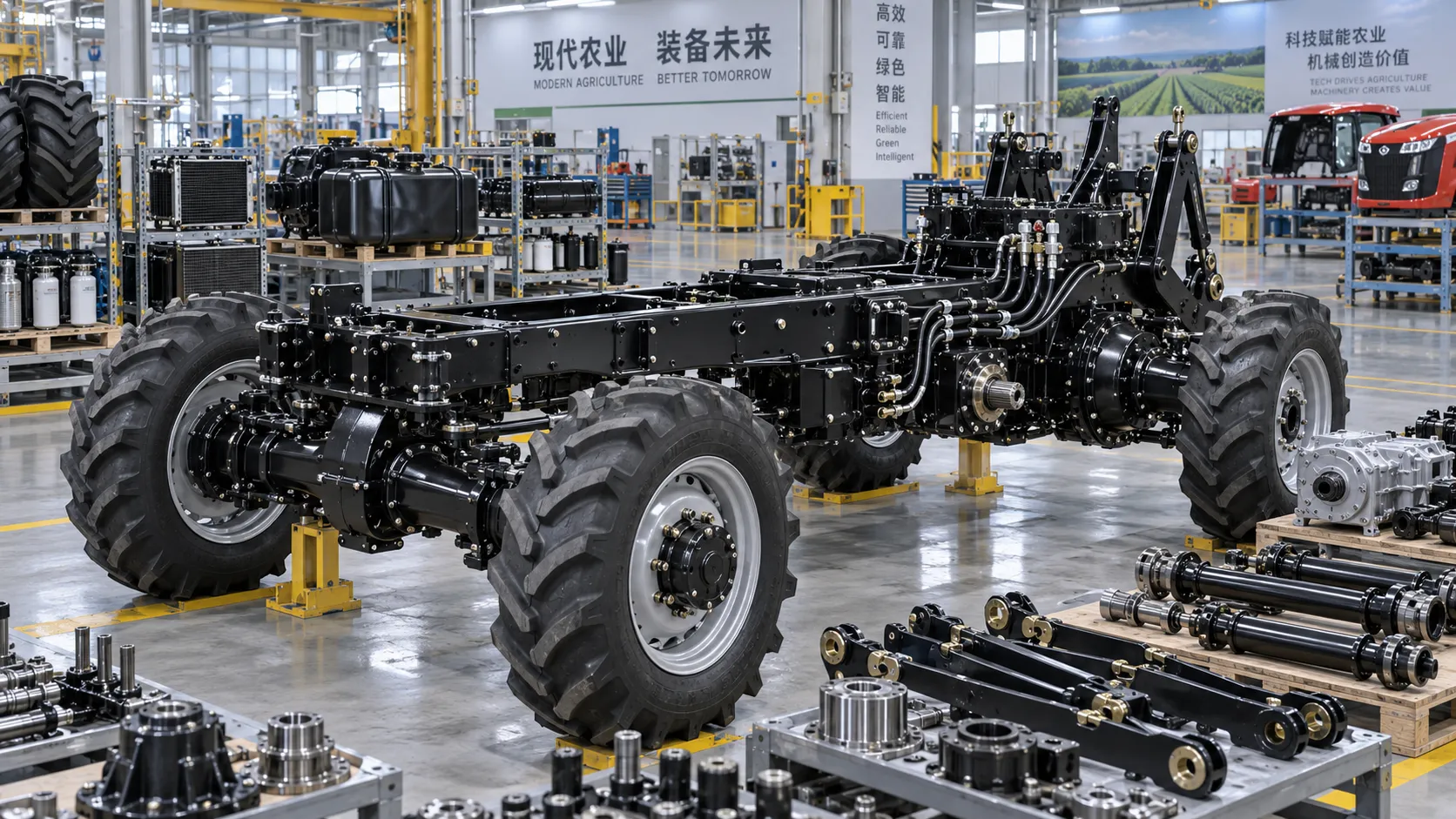
Tractor Chassis Price: What Buyers Should Compare Beyond the Initial Quote
Tractor chassis price is only the start. Compare load capacity, compatibility, durability, and lifecycle costs to choose a reliable, high-value chassis.
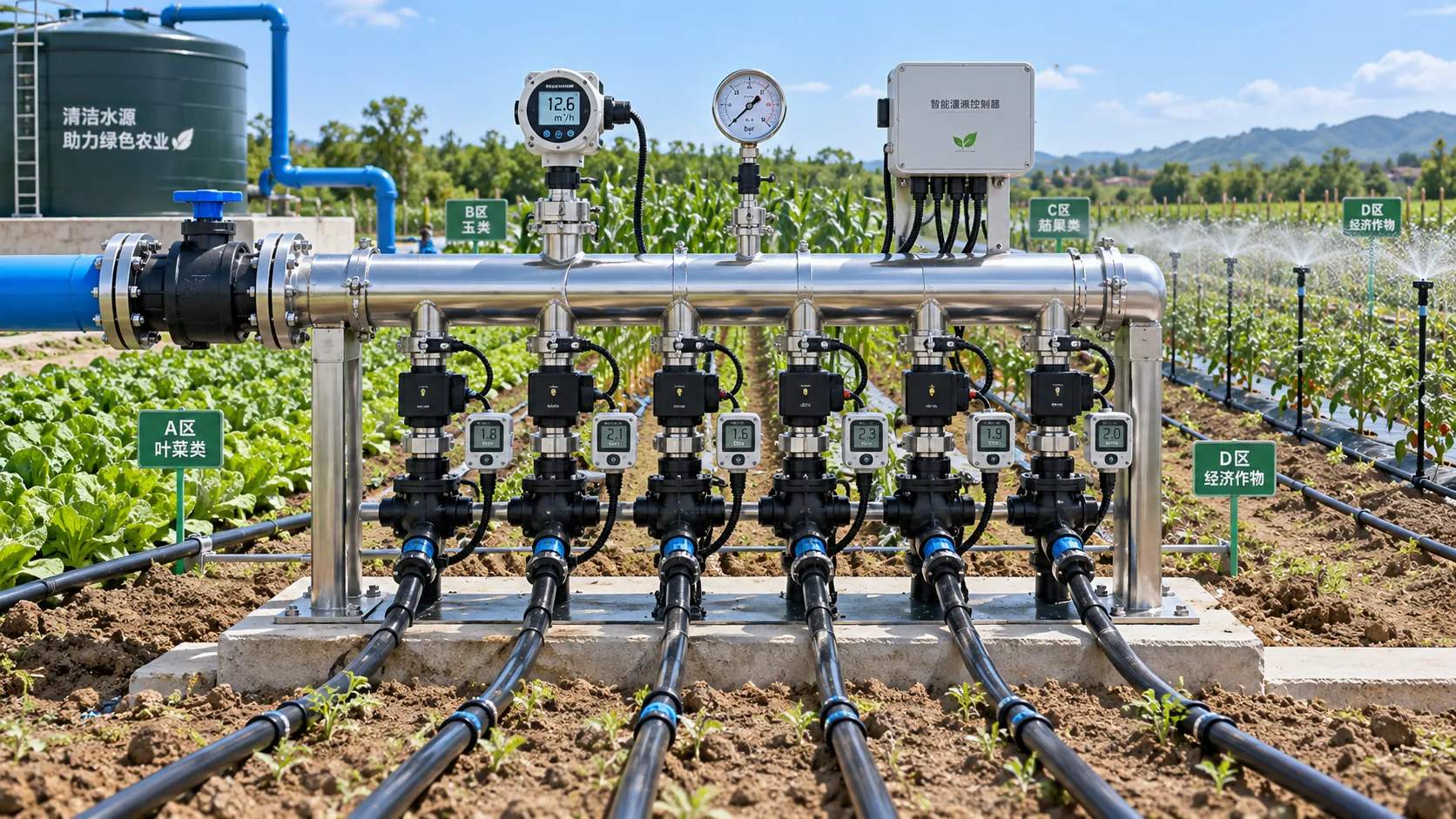
How to Select Smart Irrigation Valves for Multi-Zone Water Management?
Intelligent irrigation systems valves: learn how to match smart valves with multi-zone flow, pressure, control, feedback, and communication needs for reliable water management.
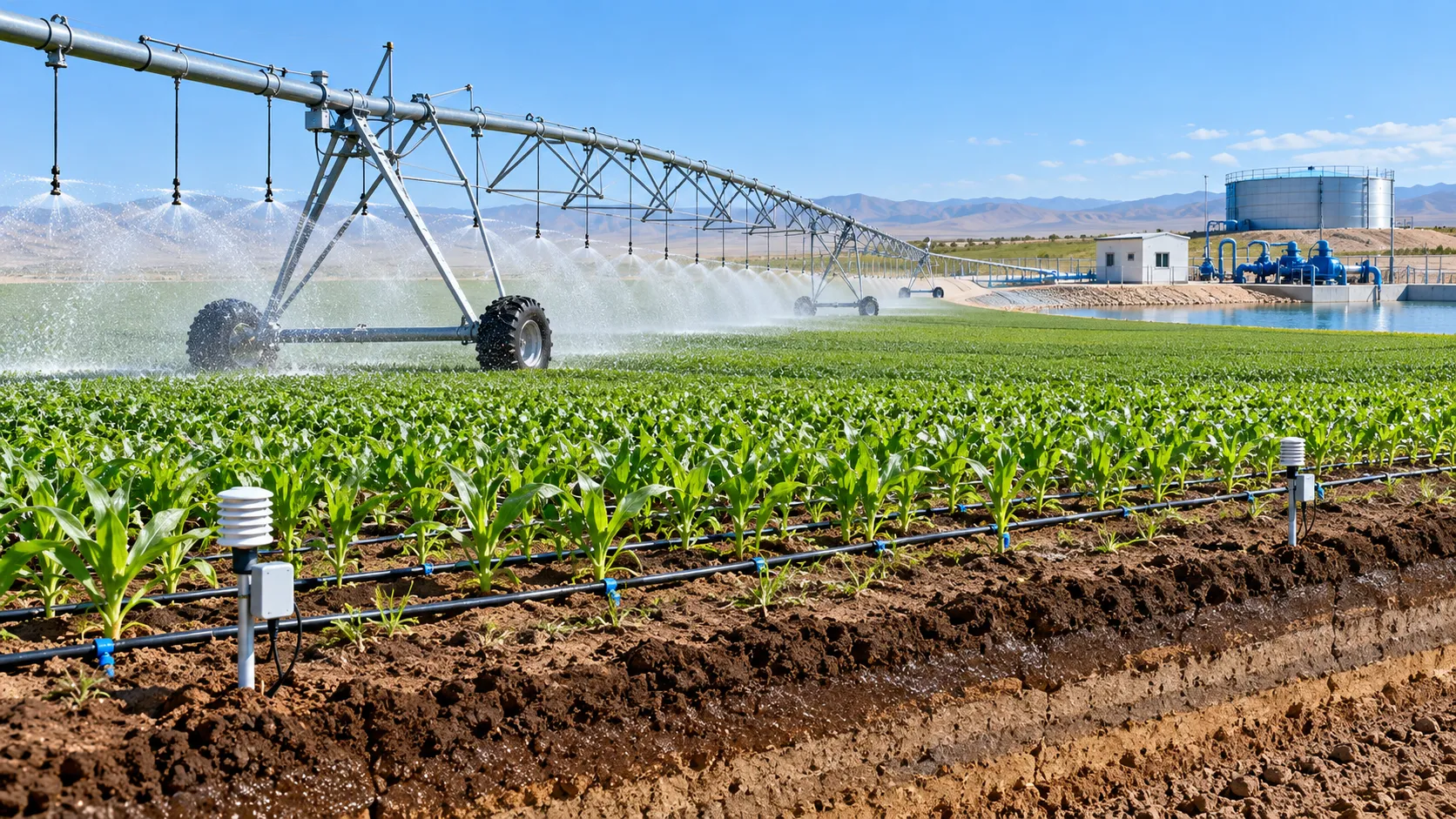
Climate-Smart Farming for Drought: A Practical Plan for Protecting Yields
Climate-smart farming for drought: build smarter water budgets, protect critical crop stages, improve irrigation uniformity, and safeguard yields with practical field-proven strategies.
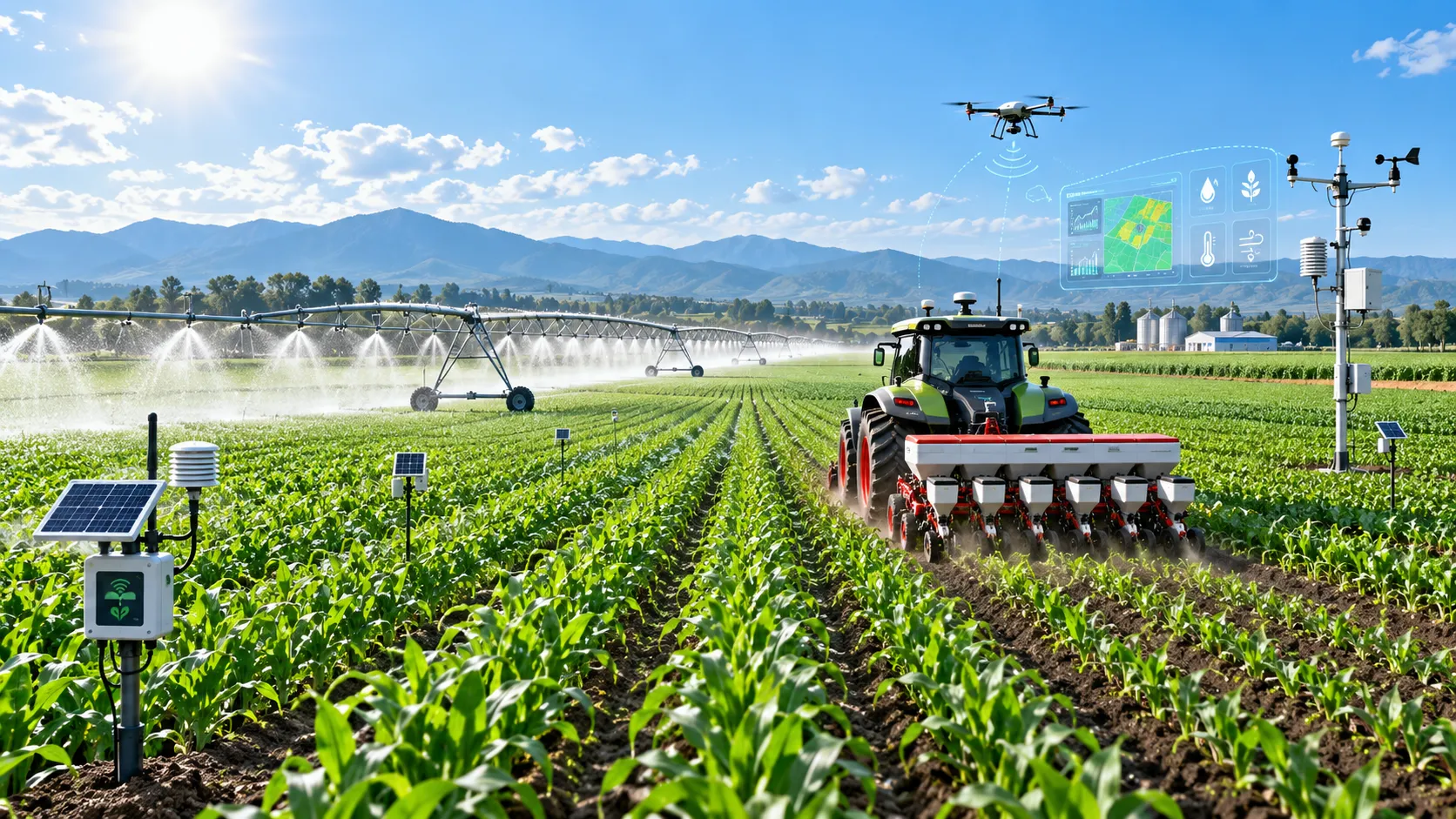
How Digital Agriculture Platforms Turn Field Data Into Better Input Decisions
Digital agriculture platforms turn field data into smarter fertilizer, water, seed, and equipment decisions—helping farms cut risk, improve margins, and scale sustainability.
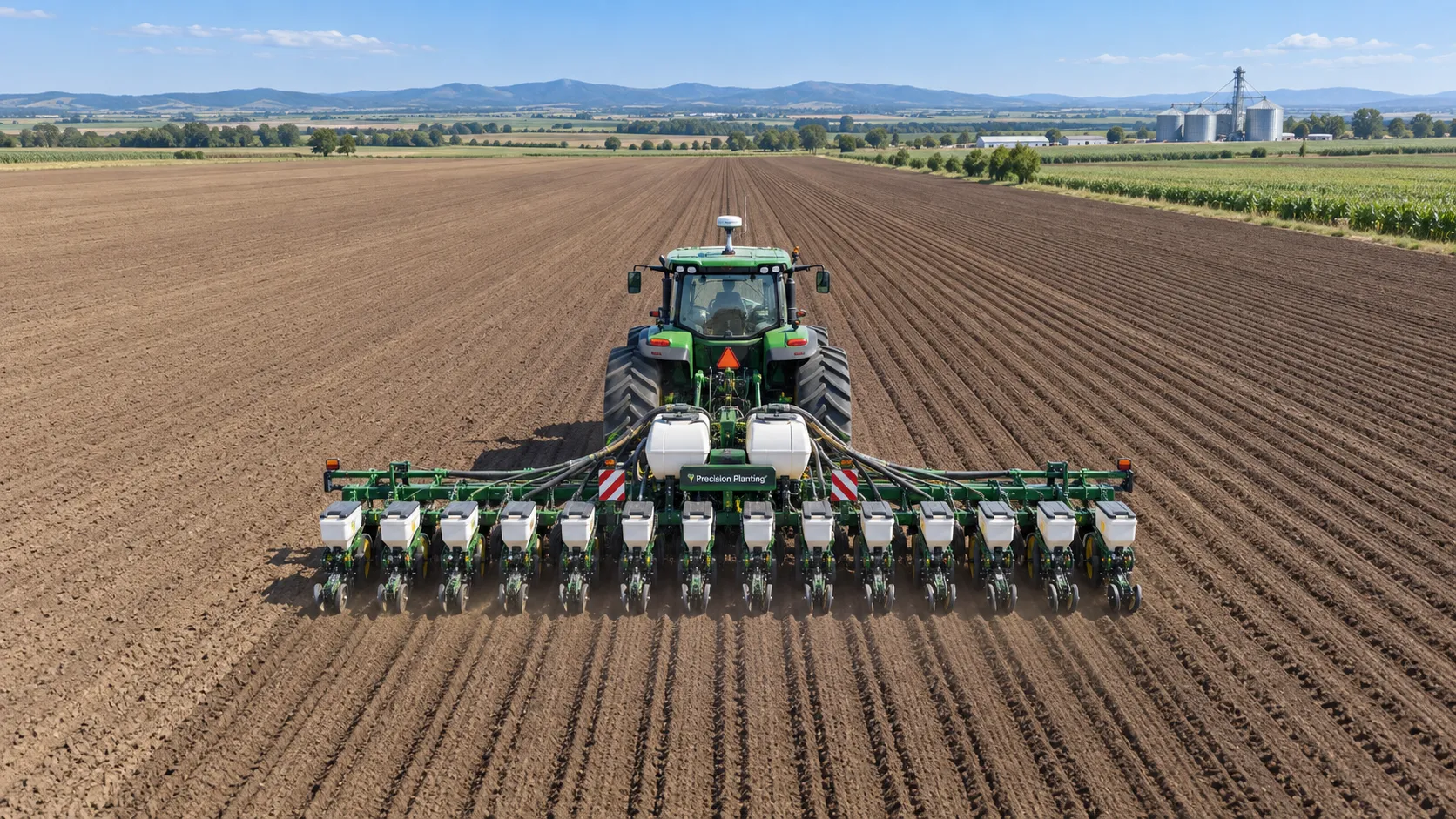
GPS-Guided Farm Machinery: Where It Delivers Measurable Field Efficiency Gains
Agri-mechanization GPS guided systems deliver measurable field efficiency gains through reduced overlap, precise planting, smarter inputs, and reliable farm data.
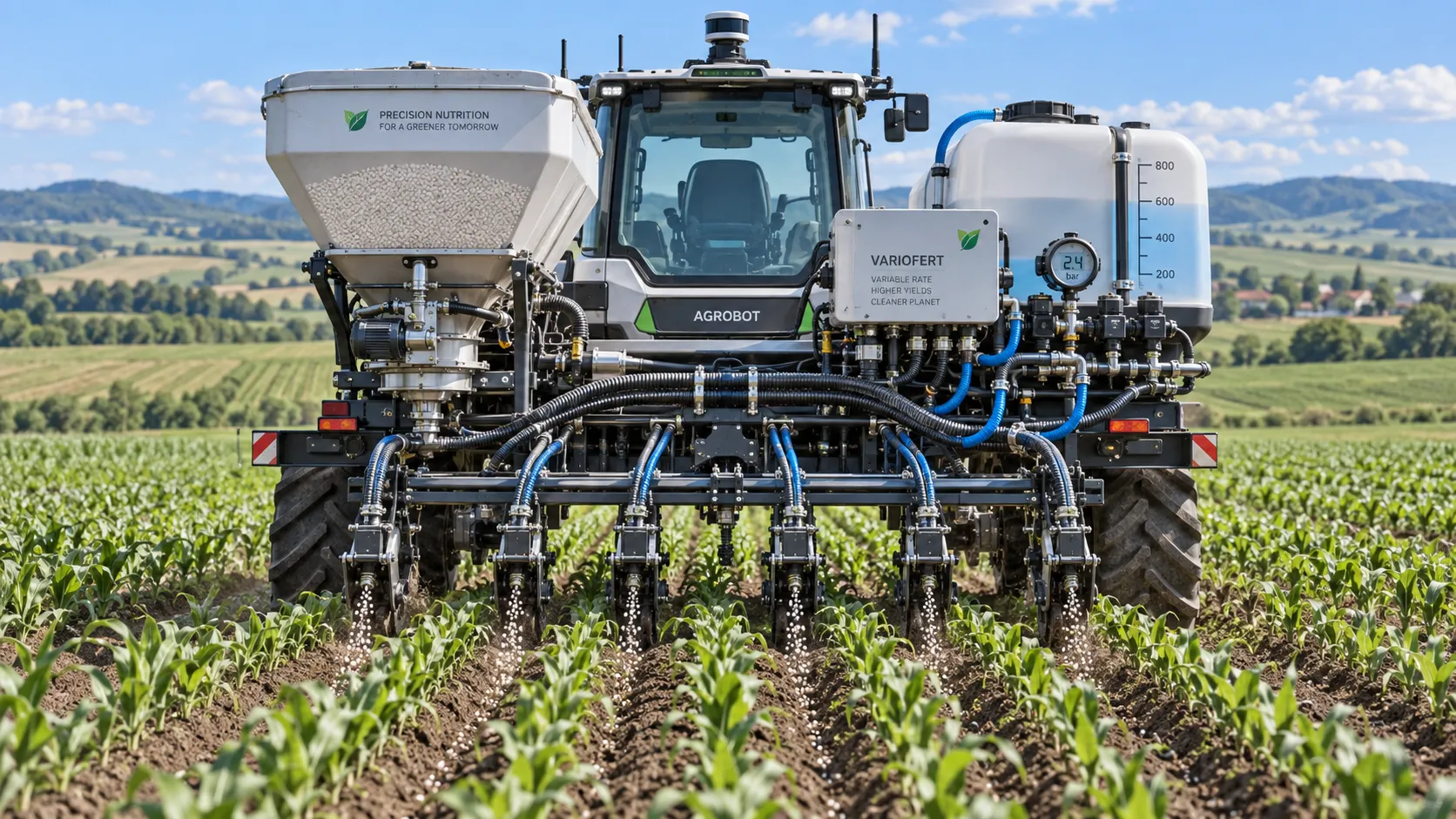
How Sensor Feedback Enables Accurate Variable-Rate Fertilization in Field Conditions
Precision fertilization systems with sensor feedback improve variable-rate accuracy by verifying flow, managing latency, and ensuring reliable field application.
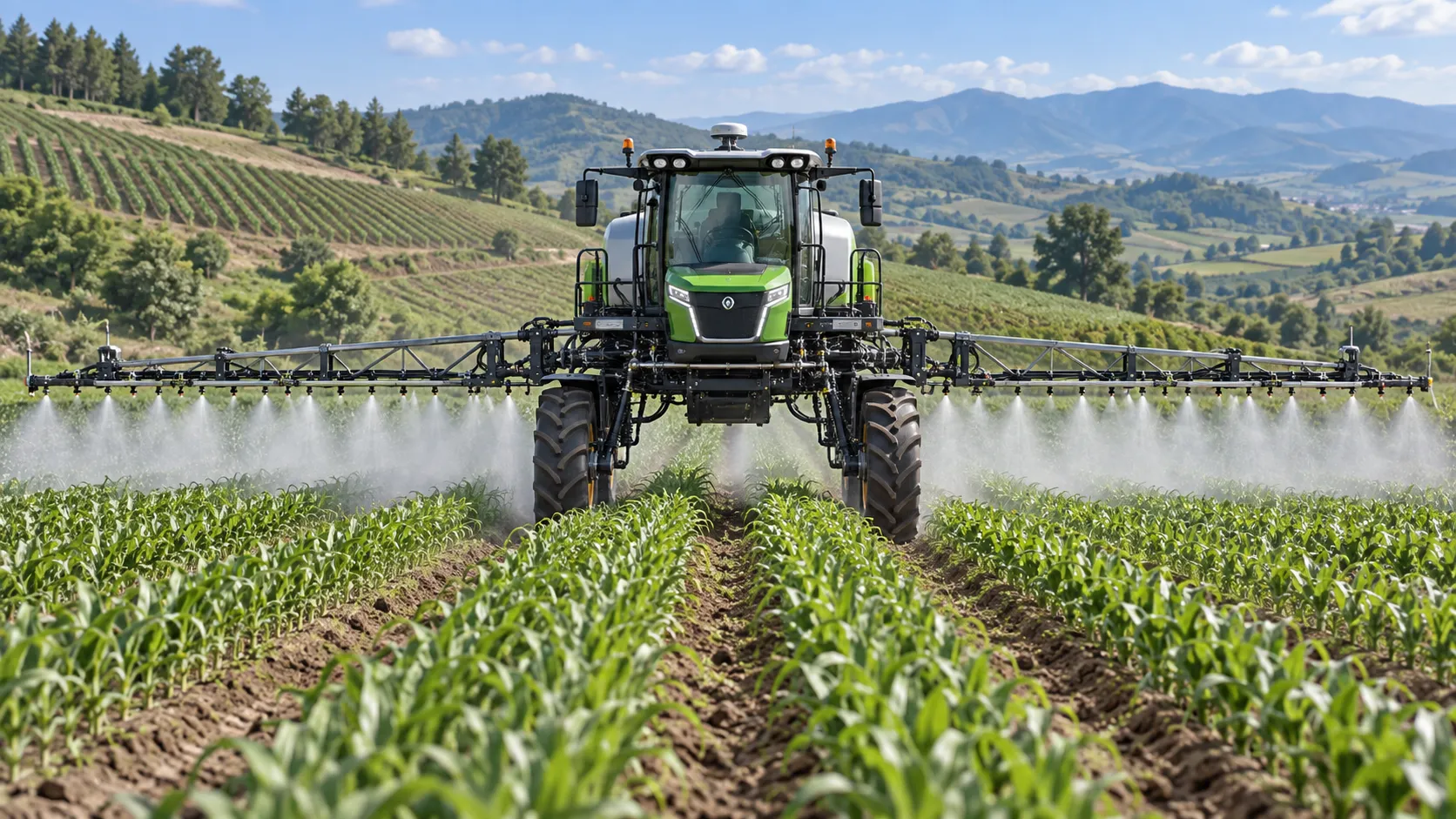
How to Select Precision Crop Protection Equipment for Variable Field Conditions
Precision crop protection equipment selection made simple: compare terrain, canopy, weather, control accuracy, and data workflows for reliable applications.
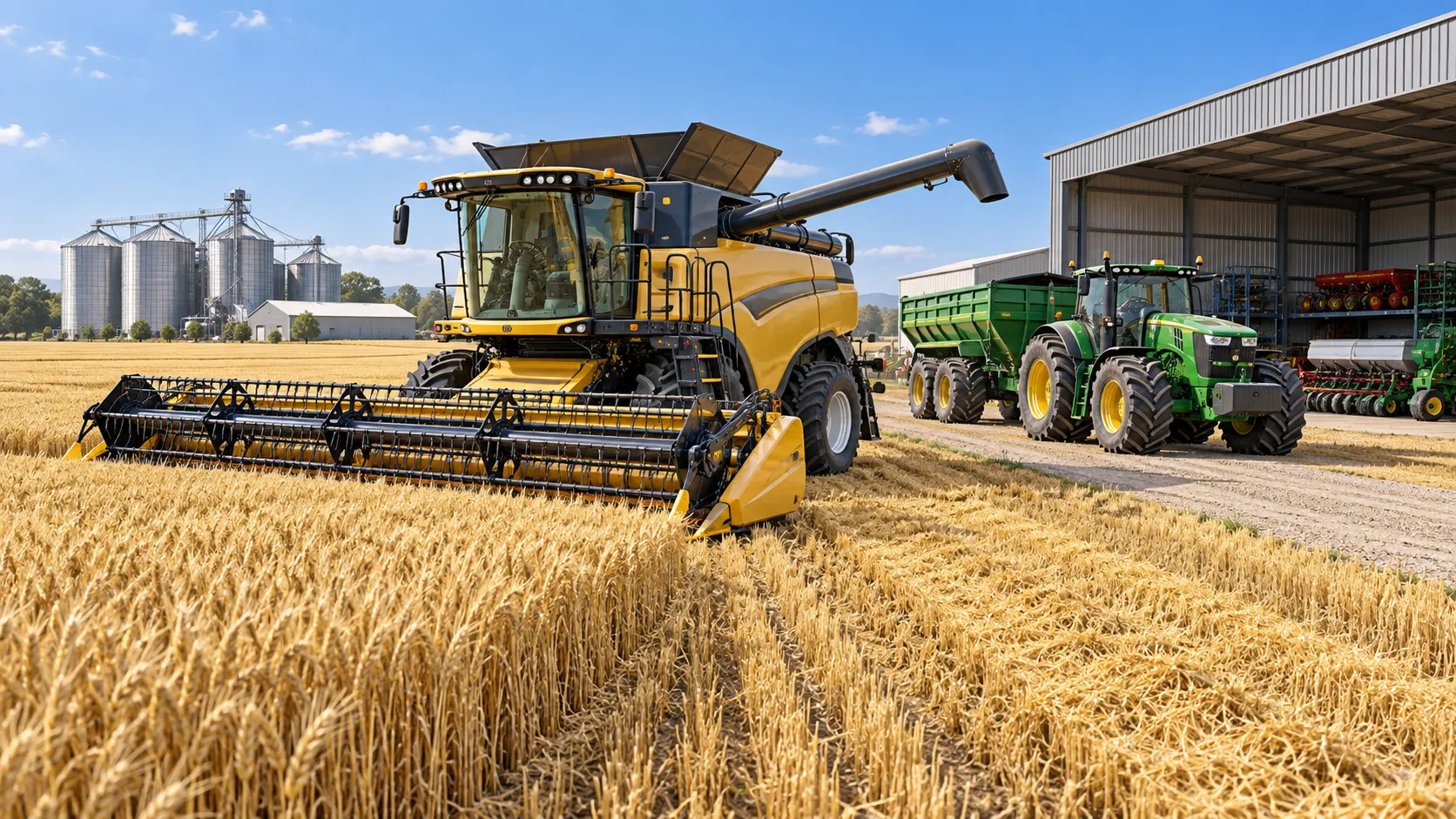
When Does Agricultural Machinery Leasing Cost Less Than Owning Equipment?
Agricultural machinery leasing can lower farm costs when use is seasonal or uncertain. Compare utilization, maintenance, cash flow, and risk to make a smarter equipment decision.
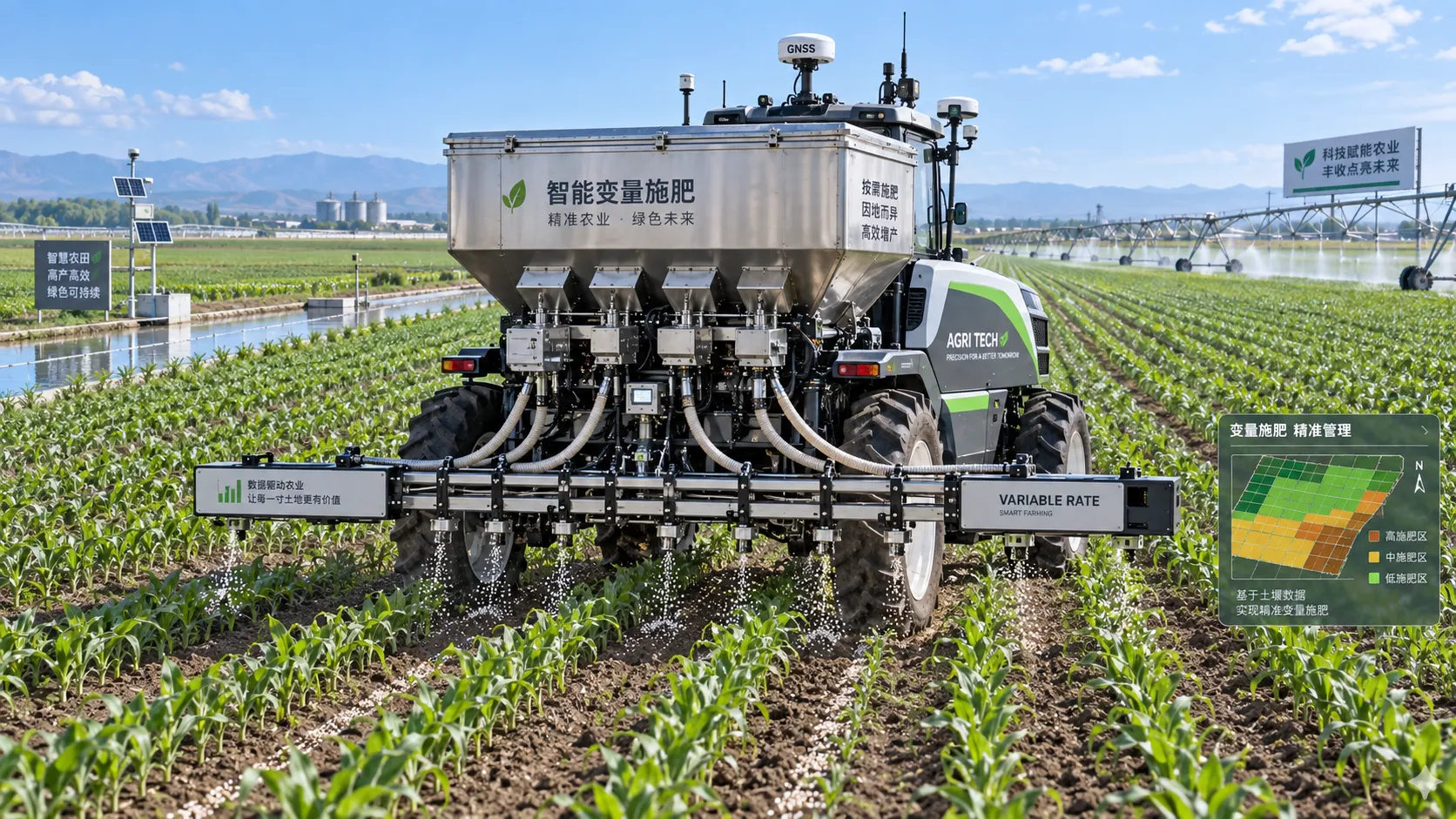
How to Evaluate Precision Fertilization System Suppliers for Farm-Scale Deployment
Precision fertilization systems suppliers: learn how to compare accuracy, integration, uptime, service, and total cost for confident farm-scale deployment.
Related News
- 00
0000-00
Climate-Smart Farming for Drought: A Practical Plan for Protecting Yields - 00
0000-00
Selecting Real-Time Soil Moisture Sensors for Irrigation Zone Control - 00
0000-00
How Does Climate-Smart Farming Reduce Water Use in Semi-Arid Areas? - 00
0000-00
USDA Rule Takes Effect: Dual FCC and NRCS Approval for Soil Moisture Sensors - 00
0000-00
EU Rule Takes Effect: Soil Moisture Sensors Need Revised CE-EMC Certification
Popular Tags
Hydrological Resource Strategist
Weekly Insights
Stay ahead with our curated technology reports delivered every Monday.