
U.S. Customs Expands UFLPA 'Deep-Dive' Review to Tractor Hydraulic Lift Systems
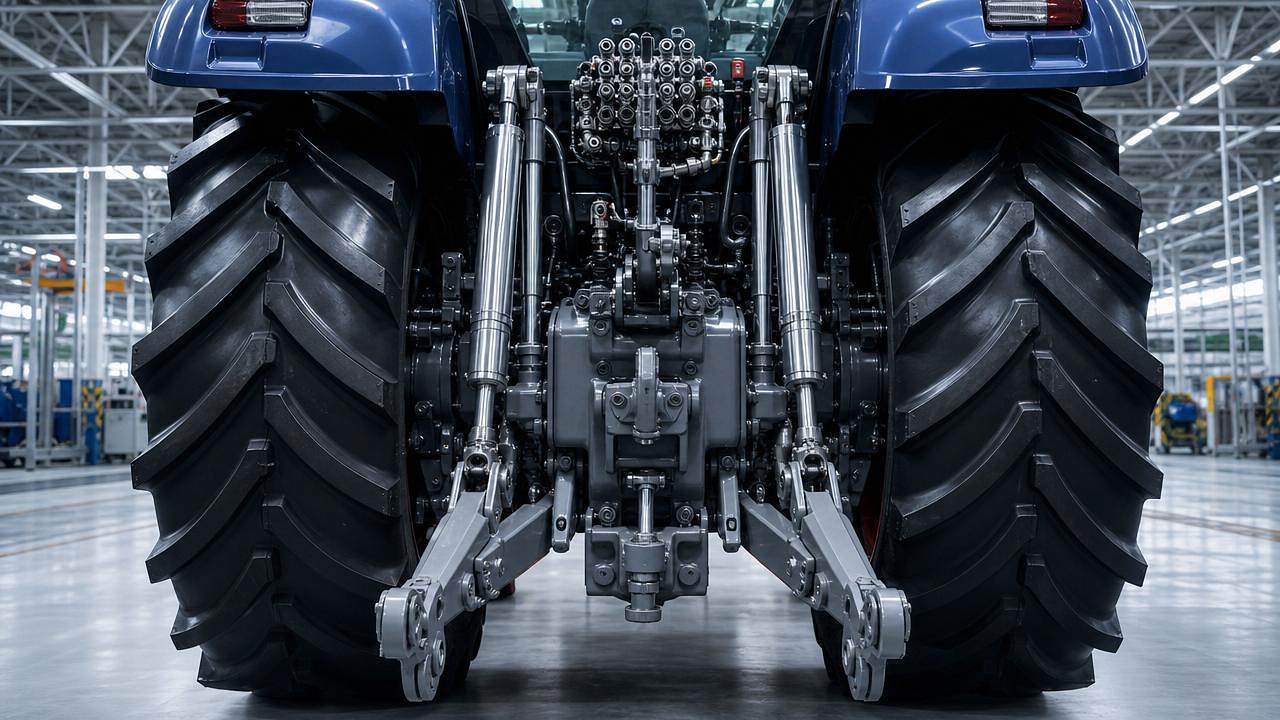




On May 21, 2026 (Eastern Time), U.S. Customs and Border Protection (CBP) updated its enforcement guidance under the Uyghur Forced Labor Prevention Act (UFLPA), adding hydraulic lift systems — commonly used in agricultural tractors — to its list of high-risk components. This development directly affects manufacturers, exporters, and importers involved in the global supply chain for farm machinery, hydraulic components, and precision castings. The requirement for third-tier upstream traceability — including geographic coordinates, labor records, and electricity source documentation for cast steel parts, seals, and control valves — signals a material escalation in supply chain due diligence expectations for affected sectors.
Event Overview
On May 21, 2026, U.S. CBP issued an update to its UFLPA enforcement guidance, formally designating hydraulic lift systems as high-risk components. Under this update, importers must provide verifiable documentation for third-tier upstream suppliers of key subcomponents: cast steel parts, sealing elements, and control valves. Required documentation includes precise geographic coordinates, worker employment records, and proof of electricity sourcing. The update takes immediate effect, and Chinese exporting enterprises report potential shipment delays of 15–20 additional working days per consignment.
Industries Affected by Segment
Direct Trading Enterprises (Exporters & Importers)
These entities face direct compliance obligations when declaring hydraulic lift systems or tractors containing them into the U.S. market. The new requirement applies regardless of whether the importer is the end-user or a distributor. Impact manifests as increased pre-shipment verification workload, higher risk of detention or refusal at port, and extended customs clearance timelines.
Raw Material & Component Procurement Firms
Firms sourcing cast steel parts, hydraulic seals, or control valves — especially those procuring from Tier 2 or Tier 3 foundries or machining shops in China — now bear upstream traceability responsibility. They must collect and validate documentation previously outside standard procurement scope, including facility-level energy supply data and granular labor records.
Manufacturers of Agricultural Machinery & Hydraulic Systems
OEMs assembling tractors or integrated hydraulic lift systems must restructure internal supplier qualification protocols. The requirement extends beyond Tier 1 suppliers to reach casting foundries and specialty seal producers — many of which lack digital recordkeeping infrastructure. This increases technical coordination effort and may necessitate revised bill-of-materials (BOM) governance.
Supply Chain & Compliance Service Providers
Third-party auditors, logistics compliance consultants, and customs brokers serving agricultural equipment exporters will see heightened demand for UFLPA-specific traceability validation services — particularly for multi-tier casting supply chains. However, service offerings must now cover electricity source verification, a newly mandated and technically complex layer.
What Relevant Enterprises or Practitioners Should Monitor and Do Now
Track Official CBP Clarifications and Implementation Timelines
CBP has not yet published standardized templates or accepted formats for electricity source documentation or geographic coordinate reporting. Enterprises should monitor CBP’s official UFLPA resource page and upcoming stakeholder webinars for procedural guidance — especially regarding acceptable evidence for off-grid or mixed-energy facilities.
Identify and Prioritize High-Risk Subcomponents Within Existing BOMs
Not all hydraulic lift systems contain cast steel parts, seals, or control valves sourced from high-risk regions. Companies should conduct rapid internal mapping of current product BOMs to isolate SKUs most likely to trigger UFLPA scrutiny — starting with cast components bearing heat-treatment or forging identifiers, and seals supplied from Jiangsu, Shandong, or Hebei-based manufacturers.
Distinguish Between Policy Signal and Operational Enforcement
Analysis shows that CBP’s inclusion of hydraulic lift systems reflects a broader pattern of expanding UFLPA scope beyond textiles and polysilicon — but actual enforcement intensity remains case-specific. Detention rates and average processing times for these goods are not yet publicly reported. Enterprises should treat this as a compliance readiness signal rather than assume uniform enforcement across all entries.
Initiate Supplier Engagement and Documentation Collection Immediately
Given the 15–20 working day delay projection, firms should begin requesting traceability documentation from Tier 2 and Tier 3 suppliers *before* production scheduling for U.S.-bound shipments. Emphasis should be placed on obtaining facility-level electricity procurement contracts or grid connection certificates — not just general statements about renewable energy use.
Editorial Perspective / Industry Observation
Observably, this update functions less as a finalized regulatory outcome and more as a calibrated policy signal — indicating CBP’s intent to extend UFLPA’s ‘traceability depth’ into capital equipment supply chains where component provenance has historically been opaque. From an industry perspective, it underscores a structural shift: forced labor risk assessment is no longer confined to labor-intensive final assembly, but now targets foundational industrial inputs like castings and precision seals. Current monitoring focus should therefore center on how CBP interprets ‘third-tier’ boundaries (e.g., whether raw material smelters fall within scope) and whether similar requirements emerge for other hydraulic subsystems in construction or material-handling equipment.
This is not yet a broad-based enforcement regime, but it is a clearly directional one — and early alignment with its documentation logic offers tangible lead-time and audit-readiness advantages.
Conclusion
This UFLPA expansion marks a measurable step toward deeper supply chain visibility requirements for industrial equipment exporters. Its significance lies not in immediate disruption, but in establishing precedent: hydraulic systems — long considered low-risk under trade compliance frameworks — are now subject to the same rigorous upstream scrutiny previously applied to apparel or solar products. It is better understood as a forward-looking compliance benchmark than a sudden operational barrier — and enterprises best positioned will be those treating traceability as a built-in engineering and procurement discipline, not a last-minute customs formality.
Source Attribution
Primary source: U.S. Customs and Border Protection (CBP), UFLPA Enforcement Guidance Update, issued May 21, 2026.
Noted for ongoing observation: CBP’s forthcoming guidance on acceptable electricity source documentation formats and definitions of ‘third-tier supplier’ in mechanical component contexts.
Related News
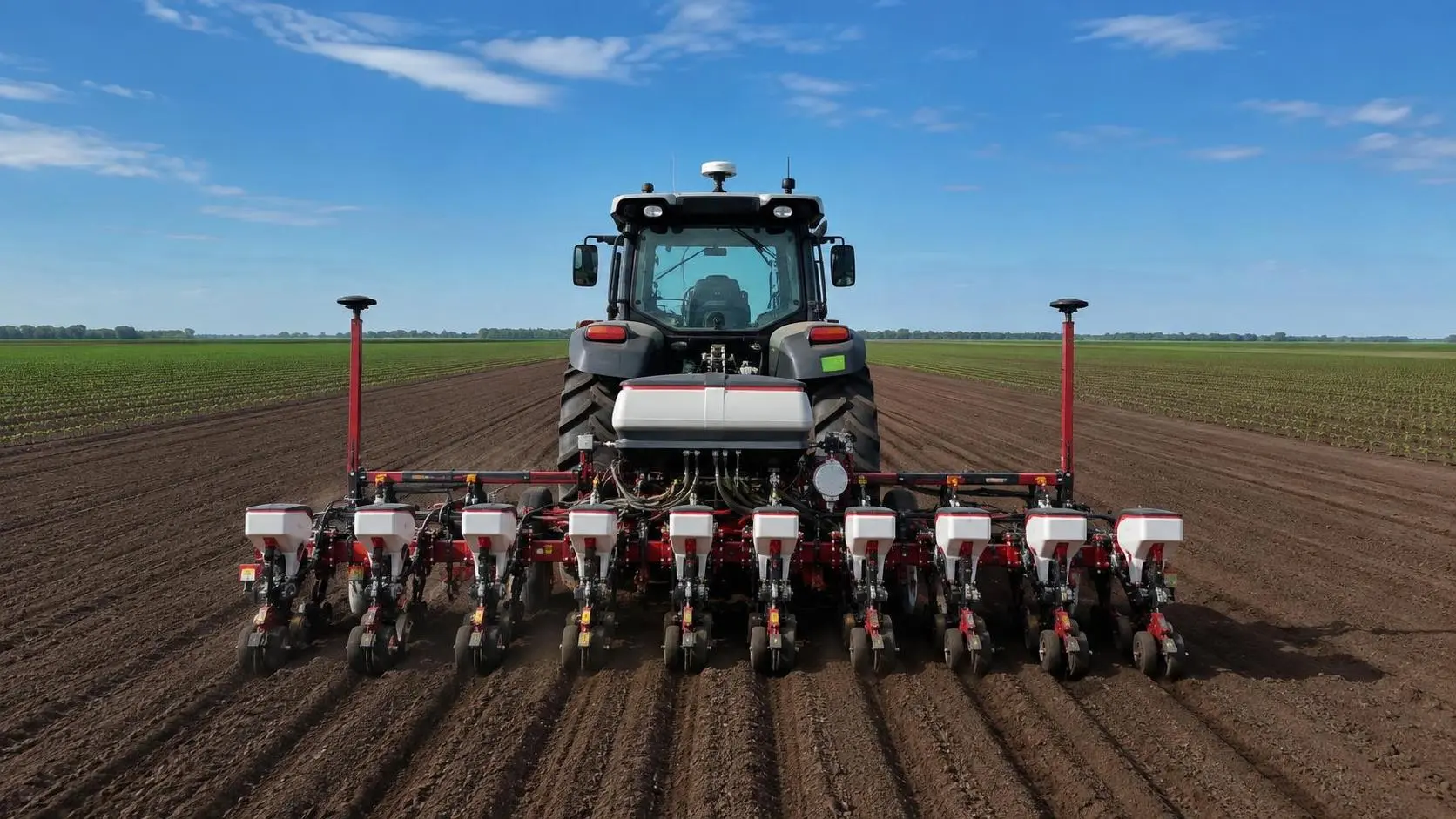
How Tractor Intelligence Systems Improve Field Efficiency and Input Accuracy
Agricultural machinery intelligence for tractors improves field efficiency, input accuracy, data traceability, and implement control. Explore smarter evaluation strategies.
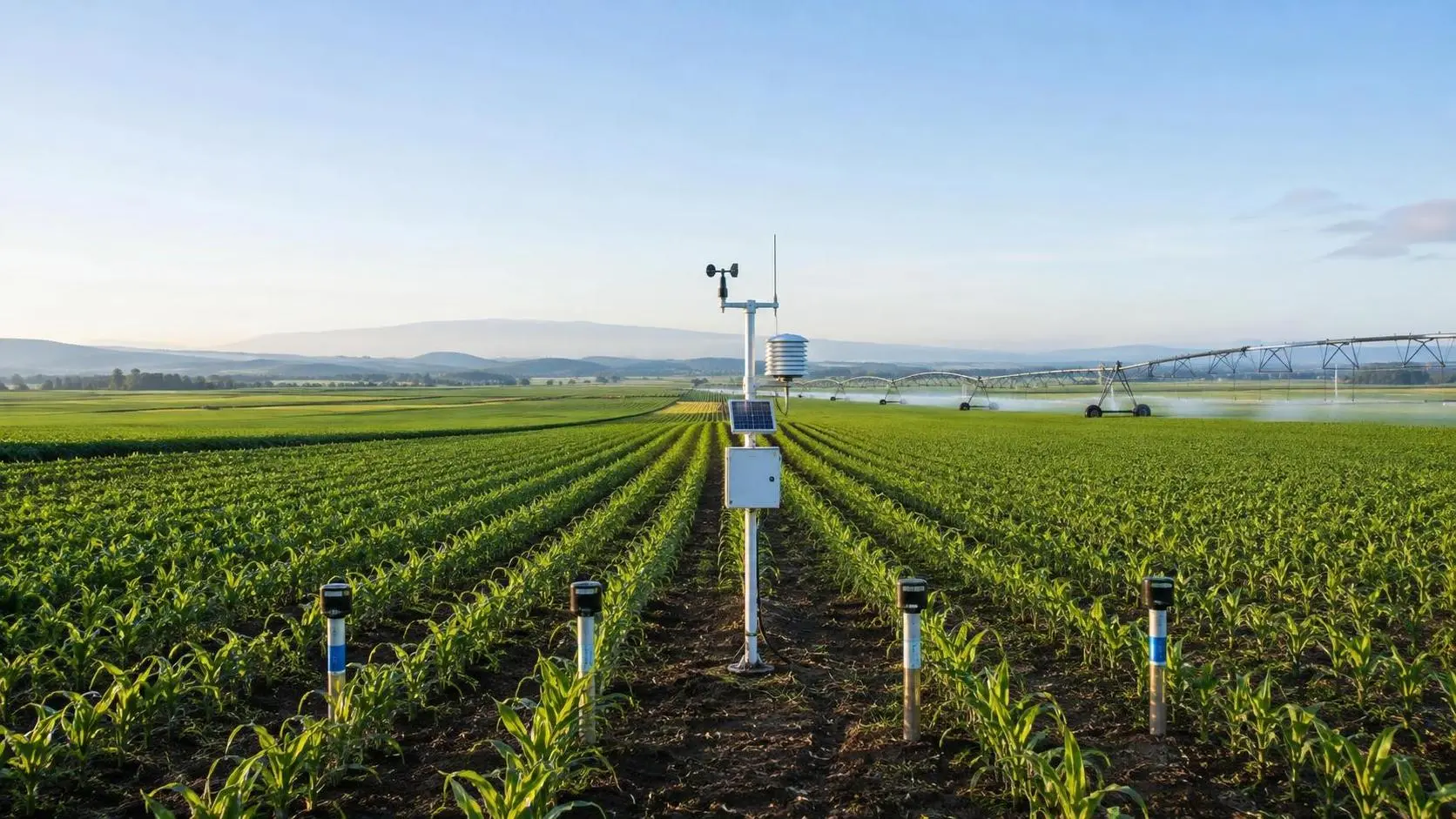
How to Evaluate Crop Monitoring System Manufacturers for Large-Scale Farms
Compare crop monitoring systems manufacturers for large-scale farms. Evaluate data quality, integration, durability, lifecycle costs, support, and pilots for smarter decisions.
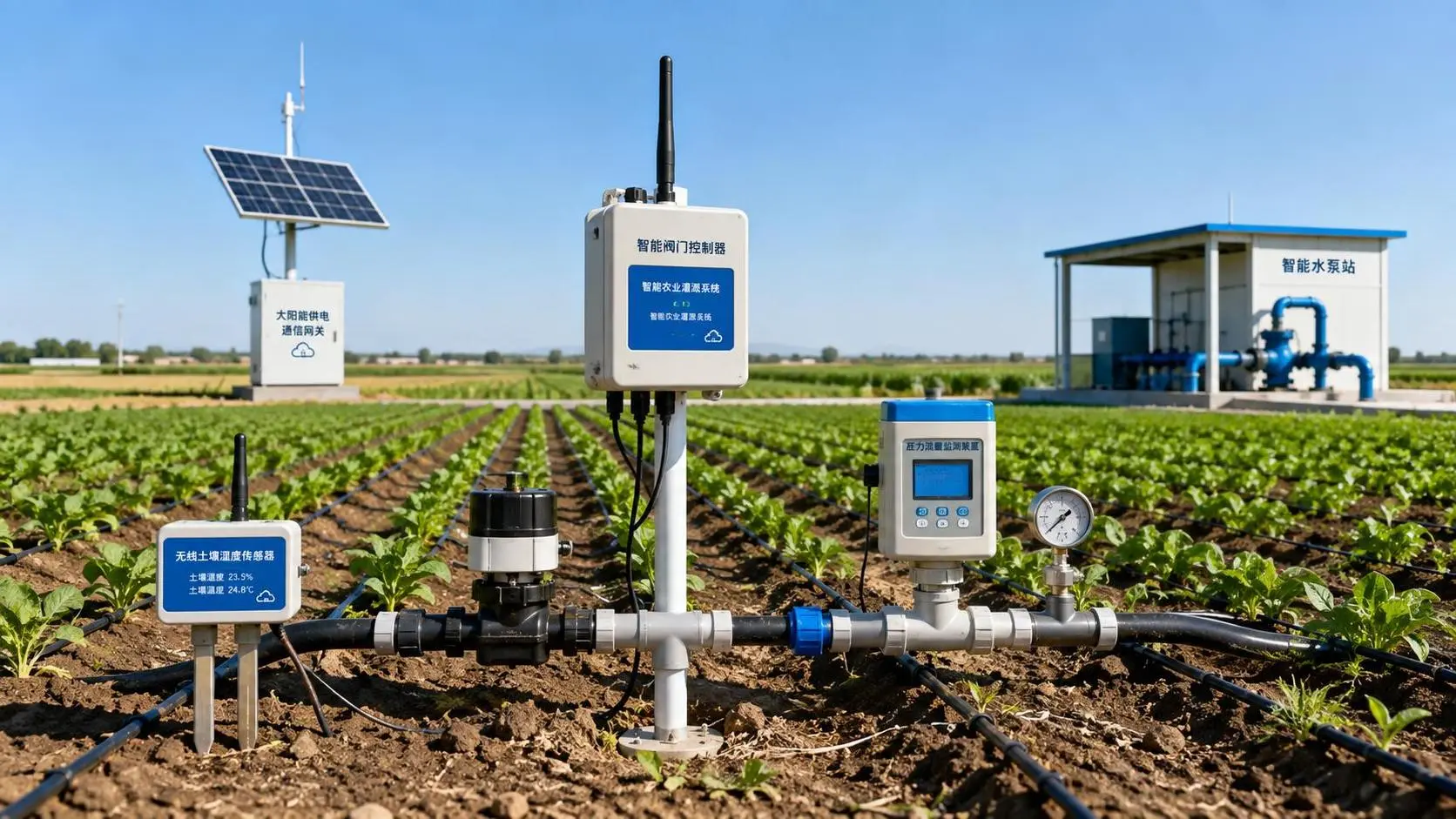
Wireless Agricultural Automation for Remote Irrigation and Field Monitoring
Agricultural automation wireless solutions improve remote irrigation with reliable field data, local control, flow verification, and smarter monitoring. Explore resilient deployment strategies.
Agricultural Product Information Market Guide: Key Data for Sourcing Decisions
Agricultural product information market guide for smarter sourcing—compare machinery, irrigation, precision tools, lifecycle costs, and supplier risk.
Large-Scale Farm Equipment Cost Comparison: Price, Fuel, and Lifecycle Value
Large-scale farm equipment cost comparison: evaluate price, fuel, maintenance, downtime, and lifecycle value to choose tractors, combines, irrigation, and smart tools with confidence.
A Procurement Specification Preparation Example for Buying Farm Equipment
Procurement specification preparation example for farm equipment: learn to define requirements, compare suppliers, control lifecycle costs, and buy with confidence.
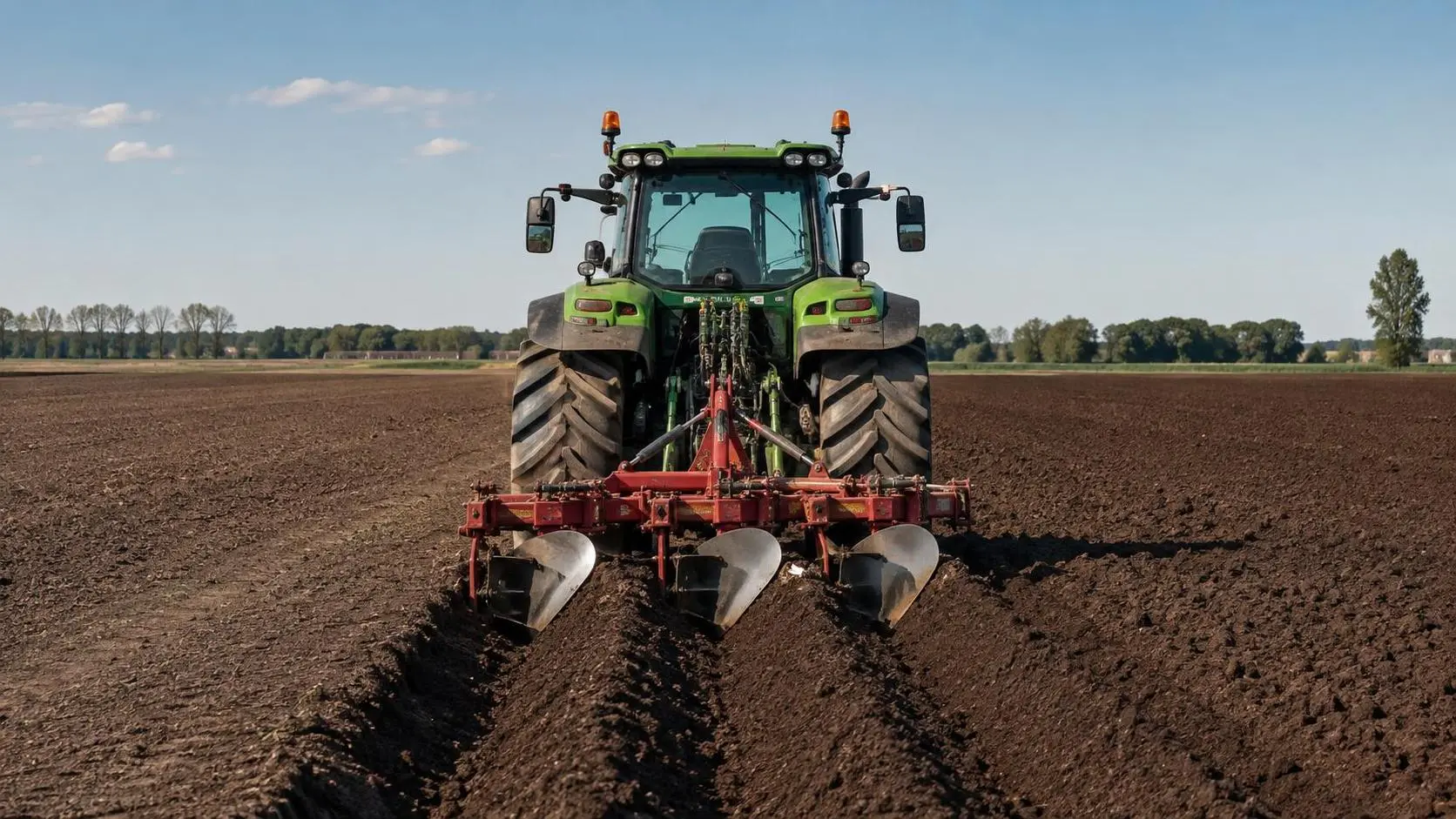
What Tractor Horsepower Is Needed for a Three-Bottom Moldboard Plow?
What tractor horsepower is needed for three-bottom moldboard plow? Compare 60–100 hp needs by soil, depth, traction, and plow width for a confident equipment match.
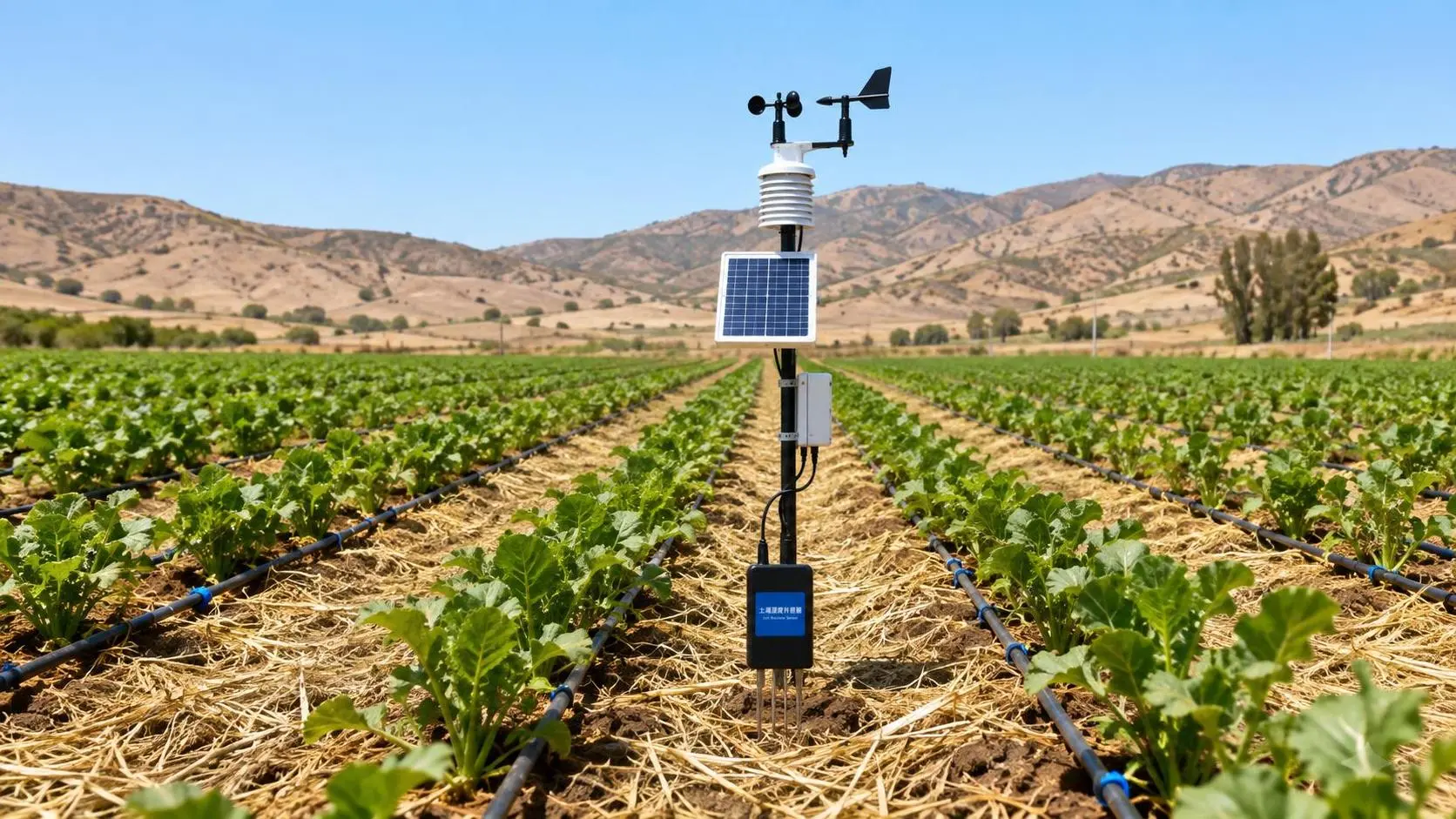
How Does Climate-Smart Farming Reduce Water Use in Semi-Arid Areas?
How does climate-smart farming reduce water use in semi-arid zones? Discover precision irrigation, soil monitoring, and smarter crop planning for resilient yields.
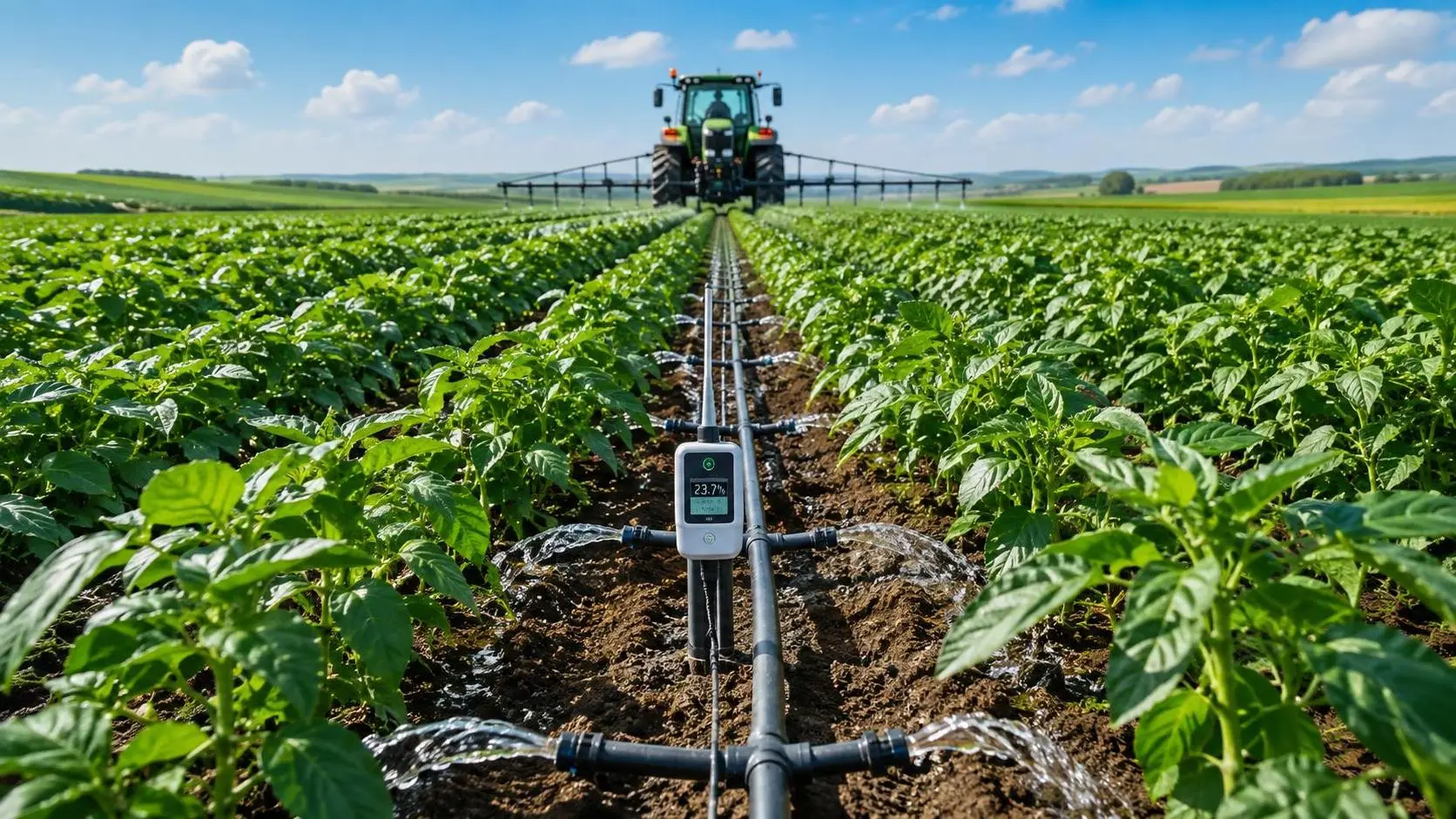
Can Sustainable Farming Be Profitable Without Reducing Yields?
Are sustainable farming practices profitable without yield loss? Discover precision strategies that cut waste, protect yields, and improve farm margins.
Related News
- 00
0000-00
Which Implements Are Compatible With a 200 HP Tractor for Mixed Cropping? - 00
0000-00
How to Select Agricultural Hydraulic Systems for Sprayers by Flow, Pressure, and Boom Demand - 00
0000-00
Australia Tightens Carbon Rules for Hydraulic Lift System Imports - 00
0000-00
ANATEL Sets New Rules for Wireless Hydraulic Lift Systems - 00
0000-00
How Tractor Hydraulic Systems Work: Key Components, Pressure Ratings, and Lift Control
Popular Tags
Tractor Power Architect
Weekly Insights
Stay ahead with our curated technology reports delivered every Monday.