
High-Efficiency Harvesting Looks Good on Paper, but Why?
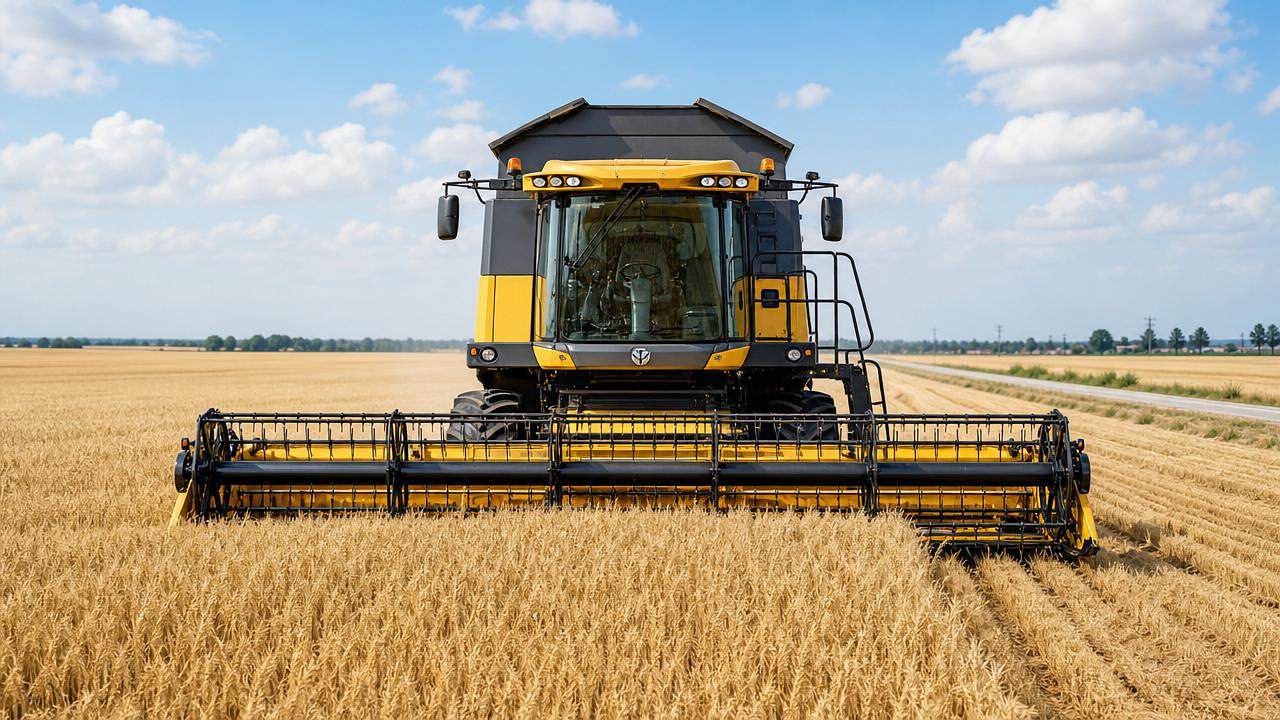




High-efficiency harvesting looks impressive in brochures, but dealers, distributors, and agents know the real question is why it matters in the field and on the balance sheet. From lower grain loss and faster turnaround to smarter machine integration, this article explores how high-efficiency harvesting translates into measurable value across today’s Agriculture 4.0 landscape.
Why does high-efficiency harvesting matter beyond brochure language?
For channel partners in agricultural equipment, high-efficiency harvesting is not a decorative claim. It affects stock planning, machine positioning, after-sales workload, customer retention, and margin protection. When farmers compare combines, they rarely buy a machine because one catalog says it is efficient. They buy because the machine helps them finish harvest windows faster, reduce losses, handle variable crop moisture, and keep operating costs under control.
This is especially important in large-scale operations where delayed harvesting can expose crops to rain, lodging, shattering, or quality downgrade. In such conditions, efficiency is not simply hectares per hour. It is the combined outcome of feed rate stability, threshing quality, cleaning performance, unloading speed, fuel use, and uptime. Dealers who understand this can sell value instead of discounting on price alone.
AP-Strategy tracks this wider definition through its intelligence on combine harvesting technology, tractor power systems, precision farming tools, and sustainability pressures. That matters because distributors are increasingly asked to justify machine recommendations with practical performance logic, not marketing adjectives.
- Lower grain loss protects farmer revenue and strengthens machine reputation in the local market.
- Higher field capacity helps customers complete harvest during short weather windows.
- Better automation reduces dependence on highly skilled operators.
- Stable machine performance lowers service disputes and emergency support pressure for dealers.
What buyers usually mean when they ask for efficiency
In real procurement discussions, buyers often use “high-efficiency harvesting” as shorthand for several needs at once. They may want faster operation in wheat, cleaner grain in rice, better separation in corn, or less downtime during peak season. If a distributor fails to decode that request, the wrong machine configuration can create complaints after delivery.
- Contract harvesters often focus on daily throughput and rapid relocation between fields.
- Large farms often prioritize consistency, telematics visibility, and fleet coordination.
- Cooperatives may care more about multi-crop adaptability and operator simplicity.
Which technical factors actually drive high-efficiency harvesting?
To explain high-efficiency harvesting well, channel partners need a system view. A combine does not perform efficiently because of one headline specification. Efficiency emerges from how crop intake, threshing, separation, cleaning, propulsion, sensing, and unloading work together under changing field conditions.
The table below gives a practical framework for discussing technical performance with serious buyers who want to compare machines beyond engine power alone.
For distributors, this table is useful because it links performance claims to sales questions. It also reflects an Agriculture 4.0 reality: machine value increasingly depends on interaction between mechanics, electronics, data feedback, and agronomic conditions. AP-Strategy’s coverage of cleaning-loss algorithms, chassis evolution, and precision tool integration helps partners read those interactions more accurately.
Mechanical efficiency and digital efficiency now overlap
A modern high-efficiency harvesting solution may include yield mapping, auto-adjustment support, telematics reporting, and maintenance alerts. These features do not replace core mechanical quality, but they increase the chance that a machine delivers its designed performance in everyday use. For agents and dealers, that can reduce support calls caused by incorrect settings and improve customer confidence in premium models.
Where does high-efficiency harvesting create the most value in the field?
Not every field condition rewards the same machine architecture. Understanding application scenarios is essential for correct model placement and inventory decisions. A machine that performs well in dry, uniform wheat may face limits in green-stem soybean or high-moisture rice. Dealers who sell by scenario rather than by brochure label usually protect their reputation better.
The following table compares typical scenarios where high-efficiency harvesting is evaluated differently.
This scenario-based view helps distributors avoid a common error: selling the highest advertised capacity into the wrong agronomic environment. High-efficiency harvesting is valuable only when the machine’s operating profile matches local field reality, labor quality, and service capability.
Field value is often hidden in loss reduction
Many buyers focus first on throughput, but loss control may create the stronger financial argument. Small percentage changes in pre-harvest loss, threshing loss, or cleaning loss can matter significantly across large acreages. Dealers who can discuss these mechanisms clearly are more likely to win trust from professional farm managers and procurement teams.
How should dealers, distributors, and agents compare harvesting solutions?
A strong procurement comparison framework should cover not only machine specifications but also service complexity, parts planning, operator skill requirements, and long-cycle commercial risk. High-efficiency harvesting should be judged as a business system, not a standalone machine feature.
A practical comparison checklist
- Confirm target crops, average moisture range, terrain, and harvest calendar before discussing model class.
- Check whether the machine’s throughput can be sustained without unacceptable grain loss or cleaning deterioration.
- Review header options, residue handling, unloading logistics, and transport constraints in the local market.
- Evaluate operator learning curve, interface simplicity, and diagnostic accessibility for after-sales teams.
- Assess spare parts stocking burden, seasonal service response needs, and remote support feasibility.
This is where AP-Strategy offers value beyond general news. Its Strategic Intelligence Center connects machinery performance with precision farming trends, policy shifts, and structural demand for autonomous equipment. That broader picture helps channel partners decide whether to promote a basic mechanical platform, a digitally enabled premium machine, or a mixed portfolio for different customer tiers.
Comparison mistakes that weaken commercial results
- Using engine horsepower as the main proxy for harvesting performance.
- Ignoring cleaning and separation behavior in difficult crop conditions.
- Overlooking local technician capability when selling advanced automation packages.
- Assuming one machine setup will cover every crop equally well.
What should procurement teams examine on cost, uptime, and return?
Price matters, but channel partners know that total ownership logic closes more deals in serious procurement. High-efficiency harvesting can justify a premium only when the cost story is visible: faster completion, fewer weather-related losses, lower rework, acceptable fuel use, manageable maintenance, and fewer operational interruptions.
The table below summarizes how dealers can frame cost analysis without relying on unrealistic promises.
For distributors working with limited budgets, the answer is not always the biggest machine. Sometimes the better solution is a balanced configuration with easier maintenance, stronger local parts support, and suitable digital functions. AP-Strategy’s market and commercial intelligence can help partners judge when a premium harvesting platform aligns with real demand and when a simpler offer may move faster.
How do standards, compliance, and service readiness affect the sale?
In cross-border agri-equipment trade, high-efficiency harvesting claims still need to fit compliance realities. Depending on the destination market, buyers may ask about emissions stage, operator safety provisions, lighting and road transport requirements, data connectivity expectations, or documentation quality for import approval. Even when exact standards vary by market, the distributor’s preparation level often influences purchasing confidence.
- Review local emissions and engine compliance requirements early in the negotiation.
- Check safety guarding, cab visibility, braking, and transport lighting expectations for the target region.
- Confirm documentation readiness for operator manuals, parts books, and maintenance instructions in the needed language.
- Assess whether telematics or data functions raise local connectivity or privacy questions.
Service readiness is equally critical. A high-efficiency harvesting machine with advanced controls can underperform if local technicians cannot calibrate sensors, interpret error codes, or guide operators through crop-specific settings. That is why procurement evaluation should include training plans, spare parts mapping, and harvest-season support protocols.
Common misconceptions about high-efficiency harvesting
Is bigger always better?
No. A larger machine may offer stronger theoretical capacity, but that does not guarantee better commercial performance. If fields are fragmented, roads are narrow, transport time is high, or operators are inexperienced, an oversized machine can reduce practical efficiency and increase service pressure.
Does automation automatically solve loss problems?
Not by itself. Automation can improve consistency and reduce operator error, but the base threshing, separation, and cleaning design still matters. Sensors also need correct calibration and operator understanding. A weak setup cannot be fixed by software alone.
Can one machine configuration cover all crops well?
Usually not without compromises. Multi-crop flexibility is valuable, but headers, concaves, sieves, residue settings, and travel systems may need adaptation. Dealers should explain these trade-offs early to prevent unrealistic expectations.
FAQ: what do buyers and channel partners ask most often?
How should I choose a high-efficiency harvesting solution for my market?
Start with crop mix, farm scale, moisture conditions, labor skill, and peak harvest window. Then compare machine adaptability, uptime support, and local compliance fit. For distributors, the best solution is the one that balances field performance with service deliverability and inventory risk.
What metrics matter more than advertised capacity?
Look at loss behavior, grain sample cleanliness, unloading efficiency, fuel use under load, adjustment complexity, and maintenance access. These factors often determine whether high-efficiency harvesting creates real user satisfaction after purchase.
Which customers are most likely to pay for premium harvesting efficiency?
Large farms, professional contractors, and operations facing tight weather windows usually see the clearest value. They are more likely to calculate the cost of delay, field loss, and downtime, making advanced harvesting performance easier to justify.
How long should dealers plan for delivery and implementation discussions?
That depends on machine complexity, destination requirements, and seasonal timing. In practice, discussions should cover not only delivery dates but also parts preparation, operator training, commissioning steps, and any certification or documentation needs before the harvest season begins.
Why choose us for harvesting intelligence and channel decision support?
AP-Strategy is built for decision-makers who operate between technology claims and commercial reality. Our focus on large-scale agri-machinery, combine harvesters, tractor chassis, intelligent farm tools, and water-saving irrigation systems allows us to interpret high-efficiency harvesting in a complete Agriculture 4.0 context rather than in isolation.
For dealers, distributors, and agents, that means more than reading headlines. It means getting actionable insight on machine positioning, technology trends, structural demand, and the practical link between mechanical performance and precision agriculture workflows. Our Strategic Intelligence Center helps clarify how harvesting equipment fits broader investment decisions in food security, smart cultivation, and long-cycle agri-trade.
- Consult us on parameter confirmation for crop type, field scale, and target performance priorities.
- Ask for product selection support when comparing throughput, loss control, automation, and service complexity.
- Discuss delivery cycle expectations, seasonal planning, and spare parts readiness for your market.
- Review certification and compliance concerns relevant to cross-border agri-equipment distribution.
- Explore custom market intelligence, portfolio planning, and quotation communication support for your target segment.
If high-efficiency harvesting looks good on paper, the next step is proving why it makes sense in your field conditions, product mix, and channel strategy. That is exactly where informed intelligence creates commercial advantage.
Related News
How to Select Precision Crop Protection Equipment for Variable Field Conditions
Precision crop protection equipment selection made simple: compare terrain, canopy, weather, control accuracy, and data workflows for reliable applications.

When Does Agricultural Machinery Leasing Cost Less Than Owning Equipment?
Agricultural machinery leasing can lower farm costs when use is seasonal or uncertain. Compare utilization, maintenance, cash flow, and risk to make a smarter equipment decision.
How to Evaluate Precision Fertilization System Suppliers for Farm-Scale Deployment
Precision fertilization systems suppliers: learn how to compare accuracy, integration, uptime, service, and total cost for confident farm-scale deployment.
ISOBUS for Smart Agriculture: How It Connects Tractors, Implements, and Farm Data
ISOBUS for smart agriculture connects tractors, implements, terminals, and farm data—helping growers improve precision, documentation, and smarter field decisions.
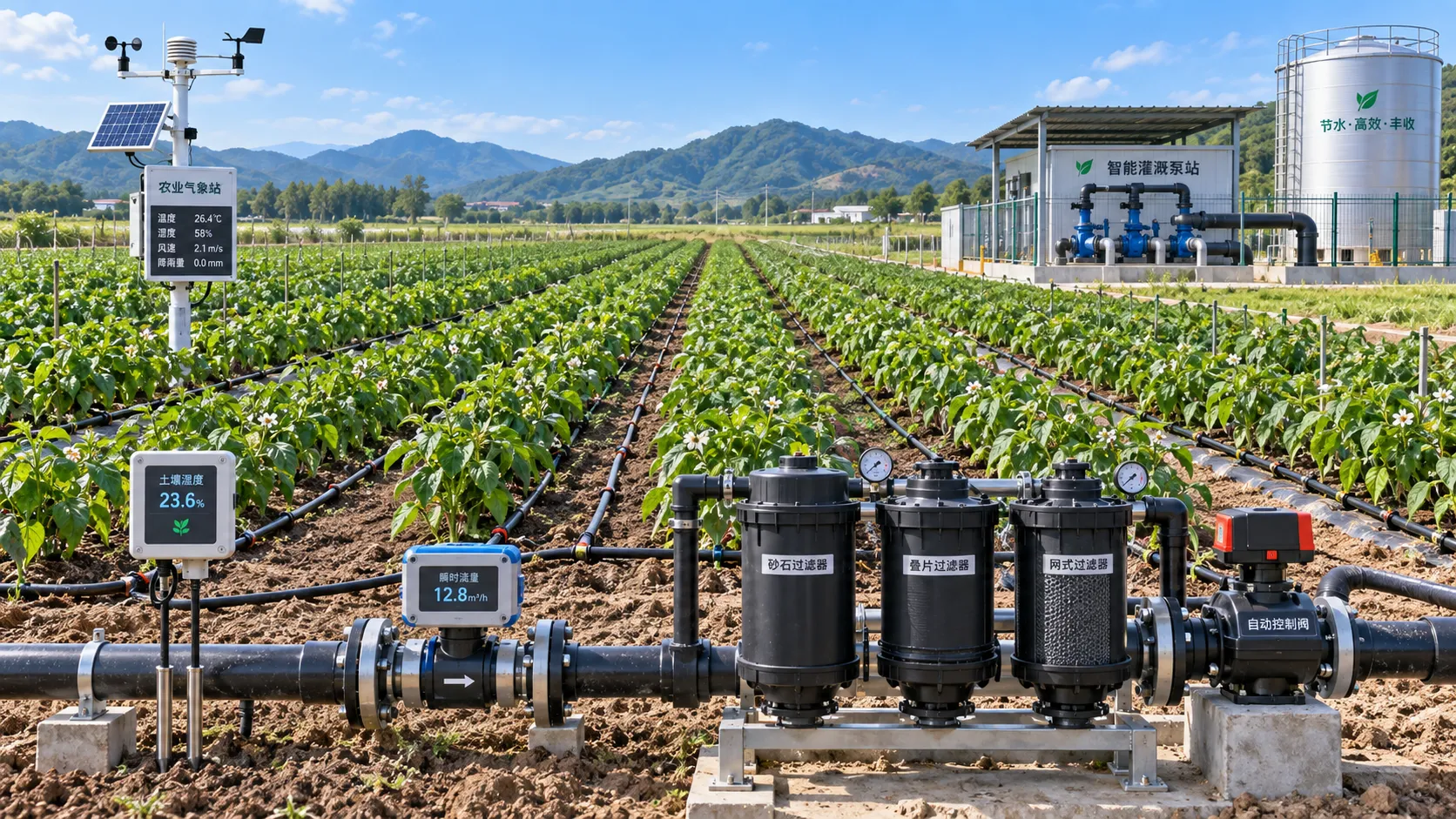
Automated Water-Saving Irrigation: How to Cut Water Use Without Reducing Crop Yields
Automated water-saving irrigation helps farms cut water use, protect crop yields, improve scheduling, and gain reliable control with sensors, flow monitoring, and smart zones.
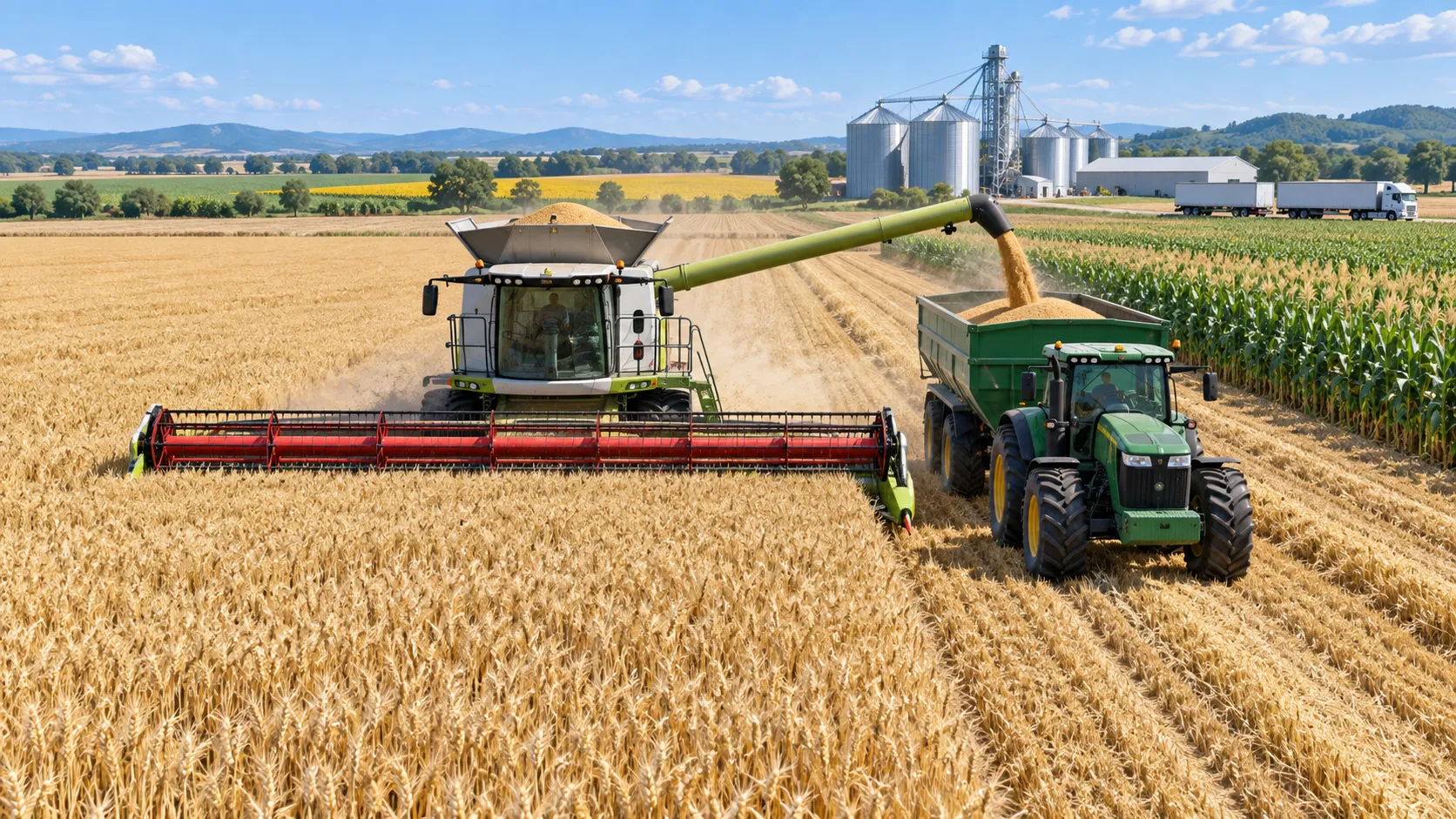
Selecting Grain Farm Equipment by Acreage, Crop Mix, and Harvest Window
Agricultural equipment selection for grain farming: match machinery to acreage, crop mix, and harvest windows to improve uptime, efficiency, and returns.
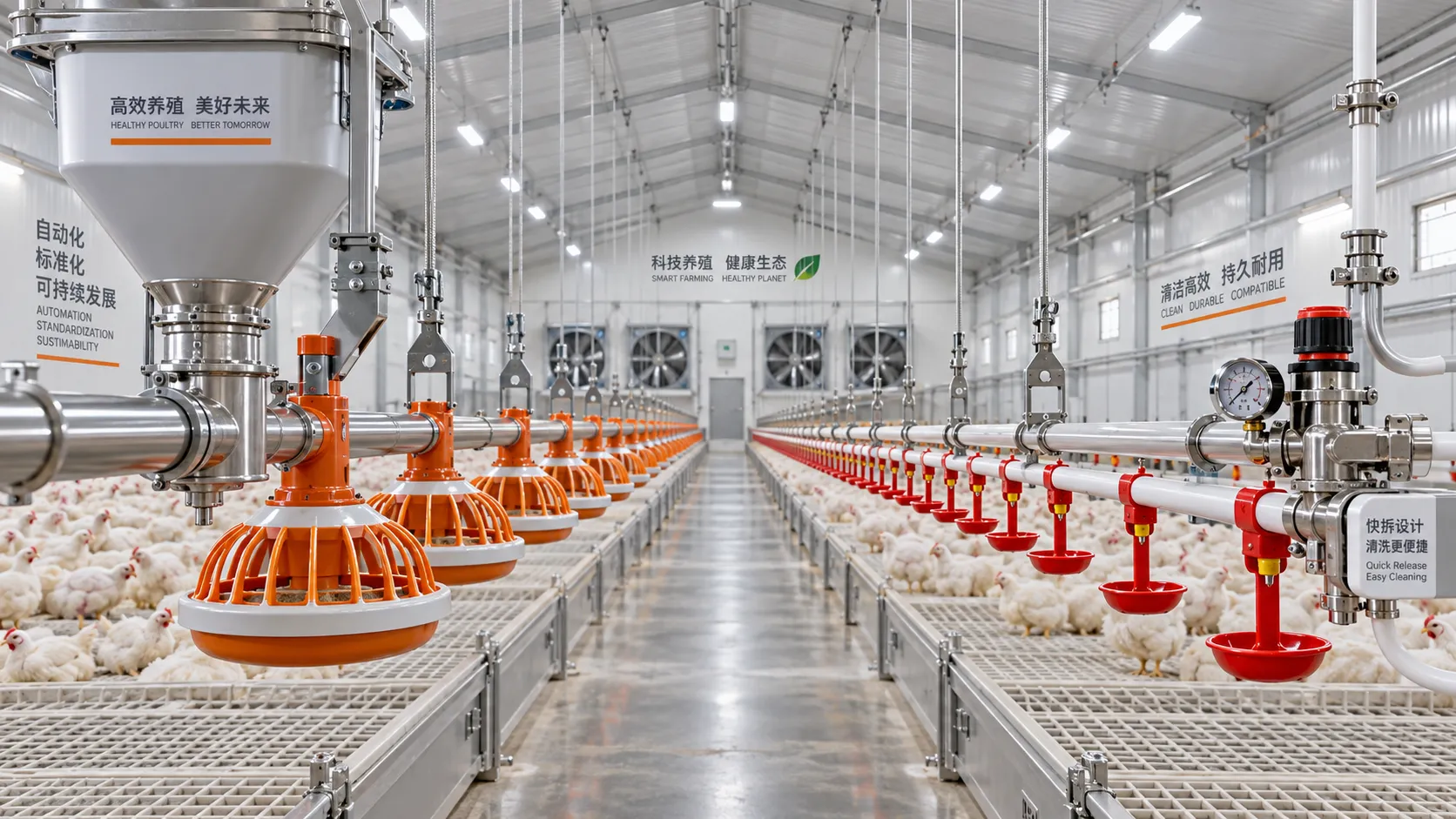
Poultry Equipment Selection: Evaluating Durability, Cleaning, and Compatibility
Poultry equipments selection guide: evaluate durability, cleaning access, and system compatibility to improve hygiene, reduce downtime, and support efficient flock management.
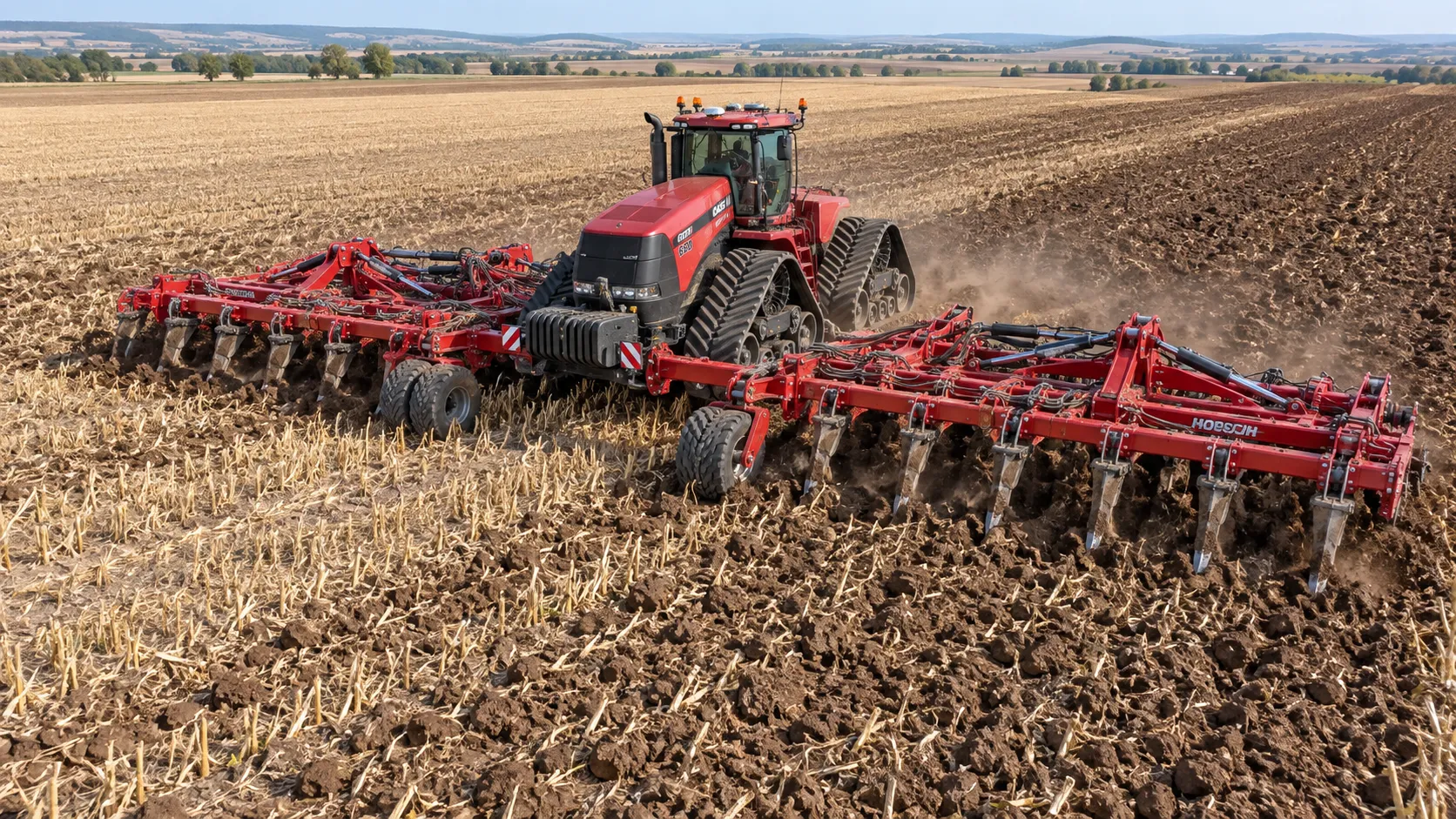
How to Select Heavy-Duty Farm Implements for High-Acreage, High-Horsepower Operations
Heavy duty farm implements: learn how to match draft, hydraulics, hitch capacity, frame strength, and field conditions for reliable high-acreage performance.
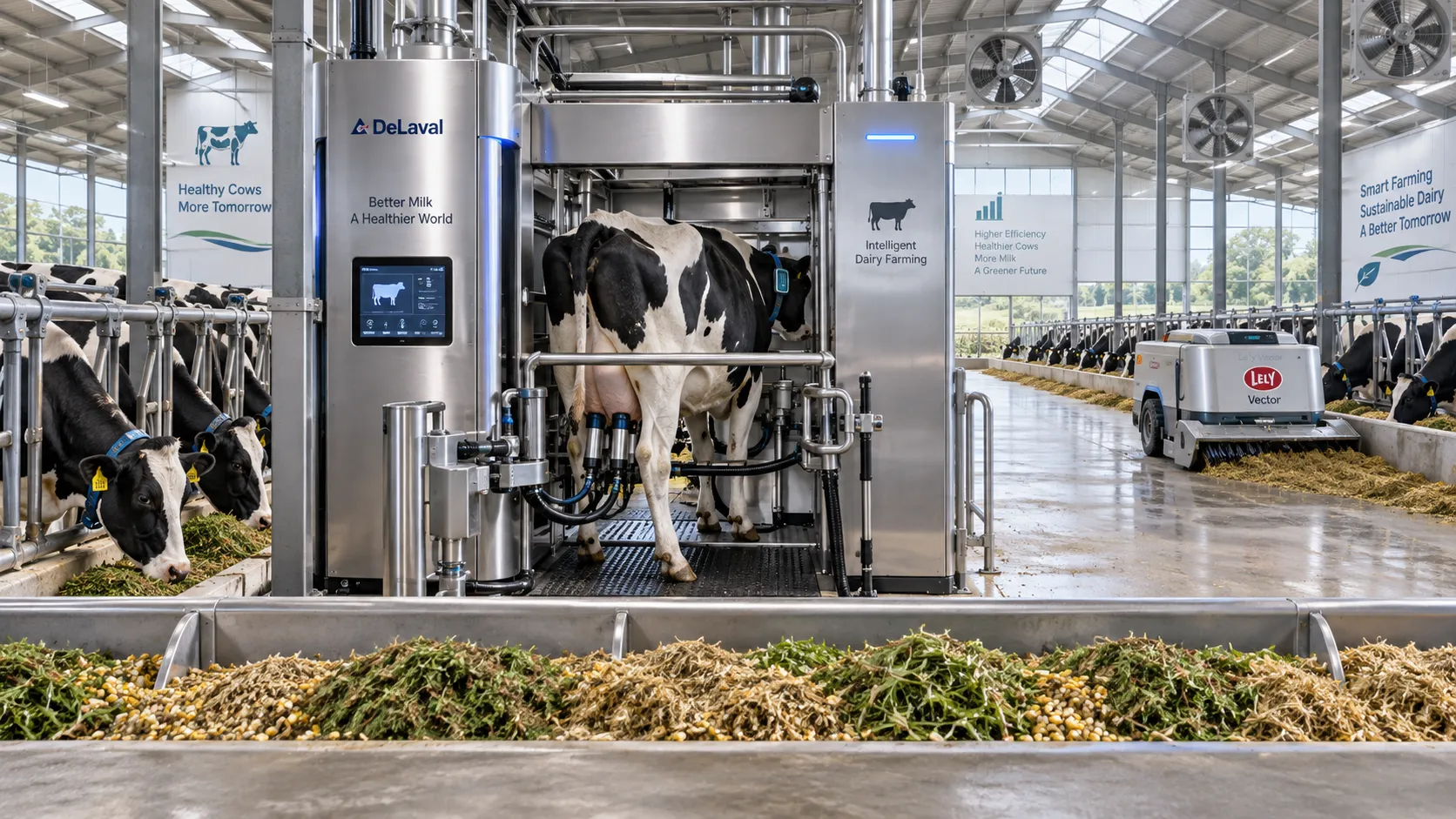
Smart Farming Technology for Dairy Farms: Where Automation Delivers Measurable ROI
Smart farming technology for dairy farms delivers measurable ROI through automation, precision feeding, health monitoring, and data-driven cost control.
Related News
- 00
0000-00
Grain Tank Automation OEM: What to Check in Integration, Control Logic, and Support - 00
0000-00
EU Adds Vibration Test for Grain Tank Automation CE Marking - 00
0000-00
China’s New Rural Plan Puts Cold-Chain Focus on Smart Irrigation - 00
0000-00
Thailand Food Rule Hits Filling Line Exports - 00
0000-00
Fruit Attraction 2026 Booth Bookings Surpass 90%
Popular Tags
Harvesting Efficiency Expert
Weekly Insights
Stay ahead with our curated technology reports delivered every Monday.