
China Implements Zero Tariffs on Goods from 20 African Countries




China Implements Zero Tariffs on Goods from 20 African Countries
Effective May 1, 2026, China has extended zero-tariff treatment to imports from 20 non-Least Developed Countries (non-LDCs) in Africa—including Benin, Burkina Faso, and Chad—marking a significant shift in its trade policy toward the continent. This measure directly affects agricultural machinery and irrigation technology exporters, importers, and project implementers active in Sub-Saharan Africa, where infrastructure-led agricultural modernization is gaining momentum.
Event Overview
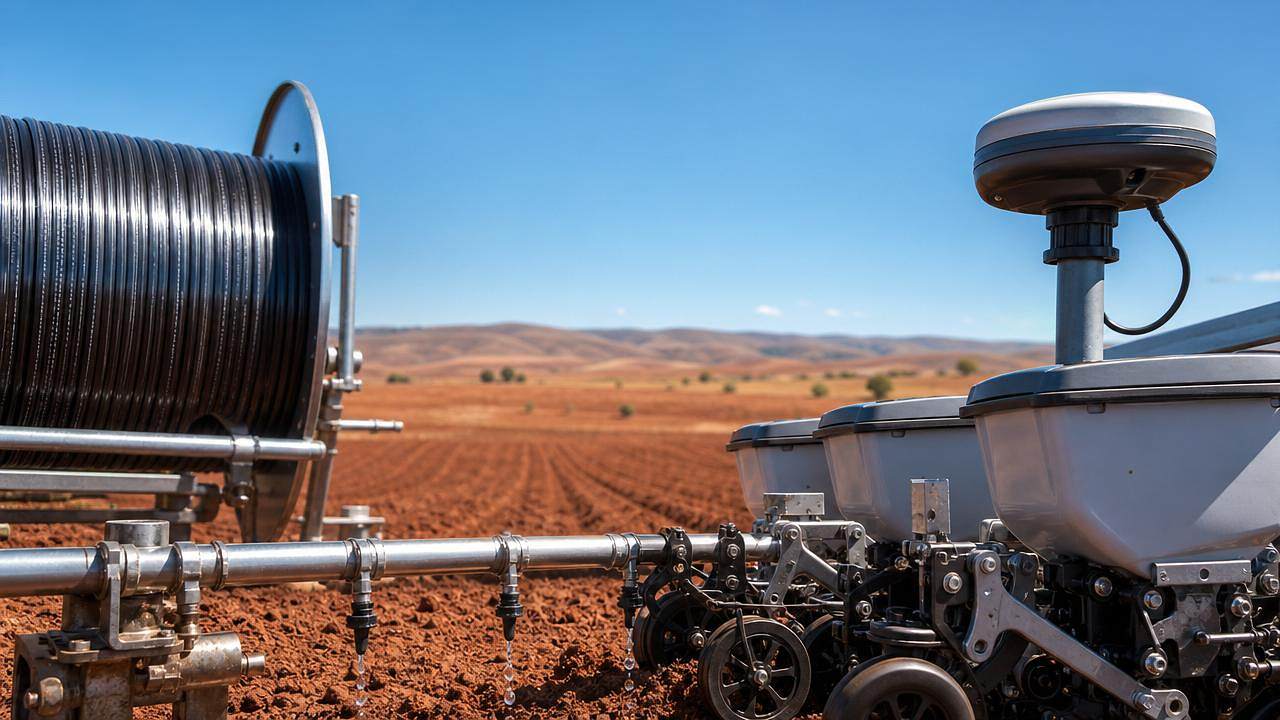
Starting May 1, 2026, China applies zero tariffs to all goods imported from 20 designated African non-LDCs, covering the full scope of HS Chapter 84 (Nuclear Reactors, Boilers, Machinery and Mechanical Appliances). Eligible products include seeding machines, drip irrigation tapes, GPS navigation modules, and hydraulic lift valves. The policy does not extend to Least Developed Countries, which already benefit from separate duty-free access arrangements.
Industries Affected
Direct trading enterprises: Export-oriented machinery manufacturers and trading companies targeting African markets face reduced tariff barriers for their Chapter 84 exports. Their competitiveness in public tenders—especially those linked to Chinese-financed agricultural infrastructure projects—is enhanced, though eligibility verification and origin certification requirements remain unchanged.
Raw material procurement enterprises: African importers sourcing components such as GPS modules or hydraulic valves from Chinese suppliers will experience an 11–15% reduction in landed cost for these items, according to official estimates. This may accelerate procurement cycles but does not alter upstream sourcing strategies within China itself.
Manufacturing enterprises: Chinese OEMs producing smart irrigation equipment for export must now ensure product classification under HS Chapter 84 aligns precisely with customs requirements for preferential treatment. Misclassification risks disqualification—even if physical goods are identical—making tariff engineering and HS code validation more critical than before.
Supply chain service enterprises: Logistics providers, customs brokers, and certification agencies serving China–Africa trade flows will see increased demand for origin documentation support (e.g., Form A certificates), pre-shipment inspections, and HS code advisory services—particularly for technically complex sub-assemblies like navigation modules.
Key Considerations and Recommended Actions
Verify product eligibility under HS Chapter 84
Not all agricultural equipment qualifies: only items falling strictly within Chapter 84 are covered. Equipment classified under Chapters 85 (electrical machinery), 90 (optical/medical instruments), or 94 (furniture) remains subject to standard MFN rates. Companies must conduct granular HS code reviews—not rely on broad product categories.
Prepare for origin certification compliance
Zero-tariff access requires certified proof of origin issued by authorized African authorities. Traders should engage early with local chambers of commerce or customs departments in beneficiary countries to confirm procedural timelines and documentation standards.
Assess competitive implications beyond price
While cost advantage improves, tender success in African agricultural infrastructure projects depends equally on after-sales service networks, spare parts availability, and local regulatory approvals (e.g., water-use certifications). Price alone does not guarantee market share gains.
Editorial Perspective / Industry Observation
Analysis shows that this policy is better understood as a strategic alignment tool rather than a standalone trade liberalization step. It complements China’s broader engagement framework—including the Forum on China–Africa Cooperation (FOCAC) action plans and Belt and Road-related financing mechanisms—by lowering entry friction for specific high-priority equipment categories. Observably, the focus on irrigation and precision farming hardware signals a deliberate push toward supporting climate-resilient agriculture in partner countries, where water efficiency is increasingly central to food security planning. From an industry perspective, however, the impact remains asymmetric: it favors exporters with strong Chapter 84 portfolios and established African distribution channels, while offering limited upside to firms focused on consumer-facing or non-infrastructure agricultural goods.
Conclusion
This zero-tariff measure represents a calibrated expansion of market access—not a blanket opening. Its significance lies less in immediate volume shifts and more in reinforcing China’s role as a supplier of scalable, infrastructure-grade agricultural technology in targeted African markets. A rational interpretation is that it lowers one barrier among many; sustained commercial traction will depend on complementary investments in localization, technical capacity building, and long-term service commitments.
Source Attribution
Announcement issued by China’s Ministry of Commerce (MOFCOM) and General Administration of Customs (GACC), April 2026; implementation details published in GACC Announcement No. 42 of 2026. Official list of 20 beneficiary countries and product coverage confirmed via MOFCOM’s Africa Trade Portal. Note: Implementation guidelines for origin certification and dispute resolution mechanisms remain pending formal release and are subject to ongoing monitoring.
Related News
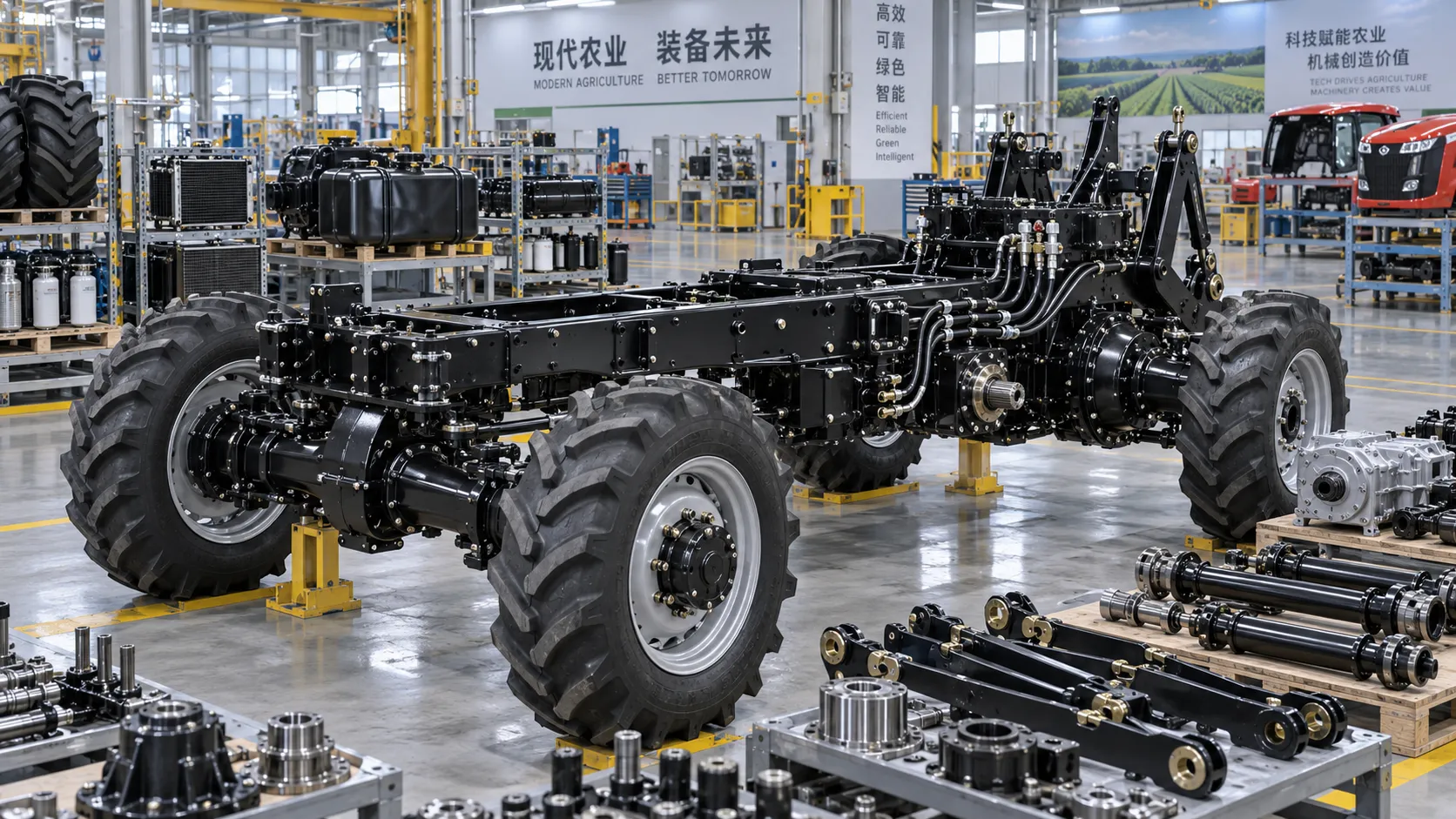
Tractor Chassis Price: What Buyers Should Compare Beyond the Initial Quote
Tractor chassis price is only the start. Compare load capacity, compatibility, durability, and lifecycle costs to choose a reliable, high-value chassis.
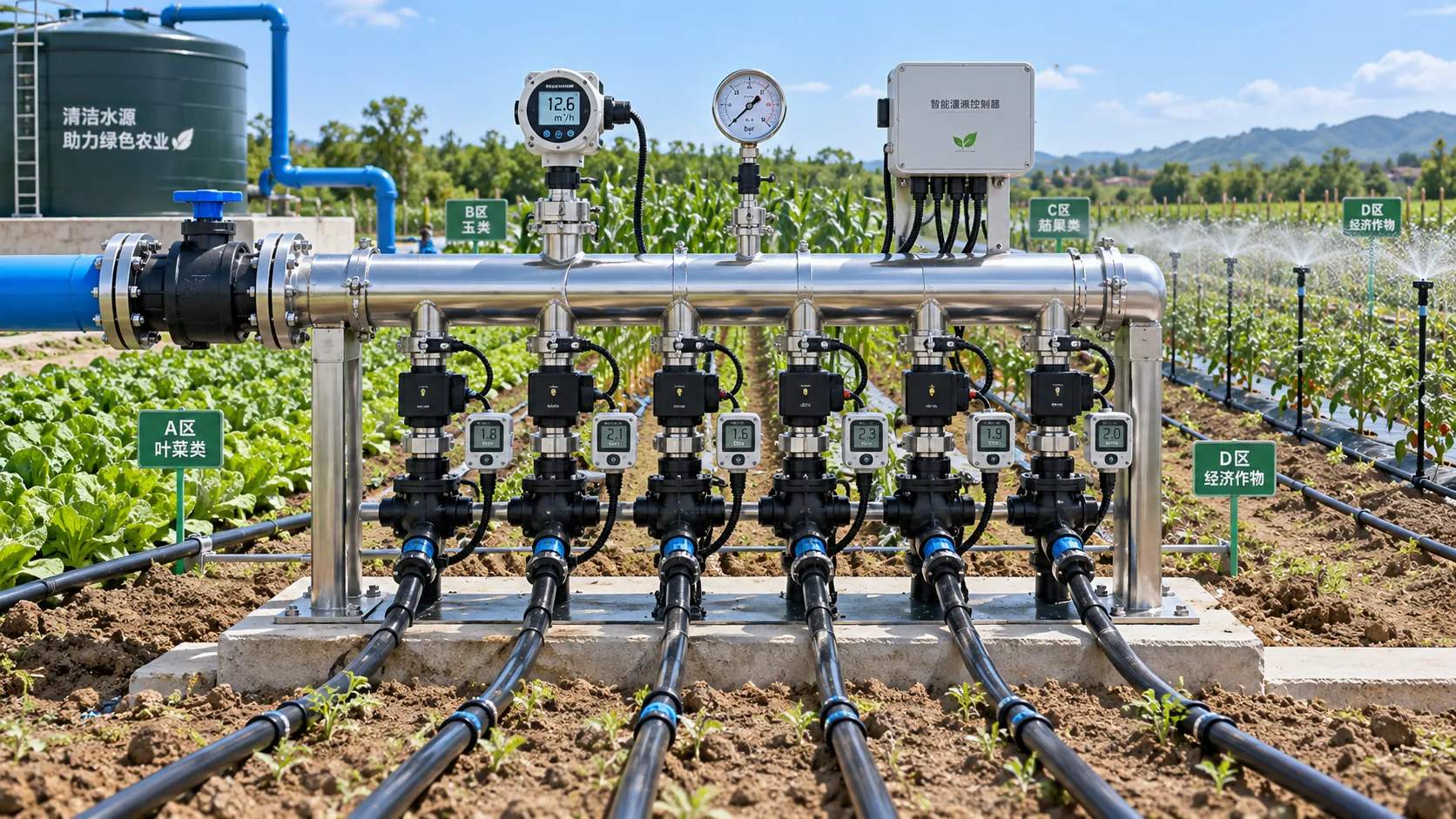
How to Select Smart Irrigation Valves for Multi-Zone Water Management?
Intelligent irrigation systems valves: learn how to match smart valves with multi-zone flow, pressure, control, feedback, and communication needs for reliable water management.
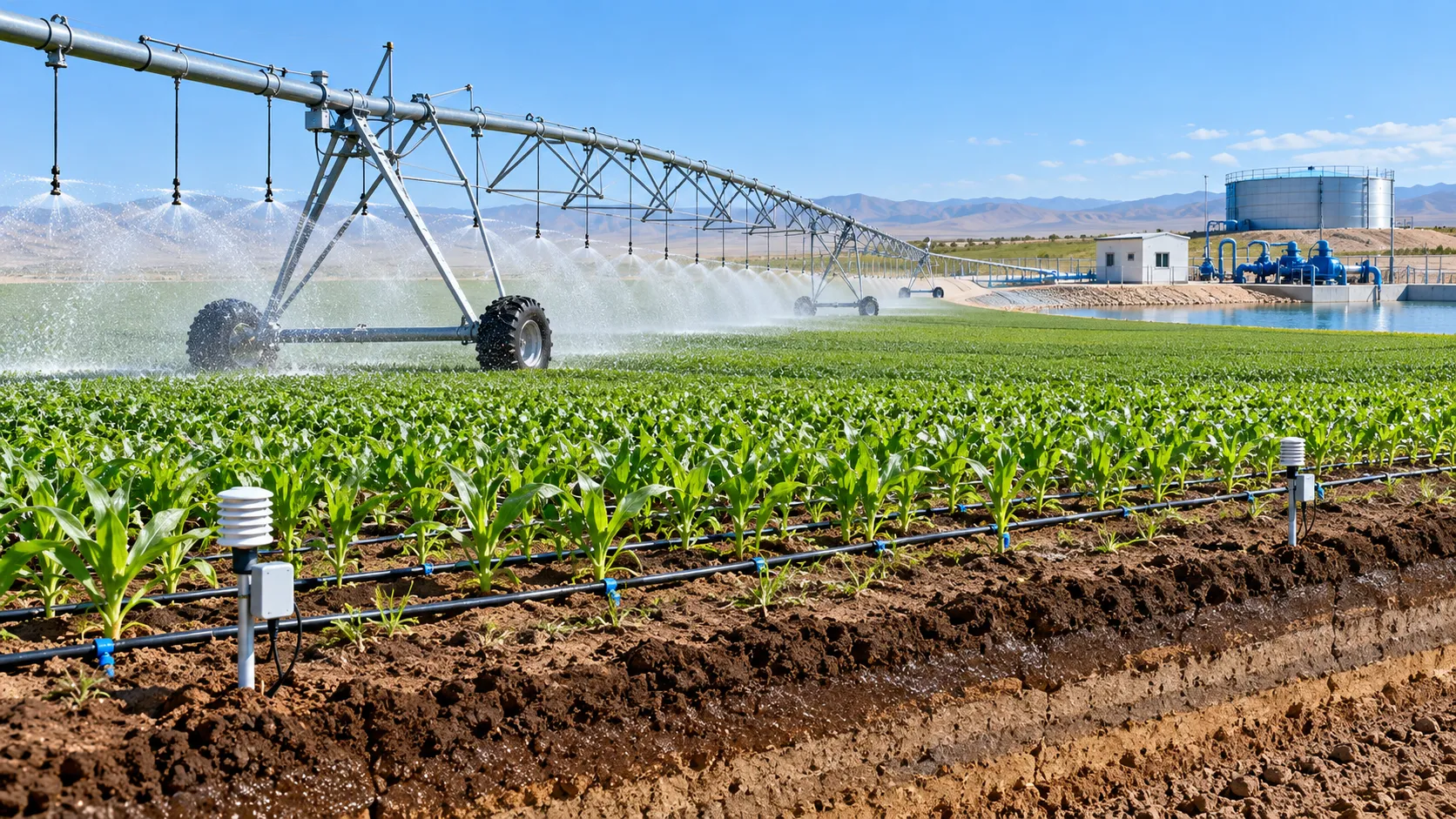
Climate-Smart Farming for Drought: A Practical Plan for Protecting Yields
Climate-smart farming for drought: build smarter water budgets, protect critical crop stages, improve irrigation uniformity, and safeguard yields with practical field-proven strategies.
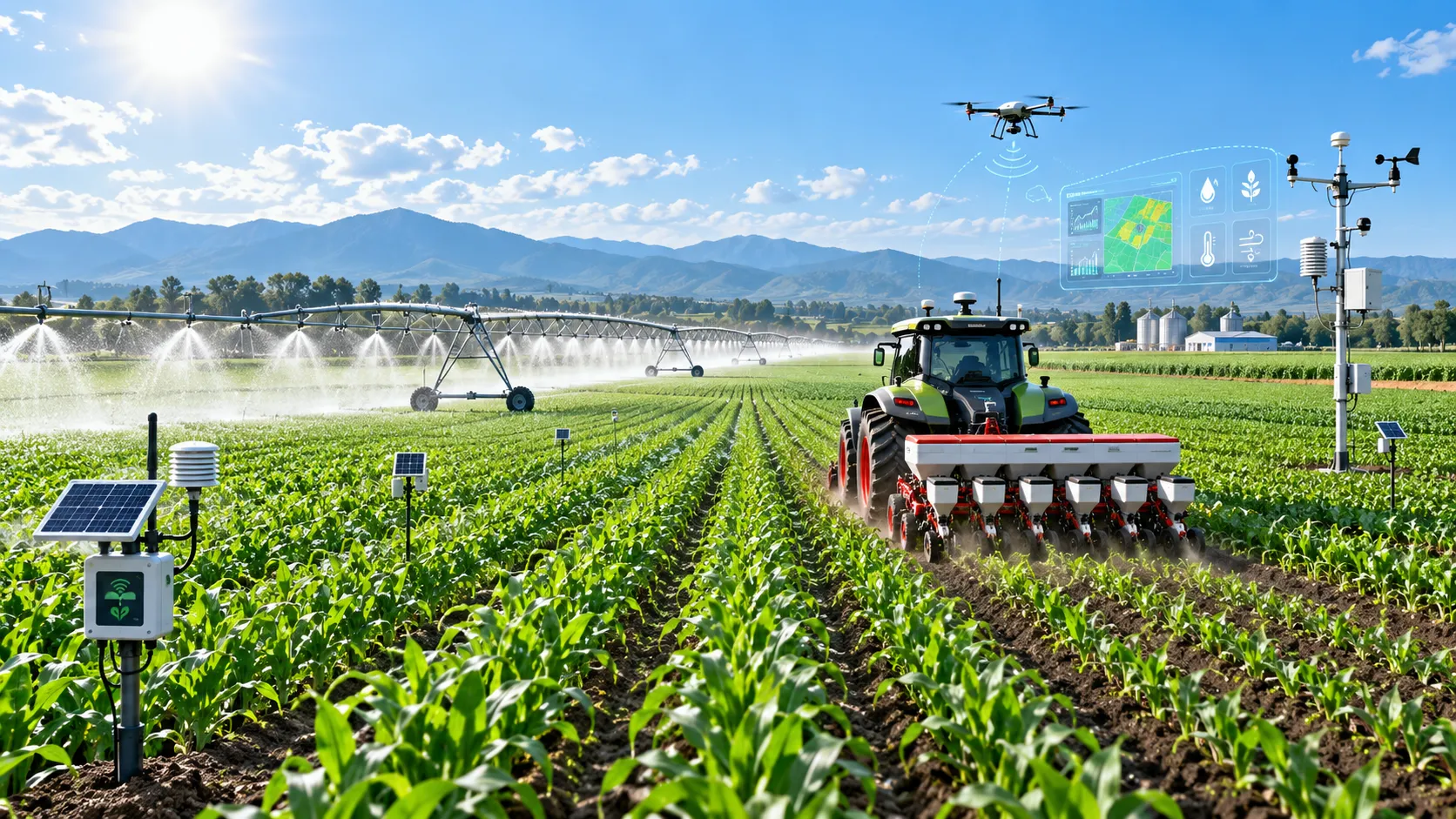
How Digital Agriculture Platforms Turn Field Data Into Better Input Decisions
Digital agriculture platforms turn field data into smarter fertilizer, water, seed, and equipment decisions—helping farms cut risk, improve margins, and scale sustainability.
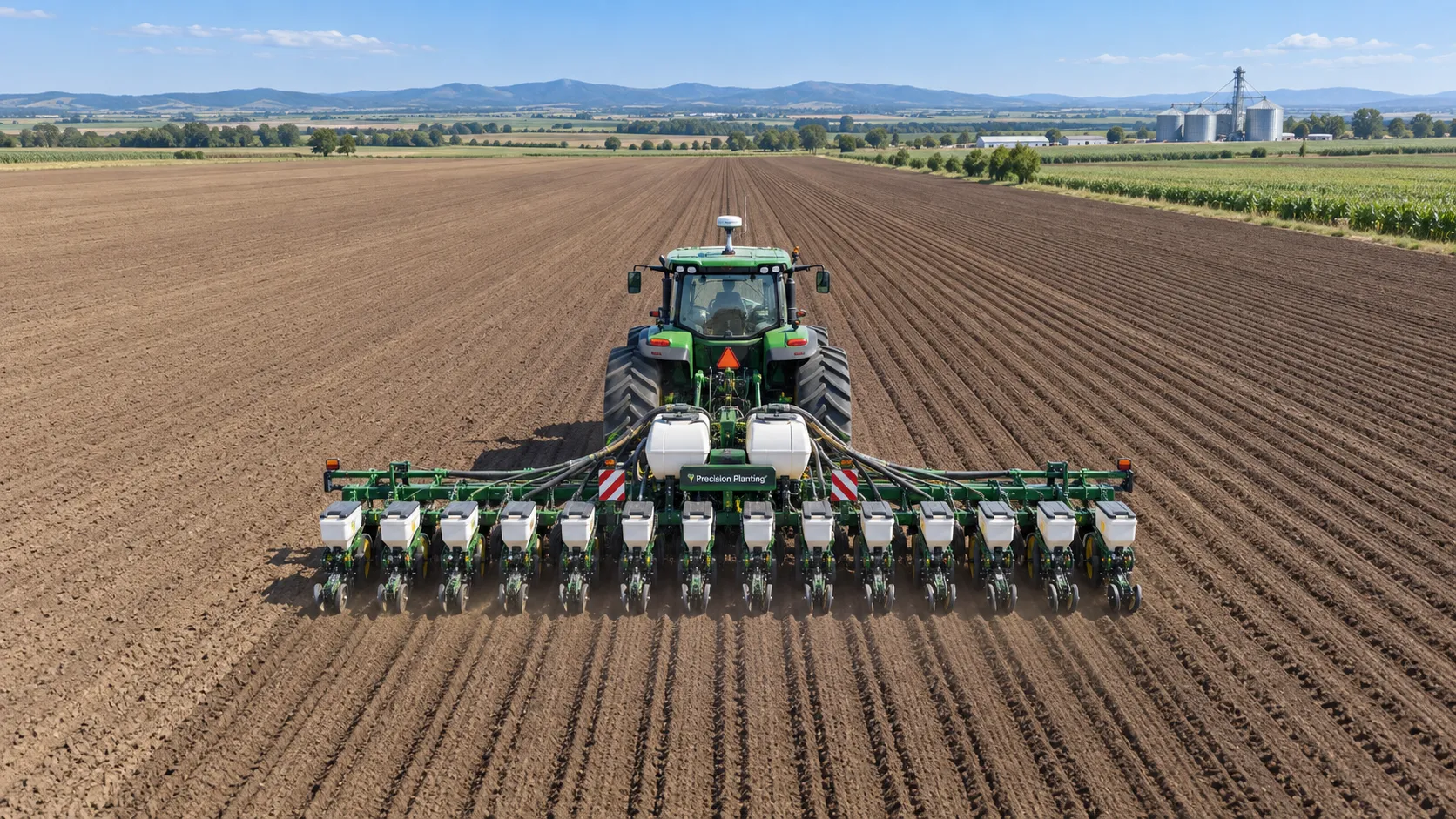
GPS-Guided Farm Machinery: Where It Delivers Measurable Field Efficiency Gains
Agri-mechanization GPS guided systems deliver measurable field efficiency gains through reduced overlap, precise planting, smarter inputs, and reliable farm data.
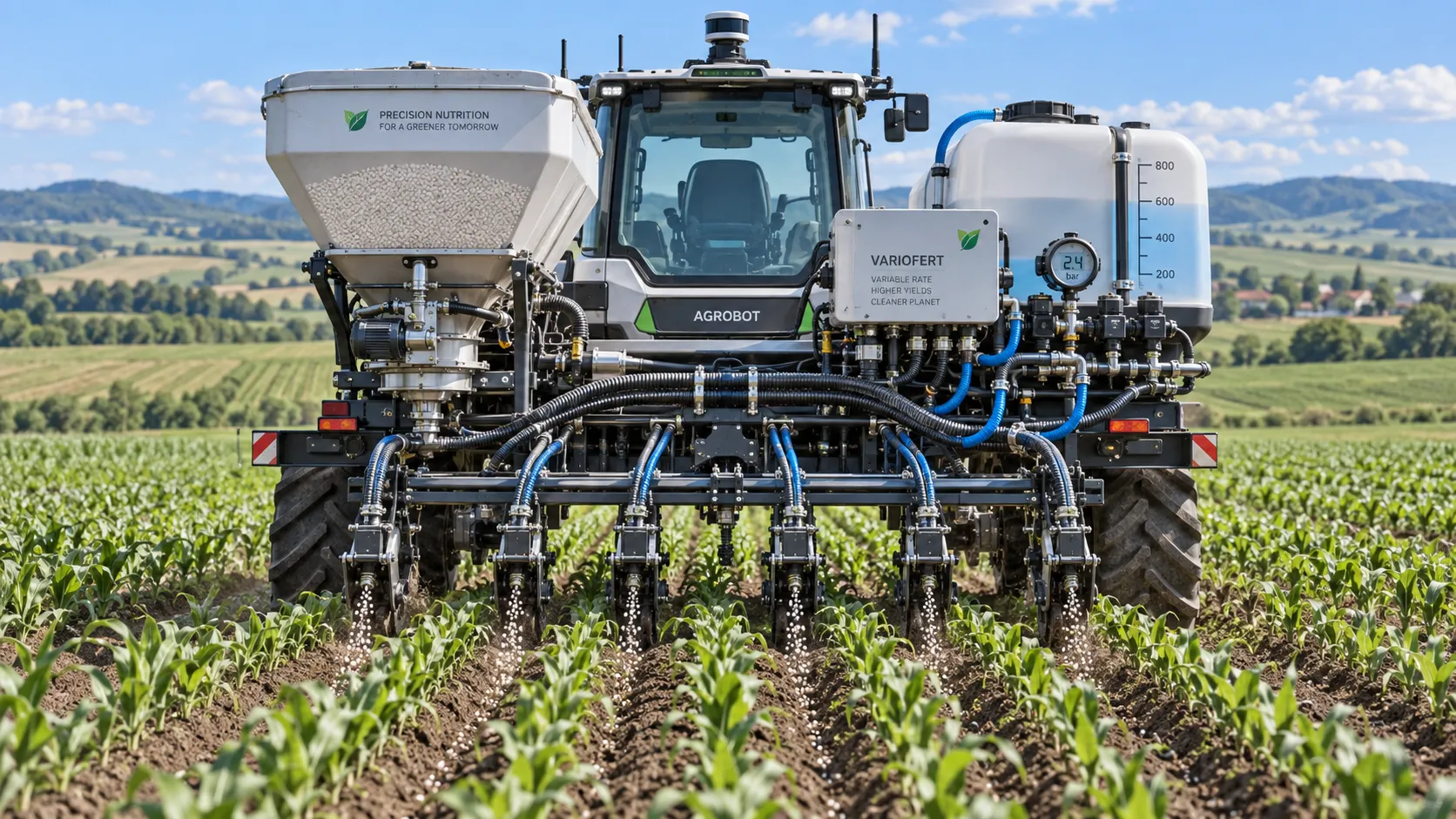
How Sensor Feedback Enables Accurate Variable-Rate Fertilization in Field Conditions
Precision fertilization systems with sensor feedback improve variable-rate accuracy by verifying flow, managing latency, and ensuring reliable field application.
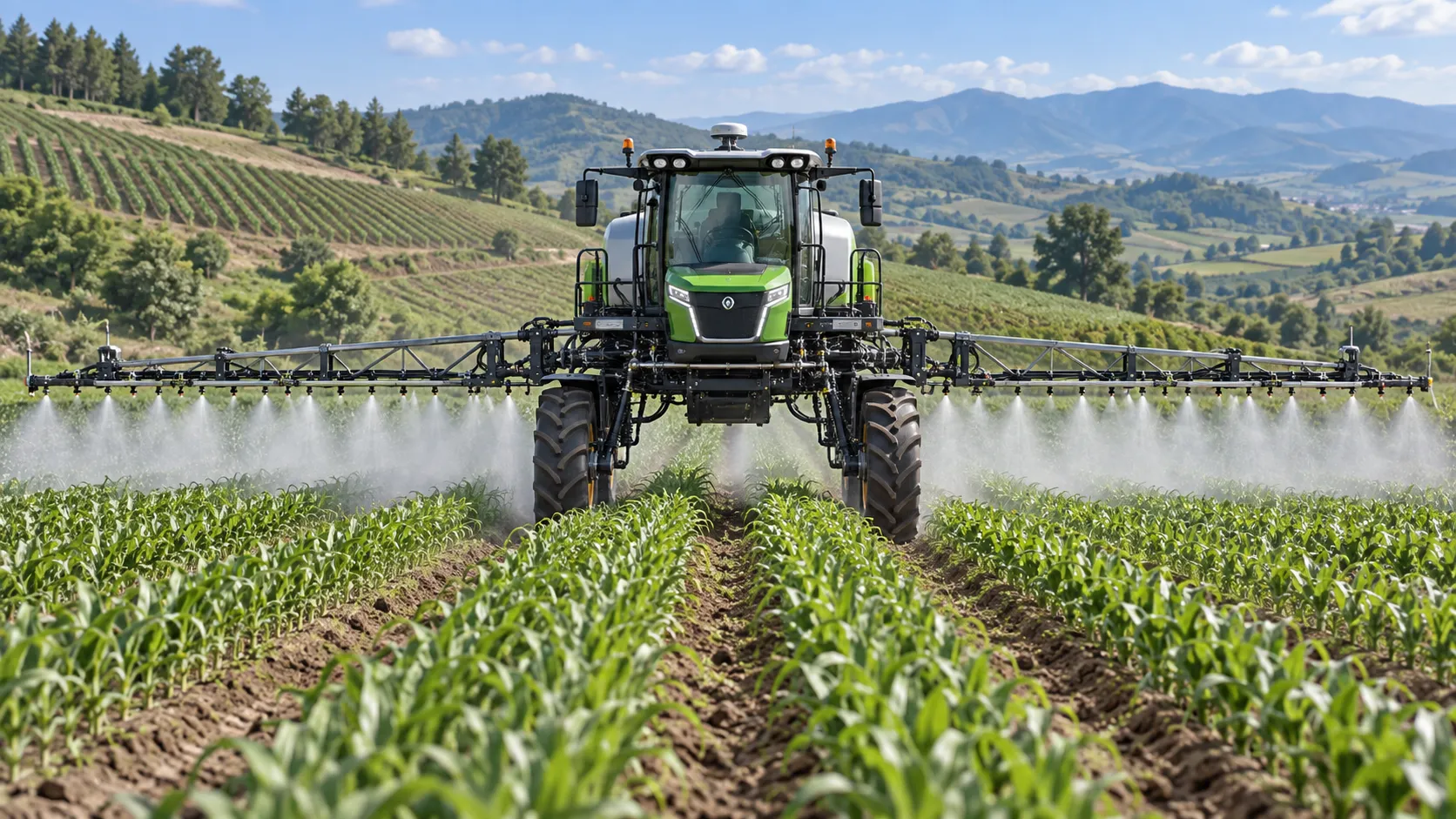
How to Select Precision Crop Protection Equipment for Variable Field Conditions
Precision crop protection equipment selection made simple: compare terrain, canopy, weather, control accuracy, and data workflows for reliable applications.

When Does Agricultural Machinery Leasing Cost Less Than Owning Equipment?
Agricultural machinery leasing can lower farm costs when use is seasonal or uncertain. Compare utilization, maintenance, cash flow, and risk to make a smarter equipment decision.

How to Evaluate Precision Fertilization System Suppliers for Farm-Scale Deployment
Precision fertilization systems suppliers: learn how to compare accuracy, integration, uptime, service, and total cost for confident farm-scale deployment.
Related News
- 00
0000-00
How to Select Smart Irrigation Valves for Multi-Zone Water Management? - 00
0000-00
Automated Water-Saving Irrigation: How to Cut Water Use Without Reducing Crop Yields - 00
0000-00
How to Evaluate Drip Irrigation System Manufacturers for Large Farm Projects - 00
0000-00
Wireless Agricultural Automation for Remote Irrigation and Field Monitoring - 00
0000-00
Designing Water-Saving Drip Irrigation Systems for High-Value Orchards
Popular Tags
Hydrological Resource Strategist
Weekly Insights
Stay ahead with our curated technology reports delivered every Monday.