
Customized Export Regulation for Agricultural & Food Equipment Launched





On May 20, 2026, China’s General Administration of Customs (GACC) launched the ‘One Product, One Policy’ precision regulatory reform for agricultural and food equipment exports. Smart irrigation controllers, automated drip tape laying systems, and integrated soil moisture sensor terminals are included in the first pilot list. This development directly affects exporters, OEM manufacturers, and supply chain service providers serving markets in North America, Europe, the Middle East, and Southeast Asia — as it reshapes customs clearance timelines, compliance workflows, and technical documentation requirements.
Event Overview
Effective May 20, 2026, the General Administration of Customs initiated the ‘One Product, One Policy’ regulatory reform targeting agricultural and food equipment exports. The first officially released pilot category list includes smart irrigation controllers, automated drip tape laying systems, and integrated soil moisture sensor terminals. Under the reform, three operational mechanisms are implemented: intelligent verification of certificates of origin, ‘declare-and-release-immediately’ export inspection, and pre-filing of technical parameters. As confirmed, average export clearance time has been reduced to within 48 hours, and estimated compliance cost reduction is approximately 18%.
Impact on Specific Industry Segments
Direct Export Trading Enterprises: These companies face revised procedural expectations for documentation and technical validation. Impact manifests in accelerated customs release cycles and tighter alignment between declared technical specs and pre-filed parameters — deviations may trigger manual review or delay.
Manufacturing Enterprises (OEM/ODM): Firms producing the listed pilot equipment must now ensure product-level technical data — including firmware versions, communication protocols, and sensor accuracy ranges — are submitted and approved prior to shipment. This adds a pre-export coordination step with customs authorities, distinct from traditional post-manufacturing certification.
Supply Chain & Logistics Service Providers: Third-party logistics operators and customs brokers handling these goods will need to adapt internal workflows to accommodate real-time origin certificate verification and pre-validated technical dossiers. Standardized data templates and API-based submission interfaces are likely to become prerequisites for service continuity.
Importers & Project Integrators (Overseas): Buyers in target markets — particularly those managing time-sensitive infrastructure projects (e.g., greenhouse deployments, desert agriculture initiatives) — benefit from faster arrival verification and reduced lead time uncertainty. However, they may need to adjust procurement scheduling to align with exporters’ new pre-filing timelines.
What Relevant Enterprises or Practitioners Should Focus On and How to Respond
Monitor official GACC updates on expansion of the pilot list
The current scope covers only three equipment types. Analysis shows the reform is structured as a phased rollout; future expansions — potentially including fertigation units, harvest robotics interfaces, or AI-driven pest monitoring hardware — are plausible but not yet confirmed. Stakeholders should track GACC bulletins for formal announcements rather than rely on industry speculation.
Verify whether your exported products match the exact technical definitions in the pilot list
For example, ‘smart irrigation controller’ refers specifically to devices with programmable logic, remote connectivity, and closed-loop feedback from soil sensors — not basic timer-based controllers. Observation shows that classification hinges on functional capability, not branding or marketing language. Misclassification may result in exclusion from expedited clearance.
Distinguish between policy signal and operational readiness
While the reform is active as of May 20, 2026, implementation capacity varies across regional customs offices. From an industry perspective, early adopters report inconsistent application of ‘instant release’ at inland ports versus coastal hubs. Enterprises should confirm local customs office readiness before scheduling high-priority shipments.
Prepare technical parameter dossiers in advance for all pilot-category SKUs
This includes firmware version logs, calibration certificates, communication protocol specifications (e.g., LoRaWAN v1.0.4, Modbus TCP), and test reports aligned with IEC 60529 (IP rating) and ISO 11783 (agricultural electronics). Current practice indicates that submissions without traceable, standardized test evidence face extended review periods.
Editorial Perspective / Industry Observation
This initiative is better understood as a regulatory signal — not yet a fully scaled operational framework. Observably, it reflects GACC’s strategic pivot toward risk-based, data-informed oversight of high-tech agri-equipment, moving away from uniform inspection thresholds. It does not replace existing safety or electromagnetic compatibility (EMC) requirements under CCC or CE frameworks; rather, it overlays a parallel customs-specific data governance layer. Industry attention should focus less on immediate compliance burden and more on how this model may evolve into mandatory digital product passports for cross-border agri-tech trade.
Conclusion
While the ‘One Product, One Policy’ reform delivers measurable efficiency gains for specific equipment categories, its broader significance lies in institutionalizing technical transparency as a prerequisite for market access. For now, it remains a targeted pilot — not a universal standard. Enterprises are advised to treat it as a forward-looking indicator of regulatory direction, rather than a comprehensive overhaul of current export operations.
Information Source
Primary source: Official announcement issued by China’s General Administration of Customs on May 20, 2026. No additional background documents, implementation guidelines, or expansion roadmaps have been publicly released as of publication. Continued observation is recommended for subsequent GACC notices regarding scope adjustments or technical filing protocols.
Related News
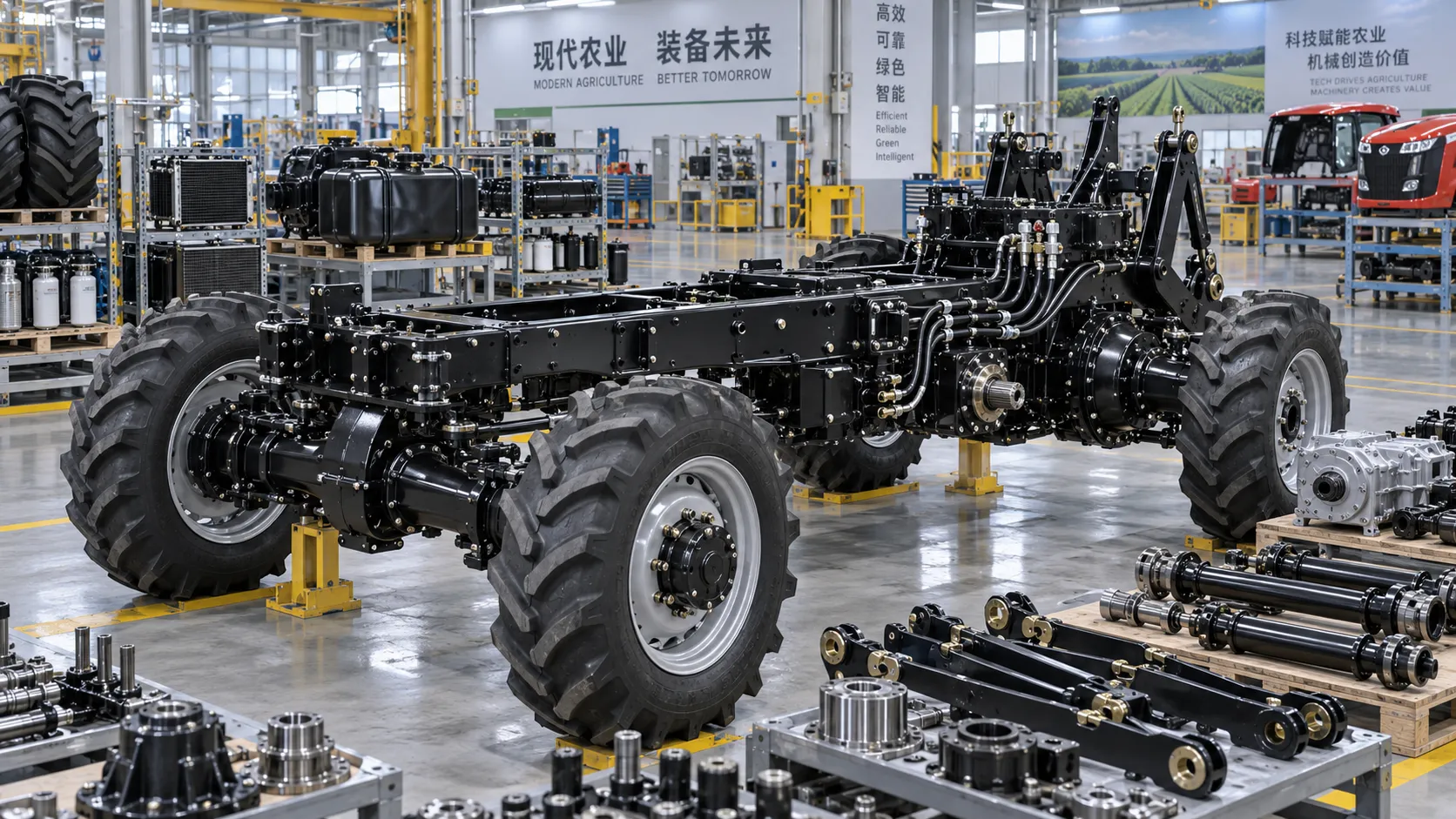
Tractor Chassis Price: What Buyers Should Compare Beyond the Initial Quote
Tractor chassis price is only the start. Compare load capacity, compatibility, durability, and lifecycle costs to choose a reliable, high-value chassis.
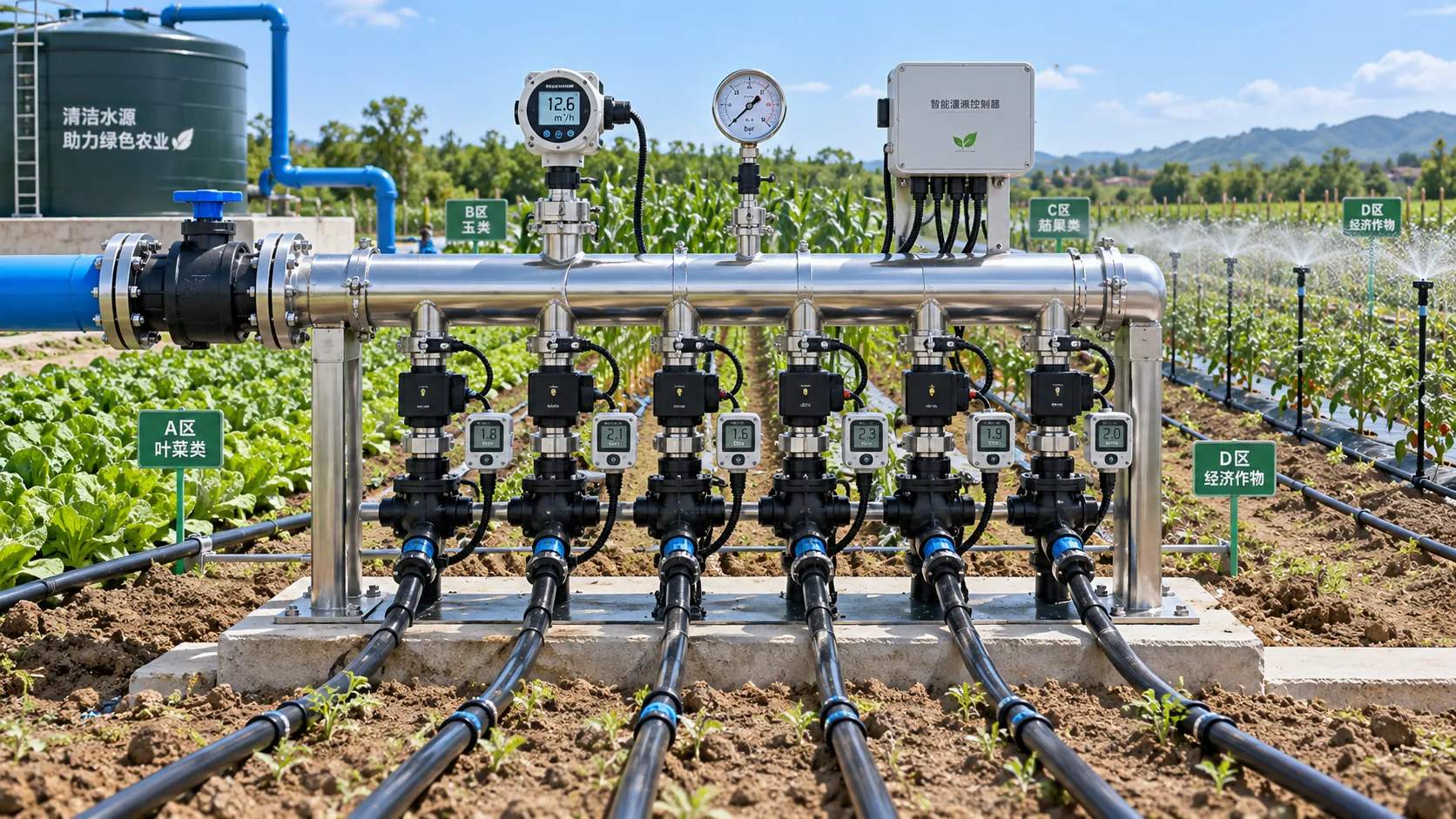
How to Select Smart Irrigation Valves for Multi-Zone Water Management?
Intelligent irrigation systems valves: learn how to match smart valves with multi-zone flow, pressure, control, feedback, and communication needs for reliable water management.
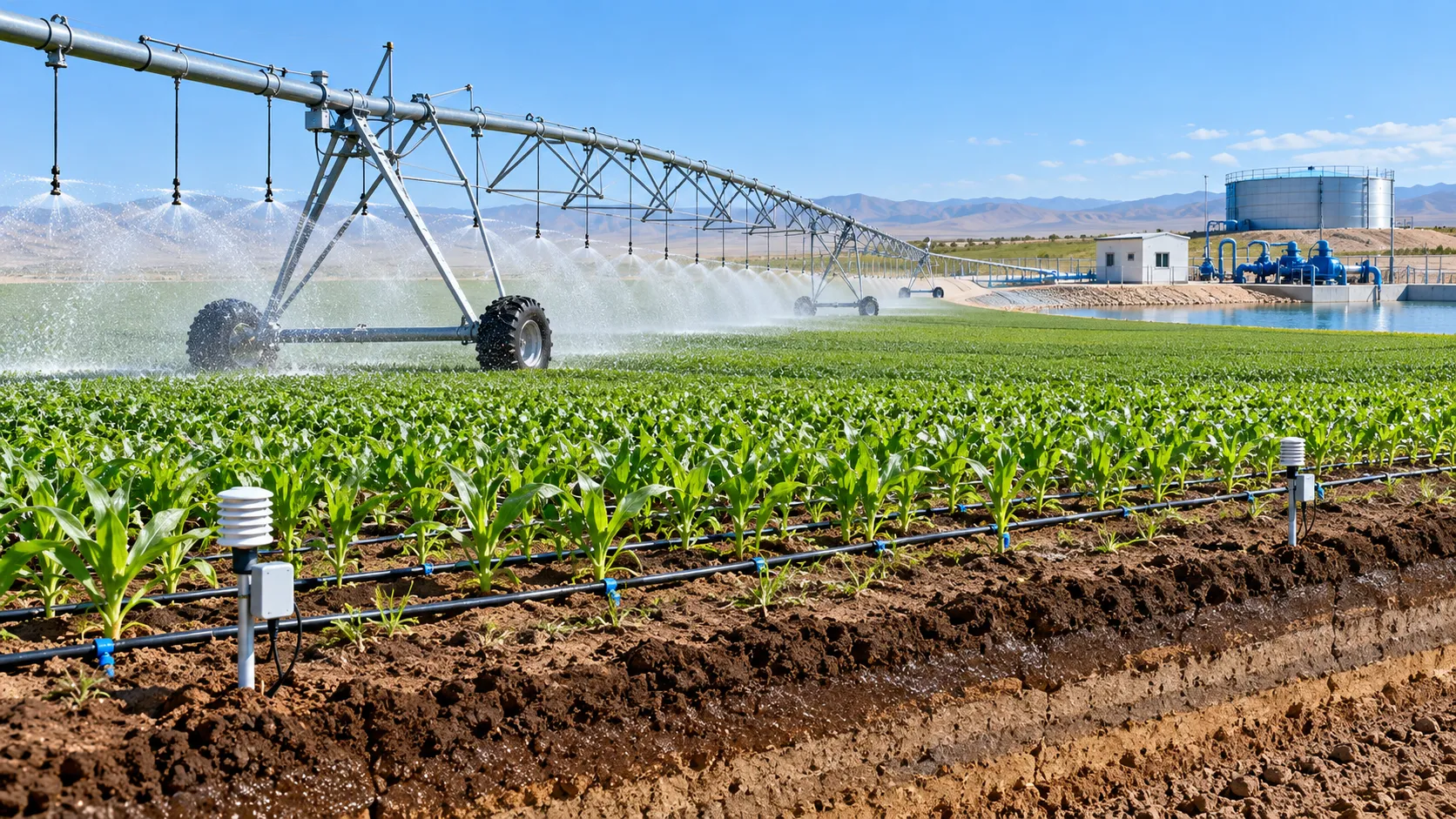
Climate-Smart Farming for Drought: A Practical Plan for Protecting Yields
Climate-smart farming for drought: build smarter water budgets, protect critical crop stages, improve irrigation uniformity, and safeguard yields with practical field-proven strategies.
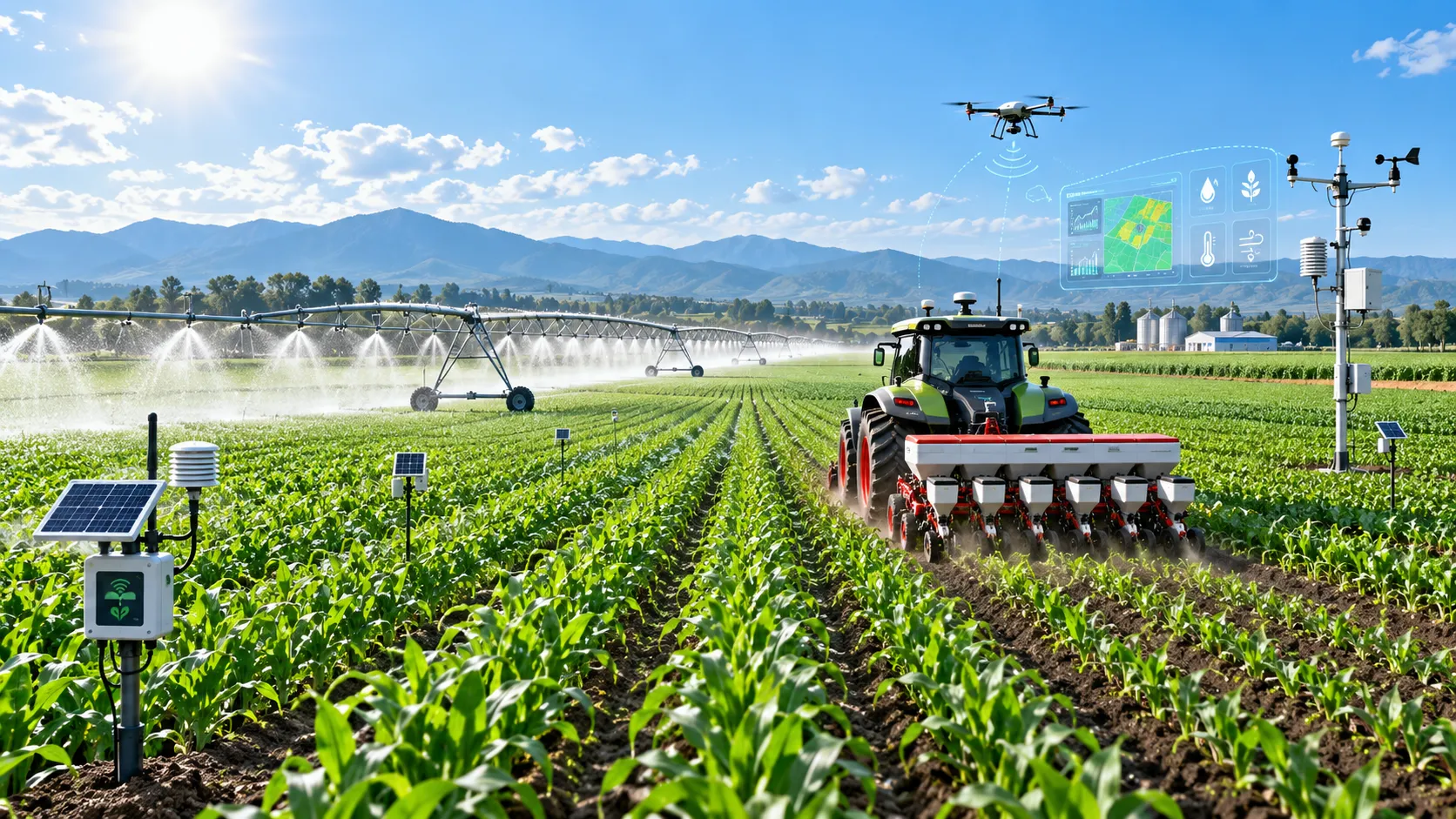
How Digital Agriculture Platforms Turn Field Data Into Better Input Decisions
Digital agriculture platforms turn field data into smarter fertilizer, water, seed, and equipment decisions—helping farms cut risk, improve margins, and scale sustainability.
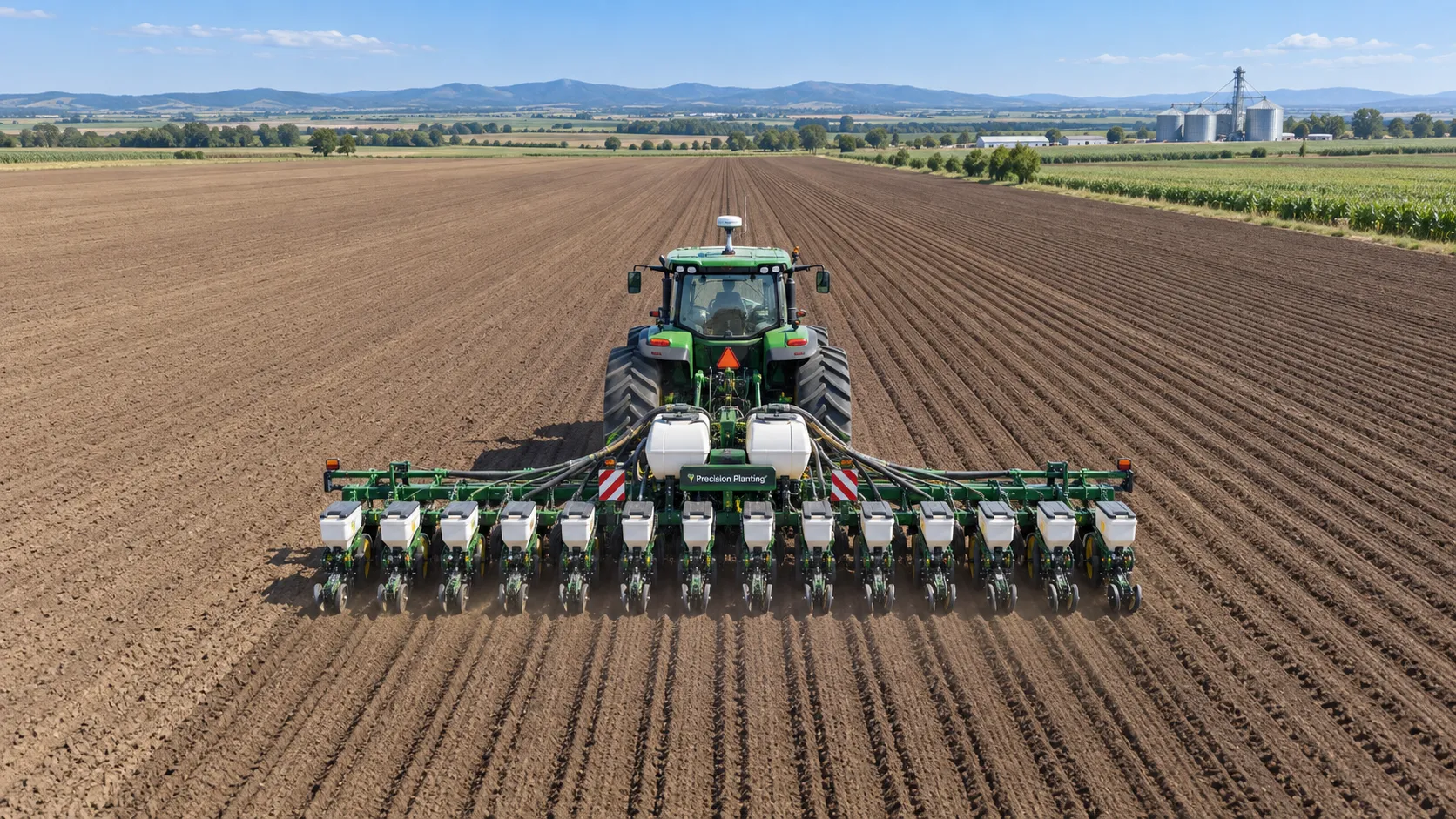
GPS-Guided Farm Machinery: Where It Delivers Measurable Field Efficiency Gains
Agri-mechanization GPS guided systems deliver measurable field efficiency gains through reduced overlap, precise planting, smarter inputs, and reliable farm data.

How Sensor Feedback Enables Accurate Variable-Rate Fertilization in Field Conditions
Precision fertilization systems with sensor feedback improve variable-rate accuracy by verifying flow, managing latency, and ensuring reliable field application.
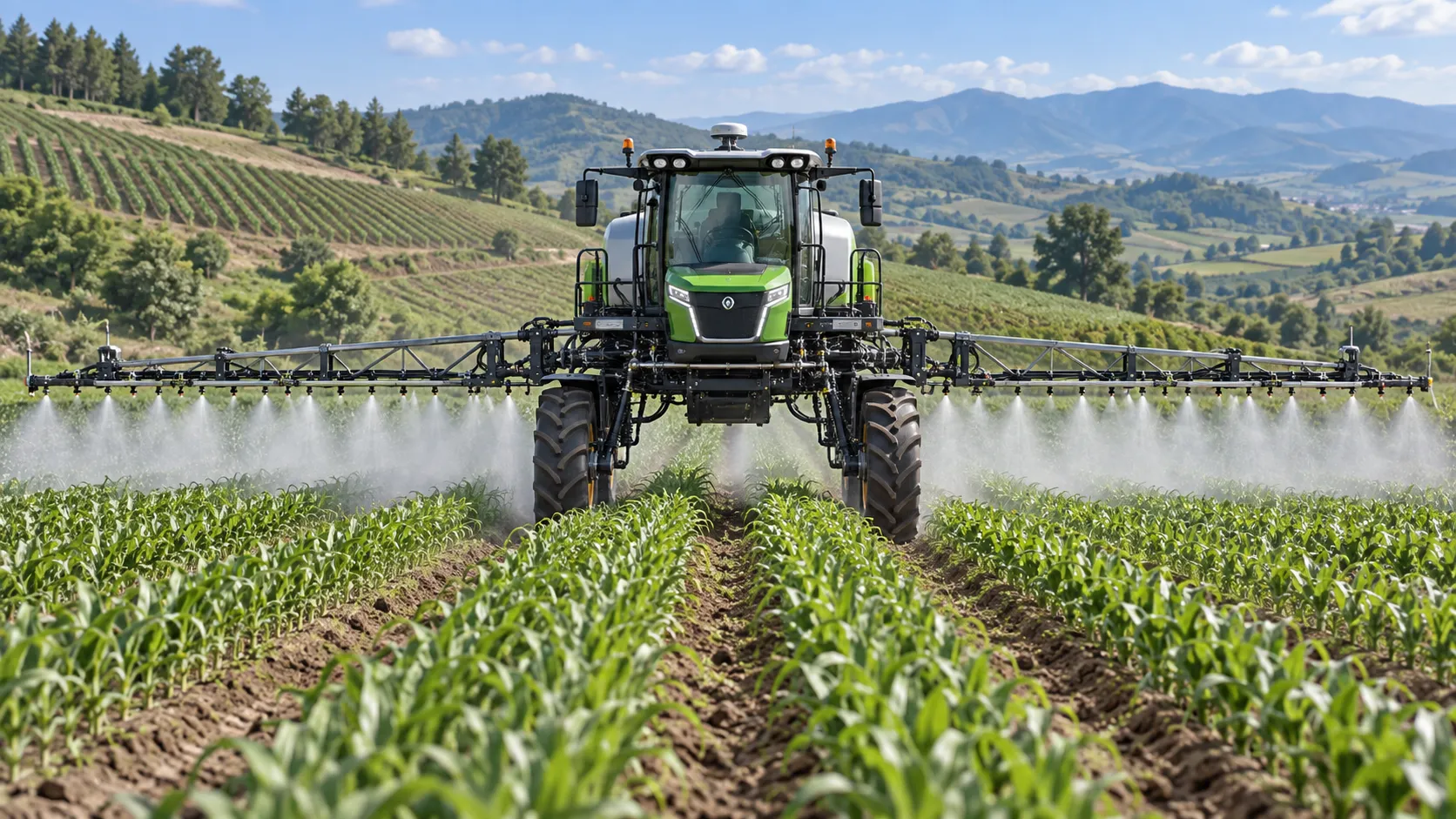
How to Select Precision Crop Protection Equipment for Variable Field Conditions
Precision crop protection equipment selection made simple: compare terrain, canopy, weather, control accuracy, and data workflows for reliable applications.

When Does Agricultural Machinery Leasing Cost Less Than Owning Equipment?
Agricultural machinery leasing can lower farm costs when use is seasonal or uncertain. Compare utilization, maintenance, cash flow, and risk to make a smarter equipment decision.
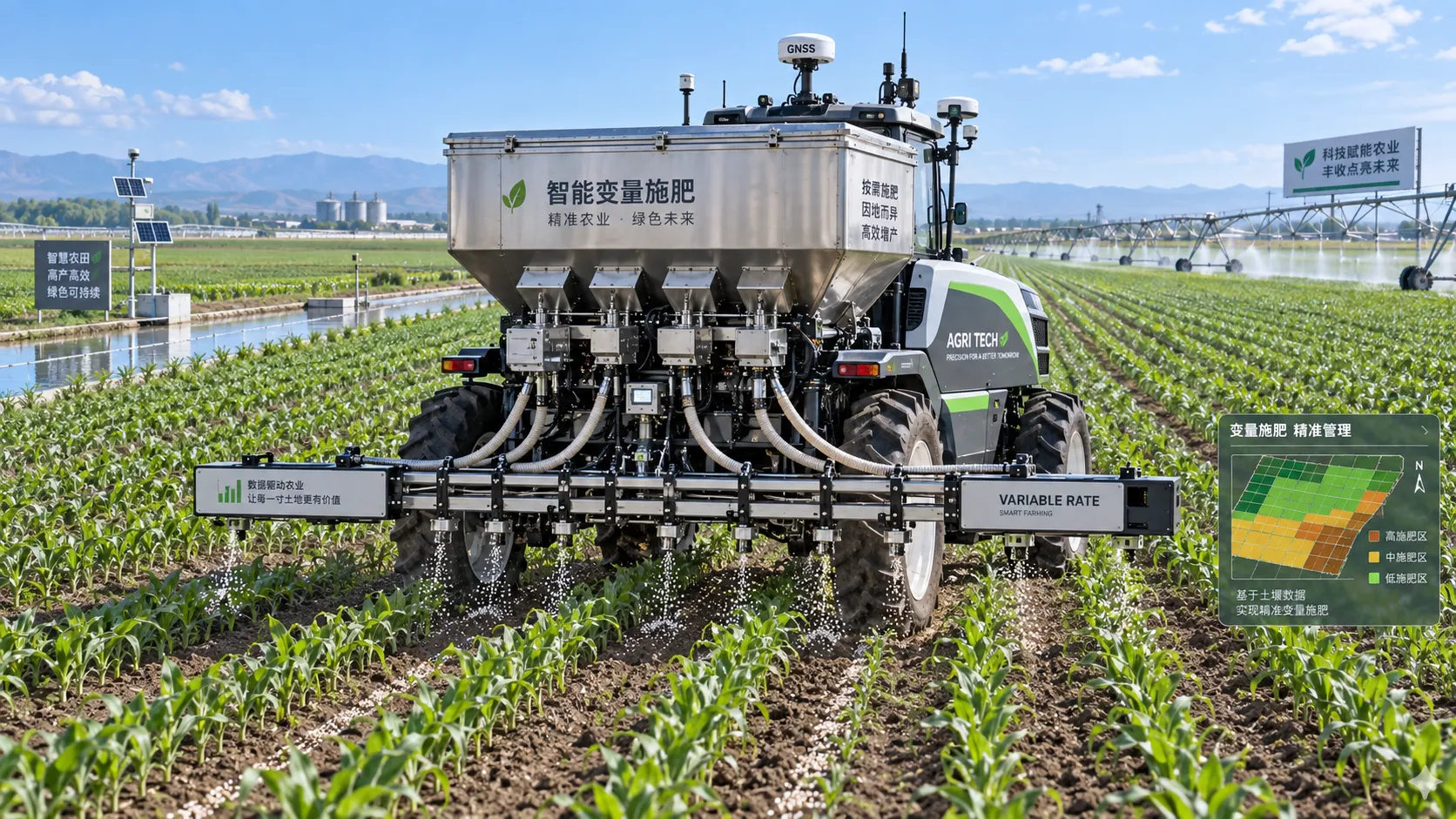
How to Evaluate Precision Fertilization System Suppliers for Farm-Scale Deployment
Precision fertilization systems suppliers: learn how to compare accuracy, integration, uptime, service, and total cost for confident farm-scale deployment.
Related News
- 00
0000-00
How to Select Smart Irrigation Valves for Multi-Zone Water Management? - 00
0000-00
Automated Water-Saving Irrigation: How to Cut Water Use Without Reducing Crop Yields - 00
0000-00
How to Evaluate Drip Irrigation System Manufacturers for Large Farm Projects - 00
0000-00
Wireless Agricultural Automation for Remote Irrigation and Field Monitoring - 00
0000-00
Designing Water-Saving Drip Irrigation Systems for High-Value Orchards
Popular Tags
Hydrological Resource Strategist
Weekly Insights
Stay ahead with our curated technology reports delivered every Monday.