
Four Ministries Recommend 2025 Smart Livestock Farming Equipment
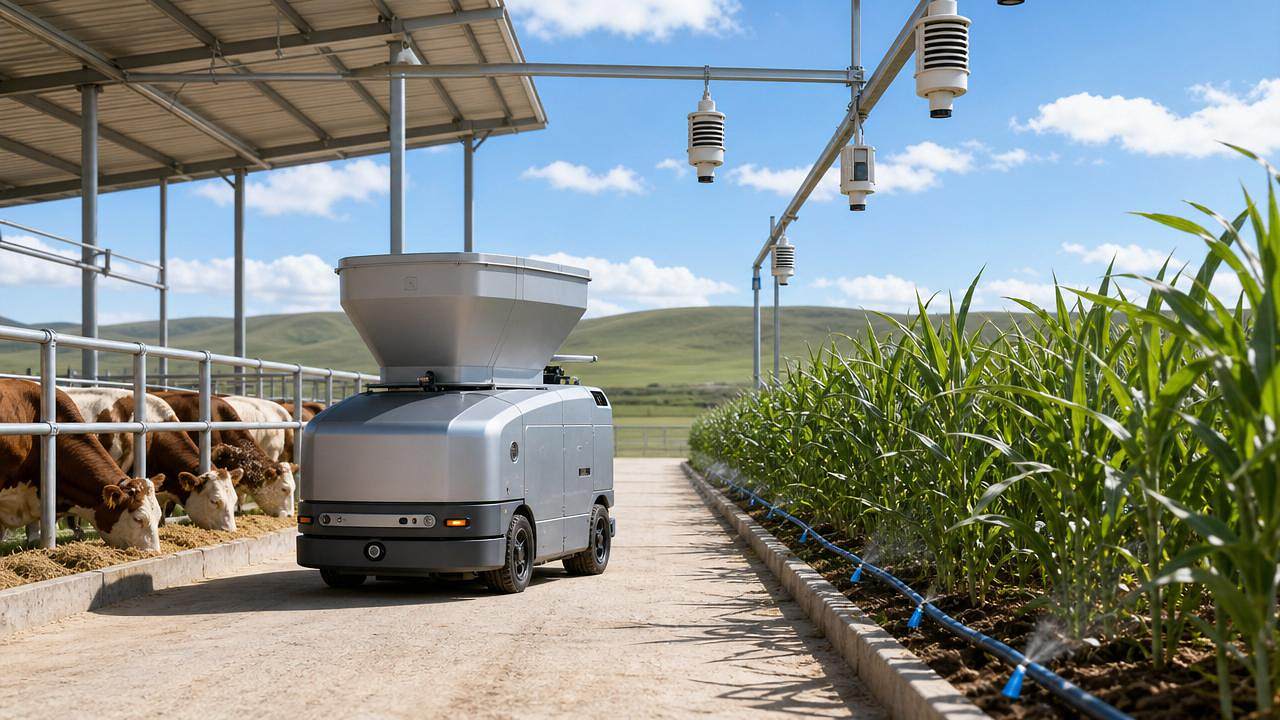




On May 17, 2026, the Ministry of Agriculture and Rural Affairs, the Ministry of Industry and Information Technology, the Ministry of Ecology and Environment, and the National Forestry and Grassland Administration jointly released the 2025 Key Promoted Technologies Directory for Smart Agricultural Equipment. This marks the first time that integrated logic linking feeding robots, irrigation systems, and environmental control has been formally included in a national technology promotion directory. The update signals material implications for agricultural equipment exporters, smart system integrators, and water-stressed region procurement entities—particularly those active in integrated crop-livestock systems.
Event Overview
On May 17, 2026, four Chinese government departments jointly issued the 2025 Key Promoted Technologies Directory for Smart Agricultural Equipment. The document explicitly includes ‘feeding robot–irrigation–environmental control’ multi-system联动 logic (as stated in the source) and endorses intelligent irrigation scheduling algorithms that fuse crop water demand models with livestock drinking water data. The technology has been deployed at large-scale ranches in Inner Mongolia and Ningxia, demonstrating a 22% reduction in overall water use and improved precision in forage irrigation. Its applicability is noted for agro-pastoral procurement stakeholders in water-scarce regions such as the Middle East and North Africa.
Industries Affected by This Development
Export-Oriented Agricultural Equipment Manufacturers
These firms may face shifting technical specification expectations in overseas tenders—especially where Chinese-funded or China-aligned infrastructure projects emphasize interoperability across feeding, irrigation, and climate control subsystems. The inclusion of cross-system logic in an official promotion directory may elevate buyer expectations for certified compatibility, not just standalone device performance.
Smart System Integrators Serving Pastoral Operations
Integrators working on mixed crop-livestock farms—particularly those targeting arid-zone clients—may encounter increased demand for unified control platforms. The documented linkage between livestock water intake data and irrigation scheduling implies a functional requirement for data standardization and API-level integration between previously siloed hardware vendors.
Procurement Agencies and Importers in Water-Scarce Regions
For procurement entities in the Middle East and North Africa, this development signals formal Chinese policy alignment behind a specific technical approach to resource-constrained pastoral production. It does not constitute endorsement of any vendor, but it may influence tender evaluation criteria toward solutions demonstrating adherence to the referenced algorithmic logic and field-proven water savings metrics.
Supply Chain Service Providers Supporting Cross-Border Agri-Tech Trade
Logistics, certification, and after-sales service providers may need to adjust support frameworks to accommodate bundled equipment configurations (e.g., feeding robots + irrigation controllers + environmental sensors), rather than discrete units. Documentation, calibration protocols, and spare parts inventories may require revision to reflect interdependent system dependencies.
What Relevant Enterprises or Practitioners Should Monitor and Do Now
Track official implementation guidance and regional rollout plans
The directory is a promotion tool—not a mandatory standard. Enterprises should monitor whether provincial agriculture bureaus issue implementation notices, pilot project calls, or subsidy application guidelines referencing the multi-system linkage requirement. These documents will clarify whether adoption is incentivized, recommended, or conditionally required for certain funding streams.
Assess exposure to irrigation–livestock data integration in current or pipeline products
Manufacturers and integrators should audit whether their existing or planned offerings support bidirectional data exchange between feeding systems (e.g., water intake logs) and irrigation controllers (e.g., dynamic schedule adjustment). If not, near-term R&D or partnership planning may be warranted—not for immediate compliance, but to align with emerging interoperability expectations.
Distinguish between policy signal and commercial readiness
The 22% water reduction cited is from field deployments in Inner Mongolia and Ningxia. Enterprises should treat this as a context-specific performance benchmark—not a guaranteed outcome across geographies or management practices. Procurement decisions in target export markets should prioritize local validation over directory inclusion alone.
Prepare technical documentation aligned with the referenced algorithmic logic
For exporters and integrators engaging with public-sector buyers in priority regions, preparing clear documentation—such as white papers or architecture diagrams—that explains how their solution implements or interfaces with ‘crop water demand + livestock drinking data’ scheduling logic may strengthen technical evaluations—even if no formal certification yet exists.
Editorial Perspective / Industry Observation
Observably, this directory update functions primarily as a directional signal—not an operational mandate. It reflects institutional recognition that efficiency gains in pastoral systems increasingly depend on breaking down functional boundaries between feeding, irrigation, and microclimate management. Analysis shows that the emphasis on data-driven irrigation scheduling—anchored in dual-domain inputs—is less about promoting a single vendor’s stack and more about establishing a shared technical reference point for interoperability. From an industry perspective, this is best understood not as a shift in minimum viable product requirements, but as an early marker of evolving system-level expectations in smart agri-tech procurement—particularly where water efficiency is a core performance metric. Continued attention is warranted, especially as provincial-level implementation mechanisms emerge.
Conclusion: This announcement does not introduce new regulations or binding standards. Rather, it formalizes a technical paradigm—integrated, data-informed resource management across livestock and forage subsystems—that is gaining traction in field deployments and now entering official policy lexicon. For industry actors, it is most appropriately interpreted as an indicator of long-term trajectory, not an immediate compliance trigger. Current relevance lies in strategic alignment—not urgent adaptation.
Source Attribution:
Joint release by the Ministry of Agriculture and Rural Affairs, Ministry of Industry and Information Technology, Ministry of Ecology and Environment, and National Forestry and Grassland Administration, published May 17, 2026.
Note: Field performance data (22% water reduction) and geographic deployment scope (Inner Mongolia, Ningxia) are confirmed in the source. Ongoing observation is recommended for provincial-level implementation documents, subsidy frameworks, or technical certification developments referencing the multi-system linkage logic.
Related News
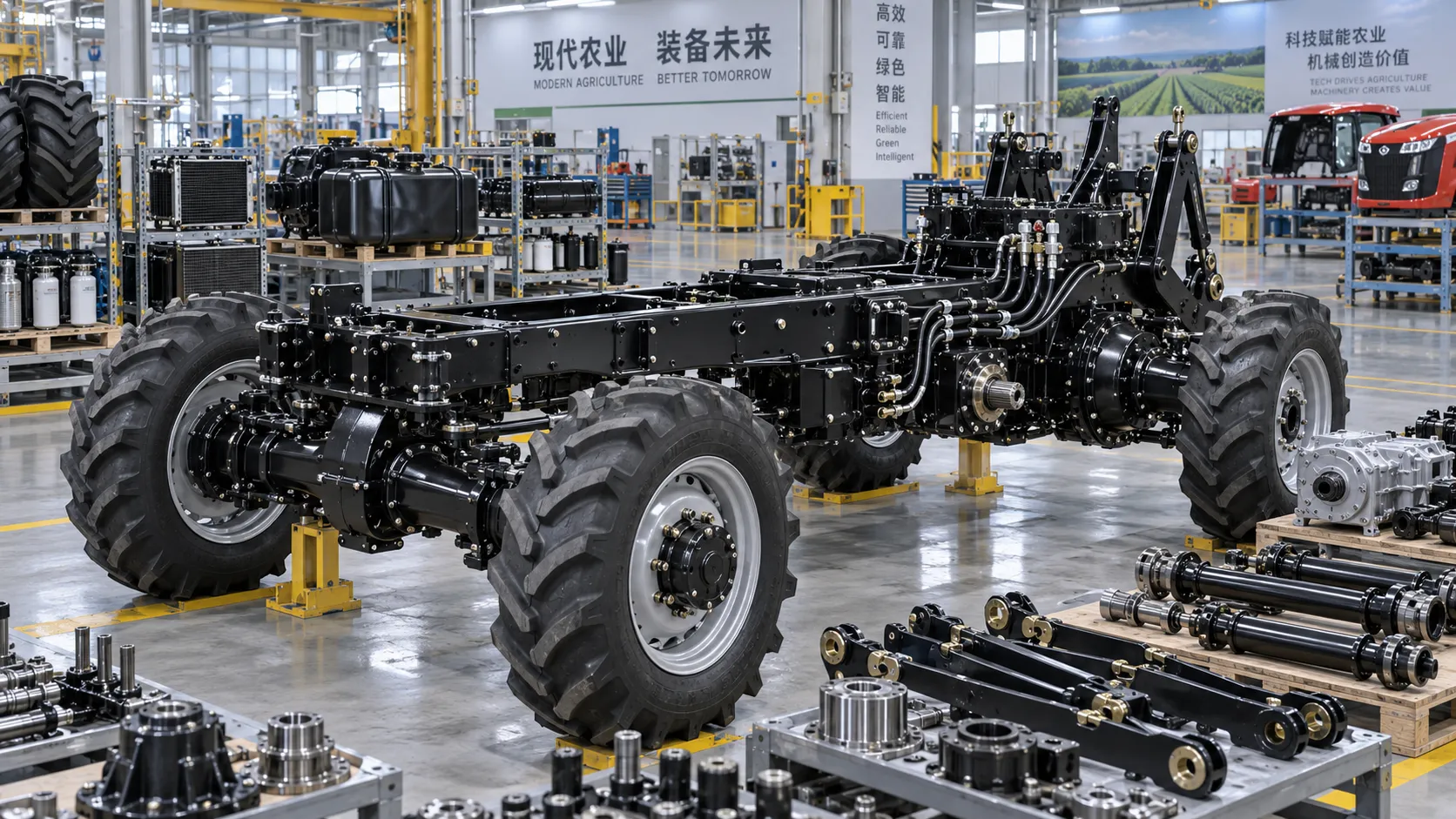
Tractor Chassis Price: What Buyers Should Compare Beyond the Initial Quote
Tractor chassis price is only the start. Compare load capacity, compatibility, durability, and lifecycle costs to choose a reliable, high-value chassis.
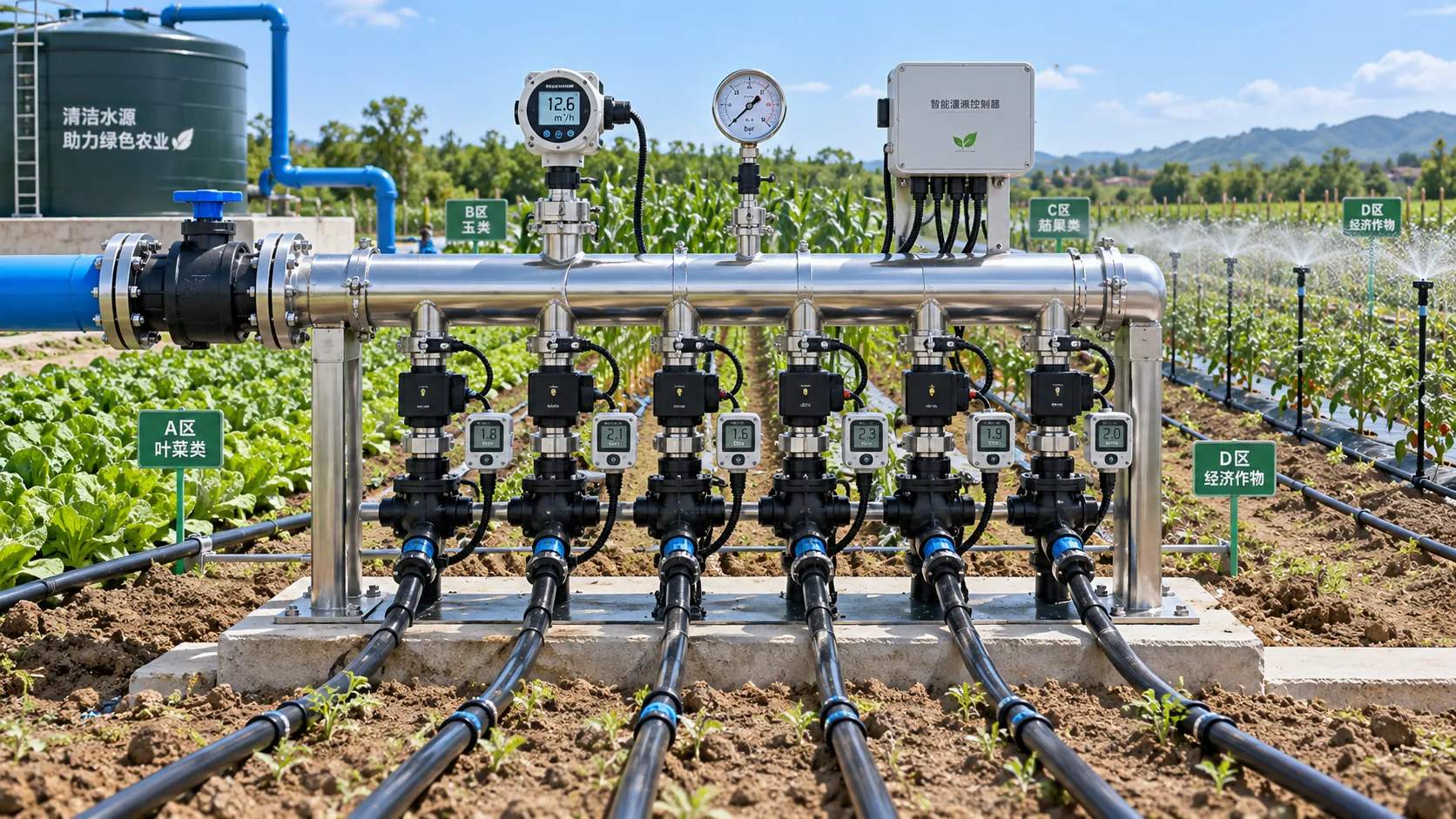
How to Select Smart Irrigation Valves for Multi-Zone Water Management?
Intelligent irrigation systems valves: learn how to match smart valves with multi-zone flow, pressure, control, feedback, and communication needs for reliable water management.
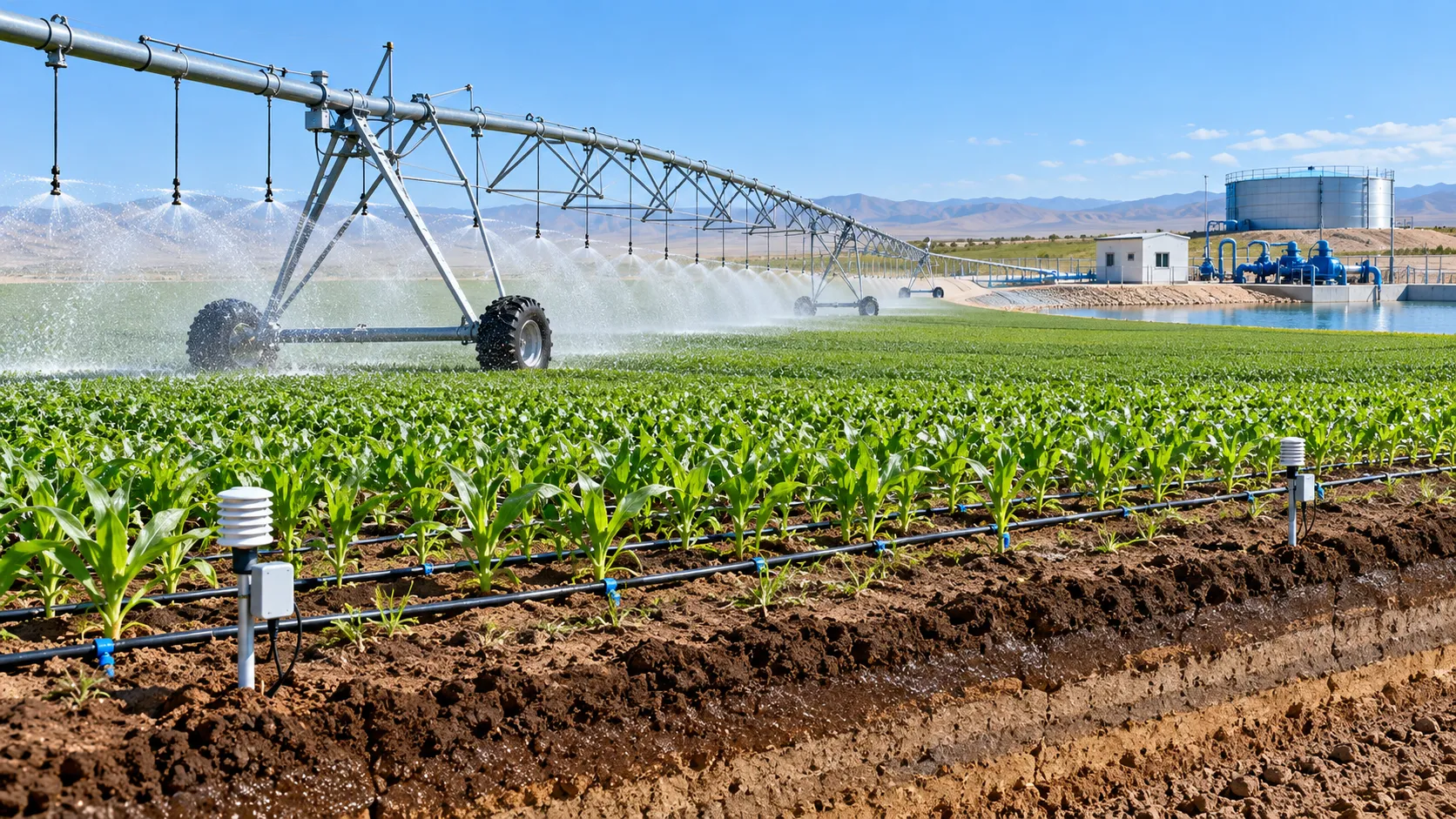
Climate-Smart Farming for Drought: A Practical Plan for Protecting Yields
Climate-smart farming for drought: build smarter water budgets, protect critical crop stages, improve irrigation uniformity, and safeguard yields with practical field-proven strategies.
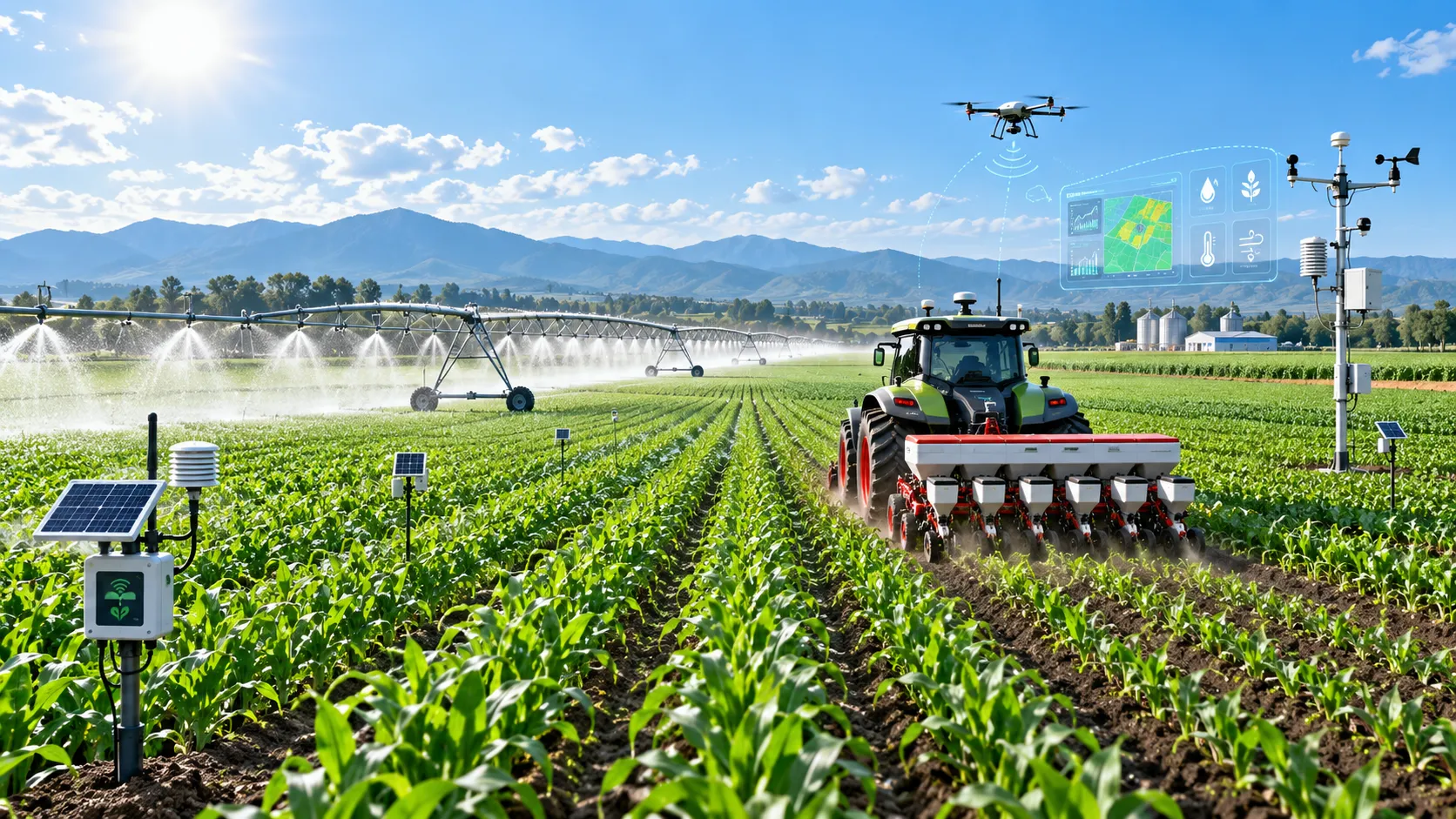
How Digital Agriculture Platforms Turn Field Data Into Better Input Decisions
Digital agriculture platforms turn field data into smarter fertilizer, water, seed, and equipment decisions—helping farms cut risk, improve margins, and scale sustainability.
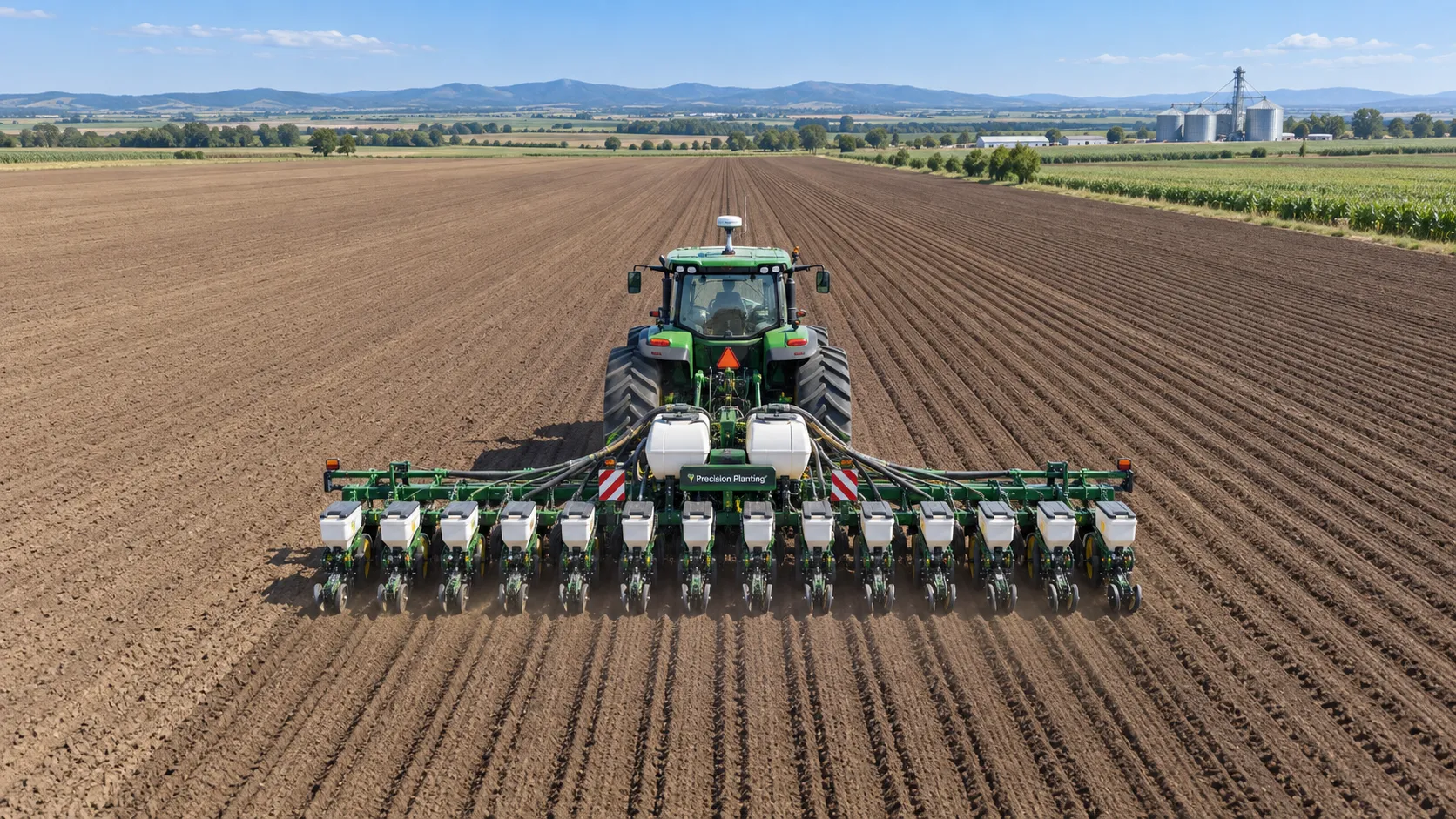
GPS-Guided Farm Machinery: Where It Delivers Measurable Field Efficiency Gains
Agri-mechanization GPS guided systems deliver measurable field efficiency gains through reduced overlap, precise planting, smarter inputs, and reliable farm data.
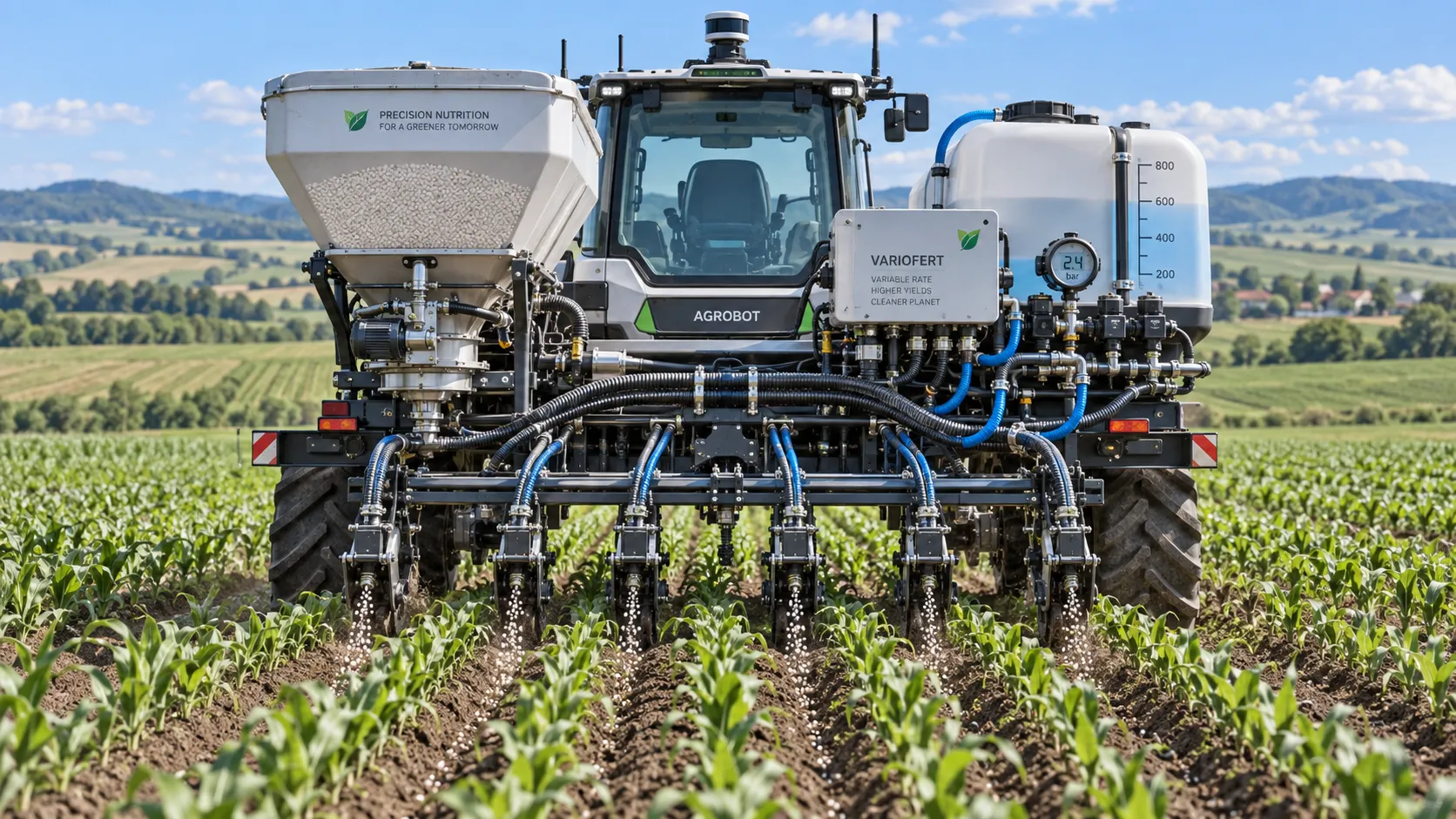
How Sensor Feedback Enables Accurate Variable-Rate Fertilization in Field Conditions
Precision fertilization systems with sensor feedback improve variable-rate accuracy by verifying flow, managing latency, and ensuring reliable field application.
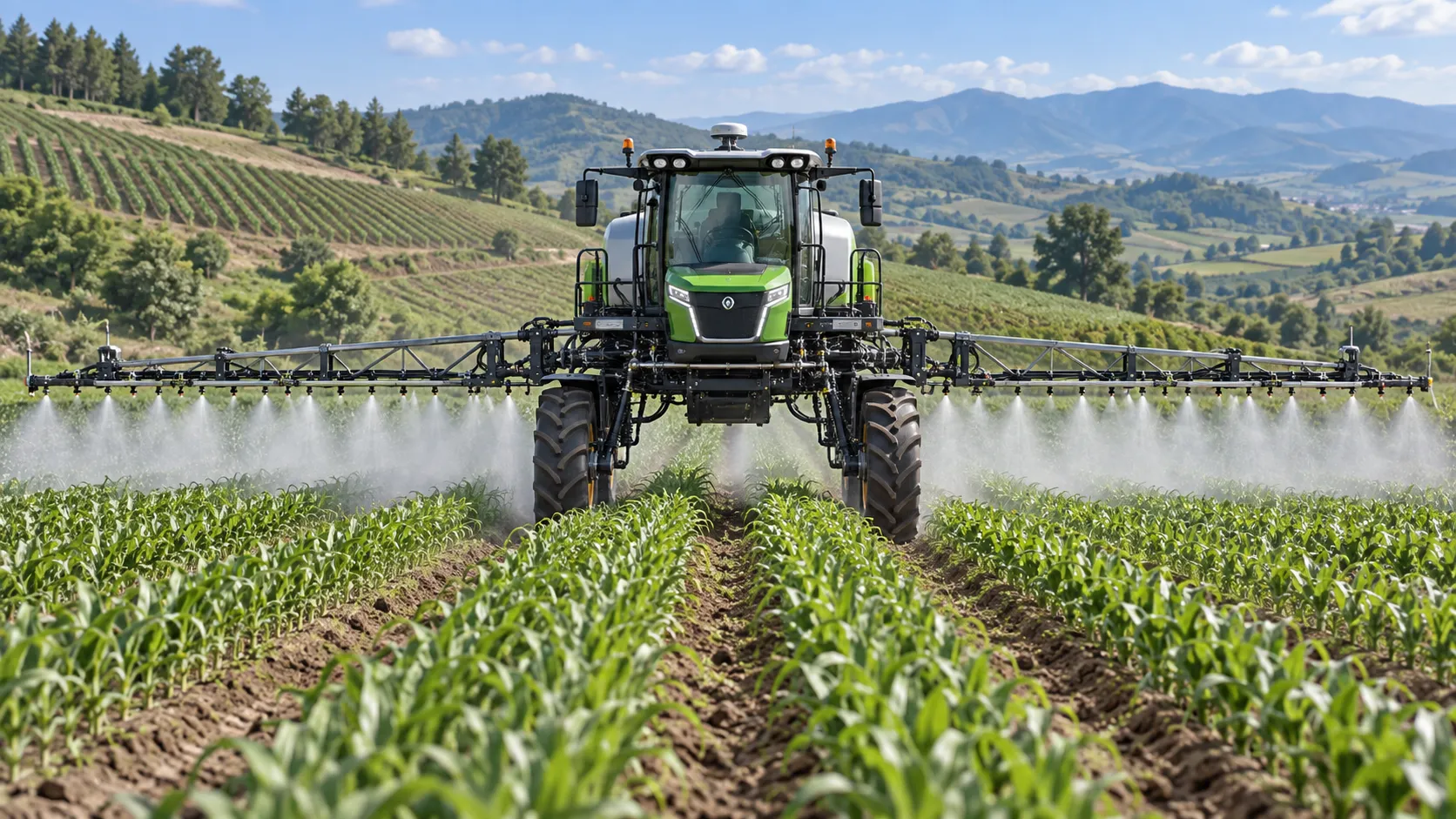
How to Select Precision Crop Protection Equipment for Variable Field Conditions
Precision crop protection equipment selection made simple: compare terrain, canopy, weather, control accuracy, and data workflows for reliable applications.
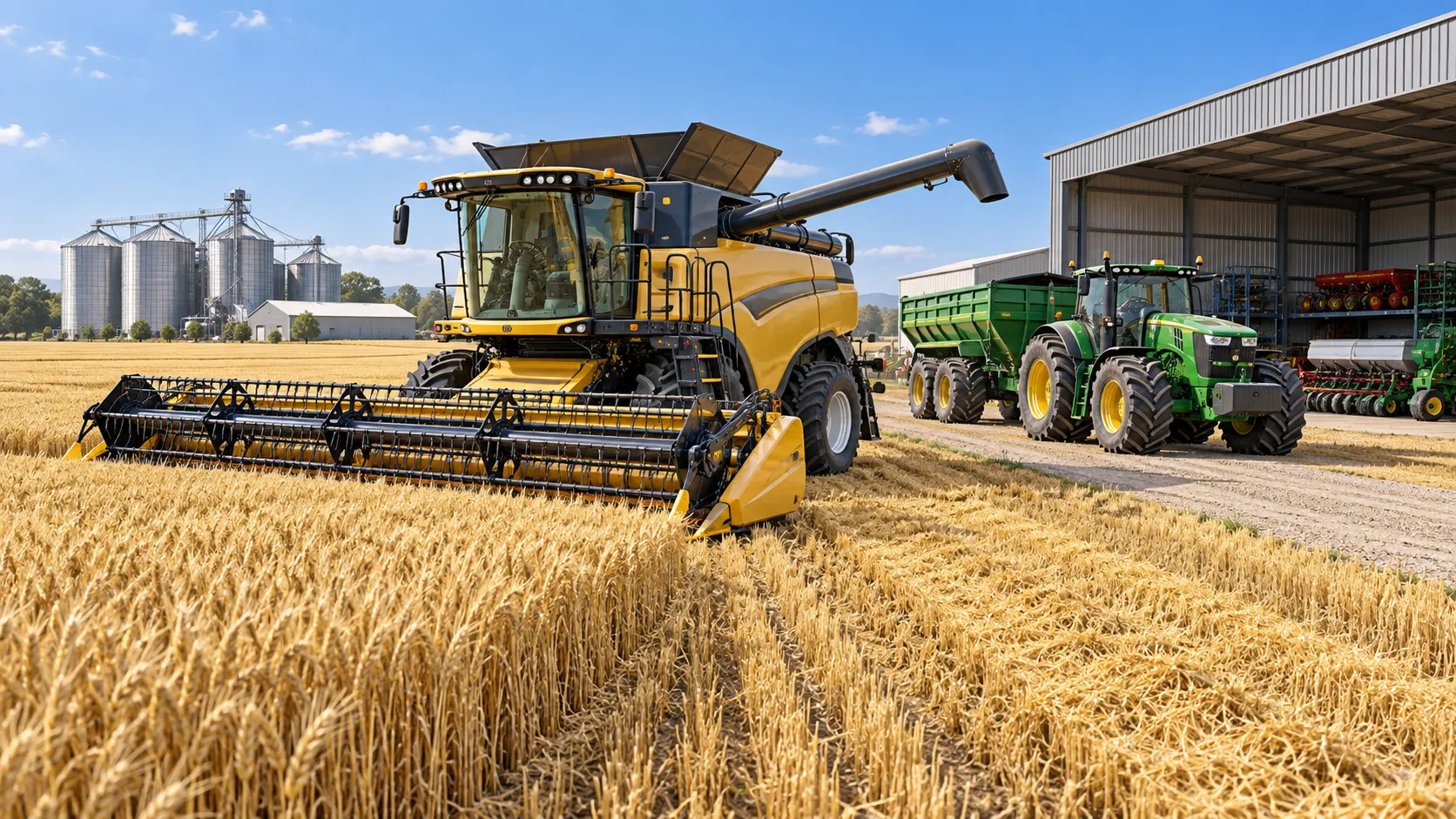
When Does Agricultural Machinery Leasing Cost Less Than Owning Equipment?
Agricultural machinery leasing can lower farm costs when use is seasonal or uncertain. Compare utilization, maintenance, cash flow, and risk to make a smarter equipment decision.
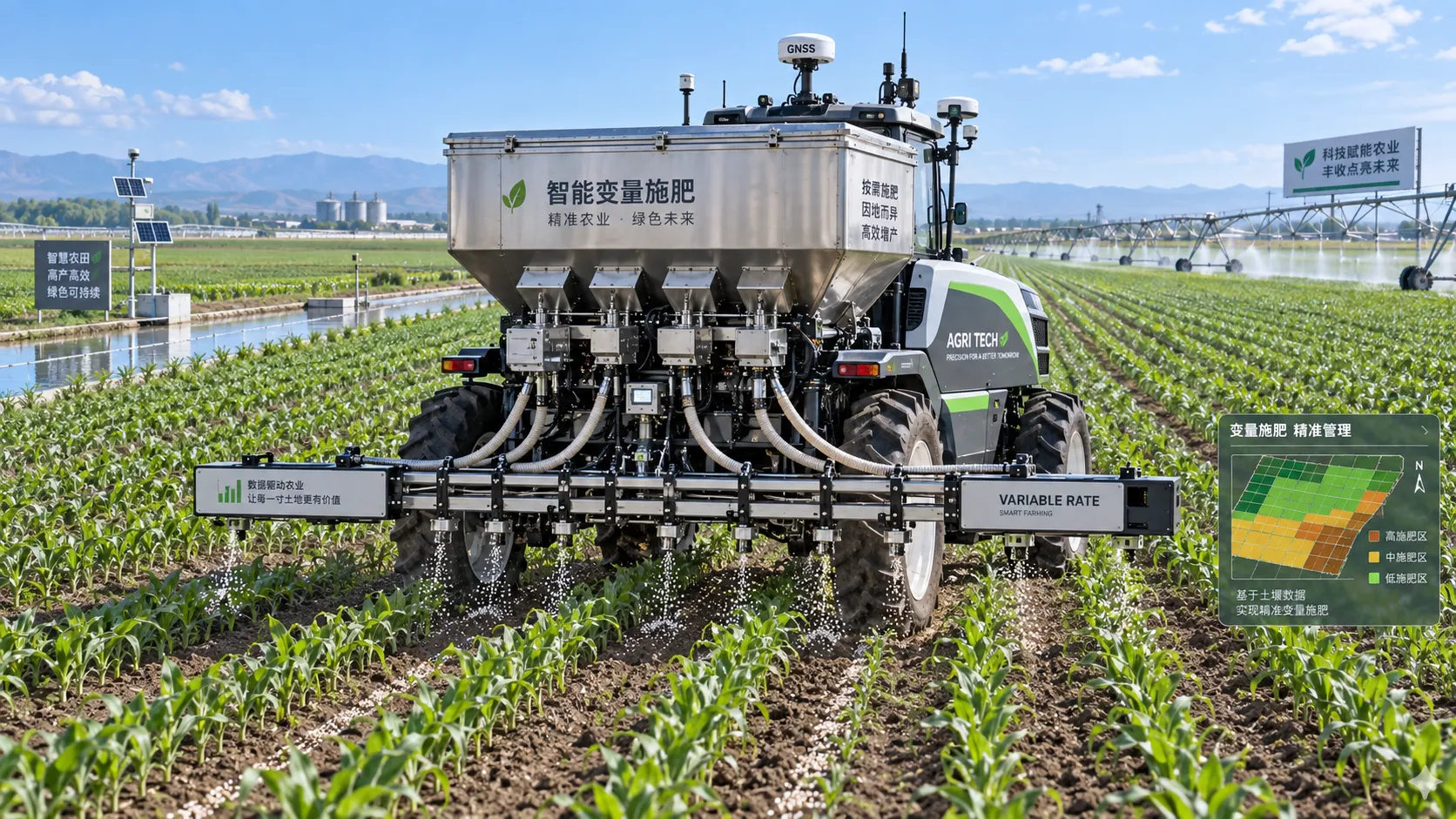
How to Evaluate Precision Fertilization System Suppliers for Farm-Scale Deployment
Precision fertilization systems suppliers: learn how to compare accuracy, integration, uptime, service, and total cost for confident farm-scale deployment.
Related News
- 00
0000-00
How to Select Smart Irrigation Valves for Multi-Zone Water Management? - 00
0000-00
Automated Water-Saving Irrigation: How to Cut Water Use Without Reducing Crop Yields - 00
0000-00
How to Evaluate Drip Irrigation System Manufacturers for Large Farm Projects - 00
0000-00
Wireless Agricultural Automation for Remote Irrigation and Field Monitoring - 00
0000-00
Designing Water-Saving Drip Irrigation Systems for High-Value Orchards
Popular Tags
Hydrological Resource Strategist
Weekly Insights
Stay ahead with our curated technology reports delivered every Monday.