
Yunnan Launches Green Channel for Agri-Export Smart Irrigation Equipment
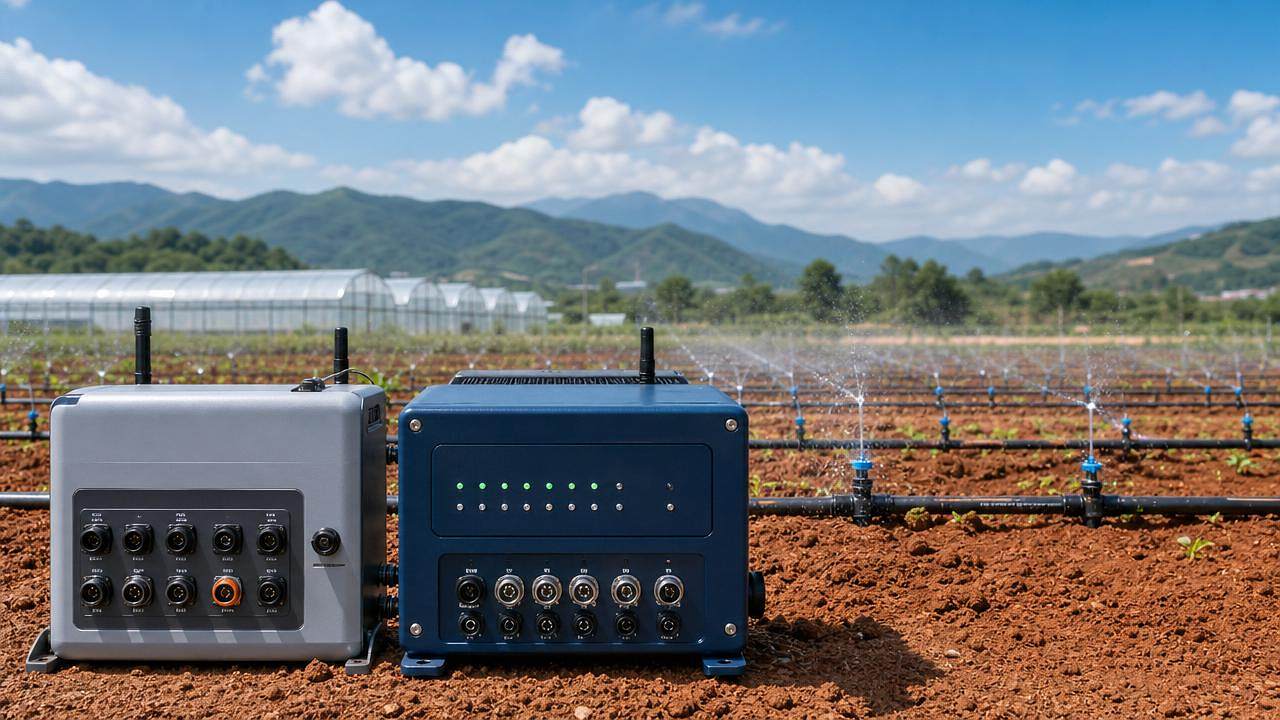




On May 19, 2026, Yunnan Province launched a pilot ‘Green Channel for Agricultural Smart Equipment Exports’ in Kunming, Honghe, and Dehong. The initiative applies AI-powered RCEP Certificate of Origin verification to smart irrigation controllers (HS 8424.89) and drip irrigation automation systems (HS 8436.80), enabling fully automated, second-level issuance — with zero manual intervention. This policy directly affects exporters targeting ASEAN, South Korea, and Australia, cutting average customs preparation time by 5.2 days and aligning deliveries with the critical pre-monsoon installation window in Southeast Asia.
Event Overview
Effective May 19, 2026, Yunnan Province initiated a three-city pilot program — covering Kunming, Honghe, and Dehong — to streamline export procedures for agricultural smart equipment. Under this mechanism, RCEP Certificates of Origin for goods classified under HS codes 8424.89 (smart irrigation controllers) and 8436.80 (drip irrigation automation systems) are subject to AI-based eligibility verification and instant electronic issuance. The system is operational for exports to ASEAN member states, South Korea, and Australia. Empirical data indicates an average reduction of 5.2 days in pre-clearance documentation lead time.
Industries Affected
Direct Export Trading Enterprises: These firms benefit most immediately from accelerated certificate issuance, as reduced administrative latency improves order fulfillment predictability — especially for time-bound contracts tied to regional planting cycles. Faster certification also lowers working capital lock-up duration and strengthens competitiveness in bid-driven tenders requiring strict delivery windows.
Raw Material Procurement Enterprises: While not directly issuing origin certificates, these suppliers face upstream pressure to align procurement timelines with faster export cycles. For instance, demand for certified components (e.g., IoT modules, solenoid valves compliant with RCEP technical annexes) may shift toward traceable, audit-ready supply chains — prompting earlier vendor qualification and documentation standardization.
Manufacturing Enterprises: Producers must ensure product classification accuracy and maintain up-to-date HS code alignment in internal ERP and export declaration systems. Misclassification risks triggering AI rejection — not human review — meaning real-time compliance validation becomes essential. Additionally, manufacturers serving multiple export markets may need to reconfigure labeling and technical documentation to meet RCEP Annex III requirements for preferential tariff treatment.
Supply Chain Service Providers: Customs brokers, freight forwarders, and digital trade platforms must integrate with Yunnan’s new AI verification interface or adopt compatible e-certification workflows. Those relying on legacy paper-based or semi-automated processes risk service delays or client attrition, particularly among SMEs seeking plug-and-play compliance solutions.
Key Considerations and Recommended Actions
Verify HS Code Alignment Before Shipment
Manufacturers and exporters must confirm that final assembled units — not just subcomponents — fall precisely within HS 8424.89 or 8436.80. AI verification does not accommodate borderline classifications or post-submission corrections; misalignment results in automatic non-approval.
Adopt RCEP-Specific Technical Documentation Protocols
Documentation supporting origin claims — including bills of materials, supplier declarations, and production process records — must comply with RCEP Annex III’s ‘wholly obtained’ or ‘sufficient transformation’ criteria. Firms should conduct internal readiness audits ahead of first green channel filing.
Engage Local Customs Authorities for System Integration Testing
Exporters planning high-frequency filings should coordinate with Yunnan Customs’ digital trade office to test API connectivity and validate data formatting (e.g., XML schema, digital signature standards). Early integration reduces onboarding friction and avoids batch-rejection scenarios.
Editorial Perspective / Industry Observation
Analysis shows this is not merely a procedural upgrade but a structural signal: regulatory digitization in China’s agricultural tech trade is shifting from ‘efficiency layer’ to ‘compliance infrastructure’. Observably, the choice to anchor the green channel on two narrow HS codes — rather than broader categories — suggests a deliberate calibration: testing AI verification rigor before scaling. From an industry perspective, this pilot better reflects a targeted stress test of RCEP implementation fidelity than a broad liberalization move. Current evidence does not support extrapolation to other agri-tech categories (e.g., soil sensors or drone-based monitoring systems) without further official expansion.
Conclusion
This initiative marks a concrete step toward embedding digital trust mechanisms into cross-border agri-tech trade. While its immediate scope is limited, its operational success — particularly in sustaining zero-error, zero-delay performance across thousands of daily verifications — will shape how similar corridors are designed elsewhere in China and potentially influence ASEAN’s own digital origin frameworks. A rational observation is that scalability hinges less on technology capacity and more on harmonization of national HS interpretations and RCEP rule-of-origin enforcement consistency.
Source Attribution
Official announcement issued by Yunnan Entry-Exit Inspection and Quarantine Bureau (May 19, 2026); RCEP Implementation Guidelines v3.2 (ASEAN Secretariat, March 2026); supplementary data from Yunnan Customs Trade Facilitation Division (Q2 2026 operational report). Note: Expansion beyond the initial three cities and three destination markets remains unconfirmed and is under active monitoring.
Related News
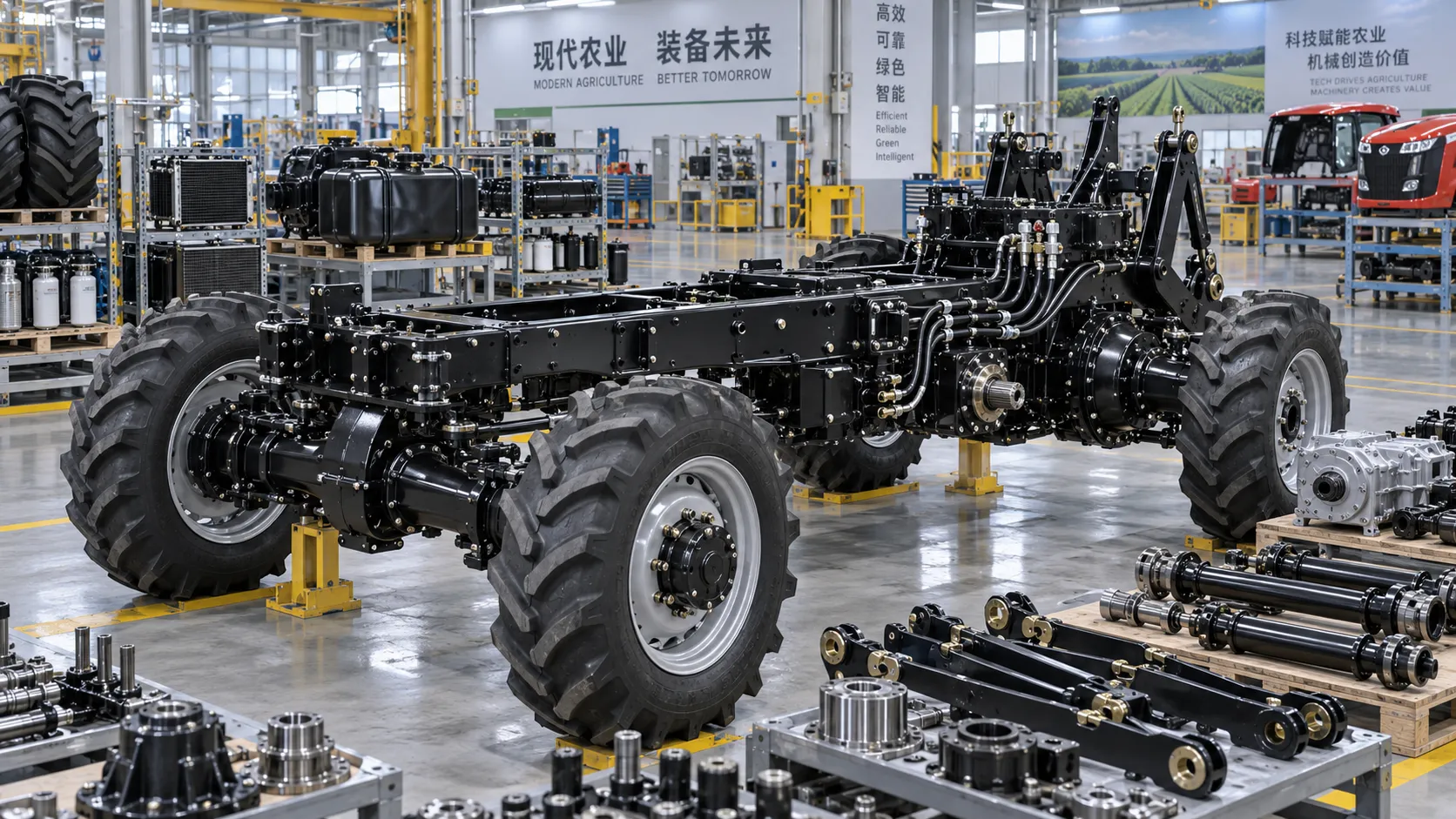
Tractor Chassis Price: What Buyers Should Compare Beyond the Initial Quote
Tractor chassis price is only the start. Compare load capacity, compatibility, durability, and lifecycle costs to choose a reliable, high-value chassis.
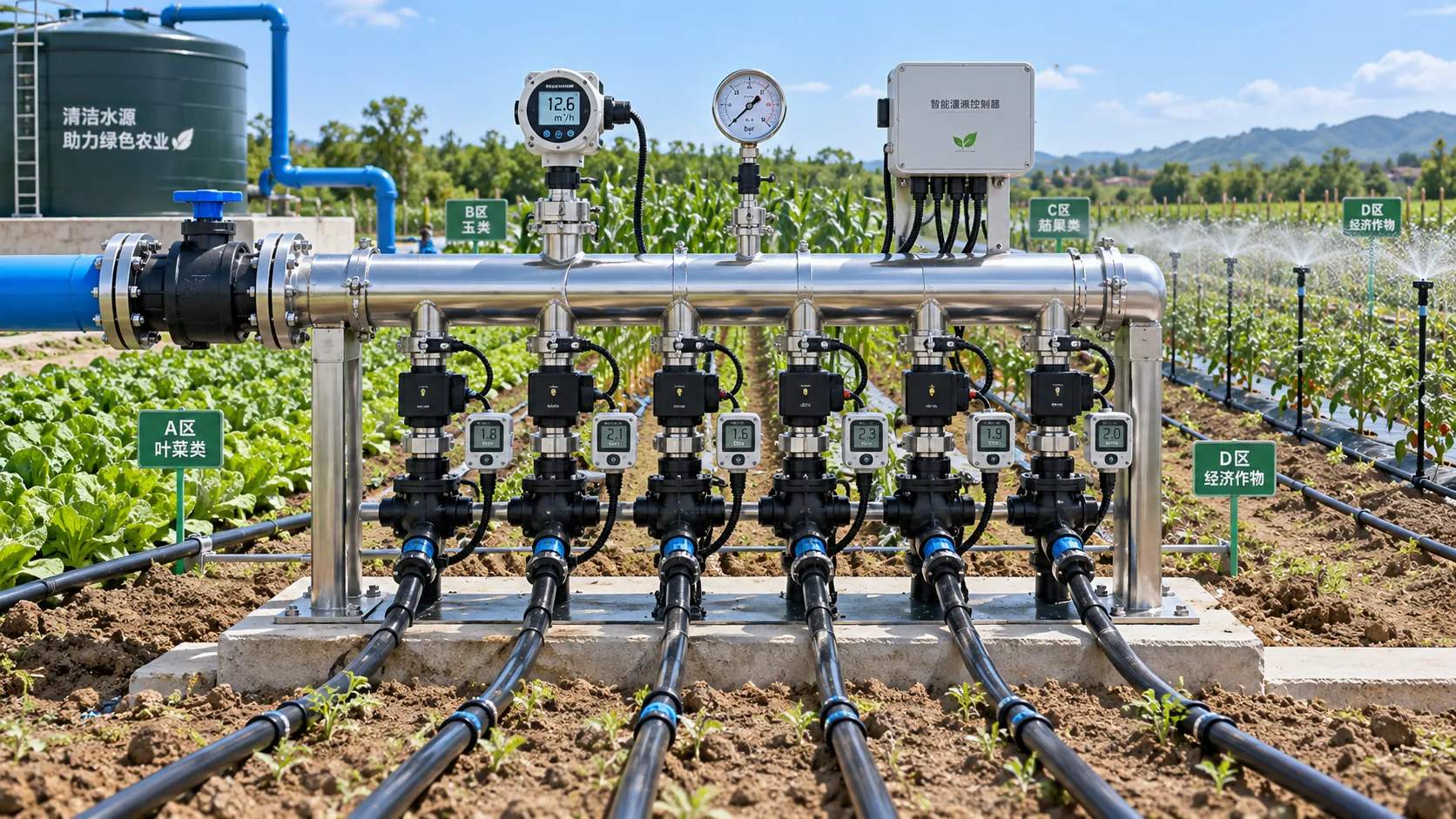
How to Select Smart Irrigation Valves for Multi-Zone Water Management?
Intelligent irrigation systems valves: learn how to match smart valves with multi-zone flow, pressure, control, feedback, and communication needs for reliable water management.
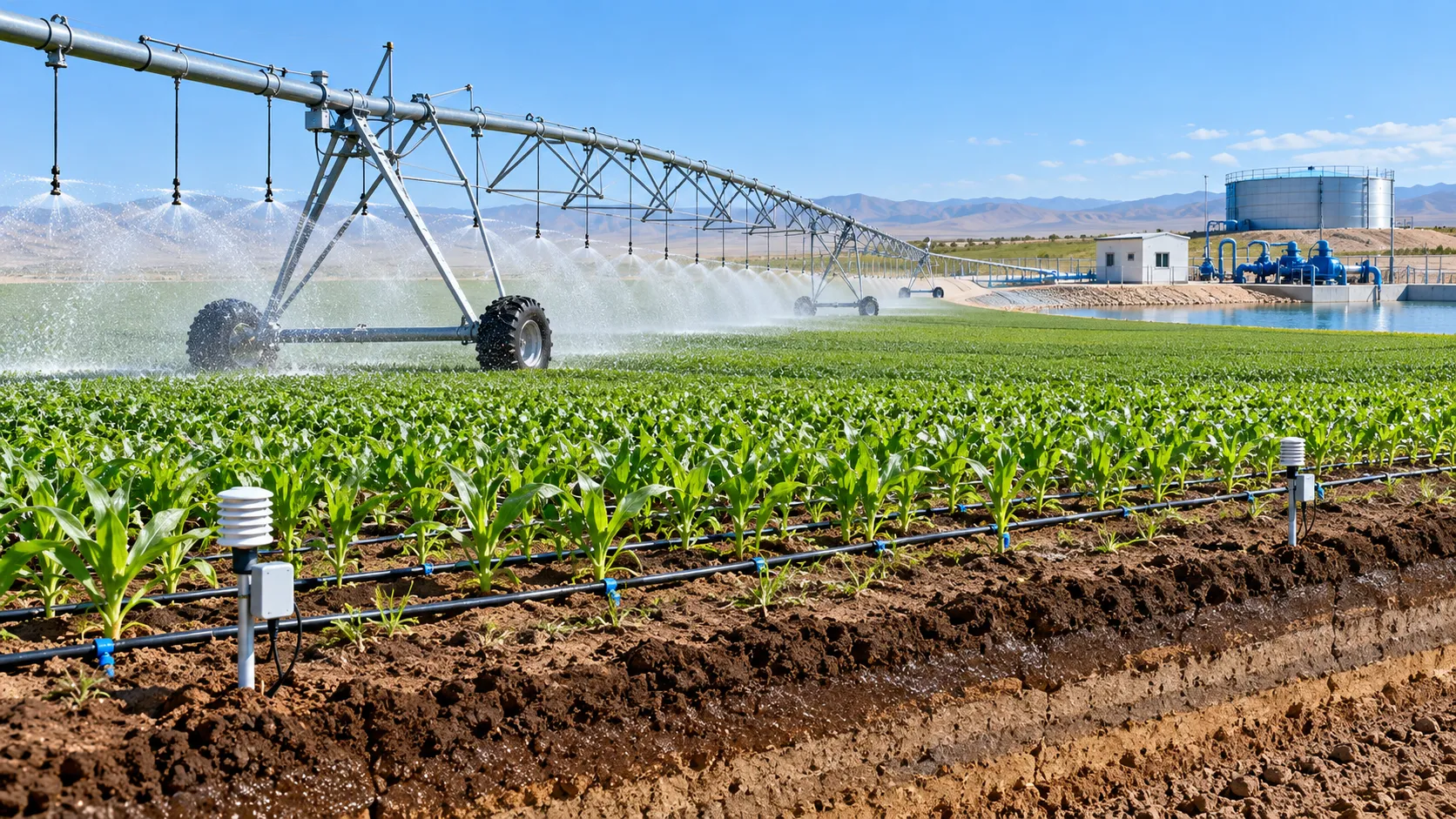
Climate-Smart Farming for Drought: A Practical Plan for Protecting Yields
Climate-smart farming for drought: build smarter water budgets, protect critical crop stages, improve irrigation uniformity, and safeguard yields with practical field-proven strategies.
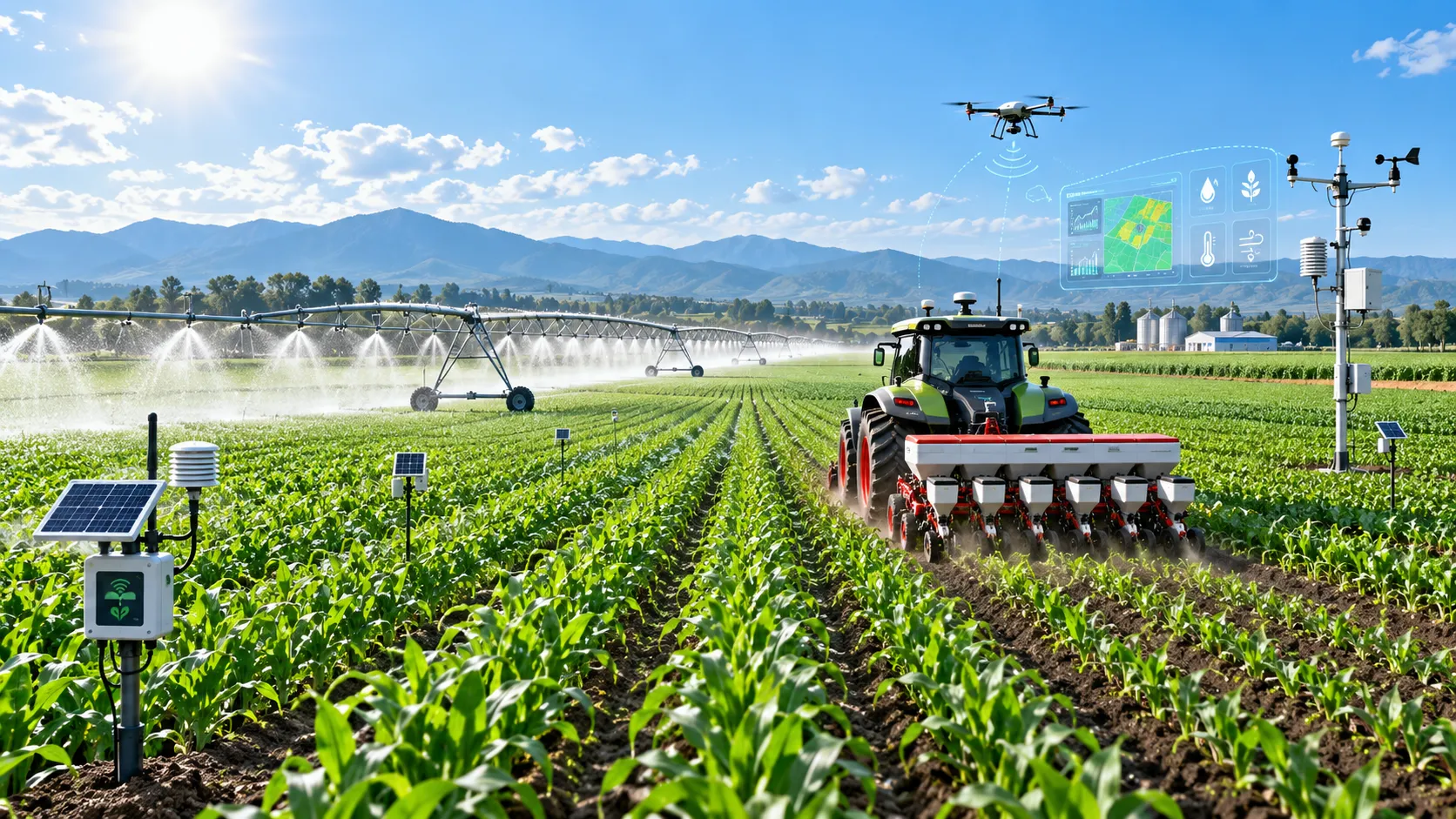
How Digital Agriculture Platforms Turn Field Data Into Better Input Decisions
Digital agriculture platforms turn field data into smarter fertilizer, water, seed, and equipment decisions—helping farms cut risk, improve margins, and scale sustainability.
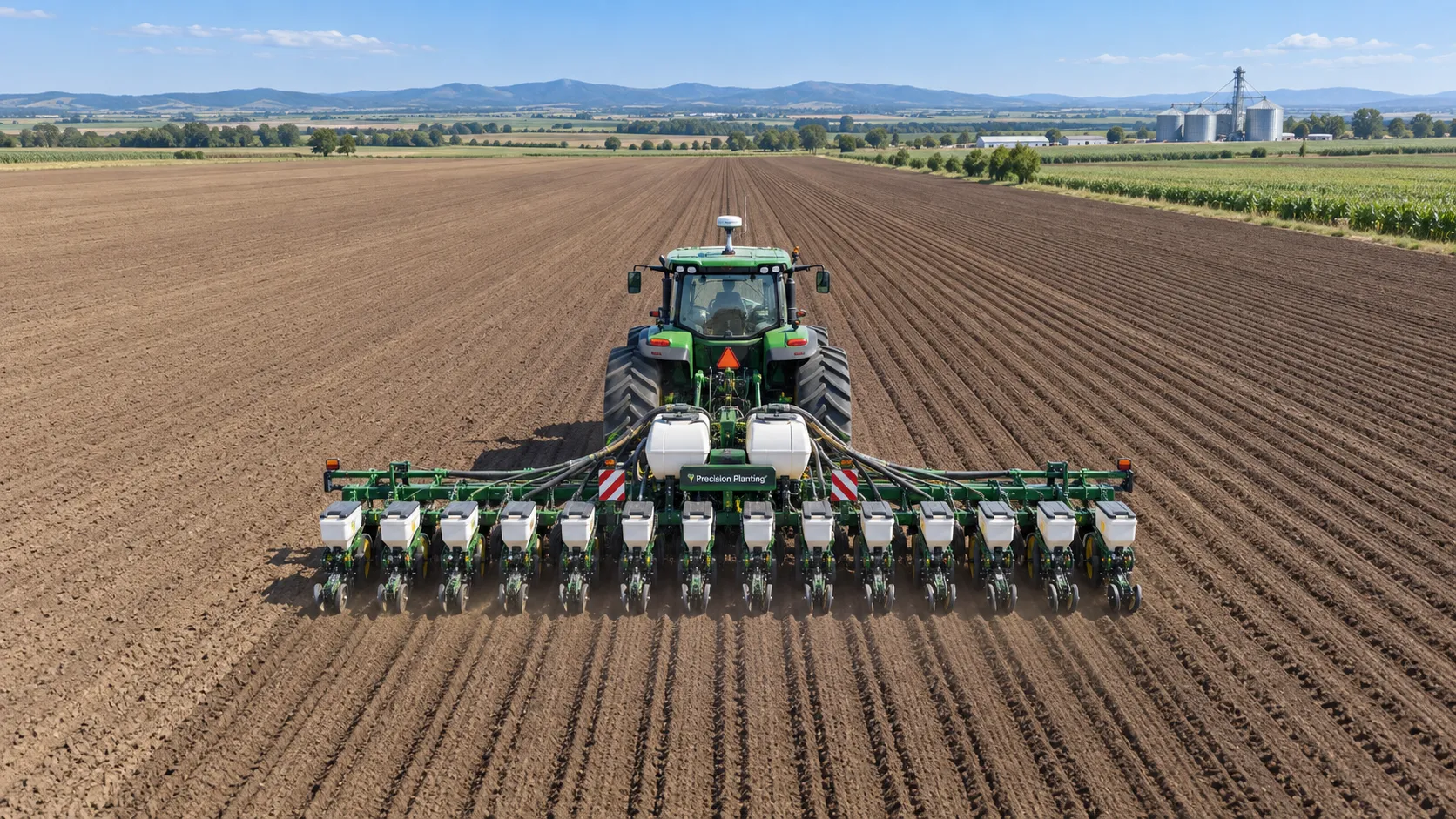
GPS-Guided Farm Machinery: Where It Delivers Measurable Field Efficiency Gains
Agri-mechanization GPS guided systems deliver measurable field efficiency gains through reduced overlap, precise planting, smarter inputs, and reliable farm data.
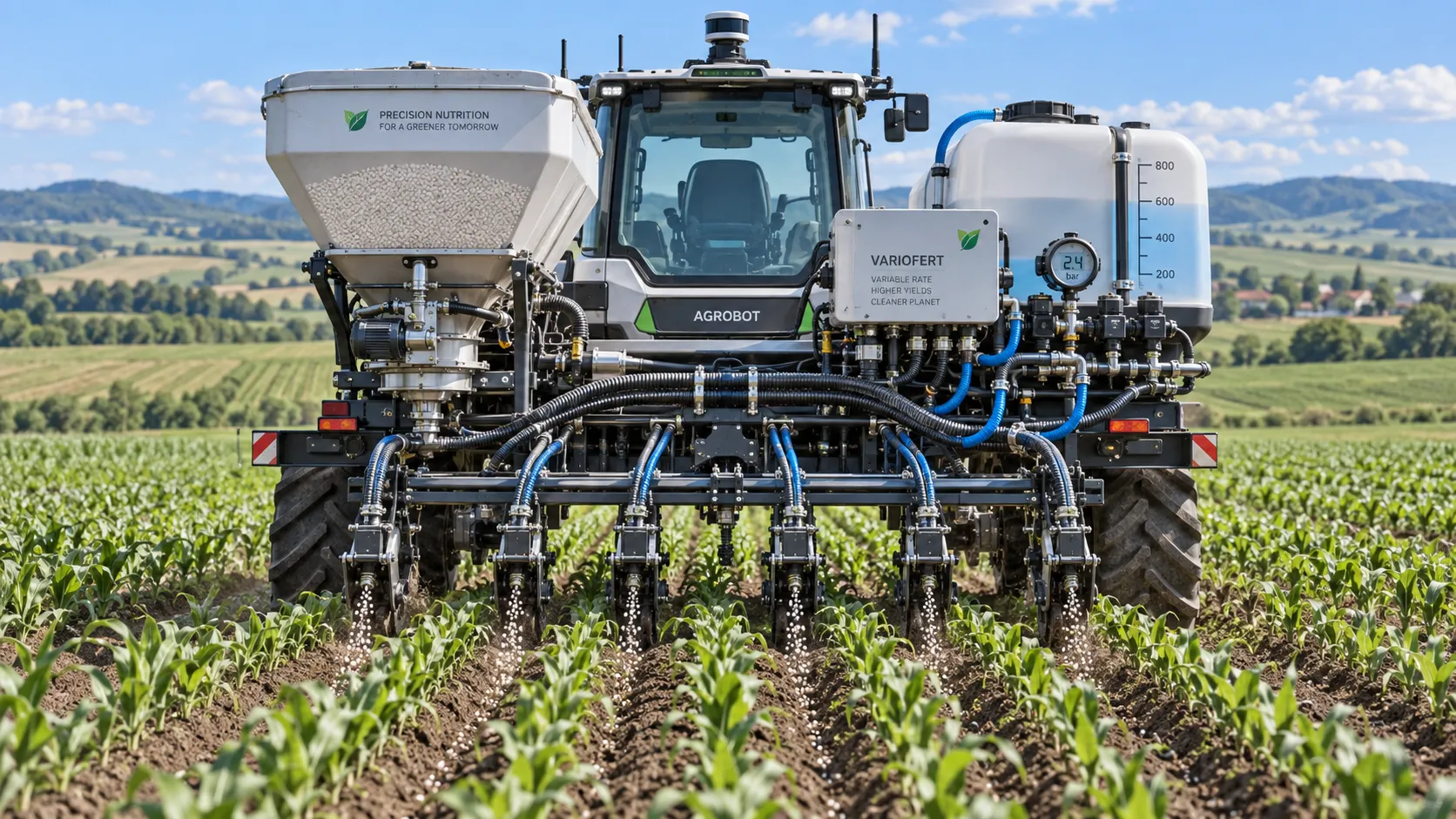
How Sensor Feedback Enables Accurate Variable-Rate Fertilization in Field Conditions
Precision fertilization systems with sensor feedback improve variable-rate accuracy by verifying flow, managing latency, and ensuring reliable field application.
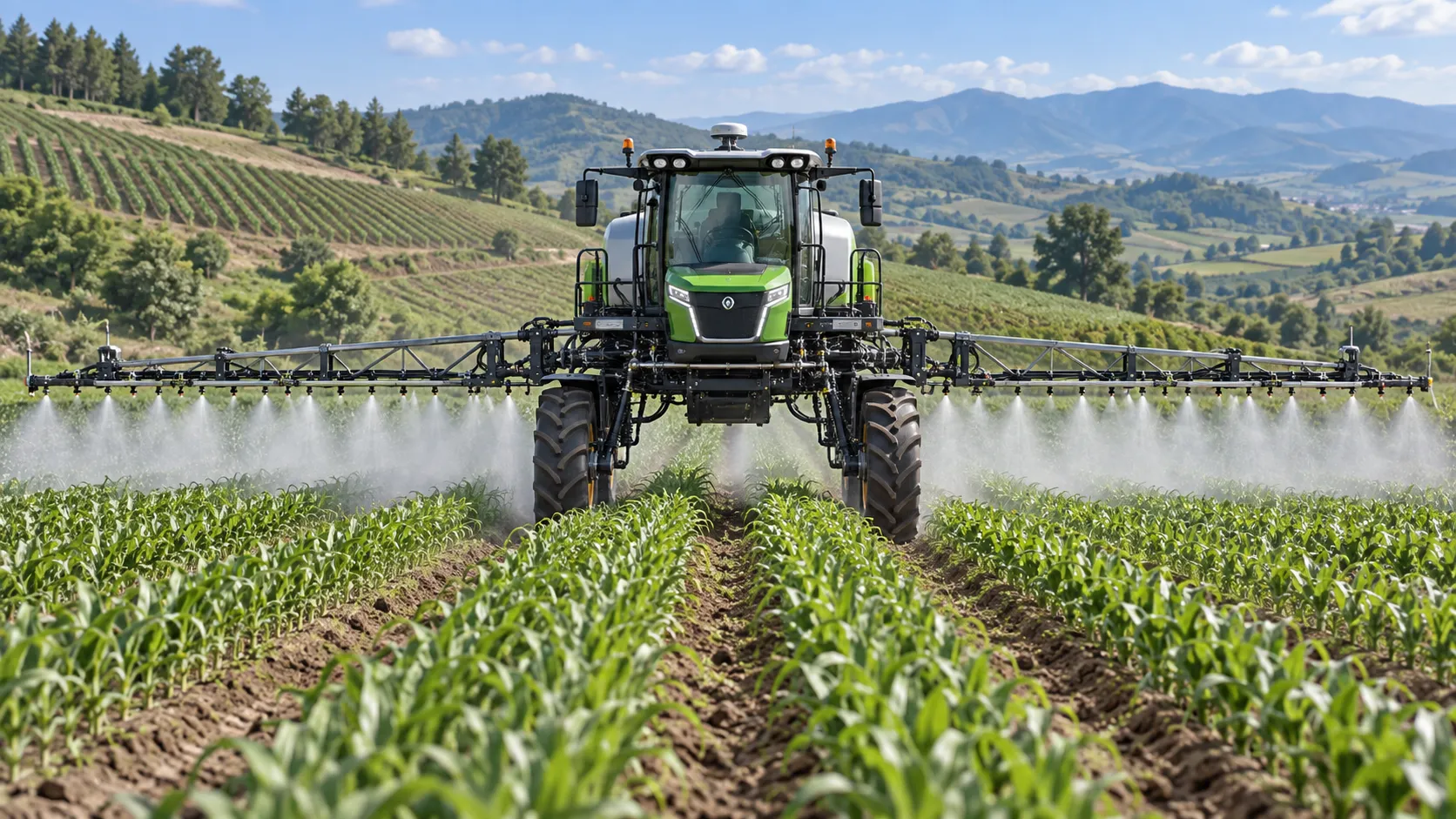
How to Select Precision Crop Protection Equipment for Variable Field Conditions
Precision crop protection equipment selection made simple: compare terrain, canopy, weather, control accuracy, and data workflows for reliable applications.

When Does Agricultural Machinery Leasing Cost Less Than Owning Equipment?
Agricultural machinery leasing can lower farm costs when use is seasonal or uncertain. Compare utilization, maintenance, cash flow, and risk to make a smarter equipment decision.

How to Evaluate Precision Fertilization System Suppliers for Farm-Scale Deployment
Precision fertilization systems suppliers: learn how to compare accuracy, integration, uptime, service, and total cost for confident farm-scale deployment.
Related News
- 00
0000-00
How to Select Smart Irrigation Valves for Multi-Zone Water Management? - 00
0000-00
Automated Water-Saving Irrigation: How to Cut Water Use Without Reducing Crop Yields - 00
0000-00
How to Evaluate Drip Irrigation System Manufacturers for Large Farm Projects - 00
0000-00
Wireless Agricultural Automation for Remote Irrigation and Field Monitoring - 00
0000-00
Designing Water-Saving Drip Irrigation Systems for High-Value Orchards
Popular Tags
Hydrological Resource Strategist
Weekly Insights
Stay ahead with our curated technology reports delivered every Monday.