
Yunnan Opens Export Green Channel for Agricultural Tech
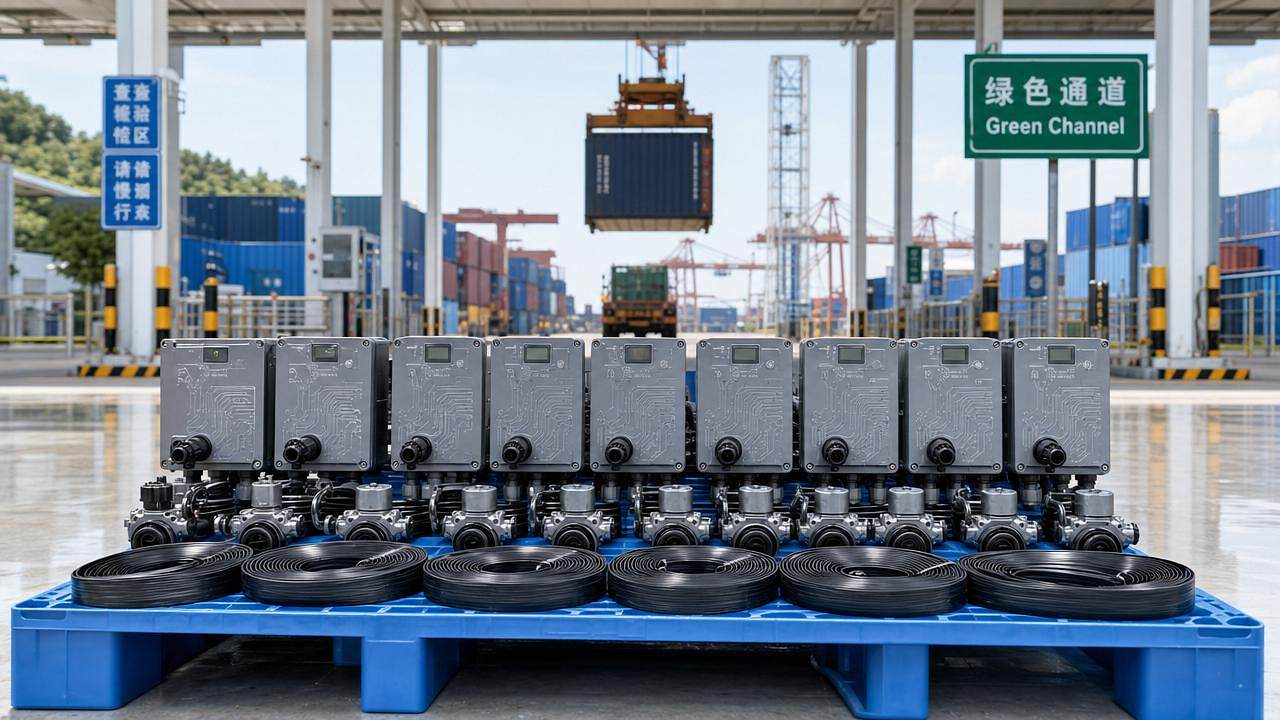




On March 31, 2026, Yunnan Province launched an export 'green channel' for smart irrigation equipment—including smart irrigation controllers and intelligent drip tape valves—enabling automated, AI-powered origin certification with average issuance time reduced to 17 seconds. This development is especially relevant for exporters of agricultural technology, precision irrigation manufacturers, cross-border supply chain service providers, and firms engaged in trade with ASEAN and South Asian markets.
Event Overview
The Yunnan Provincial Department of Commerce implemented the updated '1+N+1' foreign trade policy starting March 2026. Under this framework, Kunming and Mohan ports have introduced a dedicated export green channel for smart irrigation controllers and intelligent drip tape valves. The mechanism supports self-service printing and intelligent review of certificates of origin, cutting average issuance time to 17 seconds. It currently covers major procurement countries in South Asia and Southeast Asia.
Industries Affected by This Development
Direct Exporters (Trade Enterprises)
These enterprises are directly impacted because the green channel applies specifically to declared export commodities—namely smart irrigation controllers and intelligent drip tape valves. The shortened certificate issuance time improves order turnaround and enables faster customs clearance at key border points like Mohan, which serves as a land gateway to Laos and beyond.
Manufacturers of Smart Irrigation Equipment (Processing & Manufacturing Firms)
Manufacturers supplying certified products under this channel benefit from improved export predictability and reduced administrative friction. However, eligibility depends on accurate product classification and compliance with origin rules—making precise HS code assignment and documentation readiness critical.
Supply Chain & Logistics Service Providers
Third-party logistics, freight forwarders, and customs brokers handling shipments through Kunming or Mohan must adapt to the new digital workflow for origin certification. Since the system supports self-printing and intelligent review, service providers need to verify client access to the platform and confirm whether their clients’ ERP or export management systems integrate with the provincial origin certification portal.
Distributors and Regional Channel Partners in ASEAN/South Asia
While not direct applicants, downstream distributors in target markets may experience tighter delivery windows and more responsive quoting cycles from Chinese suppliers—especially those leveraging the green channel. This could shift competitive dynamics among regional suppliers offering similar irrigation solutions.
What Relevant Enterprises or Practitioners Should Focus On Now
Monitor official updates on scope expansion
Current implementation explicitly names smart irrigation controllers and intelligent drip tape valves. Enterprises should track subsequent announcements from the Yunnan Department of Commerce to determine whether additional agri-tech subcategories—such as soil moisture sensors or solar-powered pump controllers—may be added to the green channel.
Verify product eligibility and documentation alignment
Eligibility hinges on correct product description, HS code classification, and adherence to origin criteria (e.g., regional value content, manufacturing process location). Firms should audit existing export documentation templates and ensure consistency between commercial invoices, packing lists, and origin declarations.
Distinguish policy rollout from operational readiness
The 17-second average issuance time reflects system performance under optimal conditions. In practice, delays may still occur due to data entry errors, mismatched product descriptions, or verification flags. Companies should treat the green channel as a procedural enhancement—not a guarantee—and maintain buffer time in export scheduling.
Prepare for increased scrutiny on traceability and compliance
Intelligent review relies on structured, machine-readable data. Firms exporting via this channel should ensure full traceability of components (especially for assembled controllers) and retain supporting records—including bills of materials and production logs—for potential post-issuance audits.
Editorial Perspective / Industry Observation
Observably, this initiative functions primarily as a process optimization signal—not yet a structural market shift. It reflects Yunnan’s targeted effort to strengthen its role as a logistical and regulatory node for China–ASEAN agricultural technology trade. Analysis shows the green channel lowers transactional friction rather than altering tariff treatment or market access conditions. From an industry perspective, its significance lies less in immediate revenue impact and more in signaling regional authorities’ willingness to deploy digital infrastructure for high-potential export categories. Continued observation is warranted to assess whether similar mechanisms emerge in other provinces—or whether this becomes a model for broader agri-tech export facilitation across western China.
This measure does not change international trade agreements or bilateral tariffs. Its operational value is concentrated at the pre-clearance documentation stage, particularly for time-sensitive B2B orders where certificate issuance historically caused bottlenecks.
It is better understood as an efficiency upgrade for a defined set of products and procedures—not a broad-based trade incentive or market-opening measure.
Conclusion
The Yunnan green channel represents a calibrated, digitally enabled improvement in export administration for specific smart irrigation devices. Its primary value is procedural: reducing origin certification latency at two key inland ports serving ASEAN and South Asia. For affected enterprises, the practical implication is not a new market opportunity per se, but rather a tightening of execution timelines and a higher bar for documentation accuracy. At present, it is best interpreted as a regional regulatory refinement—indicative of growing attention to agri-tech export logistics—but not yet a catalyst for systemic change in cross-border supply chain design or pricing strategy.
Information Source: Yunnan Provincial Department of Commerce (official announcement, effective March 2026). Note: Expansion beyond the initially named product categories remains unconfirmed and requires ongoing monitoring.
Related News
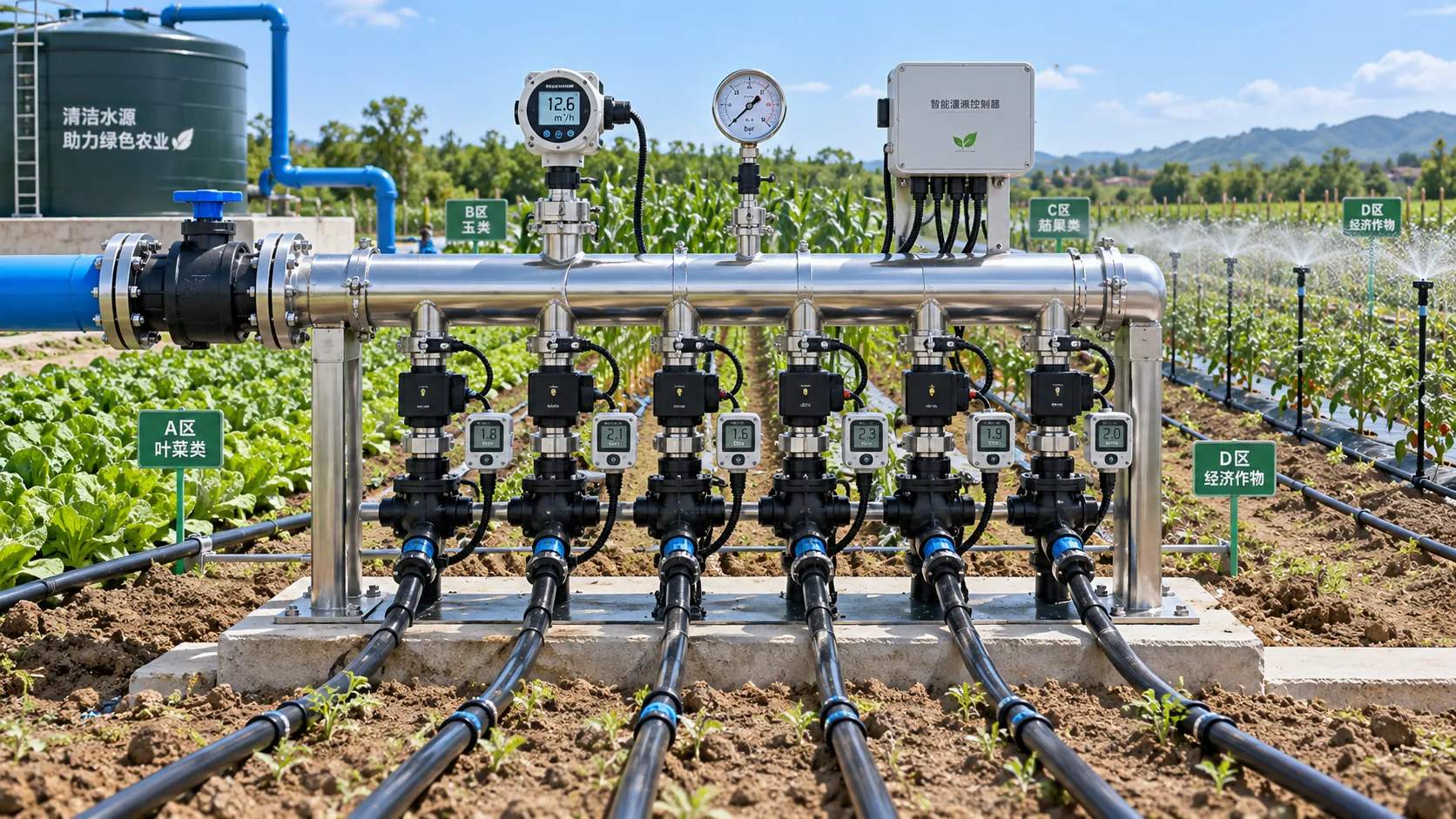
How to Select Smart Irrigation Valves for Multi-Zone Water Management?
Intelligent irrigation systems valves: learn how to match smart valves with multi-zone flow, pressure, control, feedback, and communication needs for reliable water management.
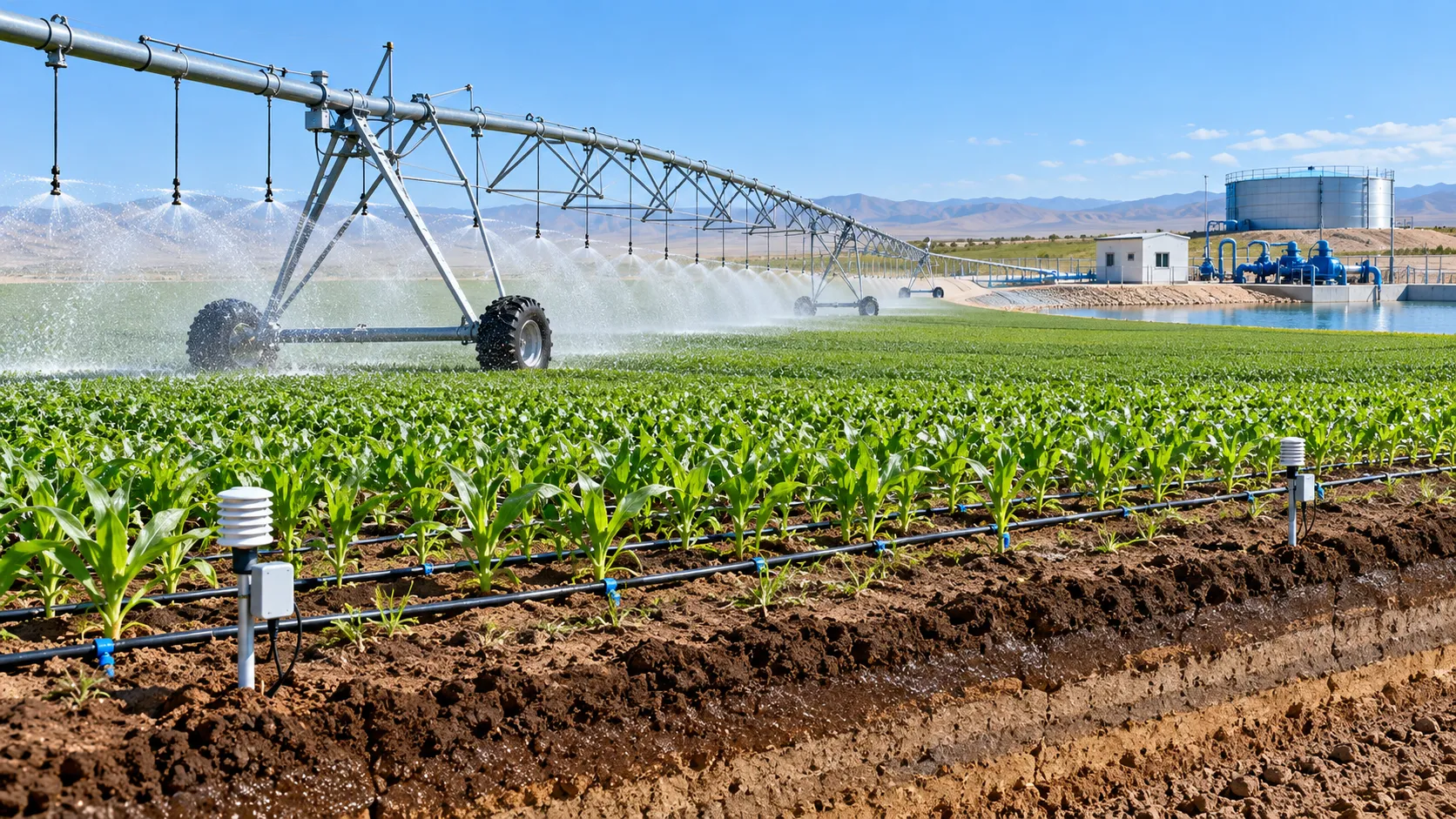
Climate-Smart Farming for Drought: A Practical Plan for Protecting Yields
Climate-smart farming for drought: build smarter water budgets, protect critical crop stages, improve irrigation uniformity, and safeguard yields with practical field-proven strategies.
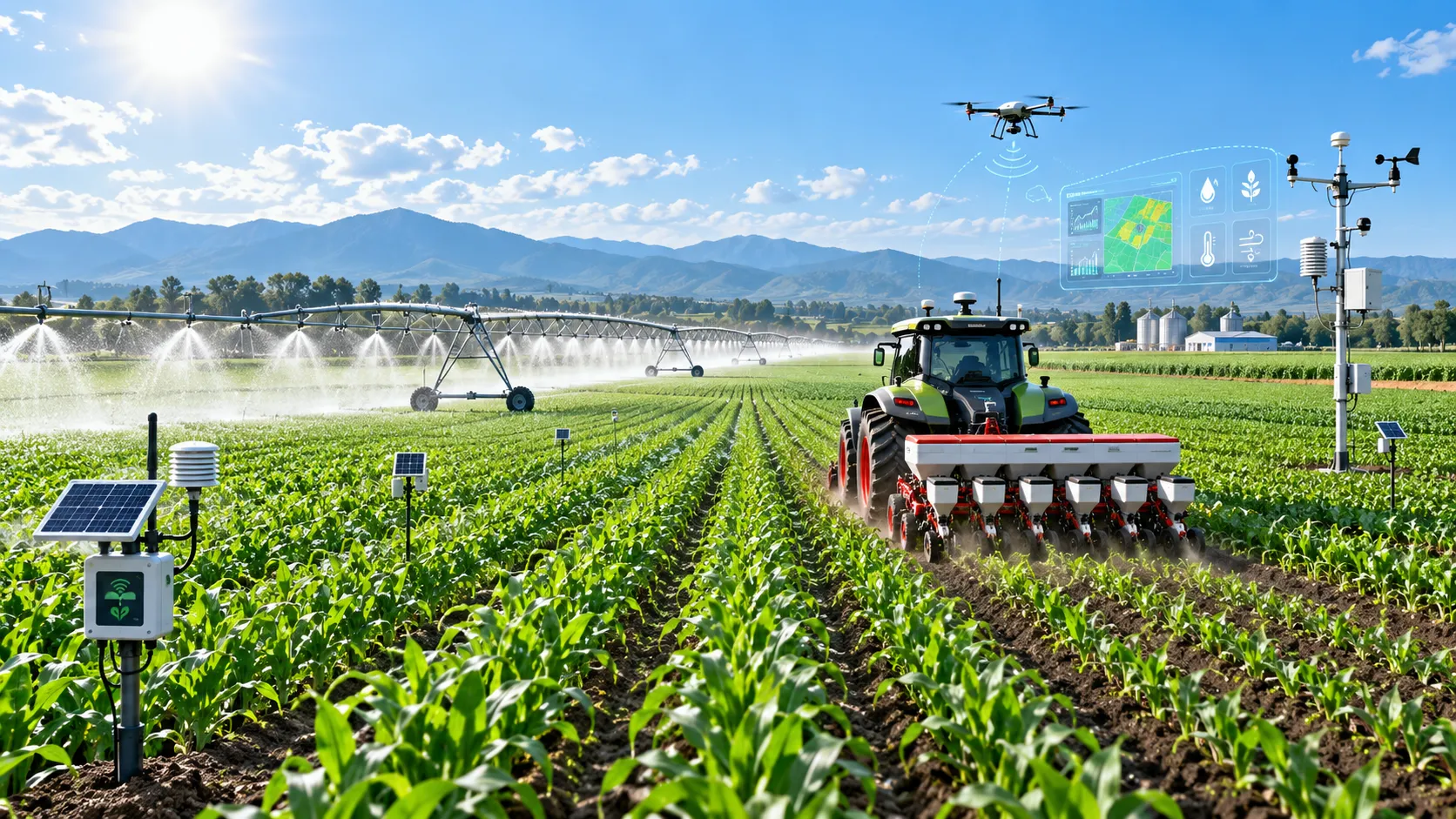
How Digital Agriculture Platforms Turn Field Data Into Better Input Decisions
Digital agriculture platforms turn field data into smarter fertilizer, water, seed, and equipment decisions—helping farms cut risk, improve margins, and scale sustainability.
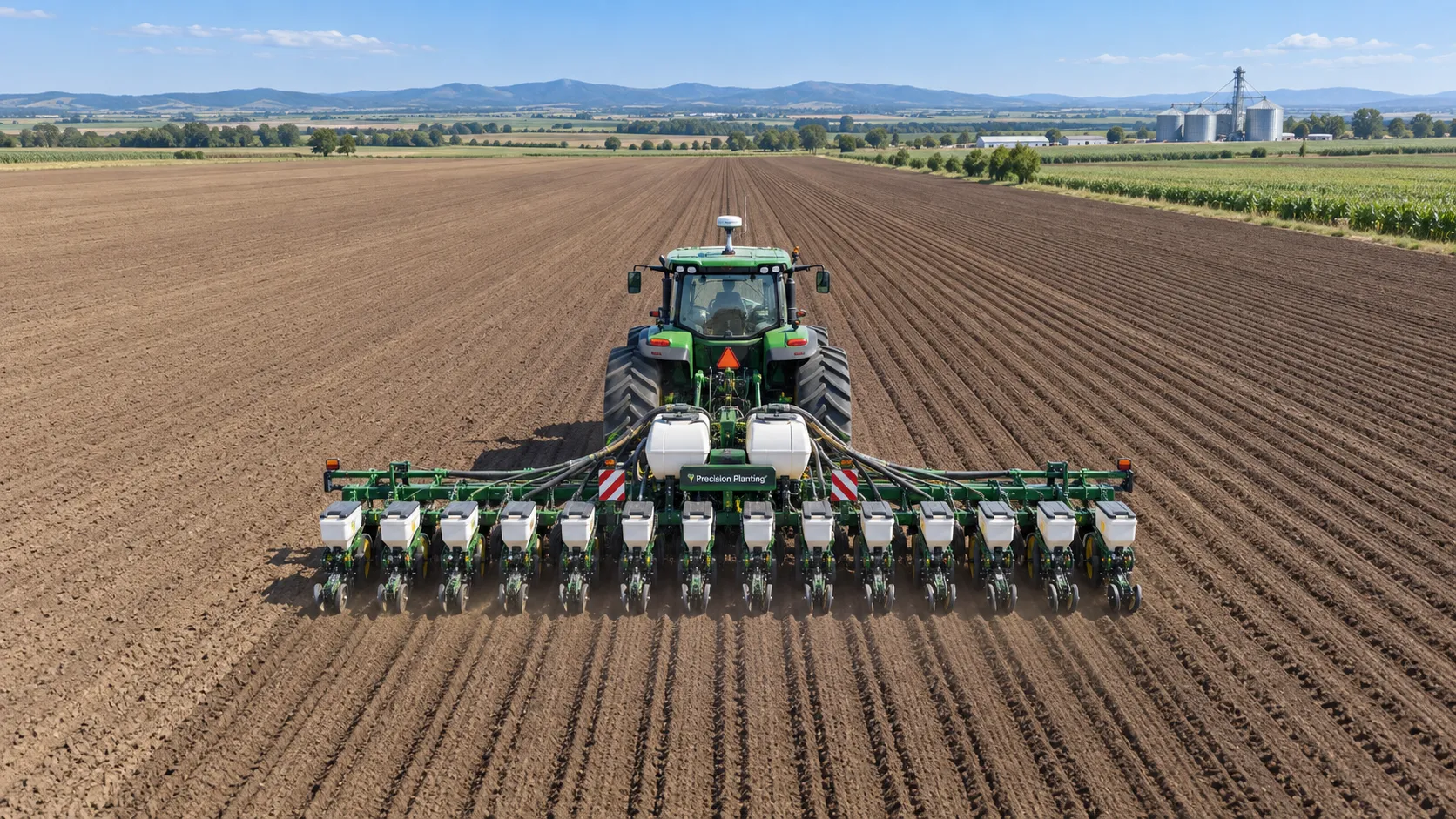
GPS-Guided Farm Machinery: Where It Delivers Measurable Field Efficiency Gains
Agri-mechanization GPS guided systems deliver measurable field efficiency gains through reduced overlap, precise planting, smarter inputs, and reliable farm data.
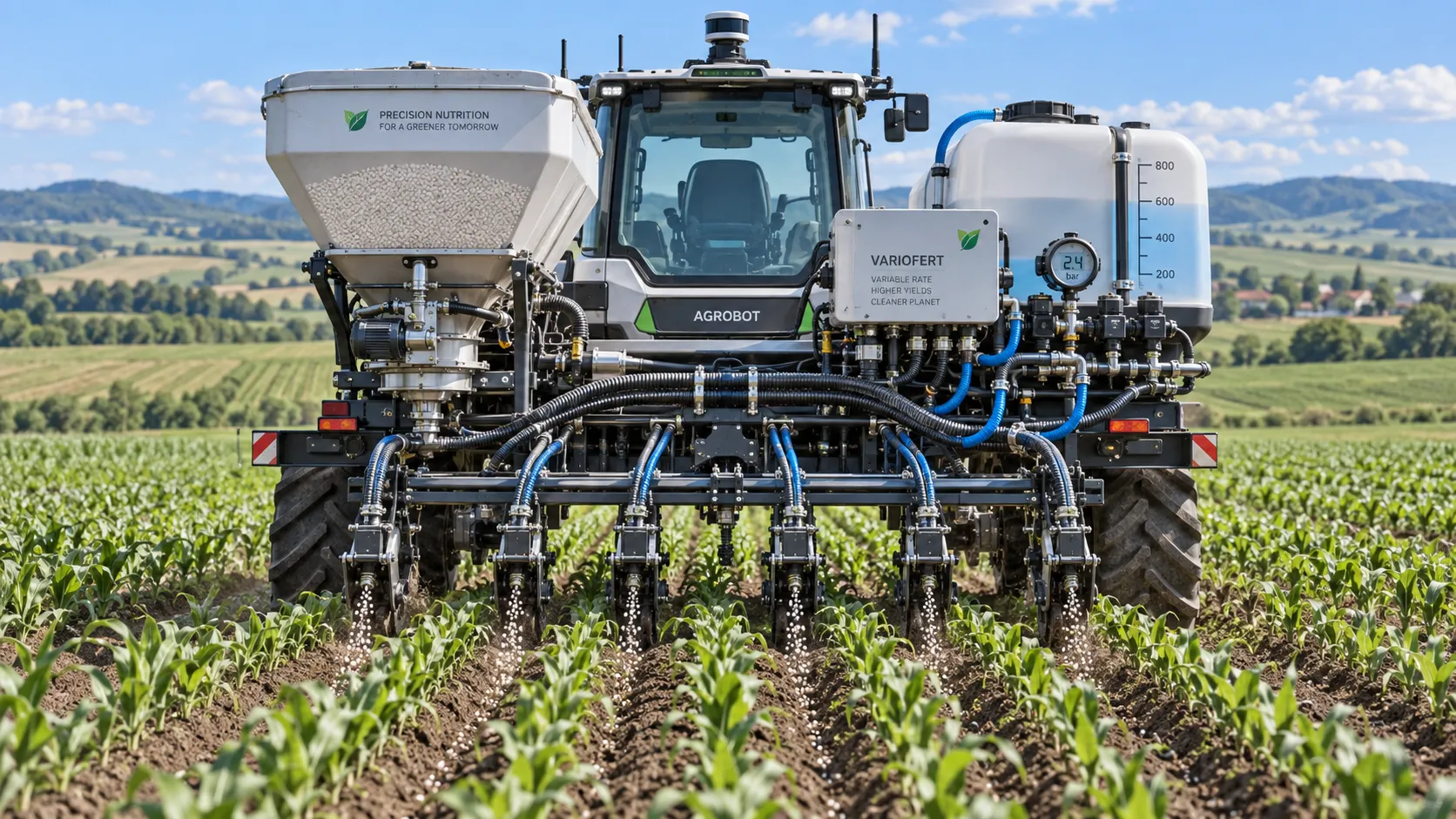
How Sensor Feedback Enables Accurate Variable-Rate Fertilization in Field Conditions
Precision fertilization systems with sensor feedback improve variable-rate accuracy by verifying flow, managing latency, and ensuring reliable field application.
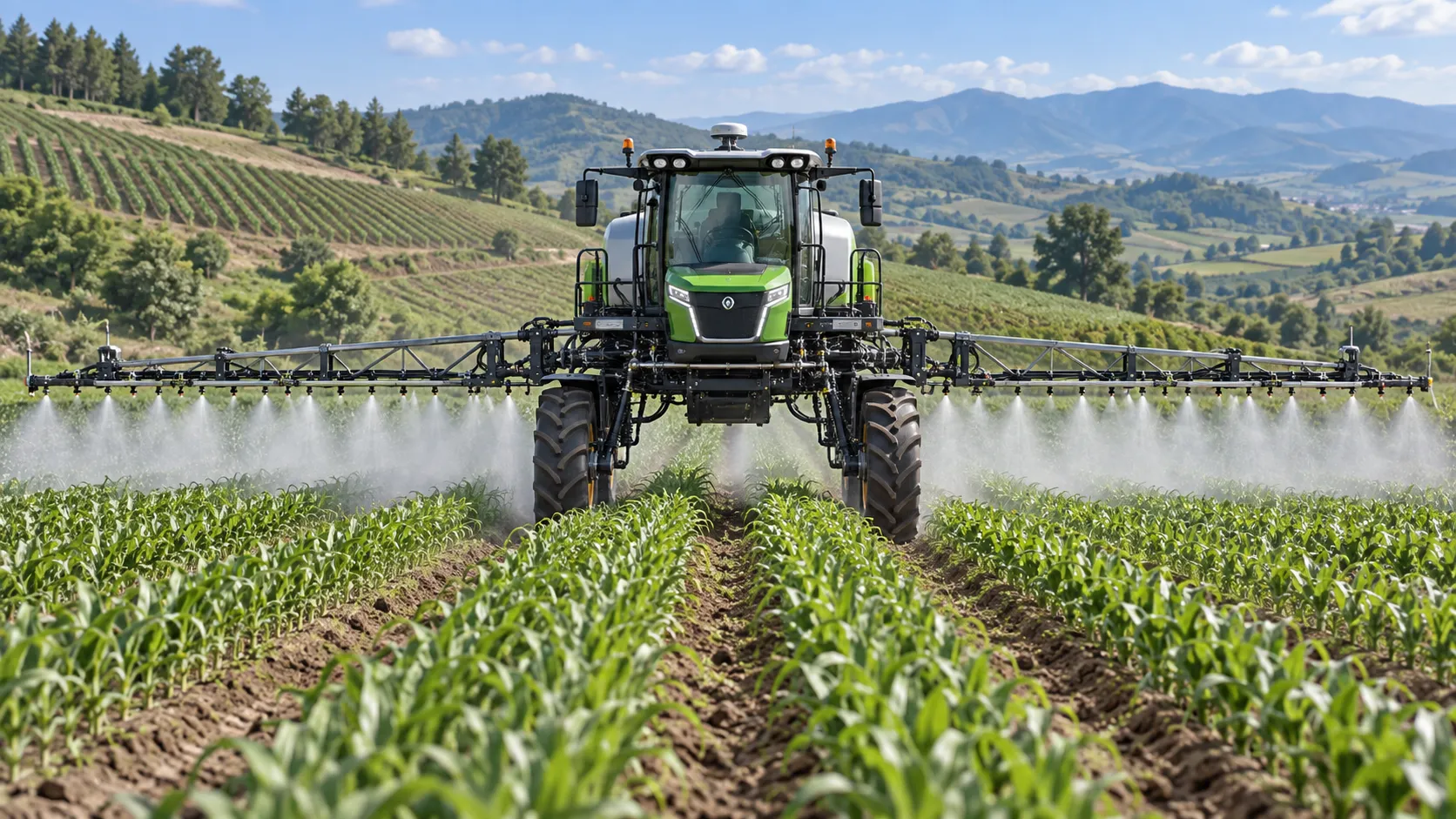
How to Select Precision Crop Protection Equipment for Variable Field Conditions
Precision crop protection equipment selection made simple: compare terrain, canopy, weather, control accuracy, and data workflows for reliable applications.

When Does Agricultural Machinery Leasing Cost Less Than Owning Equipment?
Agricultural machinery leasing can lower farm costs when use is seasonal or uncertain. Compare utilization, maintenance, cash flow, and risk to make a smarter equipment decision.
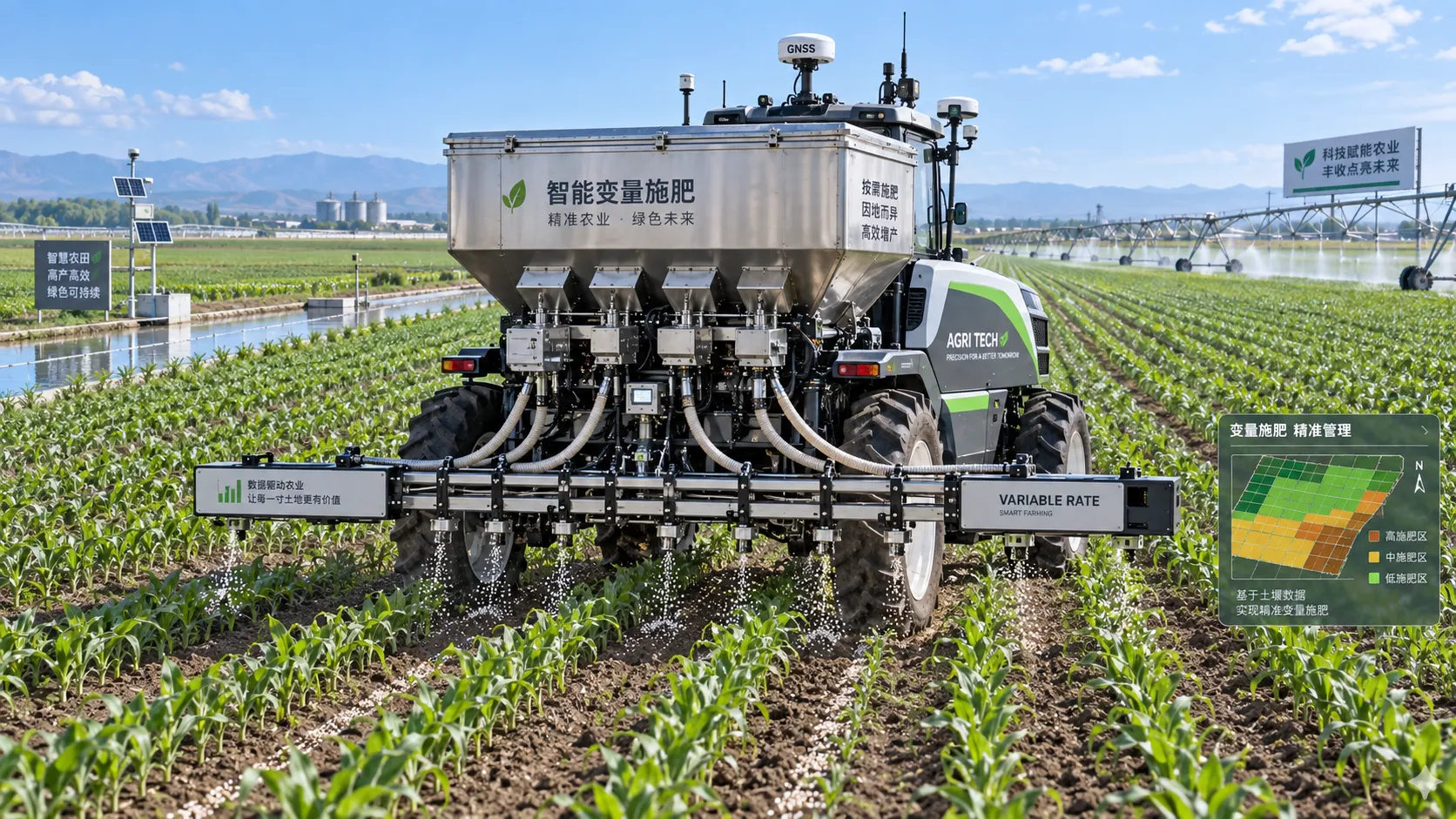
How to Evaluate Precision Fertilization System Suppliers for Farm-Scale Deployment
Precision fertilization systems suppliers: learn how to compare accuracy, integration, uptime, service, and total cost for confident farm-scale deployment.
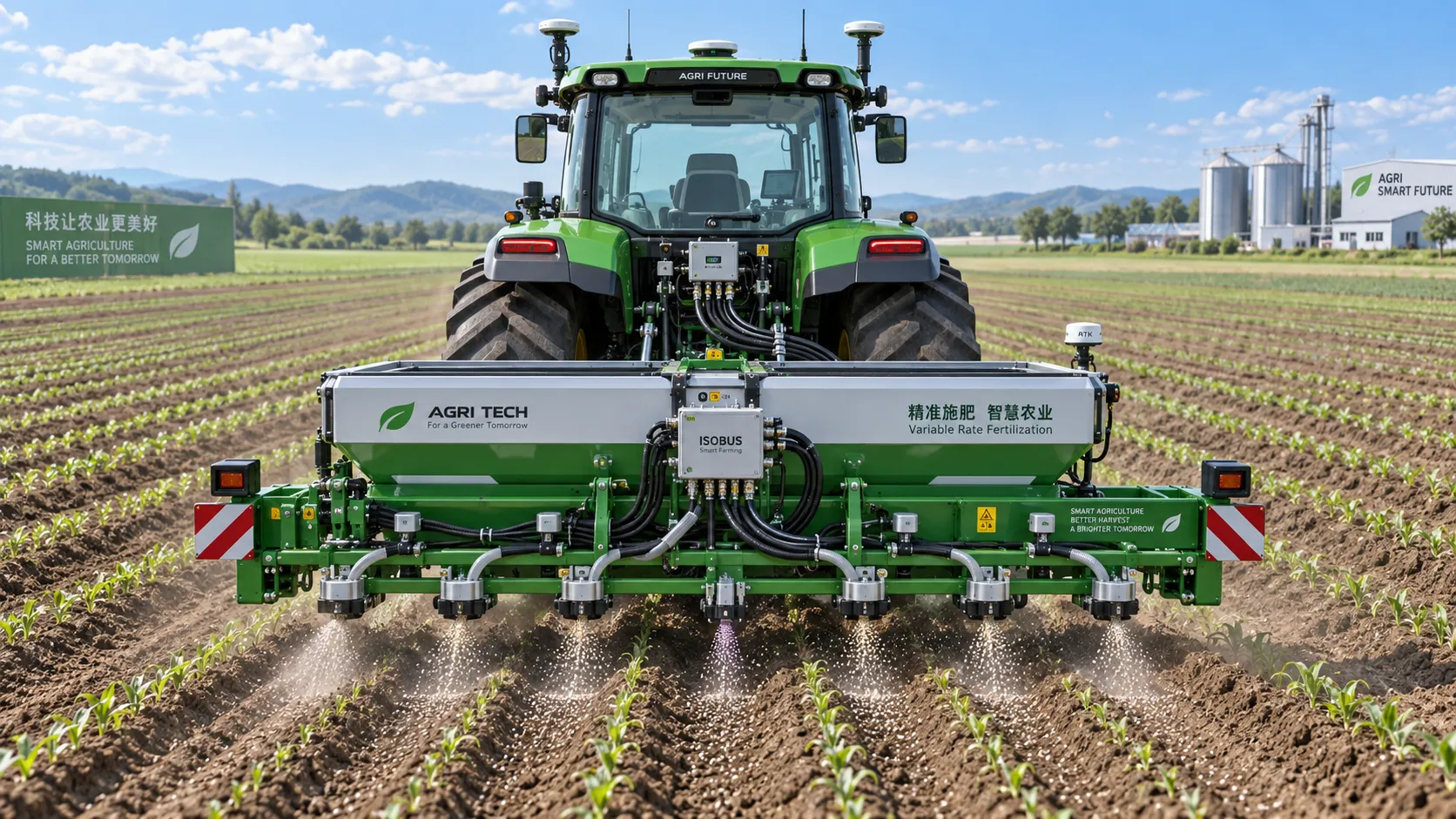
ISOBUS for Smart Agriculture: How It Connects Tractors, Implements, and Farm Data
ISOBUS for smart agriculture connects tractors, implements, terminals, and farm data—helping growers improve precision, documentation, and smarter field decisions.
Related News
- 00
0000-00
How to Select Smart Irrigation Valves for Multi-Zone Water Management? - 00
0000-00
Automated Water-Saving Irrigation: How to Cut Water Use Without Reducing Crop Yields - 00
0000-00
How to Evaluate Drip Irrigation System Manufacturers for Large Farm Projects - 00
0000-00
Wireless Agricultural Automation for Remote Irrigation and Field Monitoring - 00
0000-00
Designing Water-Saving Drip Irrigation Systems for High-Value Orchards
Popular Tags
Hydrological Resource Strategist
Weekly Insights
Stay ahead with our curated technology reports delivered every Monday.