
Red Sea Crisis Escalates: War Risk Premium for Smart Irrigation Pump Stations Rises to 320%
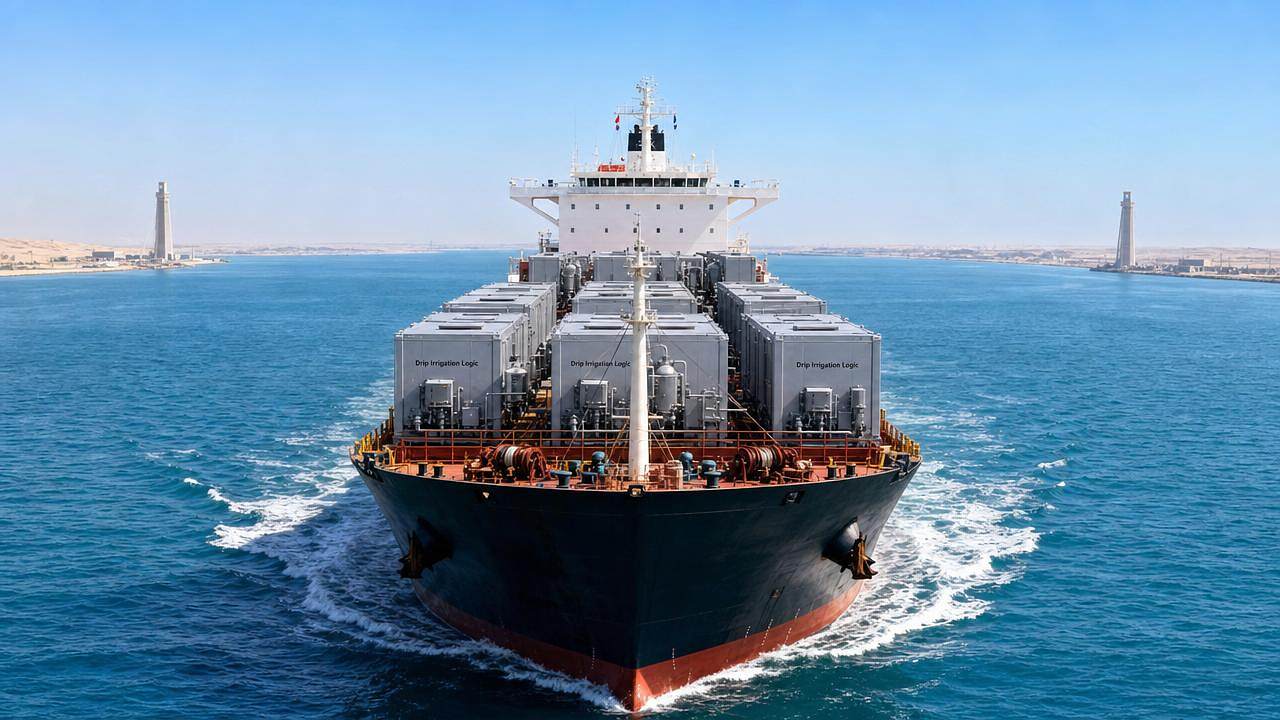




On May 18, 2026, Lloyd’s announced a sharp increase in war risk insurance premiums for agricultural smart irrigation pump stations—including those equipped with Drip Irrigation Logic core components—transiting the Gulf of Aden to Suez Canal route. The new rate of 320% takes effect immediately. Exporters of irrigation equipment from China to the Middle East, North Africa, and Southern Europe face immediate implications for FOB pricing structures and delivery schedule stability—making this development highly relevant for agricultural technology exporters, irrigation system integrators, and supply chain managers serving arid-region markets.
Event Overview
On May 18, 2026, Lloyd’s, a global insurance market, raised the war risk insurance premium for agricultural smart irrigation pump stations (including units with Drip Irrigation Logic core components) shipped along the Gulf of Aden–Suez Canal maritime corridor to 320%. This represents a 140% increase compared to the prior month’s rate. The adjustment applies specifically to vessels carrying such equipment and is effective immediately.
Industries Affected
Direct Exporters (FOB-based Trading Firms)
These firms quote prices on an FOB basis and typically bear no responsibility for ocean freight or marine insurance beyond the port of loading. However, rising war risk premiums directly pressure buyer acceptance of quoted terms—especially where buyers require CIF or CIP delivery. Higher premiums may trigger renegotiation requests, delayed order confirmations, or increased demand for alternative routing (e.g., Cape of Good Hope), affecting margin visibility and cash flow timing.
Irrigation Equipment Manufacturers (OEMs & System Integrators)
Manufacturers supplying smart pump stations—including those embedding proprietary logic modules like Drip Irrigation Logic—are exposed indirectly through order volatility and lead time uncertainty. As buyers reassess total landed cost, procurement cycles may lengthen, and demand for modular or non-integrated components (to enable local assembly) could rise. Inventory planning and production scheduling become more sensitive to shipping corridor volatility.
Logistics & Freight Forwarding Providers
Forwarders handling agricultural equipment shipments must now recalculate insurance costs per container or consignment, update client quotations, and revise transit time estimates—particularly where rerouting is considered. Documentation workflows (e.g., war risk endorsement inclusion, certificate verification) require tighter coordination with insurers and carriers. Service-level agreements tied to on-time delivery may face increased exception rates.
Regional Distributors & Project Contractors (Middle East, North Africa, Southern Europe)
Distributors and contractors bidding on irrigation infrastructure projects face higher landed costs and longer lead times for imported pump stations. This may shift competitive dynamics toward locally sourced alternatives—or delay project start dates where critical path items are affected. Contractual clauses related to force majeure, cost escalation, and delivery timelines warrant urgent review.
What Relevant Enterprises or Practitioners Should Monitor and Do Now
Track official updates from Lloyd’s and regional maritime security advisories
Lloyd’s may issue further tiered adjustments (e.g., by vessel type, cargo value band, or transit window). Concurrently, IMO, UKMTO, and EU NAVFOR updates on threat assessments and convoy availability affect practical routing options—not just insurance cost.
Identify high-exposure SKUs and destination markets
Focus analysis on product lines containing Drip Irrigation Logic modules or other integrated control hardware, as these are explicitly named in the rate notice. Prioritize review for shipments bound to Yemen-adjacent ports (e.g., Djibouti, Port Sudan, Aqaba) and secondary hubs feeding inland irrigation projects.
Distinguish between policy signals and operational impact
The 320% figure reflects a premium *rate*, not a flat fee—actual cost depends on insured value, voyage duration, and insurer underwriting discretion. Some forwarders or insurers may offer capped premiums or alternative coverage structures; direct engagement with underwriters is advisable before assuming uniform cost pass-through.
Prepare contingency documentation and communication protocols
Update pro forma invoices to reflect insurance cost line items separately. Pre-draft client notifications explaining potential delays or revised terms. Review Incoterms usage across contracts—consider whether shifting from CIF to CFR or FCA could clarify risk allocation amid evolving premium structures.
Editorial Perspective / Industry Observation
Observably, this premium hike functions less as an isolated cost shock and more as a structural signal: maritime risk in key irrigation equipment corridors is no longer priced as episodic but as persistent and quantifiably elevated. Analysis shows that the 140% month-on-month jump suggests insurers are moving beyond event-driven adjustments toward recalibrating long-term exposure models for agri-tech hardware—especially integrated systems with high unit value and strategic deployment contexts. From an industry standpoint, this marks a transition point where war risk ceases to be a ‘back-office’ insurance matter and enters commercial negotiation, contract design, and product architecture decisions. Current developments are better understood as an early-stage recalibration—not yet a full market disruption—but one demanding continuous monitoring due to its cascading effects across pricing, logistics, and procurement behavior.
This incident underscores how geopolitical friction in maritime chokepoints increasingly translates into tangible cost and planning variables for precision agriculture infrastructure supply chains. It does not indicate a collapse in trade flows, but rather a phase shift in risk transparency and cost allocation—requiring stakeholders to treat insurance not as a static overhead, but as a dynamic input to commercial and operational strategy.
Information Source: Lloyd’s official bulletin dated May 18, 2026. Ongoing observation required for subsequent Lloyd’s circulars, carrier-specific surcharge announcements, and regional customs or port authority advisories regarding irrigation equipment clearance procedures amid heightened scrutiny.
Related News
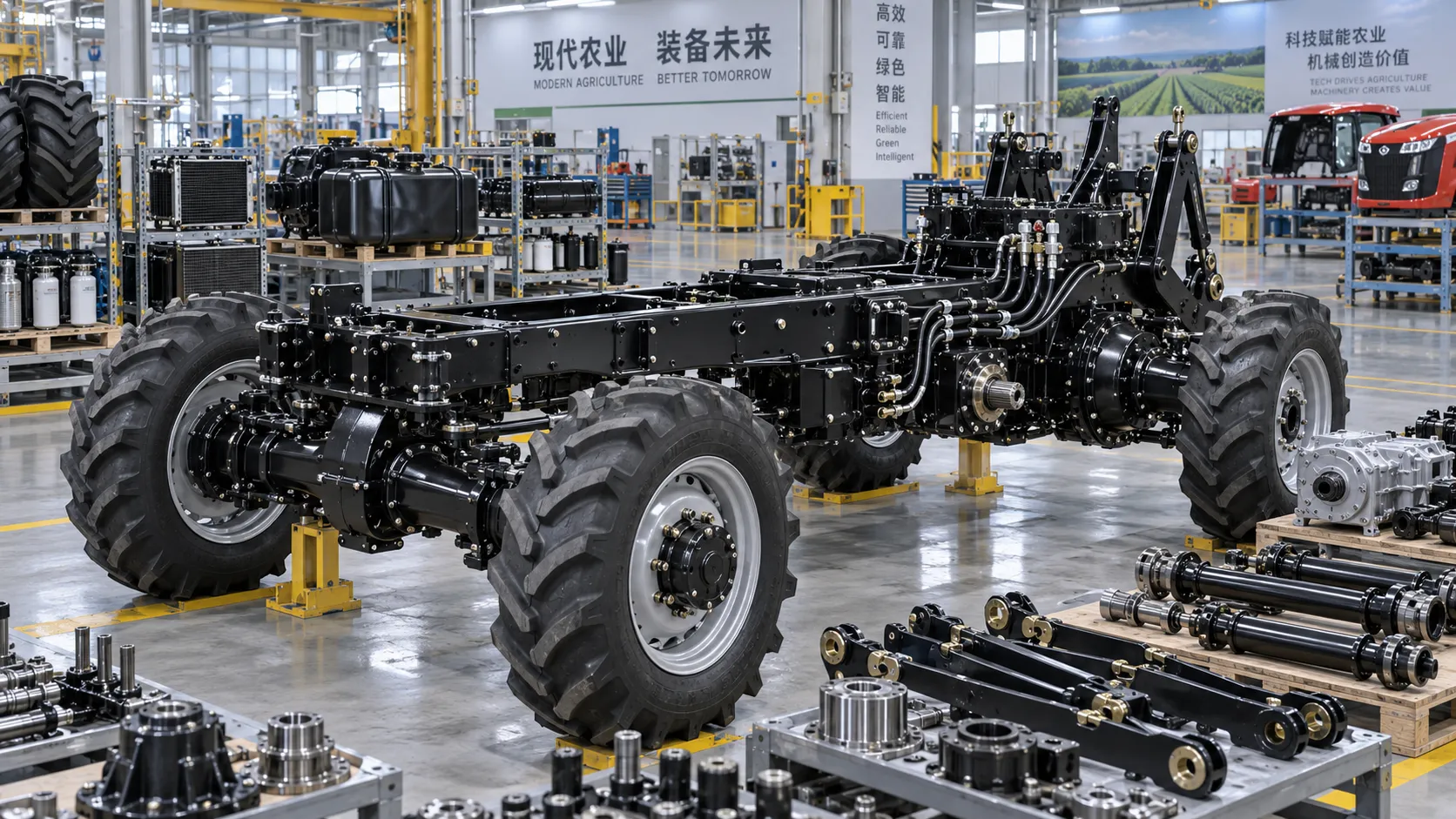
Tractor Chassis Price: What Buyers Should Compare Beyond the Initial Quote
Tractor chassis price is only the start. Compare load capacity, compatibility, durability, and lifecycle costs to choose a reliable, high-value chassis.
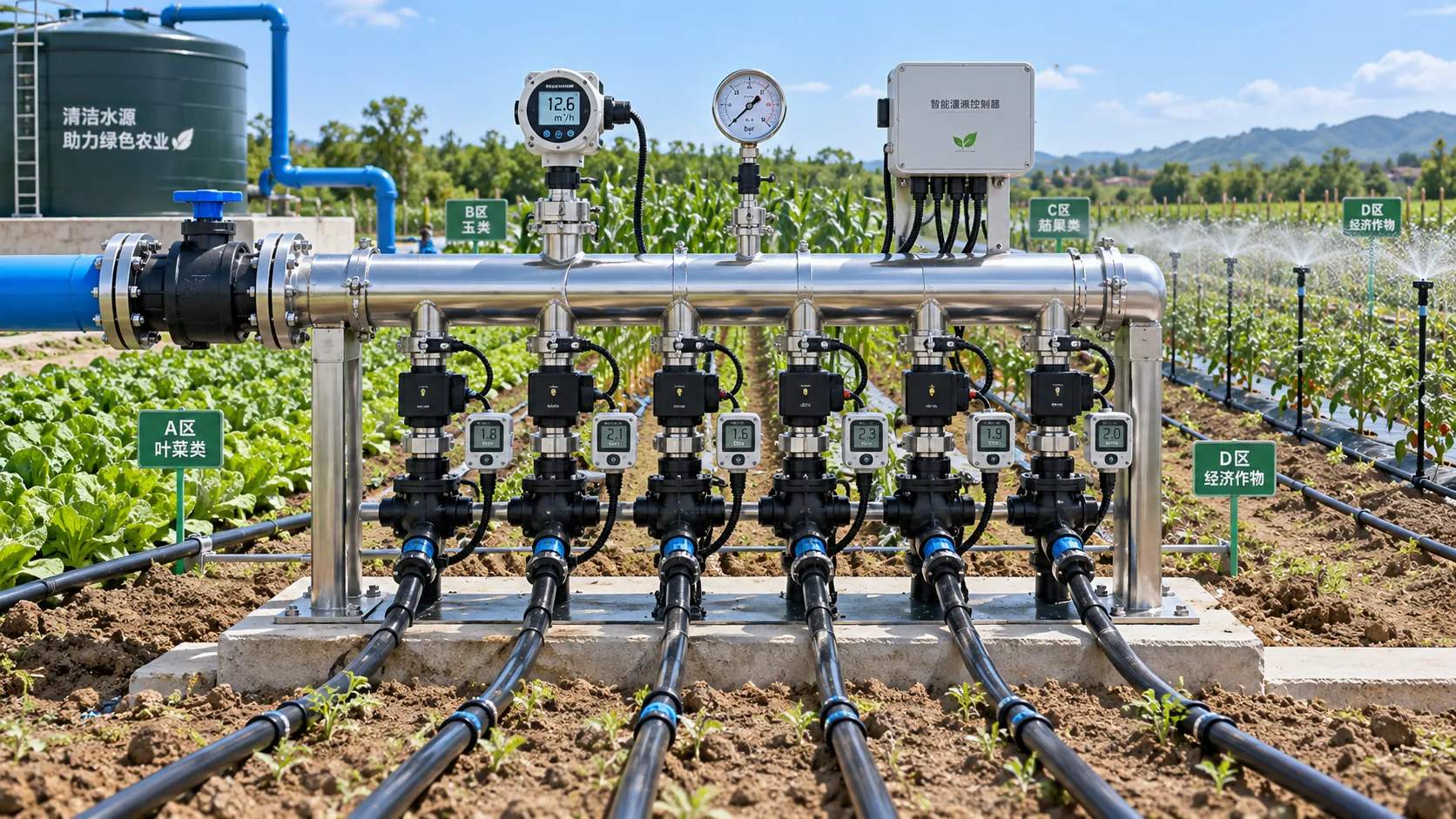
How to Select Smart Irrigation Valves for Multi-Zone Water Management?
Intelligent irrigation systems valves: learn how to match smart valves with multi-zone flow, pressure, control, feedback, and communication needs for reliable water management.
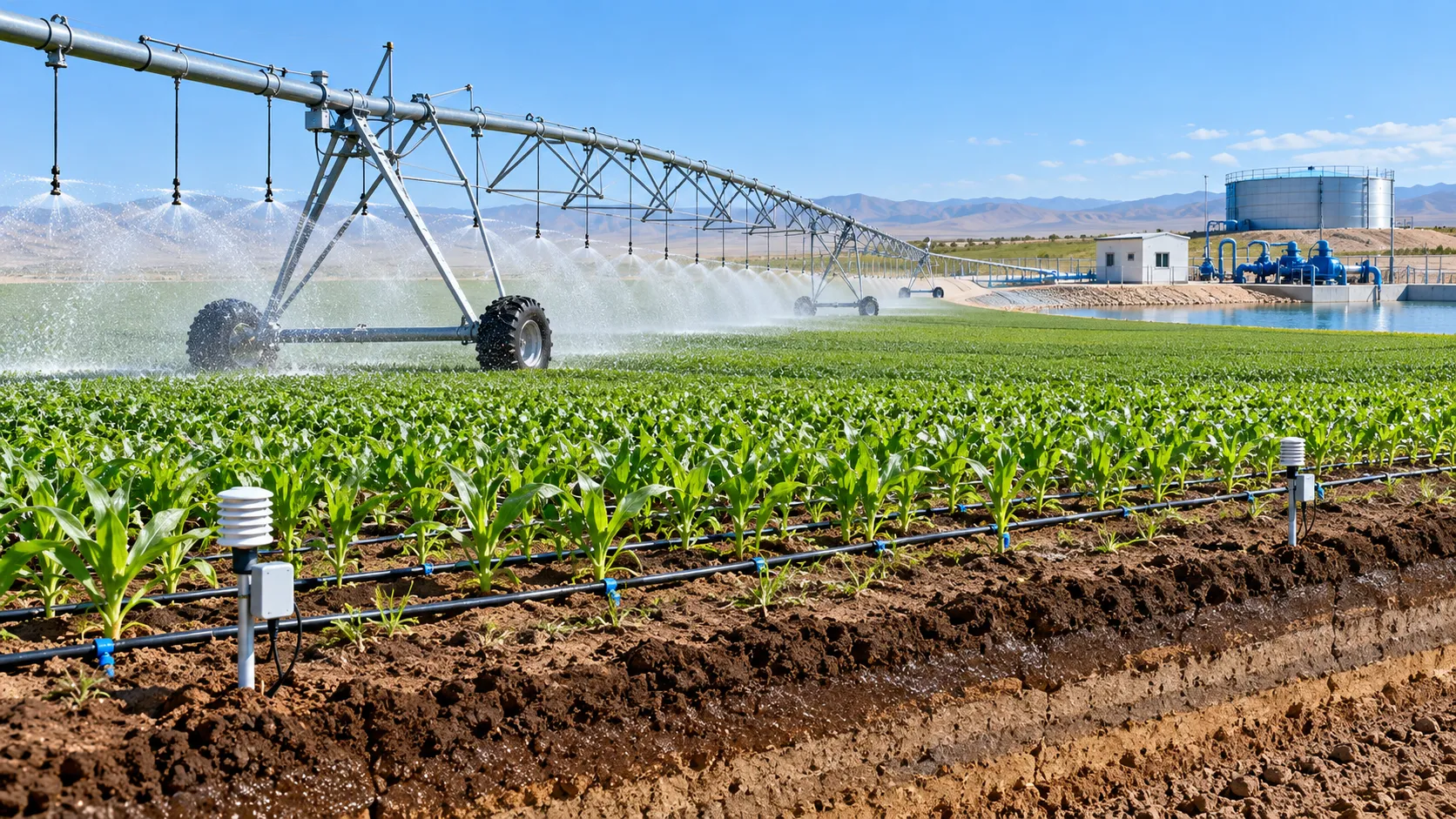
Climate-Smart Farming for Drought: A Practical Plan for Protecting Yields
Climate-smart farming for drought: build smarter water budgets, protect critical crop stages, improve irrigation uniformity, and safeguard yields with practical field-proven strategies.

How Digital Agriculture Platforms Turn Field Data Into Better Input Decisions
Digital agriculture platforms turn field data into smarter fertilizer, water, seed, and equipment decisions—helping farms cut risk, improve margins, and scale sustainability.
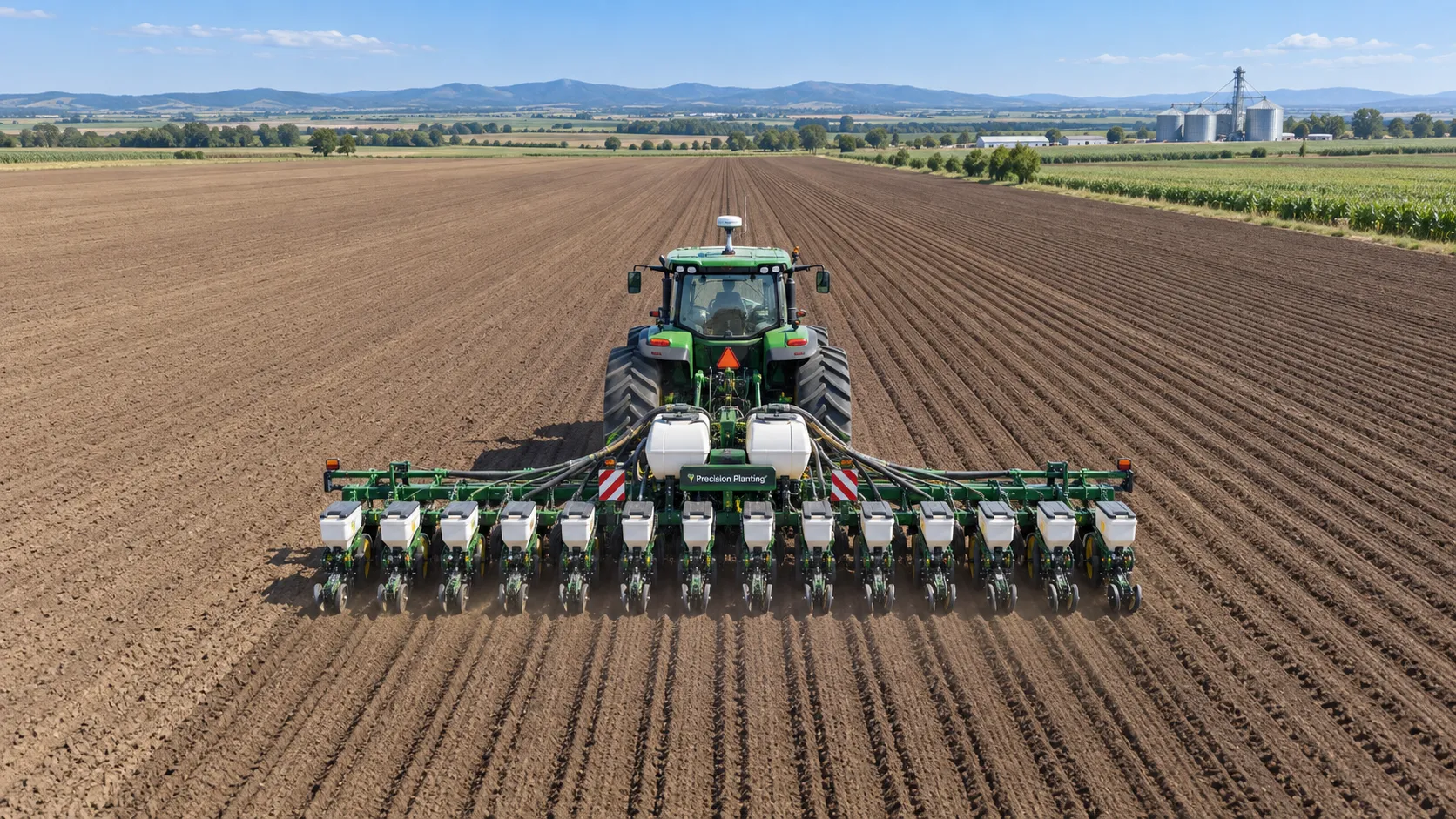
GPS-Guided Farm Machinery: Where It Delivers Measurable Field Efficiency Gains
Agri-mechanization GPS guided systems deliver measurable field efficiency gains through reduced overlap, precise planting, smarter inputs, and reliable farm data.

How Sensor Feedback Enables Accurate Variable-Rate Fertilization in Field Conditions
Precision fertilization systems with sensor feedback improve variable-rate accuracy by verifying flow, managing latency, and ensuring reliable field application.

How to Select Precision Crop Protection Equipment for Variable Field Conditions
Precision crop protection equipment selection made simple: compare terrain, canopy, weather, control accuracy, and data workflows for reliable applications.

When Does Agricultural Machinery Leasing Cost Less Than Owning Equipment?
Agricultural machinery leasing can lower farm costs when use is seasonal or uncertain. Compare utilization, maintenance, cash flow, and risk to make a smarter equipment decision.

How to Evaluate Precision Fertilization System Suppliers for Farm-Scale Deployment
Precision fertilization systems suppliers: learn how to compare accuracy, integration, uptime, service, and total cost for confident farm-scale deployment.
Related News
- 00
0000-00
How to Select Smart Irrigation Valves for Multi-Zone Water Management? - 00
0000-00
Automated Water-Saving Irrigation: How to Cut Water Use Without Reducing Crop Yields - 00
0000-00
How to Evaluate Drip Irrigation System Manufacturers for Large Farm Projects - 00
0000-00
Wireless Agricultural Automation for Remote Irrigation and Field Monitoring - 00
0000-00
Designing Water-Saving Drip Irrigation Systems for High-Value Orchards
Popular Tags
Hydrological Resource Strategist
Weekly Insights
Stay ahead with our curated technology reports delivered every Monday.