
China Gains US Market Access for Smart Irrigation Water Monitors
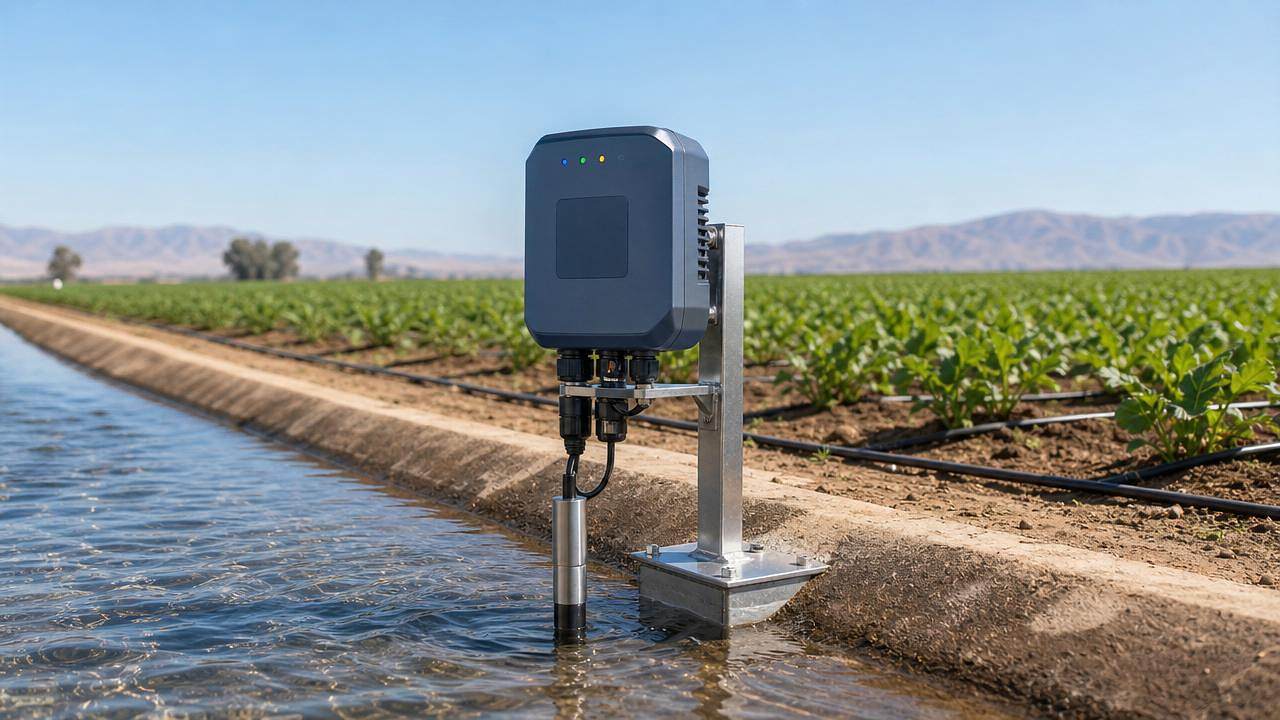




Beijing, May 14, 2026 — A breakthrough in technical trade barriers between China and the United States has opened new export pathways for Chinese manufacturers of smart irrigation water quality monitoring instruments. Announced on May 14, 2026, as part of the outcomes of the latest round of China–U.S. economic and trade consultations, the agreement specifically targets non-tariff agricultural trade restrictions. The move is expected to directly benefit China’s precision agriculture technology sector, particularly firms certified under GB/T 47065–2025, by easing regulatory entry into U.S. agricultural markets.
Event Overview
On May 14, 2026, the China–U.S. economic and trade consultation mechanism confirmed progress on resolving selected non-tariff barriers affecting agricultural trade. The joint statement explicitly identified ‘smart irrigation water quality monitoring instruments’ as a priority item for technical trade measure coordination. The U.S. side agreed to streamline mutual recognition of CNAS calibration reports and reduce the review timeline for joint pre-market assessments conducted by the U.S. Food and Drug Administration (FDA) and the U.S. Department of Agriculture (USDA). No changes to tariff schedules or quotas were announced.
Impact on Industry Subsectors
Direct Export Enterprises: Companies engaged in cross-border sales of smart irrigation monitors face reduced time-to-market and lower compliance costs. The shortened FDA/USDA pre-review cycle and simplified CNAS report acceptance directly lower administrative overhead and accelerate distributor onboarding—especially with U.S. agricultural cooperatives and regional water management authorities.
Raw Material Sourcing Firms: Suppliers of critical components—including optical sensors, low-power IoT modules, and corrosion-resistant housing materials—may see increased order visibility. However, demand uplift remains contingent on downstream manufacturers scaling production; no near-term surge in procurement volume is confirmed, only improved planning certainty for Q3–Q4 2026.
Manufacturing Entities: Firms holding GB/T 47065–2025 certification gain immediate eligibility for U.S. market engagement. Yet, this does not equate to automatic listing on USDA-approved vendor registries. Manufacturers must still complete device-specific validation per U.S. state-level irrigation standards (e.g., California’s Title 24 Appendix J), meaning certification is necessary but insufficient alone.
Supply Chain Service Providers: Third-party testing labs, regulatory consultants, and logistics integrators specializing in agri-tech exports may experience higher inquiry volumes. Notably, demand is shifting toward services supporting FDA/USDA documentation alignment—not just CE or FCC compliance—and localized field calibration support across U.S. farm states.
Key Considerations and Recommended Actions
Verify Device-Specific Eligibility Under FDA/USDA Joint Review Protocols
Not all GB/T 47065–2025–certified models automatically qualify. Exporters must confirm whether their product’s measurement scope (e.g., nitrate, turbidity, pH ranges) falls within the initial harmonization annex referenced in the May 14 statement.
Engage Early with U.S. Agricultural Cooperatives and State-Level Water Agencies
While federal-level procedural barriers have eased, adoption hinges on local trust and interoperability. Piloting deployments with early-adopter cooperatives—such as those in Nebraska or Idaho—can generate reference cases ahead of broader commercial rollout.
Update Technical Documentation for CNAS–NIST Traceability Alignment
The streamlined mutual recognition applies only to calibration reports demonstrating traceability to NIST standards via CNAS-accredited labs. Manufacturers should audit existing calibration workflows and update documentation templates accordingly before submission.
Editorial Perspective / Industry Observation
Observably, this development signals a tactical recalibration—not strategic convergence—in bilateral agri-tech regulation. The focus on a narrowly defined instrument category suggests both sides are prioritizing low-risk, high-visibility wins to rebuild technical dialogue. Analysis shows that while the CNAS–NIST alignment reduces friction, it does not eliminate the need for U.S.-based post-market surveillance or third-party verification under 21 CFR Part 820. From an industry perspective, this is better understood as a process enabler than a market access guarantee.
Conclusion
This agreement marks a pragmatic step toward de-escalating technical trade friction in precision agriculture hardware. Its significance lies less in immediate revenue impact and more in its role as a precedent: if successfully implemented, it could catalyze similar coordination for soil nutrient sensors or drone-based crop health analyzers. Still, realistic expectations are warranted—market penetration will depend as much on commercial execution and local partnerships as on regulatory clearance.
Source Attribution
Official statement released by the Office of the U.S. Trade Representative (USTR) and China’s Ministry of Commerce (MOFCOM) on May 14, 2026. Full text available via USTR.gov and mofcom.gov.cn. Note: Implementation timelines for CNAS–NIST mutual recognition and FDA/USDA pre-review acceleration remain subject to agency-level guidance—details expected by July 2026. Continued monitoring of USDA’s Agricultural Marketing Service (AMS) and FDA’s Center for Devices and Radiological Health (CDRH) notices is advised.
Related News
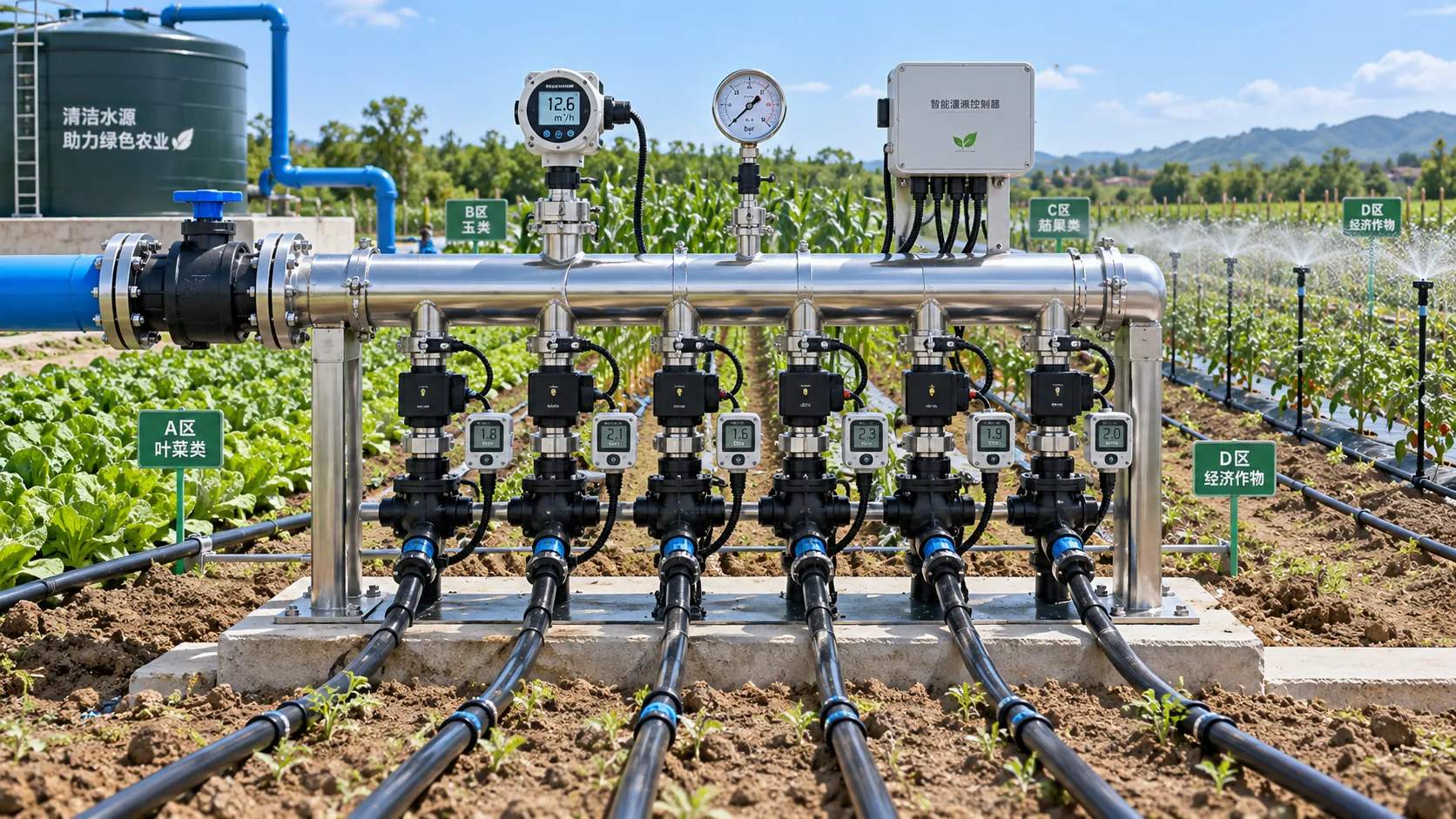
How to Select Smart Irrigation Valves for Multi-Zone Water Management?
Intelligent irrigation systems valves: learn how to match smart valves with multi-zone flow, pressure, control, feedback, and communication needs for reliable water management.
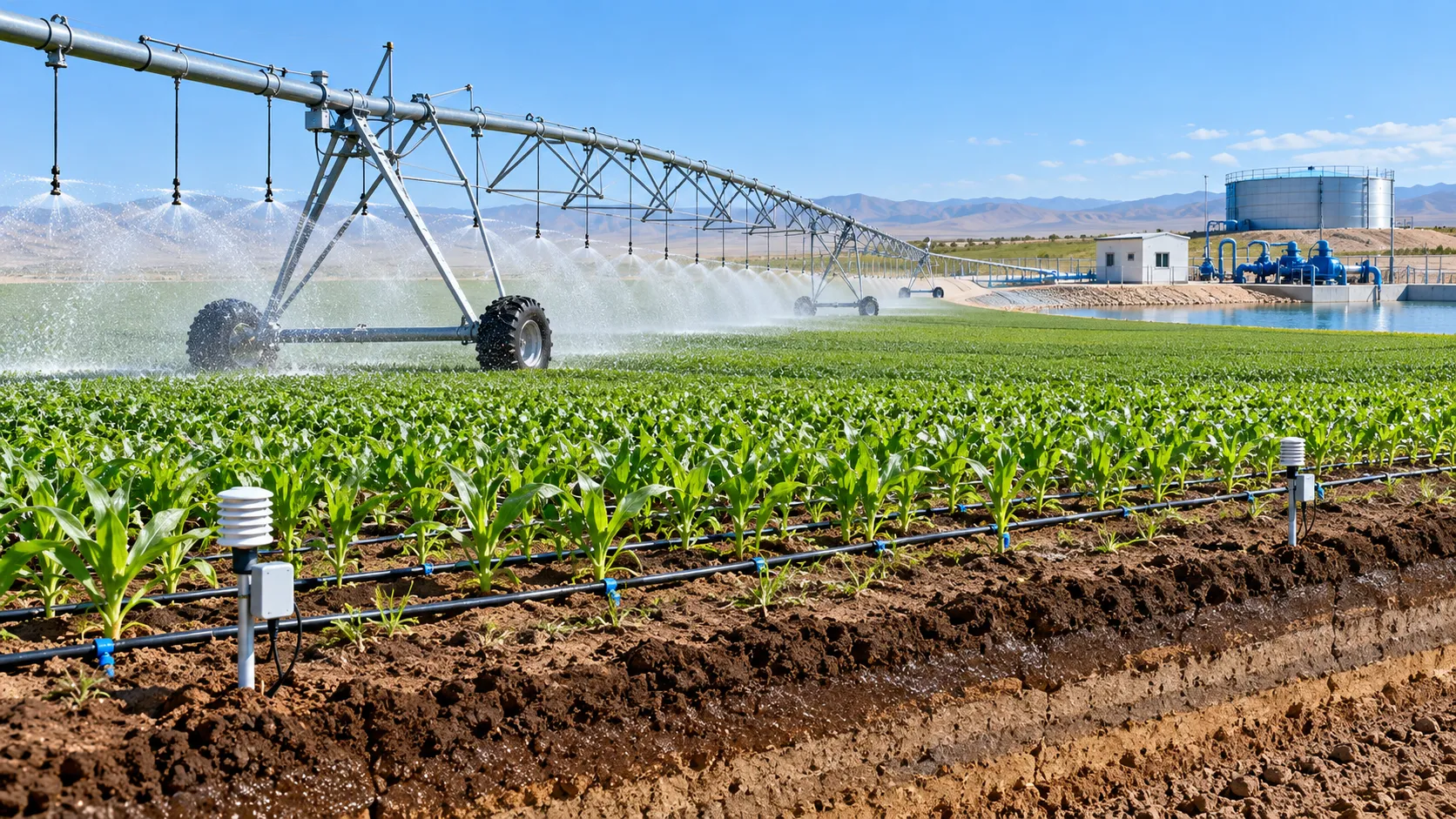
Climate-Smart Farming for Drought: A Practical Plan for Protecting Yields
Climate-smart farming for drought: build smarter water budgets, protect critical crop stages, improve irrigation uniformity, and safeguard yields with practical field-proven strategies.
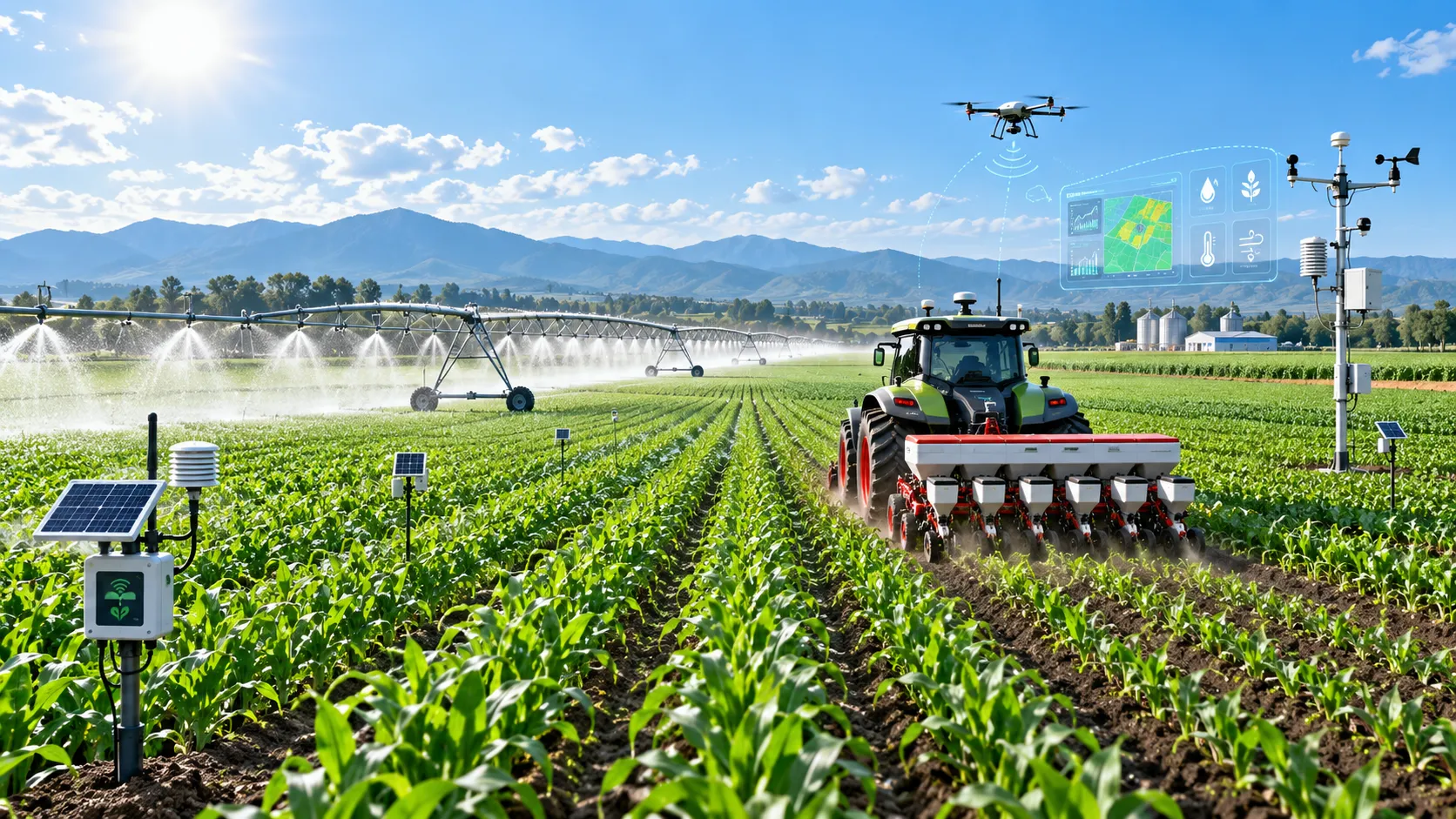
How Digital Agriculture Platforms Turn Field Data Into Better Input Decisions
Digital agriculture platforms turn field data into smarter fertilizer, water, seed, and equipment decisions—helping farms cut risk, improve margins, and scale sustainability.
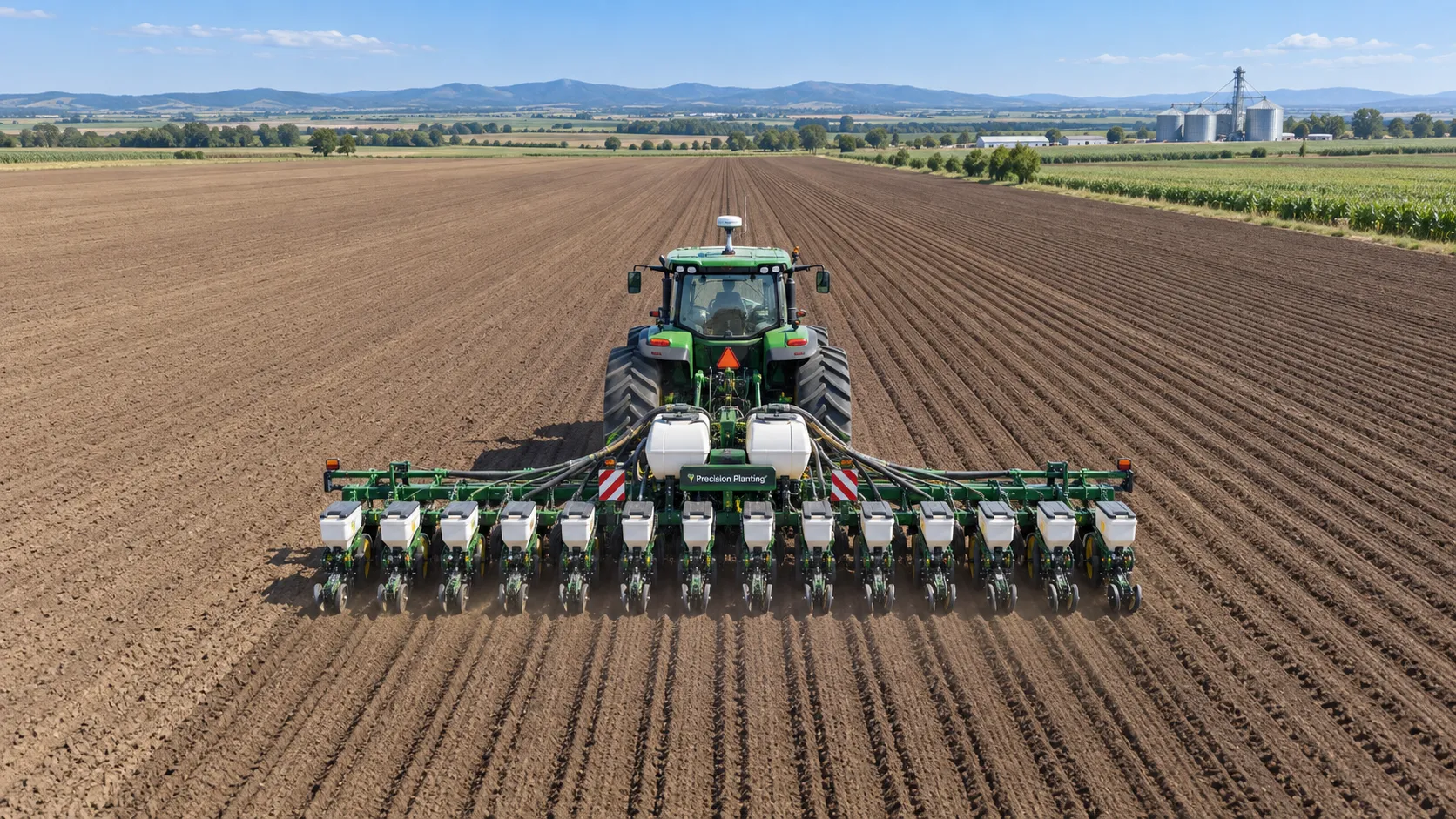
GPS-Guided Farm Machinery: Where It Delivers Measurable Field Efficiency Gains
Agri-mechanization GPS guided systems deliver measurable field efficiency gains through reduced overlap, precise planting, smarter inputs, and reliable farm data.
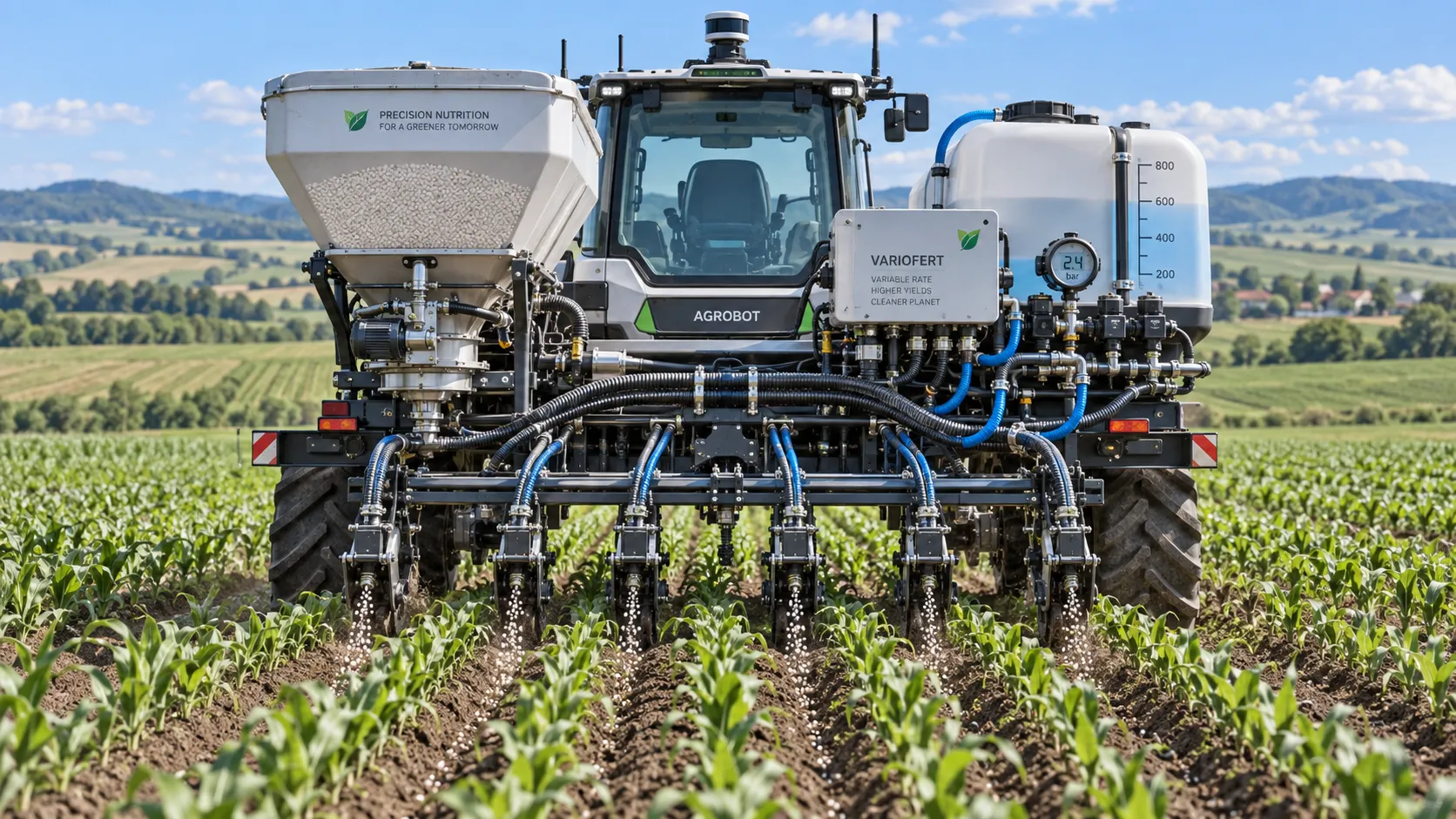
How Sensor Feedback Enables Accurate Variable-Rate Fertilization in Field Conditions
Precision fertilization systems with sensor feedback improve variable-rate accuracy by verifying flow, managing latency, and ensuring reliable field application.
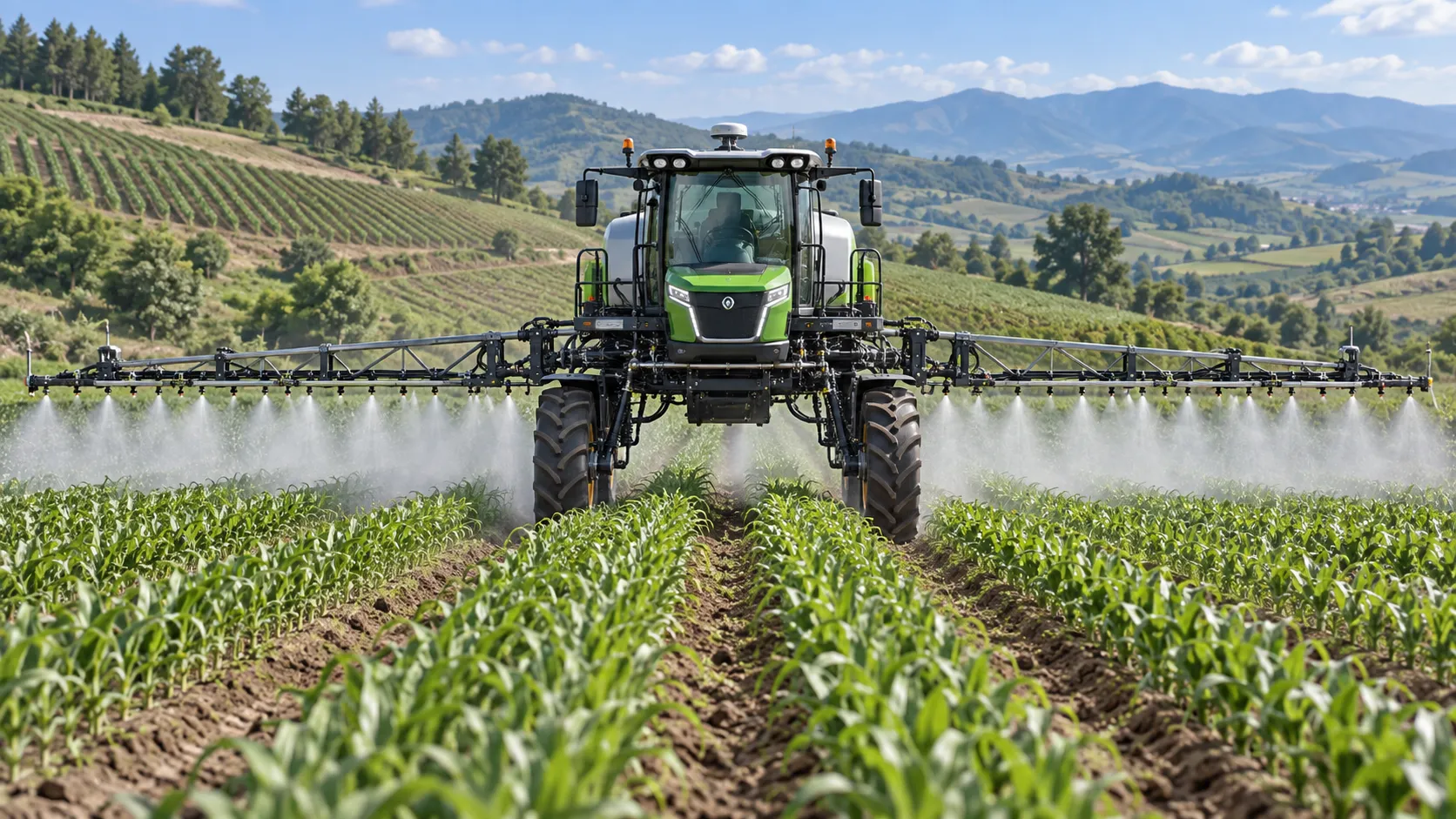
How to Select Precision Crop Protection Equipment for Variable Field Conditions
Precision crop protection equipment selection made simple: compare terrain, canopy, weather, control accuracy, and data workflows for reliable applications.

When Does Agricultural Machinery Leasing Cost Less Than Owning Equipment?
Agricultural machinery leasing can lower farm costs when use is seasonal or uncertain. Compare utilization, maintenance, cash flow, and risk to make a smarter equipment decision.

How to Evaluate Precision Fertilization System Suppliers for Farm-Scale Deployment
Precision fertilization systems suppliers: learn how to compare accuracy, integration, uptime, service, and total cost for confident farm-scale deployment.
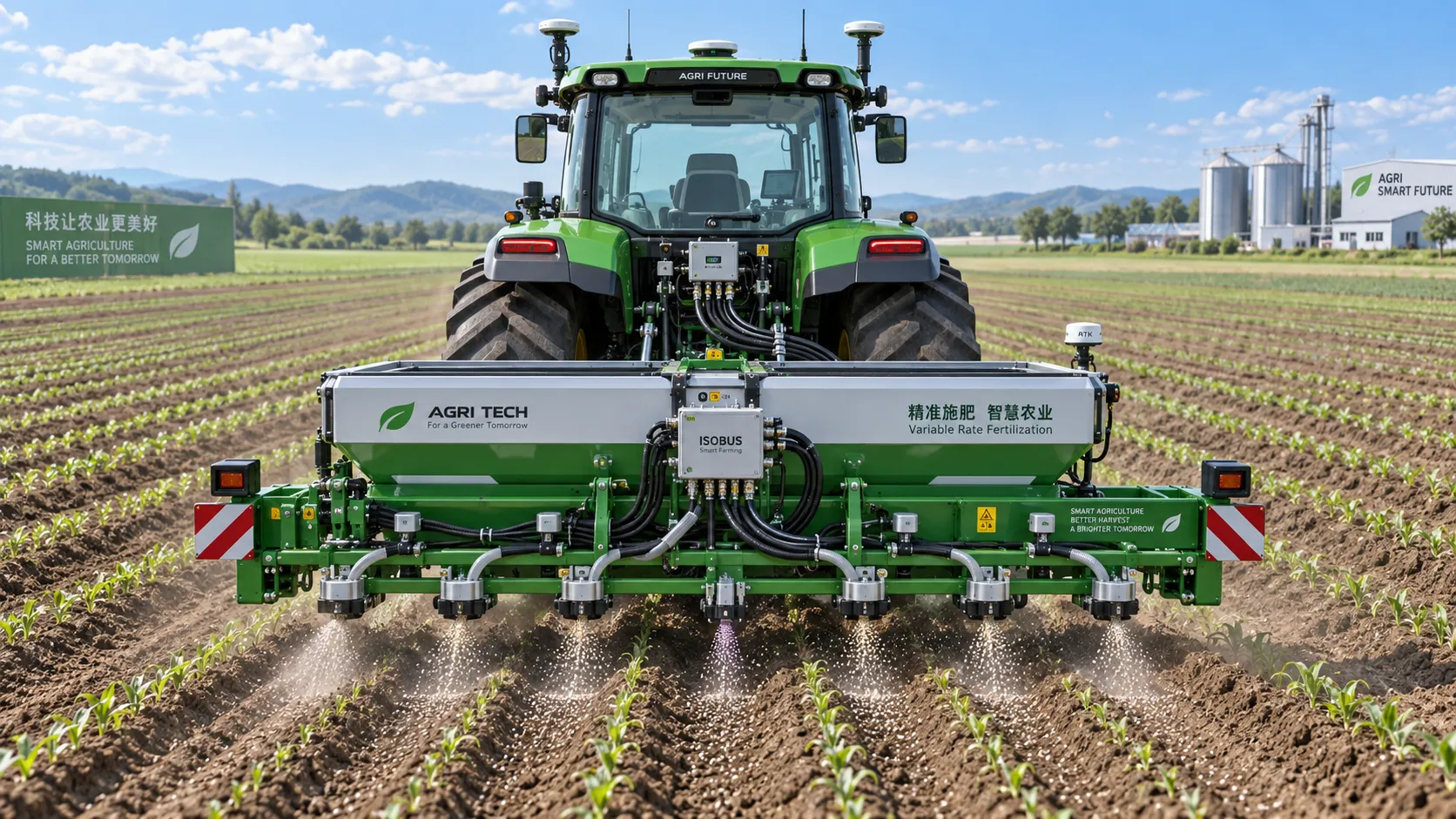
ISOBUS for Smart Agriculture: How It Connects Tractors, Implements, and Farm Data
ISOBUS for smart agriculture connects tractors, implements, terminals, and farm data—helping growers improve precision, documentation, and smarter field decisions.
Related News
- 00
0000-00
How to Select Smart Irrigation Valves for Multi-Zone Water Management? - 00
0000-00
Automated Water-Saving Irrigation: How to Cut Water Use Without Reducing Crop Yields - 00
0000-00
How to Evaluate Drip Irrigation System Manufacturers for Large Farm Projects - 00
0000-00
Wireless Agricultural Automation for Remote Irrigation and Field Monitoring - 00
0000-00
Designing Water-Saving Drip Irrigation Systems for High-Value Orchards
Popular Tags
Hydrological Resource Strategist
Weekly Insights
Stay ahead with our curated technology reports delivered every Monday.