
ANVISA Opens Temporary Registration for Smart Irrigation Water Monitors
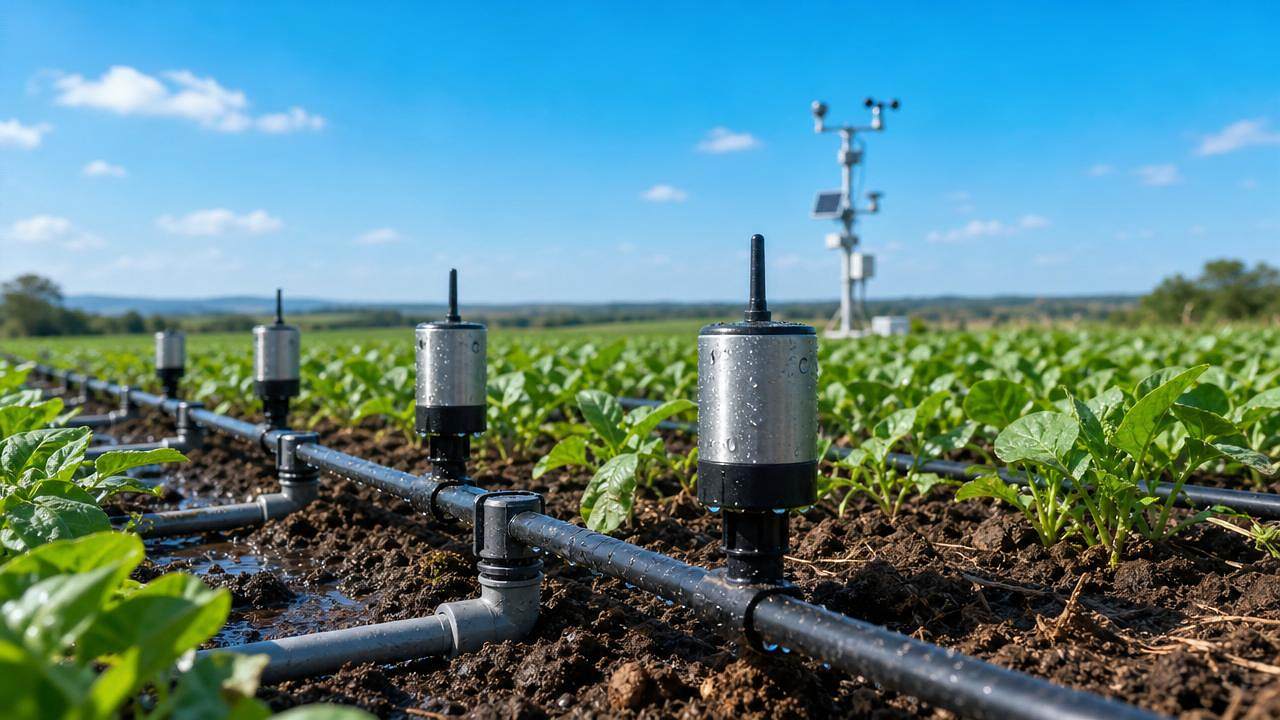




Brazil’s National Health Surveillance Agency (ANVISA) opened a temporary registration fast-track channel for smart irrigation water monitoring devices on May 11, 2026. This development is particularly relevant for manufacturers and exporters of precision agricultural sensors, smart irrigation hardware, and water quality instrumentation — especially those aligned with China’s GB/T 47065-2025 standard. It signals a rare, time-bound opportunity to enter Brazil’s rapidly scaling smart irrigation market, estimated at over USD 1 billion.
Event Overview
On May 11, 2026, ANVISA officially launched a temporary registration pathway for smart irrigation water monitoring instruments. The agency explicitly accepts test reports based on China’s national standard GB/T 47065-2025 as equivalent technical evidence for conformity assessment. Under this arrangement, the registration processing time is reduced to 10 working days.
Industries Affected
Direct Exporters and OEM/ODM Manufacturers
These enterprises are directly impacted because the fast-track applies specifically to device-level registration — meaning product models intended for import into Brazil must undergo this streamlined process. Impact includes shortened time-to-market, reduced regulatory uncertainty during the temporary window, and lower initial compliance costs compared to full ANVISA registration.
Smart Irrigation System Integrators
Integrators embedding water monitoring modules into larger drip or micro-irrigation systems may face upstream dependency: if their module suppliers lack ANVISA-recognized certification, system-level approvals could be delayed. The temporary channel enables faster qualification of core sensing components, supporting end-to-end solution deployment in Brazil.
Standards-Compliant Sensor Component Suppliers
Suppliers whose products already meet or can be validated against GB/T 47065-2025 gain immediate eligibility for the fast-track. Their impact lies in enhanced competitiveness in bidding for Brazilian distribution partnerships or integration contracts — provided documentation aligns precisely with ANVISA’s acceptance criteria.
Regulatory and Certification Service Providers
Third-party labs and regulatory consultants supporting Chinese or multinational exporters must now verify whether their GB/T 47065-2025 test reports meet ANVISA’s formatting, scope, and accreditation requirements. Deviations — even minor ones — may disqualify submissions despite technical equivalence.
What Enterprises Should Monitor and Do Now
Track official ANVISA guidance documents and updates
The temporary channel’s operational details — including accepted lab accreditations, required report annexes, and validity period — remain subject to formal publication. Enterprises should monitor ANVISA’s official portal and consult with local regulatory representatives for confirmed procedural thresholds.
Verify alignment between existing GB/T 47065-2025 test reports and ANVISA’s expectations
Not all GB/T 47065-2025-compliant reports will automatically qualify. Key checks include: test parameters covered (e.g., turbidity, pH, EC, chlorine residual), measurement range validation, calibration traceability, and laboratory accreditation status (e.g., CNAS recognition may be required). Gaps require targeted retesting — not just reformatting.
Distinguish policy signal from commercial readiness
This is a registration facilitation measure — not a market access guarantee. Distributors, importers, and end users in Brazil still determine purchasing decisions based on performance, pricing, service infrastructure, and local technical support. Regulatory approval alone does not equate to sales traction.
Prepare documentation and coordinate with Brazilian import partners early
ANVISA registration requires local representation (a legal representative in Brazil). Exporters without established entities should identify and engage authorized representatives now, as coordination delays — not technical review — often extend timelines. Concurrently, ensure Portuguese-language labeling and user manuals comply with ANVISA’s labeling requirements (RDC No. 185/2017).
Editorial Perspective / Industry Observation
Observably, this move reflects ANVISA’s pragmatic response to rising demand for precision agriculture tools amid Brazil’s drought resilience initiatives — rather than a broad harmonization of standards. Analysis shows it functions primarily as a time-limited administrative bridge, not a permanent equivalence agreement. From an industry perspective, it is best understood as a signal of short-term regulatory flexibility, not long-term standard convergence. Continued attention is warranted because its extension, modification, or sunset will likely coincide with broader updates to ANVISA’s medical and environmental device classification frameworks — especially as IoT-enabled environmental monitors attract closer scrutiny.
Conclusion
This ANVISA initiative offers a concrete, near-term pathway for qualifying smart irrigation water monitors in Brazil — but only for entities prepared to act within defined technical and procedural boundaries. It does not lower technical requirements; it compresses administrative timelines for those meeting a specific, narrow evidentiary condition. Currently, it is more accurately interpreted as a tactical opportunity than a strategic shift — valuable for timing-sensitive market entries, yet insufficient on its own to sustain long-term presence without complementary commercial and after-sales infrastructure.
Information Source
Main source: Official announcement by Agência Nacional de Vigilância Sanitária (ANVISA), published May 11, 2026.
Note: The duration of the temporary channel, eligibility extensions beyond GB/T 47065-2025, and potential linkage to future revisions of RDC No. 185/2017 remain under observation and are not yet publicly confirmed.
Related News
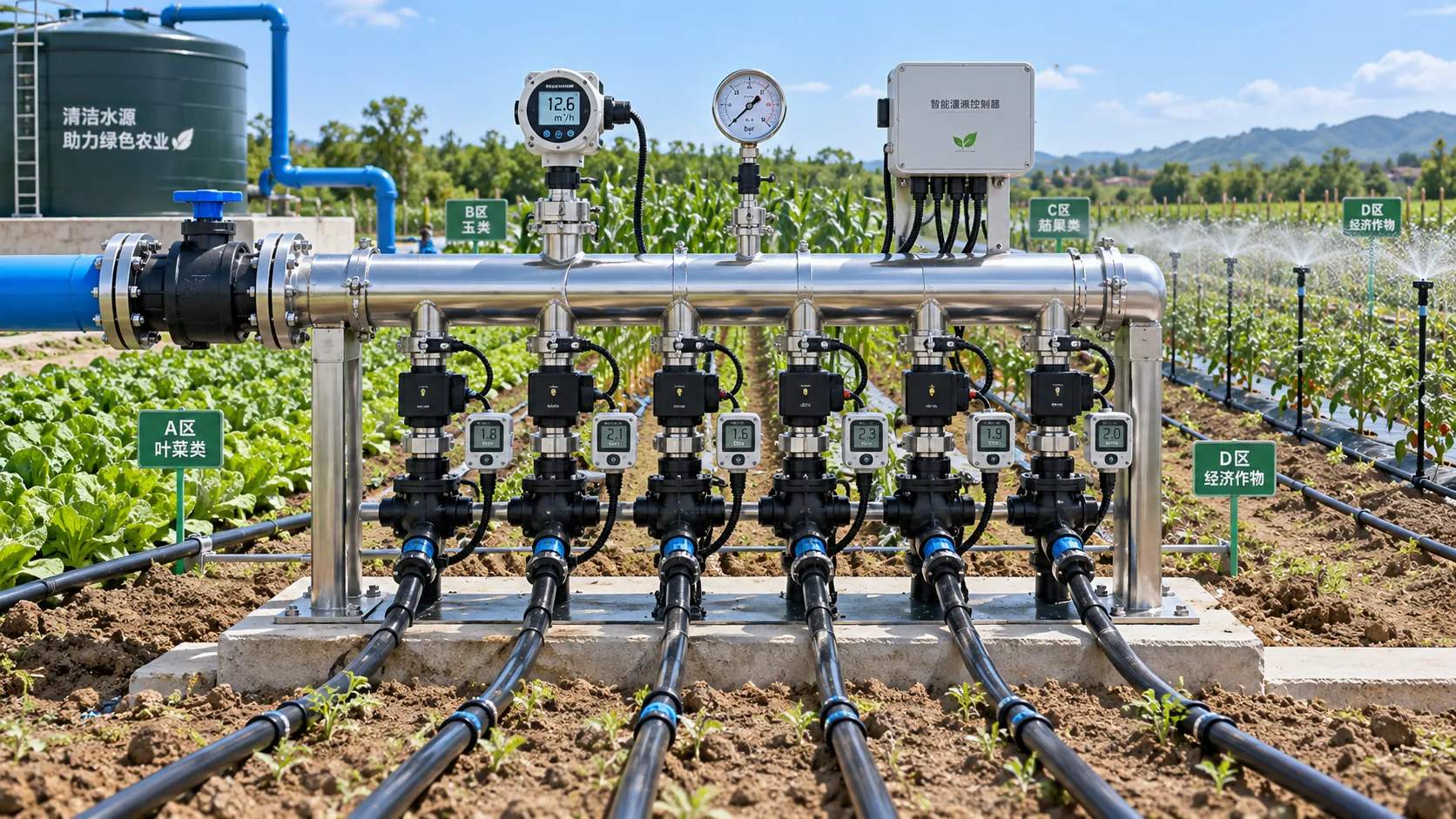
How to Select Smart Irrigation Valves for Multi-Zone Water Management?
Intelligent irrigation systems valves: learn how to match smart valves with multi-zone flow, pressure, control, feedback, and communication needs for reliable water management.
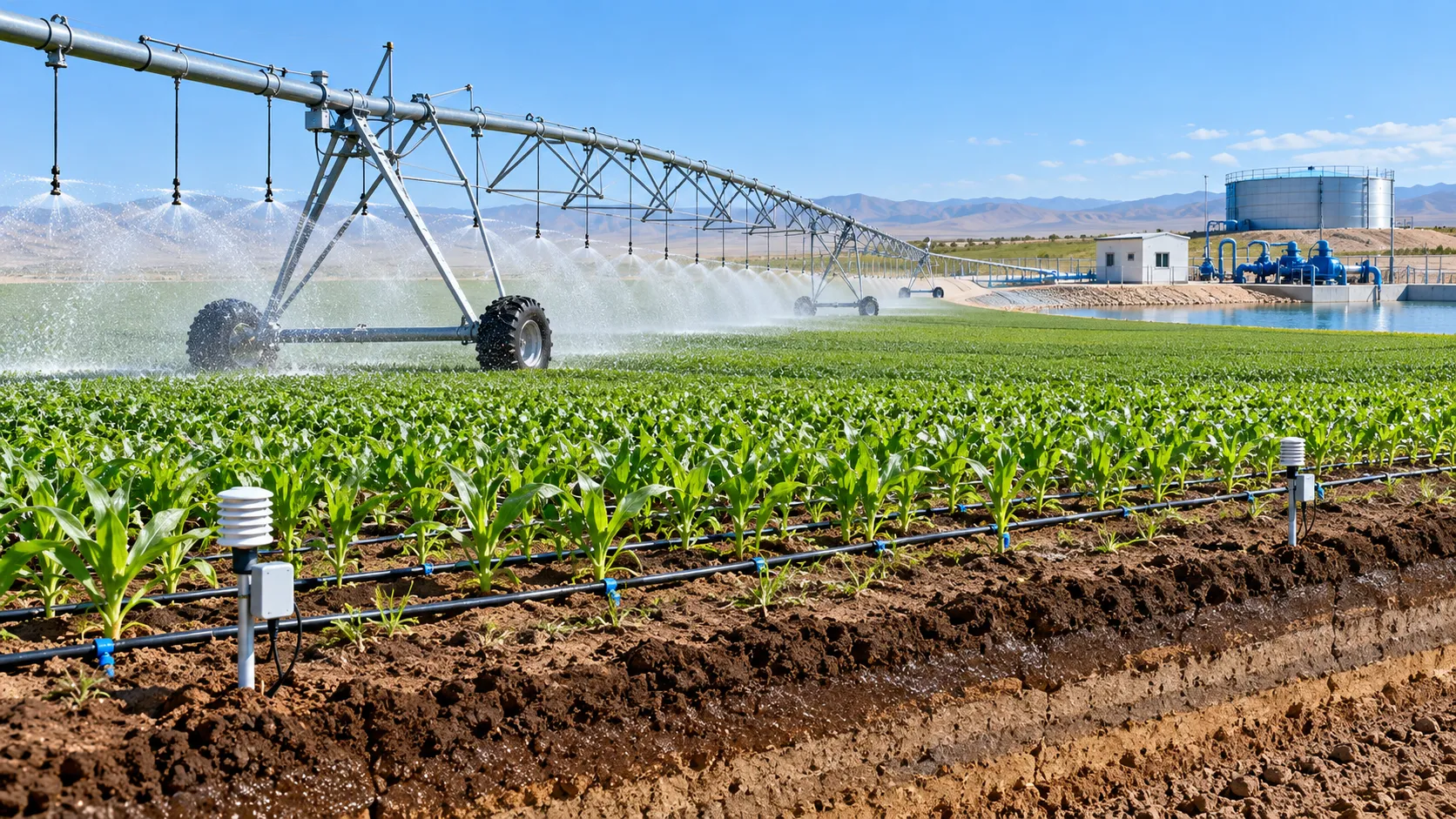
Climate-Smart Farming for Drought: A Practical Plan for Protecting Yields
Climate-smart farming for drought: build smarter water budgets, protect critical crop stages, improve irrigation uniformity, and safeguard yields with practical field-proven strategies.
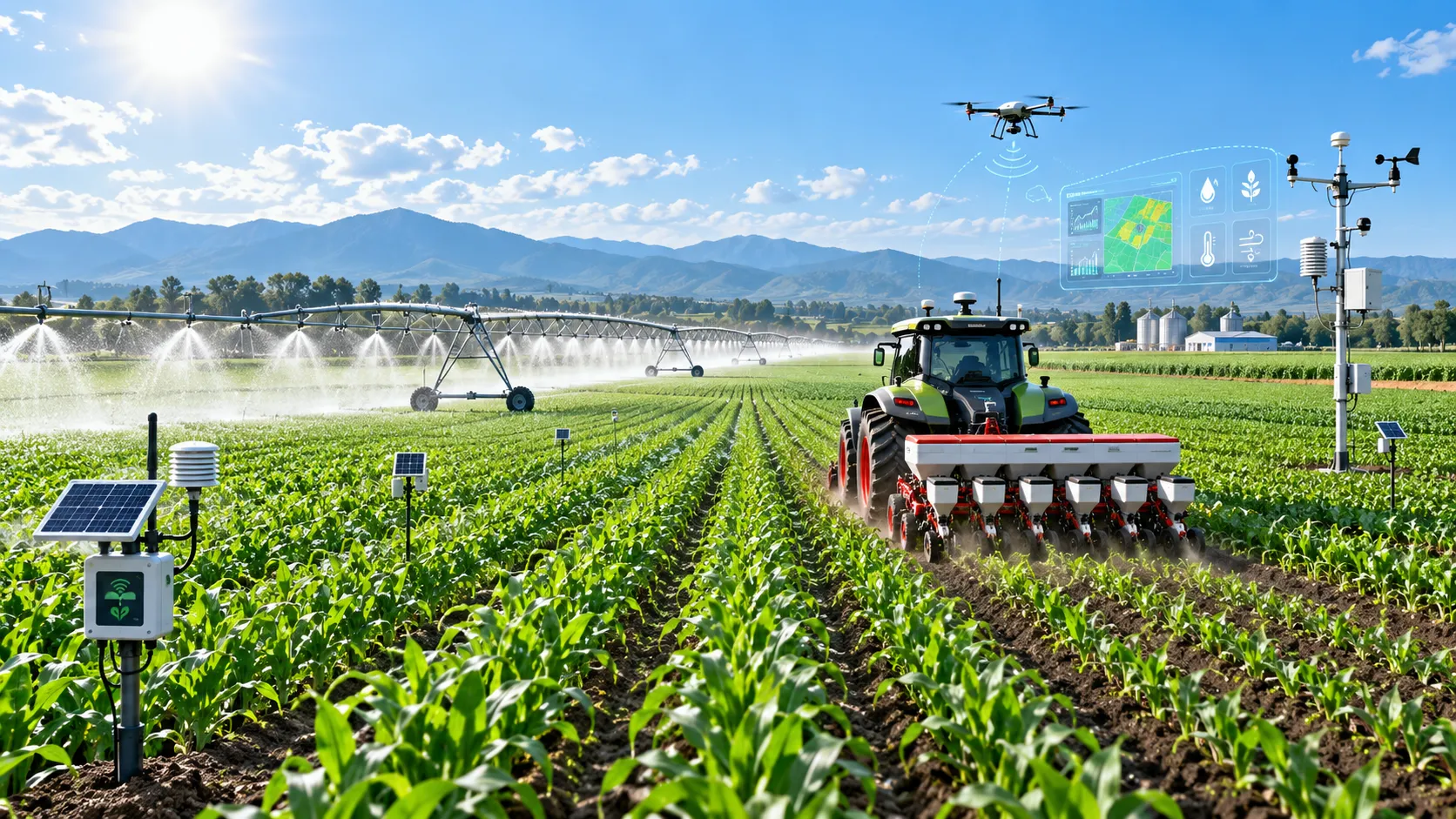
How Digital Agriculture Platforms Turn Field Data Into Better Input Decisions
Digital agriculture platforms turn field data into smarter fertilizer, water, seed, and equipment decisions—helping farms cut risk, improve margins, and scale sustainability.
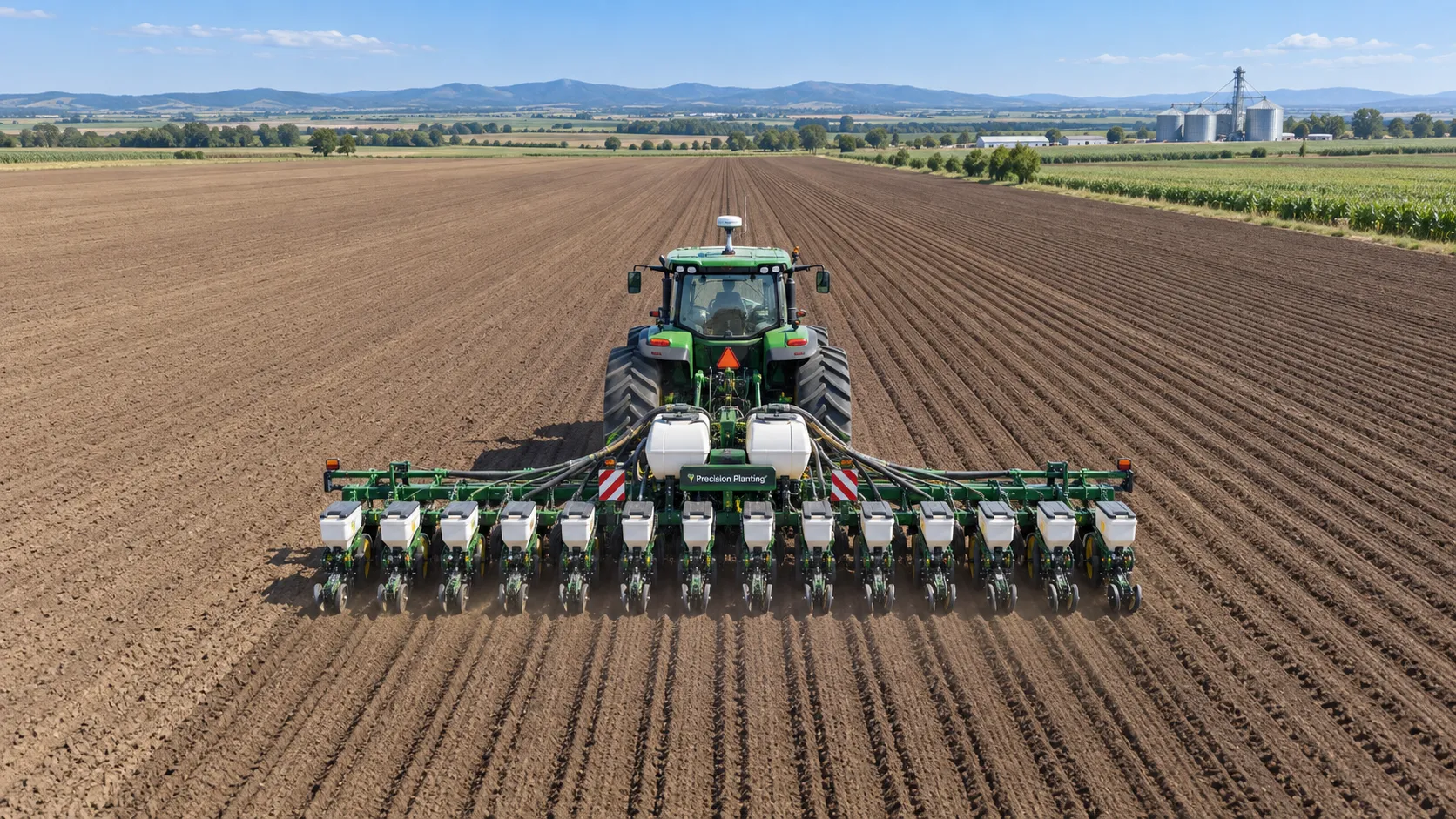
GPS-Guided Farm Machinery: Where It Delivers Measurable Field Efficiency Gains
Agri-mechanization GPS guided systems deliver measurable field efficiency gains through reduced overlap, precise planting, smarter inputs, and reliable farm data.
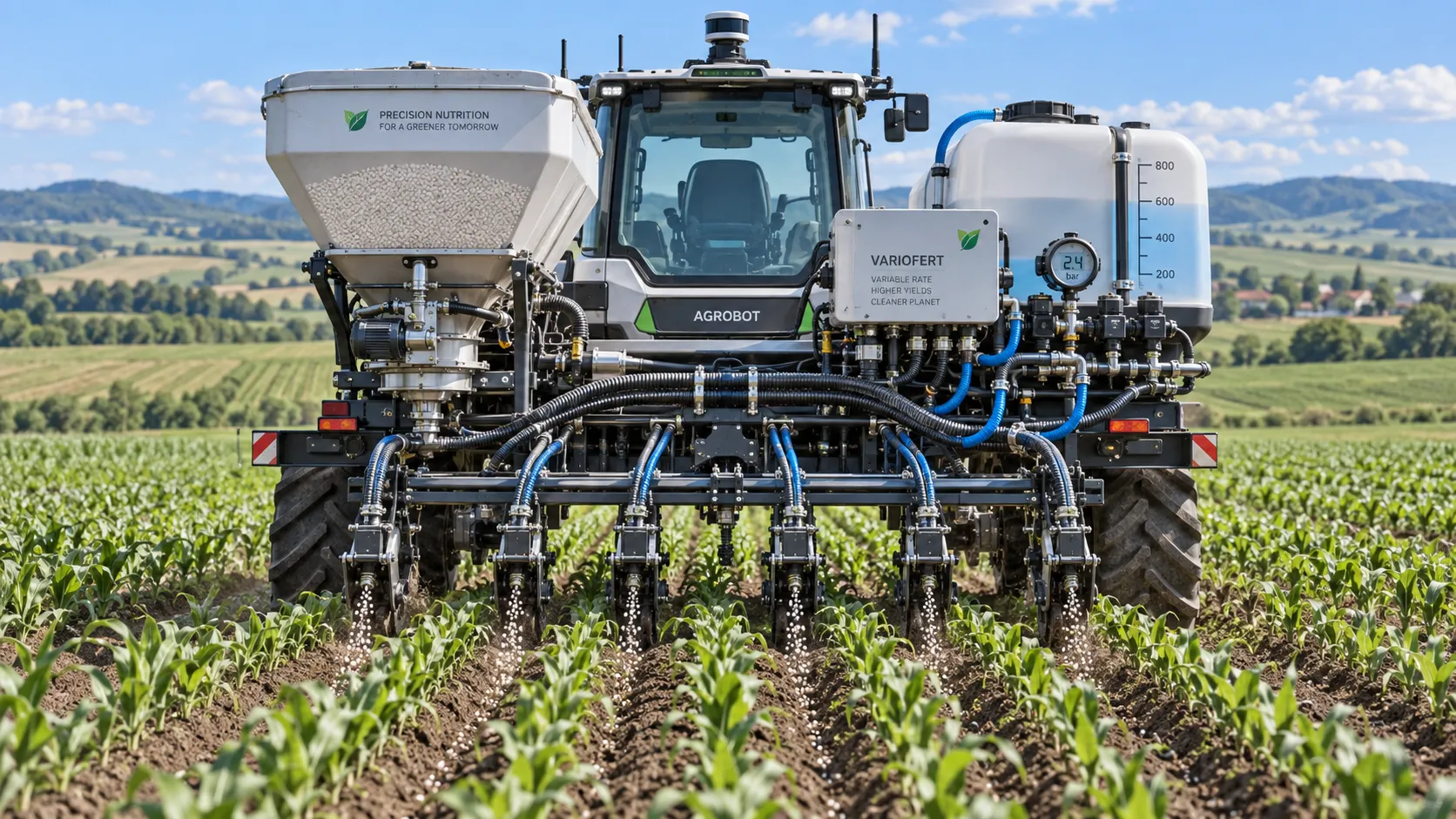
How Sensor Feedback Enables Accurate Variable-Rate Fertilization in Field Conditions
Precision fertilization systems with sensor feedback improve variable-rate accuracy by verifying flow, managing latency, and ensuring reliable field application.
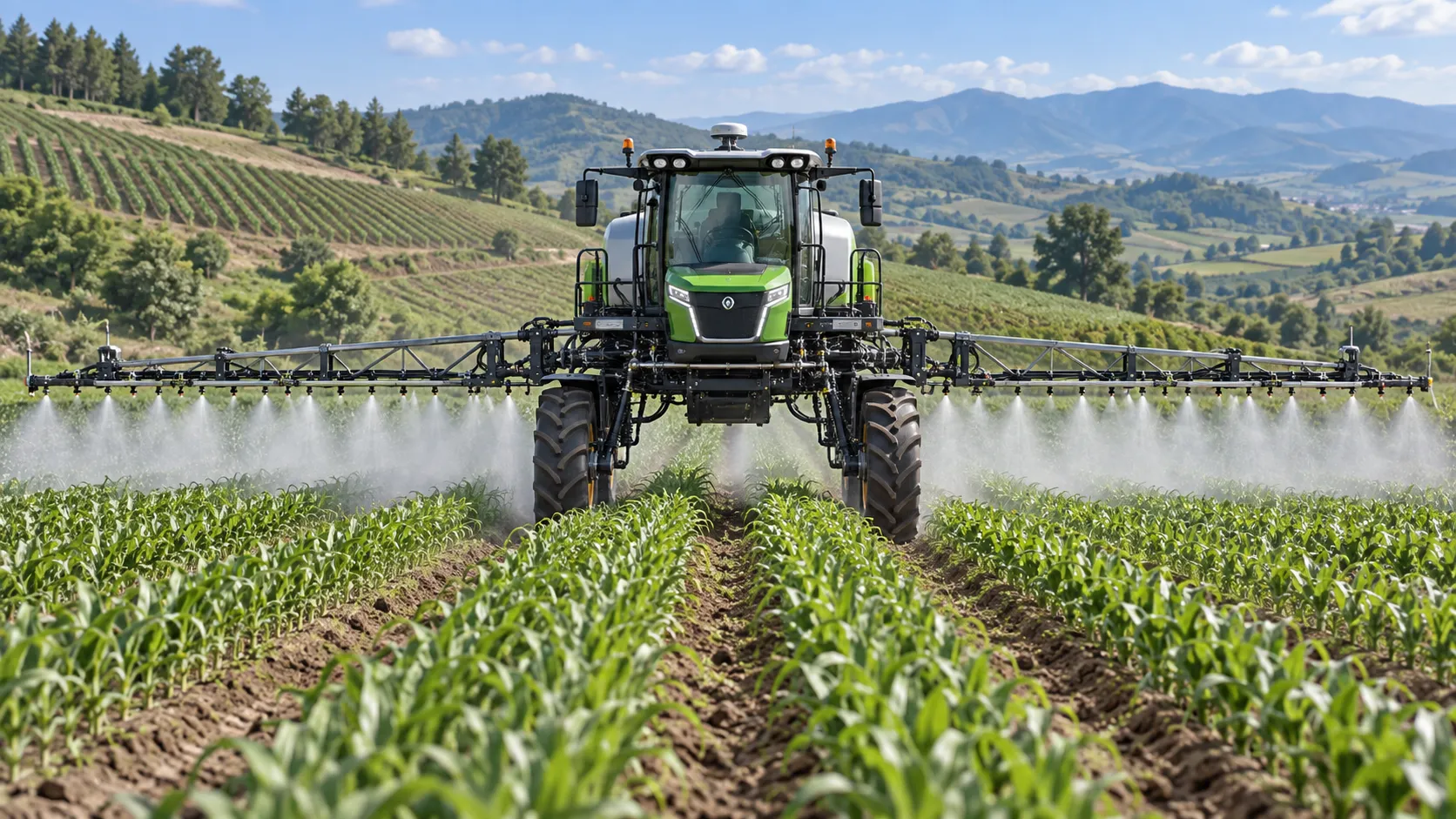
How to Select Precision Crop Protection Equipment for Variable Field Conditions
Precision crop protection equipment selection made simple: compare terrain, canopy, weather, control accuracy, and data workflows for reliable applications.

When Does Agricultural Machinery Leasing Cost Less Than Owning Equipment?
Agricultural machinery leasing can lower farm costs when use is seasonal or uncertain. Compare utilization, maintenance, cash flow, and risk to make a smarter equipment decision.
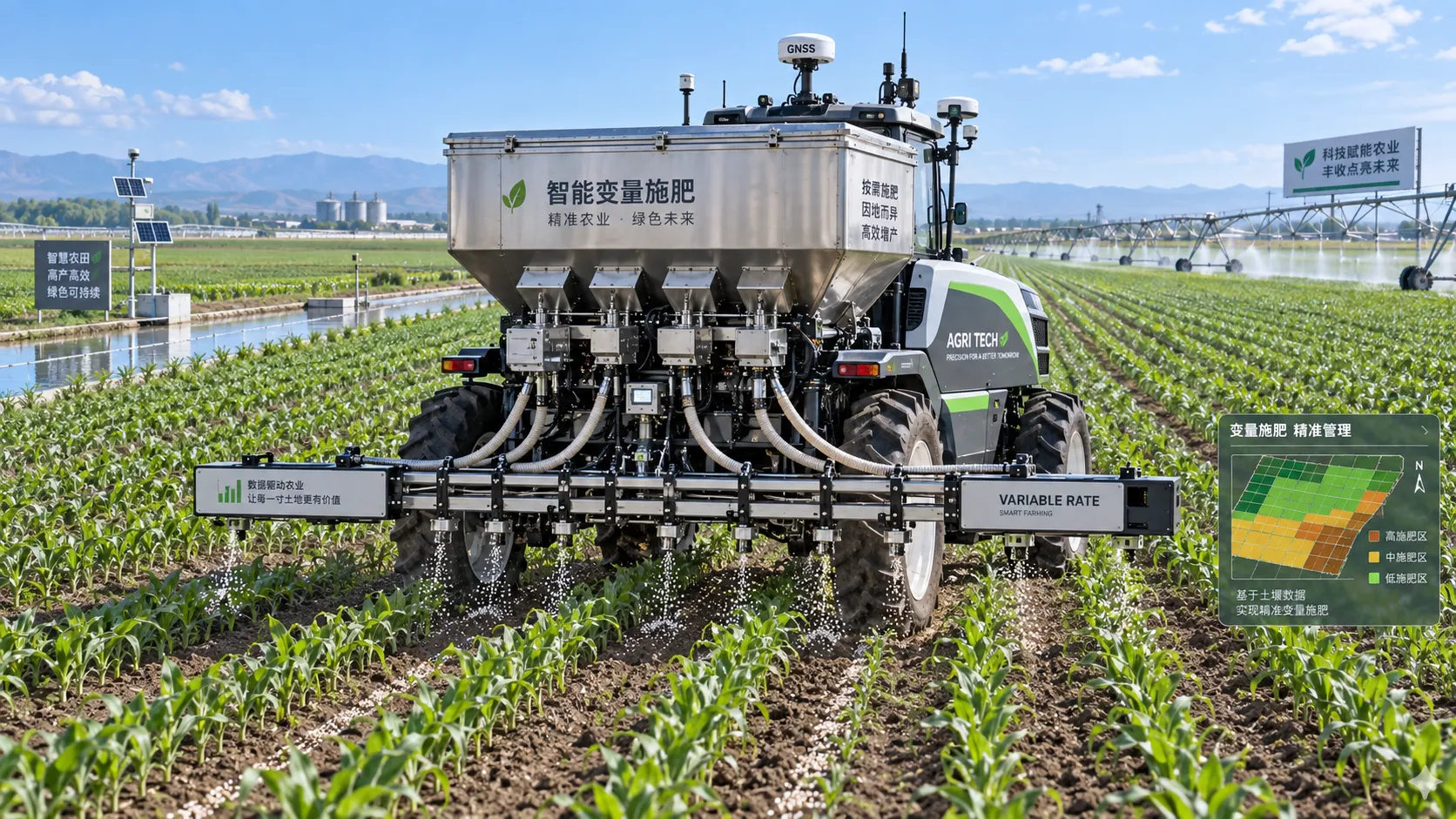
How to Evaluate Precision Fertilization System Suppliers for Farm-Scale Deployment
Precision fertilization systems suppliers: learn how to compare accuracy, integration, uptime, service, and total cost for confident farm-scale deployment.
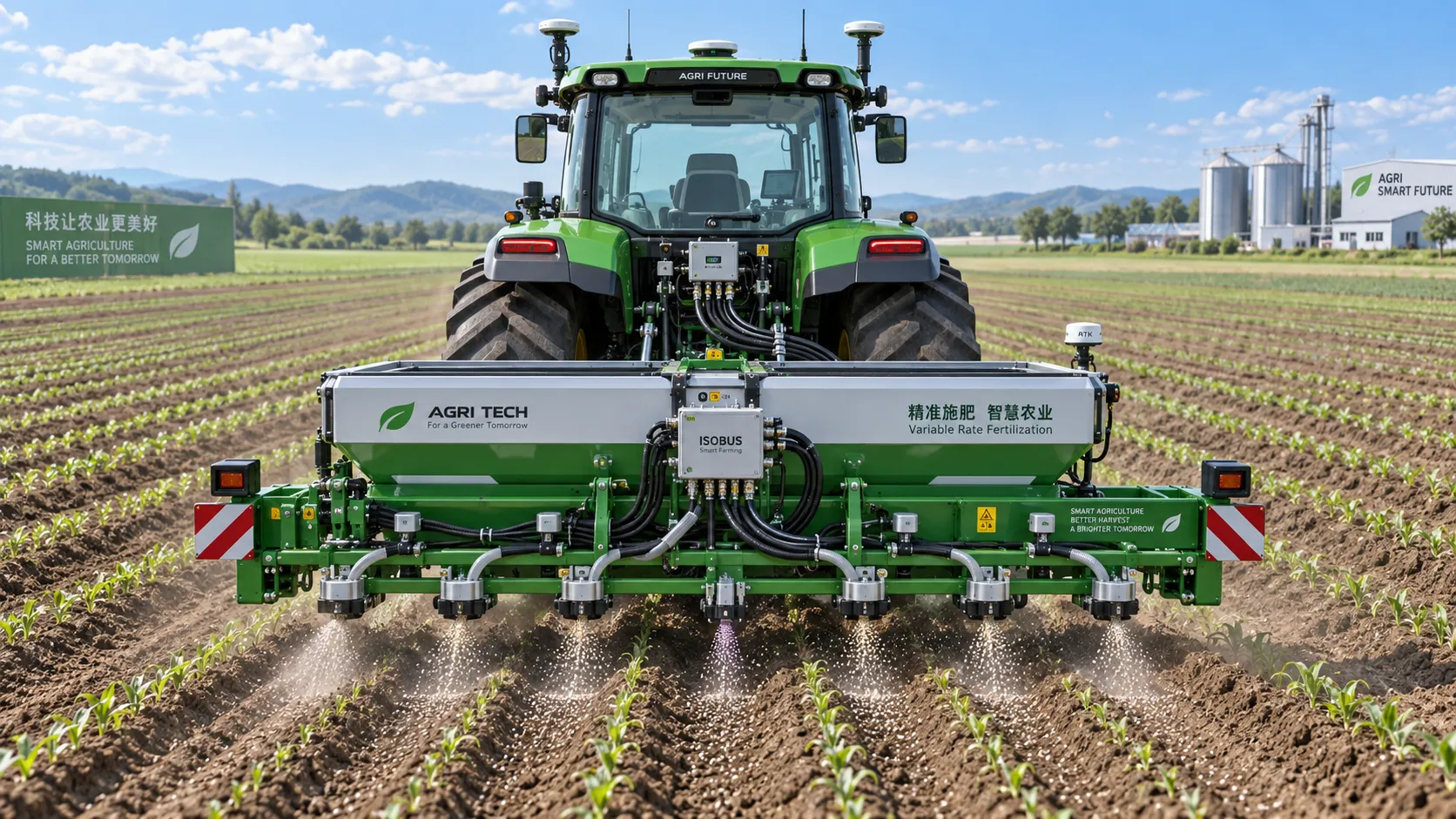
ISOBUS for Smart Agriculture: How It Connects Tractors, Implements, and Farm Data
ISOBUS for smart agriculture connects tractors, implements, terminals, and farm data—helping growers improve precision, documentation, and smarter field decisions.
Related News
- 00
0000-00
How to Select Smart Irrigation Valves for Multi-Zone Water Management? - 00
0000-00
Automated Water-Saving Irrigation: How to Cut Water Use Without Reducing Crop Yields - 00
0000-00
How to Evaluate Drip Irrigation System Manufacturers for Large Farm Projects - 00
0000-00
Wireless Agricultural Automation for Remote Irrigation and Field Monitoring - 00
0000-00
Designing Water-Saving Drip Irrigation Systems for High-Value Orchards
Popular Tags
Hydrological Resource Strategist
Weekly Insights
Stay ahead with our curated technology reports delivered every Monday.