
Indonesia BPOM Fast-Tracks Chinese Smart Irrigation Water Quality Monitors
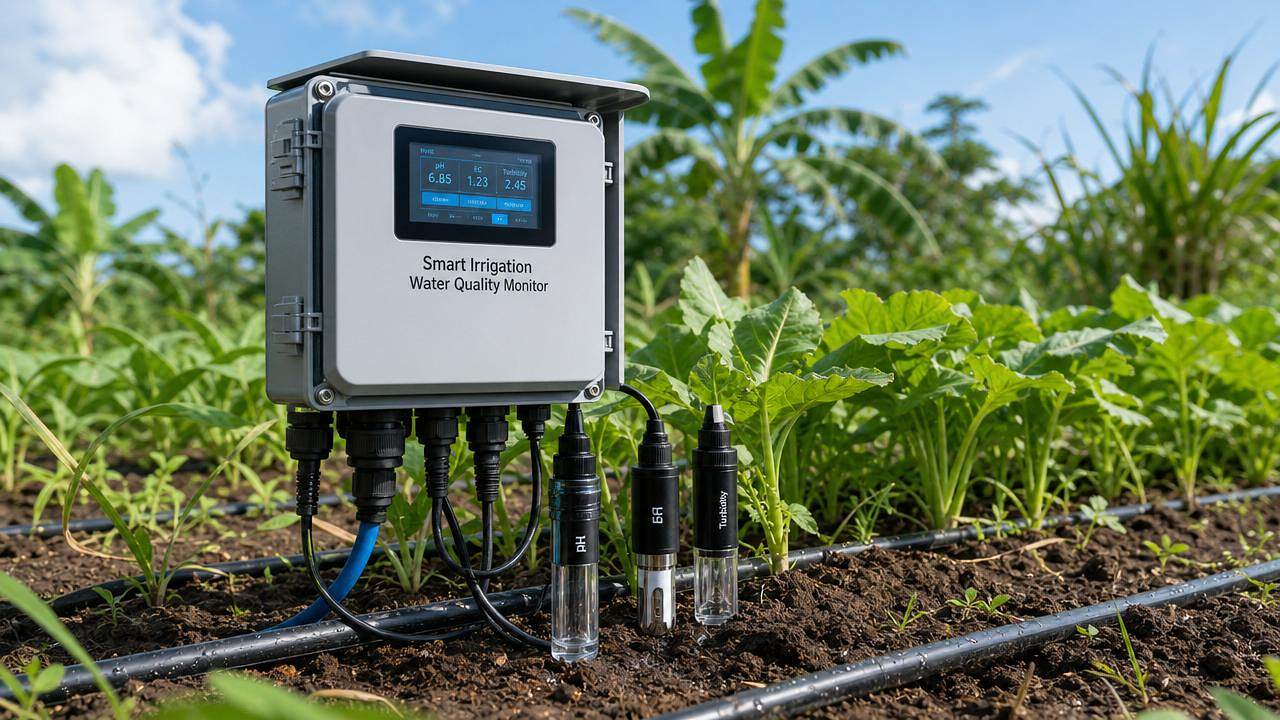




Indonesia BPOM Fast-Tracks Chinese Smart Irrigation Water Quality Monitors
On 13 May 2026, the Indonesian Food and Drug Authority (BPOM) approved the first case under the China–Indonesia Green Certification Mutual Recognition Arrangement. This marks a concrete step in regulatory alignment for environmental and agricultural technology products — specifically, smart irrigation water quality monitoring instruments — and signals a shift toward streamlined market access for certified Chinese environmental hardware in Southeast Asia’s largest economy.
Event Overview
On 13 May 2026, BPOM granted registration for a smart irrigation water quality monitor based solely on test reports issued under China’s national standard GB/T 47065–2025, General Technical Specifications for Smart Irrigation Water Quality Monitors. This is the inaugural implementation of the bilateral green certification mutual recognition mechanism. Under this arrangement, eligible devices certified to GB/T 47065–2025 in China may obtain BPOM registration without retesting or full local conformity assessment. The approval timeline has been reduced from 180 days to 15 working days, and compliance-related costs have dropped by over 60%.
Industries Affected
Direct Trade Enterprises: Exporters of smart irrigation monitoring systems — particularly those integrated with drip irrigation logic platforms — now face significantly lower entry barriers into Indonesia. The shortened registration window directly improves cash flow predictability and enables faster response to seasonal demand spikes (e.g., pre-planting periods). However, eligibility remains strictly tied to full compliance with GB/T 47065–2025; non-conforming variants still require full BPOM evaluation.
Raw Material Procurement Enterprises: Suppliers of sensor components (e.g., conductivity, pH, turbidity, and nitrate sensors), low-power microcontrollers, and corrosion-resistant housing materials may see increased order visibility — but only for suppliers whose downstream clients hold valid GB/T 47065–2025-compliant product certifications. Demand uplift is conditional, not automatic, and hinges on traceability documentation aligned with the standard’s material and environmental durability clauses.
Manufacturing Enterprises: OEM/ODM producers assembling water quality monitors for export must now institutionalize GB/T 47065–2025 as their baseline design and verification framework — not merely as a testing checklist. The standard mandates specific electromagnetic compatibility (EMC), IP68 ingress protection, and 12-month field stability requirements. Manufacturing process controls, calibration protocols, and batch-level documentation must reflect these thresholds to sustain eligibility.
Supply Chain Service Providers: Regulatory consultancies, testing laboratories accredited for GB/T 47065–2025, and customs brokers specializing in agri-tech hardware are positioned to support accelerated submissions. Yet their value-add is increasingly tied to end-to-end certification management — including pre-submission gap analysis, BPOM dossier translation and formatting, and post-registration surveillance readiness — rather than one-off testing facilitation.
Key Considerations and Recommended Actions
Verify GB/T 47065–2025 Compliance Rigorously
Not all Chinese test reports qualify: only those issued by CNAS-accredited laboratories conducting full-scope validation per GB/T 47065–2025 — including environmental stress testing and interoperability checks with common irrigation controllers — are accepted. Firms should audit their current lab partners’ scope certificates before initiating BPOM applications.
Prepare Documentation for BPOM’s Local Representative Requirement
Even under mutual recognition, BPOM mandates appointment of an in-country authorized representative (ICAR) responsible for post-market surveillance and adverse event reporting. Exporters must formalize this relationship prior to submission — a step not covered by the mutual recognition agreement itself.
Monitor Scope Limitations of the Current Arrangement
This fast-track applies exclusively to standalone water quality monitors meeting GB/T 47065–2025. Integrated systems (e.g., monitors bundled with automated valve controllers or cloud analytics platforms) fall outside the current scope and remain subject to standard BPOM review timelines and requirements.
Editorial Perspective / Industry Observation
Observably, this is less a broad deregulatory shift and more a targeted, standards-based corridor — one that rewards upstream technical harmonization over ad hoc approvals. Analysis shows that BPOM’s decision reflects growing institutional confidence in China’s capacity to develop internationally aligned environmental hardware standards, particularly where sustainability-linked use cases (e.g., water-use efficiency in agriculture) align with Indonesia’s National Climate Action Plan. That said, scalability beyond this single product category depends on whether additional joint technical working groups emerge to expand the mutual recognition list — a development currently unconfirmed.
Conclusion
This milestone is meaningfully symbolic: it demonstrates how bilateral green standards cooperation can concretely reduce time-to-market friction for climate-resilient agri-tech. Yet it should be understood not as a general easing of Indonesian import regulation, but as a precedent — one whose broader applicability hinges on continued technical alignment, transparent enforcement, and replicable verification infrastructure on both sides.
Source Attribution
Official announcement: BPOM Circular No. HK.01.07/B/345/2026 (issued 13 May 2026); supporting technical annex published by the Standardization Administration of China (SAC), GB/T 47065–2025 (effective 1 January 2026). Further details on application procedures are available via BPOM’s e-Registration Portal (registration.bpom.go.id). Note: Expansion to additional product categories under the mutual recognition arrangement remains under intergovernmental consultation — status to be updated by Q4 2026.
Related News
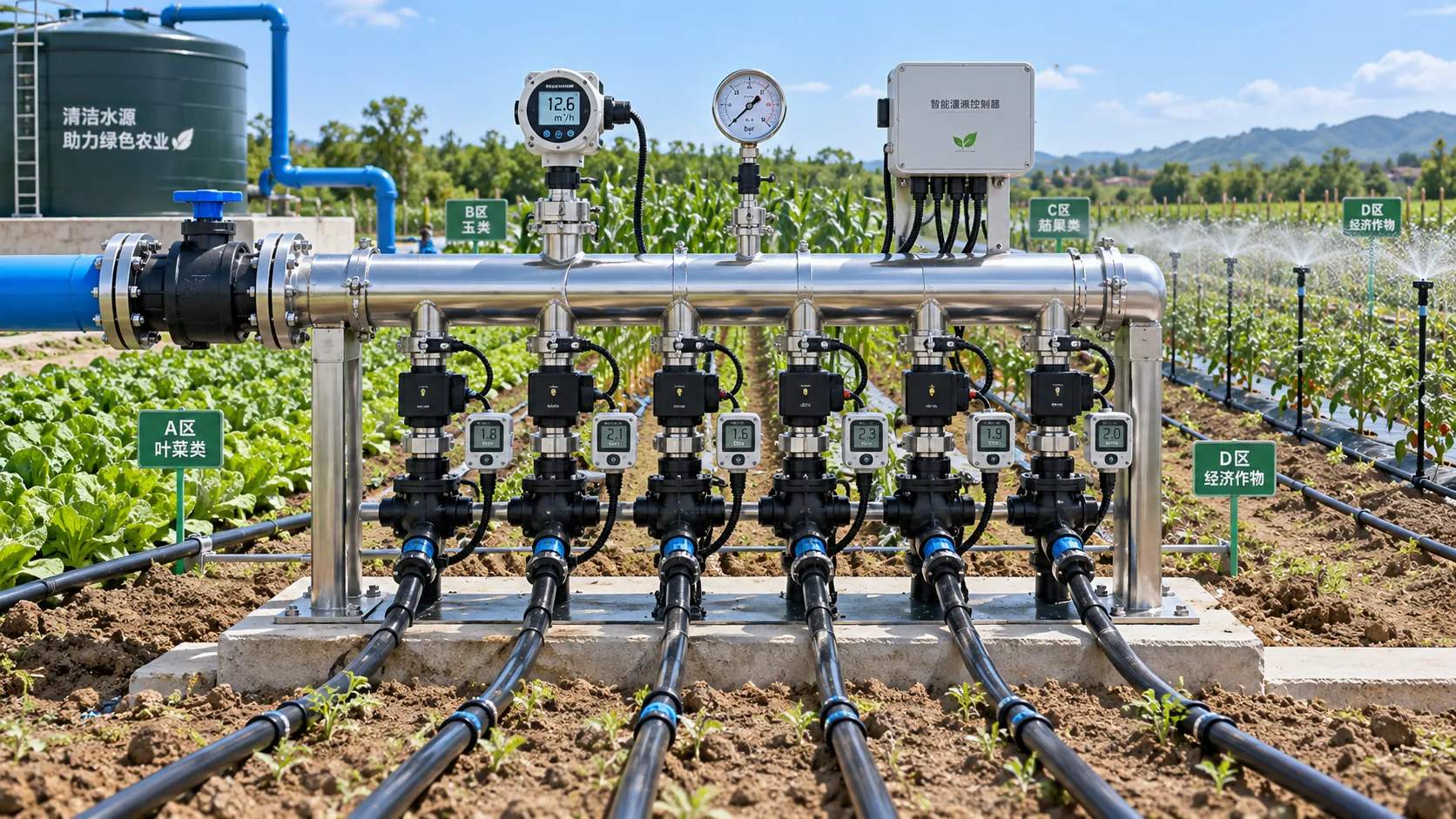
How to Select Smart Irrigation Valves for Multi-Zone Water Management?
Intelligent irrigation systems valves: learn how to match smart valves with multi-zone flow, pressure, control, feedback, and communication needs for reliable water management.
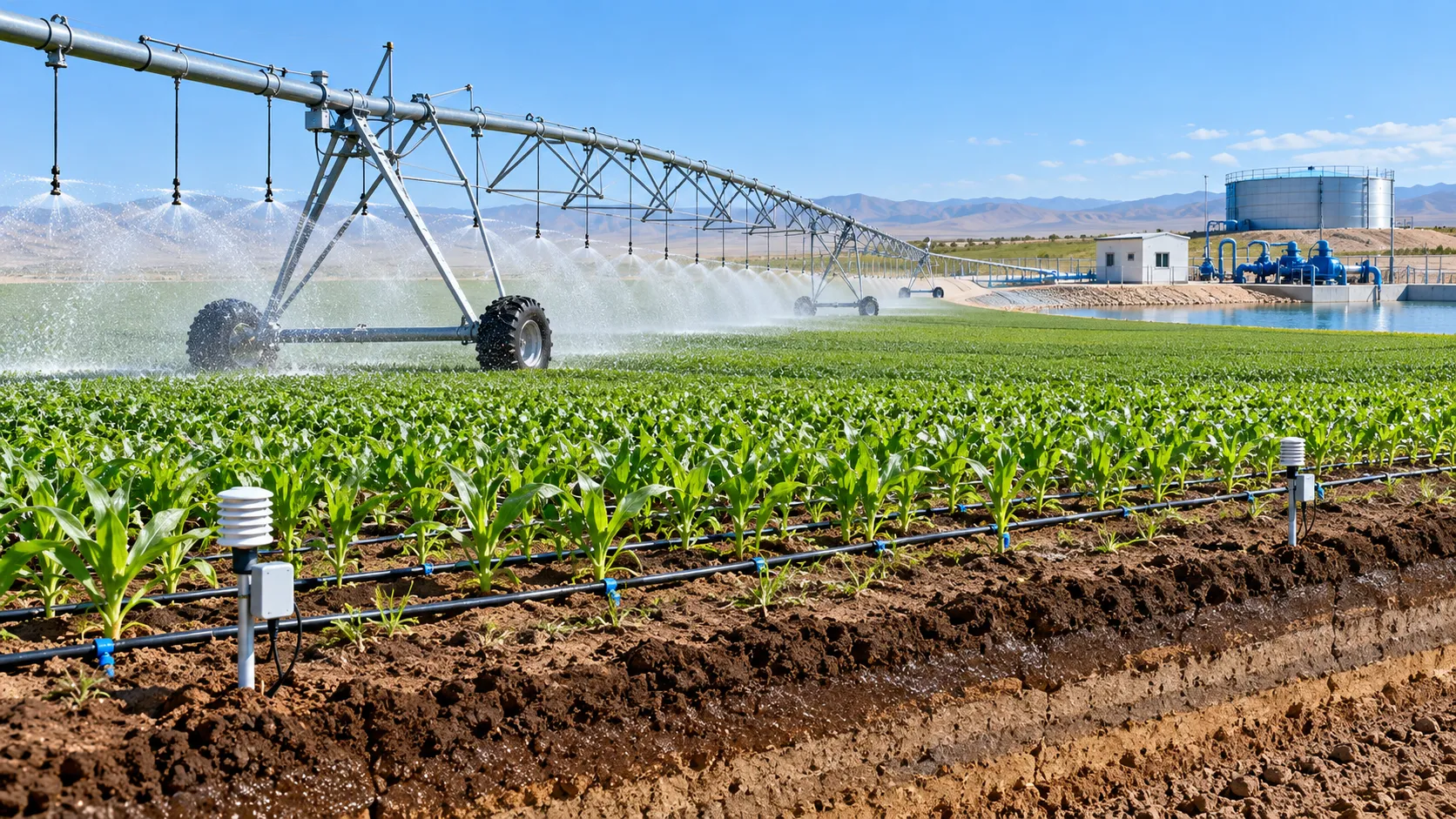
Climate-Smart Farming for Drought: A Practical Plan for Protecting Yields
Climate-smart farming for drought: build smarter water budgets, protect critical crop stages, improve irrigation uniformity, and safeguard yields with practical field-proven strategies.
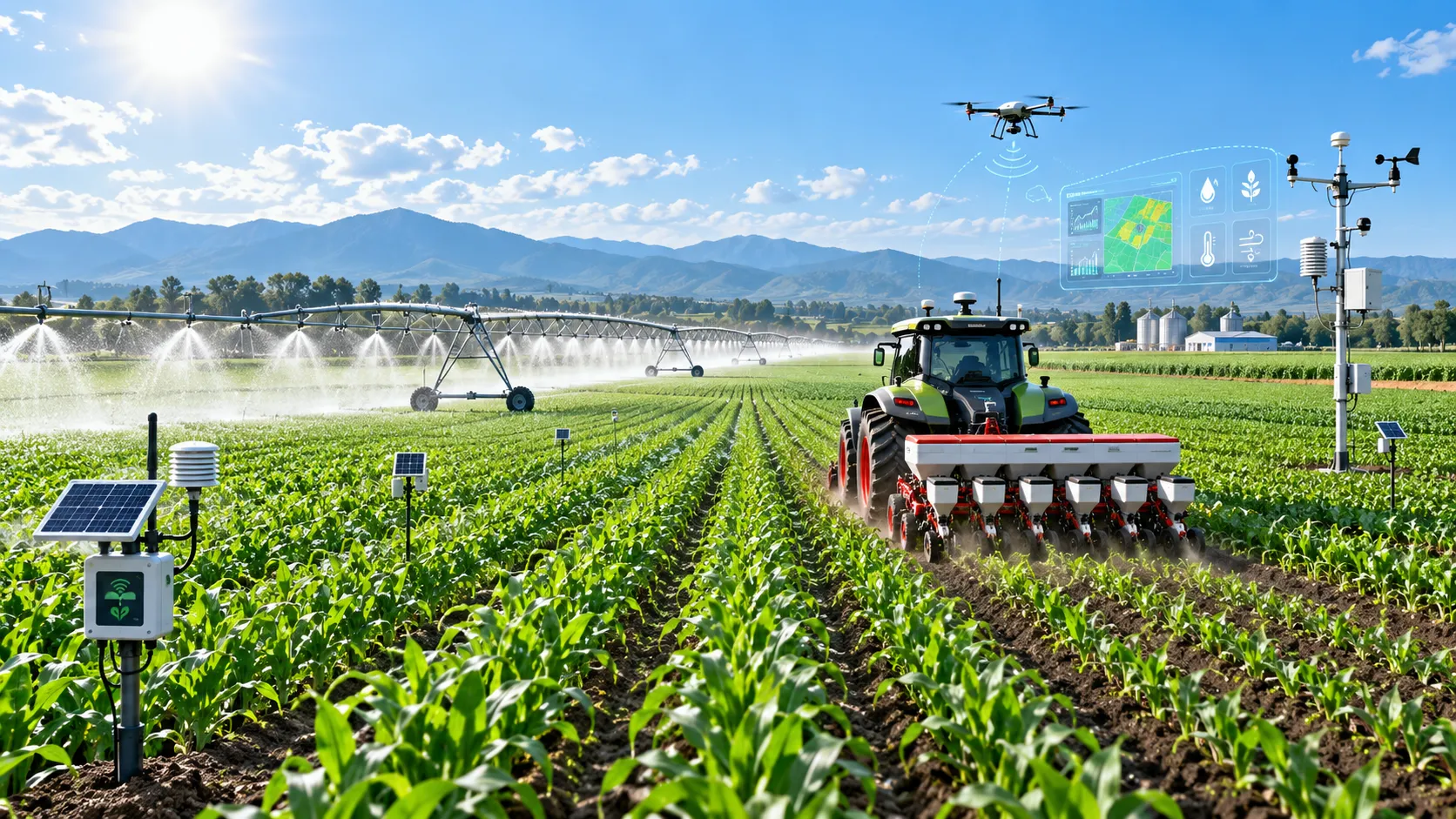
How Digital Agriculture Platforms Turn Field Data Into Better Input Decisions
Digital agriculture platforms turn field data into smarter fertilizer, water, seed, and equipment decisions—helping farms cut risk, improve margins, and scale sustainability.
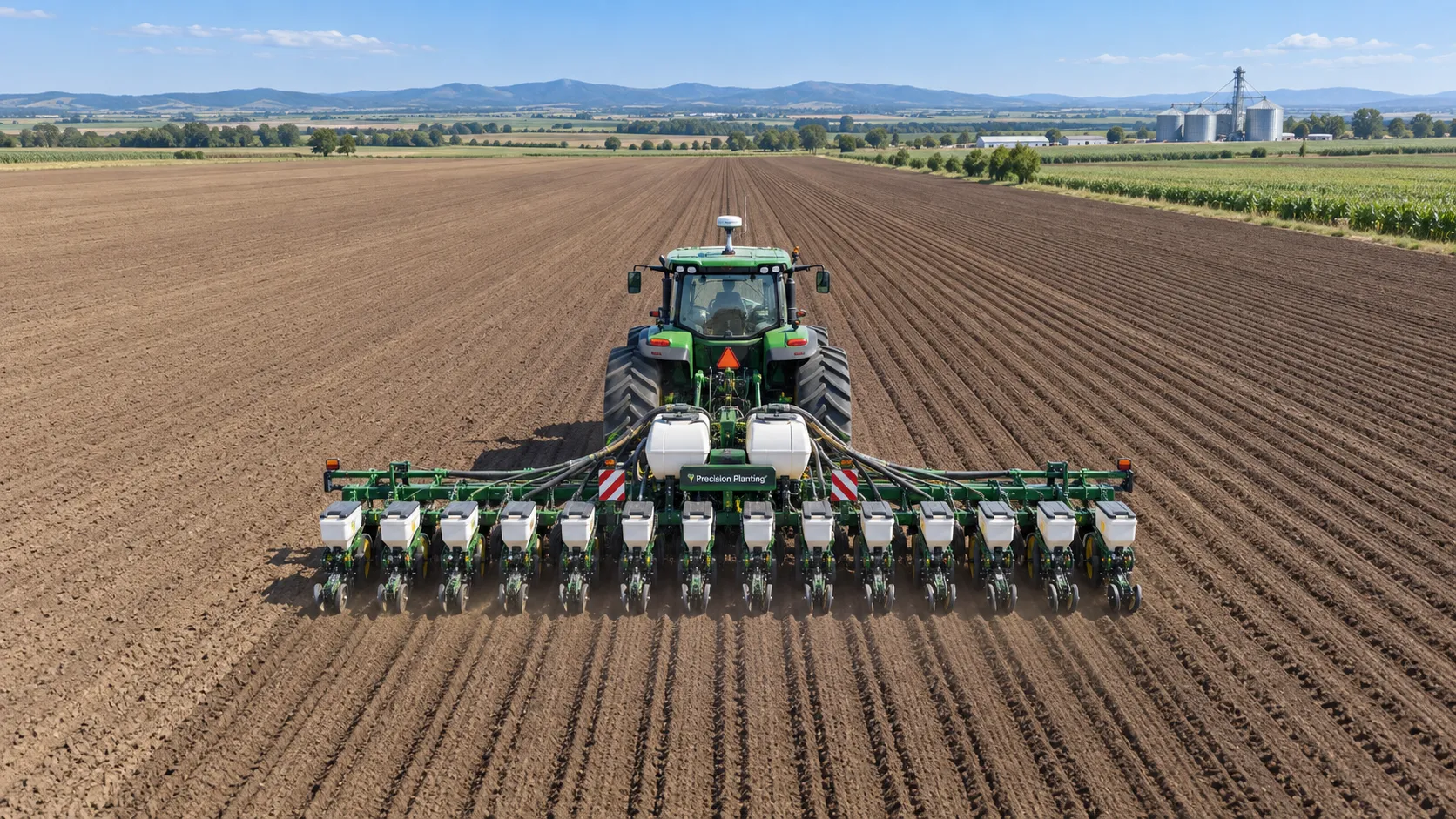
GPS-Guided Farm Machinery: Where It Delivers Measurable Field Efficiency Gains
Agri-mechanization GPS guided systems deliver measurable field efficiency gains through reduced overlap, precise planting, smarter inputs, and reliable farm data.
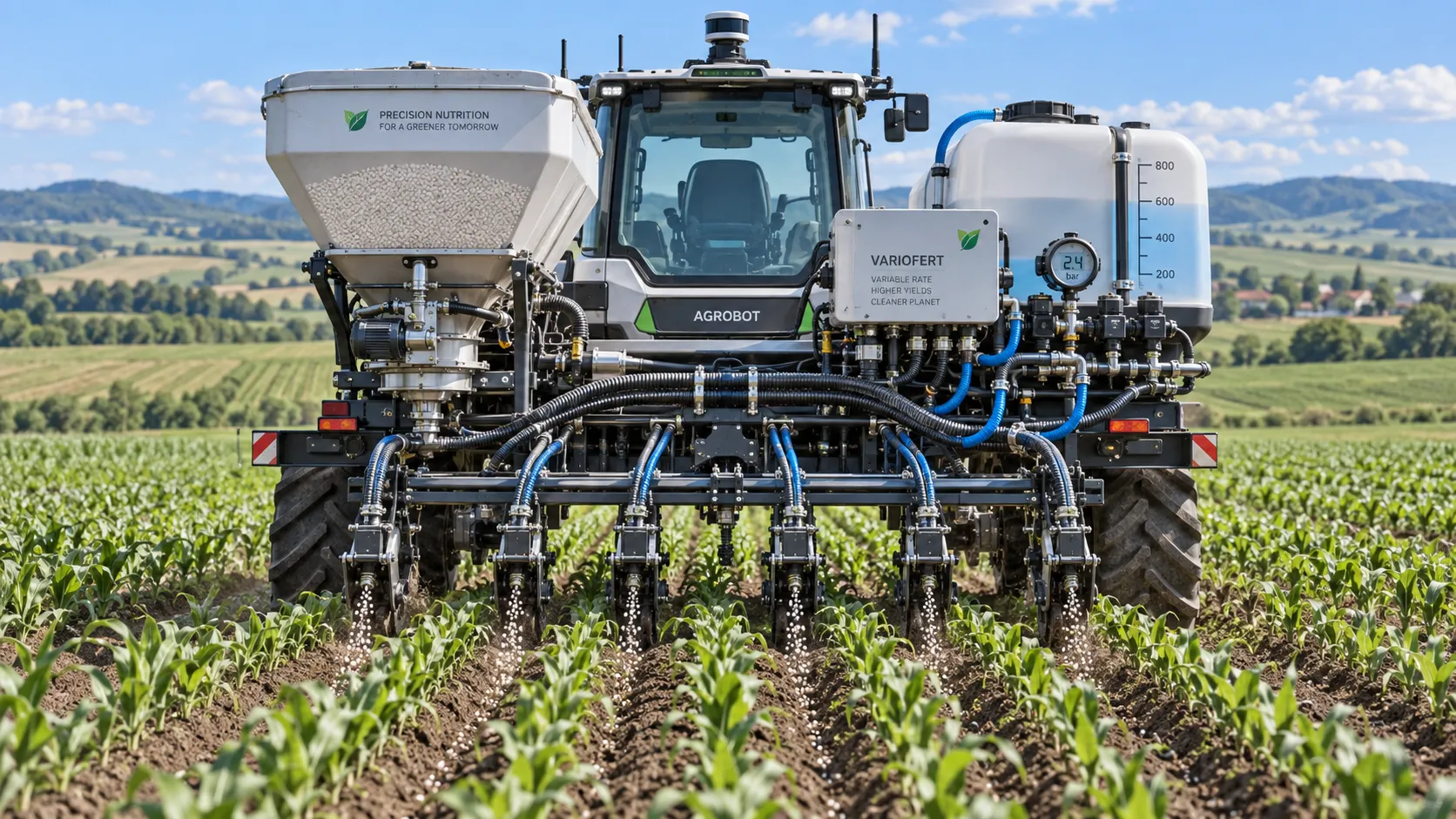
How Sensor Feedback Enables Accurate Variable-Rate Fertilization in Field Conditions
Precision fertilization systems with sensor feedback improve variable-rate accuracy by verifying flow, managing latency, and ensuring reliable field application.
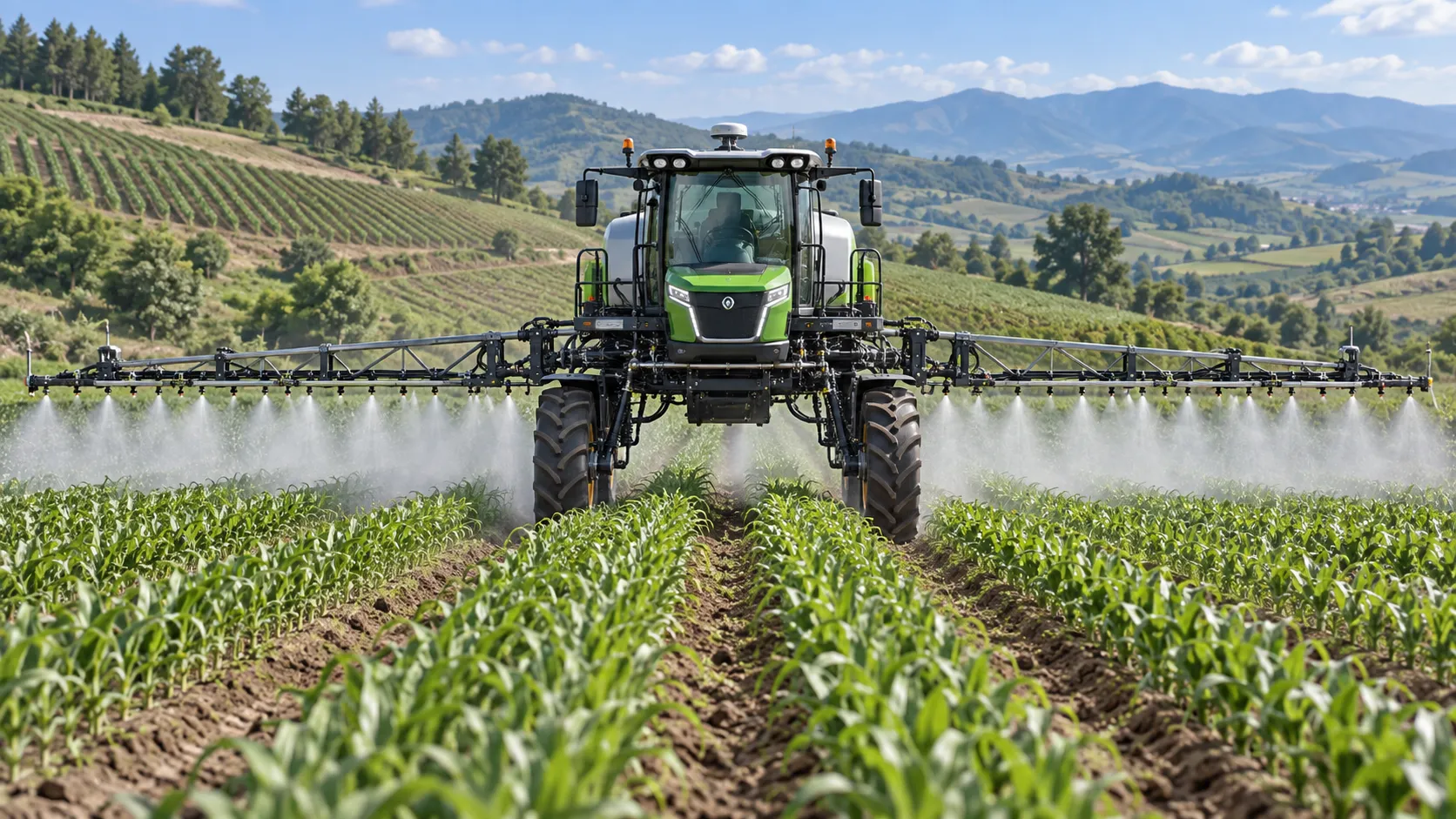
How to Select Precision Crop Protection Equipment for Variable Field Conditions
Precision crop protection equipment selection made simple: compare terrain, canopy, weather, control accuracy, and data workflows for reliable applications.

When Does Agricultural Machinery Leasing Cost Less Than Owning Equipment?
Agricultural machinery leasing can lower farm costs when use is seasonal or uncertain. Compare utilization, maintenance, cash flow, and risk to make a smarter equipment decision.

How to Evaluate Precision Fertilization System Suppliers for Farm-Scale Deployment
Precision fertilization systems suppliers: learn how to compare accuracy, integration, uptime, service, and total cost for confident farm-scale deployment.

ISOBUS for Smart Agriculture: How It Connects Tractors, Implements, and Farm Data
ISOBUS for smart agriculture connects tractors, implements, terminals, and farm data—helping growers improve precision, documentation, and smarter field decisions.
Related News
- 00
0000-00
How to Select Smart Irrigation Valves for Multi-Zone Water Management? - 00
0000-00
Automated Water-Saving Irrigation: How to Cut Water Use Without Reducing Crop Yields - 00
0000-00
How to Evaluate Drip Irrigation System Manufacturers for Large Farm Projects - 00
0000-00
Wireless Agricultural Automation for Remote Irrigation and Field Monitoring - 00
0000-00
Designing Water-Saving Drip Irrigation Systems for High-Value Orchards
Popular Tags
Hydrological Resource Strategist
Weekly Insights
Stay ahead with our curated technology reports delivered every Monday.