
Indonesia BPOM Accelerates Approval for Chinese Smart Irrigation Water Quality Monitors
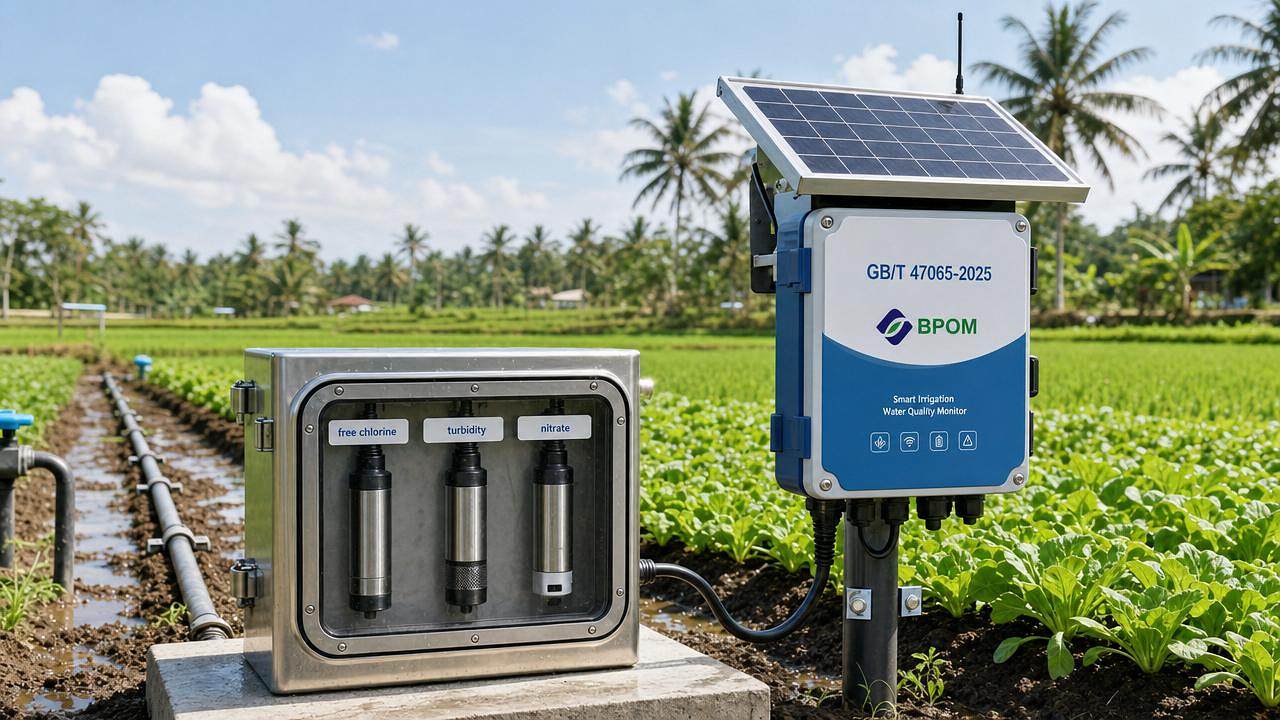




On May 16, 2026, Indonesia’s National Agency of Drug and Food Control (BPOM) granted equivalency recognition to China’s GB/T 47065-2025 standard—General Technical Specifications for Smart Irrigation Water Quality Monitoring Equipment—marking the first implemented case under the China–Indonesia Green Certification Mutual Recognition Arrangement. This enables Chinese manufacturers to access BPOM’s fast-track approval pathway (≤7 working days) using test reports issued against the Chinese standard. The initial scope covers three-parameter devices measuring free chlorine, turbidity, and nitrate, directly affecting over 60 Chinese exporting enterprises in smart agriculture hardware and environmental monitoring equipment.
Event Overview
On May 16, 2026, Indonesia’s BPOM officially approved the equivalency recognition of China’s national standard GB/T 47065-2025 for smart irrigation water quality monitoring equipment. Under this arrangement, Chinese manufacturers may submit test reports compliant with GB/T 47065-2025 to qualify for BPOM’s expedited regulatory review process, with a maximum processing time of seven working days. The recognition currently applies exclusively to devices measuring free chlorine, turbidity, and nitrate. No additional scope expansion or implementation timelines beyond this initial coverage have been publicly announced.
Industries Affected
Direct Exporters of Smart Irrigation Monitoring Equipment
These enterprises—primarily Chinese manufacturers supplying water quality sensors and integrated irrigation controllers to Indonesian agricultural technology distributors—are directly impacted because BPOM’s fast-track pathway lowers time-to-market and reduces local conformity assessment costs. The impact manifests as shortened regulatory lead times and reduced reliance on redundant Indonesian-specific testing, provided their products fall within the three-parameter scope and are certified to GB/T 47065-2025.
Manufacturers of Embedded Sensors and Modular Components
OEM/ODM suppliers producing core sensing modules (e.g., electrochemical nitrate sensors, optical turbidity cells) used in final irrigation monitors may face upstream demand shifts. If their downstream clients reconfigure product lines to align with GB/T 47065-2025–compliant designs for the Indonesian market, these component makers may need to adjust calibration protocols, documentation formats, or traceability reporting to support client certification submissions.
Testing and Certification Service Providers
Laboratories accredited to issue GB/T 47065-2025 test reports—particularly those with CNAS accreditation and experience in water quality sensor validation—stand to see increased demand from exporters seeking BPOM-accepted documentation. Conversely, labs lacking GB/T 47065-2025 testing capability or formal recognition under China’s mandatory certification framework may find their service relevance diminished for this specific export corridor.
Key Considerations and Recommended Actions for Stakeholders
Monitor official updates from BPOM and China’s SAMR on scope extension
The current recognition is limited to three parameters and one Chinese standard. Stakeholders should track announcements from both BPOM and China’s State Administration for Market Regulation (SAMR) regarding potential inclusion of additional parameters (e.g., pH, conductivity, ammonium), device classes (e.g., wireless gateways, solar-powered units), or supplementary standards—none of which are confirmed at this stage.
Verify alignment between existing product specifications and GB/T 47065-2025 requirements
Exporters must confirm whether their current models meet all technical, labeling, electromagnetic compatibility (EMC), and data logging provisions in GB/T 47065-2025—not just functional measurement accuracy. Non-compliance in documentation structure, unit marking, or minimum sampling frequency could invalidate eligibility for the fast-track pathway, even if performance metrics are adequate.
Distinguish policy signal from operational readiness
This mutual recognition is a regulatory agreement—not an automatic approval mechanism. Companies must still submit complete dossiers to BPOM; only the technical evaluation phase is accelerated. Filing delays due to incomplete administrative documentation, inconsistent branding, or unverified manufacturer information remain unaffected by the arrangement.
Prepare localized technical files and distributor coordination protocols
While testing can be conducted in China, BPOM retains authority over final registration, labeling verification, and post-market surveillance. Exporters should ensure Indonesian-distributor-facing materials—including user manuals, safety warnings, and warranty terms—are pre-reviewed for Bahasa Indonesia compliance and regulatory alignment, avoiding last-minute revisions that delay final issuance.
Editorial Perspective / Industry Observation
Observably, this development functions primarily as a procedural signal rather than an immediate commercial catalyst. It confirms institutional willingness to harmonize green-tech regulatory frameworks between China and Indonesia—but does not alter tariff treatment, import licensing, or local after-sales obligations. Analysis shows that its near-term value lies in reducing administrative friction for a narrow but strategically relevant product segment, rather than enabling broad market access. From an industry perspective, sustained attention is warranted not for immediate revenue impact, but because it sets a precedent for future mutual recognition across other ASEAN markets and environmental monitoring categories—provided further bilateral technical consultations proceed.
Conclusion: This mutual recognition marks a targeted, administratively significant step in regulatory cooperation—not a sweeping market-opening event. It is best understood as a pilot mechanism validating interoperability between two national green-tech standards, with tangible benefits confined to a defined product subset and contingent upon strict adherence to GB/T 47065-2025. Stakeholders should treat it as an operational efficiency tool for specific exports, not a generalized trade facilitation milestone.
Source: Official announcement issued by Indonesia’s BPOM on May 16, 2026; referenced standard GB/T 47065-2025 published by China’s Standardization Administration. Scope limitations and absence of further parameter or standard inclusions remain subject to ongoing bilateral consultation and have not been confirmed by either authority.
Related News
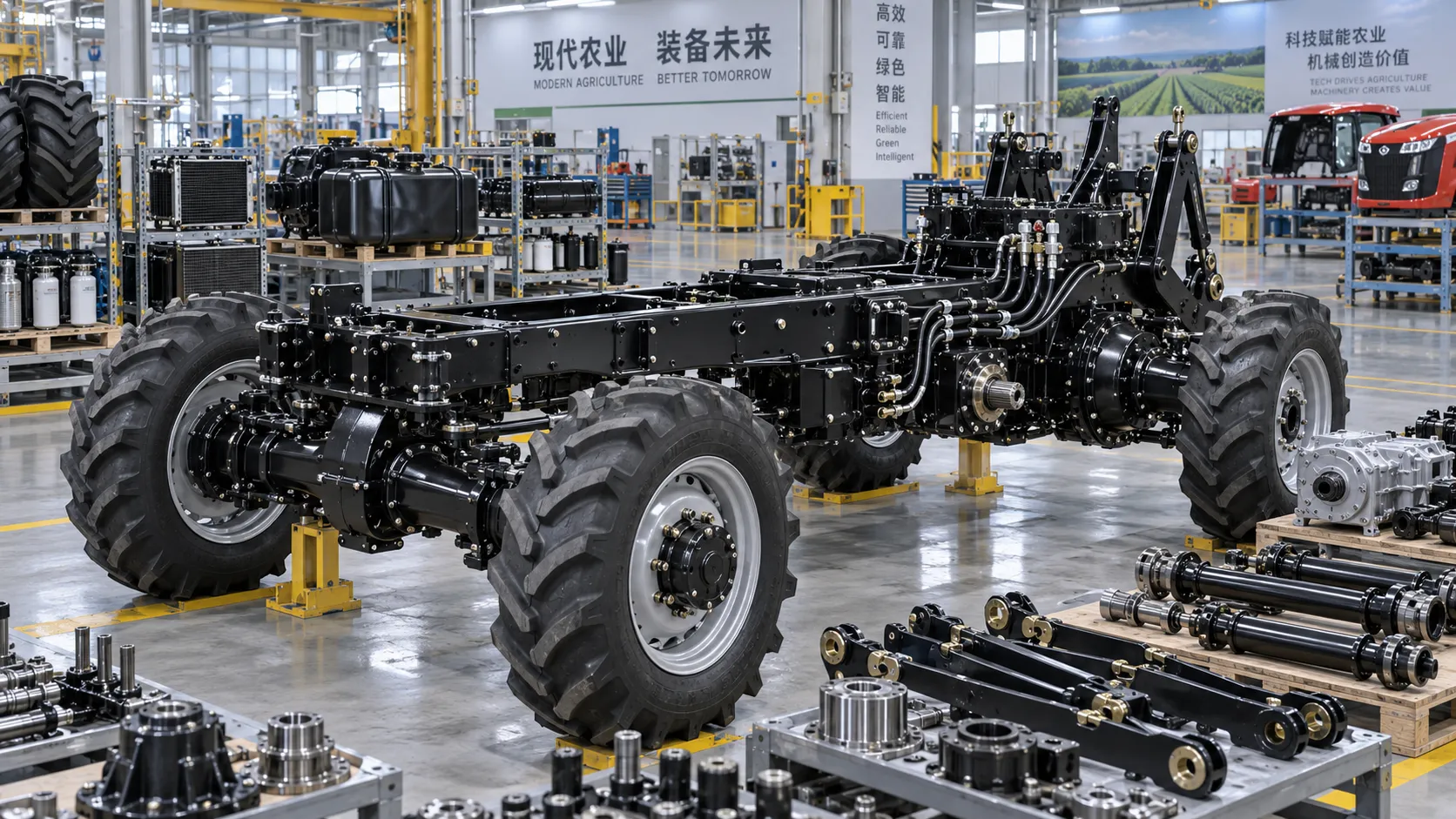
Tractor Chassis Price: What Buyers Should Compare Beyond the Initial Quote
Tractor chassis price is only the start. Compare load capacity, compatibility, durability, and lifecycle costs to choose a reliable, high-value chassis.
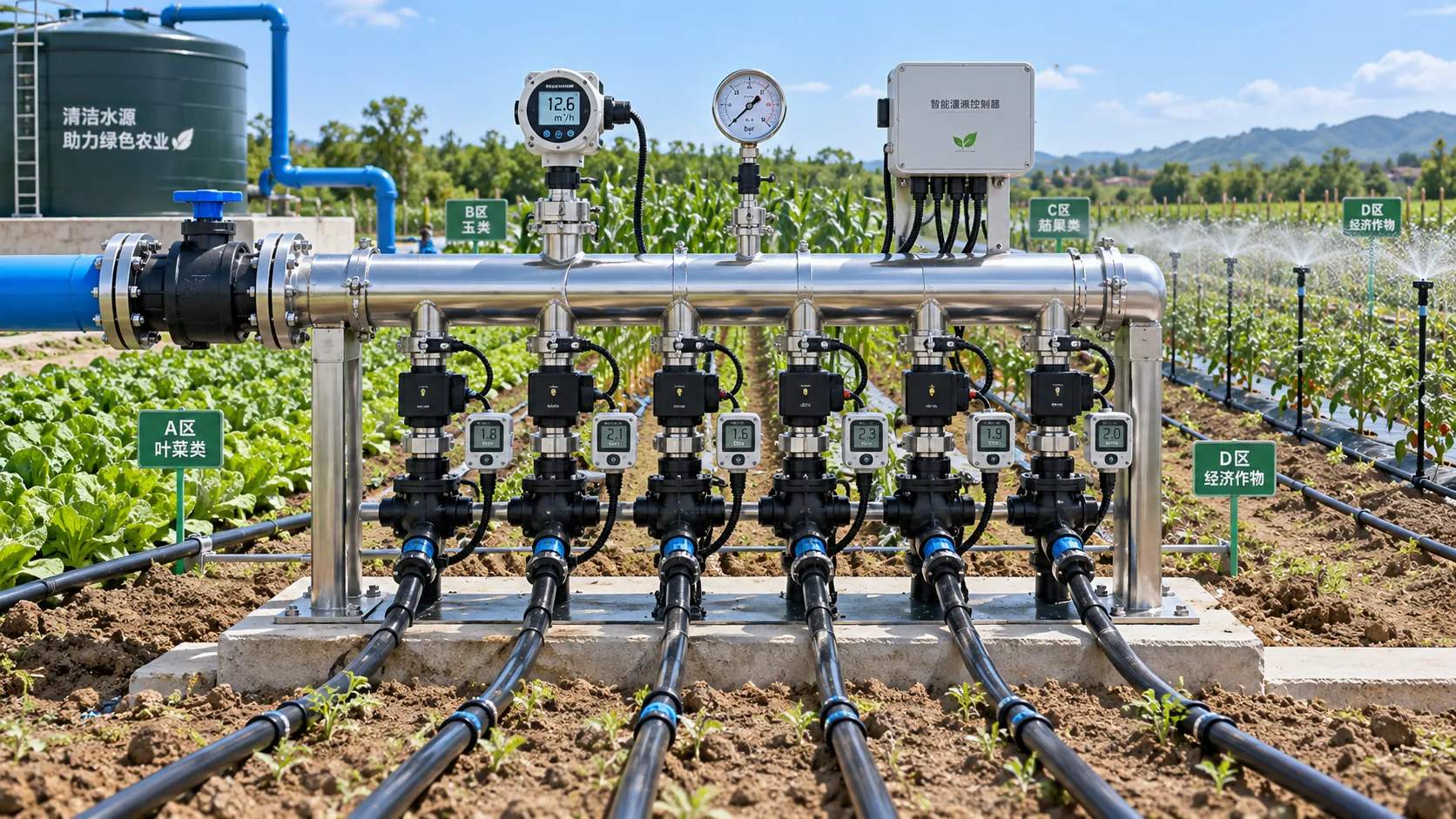
How to Select Smart Irrigation Valves for Multi-Zone Water Management?
Intelligent irrigation systems valves: learn how to match smart valves with multi-zone flow, pressure, control, feedback, and communication needs for reliable water management.
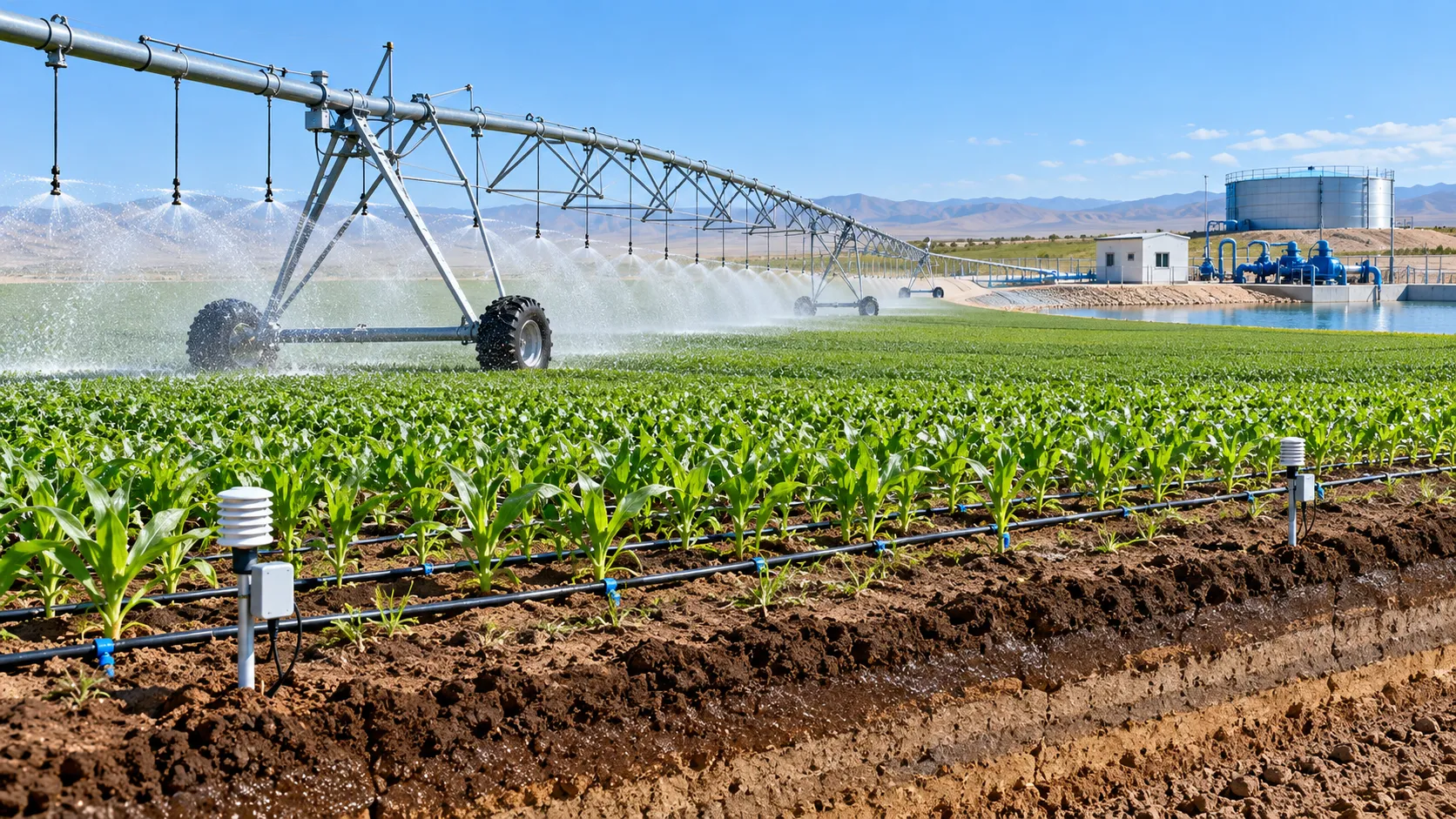
Climate-Smart Farming for Drought: A Practical Plan for Protecting Yields
Climate-smart farming for drought: build smarter water budgets, protect critical crop stages, improve irrigation uniformity, and safeguard yields with practical field-proven strategies.

How Digital Agriculture Platforms Turn Field Data Into Better Input Decisions
Digital agriculture platforms turn field data into smarter fertilizer, water, seed, and equipment decisions—helping farms cut risk, improve margins, and scale sustainability.
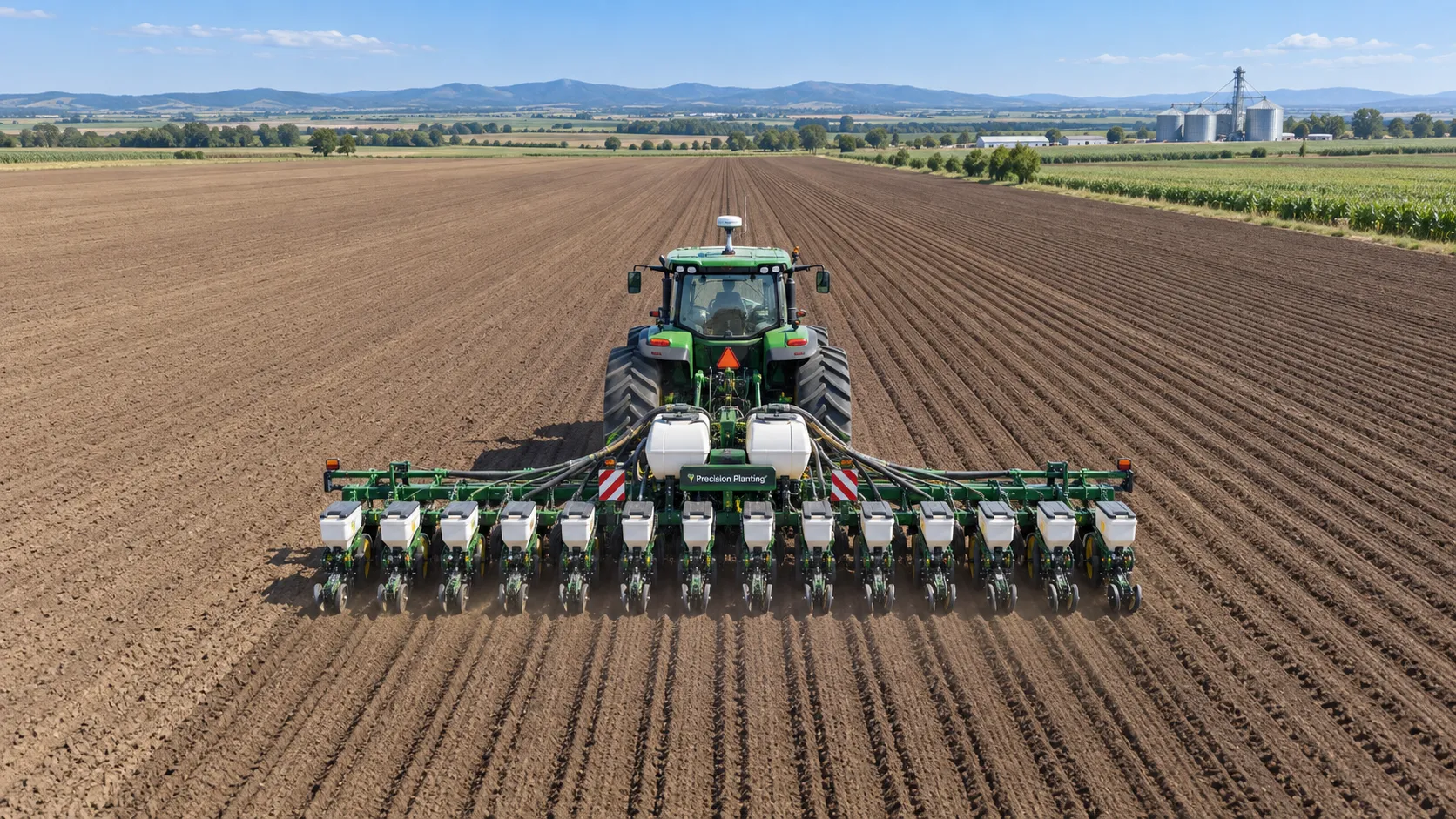
GPS-Guided Farm Machinery: Where It Delivers Measurable Field Efficiency Gains
Agri-mechanization GPS guided systems deliver measurable field efficiency gains through reduced overlap, precise planting, smarter inputs, and reliable farm data.
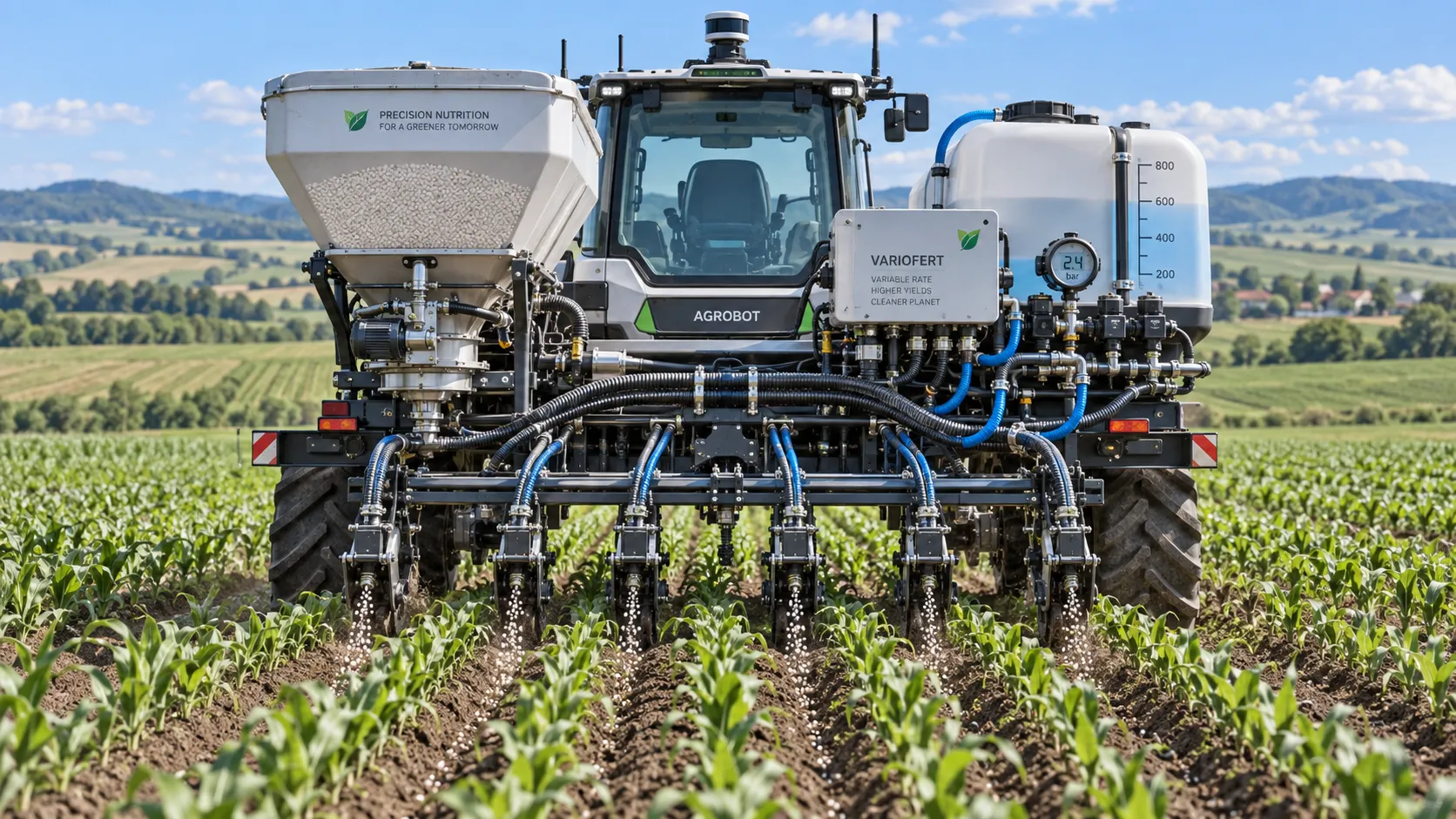
How Sensor Feedback Enables Accurate Variable-Rate Fertilization in Field Conditions
Precision fertilization systems with sensor feedback improve variable-rate accuracy by verifying flow, managing latency, and ensuring reliable field application.
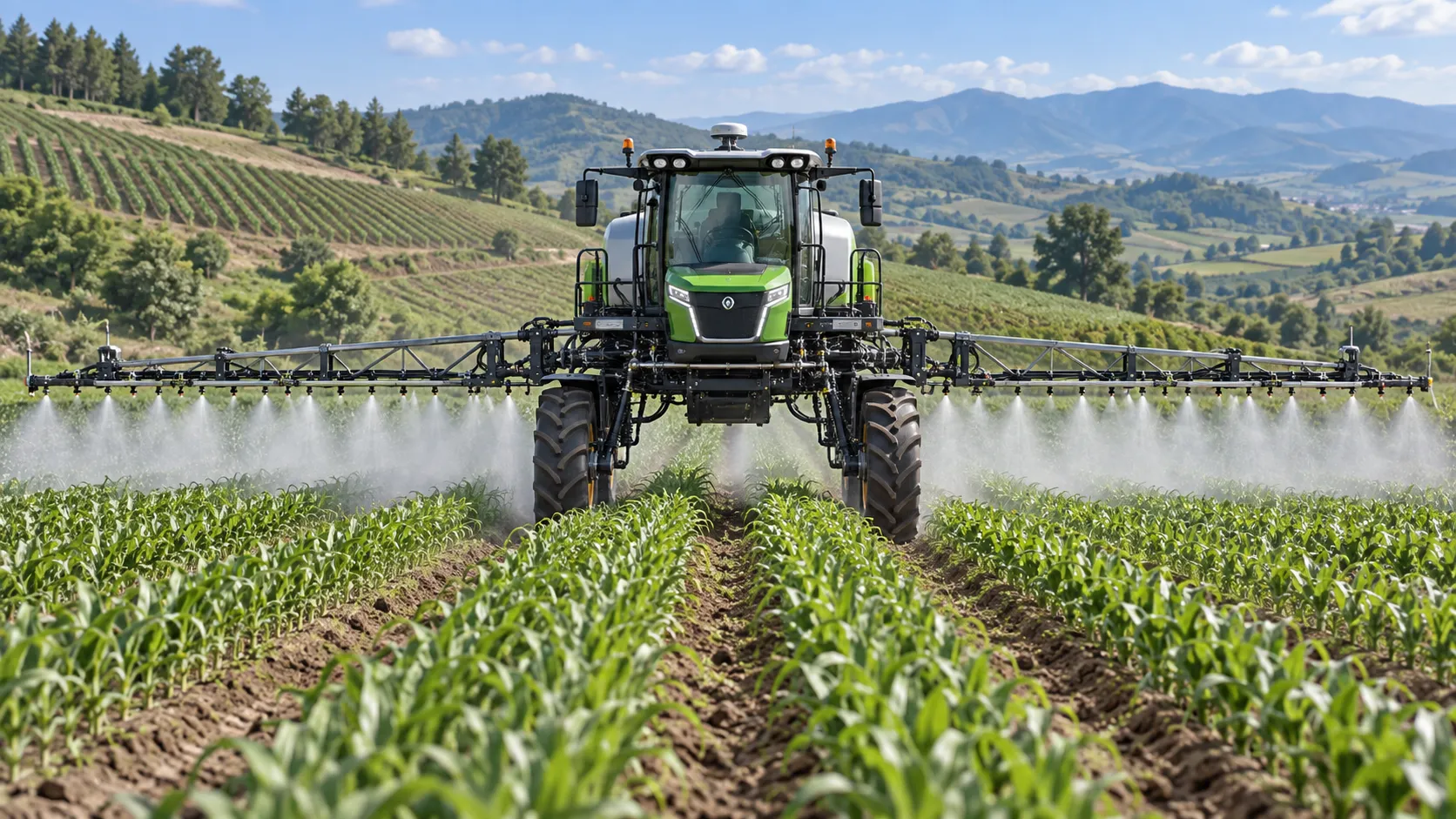
How to Select Precision Crop Protection Equipment for Variable Field Conditions
Precision crop protection equipment selection made simple: compare terrain, canopy, weather, control accuracy, and data workflows for reliable applications.

When Does Agricultural Machinery Leasing Cost Less Than Owning Equipment?
Agricultural machinery leasing can lower farm costs when use is seasonal or uncertain. Compare utilization, maintenance, cash flow, and risk to make a smarter equipment decision.

How to Evaluate Precision Fertilization System Suppliers for Farm-Scale Deployment
Precision fertilization systems suppliers: learn how to compare accuracy, integration, uptime, service, and total cost for confident farm-scale deployment.
Related News
- 00
0000-00
How to Select Smart Irrigation Valves for Multi-Zone Water Management? - 00
0000-00
Automated Water-Saving Irrigation: How to Cut Water Use Without Reducing Crop Yields - 00
0000-00
How to Evaluate Drip Irrigation System Manufacturers for Large Farm Projects - 00
0000-00
Wireless Agricultural Automation for Remote Irrigation and Field Monitoring - 00
0000-00
Designing Water-Saving Drip Irrigation Systems for High-Value Orchards
Popular Tags
Hydrological Resource Strategist
Weekly Insights
Stay ahead with our curated technology reports delivered every Monday.