
ANVISA Opens Temporary Registration for Smart Irrigation Water Monitors
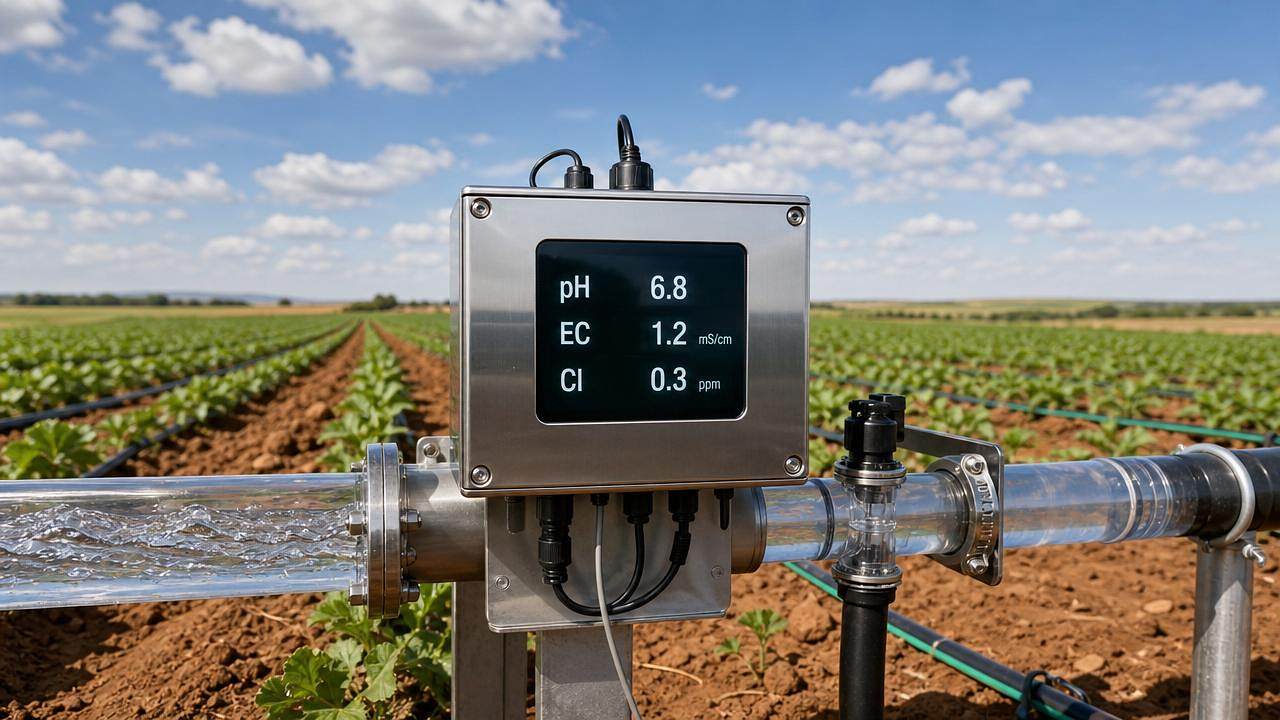




Brazil’s National Health Surveillance Agency (ANVISA) launched a temporary registration pathway for smart irrigation water quality monitoring devices on May 16, 2026. This development is particularly relevant for manufacturers and exporters of pH/EC/residual chlorine multi-parameter online monitoring equipment used in drip irrigation systems. It signals a targeted regulatory accommodation for Chinese-made devices certified to GB/T 47065–2025 — and carries implications for agricultural technology trade, regulatory compliance services, and precision irrigation supply chains in Latin America.
Event Overview
On May 16, 2026, ANVISA initiated a temporary registration channel for smart irrigation water quality monitoring instruments—specifically those associated with drip irrigation logic systems. Eligible devices include online multi-parameter monitors measuring pH, electrical conductivity (EC), and residual chlorine. Chinese manufacturers may submit registration materials referencing the Chinese national standard GB/T 47065–2025 as an equivalent technical basis. The review period for such submissions is reduced to 12 working days.
Industries Affected by This Development
Direct Exporters and Trade Enterprises: These firms face revised entry requirements for Brazilian agricultural monitoring hardware. Impact manifests in shifted documentation workflows—replacing full ANVISA product registration with streamlined submission based on GB/T 47065–2025—and faster time-to-market for eligible devices.
Manufacturers of Precision Irrigation Hardware: Companies producing pH/EC/residual chlorine sensors or integrated monitoring units for drip systems must assess whether their current design, testing, and certification align with GB/T 47065–2025. Non-alignment may delay or block access to this expedited pathway.
Regulatory Compliance and Certification Service Providers: Third-party labs and consultants supporting export compliance now need capacity to verify conformity with GB/T 47065–2025—not just IEC or ISO standards—when preparing ANVISA submissions. Demand may rise for bilingual technical documentation support covering both Chinese and Brazilian regulatory expectations.
Distribution and Channel Partners in Latin America: Importers and local distributors handling irrigation monitoring gear may see accelerated inventory turnover for newly registered devices. However, they also bear responsibility for verifying that incoming shipments carry valid temporary registration confirmation from ANVISA—not just GB/T certification alone.
What Relevant Enterprises or Practitioners Should Focus On and How to Respond
Monitor official updates from ANVISA regarding scope limitations and sunset provisions
The temporary nature of this channel implies potential time limits or eligibility revisions. Enterprises should track ANVISA’s public notices for any extension, narrowing of device categories, or transition plans toward permanent pathways.
Verify alignment between product specifications and GB/T 47065–2025 requirements
Conformity is not automatic: GB/T 47065–2025 covers specific performance, safety, and environmental test criteria for irrigation water quality monitors. Manufacturers must confirm technical documentation—including test reports and labeling—meets each applicable clause before submission.
Distinguish between regulatory acceptance and commercial readiness
Temporary registration enables market access but does not guarantee procurement by Brazilian farms or irrigation cooperatives. Stakeholders should avoid conflating regulatory approval with demand validation; field compatibility, after-sales service infrastructure, and local calibration support remain independent commercial considerations.
Prepare internal coordination across R&D, QA, and export operations
Aligning GB/T 47065–2025 compliance requires cross-departmental action: engineering teams may need to adjust sensor calibration protocols; QA departments must update test plans; and export units must revise labeling and declaration templates to reflect ANVISA’s temporary registration status.
Editorial Perspective / Industry Observation
Observably, this move reflects ANVISA’s pragmatic response to urgent agricultural modernization needs in Brazil—particularly water-use efficiency in drought-prone regions. Analysis shows it is not a broad deregulation, but a narrowly scoped, time-bound facilitation targeting one device class under defined technical equivalence. From an industry perspective, it functions primarily as a policy signal: it indicates willingness to accept non-Brazilian standards where domestic capacity or urgency warrants flexibility. However, it does not yet imply harmonization of broader agri-tech regulatory frameworks across Mercosur. Continued attention is warranted—not because the pathway is guaranteed long-term, but because its evolution may preview how ANVISA handles other IoT-enabled farm equipment.
This initiative holds practical significance for stakeholders engaged in the intersection of water resource management, agricultural digitalization, and cross-border regulatory strategy. It represents neither a structural shift nor a minor procedural tweak—but rather a calibrated, context-specific adjustment. Currently, it is more appropriately understood as a time-limited operational opportunity requiring precise technical alignment, rather than a foundational change in market access rules.
Source: Official announcement issued by Agência Nacional de Vigilância Sanitária (ANVISA), effective May 16, 2026. Note: Ongoing observation is recommended regarding potential amendments to the temporary registration terms, including duration, eligible device models, and documentation requirements.
Related News
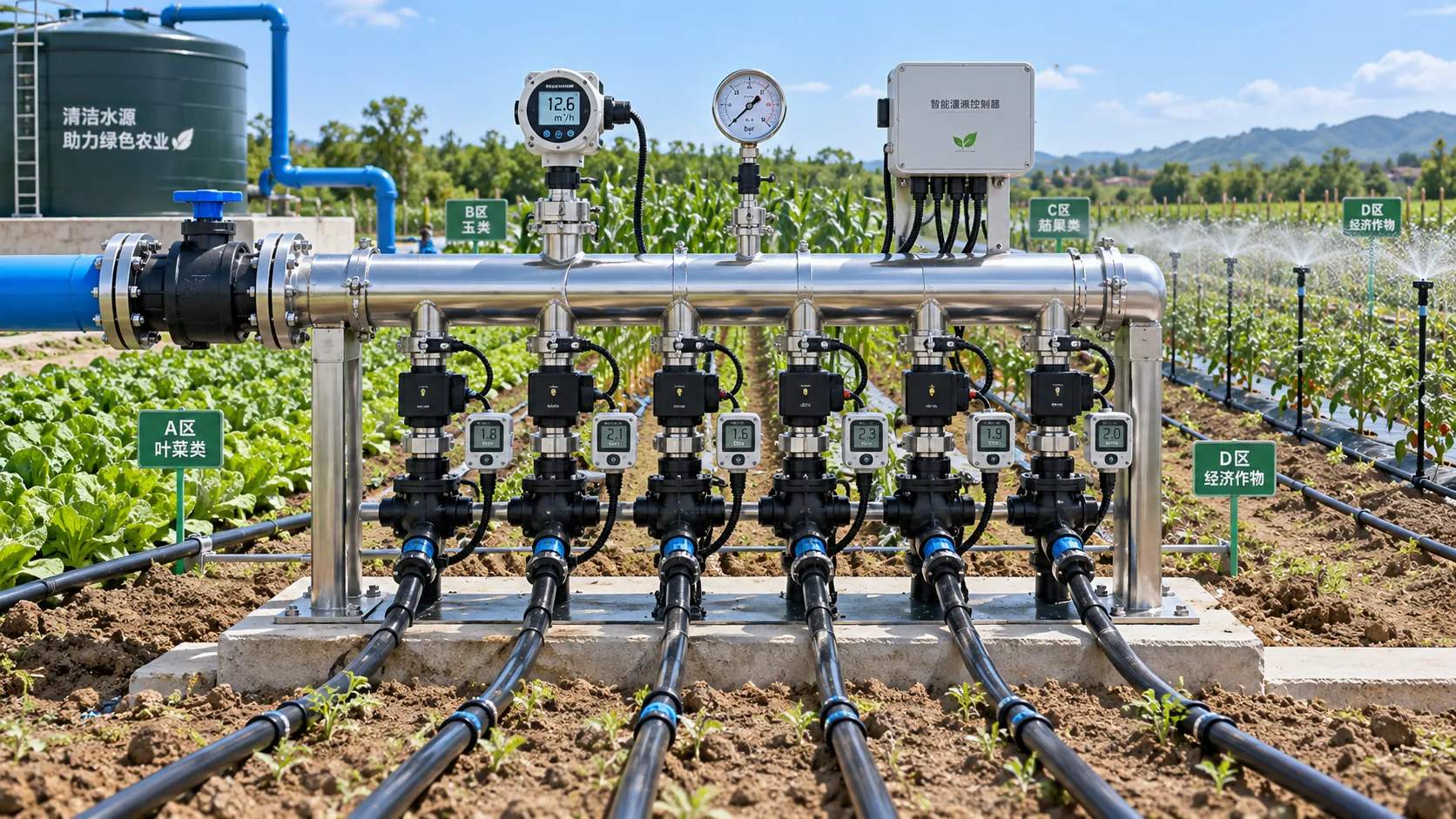
How to Select Smart Irrigation Valves for Multi-Zone Water Management?
Intelligent irrigation systems valves: learn how to match smart valves with multi-zone flow, pressure, control, feedback, and communication needs for reliable water management.
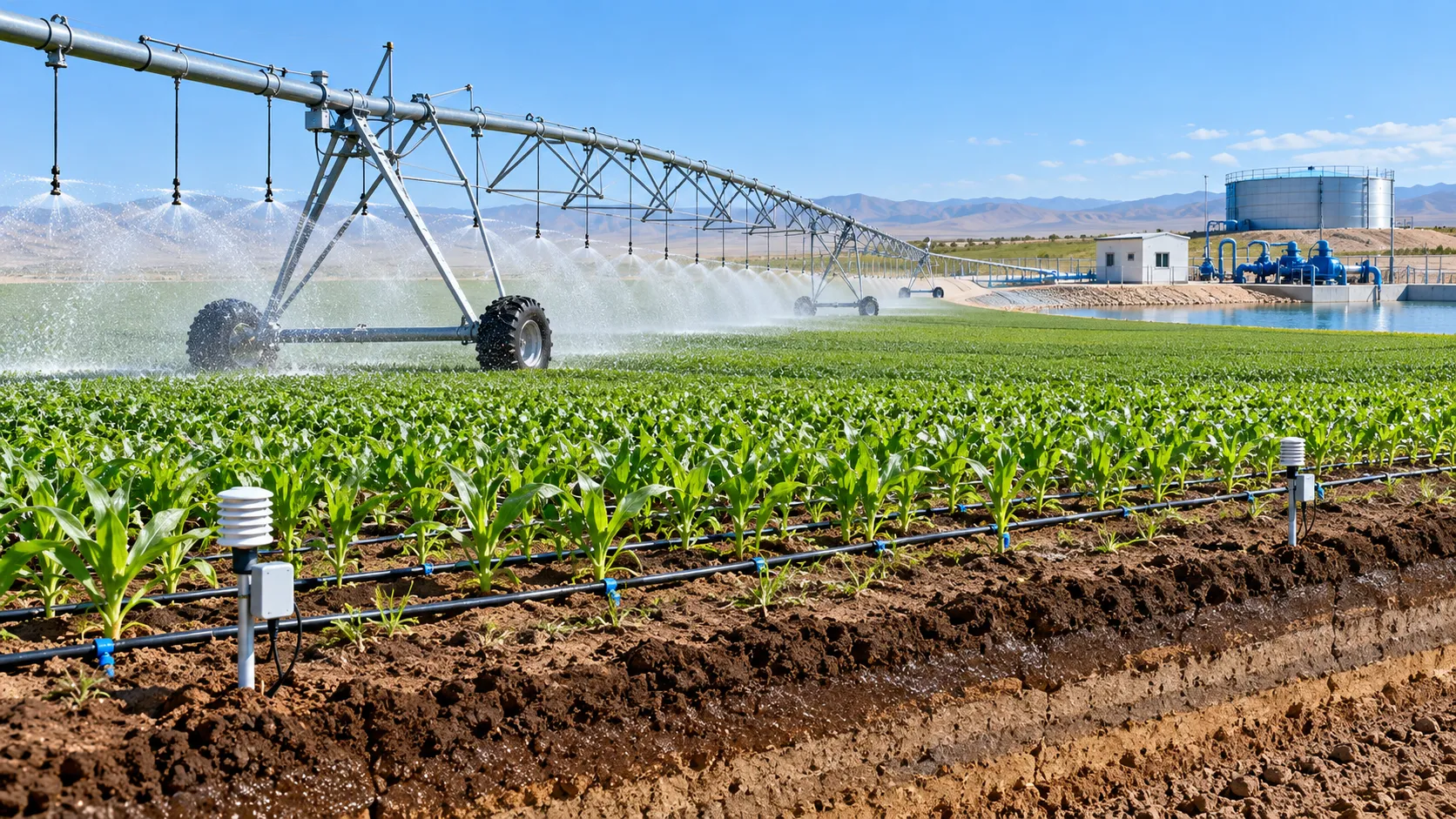
Climate-Smart Farming for Drought: A Practical Plan for Protecting Yields
Climate-smart farming for drought: build smarter water budgets, protect critical crop stages, improve irrigation uniformity, and safeguard yields with practical field-proven strategies.
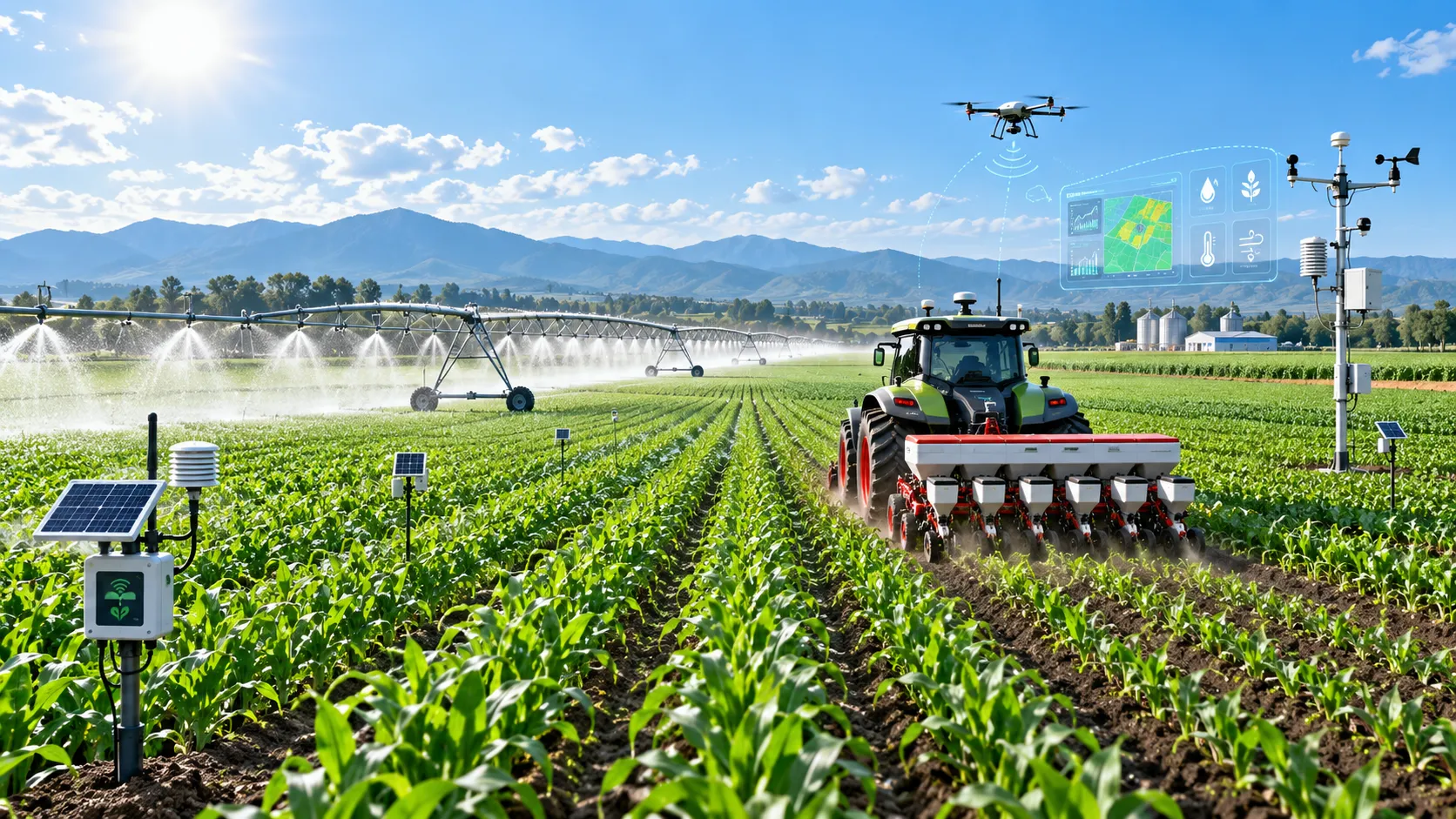
How Digital Agriculture Platforms Turn Field Data Into Better Input Decisions
Digital agriculture platforms turn field data into smarter fertilizer, water, seed, and equipment decisions—helping farms cut risk, improve margins, and scale sustainability.
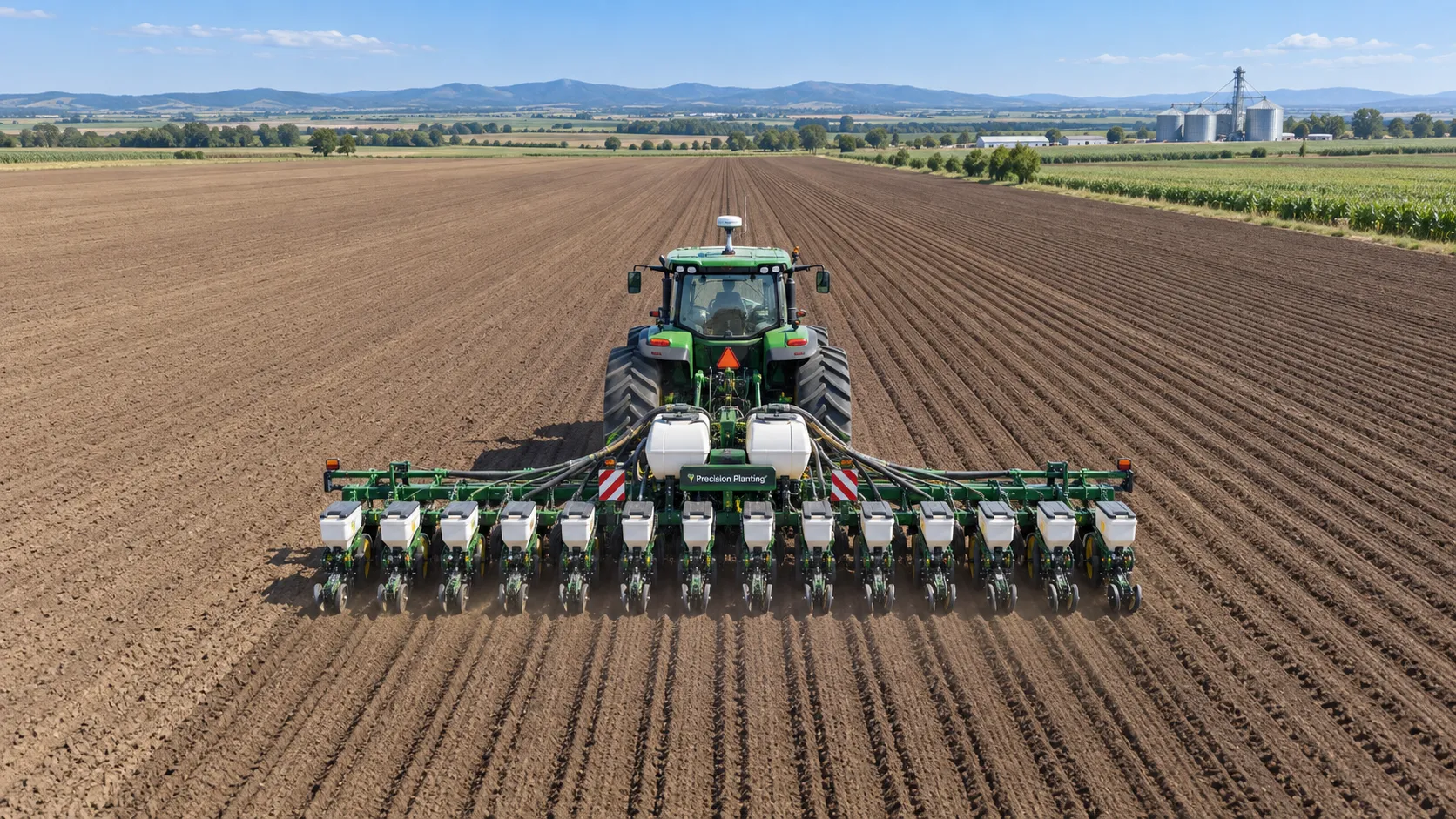
GPS-Guided Farm Machinery: Where It Delivers Measurable Field Efficiency Gains
Agri-mechanization GPS guided systems deliver measurable field efficiency gains through reduced overlap, precise planting, smarter inputs, and reliable farm data.
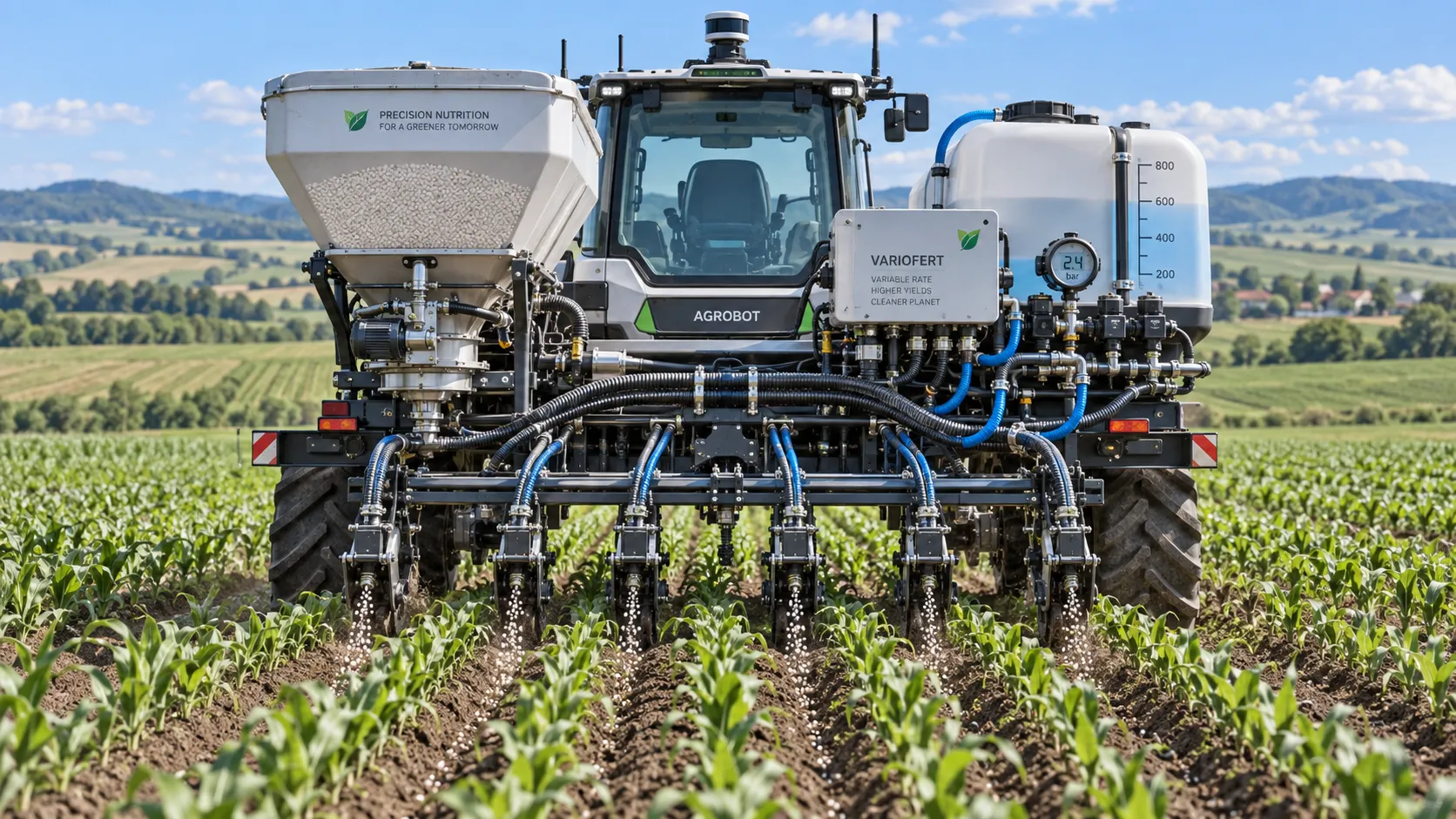
How Sensor Feedback Enables Accurate Variable-Rate Fertilization in Field Conditions
Precision fertilization systems with sensor feedback improve variable-rate accuracy by verifying flow, managing latency, and ensuring reliable field application.
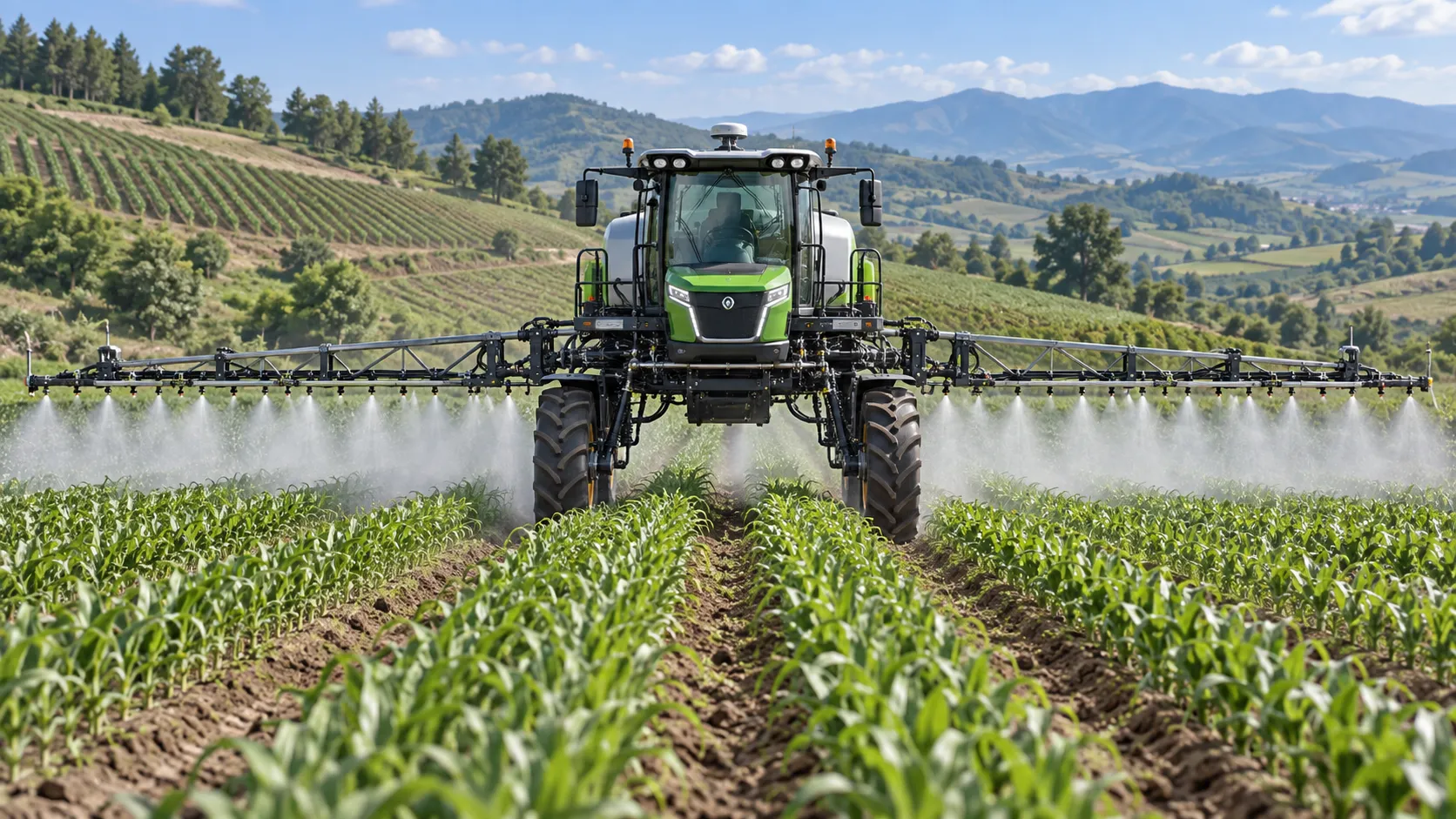
How to Select Precision Crop Protection Equipment for Variable Field Conditions
Precision crop protection equipment selection made simple: compare terrain, canopy, weather, control accuracy, and data workflows for reliable applications.
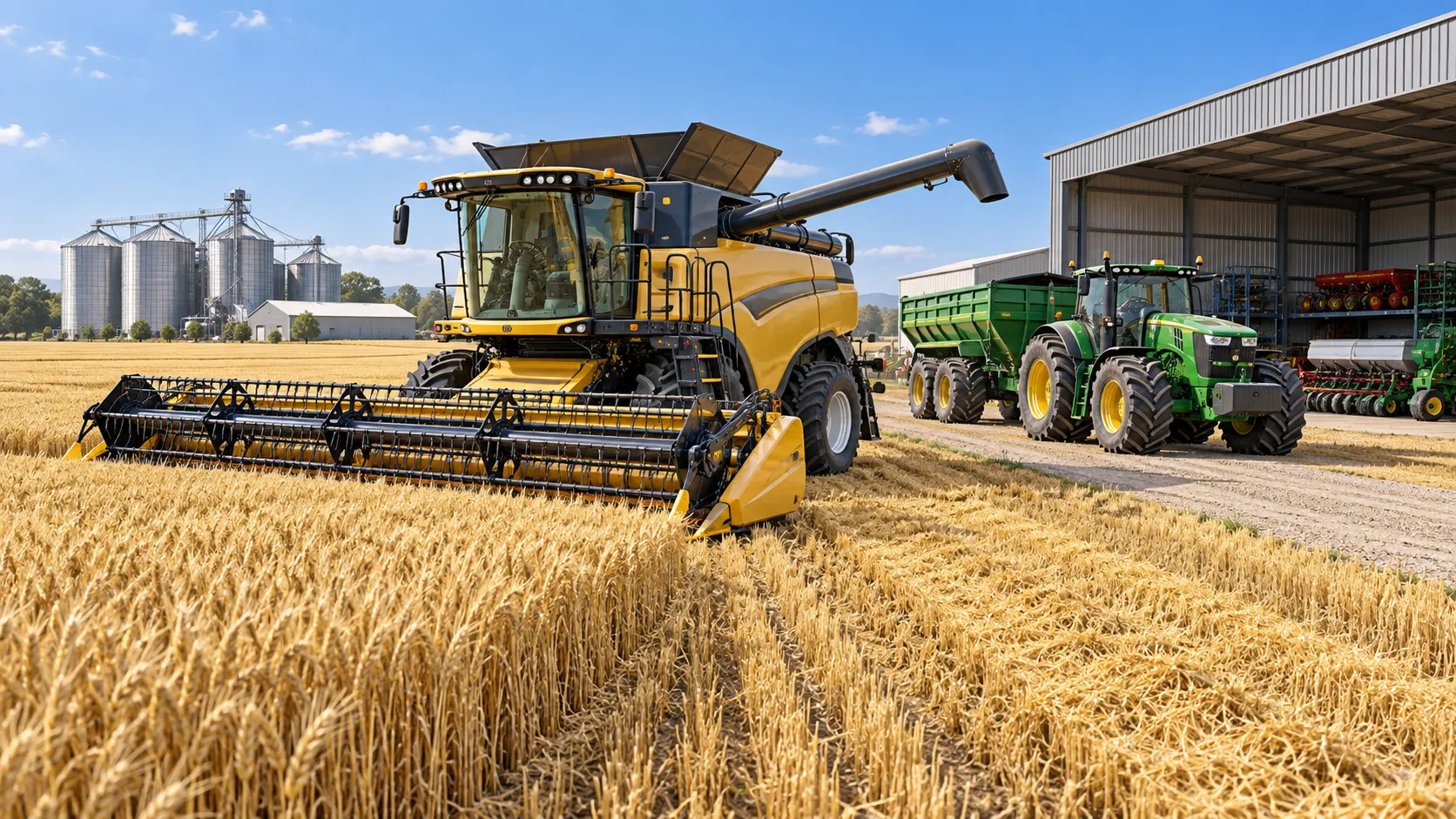
When Does Agricultural Machinery Leasing Cost Less Than Owning Equipment?
Agricultural machinery leasing can lower farm costs when use is seasonal or uncertain. Compare utilization, maintenance, cash flow, and risk to make a smarter equipment decision.
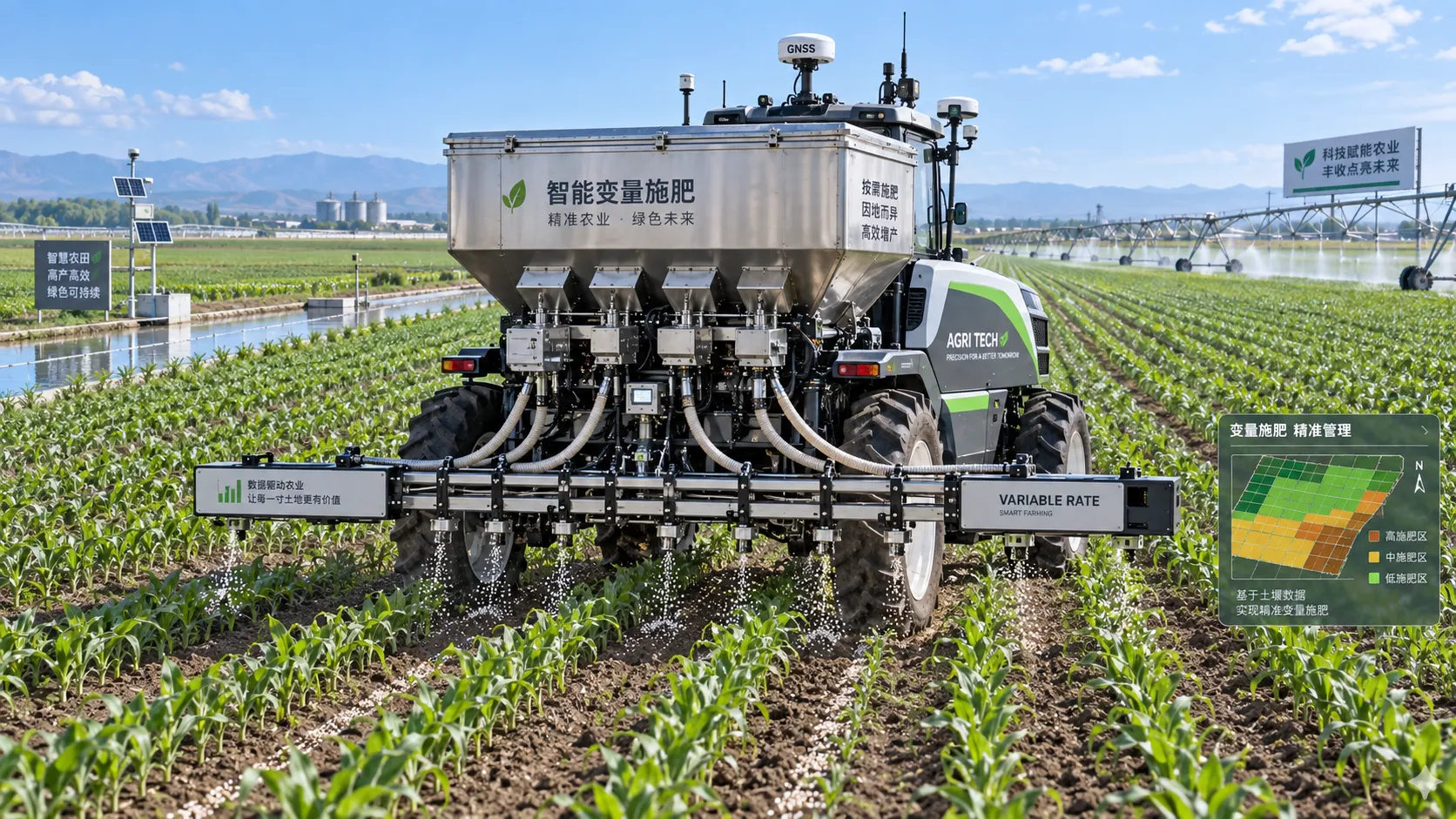
How to Evaluate Precision Fertilization System Suppliers for Farm-Scale Deployment
Precision fertilization systems suppliers: learn how to compare accuracy, integration, uptime, service, and total cost for confident farm-scale deployment.
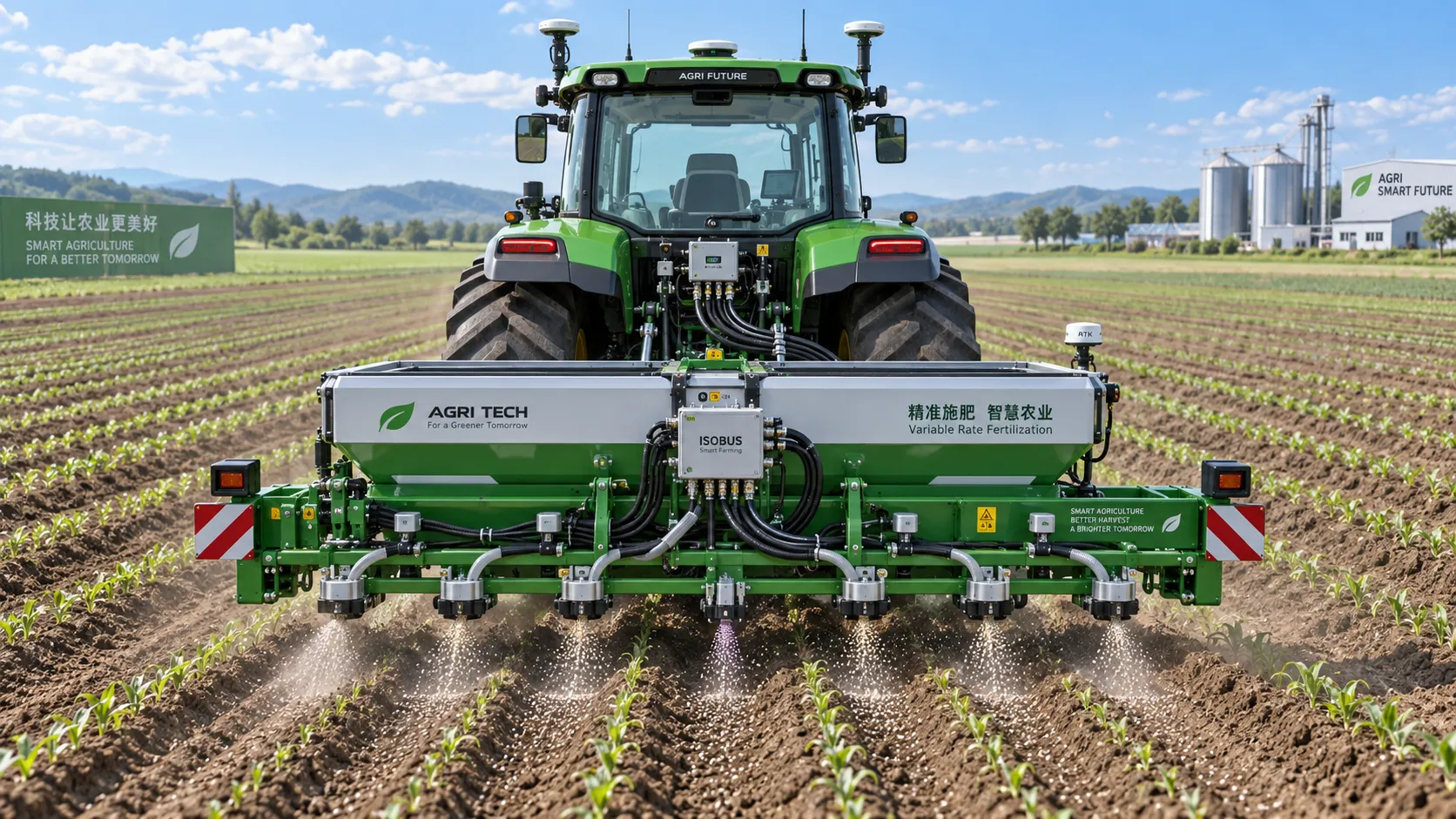
ISOBUS for Smart Agriculture: How It Connects Tractors, Implements, and Farm Data
ISOBUS for smart agriculture connects tractors, implements, terminals, and farm data—helping growers improve precision, documentation, and smarter field decisions.
Related News
- 00
0000-00
How to Select Smart Irrigation Valves for Multi-Zone Water Management? - 00
0000-00
Automated Water-Saving Irrigation: How to Cut Water Use Without Reducing Crop Yields - 00
0000-00
How to Evaluate Drip Irrigation System Manufacturers for Large Farm Projects - 00
0000-00
Wireless Agricultural Automation for Remote Irrigation and Field Monitoring - 00
0000-00
Designing Water-Saving Drip Irrigation Systems for High-Value Orchards
Popular Tags
Hydrological Resource Strategist
Weekly Insights
Stay ahead with our curated technology reports delivered every Monday.