
Vietnam Proposes 3% Special Tax on Smart Farming Devices
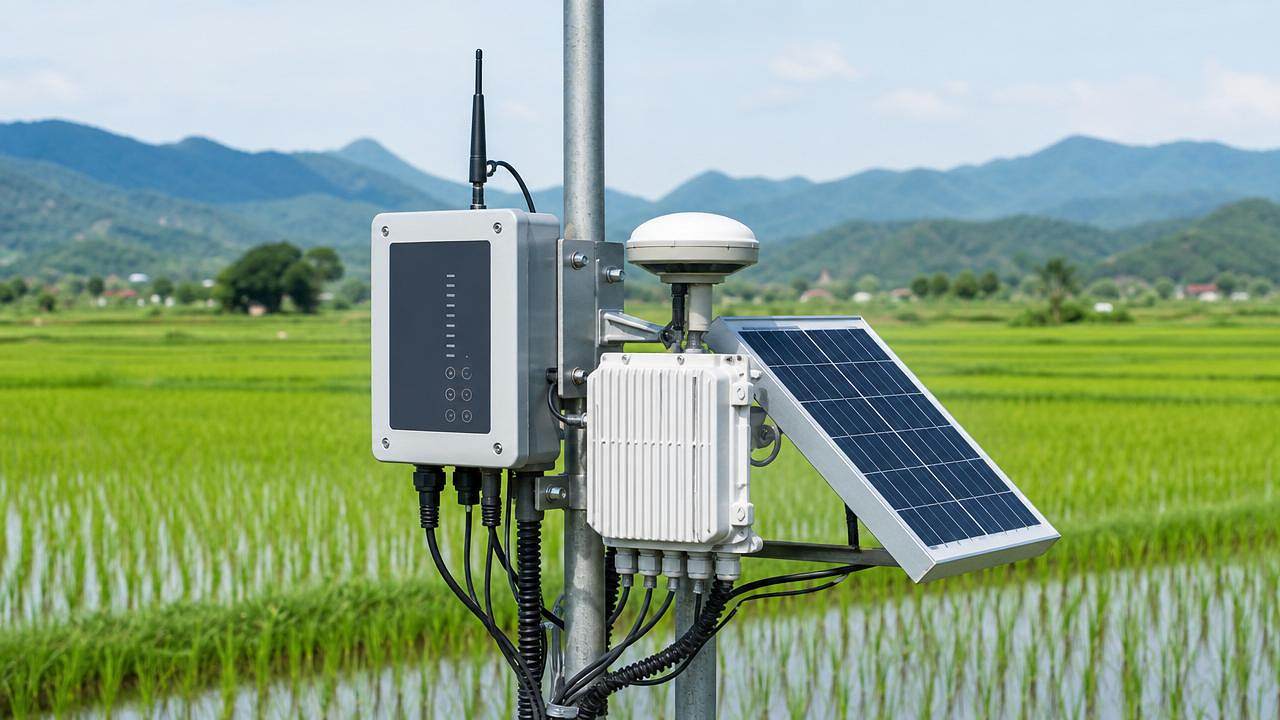




Vietnam’s Ministry of Industry and Trade released a draft regulation on May 21, 2026, proposing a new 3% special regulatory tax on high-value imported agricultural smart devices — a move expected to reshape pricing dynamics, supply chain configurations, and regional distribution strategies across the agri-tech sector.
Event Overview
On May 21, 2026, Vietnam’s Ministry of Industry and Trade published the Draft Decree No. 22/2026/ND-CP on Special Regulatory Tax for public consultation. The draft specifies a 3% additional levy on imported agricultural smart terminal equipment priced above USD 500 per unit, including drip irrigation logic controllers and GPS guidance system receiver modules.
Industries Affected
Direct Trading Enterprises: Exporters and distributors based in China and other third countries supplying these devices directly into Vietnam will face an immediate 3% cost increase on affected SKUs. This affects landed price competitiveness, especially in price-sensitive procurement cycles led by Vietnamese cooperatives and provincial agricultural departments.
Raw Material Procurement Enterprises: Firms sourcing core components (e.g., GNSS chipsets, microcontroller units, or precision solenoid drivers) for final assembly outside Vietnam may see downstream demand softening if importers delay orders pending policy clarity — potentially triggering inventory recalibration and renegotiation of minimum order volumes with upstream suppliers.
Manufacturing Enterprises: Contract manufacturers and OEMs producing smart farming hardware for export to Vietnam — particularly those operating under FOB or EXW terms — are not directly liable for the tax but may face increased pressure to absorb part of the levy or adjust transfer pricing to maintain channel margins. Localized assembly discussions are already emerging among Tier-2 suppliers.
Supply Chain Service Providers: Customs brokers, bonded warehousing operators, and cross-border logistics platforms handling agri-tech consignments will need to update tariff classification protocols (HS codes 8526, 8424.89, and 8537.10 likely affected) and prepare revised duty calculation tools ahead of potential implementation in Q4 2026.
Key Considerations and Recommended Actions
Evaluate Local Assembly Feasibility
For distributors with established operations in Vietnam, exploring light-assembly or final integration of PCBs and housings locally may help reclassify goods under lower-duty categories — though this requires verification against Vietnam’s origin rules and local content thresholds.
Review Product Portfolio Pricing Thresholds
Since the tax applies only to units valued over USD 500, enterprises should audit current BOM-level pricing structures: minor design adjustments (e.g., modular sensor add-ons vs. bundled units) could shift classification — provided they reflect genuine functional differentiation and documentation integrity.
Engage in Formal Consultation Process
The draft remains open for stakeholder feedback until July 20, 2026. Trade associations and foreign-invested enterprises are advised to submit technical comments — particularly on HS code alignment, valuation methodology, and exclusion criteria for R&D or demonstration units.
Editorial Perspective / Industry Observation
Observably, this proposal signals Vietnam’s broader pivot toward selective industrial protectionism — not as blanket import restriction, but as calibrated fiscal instrument targeting mid-to-high-end agri-tech imports where domestic production capacity remains nascent. Analysis shows that the 3% rate is below average MFN tariffs but deliberately positioned above standard VAT (10%) to create administrative visibility and policy signaling. It is better understood as a ‘policy probe’ than a revenue measure: its real function may be to catalyze localization talks ahead of Vietnam’s 2027 National Digital Agriculture Strategy rollout.
Conclusion
This draft regulation does not yet constitute binding law, but its timing and specificity suggest serious intent. From an industry perspective, it underscores a structural shift: market access in Southeast Asia is increasingly contingent not only on compliance and certification, but on demonstrable value-add within national industrial frameworks. For global agri-tech firms, responsiveness will hinge less on lobbying alone and more on agile operational adaptation — particularly at the nexus of trade, manufacturing, and regulatory intelligence.
Source Attribution
Official source: Vietnam Ministry of Industry and Trade, Draft Decree No. 22/2026/ND-CP on Special Regulatory Tax, published May 21, 2026 (public consultation period ends July 20, 2026). Note: Final provisions, effective date, and scope exclusions remain subject to revision; ongoing monitoring of MOIT’s official gazette and WTO TBT notifications is recommended.
Related News
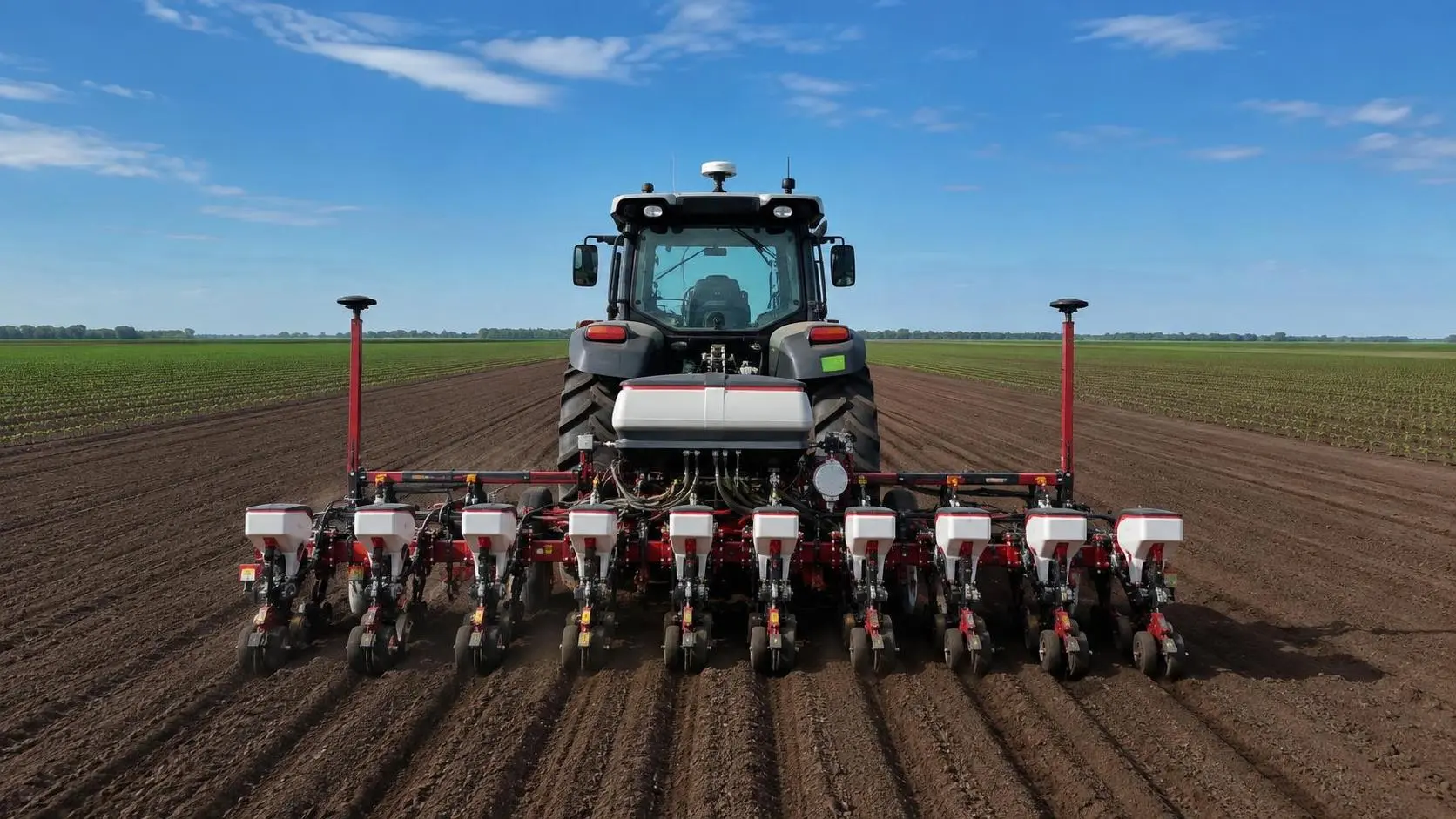
How Tractor Intelligence Systems Improve Field Efficiency and Input Accuracy
Agricultural machinery intelligence for tractors improves field efficiency, input accuracy, data traceability, and implement control. Explore smarter evaluation strategies.
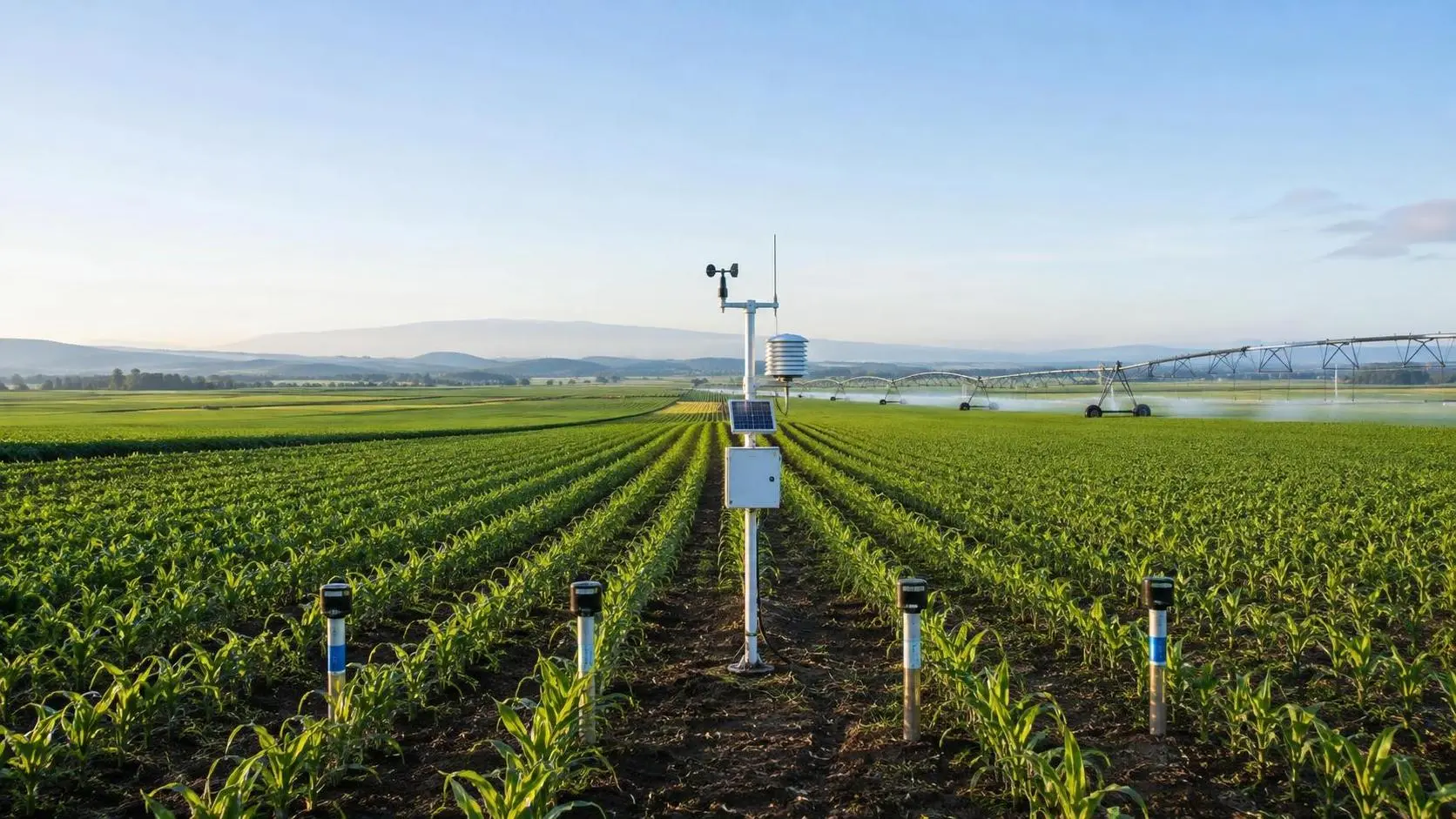
How to Evaluate Crop Monitoring System Manufacturers for Large-Scale Farms
Compare crop monitoring systems manufacturers for large-scale farms. Evaluate data quality, integration, durability, lifecycle costs, support, and pilots for smarter decisions.
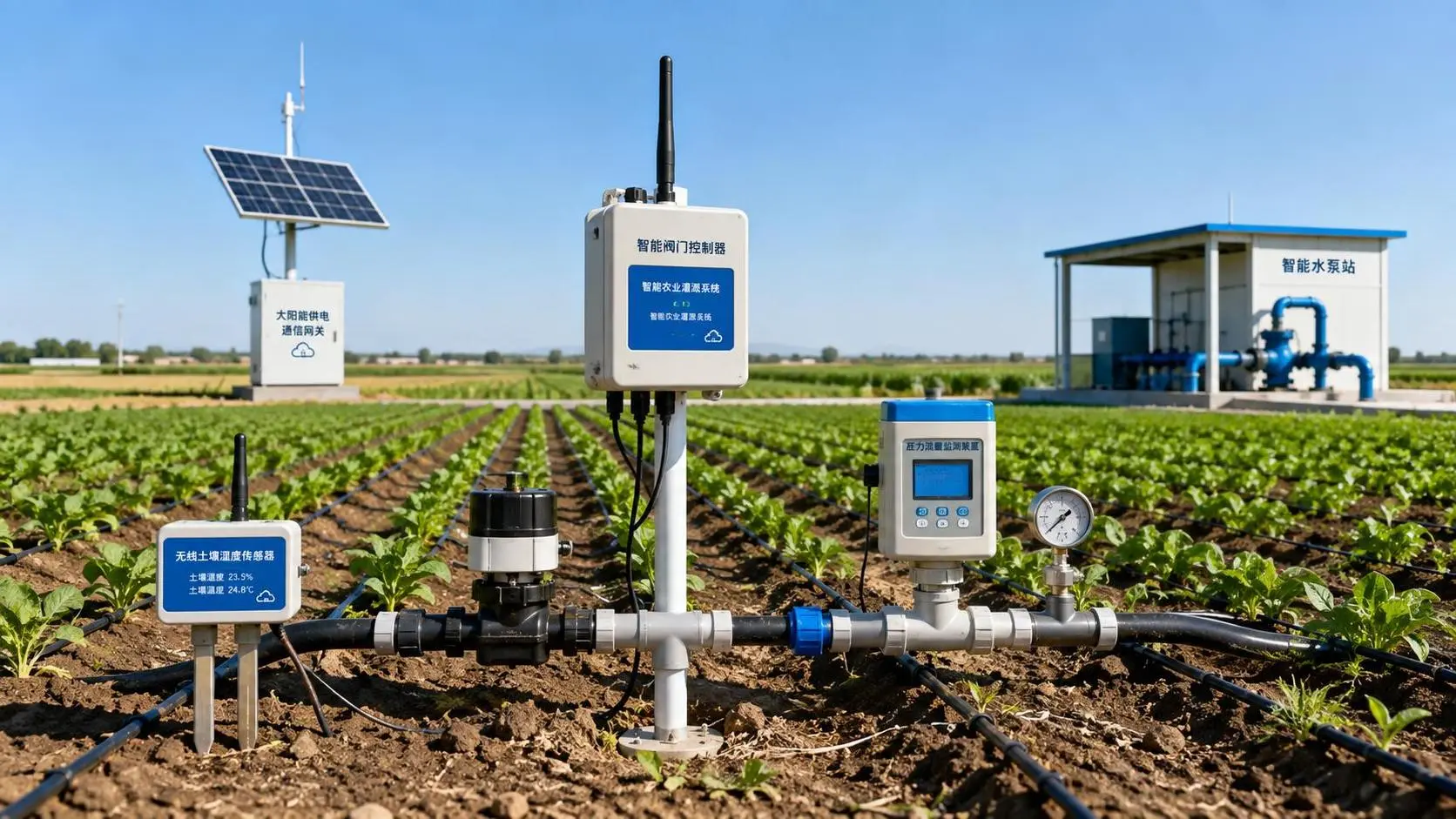
Wireless Agricultural Automation for Remote Irrigation and Field Monitoring
Agricultural automation wireless solutions improve remote irrigation with reliable field data, local control, flow verification, and smarter monitoring. Explore resilient deployment strategies.
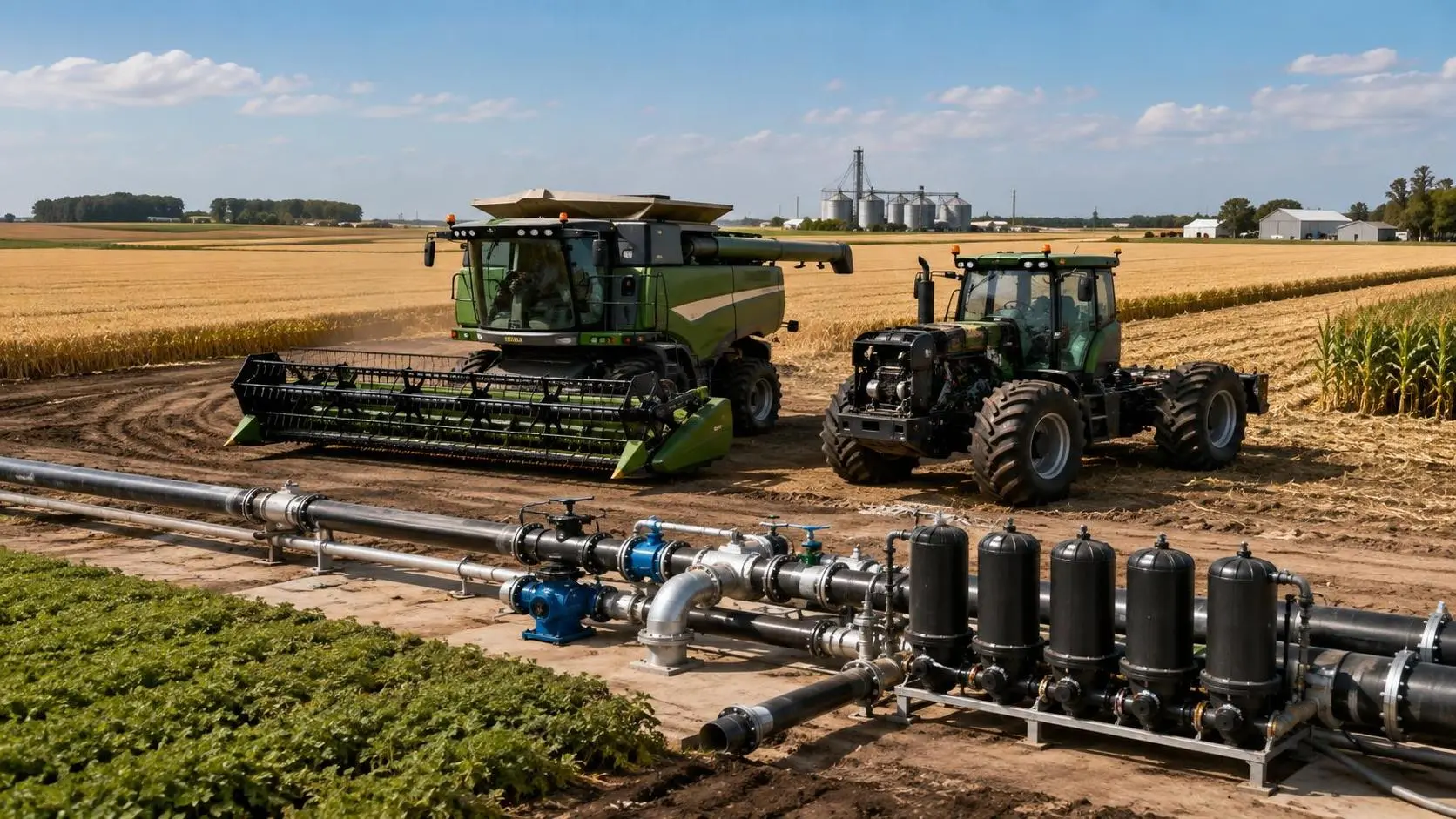
Agricultural Product Information Market Guide: Key Data for Sourcing Decisions
Agricultural product information market guide for smarter sourcing—compare machinery, irrigation, precision tools, lifecycle costs, and supplier risk.
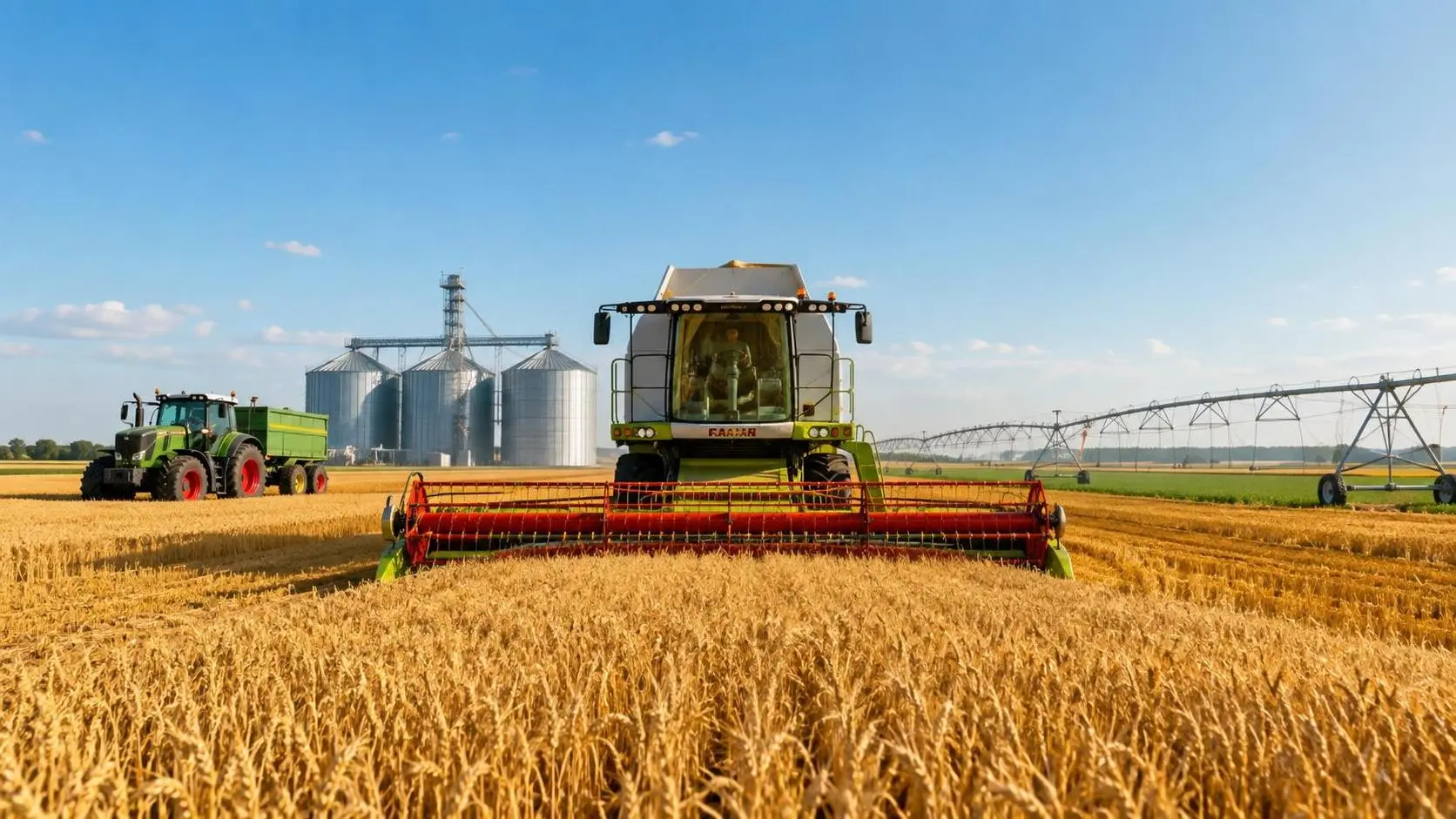
Large-Scale Farm Equipment Cost Comparison: Price, Fuel, and Lifecycle Value
Large-scale farm equipment cost comparison: evaluate price, fuel, maintenance, downtime, and lifecycle value to choose tractors, combines, irrigation, and smart tools with confidence.
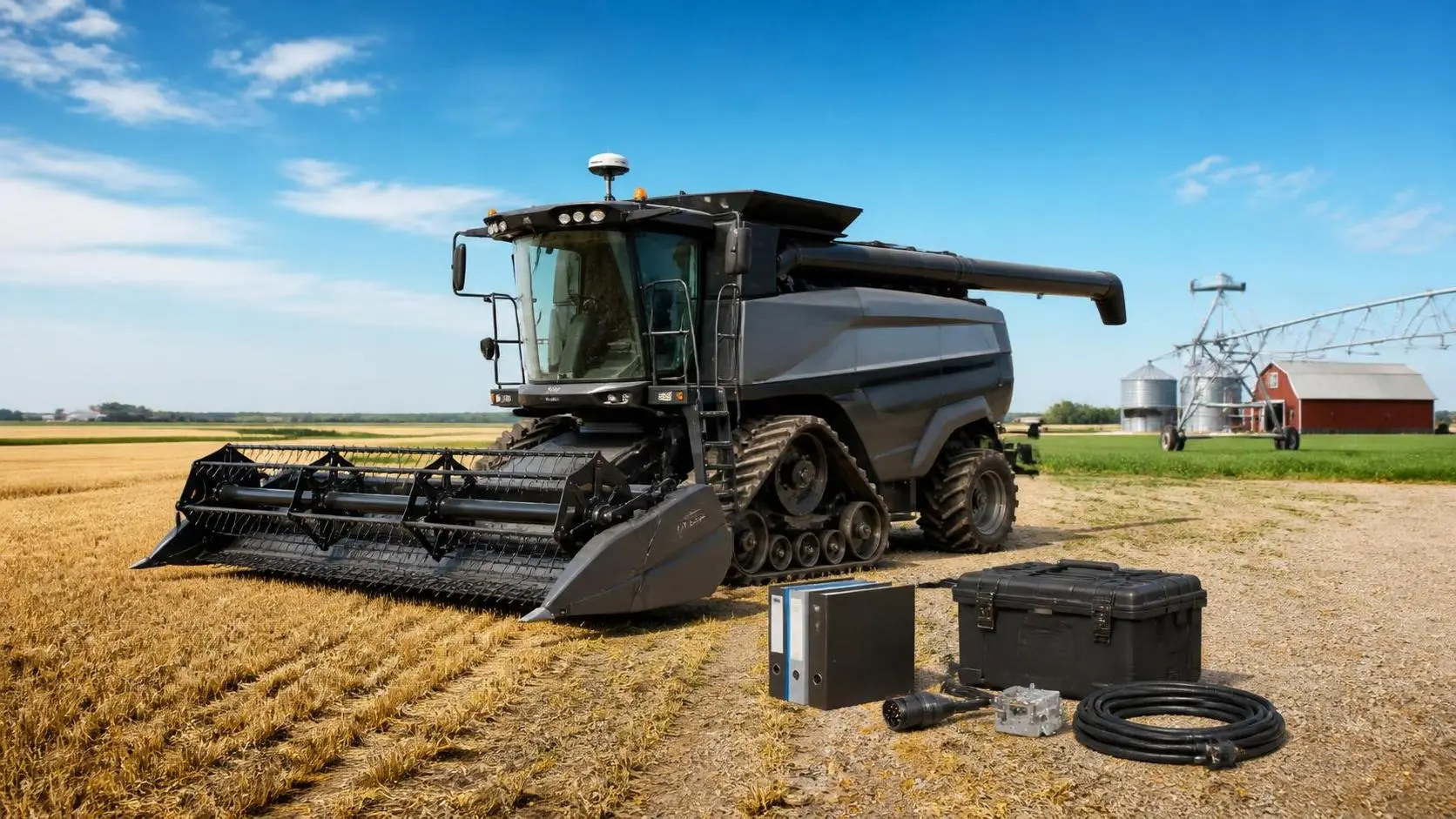
A Procurement Specification Preparation Example for Buying Farm Equipment
Procurement specification preparation example for farm equipment: learn to define requirements, compare suppliers, control lifecycle costs, and buy with confidence.
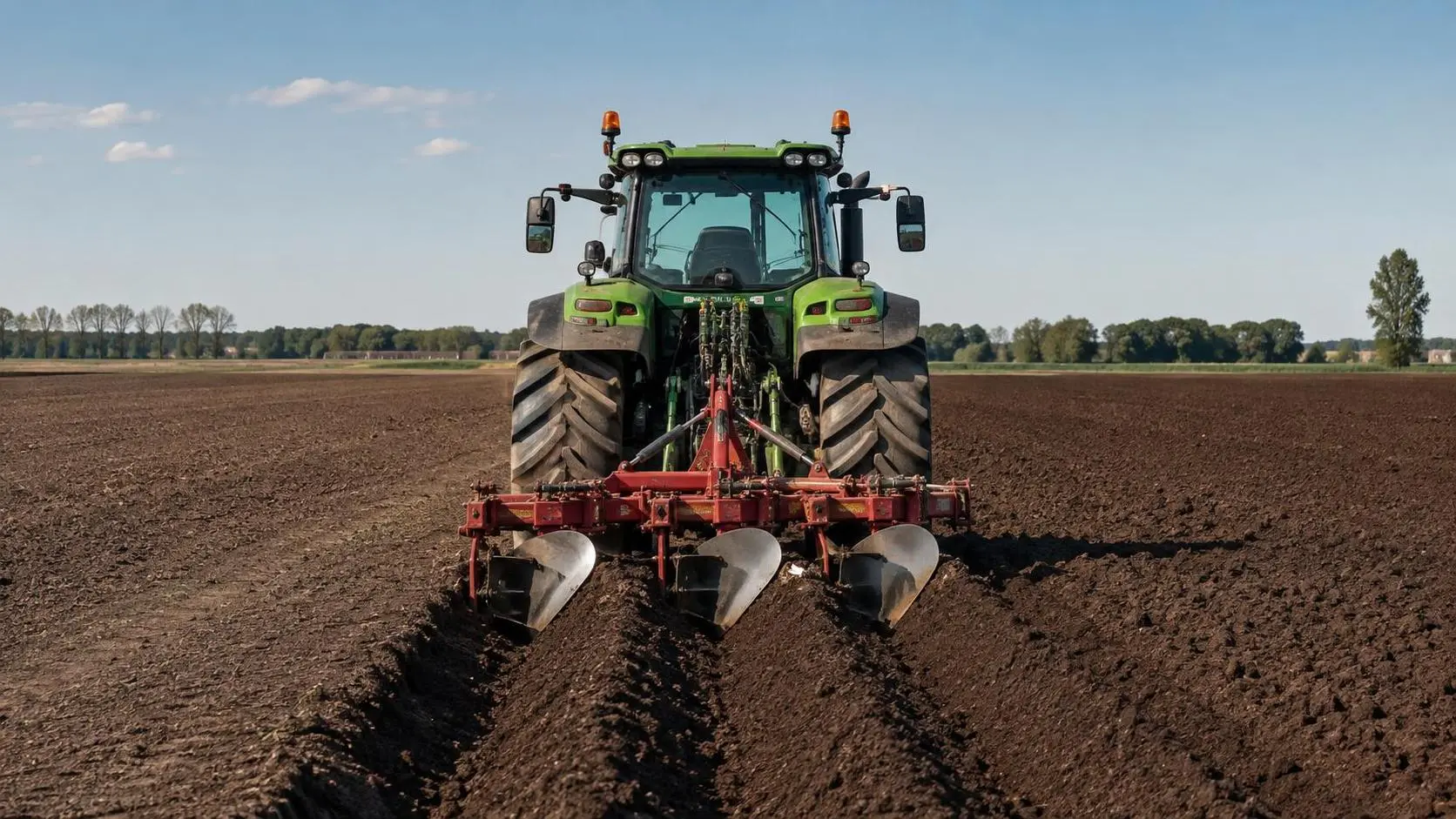
What Tractor Horsepower Is Needed for a Three-Bottom Moldboard Plow?
What tractor horsepower is needed for three-bottom moldboard plow? Compare 60–100 hp needs by soil, depth, traction, and plow width for a confident equipment match.
How Does Climate-Smart Farming Reduce Water Use in Semi-Arid Areas?
How does climate-smart farming reduce water use in semi-arid zones? Discover precision irrigation, soil monitoring, and smarter crop planning for resilient yields.
Can Sustainable Farming Be Profitable Without Reducing Yields?
Are sustainable farming practices profitable without yield loss? Discover precision strategies that cut waste, protect yields, and improve farm margins.
Related News
- 00
0000-00
Wireless Agricultural Automation for Remote Irrigation and Field Monitoring - 00
0000-00
Designing Water-Saving Drip Irrigation Systems for High-Value Orchards - 00
0000-00
How to Choose Irrigation Solutions for Arid Regions Based on Water Source and Crop Needs - 00
0000-00
How IoT Smart Irrigation Networks Help Farms Cut Water Use and Improve Yield - 00
0000-00
USDA Rule Takes Effect for Drip Irrigation Imports
Popular Tags
Hydrological Resource Strategist
Weekly Insights
Stay ahead with our curated technology reports delivered every Monday.