
EU Rule Brings 2026 CE-EMC Certification for Drip Irrigation Logic





On July 19, 2026, a new EU regulatory change took effect that brings smart drip irrigation control systems, including Drip Irrigation Logic modules, into the mandatory scope of CE-EMC compliance. With the new testing requirement set to apply to imported products from January 1, 2027, this development deserves close attention from exporters, manufacturers, buyers, certification-related service providers, and supply chain teams involved in shipments to the European market, because the rule directly affects market access and customs clearance.
What the new requirement formally covers
According to the information provided, Regulation (EU) 2026/1842 entered into force on July 19, 2026. It places smart drip irrigation control systems, including Drip Irrigation Logic modules, within the mandatory certification scope of the CE-EMC directive. From January 1, 2027, all imported products in this category must pass the updated immunity and emission limit tests. The provided information also states that products without the required certification may be held by customs or barred from clearance.
Where the commercial impact is likely to appear first
Export shipments to the EU face a tighter compliance gate
For exporters supplying the EU market, the immediate issue is that compliance is no longer a secondary documentation matter but part of the access condition for shipment entry. The main impact is likely to fall on pre-shipment review, technical file preparation, test readiness, and customs-facing documentation. What deserves closer attention is whether current product files, declarations, and supporting test materials are sufficient for the updated CE-EMC requirement.
Manufacturing and product configuration may need closer coordination
Manufacturers of smart drip irrigation control systems and related modules may be affected because the rule links market access to updated electromagnetic compatibility performance. From an industry perspective, this can affect the interface between product design, component selection, testing arrangements, and final delivery schedules. Businesses involved in production should pay attention to whether existing product versions intended for EU-bound orders align with the new certification path and documentation expectations.
Procurement and buyer-side qualification checks may become stricter
Procurement teams and buyers involved in sourcing these products for EU delivery may need to treat CE-EMC status as a front-end qualification item rather than a later-stage formality. The likely pressure points are supplier screening, tender documentation, order confirmation, and delivery acceptance. In practice, buyers may need to review whether supplier qualification materials clearly support the updated requirement before purchase commitments are made.
Testing and certification-related service workflows may see higher demand
Certification-related companies and testing service providers may also be affected because the rule creates a defined compliance threshold ahead of the 2027 implementation date for imported goods. Analysis shows that the practical burden may center on test scheduling, report preparation, technical document consistency, and timing coordination with exporters and manufacturers. Even without further detail in the provided information, the compliance workflow itself becomes more time-sensitive.
What companies should examine now
Review whether affected products fall within the new compliance scope
Companies dealing with smart drip irrigation control systems or Drip Irrigation Logic modules should first verify whether the products they export, source, assemble, or distribute for the EU market are covered by the newly mandatory CE-EMC requirement. This is a practical starting point for compliance review, contract planning, and delivery scheduling.
Check the readiness of technical and certification materials
Businesses should examine whether existing test reports, technical files, product descriptions, and compliance documents are aligned with the updated immunity and emission limit requirements referenced in the provided information. Because the input does not provide detailed implementation materials, it is more appropriate to treat this as a document and readiness review point rather than assume a settled execution standard.
Reassess delivery timing and customs exposure for EU-bound orders
For shipments planned around or after January 1, 2027, exporters and supply chain teams should pay close attention to customs-related compliance exposure. The provided information makes clear that uncertified products may be detained or denied clearance. Observably, that means delivery commitments, shipping windows, and order acceptance decisions may need to be assessed against certification timing.
Follow later wording, enforcement practice, and market-side document changes
The current information confirms the rule change and the implementation date for imported products, but it does not provide fuller detail on enforcement practice, supporting document format, or procurement-side wording changes. From an industry perspective, companies should continue monitoring later official wording, certification interpretation, tender document updates, and downstream customer requirements before treating any single compliance approach as final.
How this development is best understood at this stage
Analysis shows that this is more than a policy signal in principle, because the rule has already entered into force and includes a defined future date for mandatory compliance of imported products. At the same time, it should not be overstated as a fully settled operational picture, since the provided information does not include detailed enforcement guidance or market implementation feedback. It is more appropriate to understand this as a confirmed rule change with direct trade consequences, while the exact execution rhythm still requires observation.
A practical reading for the irrigation supply chain
For the industry, the main significance of this development lies in the shift from general market expectation to a clearer compliance threshold tied to customs outcomes. The immediate takeaway is not that every operational detail is already known, but that exporters, manufacturers, procurement teams, and compliance service providers now have a defined trigger point for action. At present, this should be read as an implemented regulatory change with near-term execution relevance rather than a distant policy discussion.
Basis of this article and points requiring further verification
This article is based on the user-provided news title, event date, and event summary. For developments of this type, commonly relevant source categories may include official regulatory notices, releases from supervisory authorities, customs or trade administration information, industry association updates, standard-setting documents, and reporting by authoritative media. A specific official source link was not provided in the input, so the underlying document trail still needs continued verification. Further observation is also needed regarding detailed implementation language, certification interpretation, tender document adjustments, market feedback, and how companies carry the requirement into actual export and delivery workflows.
Related News

Choosing Precision Agriculture Controllers: ISOBUS and Variable-Rate Compatibility
Compare precision agriculture controllers for ISOBUS functionality, variable-rate compatibility, and data exchange. Discover what to test before buying to find the right fit for your fleet.

Choosing Drip Irrigation Systems for Open Fields: Soil, Slope, and Water Quality
Choose drip irrigation systems for open fields with confidence. Discover how soil, slope, and water quality shape emitter spacing, pressure, and filtration—and avoid costly design mistakes.

Choosing Crop Protection Equipment for Hot, Windy Middle Eastern Farms
Compare crop protection equipment Middle East farms need for hot, windy conditions. Discover key nozzle, drift-control, and durability checks to choose the right sprayer.

Choosing an Agriculture 4.0 Supplier: Compatibility, Support, and Total Cost
Choose an Agriculture 4.0 supplier with confidence. Learn how to verify compatibility, assess support, and compare total ownership costs to avoid hidden fees and costly downtime.
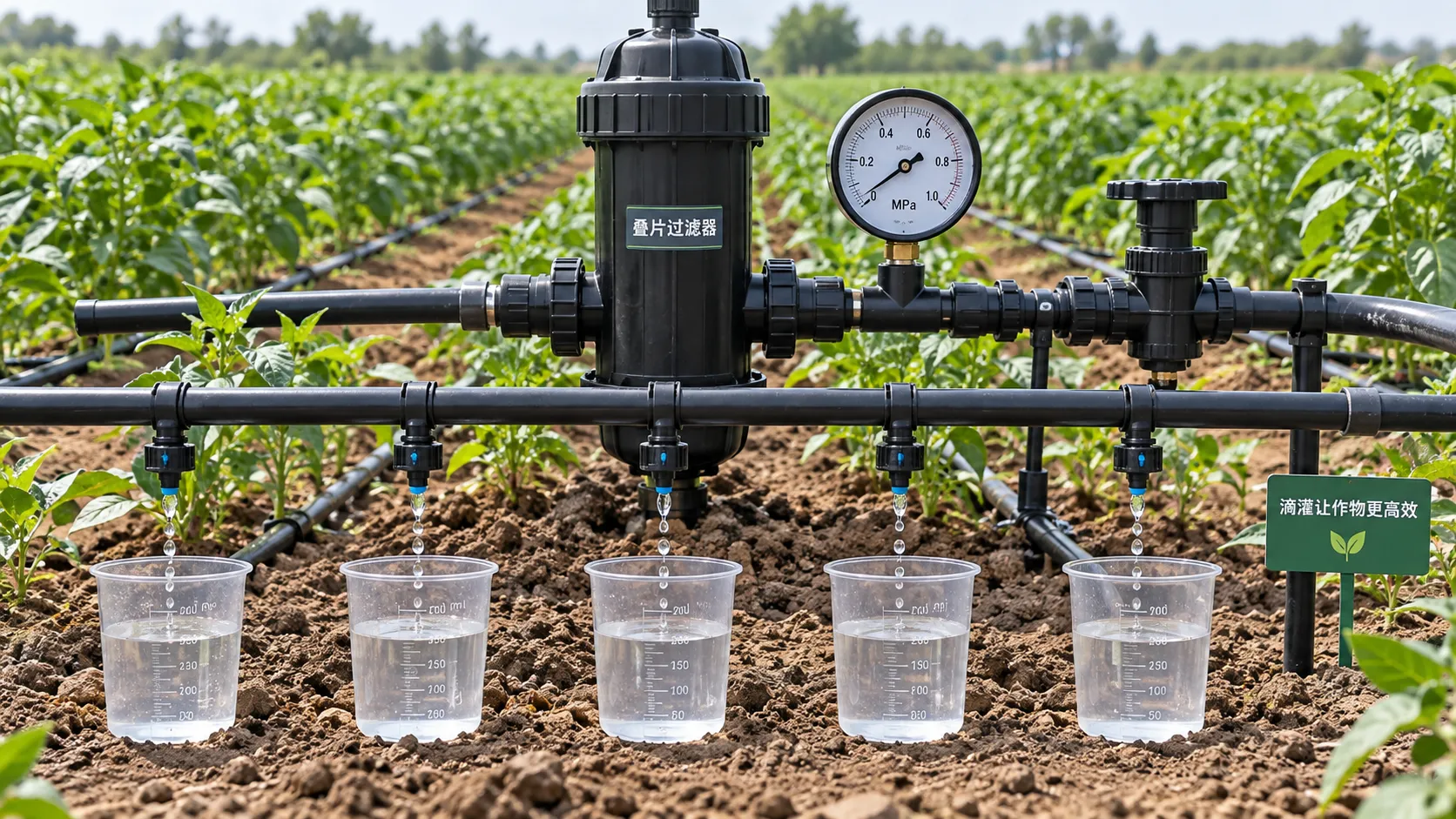
Low-Pressure Drip Irrigation: How to Fix Uneven Watering Without Raising Pressure
Optimize low pressure water-saving irrigation systems: discover how to fix uneven watering, clear blockages, and reduce hydraulic losses without raising supply pressure.

Comparing Farm Equipment Supplier Quotes: Price, Freight, and Warranty
Simplify supplier comparison for farm equipment price: assess freight, field-ready costs, and warranty coverage. Learn how to avoid hidden charges and choose a reliable supplier.

Choosing a Digital Farming Platform Provider: Compatibility and Data Ownership
Compare digital farming platforms providers on equipment compatibility, data ownership, and export rights. Discover practical checks to avoid lock-in and choose with confidence.

How Large-Scale Farm Telematics Cuts Downtime Across Mixed Fleets
Large-scale farm equipment telematics cuts mixed-fleet downtime with real-time alerts, smarter maintenance, and stronger operational control. Learn how to protect critical farm workflows.
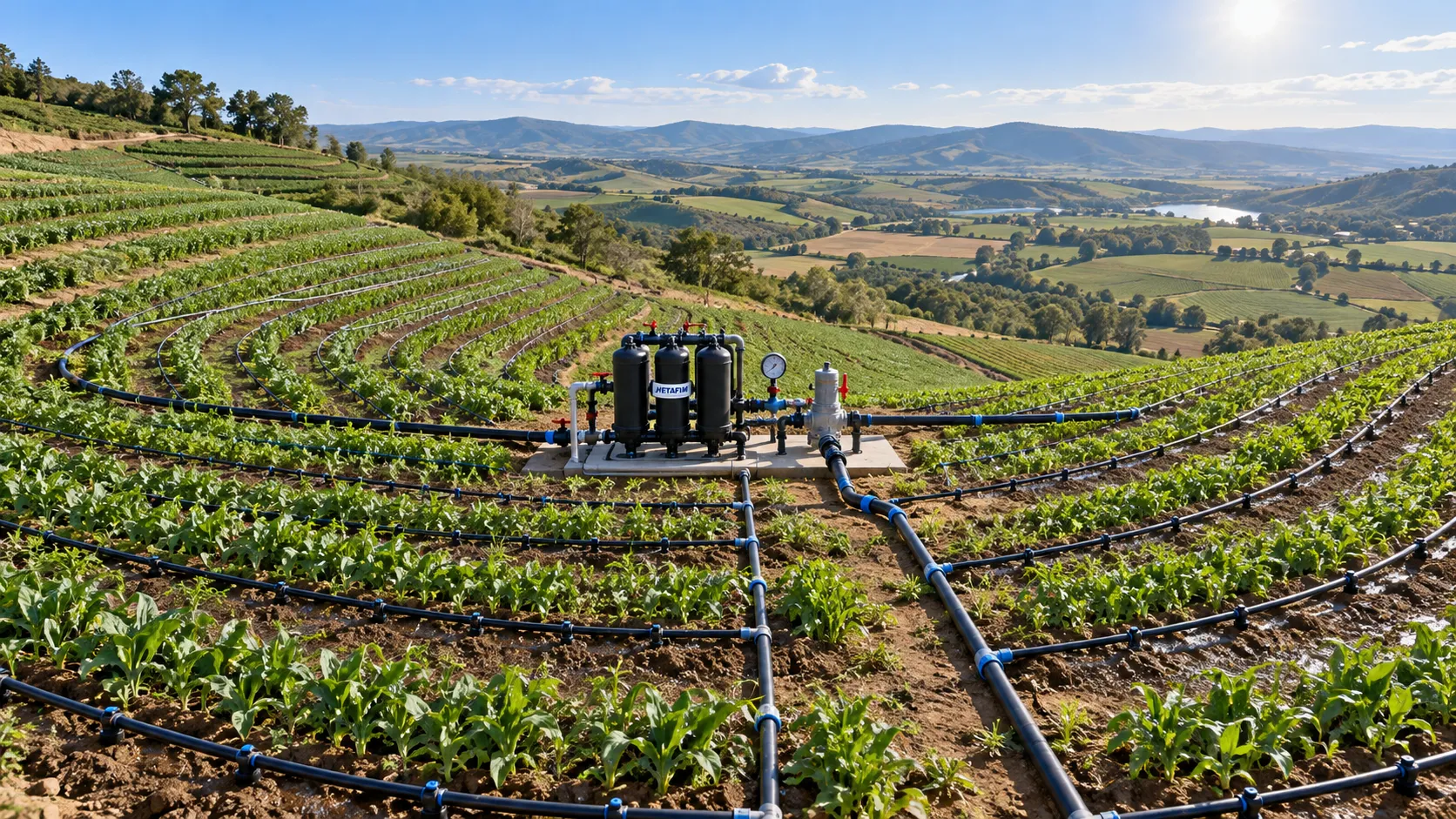
How to Size Low-Pressure Water-Saving Irrigation Systems for Uneven Fields
Low pressure water-saving irrigation systems for uneven fields: learn zoning, pressure mapping, pipe sizing, and pump selection to improve uniformity and reduce water waste.
Related News
- 00
0000-00
Choosing Drip Irrigation Systems for Open Fields: Soil, Slope, and Water Quality - 00
0000-00
Low-Pressure Drip Irrigation: How to Fix Uneven Watering Without Raising Pressure - 00
0000-00
How to Size Low-Pressure Water-Saving Irrigation Systems for Uneven Fields - 00
0000-00
Drip vs. Micro-Sprinkler Irrigation: Which System Fits Your Orchard? - 00
0000-00
How to Select Smart Irrigation Valves for Multi-Zone Water Management?
Popular Tags
Hydrological Resource Strategist
Weekly Insights
Stay ahead with our curated technology reports delivered every Monday.