
Australia’s RCM Update: Smart Irrigation Devices Require SAA Certification
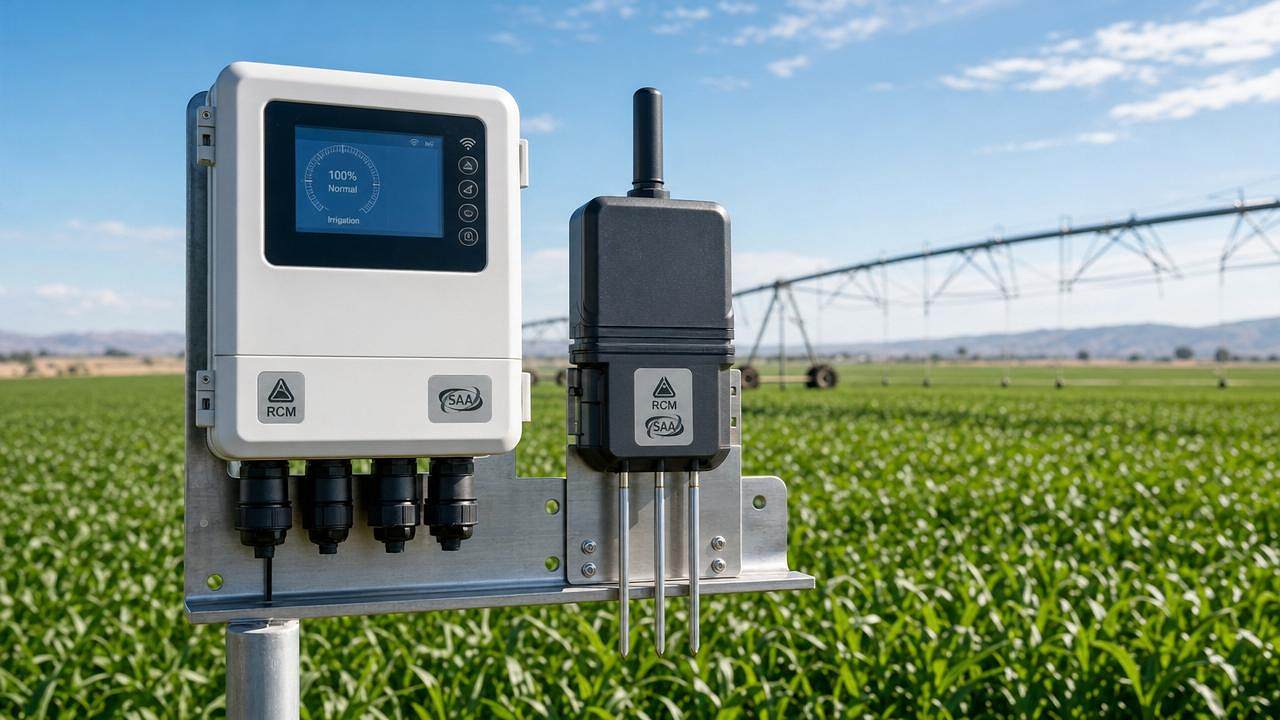




Effective 21 May 2026, the Australian Communications and Media Authority (ACMA) has strengthened compliance requirements for the Regulatory Compliance Mark (RCM), mandating that smart irrigation controllers, soil moisture sensors, and center-pivot systems with wireless communication functionality must obtain SAA safety certification prior to RCM registration. This change directly affects exporters—particularly manufacturers and suppliers of agricultural IoT equipment—and signals a tightening of pre-market conformity assessment pathways for connected agtech hardware entering the Australian market.
Event Overview
As of 21 May 2026, the ACMA has enforced an updated RCM requirement: all wireless-enabled smart irrigation devices—including smart irrigation controllers, soil moisture sensors, and center-pivot irrigation systems—must complete SAA safety certification before applying for RCM marking. This requirement is now binding for new product registrations and applies to devices subject to ACMA’s radiocommunications and electromagnetic compatibility (EMC) regulatory framework. No transitional period or grandfathering provisions have been publicly announced.
Industries Affected
Direct Exporters (OEM/ODM Manufacturers)
Manufacturers—especially those based in China—supplying smart irrigation hardware to Australia will face extended lead times due to the sequential certification workflow (SAA first, then RCM). Testing costs are expected to increase as SAA certification involves separate electrical safety assessments beyond existing EMC and radiofrequency testing.
Supply Chain & Distribution Partners
Australian importers and distributors must now verify SAA certification status before shipment clearance. Failure to confirm valid SAA documentation may result in customs delays or rejection at the point of entry, affecting inventory planning and retail launch schedules.
Agtech System Integrators
Companies integrating wireless sensors or controllers into larger farm management platforms must reassess component-level compliance. Pre-certified modules previously accepted under legacy RCM workflows may no longer satisfy the updated requirement if SAA certification was not obtained prior to RCM registration.
Key Considerations and Recommended Actions
Monitor official ACMA guidance for clarification on scope and enforcement
While the requirement applies to devices with wireless functions, ACMA has not yet published a definitive list of covered technologies (e.g., Bluetooth Low Energy, LoRaWAN, NB-IoT) or exemption thresholds. Stakeholders should track updates via the ACMA website and registered industry bulletins.
Review current and planned product submissions for Australian market entry
Exporters should identify which models fall under the new mandate—particularly those incorporating radios, firmware-updatable connectivity, or embedded antennas—and initiate SAA evaluation well ahead of RCM application timelines. Prioritization should focus on high-volume SKUs and products scheduled for launch between Q3 2026 and Q1 2027.
Distinguish between policy signal and operational readiness
The rule took effect on 21 May 2026, but practical enforcement by Australian customs authorities may vary during initial implementation. Nonetheless, relying on informal leniency carries risk; formal compliance preparation remains the prudent baseline.
Update supplier agreements and technical documentation protocols
Importers and brand owners should revise procurement terms to require SAA certification evidence (including test reports and certificates issued by SAA-accredited bodies) as a contractual condition. Internal documentation workflows—such as product data sheets and compliance dossiers—must reflect dual-certification status (SAA + RCM).
Editorial Observation / Industry Perspective
Observably, this update reflects a broader shift toward harmonizing safety and spectrum compliance in Australia’s IoT regulatory environment—not merely a procedural adjustment. Analysis shows it elevates SAA from a de facto recommendation to a mandatory prerequisite, effectively aligning RCM more closely with EU CE and UKCA frameworks where safety and radio compliance are assessed in sequence. It is better understood as a structural recalibration than a temporary administrative change: the requirement is now codified, enforceable, and integrated into ACMA’s registration system. From an industry perspective, the move underscores growing scrutiny of wireless-enabled agricultural equipment—especially as such devices increasingly operate in shared rural spectrum bands and interface with critical infrastructure.
Conclusion
This update marks a material step in Australia’s regulatory maturation for smart agriculture hardware. It does not introduce new product bans or retroactively invalidate existing RCM-marked devices, but it resets the baseline for market access. Current best practice is to treat the SAA-RCM sequence as a fixed gate in the export workflow—not as an optional enhancement. For stakeholders, the implication is clear: compliance planning must begin earlier, involve deeper cross-functional coordination (safety engineering, regulatory affairs, logistics), and be anchored in verifiable, third-party-issued documentation.
Information Source
Main source: Australian Communications and Media Authority (ACMA) official notice, effective 21 May 2026.
Note: Ongoing monitoring is recommended for ACMA-issued clarifications on scope interpretation, accredited testing body requirements, and potential alignment with AS/NZS 60335.1 and AS/NZS 62368.1 standards.
Related News
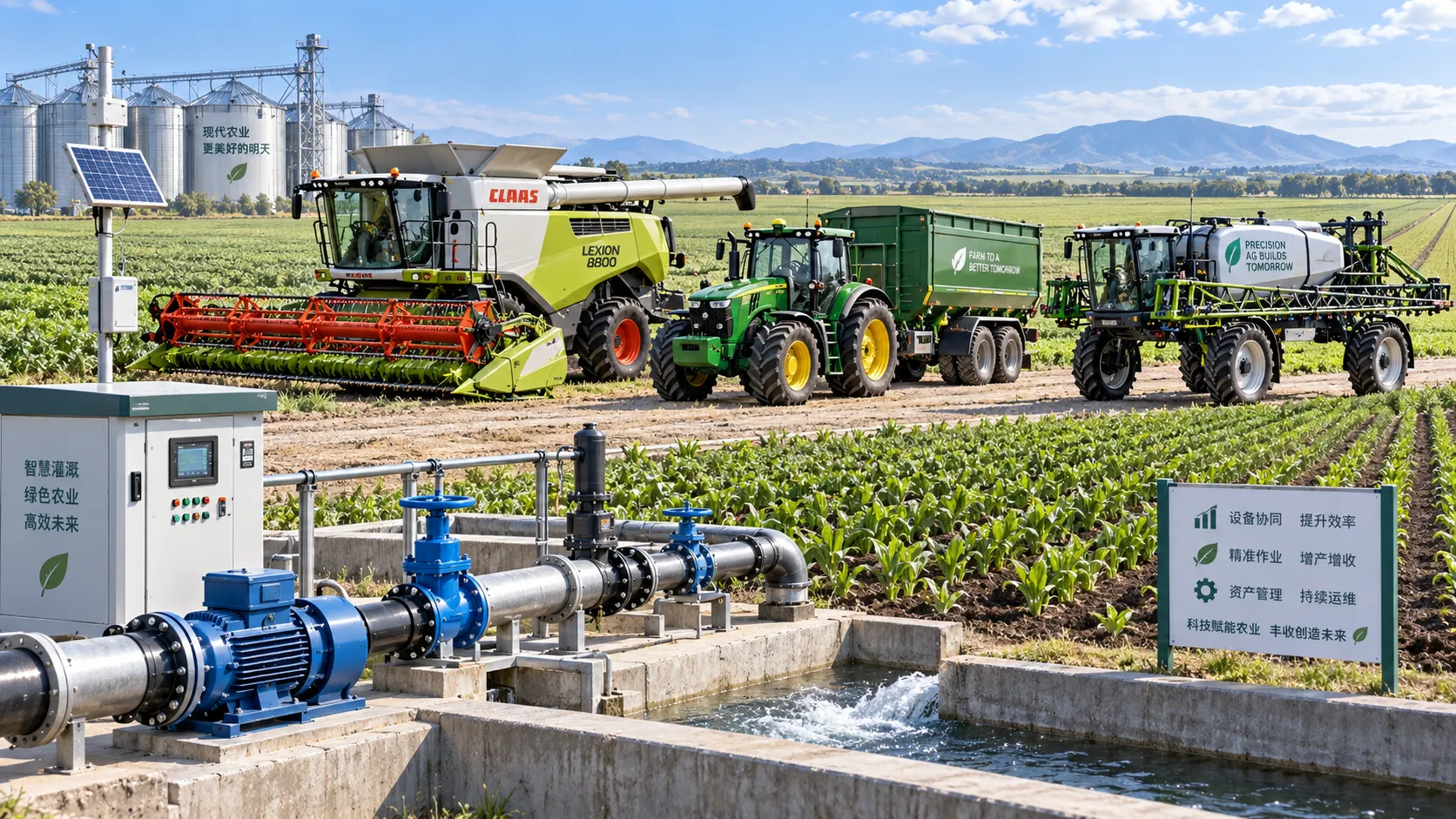
How to Compare Agricultural Equipment Platforms for Fleet Management and ROI
Agricultural equipment platform comparison: evaluate fleet data, maintenance, precision workflows, and ROI to choose a system that delivers measurable results.
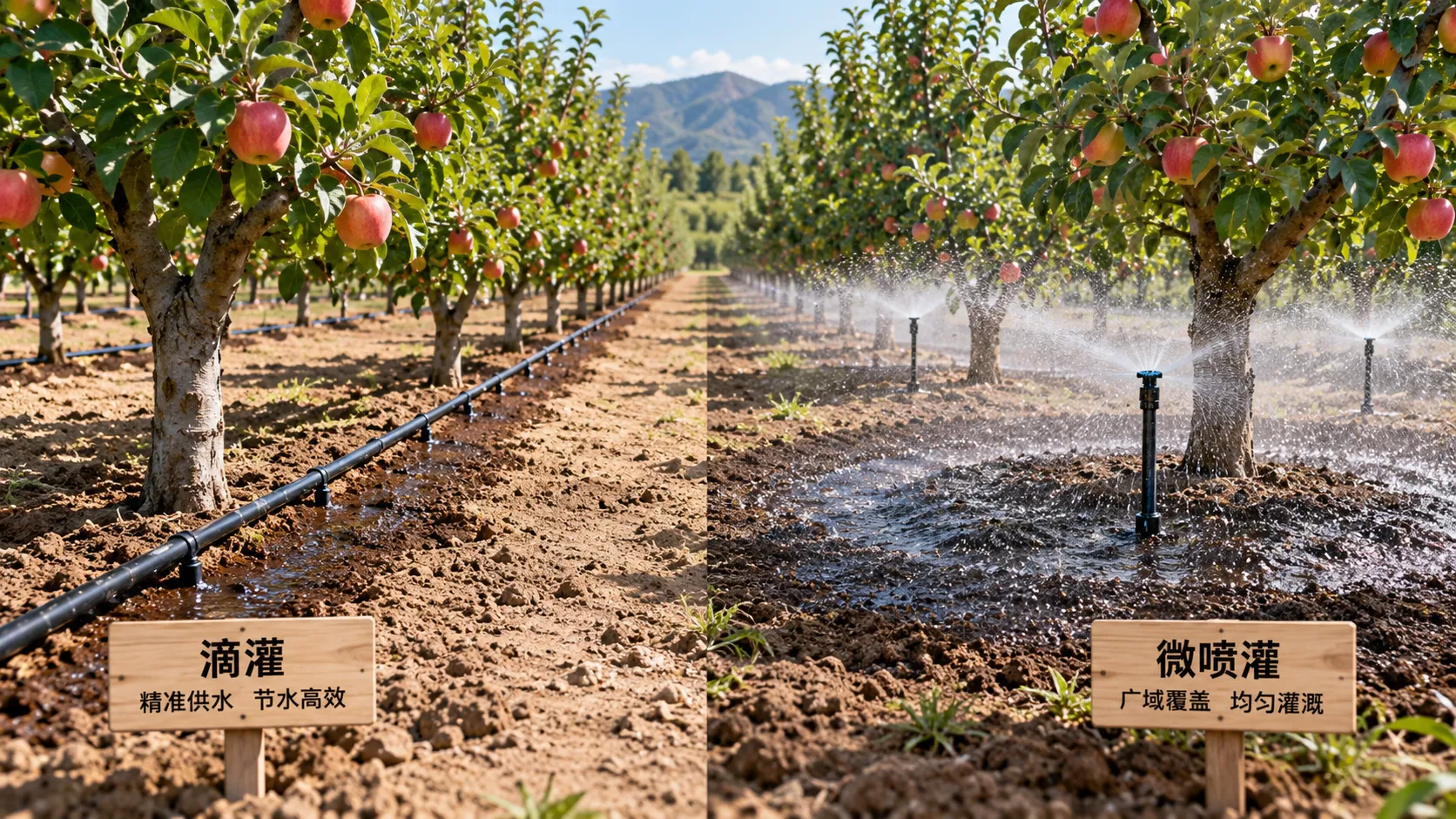
Drip vs. Micro-Sprinkler Irrigation: Which System Fits Your Orchard?
Irrigation solution comparison for orchards: discover whether drip or micro-sprinklers best match your water, soil, roots, fertigation, and frost needs.
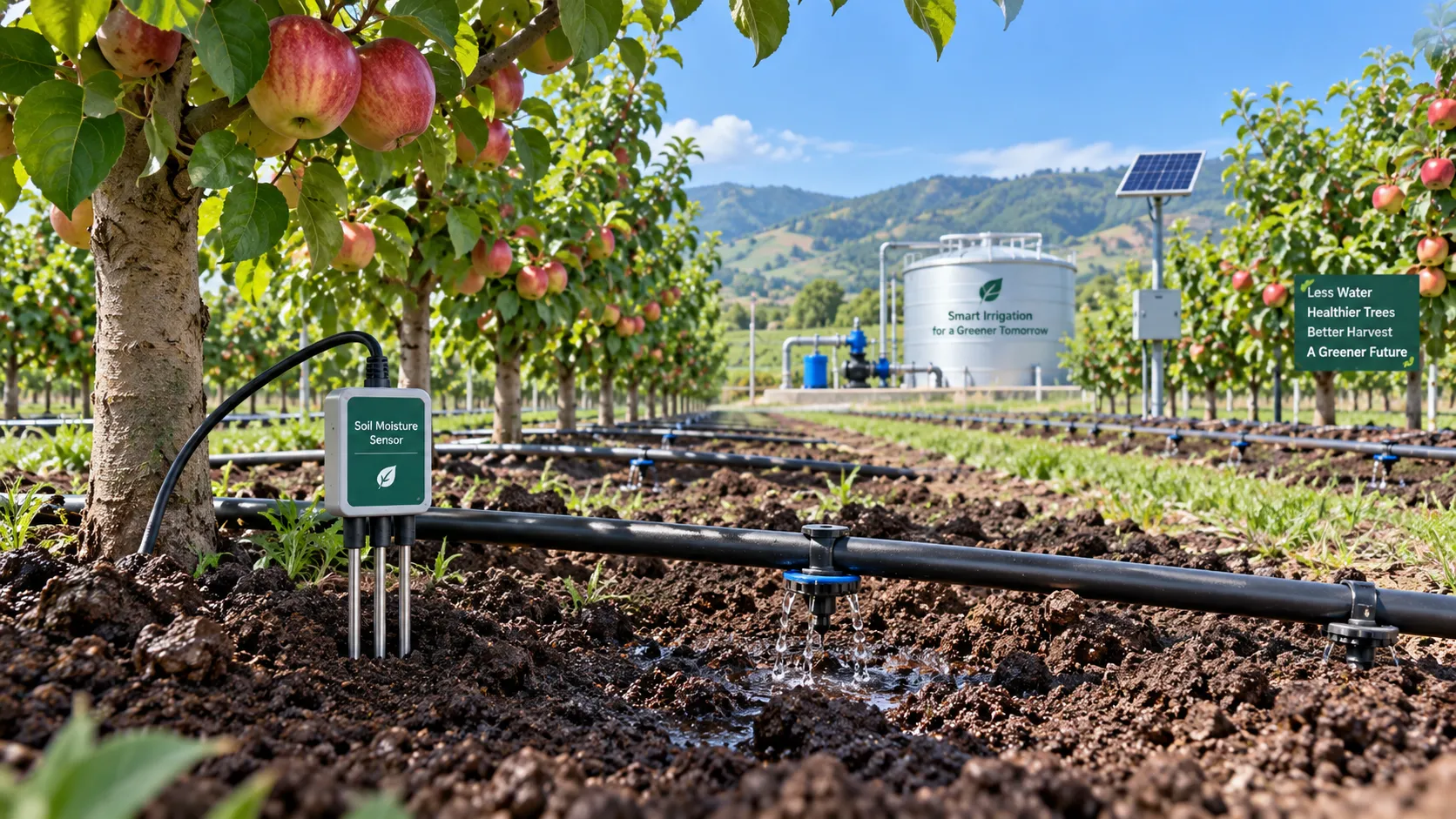
Orchard Water Management: Using Soil Moisture Data to Schedule Irrigation
Agricultural water management for orchards made practical: use soil moisture data to optimize irrigation timing, protect yield, reduce costs, and improve resilience.
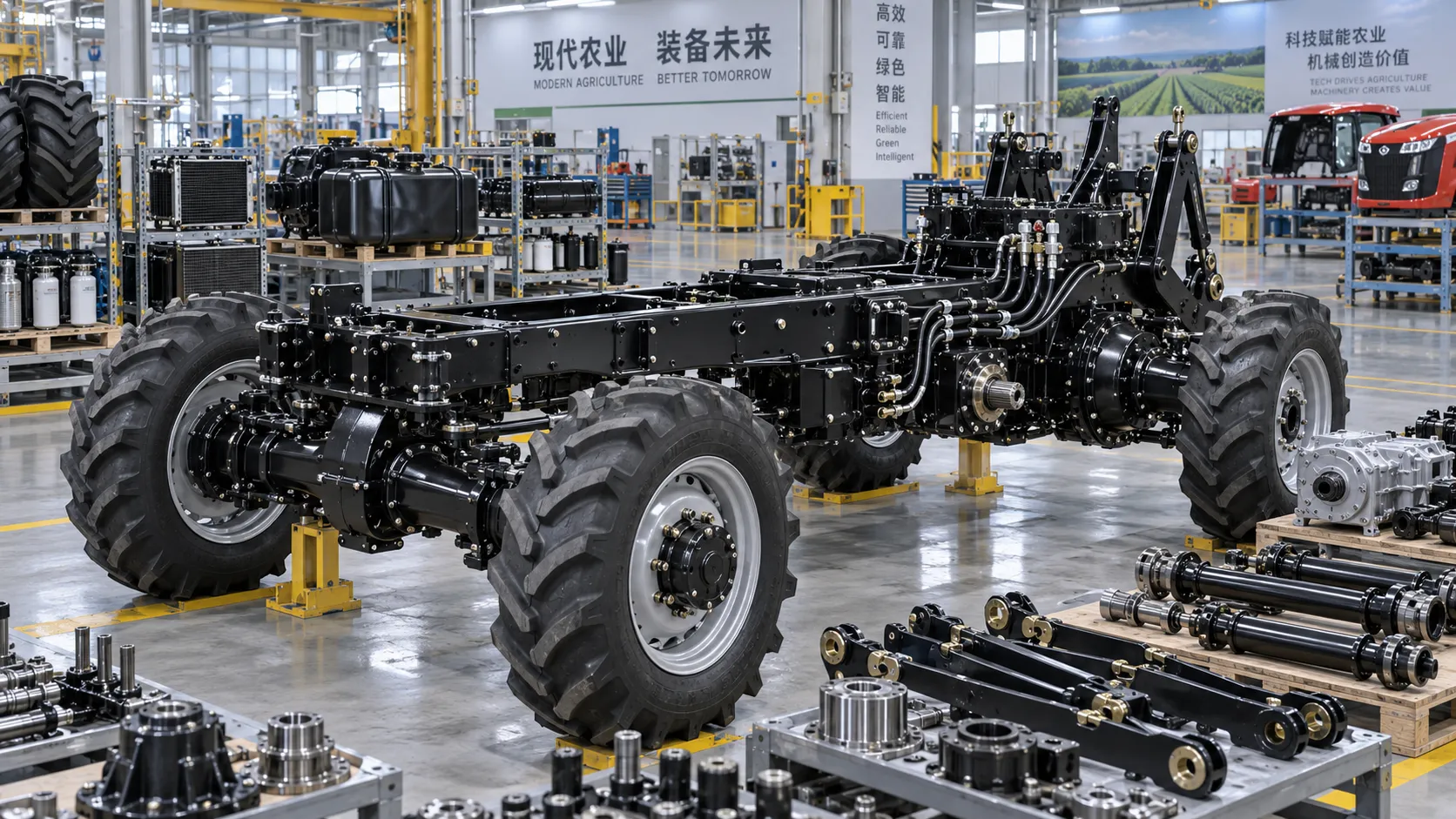
Tractor Chassis Price: What Buyers Should Compare Beyond the Initial Quote
Tractor chassis price is only the start. Compare load capacity, compatibility, durability, and lifecycle costs to choose a reliable, high-value chassis.
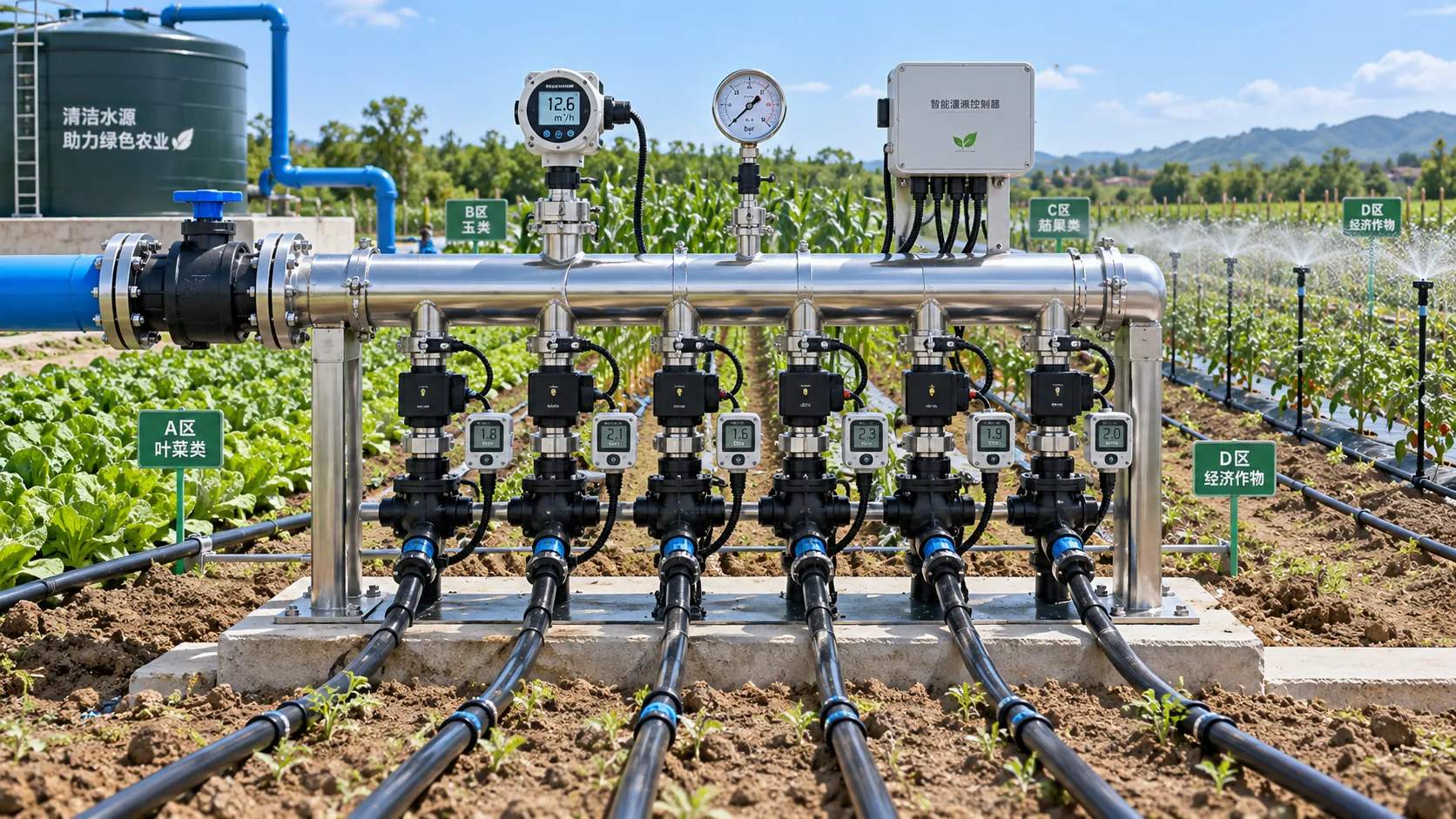
How to Select Smart Irrigation Valves for Multi-Zone Water Management?
Intelligent irrigation systems valves: learn how to match smart valves with multi-zone flow, pressure, control, feedback, and communication needs for reliable water management.
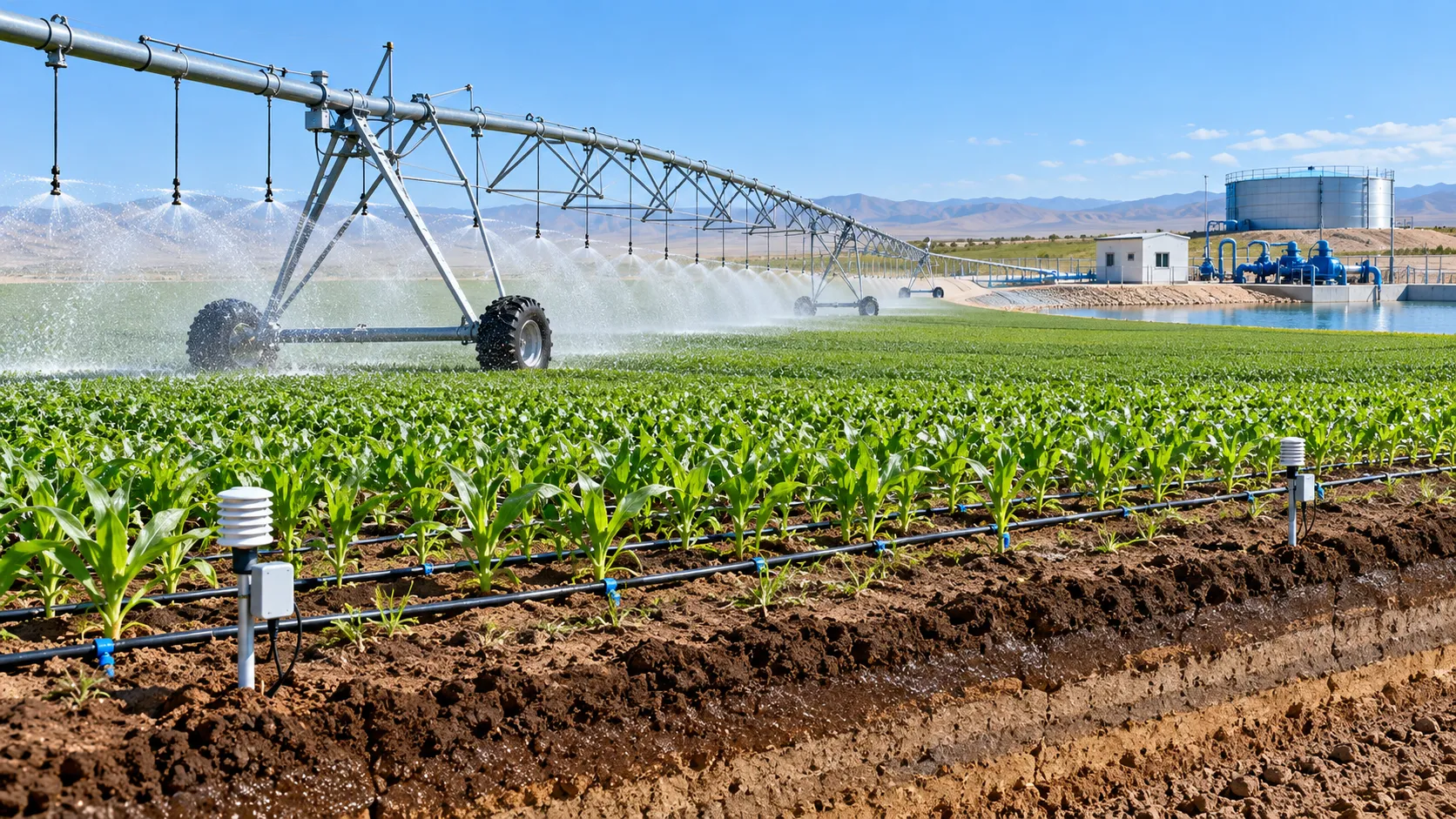
Climate-Smart Farming for Drought: A Practical Plan for Protecting Yields
Climate-smart farming for drought: build smarter water budgets, protect critical crop stages, improve irrigation uniformity, and safeguard yields with practical field-proven strategies.
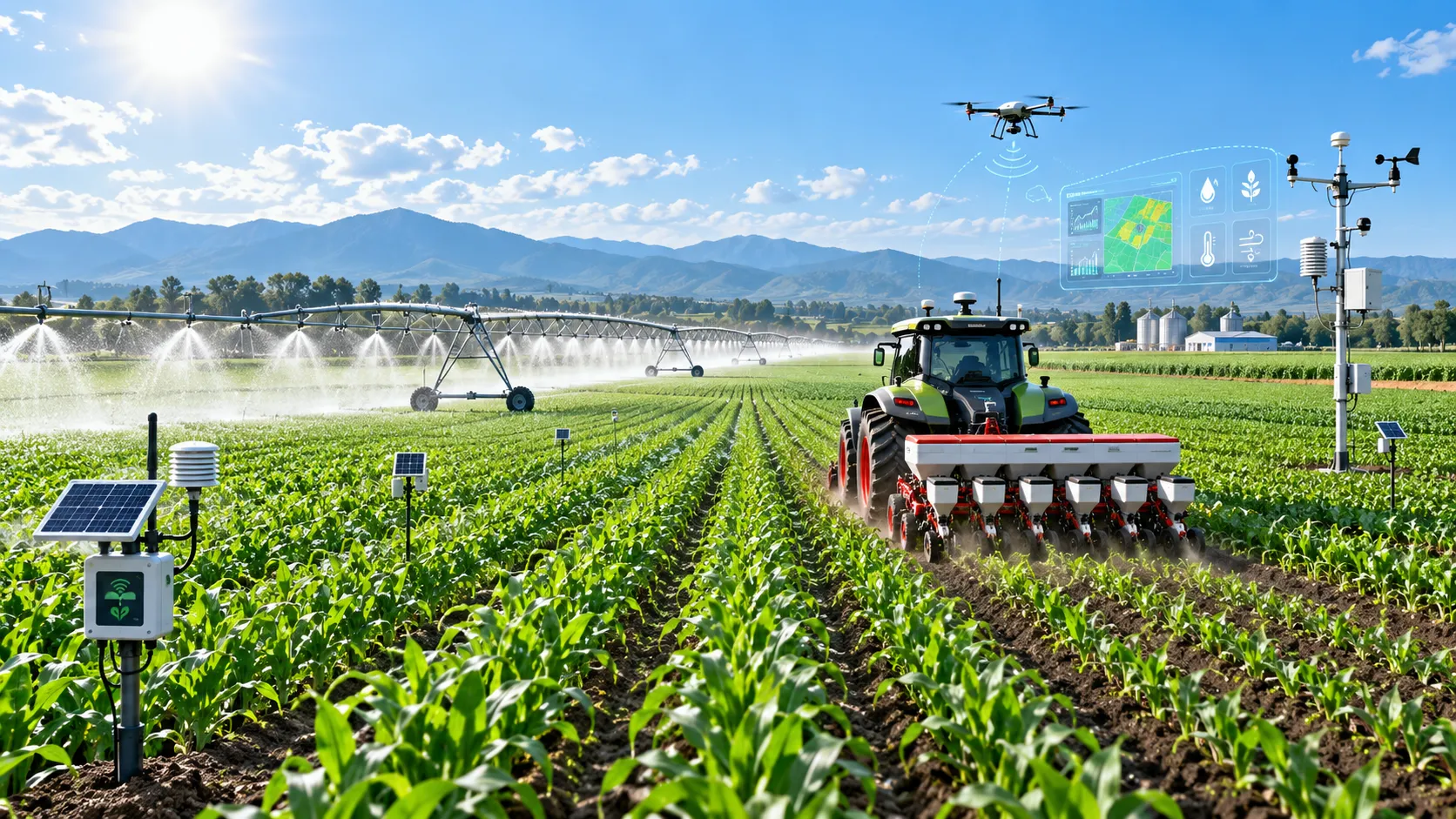
How Digital Agriculture Platforms Turn Field Data Into Better Input Decisions
Digital agriculture platforms turn field data into smarter fertilizer, water, seed, and equipment decisions—helping farms cut risk, improve margins, and scale sustainability.
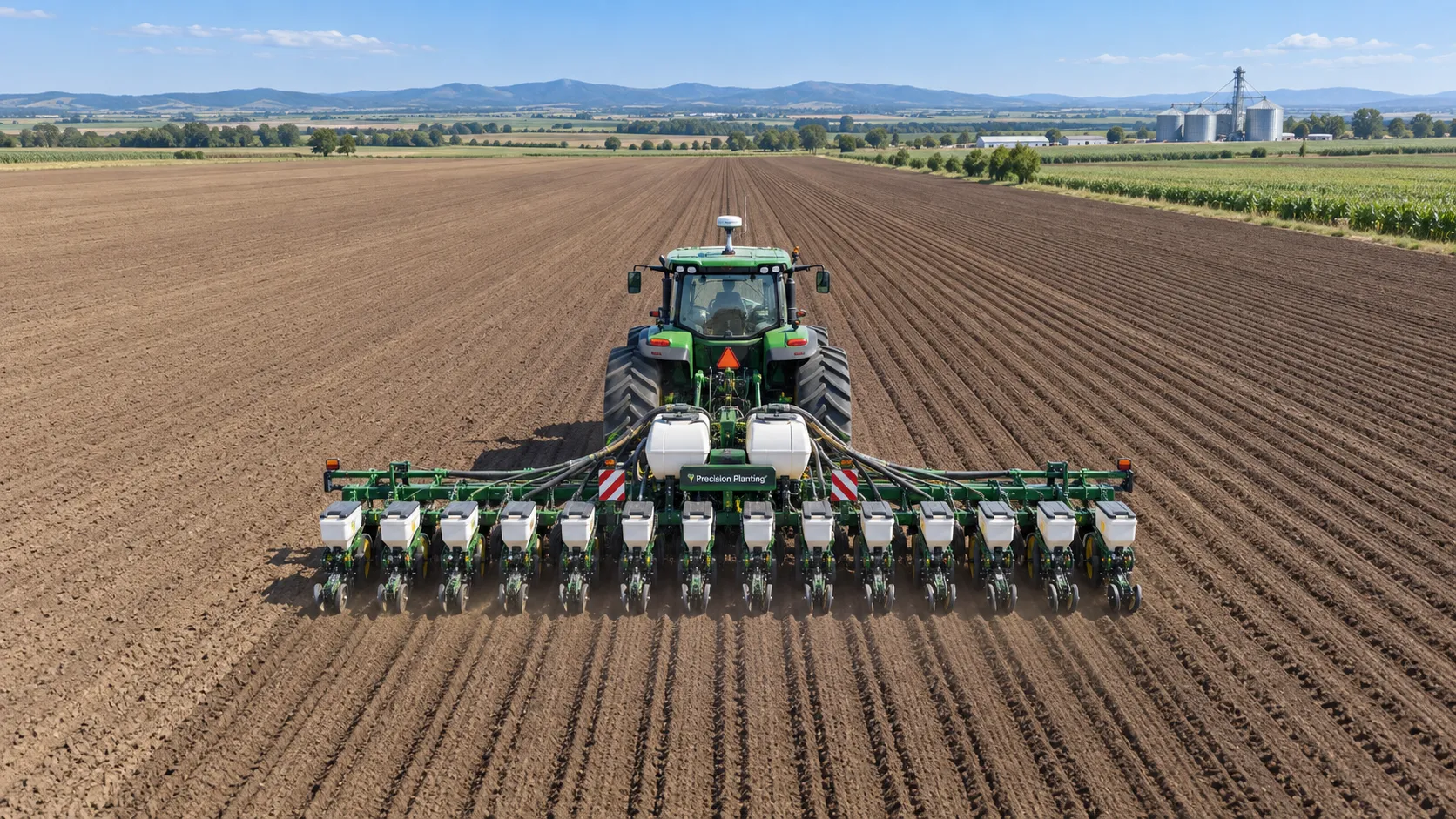
GPS-Guided Farm Machinery: Where It Delivers Measurable Field Efficiency Gains
Agri-mechanization GPS guided systems deliver measurable field efficiency gains through reduced overlap, precise planting, smarter inputs, and reliable farm data.
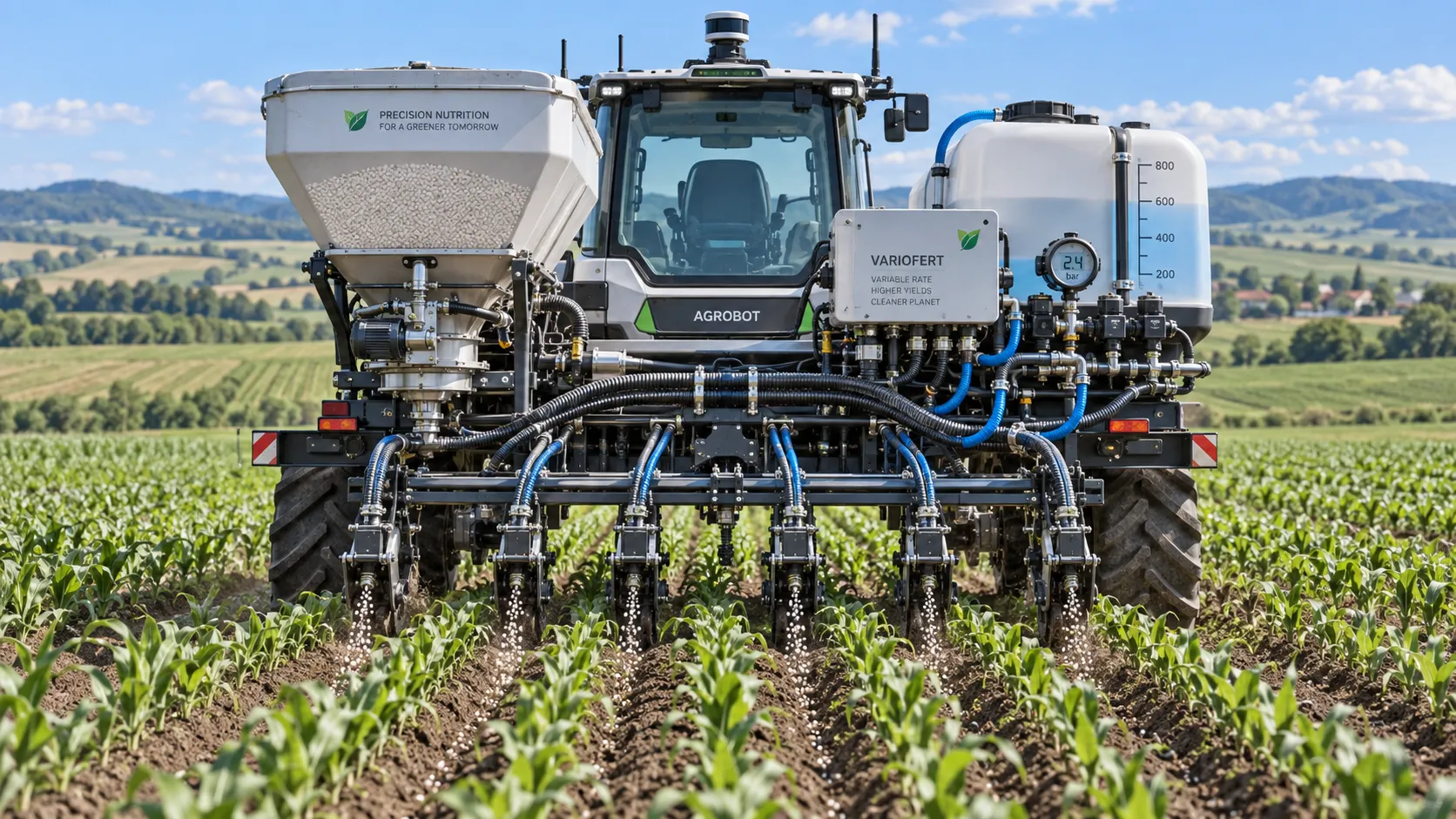
How Sensor Feedback Enables Accurate Variable-Rate Fertilization in Field Conditions
Precision fertilization systems with sensor feedback improve variable-rate accuracy by verifying flow, managing latency, and ensuring reliable field application.
Related News
- 00
0000-00
Drip vs. Micro-Sprinkler Irrigation: Which System Fits Your Orchard? - 00
0000-00
How to Select Smart Irrigation Valves for Multi-Zone Water Management? - 00
0000-00
Automated Water-Saving Irrigation: How to Cut Water Use Without Reducing Crop Yields - 00
0000-00
How to Evaluate Drip Irrigation System Manufacturers for Large Farm Projects - 00
0000-00
Wireless Agricultural Automation for Remote Irrigation and Field Monitoring
Popular Tags
Hydrological Resource Strategist
Weekly Insights
Stay ahead with our curated technology reports delivered every Monday.