
What to check before adopting digital agriculture platforms
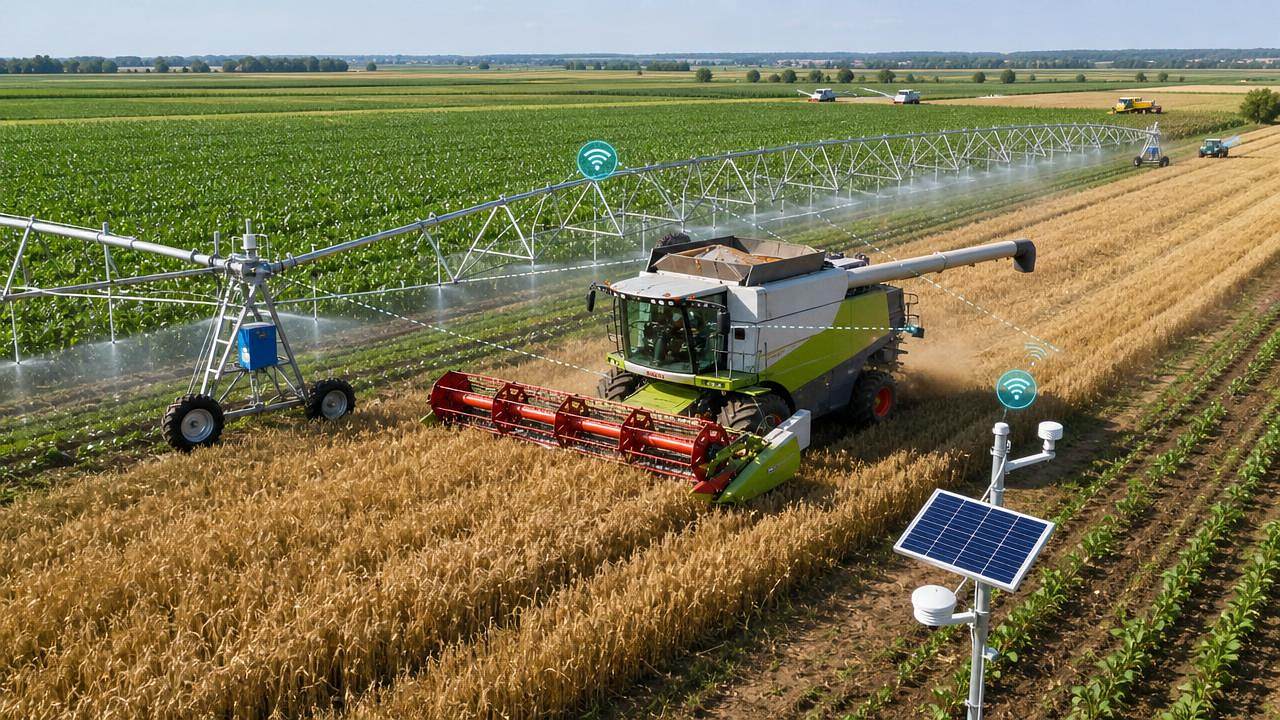




Before adopting digital agriculture platforms, evaluators need more than polished dashboards and broad automation claims. They need evidence that the system can connect machines, clean and validate field data, protect operational records, and deliver measurable value under real farming conditions. In large-scale mechanization, combine harvesting, and intelligent irrigation, platform failure rarely looks dramatic at first. It usually appears as delayed syncs, inconsistent prescriptions, weak telemetry, or reports that cannot guide decisions. This checklist explains what to verify before committing to digital agriculture platforms and how to reduce long-term integration risk.
Why a checklist matters before selecting digital agriculture platforms
Digital agriculture platforms now influence agronomy, equipment monitoring, irrigation timing, work orders, compliance records, and input planning. A poor choice can lock operations into fragmented workflows for years.
Feature comparisons alone do not show whether a platform performs well across tractors, harvesters, smart implements, sensors, satellite layers, and water management systems. A structured checklist exposes hidden gaps early.
For intelligence-focused organizations such as AP-Strategy, this evaluation lens is essential. It aligns software decisions with machinery performance, precision farming logic, and sustainability targets instead of short-term software convenience.
Core checklist for evaluating digital agriculture platforms
- Verify interoperability across tractors, combines, irrigation controllers, sensors, and farm management tools. Ask for supported protocols, API documentation, and live examples of mixed-fleet data exchange.
- Check data accuracy at the field level. Compare yield maps, moisture readings, machine logs, and irrigation events against ground truth before trusting platform recommendations.
- Review cybersecurity controls. Confirm encryption, user permissions, device authentication, audit logs, backup routines, and incident response procedures for connected agricultural assets.
- Test scalability with real operational volume. Load multiple seasons, machine streams, field boundaries, imagery layers, and sensor feeds to see whether speed and stability remain acceptable.
- Assess analytics quality, not just interface design. Examine whether models explain prescription logic, anomaly alerts, harvest loss signals, and irrigation scheduling assumptions.
- Confirm offline capability for weak-connectivity regions. Field operations often continue beyond stable network coverage, so local capture and delayed synchronization are critical.
- Measure workflow fit for actual operations. Check whether the platform supports task assignment, machinery dispatch, maintenance tracking, and seasonal planning without excessive manual work.
- Inspect vendor support depth. Evaluate onboarding quality, agronomic domain knowledge, response times, update frequency, and the ability to solve cross-system integration problems.
- Clarify data ownership and export rights. Make sure operational data, machine history, and analytics outputs can be extracted in usable formats without punitive restrictions.
- Calculate ROI using operational metrics. Focus on fuel efficiency, harvest loss reduction, irrigation savings, labor hours, input optimization, and decision speed.
What to examine inside each checkpoint
Interoperability and equipment intelligence
The best digital agriculture platforms do not force a single-brand ecosystem. They should accept data from legacy tractors, new combines, GNSS receivers, section controllers, and irrigation gateways.
Ask whether machine telemetry arrives in standard structures. If cleaning loss, engine load, fuel rate, and implement status are mapped inconsistently, downstream analytics become unreliable.
Data integrity and model confidence
Digital agriculture platforms depend on clean geospatial and operational data. Check timestamp alignment, sensor calibration routines, missing-value handling, and field boundary version control.
If the platform recommends variable-rate seeding or irrigation timing, require transparency. A strong system should show source data, thresholds, and confidence limits, not only final outputs.
Cybersecurity and operational resilience
Connected agriculture expands the attack surface. Remote access to irrigation systems, machinery consoles, and cloud dashboards must be controlled through strong identity and access policies.
Also check resilience. If a cloud outage happens during harvest or irrigation peaks, digital agriculture platforms should preserve critical records and support continuity until synchronization resumes.
How checklist priorities change by application scenario
Large-scale farm machinery coordination
In broad-acre operations, digital agriculture platforms must consolidate machine positions, task status, maintenance alerts, and operator activity into one decision layer. Fragmented visibility increases idle time.
The key test is dispatch efficiency. Can the platform reassign equipment quickly when weather shifts, breakdowns occur, or soil conditions change across zones?
Combine harvesting optimization
For harvest operations, digital agriculture platforms should combine yield mapping, moisture data, throughput, cleaning loss, and route planning. Delayed or weak feedback limits harvest optimization.
Look for near-real-time alerts and historical comparisons. A strong platform helps identify where machine settings, travel speed, or crop condition are driving loss.
Intelligent irrigation systems
In irrigation, the value of digital agriculture platforms depends on accurate evapotranspiration logic, soil moisture interpretation, valve control integration, and anomaly detection for leaks or pressure loss.
Water-saving claims should be validated against historical baselines. Check whether the platform can separate weather impact from actual scheduling improvement.
Commonly overlooked risks
- Ignoring change management. Even strong digital agriculture platforms fail when data-entry steps are unclear or machine operators receive inconsistent field instructions.
- Underestimating integration costs. Custom connectors, hardware retrofits, and data cleanup can exceed the initial subscription cost.
- Accepting closed reporting logic. If analytics cannot be audited, prescription errors may go unnoticed across entire seasons.
- Relying on demos instead of pilots. A controlled field trial reveals latency, map alignment issues, and workflow friction much faster than presentation slides.
- Skipping exit planning. Without export pathways and migration rules, switching digital agriculture platforms later becomes expensive and disruptive.
Practical execution steps before adoption
Start with a limited pilot covering one machinery workflow, one harvest dataset, and one irrigation use case. This reveals whether digital agriculture platforms can support cross-functional operations.
Build an evaluation matrix with weighted criteria. Score interoperability, data quality, uptime, analytics transparency, support, and ROI evidence rather than relying on sales narratives.
Request raw sample exports and API access early. If data cannot move cleanly between systems, the platform may create long-term operational dependence.
Document success thresholds before testing. Examples include lower harvest loss, faster work-order completion, fewer irrigation overrides, or improved machine utilization.
Review the platform with both technical and field evidence. A system that looks advanced in software terms may still perform poorly in changing soil, weather, and machine conditions.
Conclusion and next action
Adopting digital agriculture platforms is not only a software decision. It is an operational architecture decision that affects machinery intelligence, agronomic precision, water use, and long-term resilience.
The safest path is to validate digital agriculture platforms through a checklist that tests interoperability, data integrity, cybersecurity, scalability, and measurable field ROI. When these checkpoints are verified early, technology supports cultivation instead of complicating it.
Use this checklist to structure vendor review, pilot design, and final selection. In an Agriculture 4.0 environment, disciplined evaluation is what turns digital promise into dependable field performance.
Related News
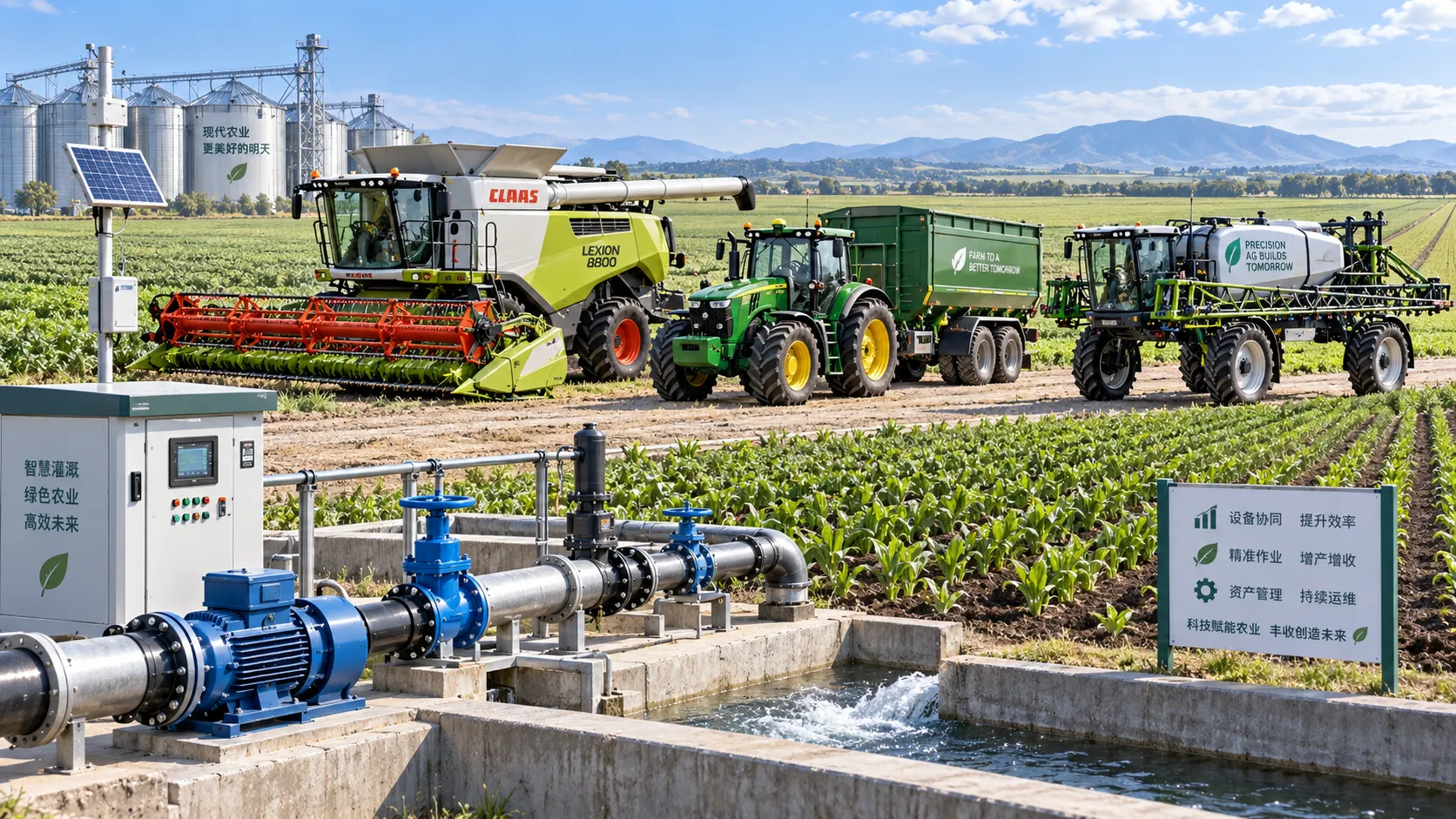
How to Compare Agricultural Equipment Platforms for Fleet Management and ROI
Agricultural equipment platform comparison: evaluate fleet data, maintenance, precision workflows, and ROI to choose a system that delivers measurable results.
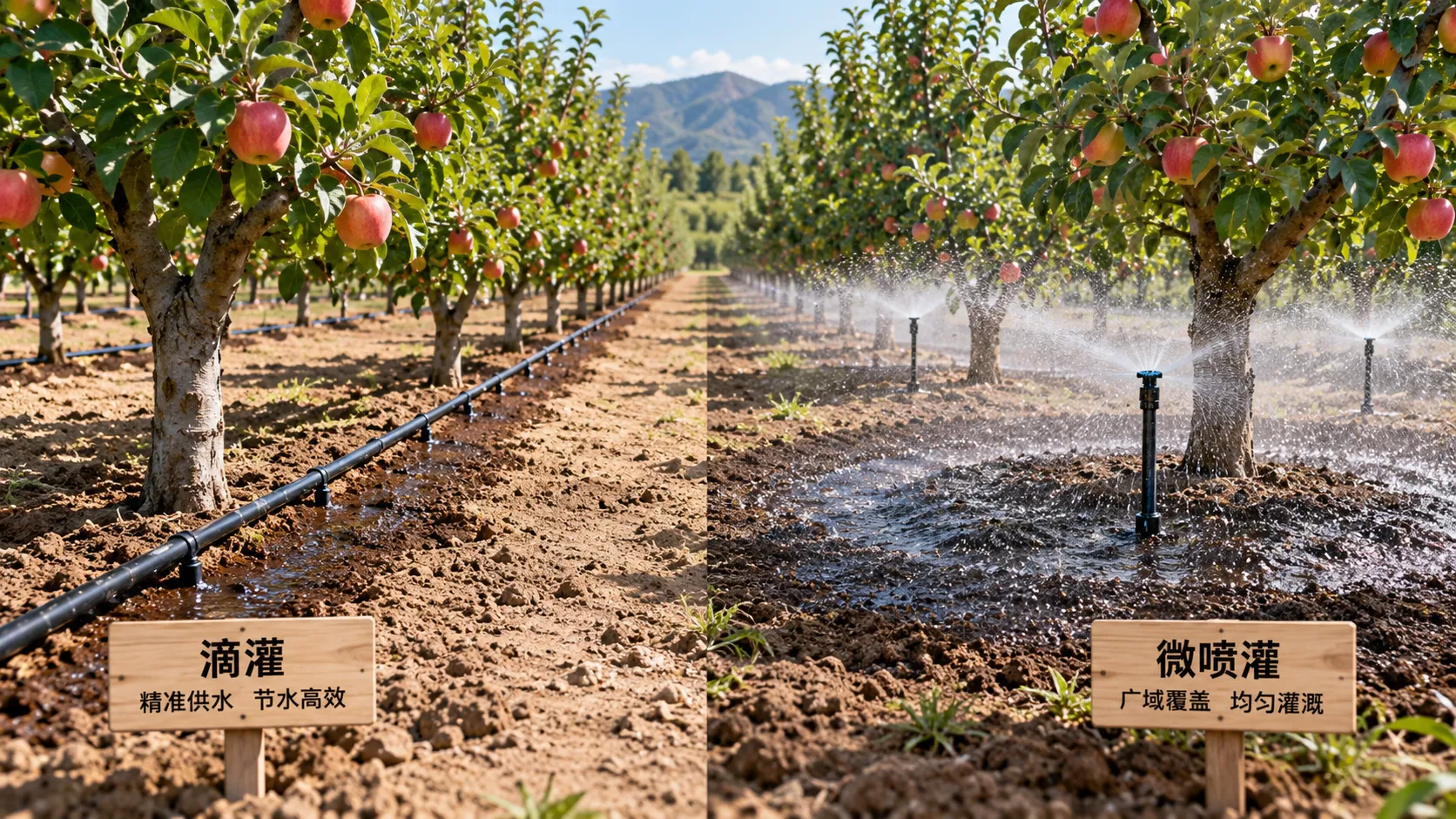
Drip vs. Micro-Sprinkler Irrigation: Which System Fits Your Orchard?
Irrigation solution comparison for orchards: discover whether drip or micro-sprinklers best match your water, soil, roots, fertigation, and frost needs.
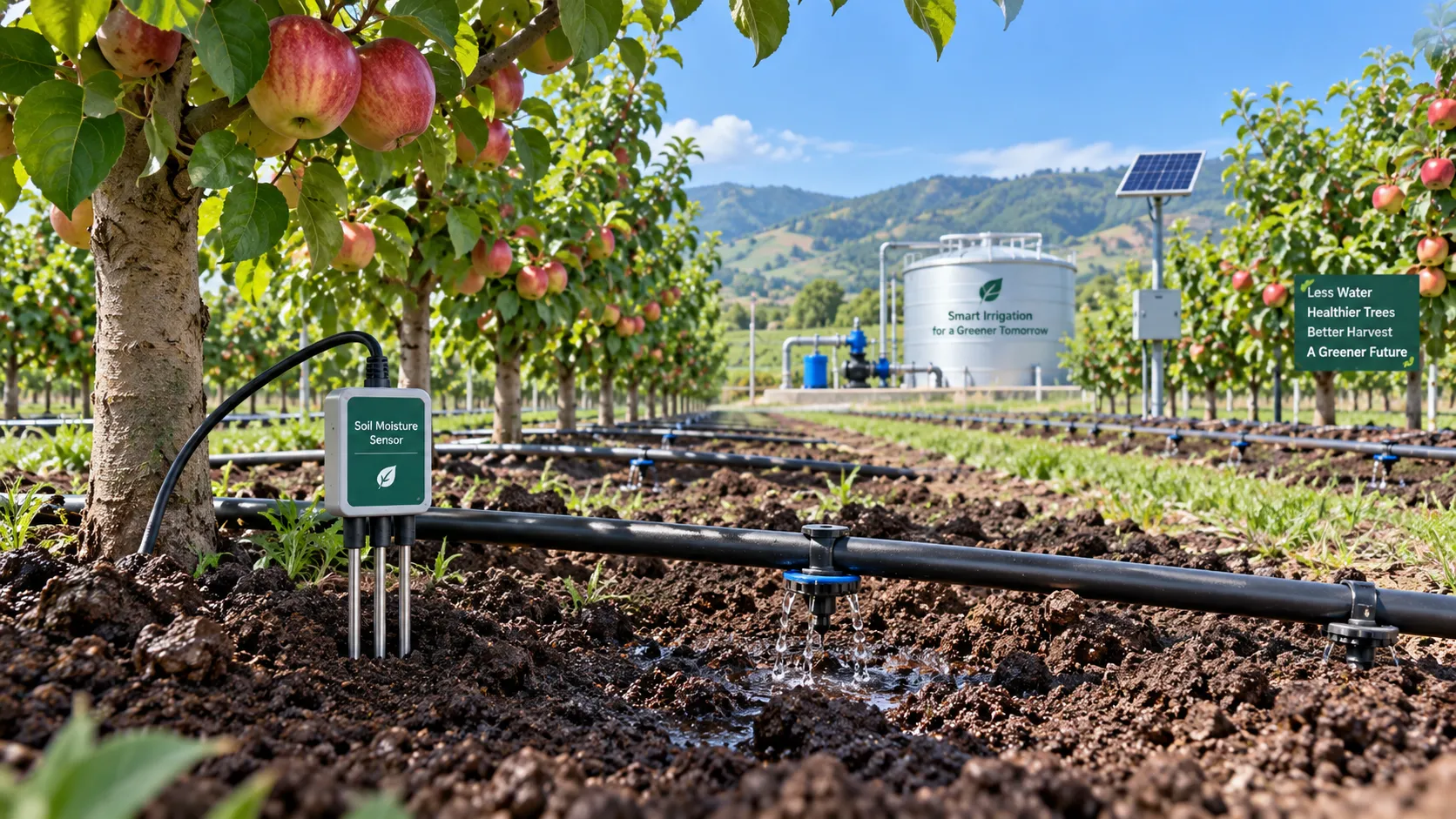
Orchard Water Management: Using Soil Moisture Data to Schedule Irrigation
Agricultural water management for orchards made practical: use soil moisture data to optimize irrigation timing, protect yield, reduce costs, and improve resilience.
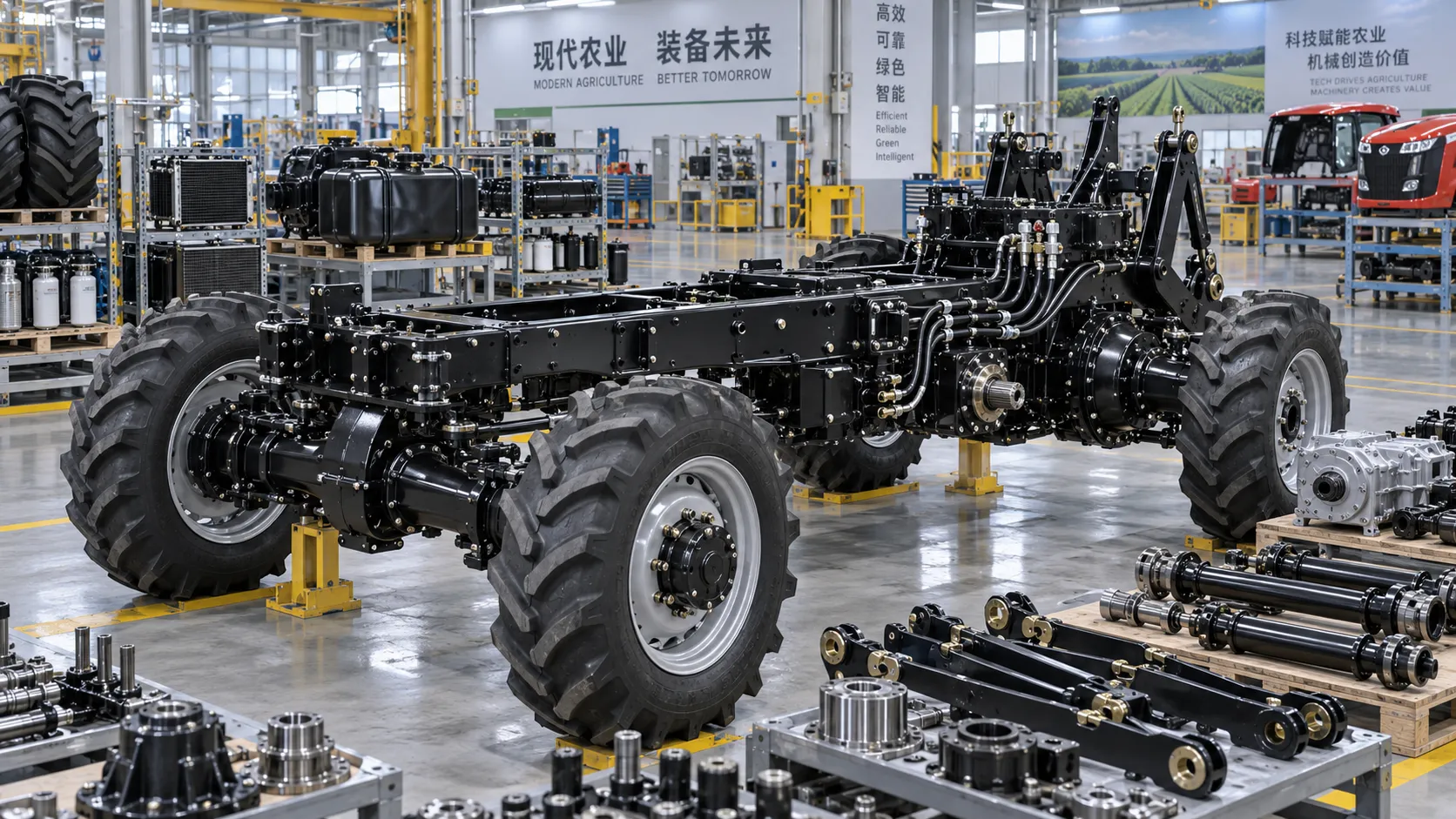
Tractor Chassis Price: What Buyers Should Compare Beyond the Initial Quote
Tractor chassis price is only the start. Compare load capacity, compatibility, durability, and lifecycle costs to choose a reliable, high-value chassis.
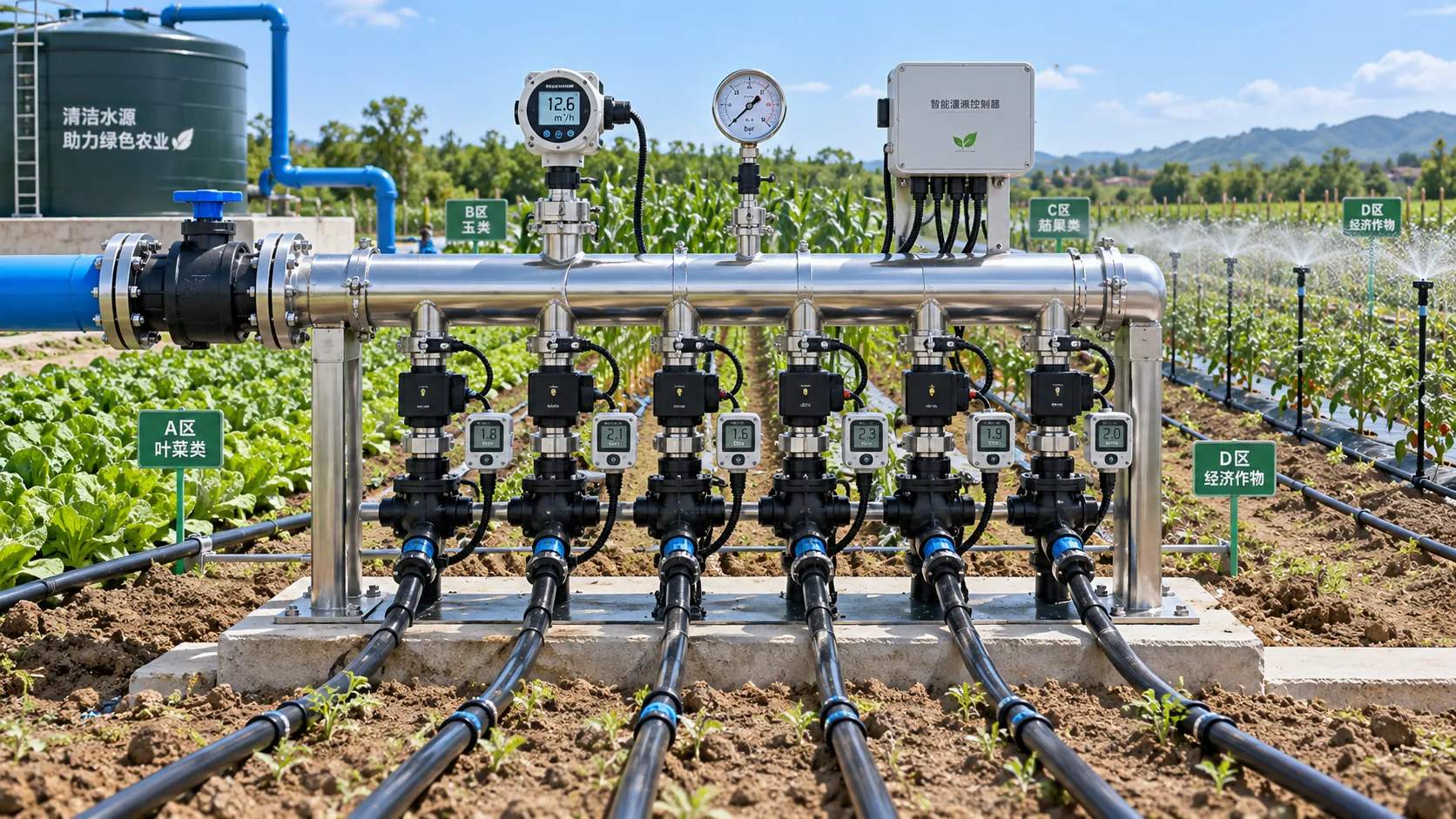
How to Select Smart Irrigation Valves for Multi-Zone Water Management?
Intelligent irrigation systems valves: learn how to match smart valves with multi-zone flow, pressure, control, feedback, and communication needs for reliable water management.
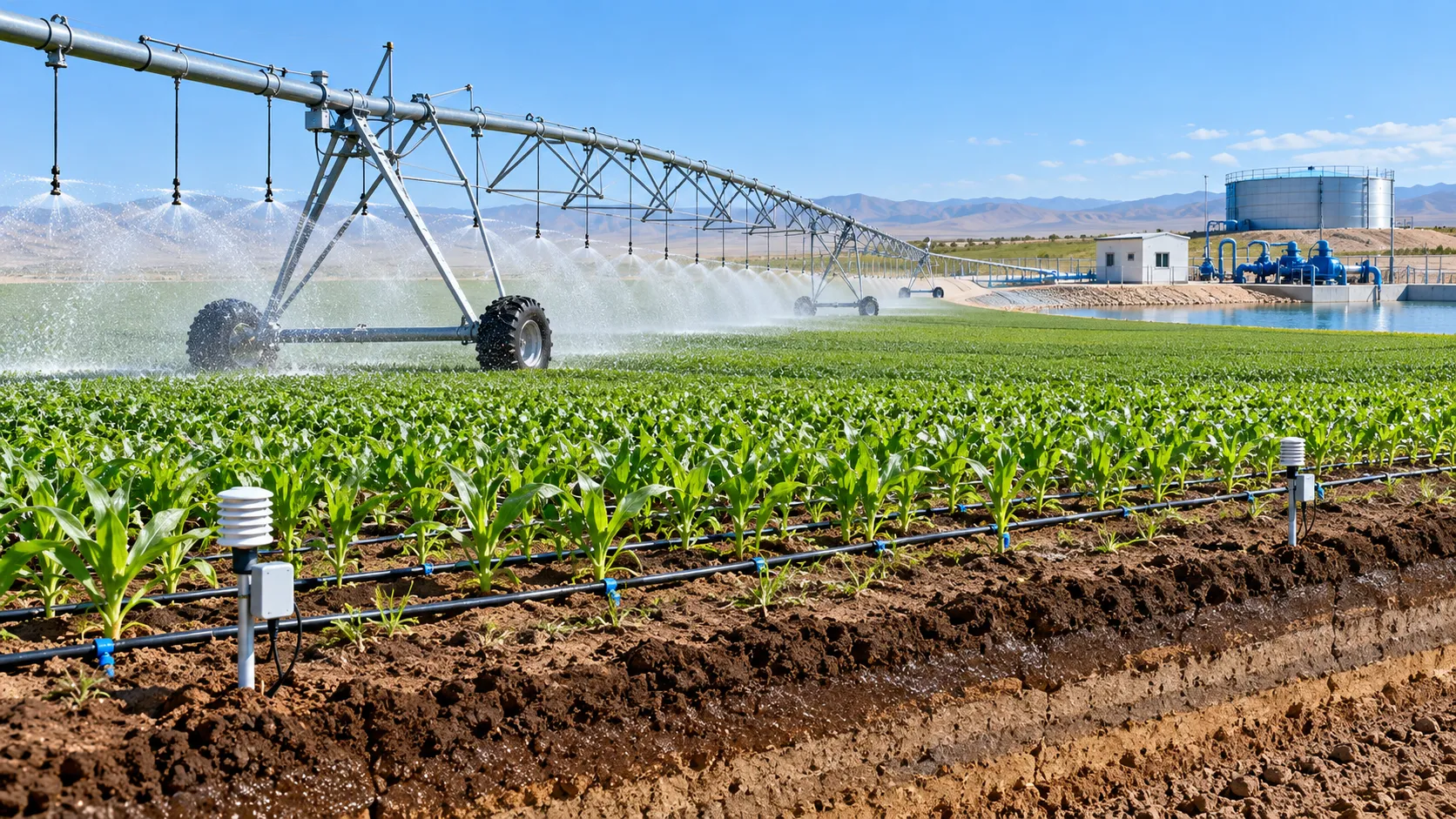
Climate-Smart Farming for Drought: A Practical Plan for Protecting Yields
Climate-smart farming for drought: build smarter water budgets, protect critical crop stages, improve irrigation uniformity, and safeguard yields with practical field-proven strategies.
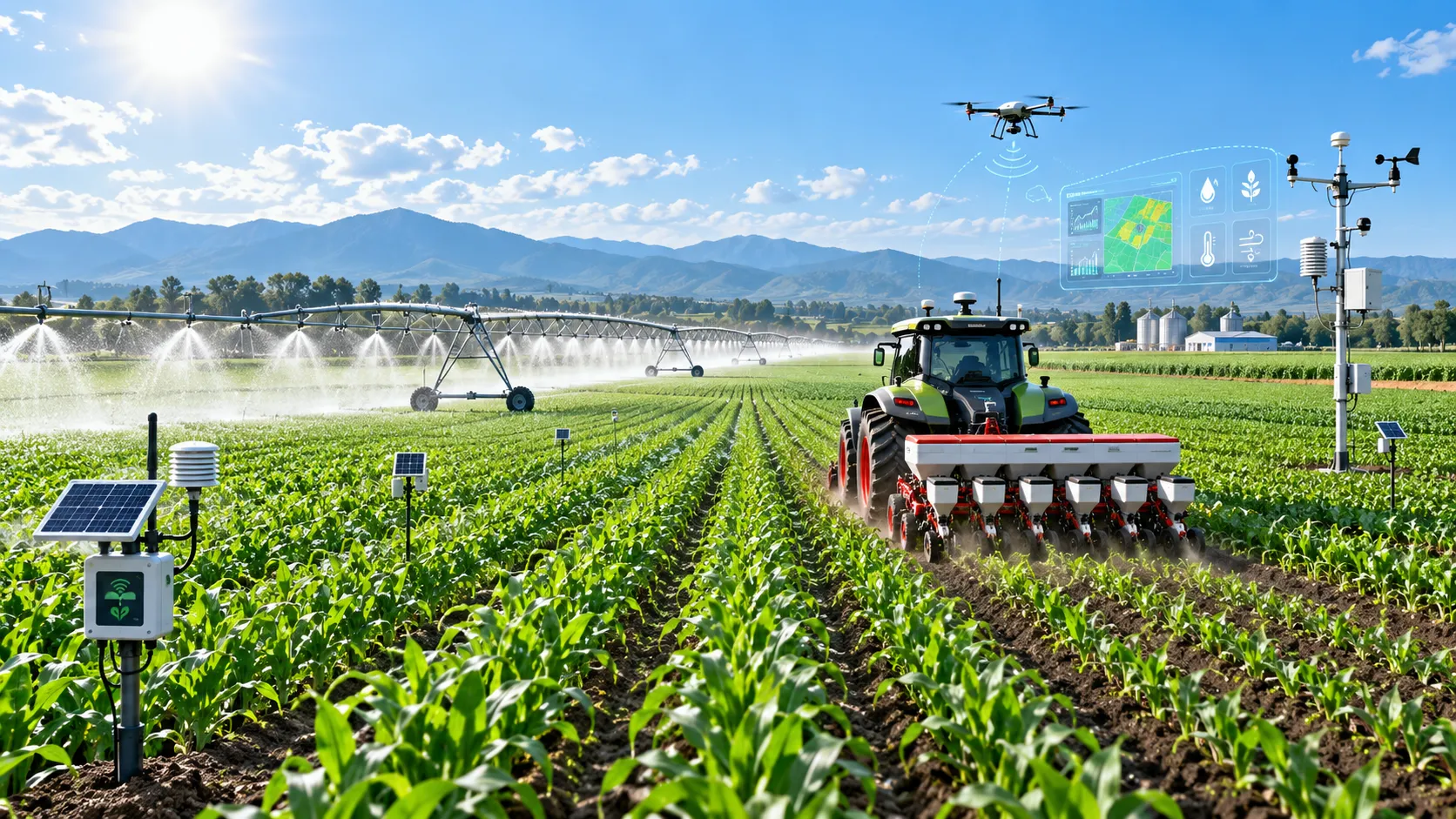
How Digital Agriculture Platforms Turn Field Data Into Better Input Decisions
Digital agriculture platforms turn field data into smarter fertilizer, water, seed, and equipment decisions—helping farms cut risk, improve margins, and scale sustainability.
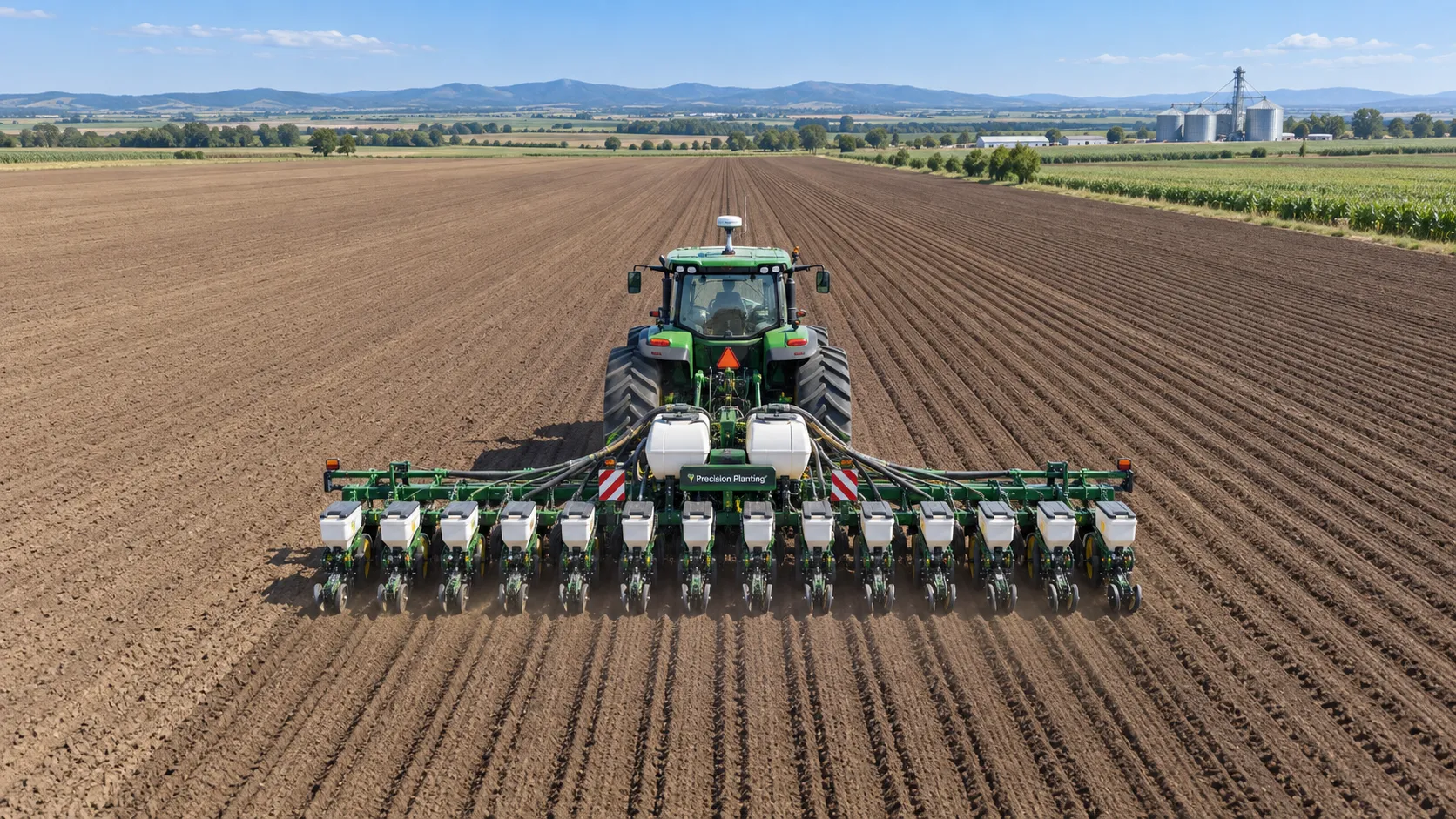
GPS-Guided Farm Machinery: Where It Delivers Measurable Field Efficiency Gains
Agri-mechanization GPS guided systems deliver measurable field efficiency gains through reduced overlap, precise planting, smarter inputs, and reliable farm data.
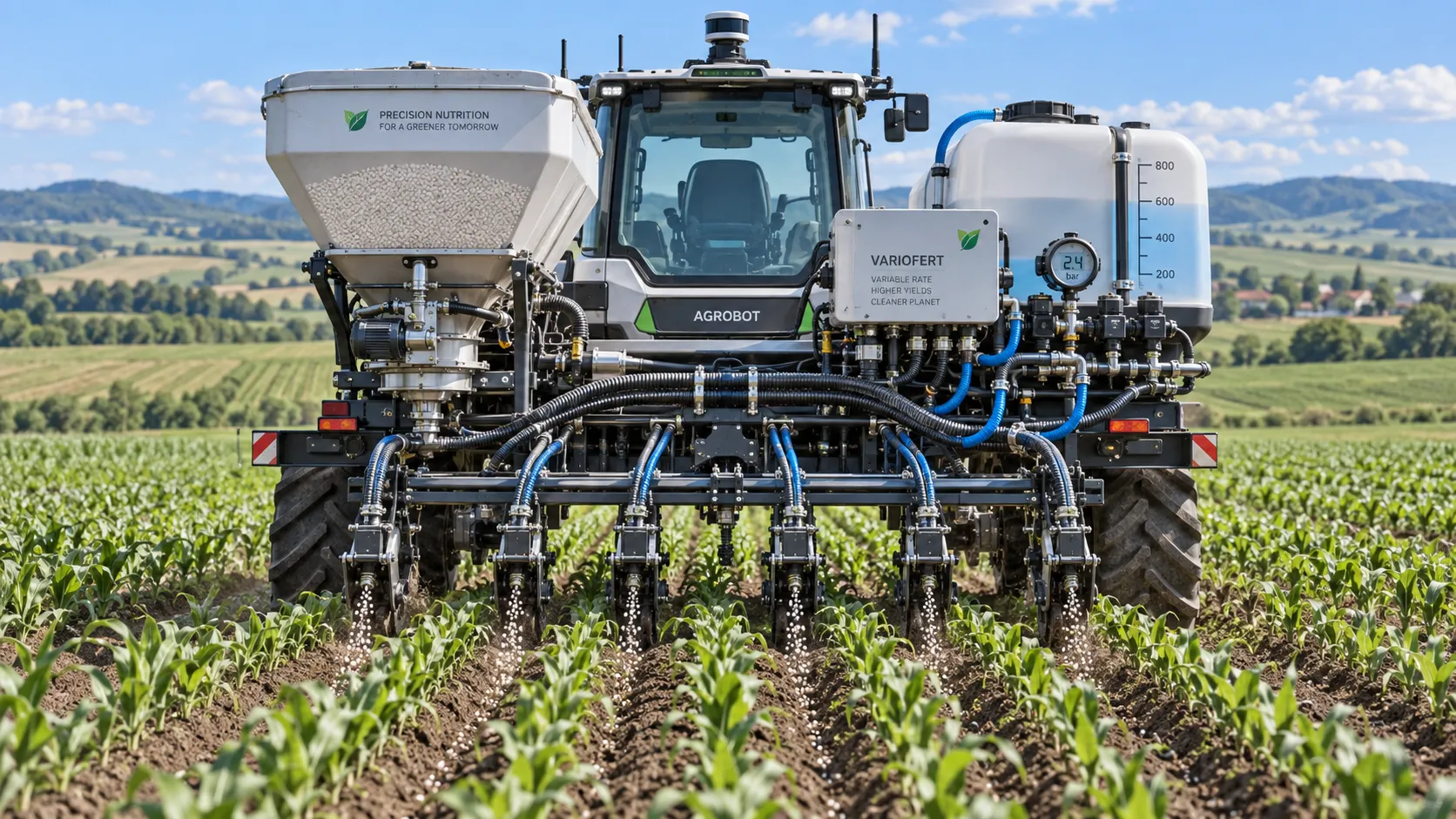
How Sensor Feedback Enables Accurate Variable-Rate Fertilization in Field Conditions
Precision fertilization systems with sensor feedback improve variable-rate accuracy by verifying flow, managing latency, and ensuring reliable field application.
Related News
- 00
0000-00
How to Compare Agricultural Equipment Platforms for Fleet Management and ROI - 00
0000-00
Tractor Chassis Price: What Buyers Should Compare Beyond the Initial Quote - 00
0000-00
How Digital Agriculture Platforms Turn Field Data Into Better Input Decisions - 00
0000-00
When Does Agricultural Machinery Leasing Cost Less Than Owning Equipment? - 00
0000-00
Selecting Grain Farm Equipment by Acreage, Crop Mix, and Harvest Window
Popular Tags
Ms. Elena Rodriguez
Weekly Insights
Stay ahead with our curated technology reports delivered every Monday.