
Are farm machinery innovations worth the higher upfront cost




For financial approvers, the debate around farm machinery innovations starts with one issue: do higher purchase prices create stronger returns over time?
Modern equipment promises better efficiency, less waste, and improved decision support. Yet those benefits only matter when they translate into measurable operating gains.
This guide explains when farm machinery innovations are worth the extra investment, what cost drivers matter most, and how to assess risk before capital approval.
What counts as farm machinery innovations today?
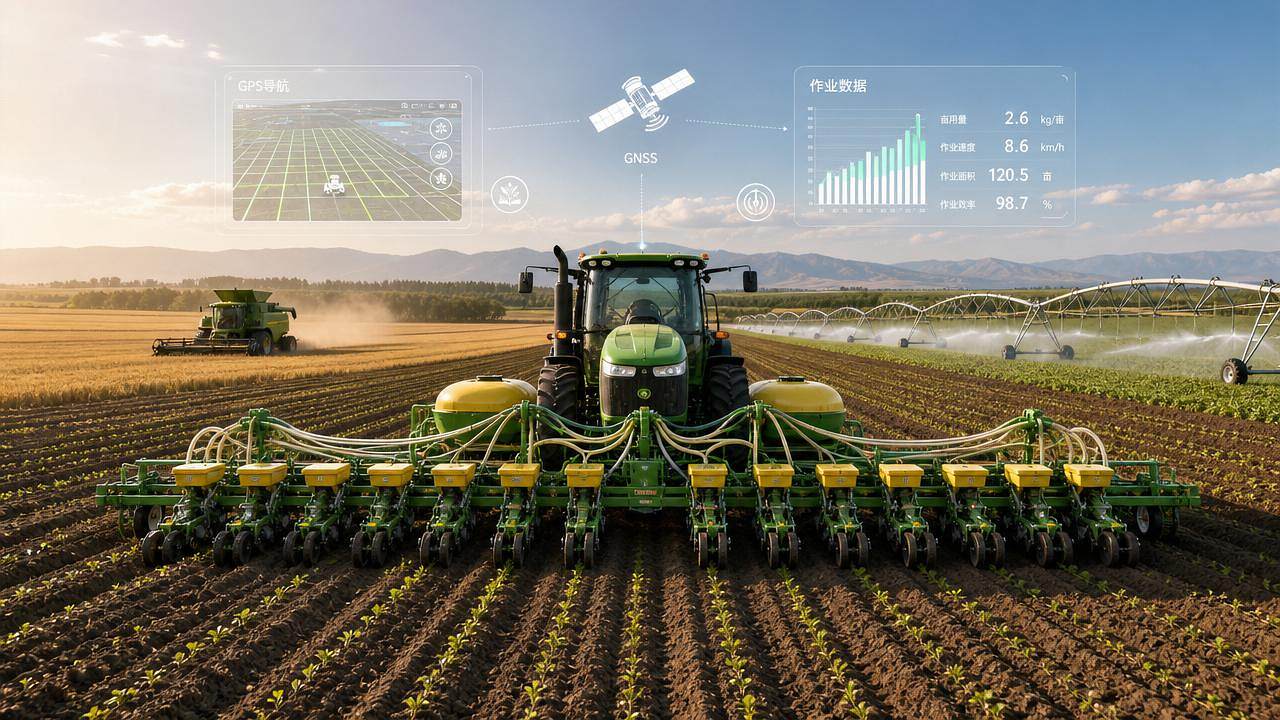
Farm machinery innovations now go far beyond larger engines or wider implements. They combine mechanics, software, sensors, automation, and resource-efficiency features.
Examples include precision planting systems, GPS-guided steering, telematics, autonomous support functions, smarter combine loss controls, and variable-rate irrigation integration.
In large-scale farming, innovation also includes upgraded tractor chassis, fuel-saving transmissions, hydraulic optimization, and tools that respond to satellite or sensor data.
The key point is simple. Innovation should not be judged by novelty alone. It should be judged by its ability to improve throughput, consistency, uptime, and input efficiency.
Why the price gap is growing
Newer systems contain more electronics, software layers, emissions controls, advanced materials, and connectivity modules. These additions raise design complexity and initial acquisition cost.
However, the same features may reduce hidden costs that older machines create through fuel waste, crop loss, operator fatigue, downtime, and poor field precision.
Are farm machinery innovations worth the higher upfront cost in real operations?
The short answer is: sometimes yes, sometimes no. The value of farm machinery innovations depends on field scale, crop type, season pressure, labor availability, and management discipline.
In high-acreage operations, even small gains become meaningful. A two percent reduction in fuel use or grain loss can justify a premium much faster than expected.
In smaller or lightly utilized operations, the same technology may take too long to pay back. Underuse is one of the biggest reasons advanced equipment disappoints.
The strongest cases usually appear where timing matters most. Harvest delay, planting delay, and irrigation inefficiency often cost more than the technology premium itself.
Where returns usually appear
- Lower fuel consumption through optimized powertrains and precision guidance
- Reduced labor demand through automation and easier machine control
- Less crop loss from better harvesting accuracy and monitoring
- Lower overlap in seeding, spraying, and fertilizing
- Improved irrigation efficiency and water-use tracking
- Higher uptime through predictive maintenance alerts
Which costs should be compared beyond the purchase price?
A fair decision requires total cost of ownership, not sticker price alone. This is where many evaluations of farm machinery innovations become incomplete.
Purchase price matters, but operating costs often decide the real outcome. Equipment that is cheaper to buy may be more expensive to run and maintain.
Include these cost factors
- Financing cost and interest exposure
- Fuel or energy consumption per hectare
- Maintenance intervals and spare parts pricing
- Software subscriptions or connectivity fees
- Training time for operators and technicians
- Downtime risk during critical field windows
- Resale value after three, five, or seven years
One machine may carry a 20 percent higher acquisition price, yet cut annual operating costs enough to outperform an older alternative within a few seasons.
That said, the reverse can also happen. If software features remain unused, the premium becomes dead capital rather than productive investment.
Simple decision formula
Estimate annual savings from labor, fuel, crop retention, water use, and uptime. Then compare that figure against annual financing and added ownership costs.
If the savings are reliable and repeatable, farm machinery innovations usually deserve serious consideration. If savings depend on ideal conditions, caution is wiser.
In which scenarios do farm machinery innovations deliver the best payback?
Not every operation benefits equally. The best returns from farm machinery innovations usually appear in environments where inefficiency is already expensive.
Strong payback conditions
- Large acreages with repeated field passes
- Tight planting or harvest windows
- Labor shortages or high seasonal labor costs
- Regions facing water restrictions or irrigation stress
- High-value crops where losses are especially costly
- Mixed terrain requiring precision control and traction stability
For example, advanced combines can reduce grain loss, improve separation performance, and keep quality more consistent under difficult crop conditions.
Likewise, intelligent irrigation systems often show clear returns in regions where every unit of water has economic and regulatory value.
On the other hand, if annual machine hours are low, a rental, service model, or phased upgrade may produce a better financial outcome.
What are the biggest risks and common mistakes when evaluating advanced equipment?
The largest mistake is assuming that advanced technology automatically creates value. Farm machinery innovations only pay back when operations are ready to use them well.
Common evaluation errors
- Buying features that do not match field realities
- Ignoring training needs and software adoption barriers
- Underestimating maintenance support availability
- Using unrealistic fuel or yield assumptions
- Overlooking data compatibility with existing systems
- Failing to measure results after deployment
Another risk is buying the most sophisticated system before solving basic operational bottlenecks. Technology cannot compensate for poor planning or weak maintenance routines.
A better approach is to rank expected benefits by financial impact. Start with the problems that cost the most each season.
A practical reminder
If a premium machine saves inputs but sits idle during key periods due to poor service access, the investment case weakens quickly.
How can you judge whether farm machinery innovations fit your investment plan?
A disciplined review should connect technical capability with economic outcome. The goal is not owning the newest machine. The goal is better performance per invested dollar.
Use this checklist before approval
- Define the problem clearly: fuel cost, labor pressure, crop loss, downtime, or water waste.
- Measure current baseline performance with actual seasonal data.
- Estimate improvements conservatively, not under ideal sales assumptions.
- Verify dealer support, spare parts, and service response times.
- Check system compatibility with current tractors, implements, and data platforms.
- Review financing structure against expected payback period.
- Plan operator training and post-installation performance tracking.
This method turns the discussion around farm machinery innovations into a fact-based decision rather than a reaction to marketing claims.
FAQ summary table: how to decide faster
In the end, farm machinery innovations are worth the higher upfront cost when they solve expensive field problems with reliable, repeatable gains.
The best decisions come from total cost analysis, realistic payback modeling, and a clear view of operational readiness.
Before approving any upgrade, compare expected savings, implementation demands, and service support side by side. That next step will reveal whether innovation is a premium expense or a strategic advantage.
Related News
How to Compare Agricultural Equipment Platforms for Fleet Management and ROI
Agricultural equipment platform comparison: evaluate fleet data, maintenance, precision workflows, and ROI to choose a system that delivers measurable results.
Drip vs. Micro-Sprinkler Irrigation: Which System Fits Your Orchard?
Irrigation solution comparison for orchards: discover whether drip or micro-sprinklers best match your water, soil, roots, fertigation, and frost needs.
Orchard Water Management: Using Soil Moisture Data to Schedule Irrigation
Agricultural water management for orchards made practical: use soil moisture data to optimize irrigation timing, protect yield, reduce costs, and improve resilience.
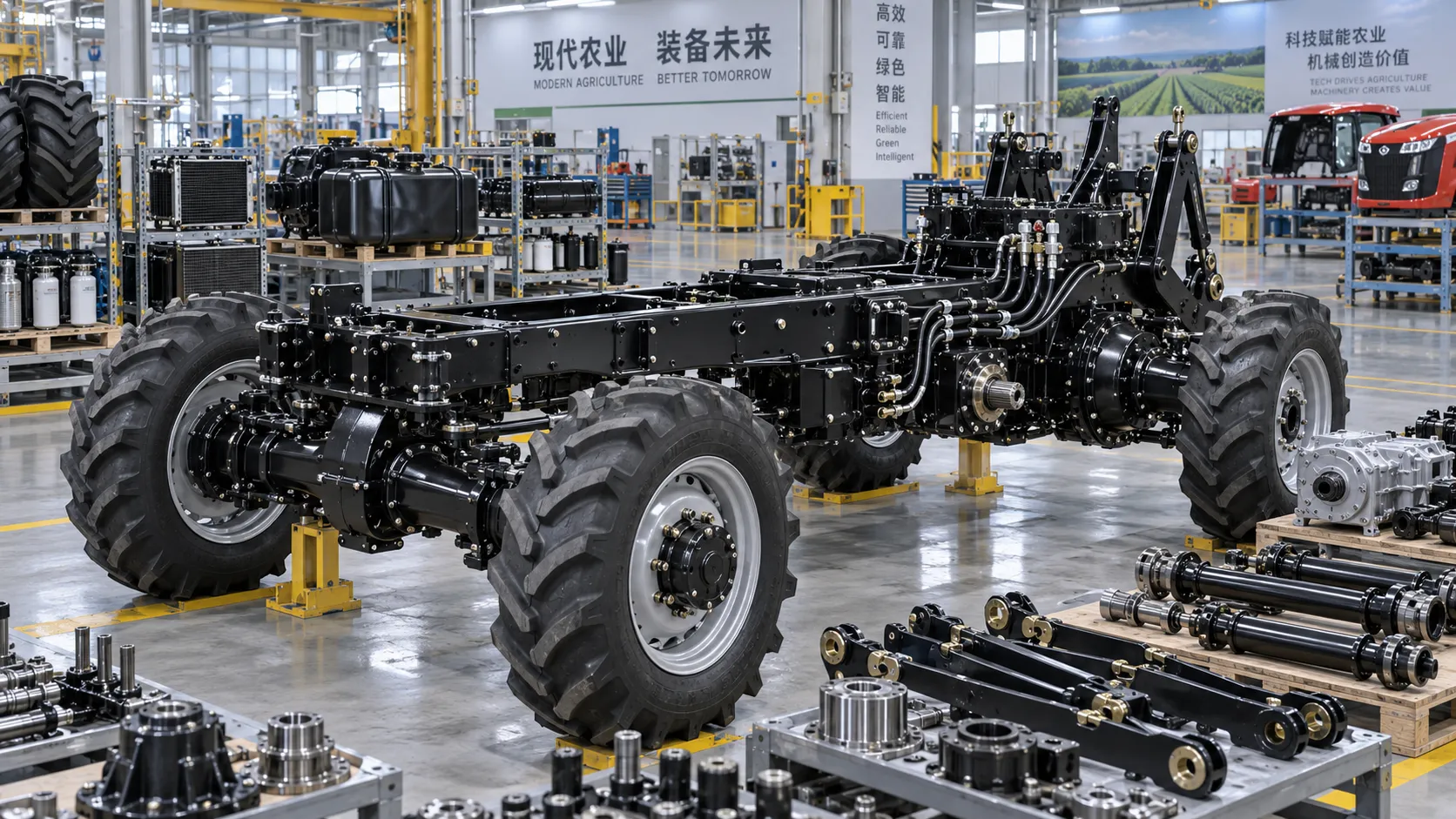
Tractor Chassis Price: What Buyers Should Compare Beyond the Initial Quote
Tractor chassis price is only the start. Compare load capacity, compatibility, durability, and lifecycle costs to choose a reliable, high-value chassis.
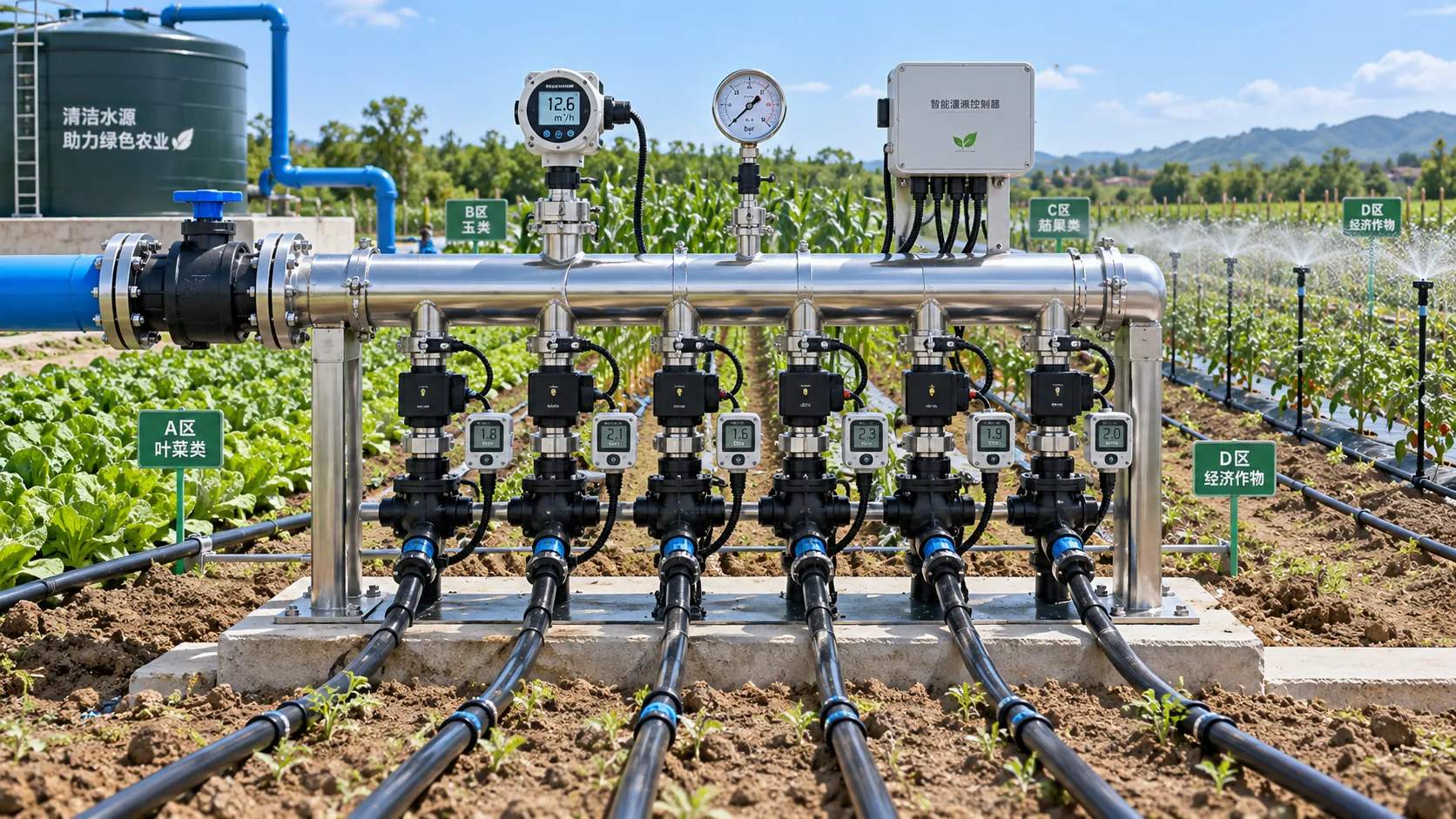
How to Select Smart Irrigation Valves for Multi-Zone Water Management?
Intelligent irrigation systems valves: learn how to match smart valves with multi-zone flow, pressure, control, feedback, and communication needs for reliable water management.
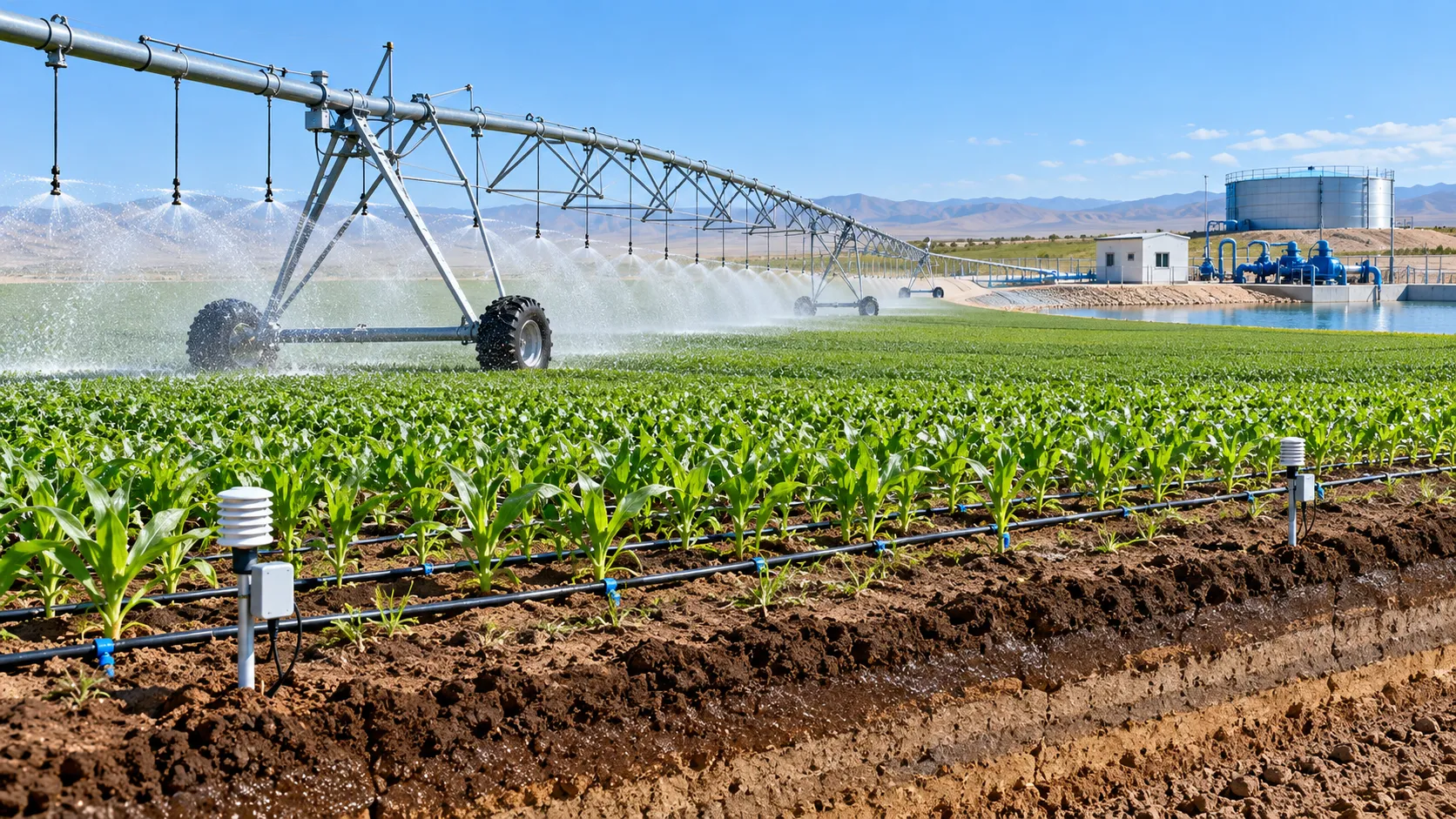
Climate-Smart Farming for Drought: A Practical Plan for Protecting Yields
Climate-smart farming for drought: build smarter water budgets, protect critical crop stages, improve irrigation uniformity, and safeguard yields with practical field-proven strategies.
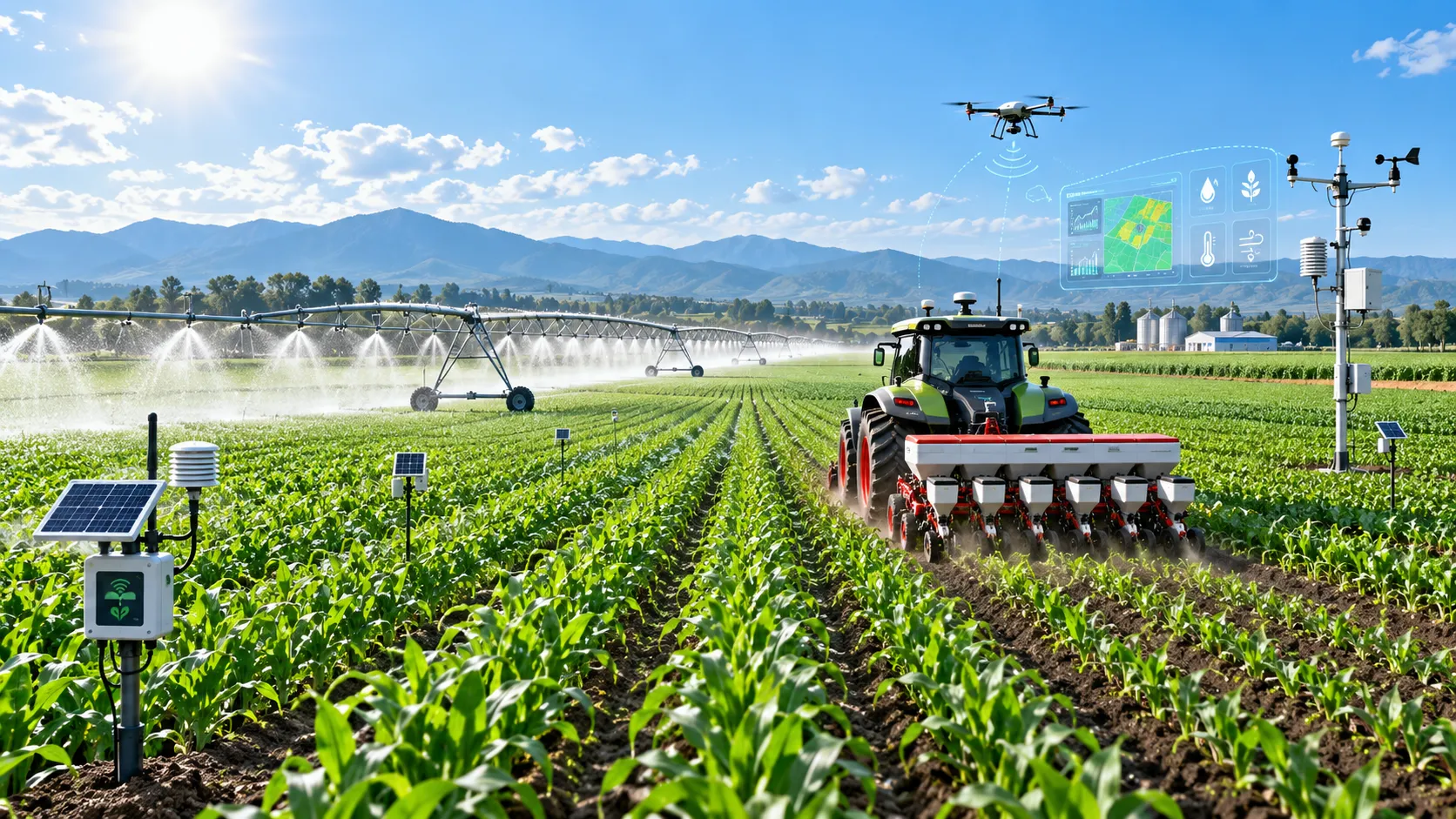
How Digital Agriculture Platforms Turn Field Data Into Better Input Decisions
Digital agriculture platforms turn field data into smarter fertilizer, water, seed, and equipment decisions—helping farms cut risk, improve margins, and scale sustainability.
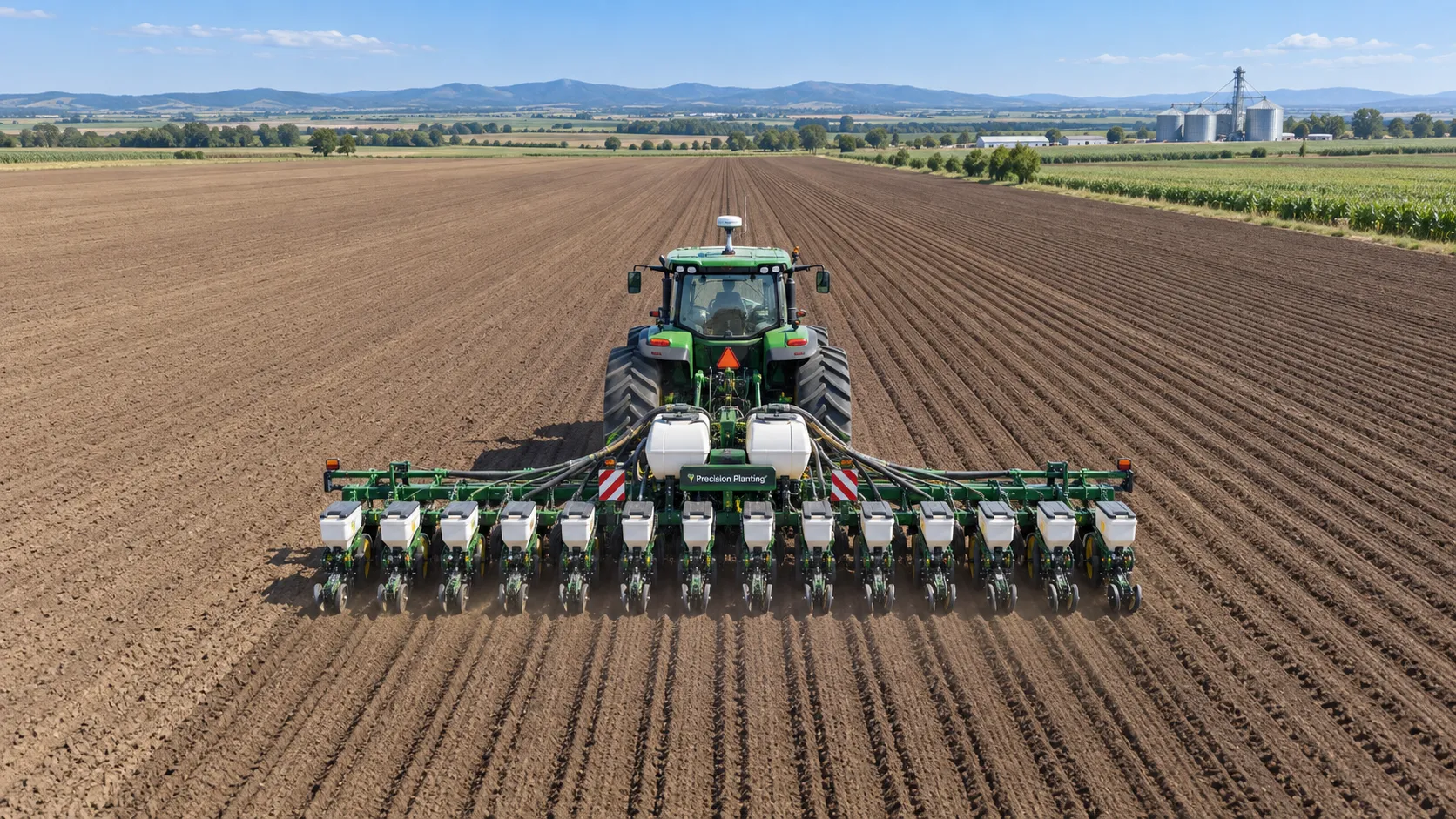
GPS-Guided Farm Machinery: Where It Delivers Measurable Field Efficiency Gains
Agri-mechanization GPS guided systems deliver measurable field efficiency gains through reduced overlap, precise planting, smarter inputs, and reliable farm data.
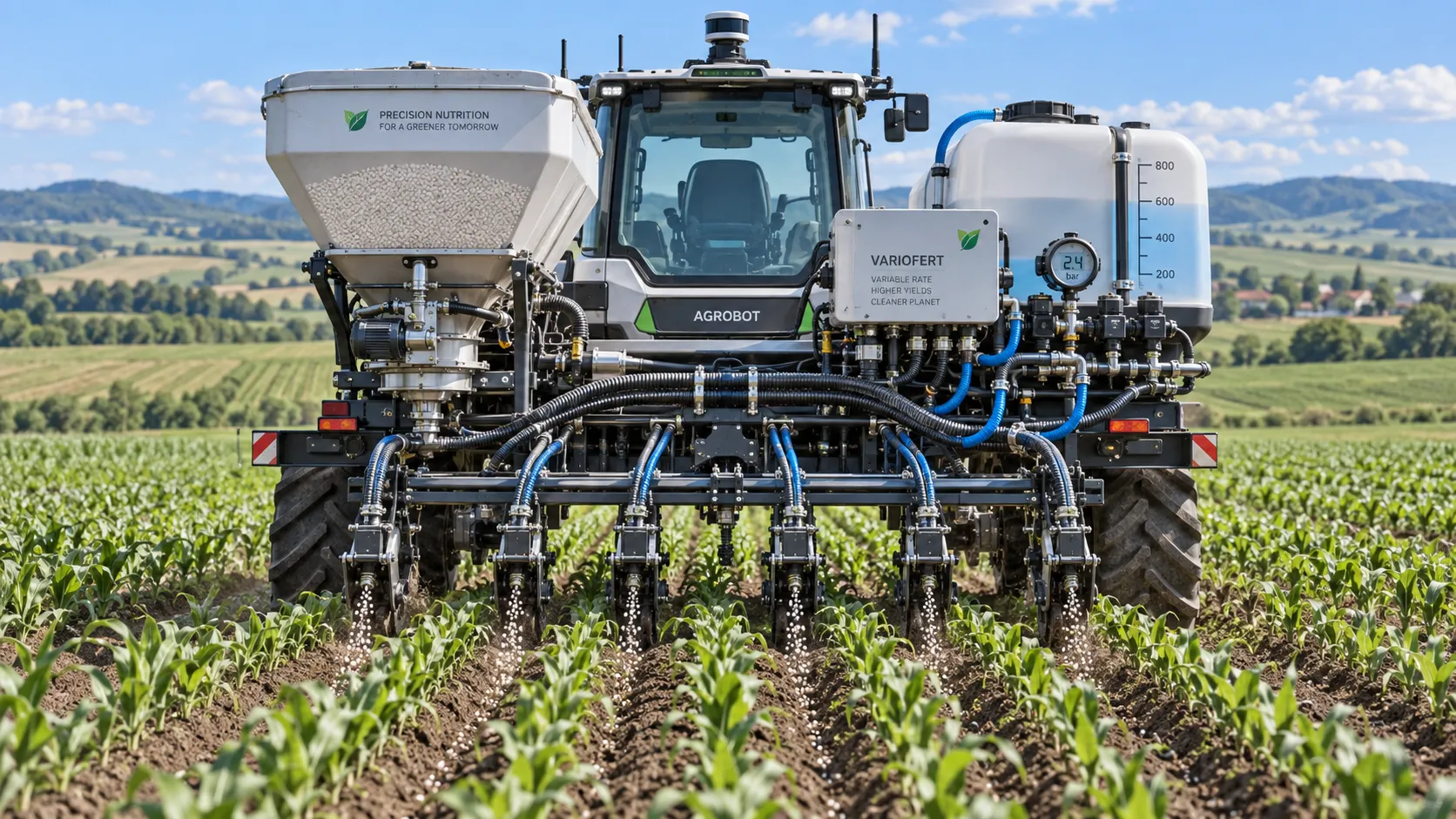
How Sensor Feedback Enables Accurate Variable-Rate Fertilization in Field Conditions
Precision fertilization systems with sensor feedback improve variable-rate accuracy by verifying flow, managing latency, and ensuring reliable field application.
Related News
- 00
0000-00
How Does Farm Mechanization Affect Food Security in Developing Regions? - 00
0000-00
Agricultural Technology Insights by Region: Where Adoption Is Growing Fastest - 00
0000-00
How Climate-Smart Agriculture Technology Improves Yield, Soil Health, and Risk Resilience - 00
0000-00
Smart Farming Solutions in Latin America: Which Technologies Fit Large Farms Best? - 00
0000-00
Long-Cycle Agri-Trade Price Trends: How to Read Supply, Freight, and Currency Signals
Popular Tags
Prof. Marcus Chen
Weekly Insights
Stay ahead with our curated technology reports delivered every Monday.