
Why agricultural machinery intelligence matters after purchase
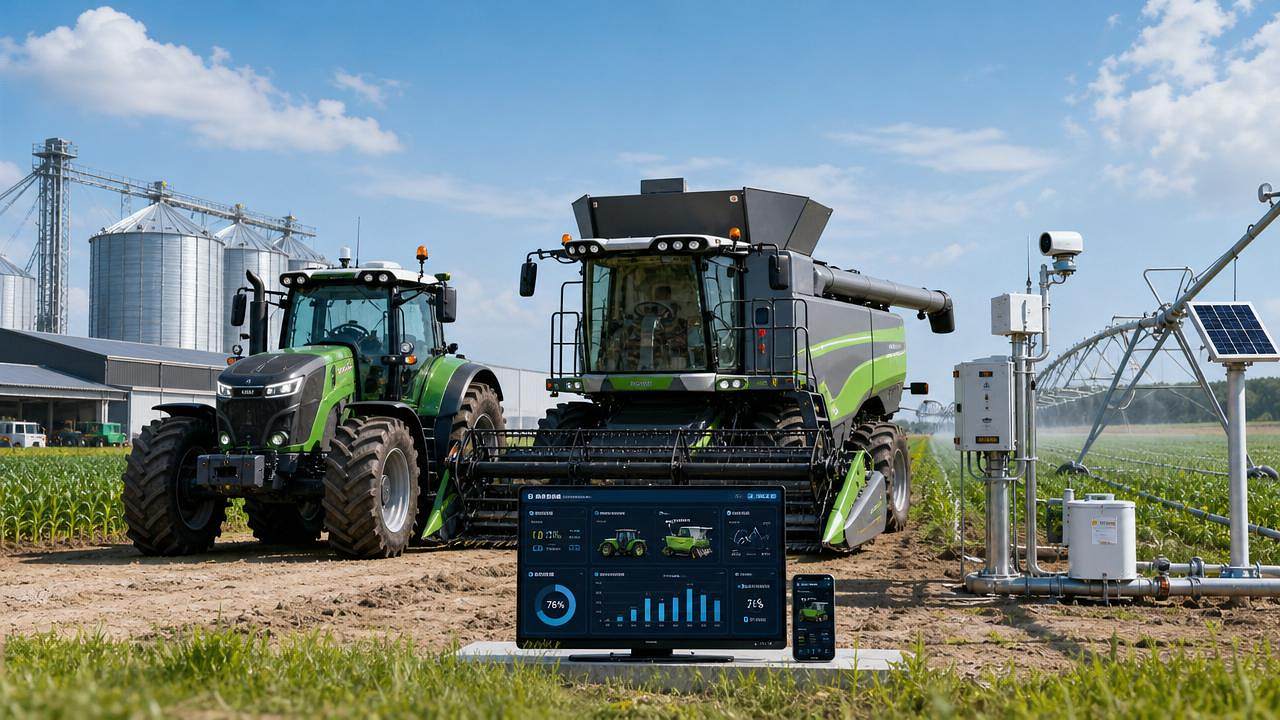




After the sale, value shifts from brochure promises to field reality. That is where agricultural machinery intelligence becomes decisive for uptime, cost control, and seasonal reliability.
Connected tractors, combines, and irrigation systems now generate service data every hour. That data helps teams detect faults earlier, schedule maintenance better, and reduce losses during critical operating windows.
For AP-Strategy, this shift reflects a wider Agriculture 4.0 transition. Mechanical strength still matters, but post-purchase intelligence now determines how consistently equipment performs across global farming systems.
Post-purchase performance is becoming a data question
The old service model focused on breakdown response. Today, agricultural machinery intelligence supports prediction, remote support, and evidence-based maintenance across large-scale agricultural operations.
This matters because modern machines are no longer isolated assets. Engines, hydraulics, drivetrains, harvesting systems, and irrigation controls operate inside connected digital ecosystems.
As machine complexity rises, the risk of hidden inefficiency also rises. A combine may still run, yet lose grain through poor cleaning calibration or sensor-detected wear.
Agricultural machinery intelligence turns those hidden signals into usable decisions. It helps identify which issue needs software adjustment, which needs a replacement part, and which needs operator intervention.
Several trend signals show why agricultural machinery intelligence matters now
Across the comprehensive industrial landscape, agricultural equipment is adopting the same post-sale logic seen in automotive, energy, and industrial automation: data extends asset value after delivery.
Three signals stand out. First, equipment downtime is becoming more expensive because field windows are narrower and labor is less flexible.
Second, mixed fleets are common. Farms and service networks often manage different brands, model years, and digital maturity levels at the same time.
Third, sustainability pressure is increasing. Fuel efficiency, water use, input accuracy, and component lifespan are now operational metrics, not only policy topics.
In this context, agricultural machinery intelligence is not an optional add-on. It becomes the layer that connects machine condition, agronomic timing, and service readiness.
The main forces driving this shift are practical, not theoretical
The impact spreads across tractors, combines, tools, and irrigation systems
Tractors and chassis systems
For tractors, agricultural machinery intelligence supports transmission monitoring, hydraulic performance tracking, and fuel-use analysis. Small abnormalities can reveal larger risks in heavy-duty seasonal operations.
This is especially useful for fleets handling variable soil conditions, long working hours, and multiple implement combinations. Intelligence adds continuity where mechanical stress changes daily.
Combine harvesters
Harvesting systems benefit strongly from agricultural machinery intelligence because loss rates, cleaning efficiency, and throughput depend on constant adjustment.
Post-purchase intelligence can compare machine history, crop conditions, and sensor feedback. That helps isolate whether declining performance comes from wear, settings, moisture, or operator behavior.
Intelligent implements and irrigation networks
For smart tools and irrigation systems, agricultural machinery intelligence links field prescriptions to actual execution. It verifies whether the intended rate, pressure, timing, or section control matched reality.
That creates a more complete performance picture. A machine is not simply working or failing; it is delivering or missing precision outcomes.
Why service quality is increasingly measured by intelligence depth
After purchase, the service experience often defines brand trust more than the original sale. Agricultural machinery intelligence improves that experience in specific, measurable ways.
- Faster fault isolation reduces downtime and unnecessary part replacement.
- Remote diagnostics help prioritize field visits where they matter most.
- Maintenance timing becomes condition-based instead of purely calendar-based.
- Parts planning improves because recurring failure patterns become visible.
- Historical machine data supports warranty analysis and service documentation.
These gains are valuable across the comprehensive industry because they blend engineering, software, logistics, and operational planning into one post-sale capability.
The most important risks appear when intelligence is underused after delivery
Ignoring agricultural machinery intelligence does not only delay digital progress. It can create direct operational costs and blind spots.
- Preventable downtime during planting, harvesting, or irrigation peaks.
- Excessive parts inventory because demand patterns remain unclear.
- Higher fuel, water, or input waste from unnoticed performance drift.
- Poor root-cause analysis when repeated faults return across seasons.
- Weak feedback loops between design, support, and real field use.
In other words, mechanical ownership without intelligence visibility is becoming a strategic disadvantage in modern agriculture.
The next step is not more data, but better operational focus
Many organizations already collect machine data. The challenge is deciding which signals truly improve uptime, efficiency, and service outcomes.
Key priorities worth tracking
- Fault codes linked to actual failure severity.
- Hydraulic, powertrain, and load trends before seasonal peaks.
- Cleaning loss, throughput, and calibration changes in combines.
- Pressure variation, emitter consistency, and water-use anomalies in irrigation.
- Parts consumption patterns by machine family and operating context.
A practical judgment framework
What deserves attention as agricultural machinery intelligence evolves further
The next phase will likely combine telematics, agronomic models, and service history more tightly. That means post-purchase decisions will become increasingly predictive and less reactive.
AP-Strategy closely follows this convergence across large-scale machinery, combine harvesting technology, tractor chassis, intelligent implements, and water-saving irrigation systems.
The strongest long-term advantage will come from connecting mechanical data with operational context. A warning matters more when it is interpreted against crop stage, weather pressure, and field urgency.
That is why agricultural machinery intelligence matters after purchase. It protects productivity when timing is tight, resources are costly, and performance must be proven in the field.
Action starts with sharper visibility and better decisions
Start by reviewing which machine data is already available, which service gaps repeat most often, and which field periods carry the highest operational risk.
Then align diagnostics, maintenance planning, and parts forecasting around those realities. Agricultural machinery intelligence creates value when it supports timely decisions, not passive dashboards.
For deeper insight into Agriculture 4.0, AP-Strategy tracks the signals shaping post-sale equipment performance across global mechanization, harvesting, chassis systems, smart tools, and irrigation networks.
Related News
How to Compare Agricultural Equipment Platforms for Fleet Management and ROI
Agricultural equipment platform comparison: evaluate fleet data, maintenance, precision workflows, and ROI to choose a system that delivers measurable results.
Drip vs. Micro-Sprinkler Irrigation: Which System Fits Your Orchard?
Irrigation solution comparison for orchards: discover whether drip or micro-sprinklers best match your water, soil, roots, fertigation, and frost needs.
Orchard Water Management: Using Soil Moisture Data to Schedule Irrigation
Agricultural water management for orchards made practical: use soil moisture data to optimize irrigation timing, protect yield, reduce costs, and improve resilience.
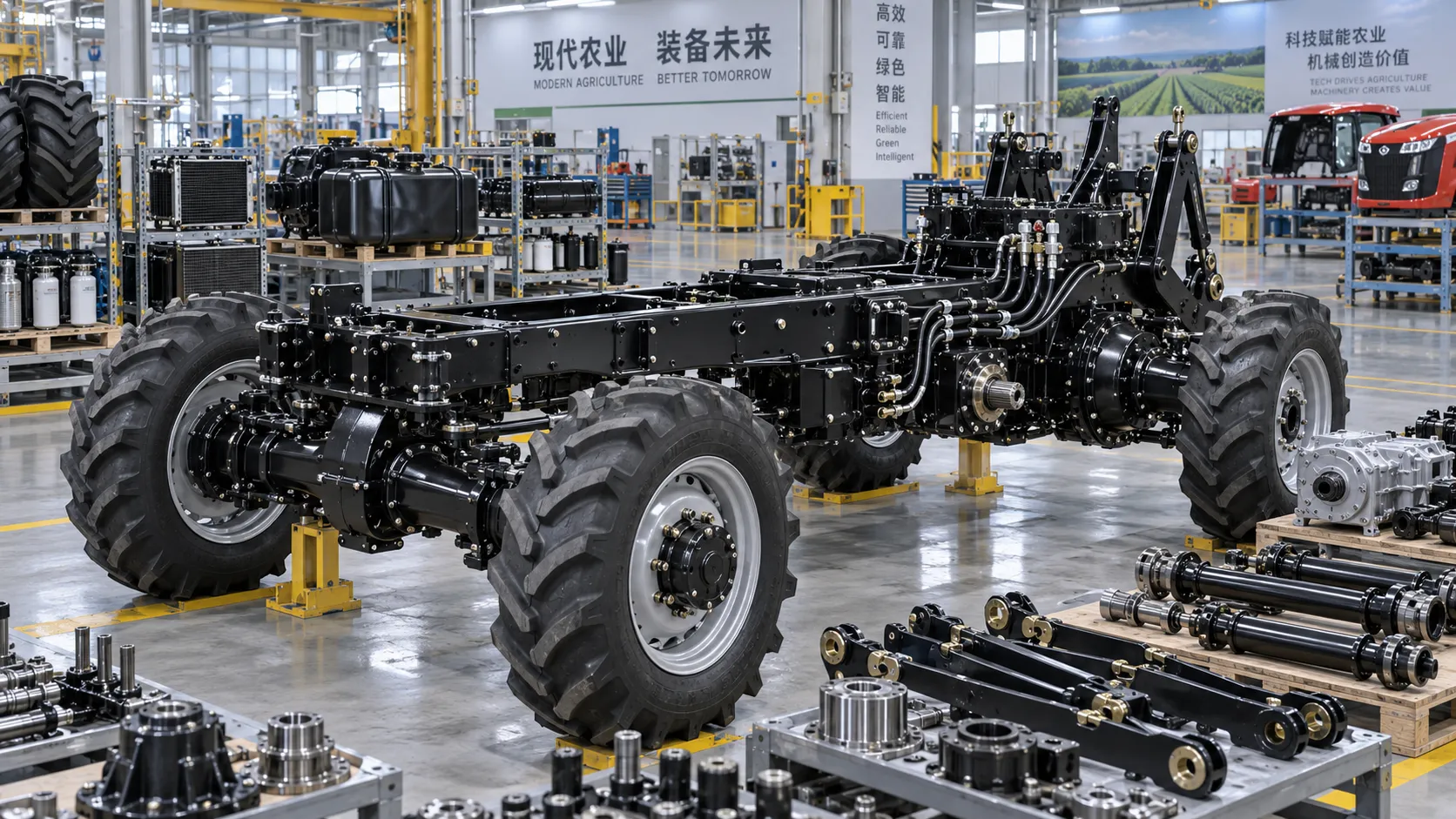
Tractor Chassis Price: What Buyers Should Compare Beyond the Initial Quote
Tractor chassis price is only the start. Compare load capacity, compatibility, durability, and lifecycle costs to choose a reliable, high-value chassis.
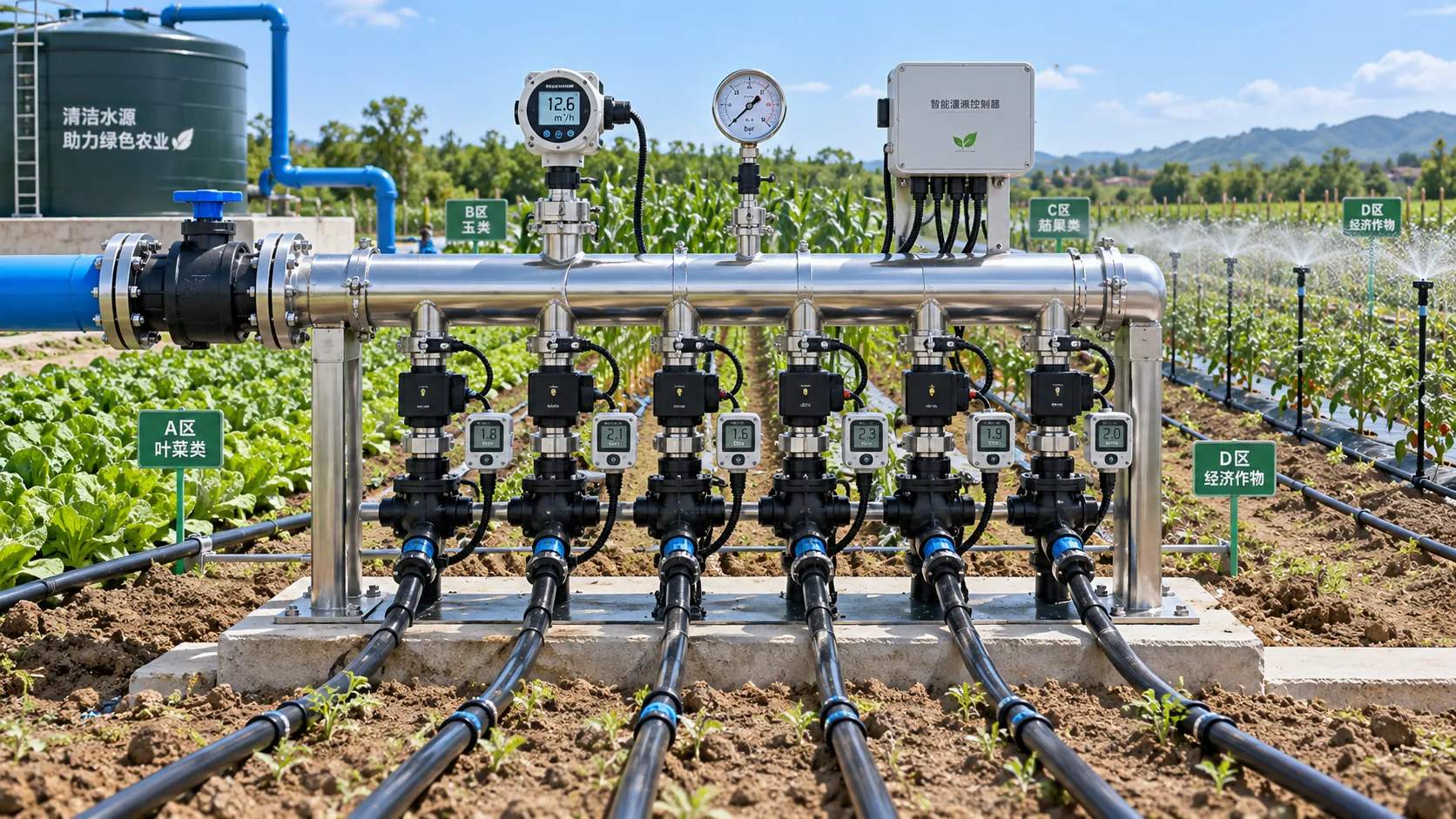
How to Select Smart Irrigation Valves for Multi-Zone Water Management?
Intelligent irrigation systems valves: learn how to match smart valves with multi-zone flow, pressure, control, feedback, and communication needs for reliable water management.
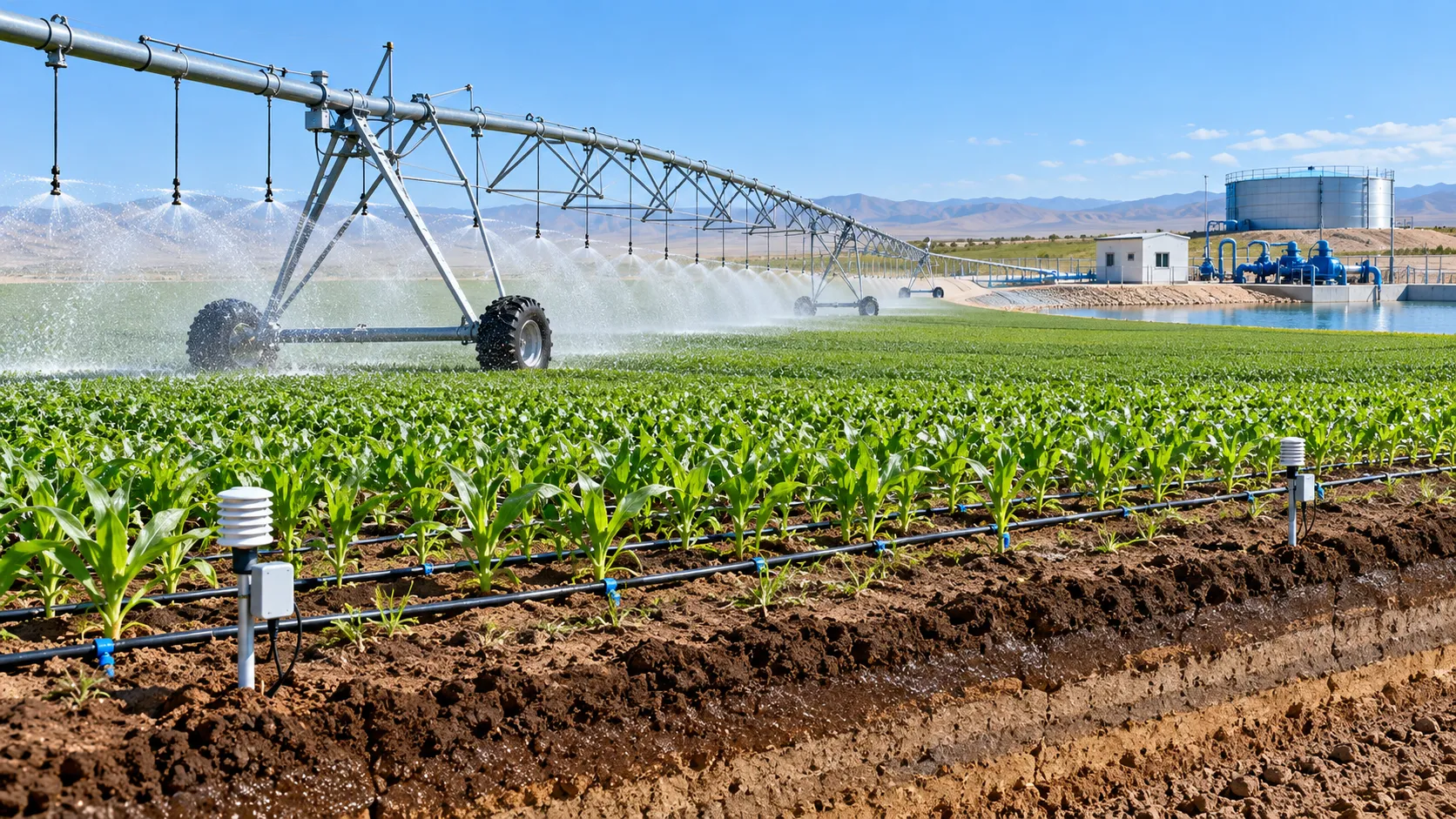
Climate-Smart Farming for Drought: A Practical Plan for Protecting Yields
Climate-smart farming for drought: build smarter water budgets, protect critical crop stages, improve irrigation uniformity, and safeguard yields with practical field-proven strategies.
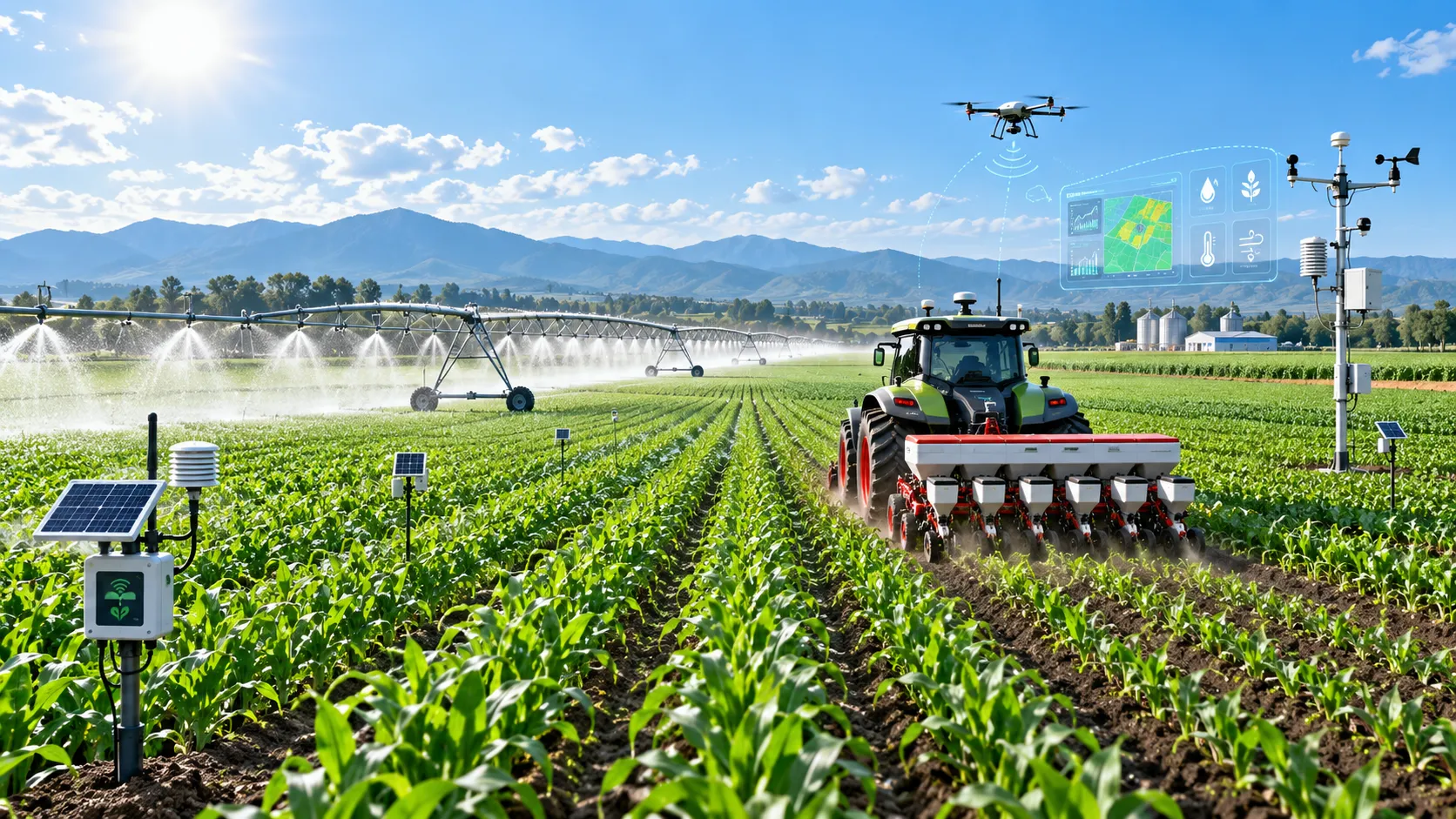
How Digital Agriculture Platforms Turn Field Data Into Better Input Decisions
Digital agriculture platforms turn field data into smarter fertilizer, water, seed, and equipment decisions—helping farms cut risk, improve margins, and scale sustainability.
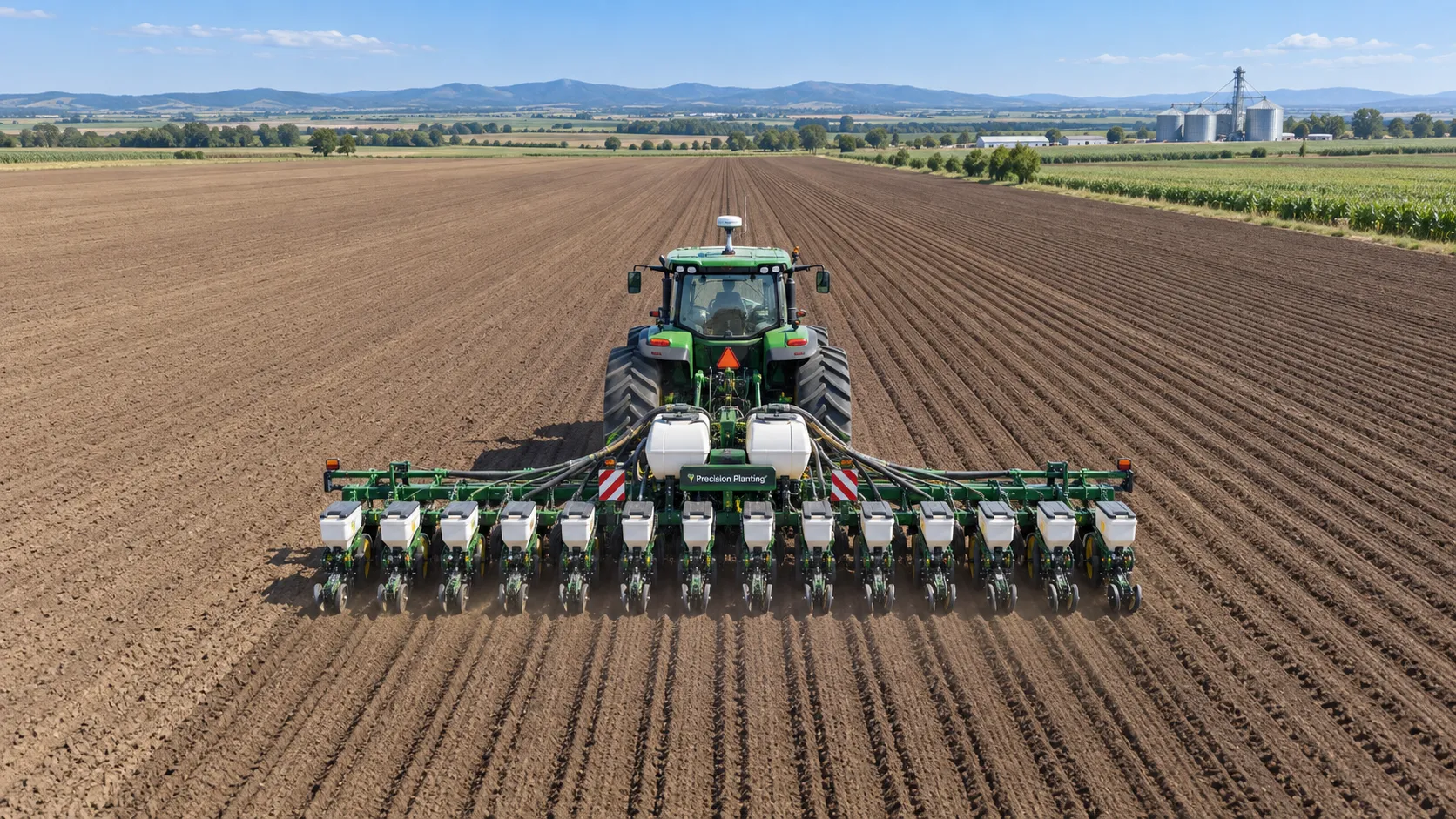
GPS-Guided Farm Machinery: Where It Delivers Measurable Field Efficiency Gains
Agri-mechanization GPS guided systems deliver measurable field efficiency gains through reduced overlap, precise planting, smarter inputs, and reliable farm data.
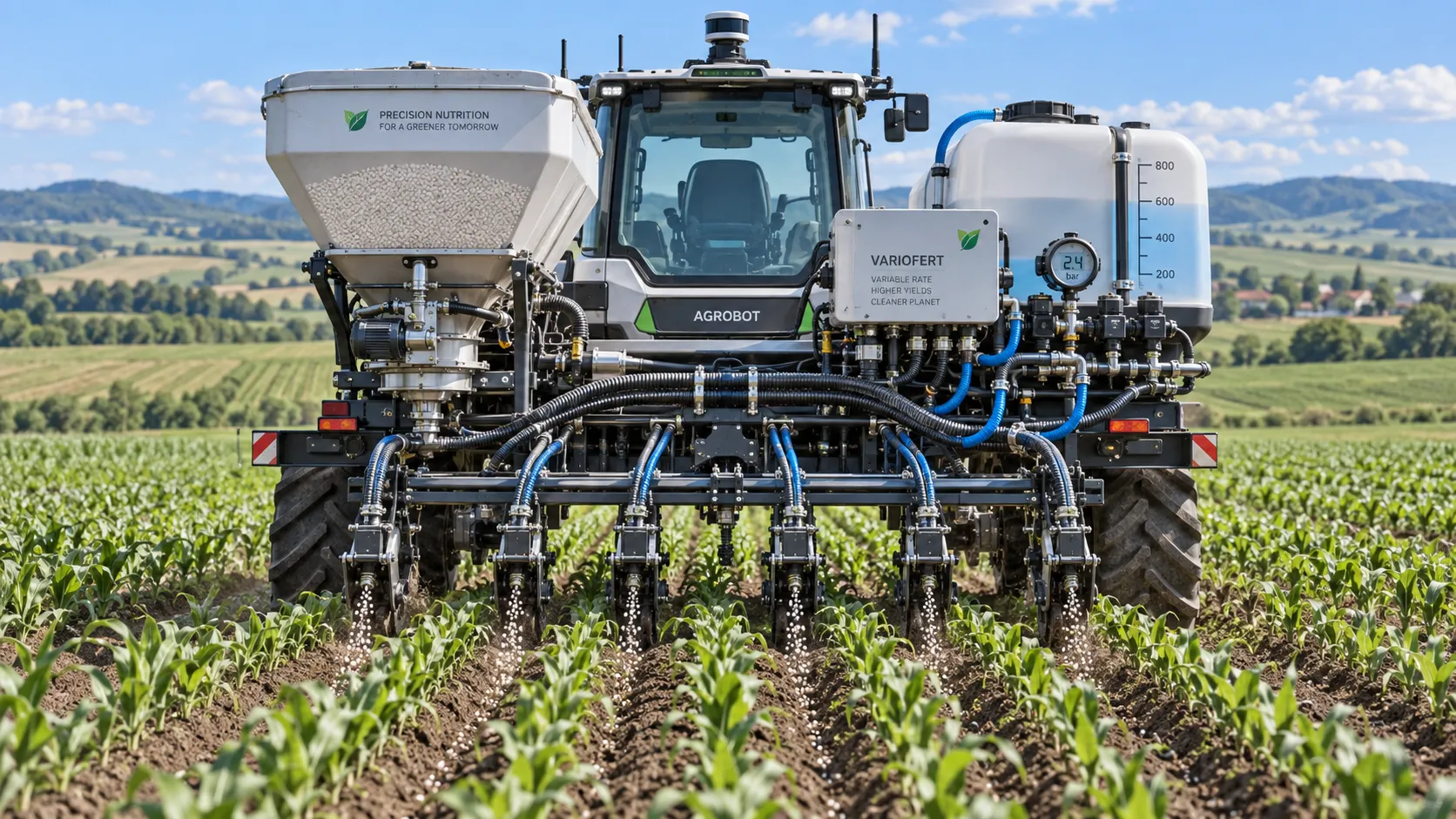
How Sensor Feedback Enables Accurate Variable-Rate Fertilization in Field Conditions
Precision fertilization systems with sensor feedback improve variable-rate accuracy by verifying flow, managing latency, and ensuring reliable field application.
Related News
- 00
0000-00
How to Compare Agricultural Equipment Platforms for Fleet Management and ROI - 00
0000-00
Tractor Chassis Price: What Buyers Should Compare Beyond the Initial Quote - 00
0000-00
How Digital Agriculture Platforms Turn Field Data Into Better Input Decisions - 00
0000-00
When Does Agricultural Machinery Leasing Cost Less Than Owning Equipment? - 00
0000-00
Selecting Grain Farm Equipment by Acreage, Crop Mix, and Harvest Window
Popular Tags
Ms. Elena Rodriguez
Weekly Insights
Stay ahead with our curated technology reports delivered every Monday.