
What crop monitoring technology reveals before yields drop
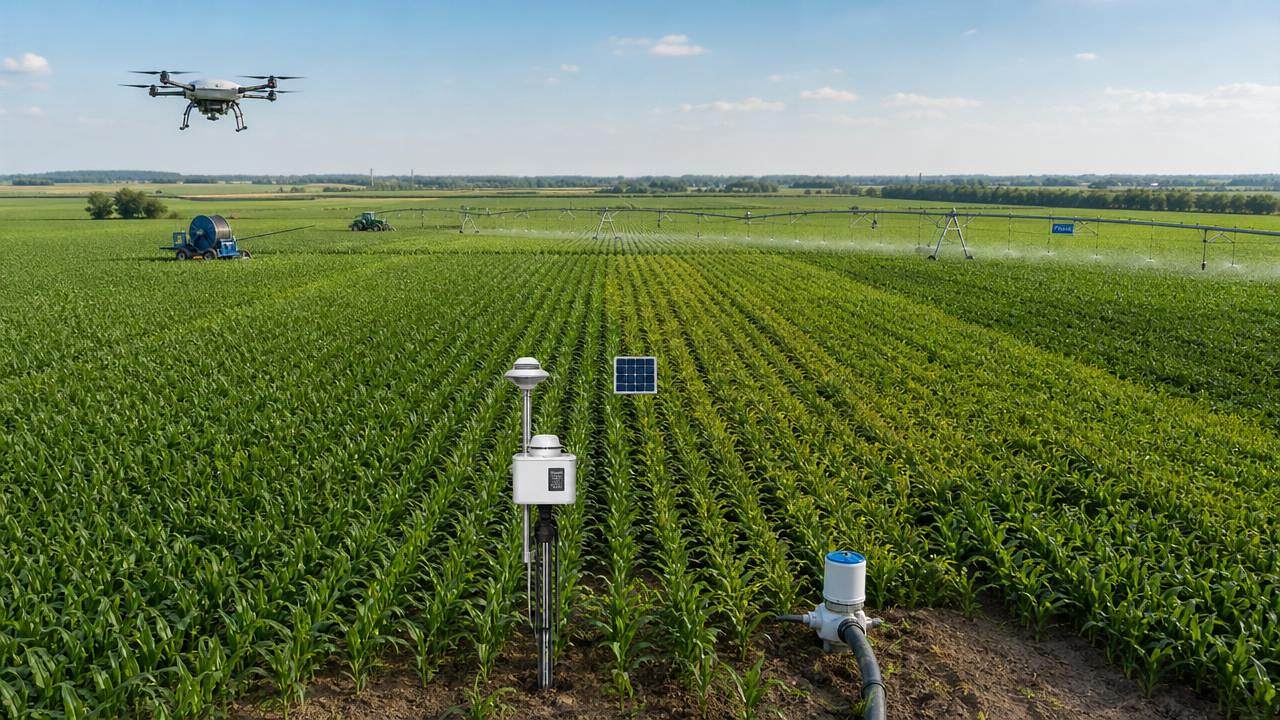




Before leaves curl or harvest data confirms loss, crop monitoring technology often reveals hidden instability across the field system.
It detects weak signals in canopy temperature, biomass growth, soil water balance, nutrient variability, and early pest movement.
For Agriculture 4.0 analysis, these signals matter because they guide irrigation, machinery timing, field scouting, and operational risk control.
In large-scale farming, earlier visibility means smaller losses, better input efficiency, and stronger alignment between agronomy and mechanized execution.
What crop monitoring technology means in modern farming systems
Crop monitoring technology is the combined use of sensors, imaging, field records, and analytic models to track crop condition over time.
It does not depend on one device alone.
Instead, it connects satellite imagery, drone mapping, weather feeds, machine data, soil probes, and scouting observations.
The goal is simple.
Identify stress patterns before they become visible at scale, and support timely action before yield potential declines.
This makes crop monitoring technology valuable not only for crop health assessment, but also for equipment planning and water management.
Core data layers commonly used
- Vegetation indices showing vigor, biomass, and uneven emergence
- Thermal readings indicating heat stress and stomatal closure
- Soil moisture measurements across root zones
- Weather and evapotranspiration estimates for irrigation decisions
- Machine operation logs linked to compaction, overlap, and field timing
Early signals that appear before yields drop
The main strength of crop monitoring technology is its ability to separate early stress from late-stage damage.
By the time yellowing is obvious from the road, the window for low-cost correction may already be closing.
Earlier indicators usually emerge in patterns, not isolated points.
That pattern-based view is critical in broadacre and equipment-intensive agriculture.
Most informative pre-loss indicators
Why crop monitoring technology matters across the wider agricultural industry
The value of crop monitoring technology extends beyond agronomy.
It influences how large-scale machinery, combine harvest planning, tractor workload, and irrigation assets are deployed.
That broader relevance explains its rising importance across the integrated agricultural industry.
At AP-Strategy, this connection reflects the practical logic of Agriculture 4.0.
Field intelligence is most useful when it improves the timing and precision of physical operations.
Industry concerns now driving adoption
- Climate volatility increasing the frequency of fast-moving stress events
- Rising input costs requiring tighter fertilizer and water control
- Labor constraints pushing more remote monitoring and automated alerts
- Yield protection needs in large fields where manual scouting is incomplete
- Stronger sustainability pressure on water, energy, and chemical efficiency
In this environment, crop monitoring technology becomes a decision framework rather than a standalone digital tool.
Operational value for machinery, irrigation, and harvest systems
When early signals are trusted, field operations can shift from reactive correction to targeted intervention.
That operational shift often protects more value than late blanket treatment.
Where measurable gains often appear
- Improved irrigation scheduling based on actual crop demand
- Earlier pest and disease checks in zones showing abnormal signatures
- Better allocation of tractors and intelligent tools for corrective tasks
- Reduced harvest loss by forecasting uneven maturity and lodged areas
- Cleaner comparison between field zones for season-end analysis
For combine harvesting technology, crop monitoring technology can support pre-harvest mapping of moisture variability and stand uniformity.
That helps optimize route planning, header setup expectations, and loss control in variable crop conditions.
For intelligent irrigation systems, it improves the link between forecast demand, field moisture status, and actual application timing.
For tractor chassis and heavy-duty operations, it can highlight recurrent stress strips associated with traffic patterns or soil structure damage.
Typical monitoring scenarios and signal priorities
Not every crop or field problem requires the same monitoring layer.
A practical system matches signal type with field objective and intervention speed.
Practical implementation guidance for reliable results
Crop monitoring technology is effective only when data quality, timing, and field verification work together.
A common mistake is treating every visual anomaly as a problem requiring immediate input use.
Better practice starts with structured interpretation.
Useful implementation principles
- Combine remote sensing with field scouting before major interventions.
- Track changes over time, not single images in isolation.
- Link crop signals with machine paths, irrigation logs, and weather records.
- Use zone-based thresholds to prioritize action where return is highest.
- Review post-harvest outcomes to improve next season’s monitoring model.
It also helps to define what each signal should trigger.
Some patterns justify immediate inspection, while others support scheduling changes or seasonal strategy updates.
This trigger-based approach keeps crop monitoring technology aligned with real operational decisions.
A grounded next step for decision-focused field intelligence
The real promise of crop monitoring technology is not more data alone.
It is earlier clarity on what is changing, where it is changing, and which field response deserves priority.
That is why it matters before yields drop.
It turns weak signals into decision signals across irrigation systems, intelligent tools, tractor operations, and harvest planning.
For analysts following mechanization and smart cultivation, the next step is clear.
Evaluate crop monitoring technology by its ability to support action timing, not by imagery volume alone.
When the monitoring framework connects agronomy, machinery, and water strategy, yield protection becomes more predictable and more scalable.
Related News
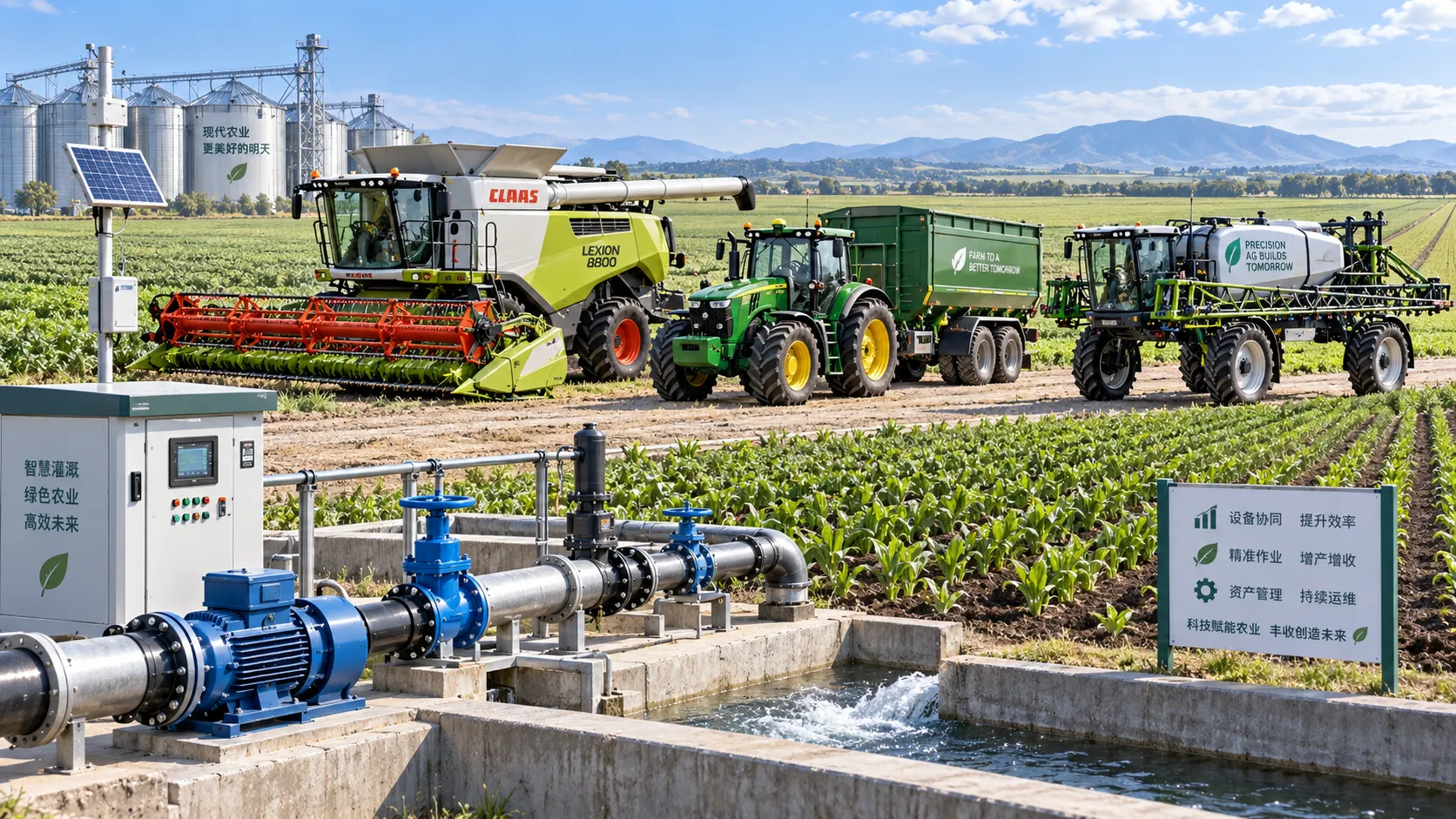
How to Compare Agricultural Equipment Platforms for Fleet Management and ROI
Agricultural equipment platform comparison: evaluate fleet data, maintenance, precision workflows, and ROI to choose a system that delivers measurable results.
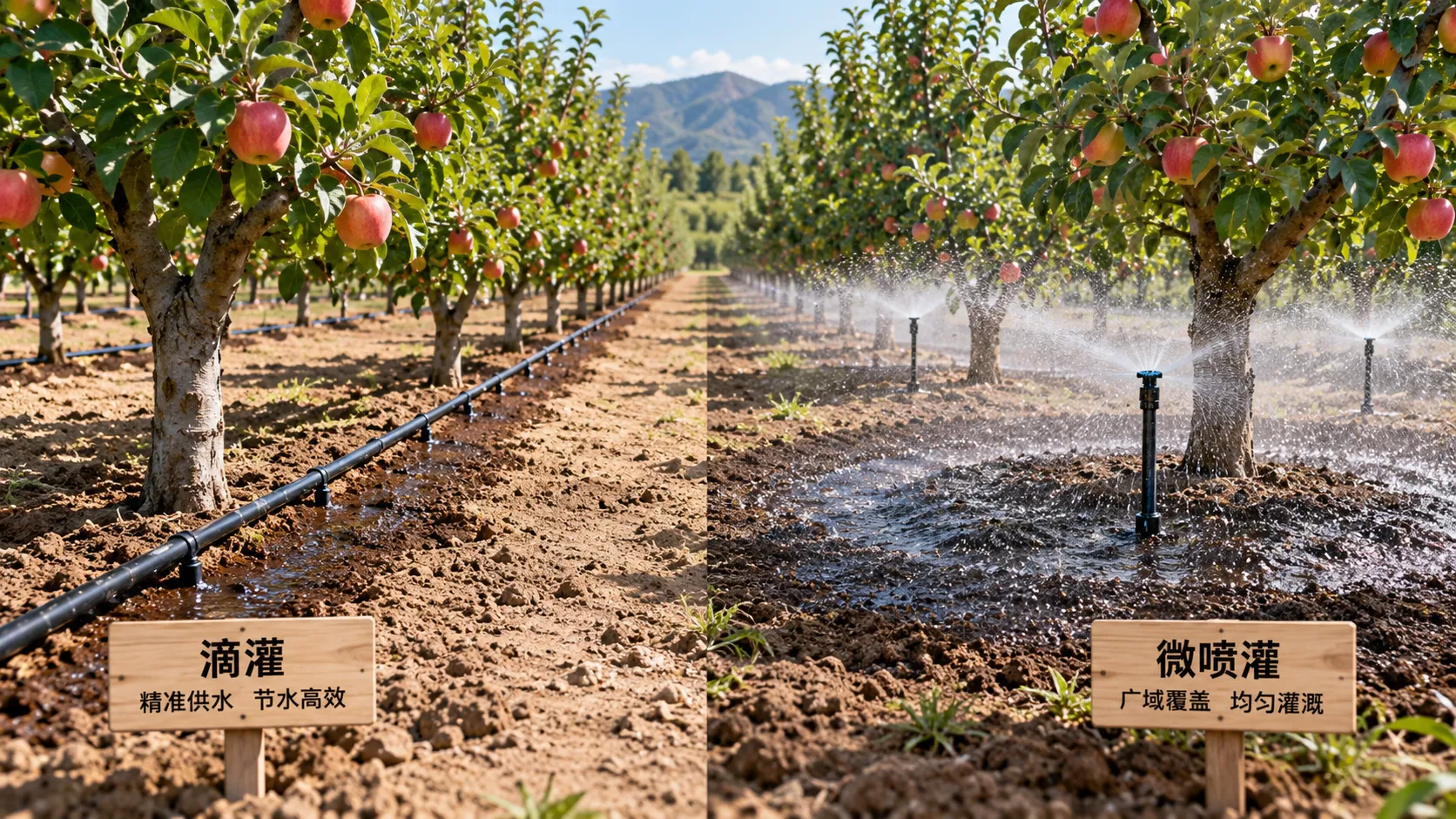
Drip vs. Micro-Sprinkler Irrigation: Which System Fits Your Orchard?
Irrigation solution comparison for orchards: discover whether drip or micro-sprinklers best match your water, soil, roots, fertigation, and frost needs.
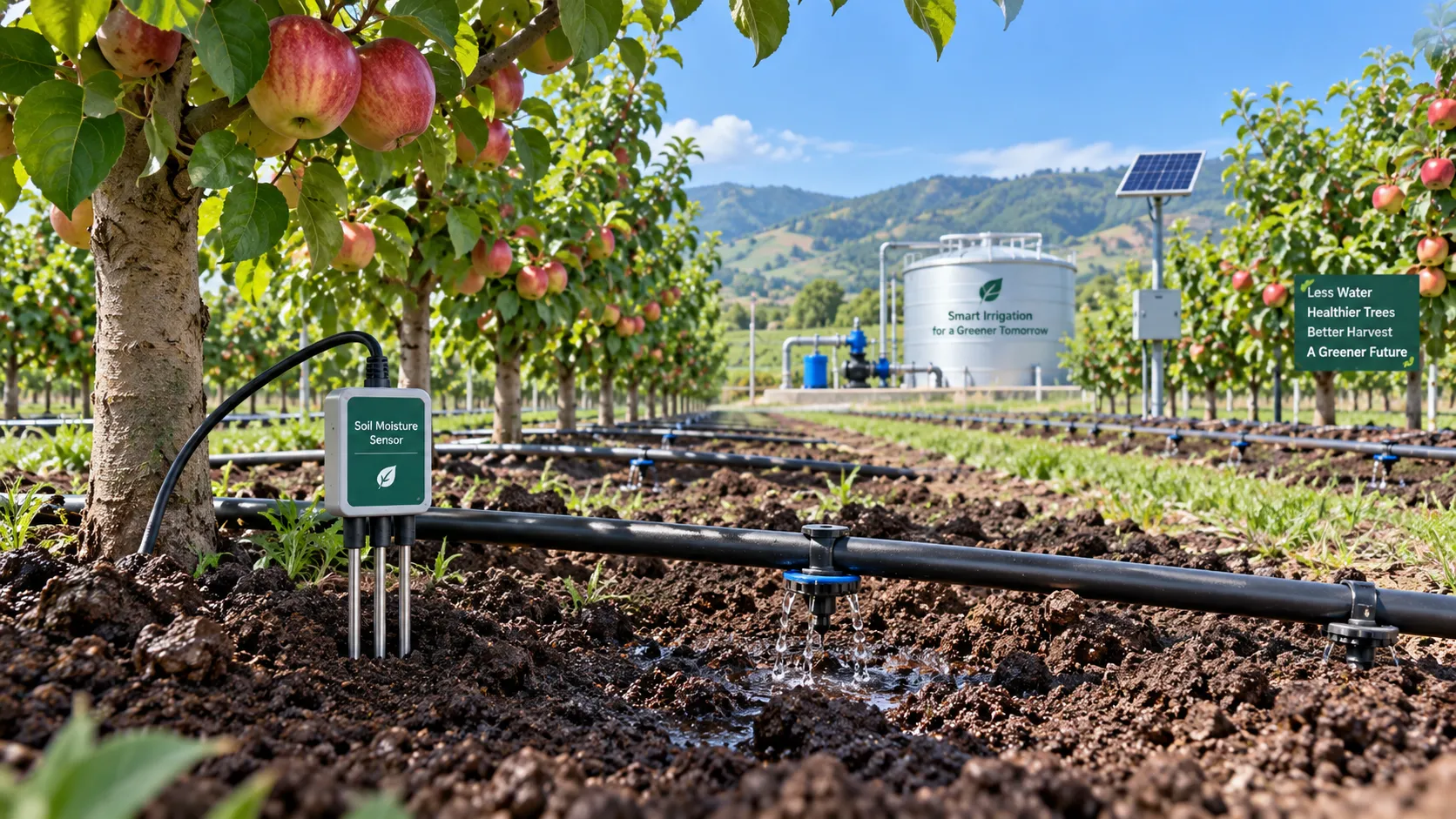
Orchard Water Management: Using Soil Moisture Data to Schedule Irrigation
Agricultural water management for orchards made practical: use soil moisture data to optimize irrigation timing, protect yield, reduce costs, and improve resilience.
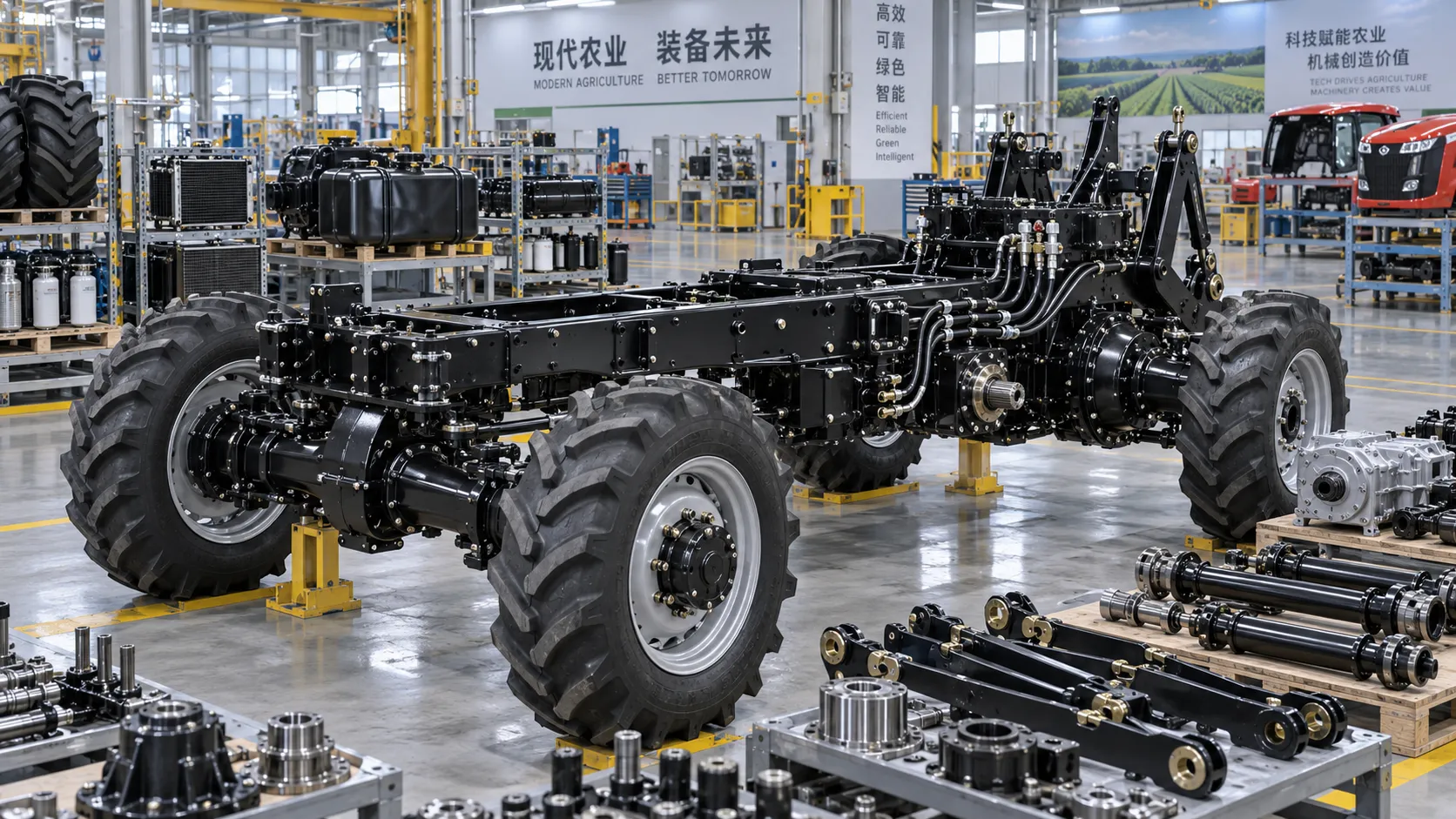
Tractor Chassis Price: What Buyers Should Compare Beyond the Initial Quote
Tractor chassis price is only the start. Compare load capacity, compatibility, durability, and lifecycle costs to choose a reliable, high-value chassis.
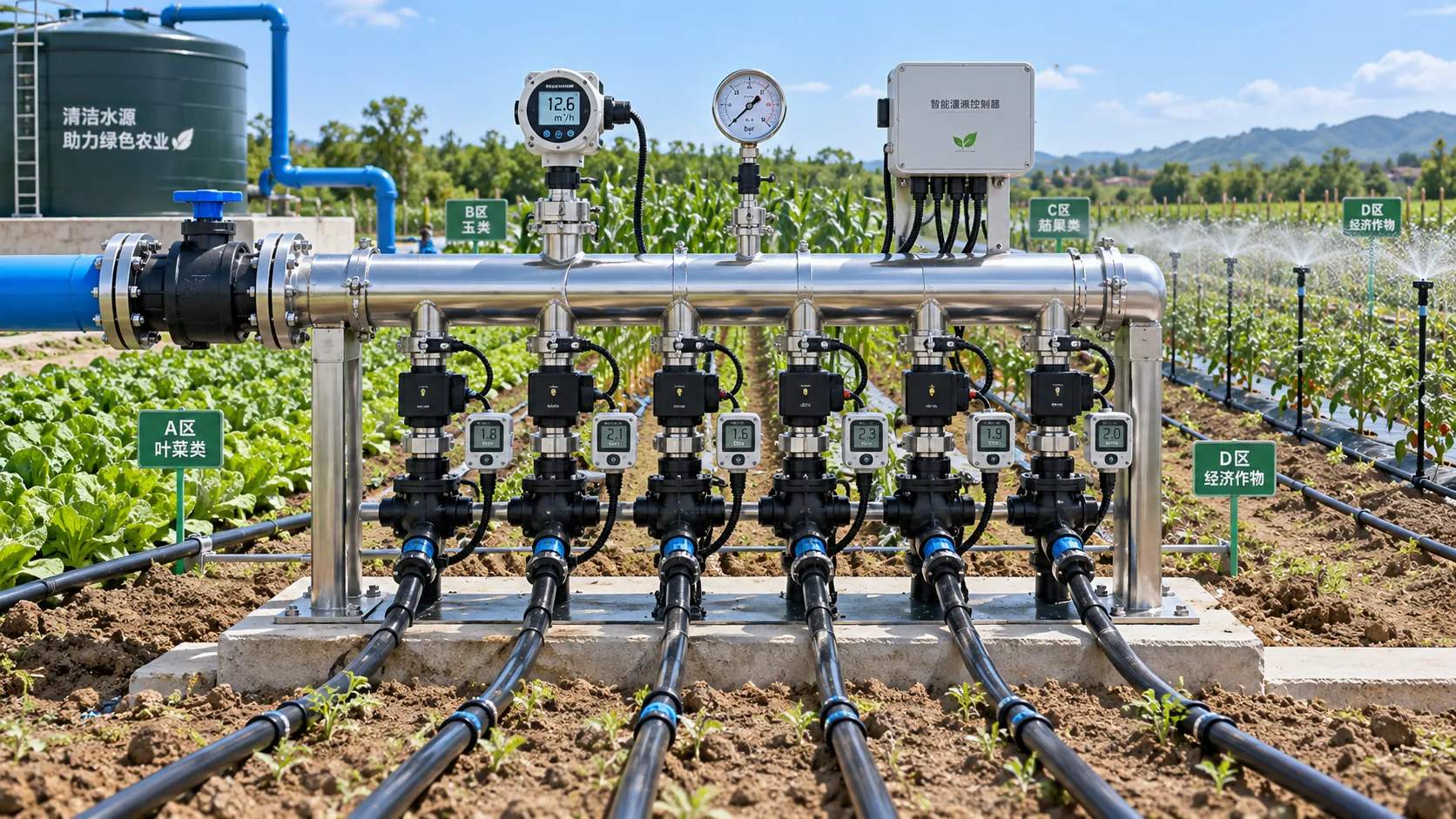
How to Select Smart Irrigation Valves for Multi-Zone Water Management?
Intelligent irrigation systems valves: learn how to match smart valves with multi-zone flow, pressure, control, feedback, and communication needs for reliable water management.
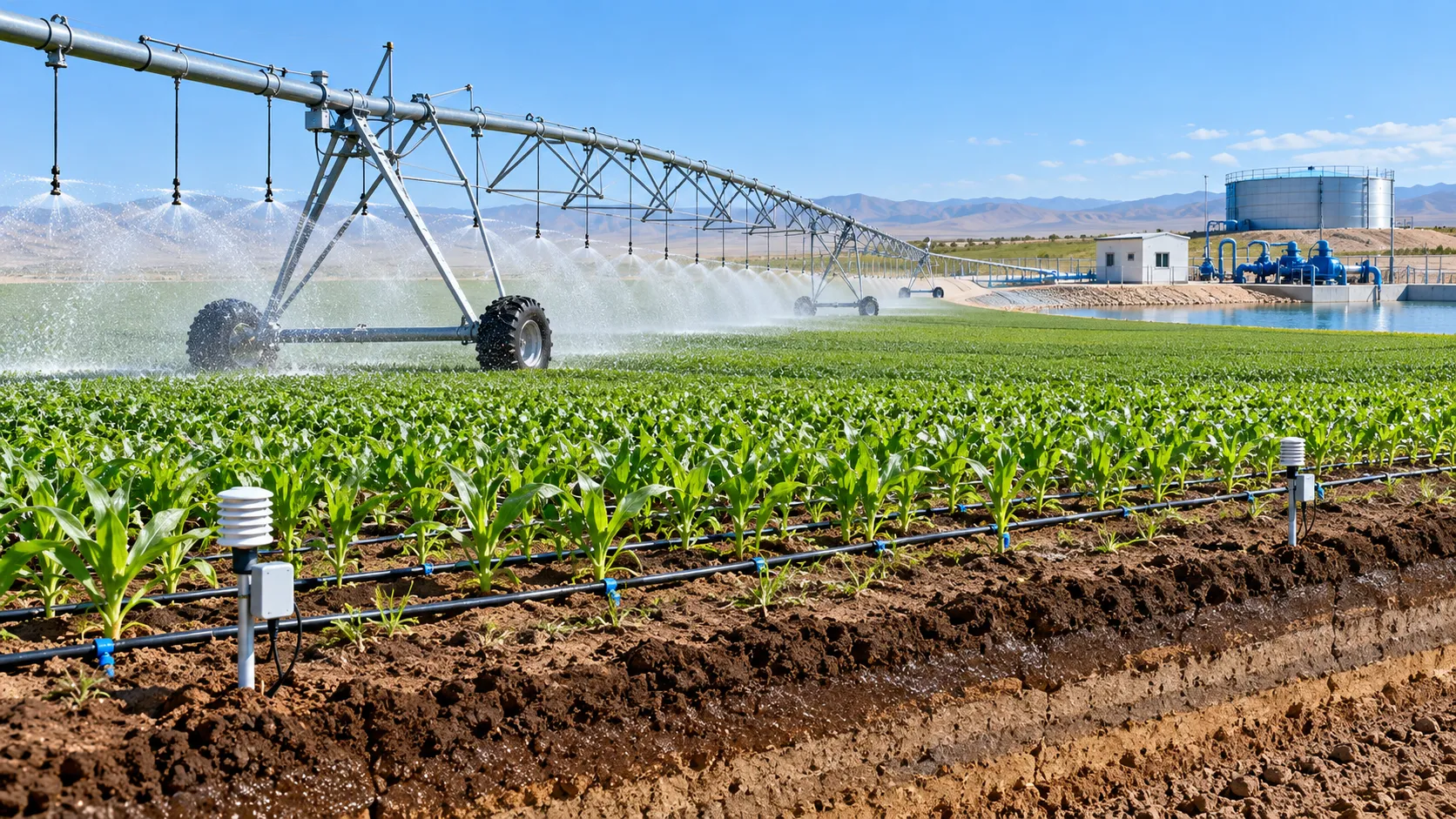
Climate-Smart Farming for Drought: A Practical Plan for Protecting Yields
Climate-smart farming for drought: build smarter water budgets, protect critical crop stages, improve irrigation uniformity, and safeguard yields with practical field-proven strategies.
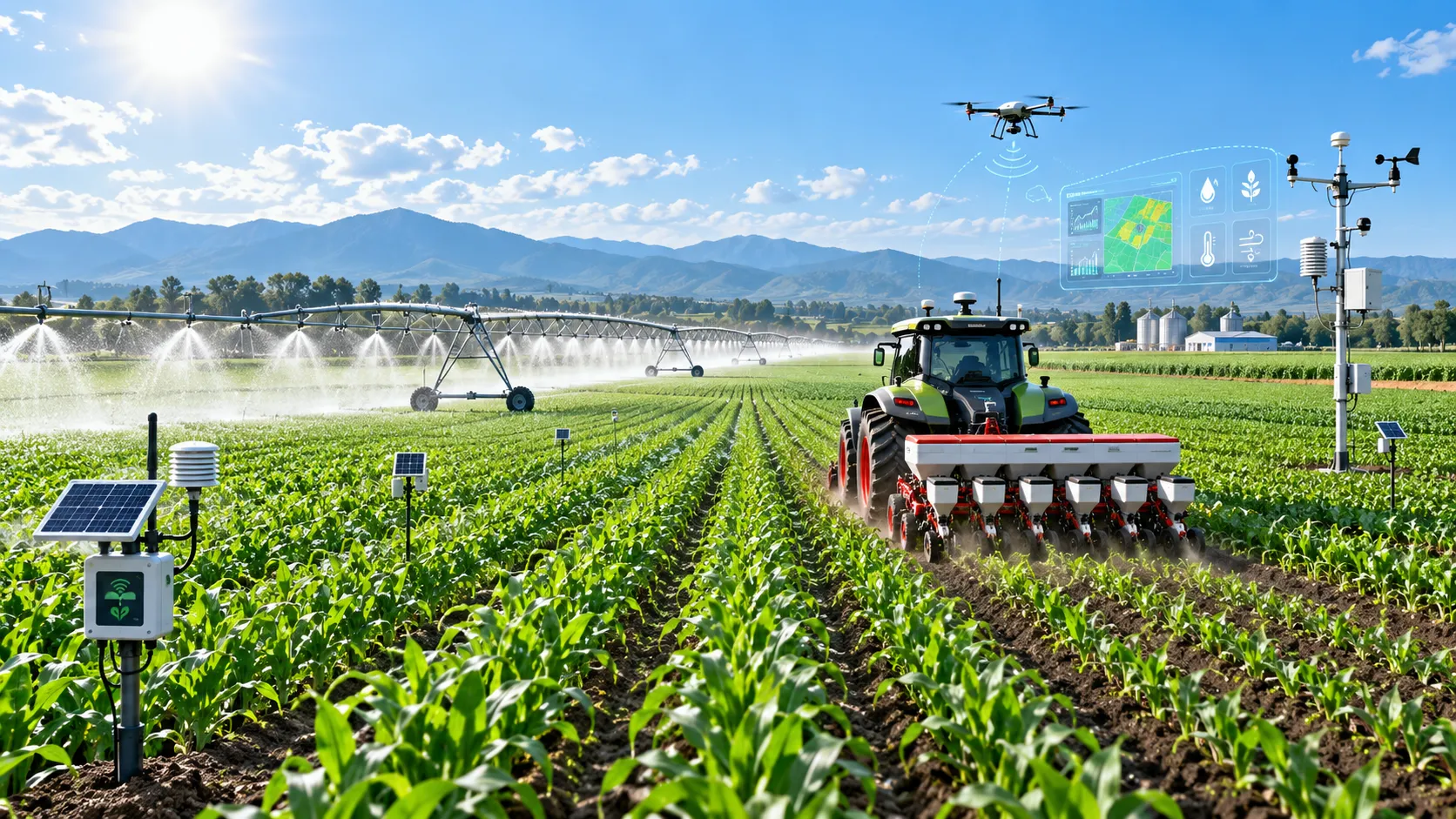
How Digital Agriculture Platforms Turn Field Data Into Better Input Decisions
Digital agriculture platforms turn field data into smarter fertilizer, water, seed, and equipment decisions—helping farms cut risk, improve margins, and scale sustainability.
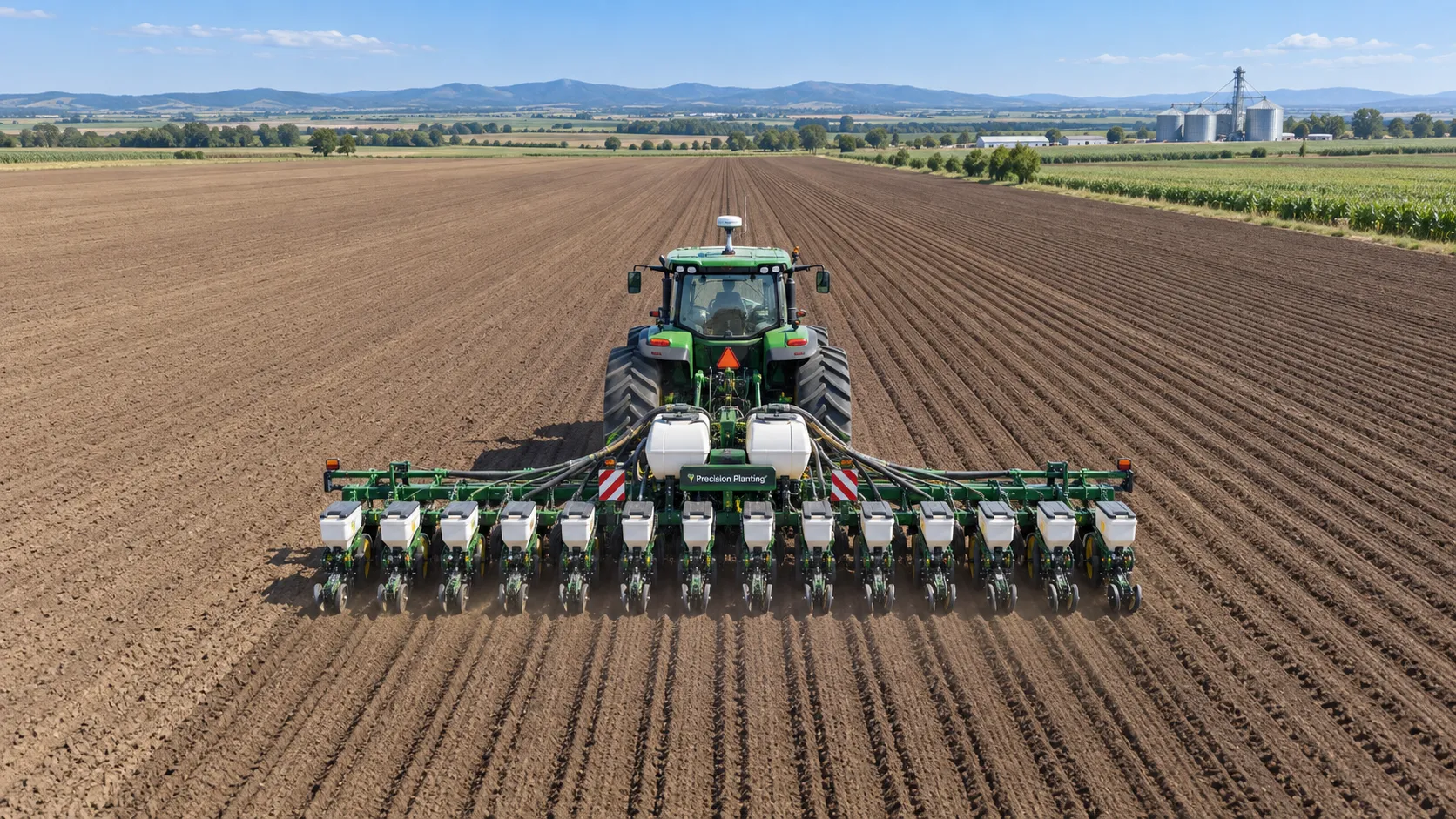
GPS-Guided Farm Machinery: Where It Delivers Measurable Field Efficiency Gains
Agri-mechanization GPS guided systems deliver measurable field efficiency gains through reduced overlap, precise planting, smarter inputs, and reliable farm data.
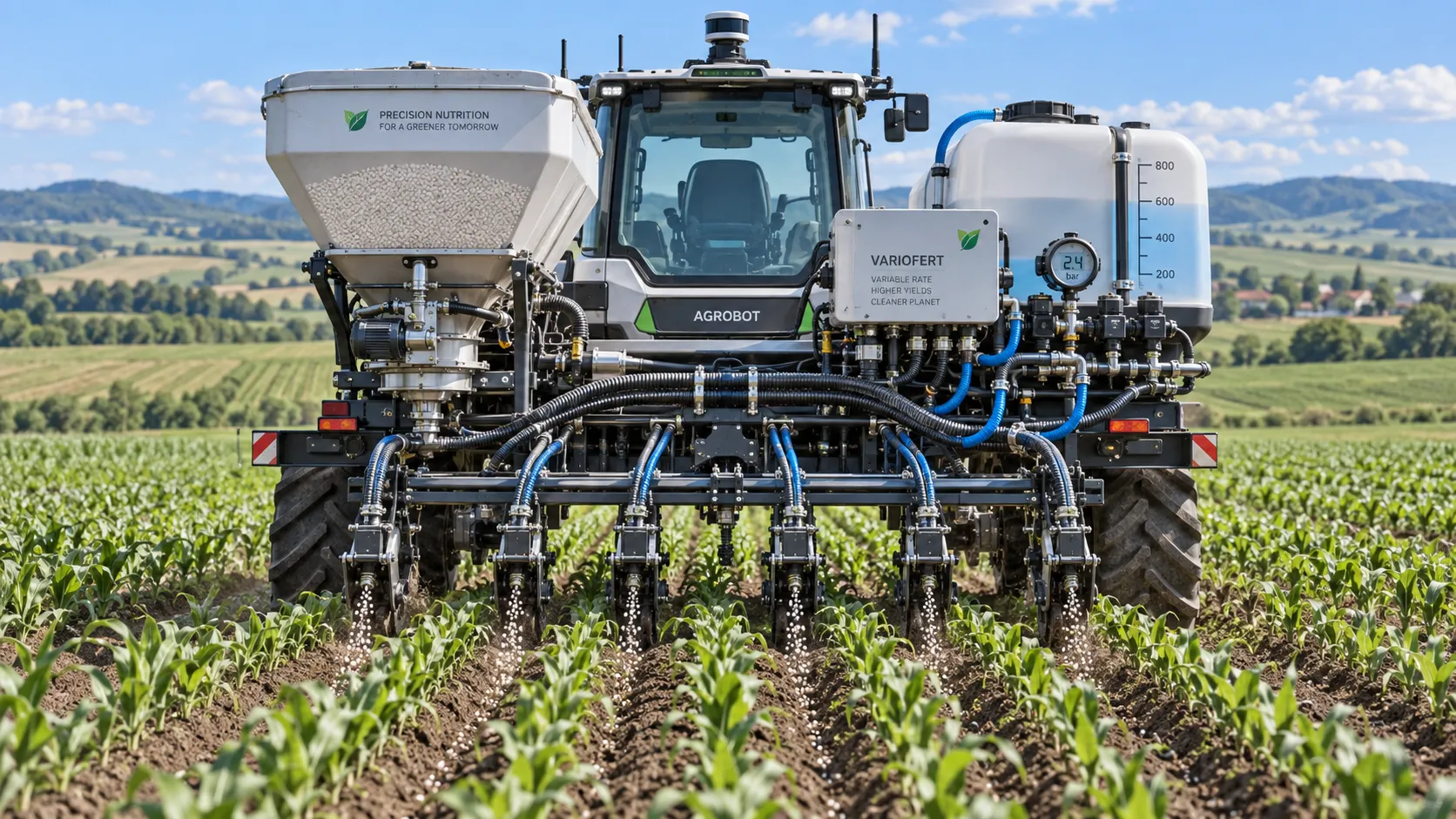
How Sensor Feedback Enables Accurate Variable-Rate Fertilization in Field Conditions
Precision fertilization systems with sensor feedback improve variable-rate accuracy by verifying flow, managing latency, and ensuring reliable field application.
Related News
- 00
0000-00
Orchard Water Management: Using Soil Moisture Data to Schedule Irrigation - 00
0000-00
Climate-Smart Farming for Drought: A Practical Plan for Protecting Yields - 00
0000-00
Selecting Real-Time Soil Moisture Sensors for Irrigation Zone Control - 00
0000-00
How Does Climate-Smart Farming Reduce Water Use in Semi-Arid Areas? - 00
0000-00
USDA Rule Takes Effect: Dual FCC and NRCS Approval for Soil Moisture Sensors
Popular Tags
Hydrological Resource Strategist
Weekly Insights
Stay ahead with our curated technology reports delivered every Monday.