
Congo DRC's 150+ Lightning Strikes/km² Drives ESE60 Requirement for Solar Irrigation Motors




Lead
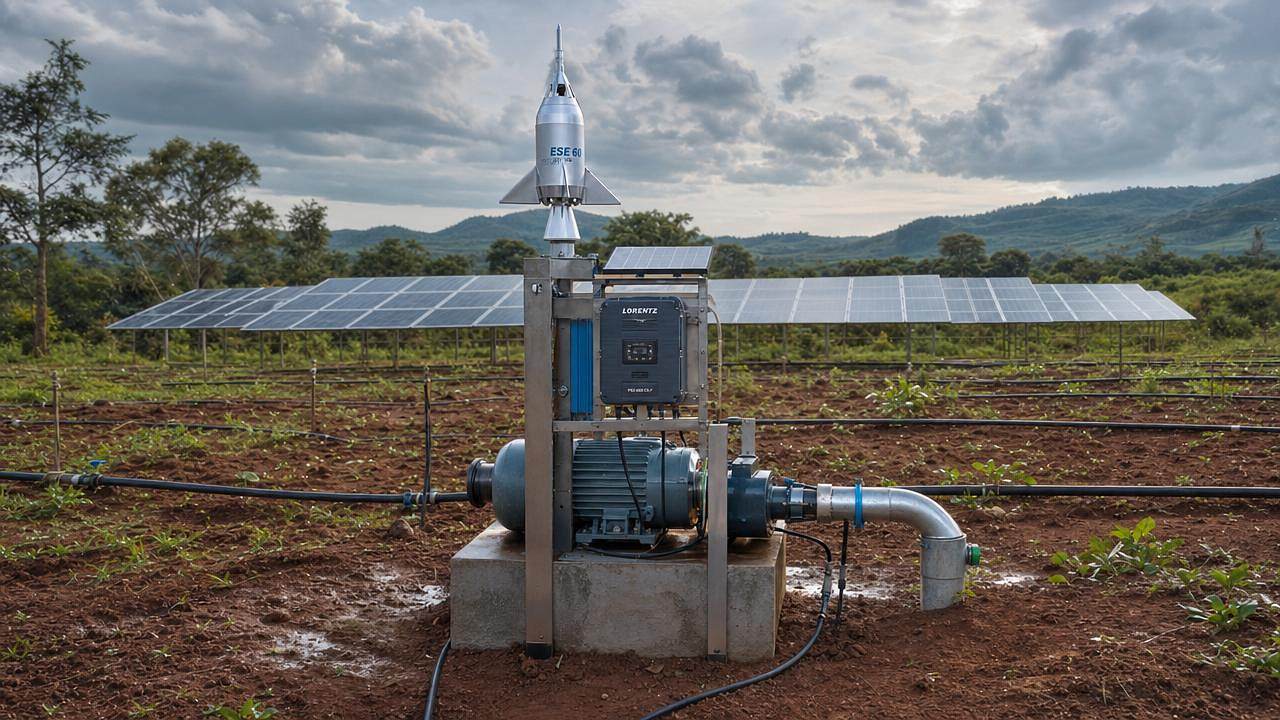
A newly effective regulatory requirement from the Democratic Republic of the Congo (DRC) Energy Ministry—formalized in Technical Access List No. 3 of 2026—mandates installation and certification of ESE60 early streamer emission lightning rods on photovoltaic-powered irrigation pump motors deployed in eastern DRC. This stems directly from the region’s globally highest recorded annual lightning density, exceeding 150 strikes per square kilometer. The measure impacts cross-border trade, component integration, and compliance pathways for solar-powered agricultural hardware entering the DRC market.
Event Overview
The DRC Energy Ministry has included mandatory use of ESE60 active lightning protection systems on photovoltaic-driven smart irrigation pump motors in its 2026 Technical Access List No. 3. This applies specifically to installations in eastern DRC, where average annual lightning density exceeds 150 strikes/km². Compliance is required for full system-level certification of soil moisture sensors, drip irrigation logic controllers, and photovoltaic-powered center-pivot irrigation systems.
Impact on Industry Segments
Direct Trade Enterprises: Exporters of integrated solar irrigation systems must now ensure ESE60 integration is validated as part of end-product conformity—not just as an optional accessory. Impact manifests in delayed customs clearance, increased pre-shipment testing costs, and potential rejection of shipments lacking certified ESE60 documentation aligned with DRC national standards (e.g., STN-IEC 62305-2:2024 adaptation).
Raw Material Procurement Firms: Suppliers sourcing ESE60-compatible mounting hardware, high-voltage surge protection devices (SPDs), or certified grounding compounds face intensified demand for traceable, DRC-recognized test reports (e.g., from CNAS-accredited labs). Non-compliant materials may invalidate downstream system certification—even if the ESE60 unit itself is certified.
Manufacturing Enterprises: OEMs assembling PV-driven irrigation controllers or motor drive units must revise mechanical enclosures to accommodate ESE60 base integration and revise electrical schematics to include equipotential bonding paths. Design changes affect time-to-market and require revalidation under DRC’s new conformity assessment framework—especially for embedded logic modules interfacing with lightning-prone external sensors.
Supply Chain Service Providers: Certification consultants, third-party testing labs, and logistics firms offering DRC market access support must now verify ESE60 unit certification status against the official DRC National Testing Institute (INN) registry. Documentation gaps—including mismatched serial numbers between ESE60 units and submitted test certificates—have triggered recent shipment holds at Goma and Bukavu ports.
Key Considerations and Recommended Actions
Verify ESE60 Unit Certification Against INN Registry
Importers and exporters must cross-check each ESE60 unit’s model number, manufacturer, and test certificate ID against the live database maintained by the Institut National de Normalisation (INN). Self-declared conformity or CE marking alone does not satisfy DRC requirements.
Integrate ESE60 Early in System Design Phase
Manufacturers should treat ESE60 not as a bolt-on add-on but as a foundational safety subsystem. This includes revising PCB layouts to minimize ground loop risks, specifying SPDs rated for ≥20 kA (8/20 µs), and validating enclosure IP ratings for combined lightning/UV exposure in tropical high-altitude environments.
Update Technical Files for Full System Certification
DRC now requires technical dossiers to include coordinated lightning protection analysis—covering separation distances, down-conductor routing, and equipotential bonding diagrams—alongside standard EMC and safety test reports. Submission without this layer risks non-acceptance during INN’s Type Examination process.
Editorial Perspective / Industry Observation
Observably, this requirement reflects a broader trend across high-lightning-risk developing economies: shifting from generic surge protection mandates toward performance-based, location-specific lightning risk mitigation. Unlike EU or U.S. frameworks—which often treat lightning protection as facility-level infrastructure—the DRC rule embeds it at the *product* level, effectively converting a site-safety function into a mandatory export compliance gate. Analysis shows this increases barriers for SME exporters lacking in-house EMC/lightning engineering capacity. It also incentivizes regional certification partnerships, as INN currently accepts test reports only from labs accredited under mutual recognition agreements with IECRE or APAC.
Conclusion
This regulation underscores how geophysical realities—here, extreme thunderstorm activity—are increasingly codified into technical trade policy. For solar irrigation vendors targeting Sub-Saharan Africa, lightning resilience is no longer a differentiator but a baseline condition of market access. A rational interpretation is that future regional harmonization efforts (e.g., via SADC or COMESA) may extend similar ESE-class mandates to other high-risk zones—including parts of Uganda, Rwanda, and northern Zambia—making proactive adaptation strategically preferable to reactive compliance.
Sources and Notes
Source: DRC Ministry of Energy, Technical Access List No. 3, 2026 Edition, published February 2026; INN Circular No. 17/2026 on Lightning Protection Certification Procedures; World Meteorological Organization (WMO) Global Lightning Dataset GLD360 (2023–2025 verified regional averages). Note: Final implementation timeline for enforcement at provincial customs checkpoints remains under review; stakeholders are advised to monitor INN bulletins through Q3 2026.
Related News
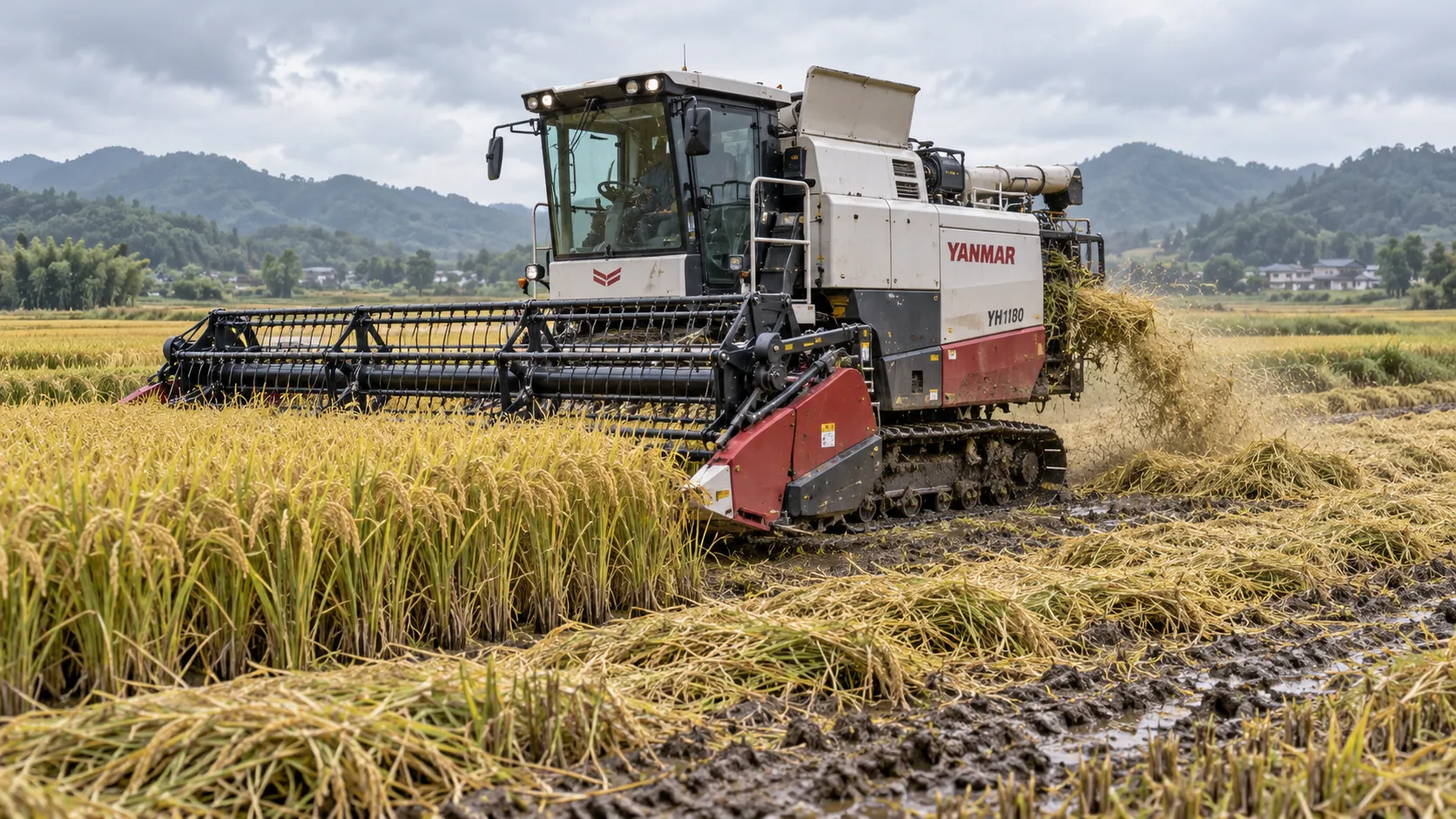
How to Specify Combine Harvester Systems for High-Moisture Grain and Variable Field Conditions
Combine harvester systems for high-moisture grain: learn how to specify threshing, cleaning, headers, traction, and automation for reliable harvests in variable fields.
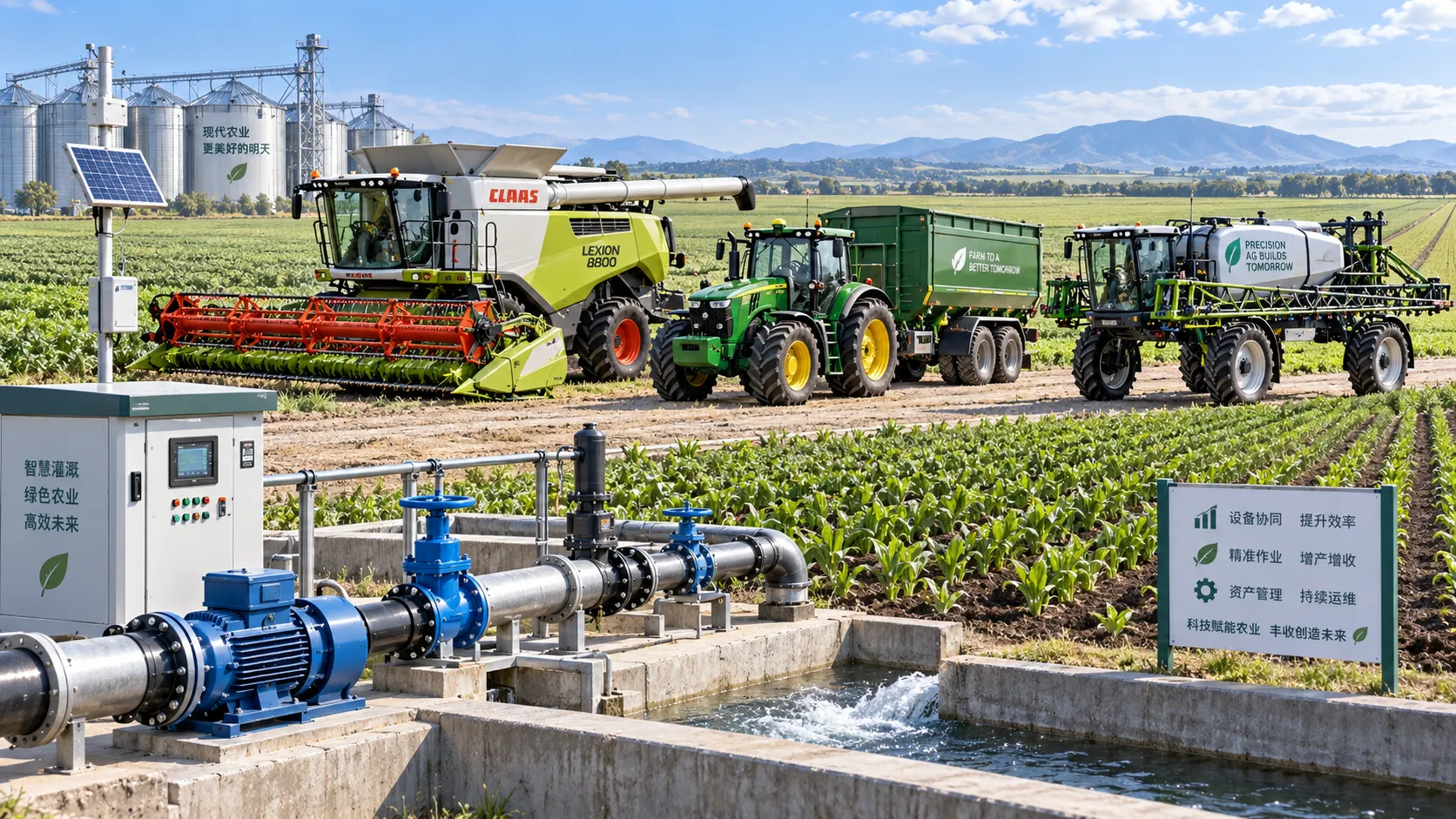
How to Compare Agricultural Equipment Platforms for Fleet Management and ROI
Agricultural equipment platform comparison: evaluate fleet data, maintenance, precision workflows, and ROI to choose a system that delivers measurable results.
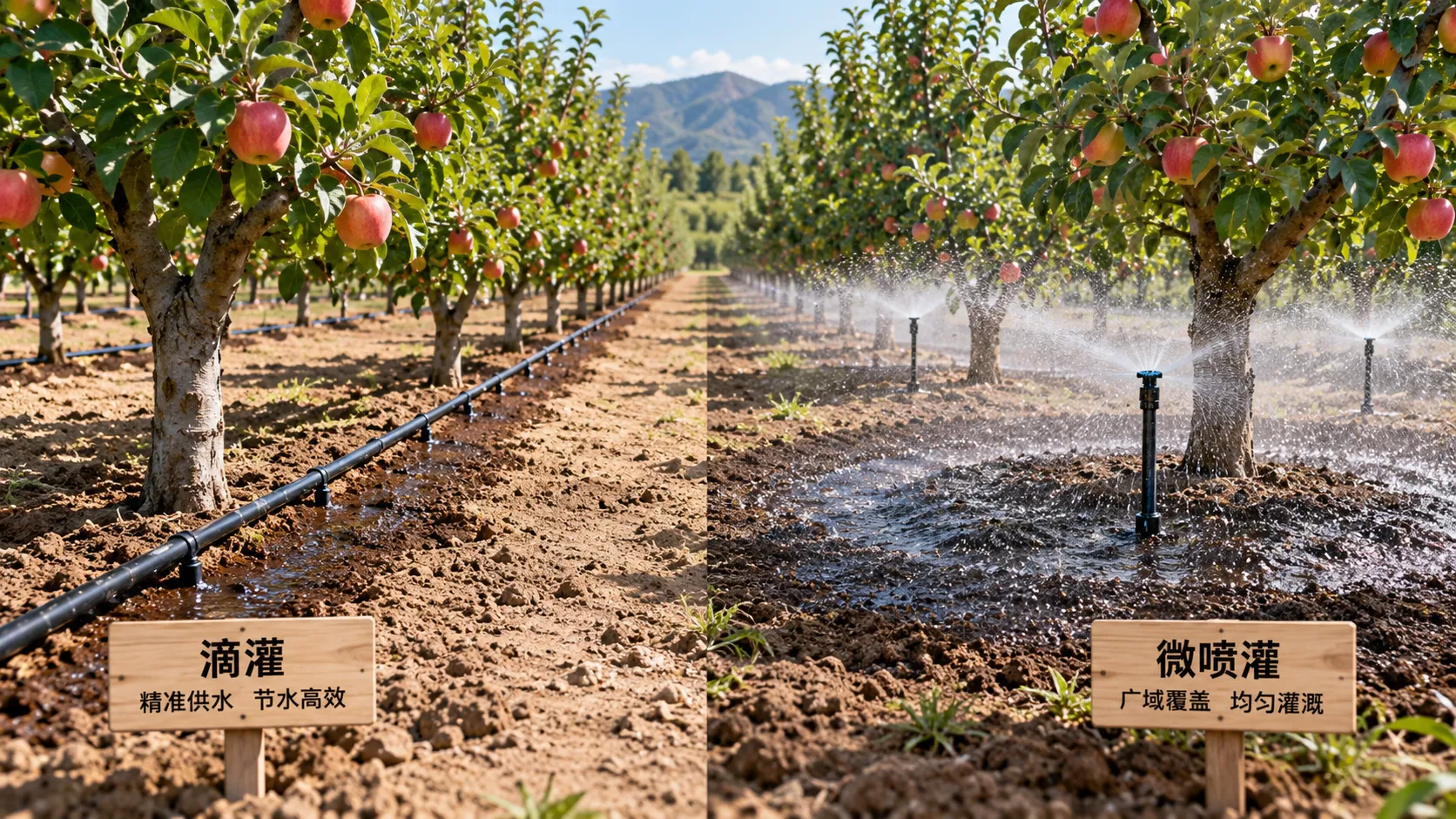
Drip vs. Micro-Sprinkler Irrigation: Which System Fits Your Orchard?
Irrigation solution comparison for orchards: discover whether drip or micro-sprinklers best match your water, soil, roots, fertigation, and frost needs.
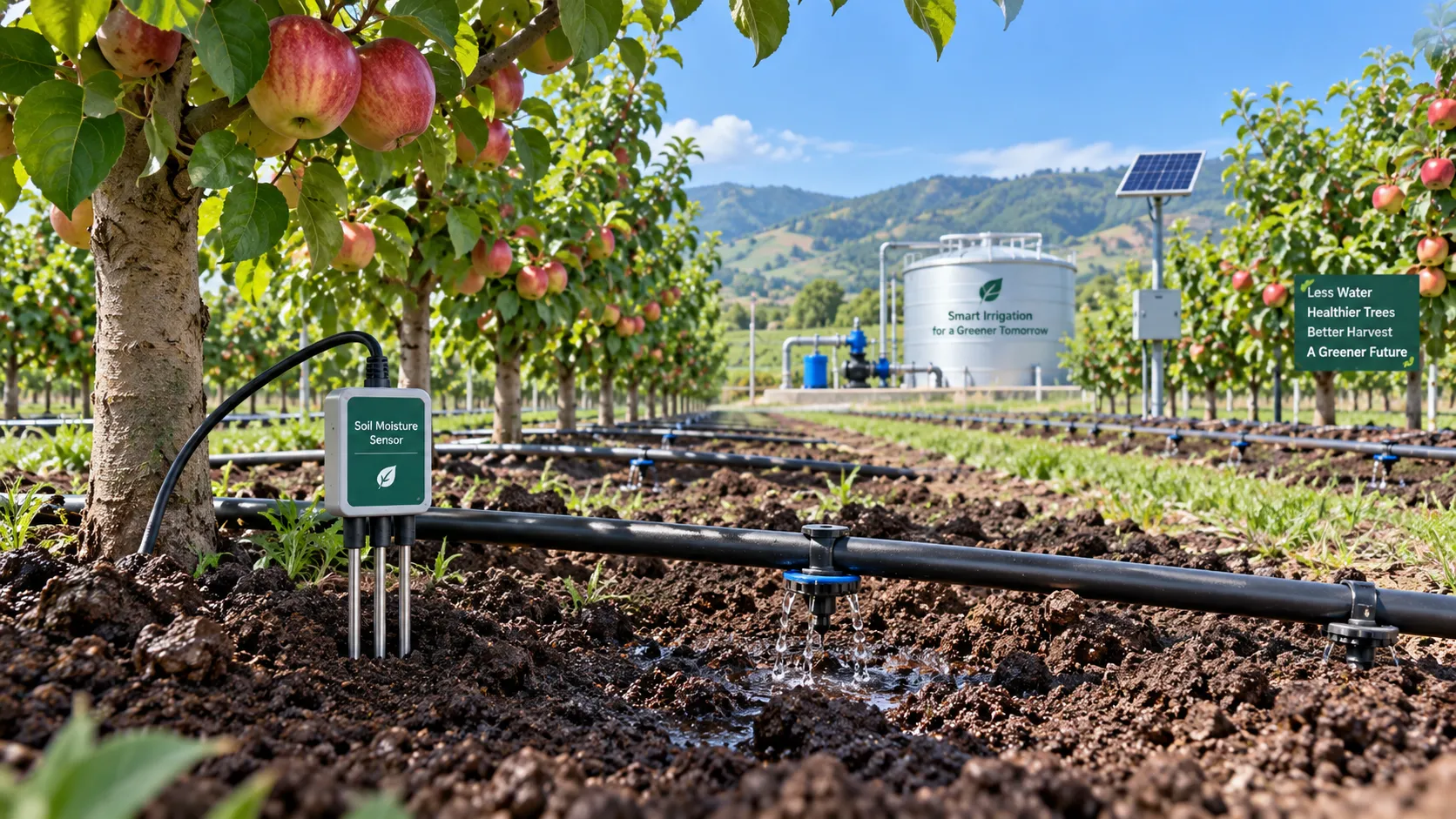
Orchard Water Management: Using Soil Moisture Data to Schedule Irrigation
Agricultural water management for orchards made practical: use soil moisture data to optimize irrigation timing, protect yield, reduce costs, and improve resilience.
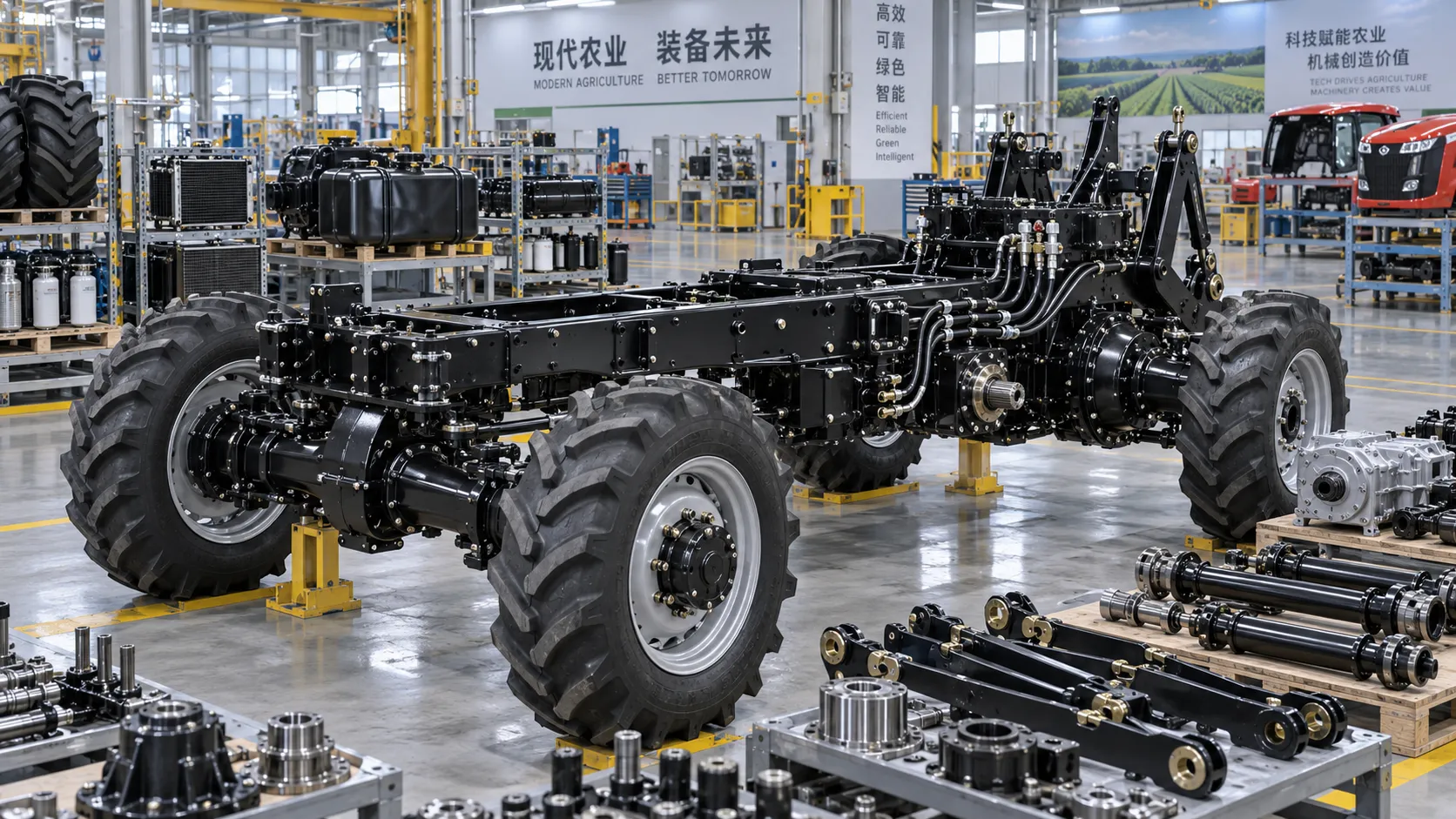
Tractor Chassis Price: What Buyers Should Compare Beyond the Initial Quote
Tractor chassis price is only the start. Compare load capacity, compatibility, durability, and lifecycle costs to choose a reliable, high-value chassis.
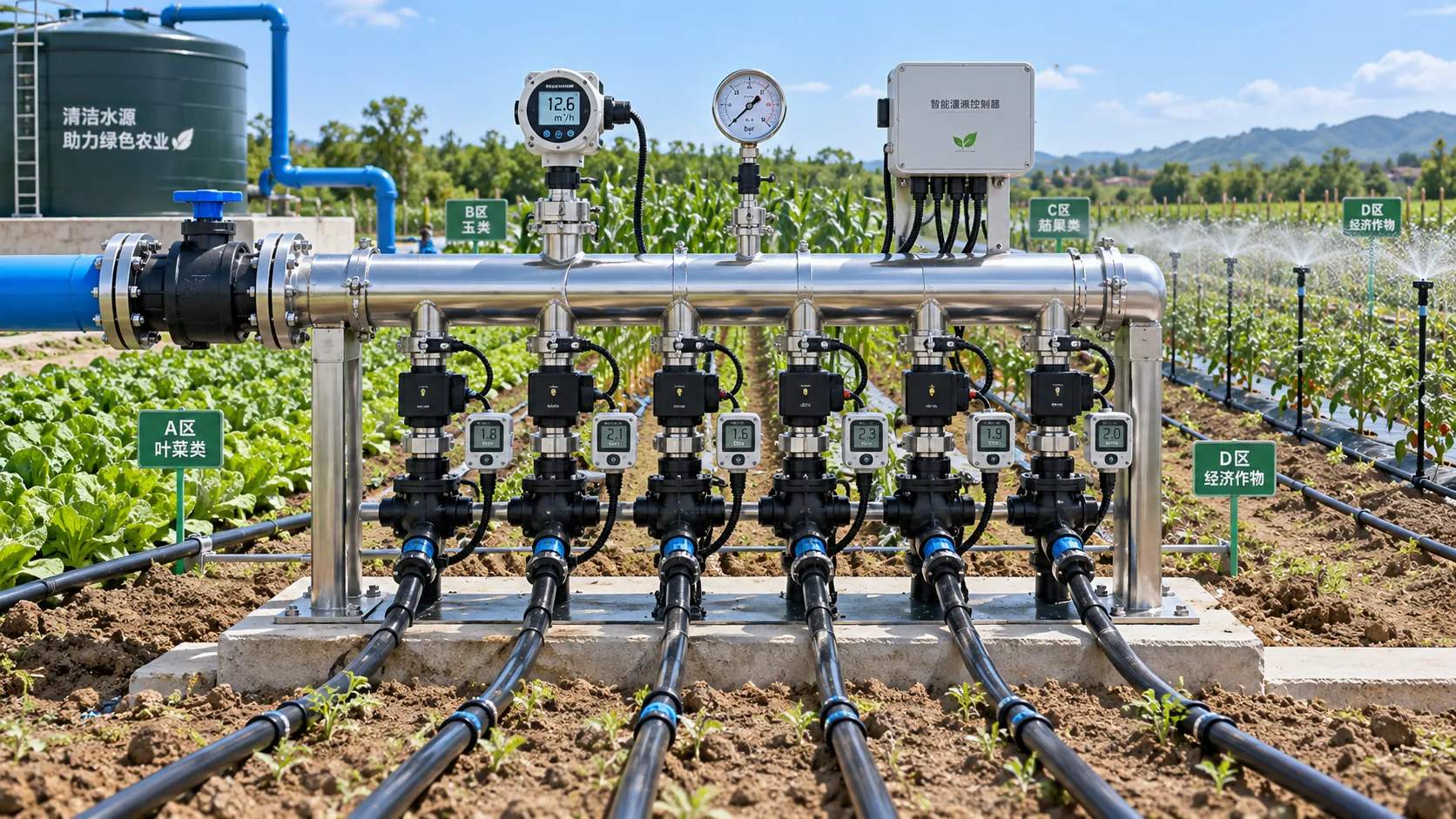
How to Select Smart Irrigation Valves for Multi-Zone Water Management?
Intelligent irrigation systems valves: learn how to match smart valves with multi-zone flow, pressure, control, feedback, and communication needs for reliable water management.
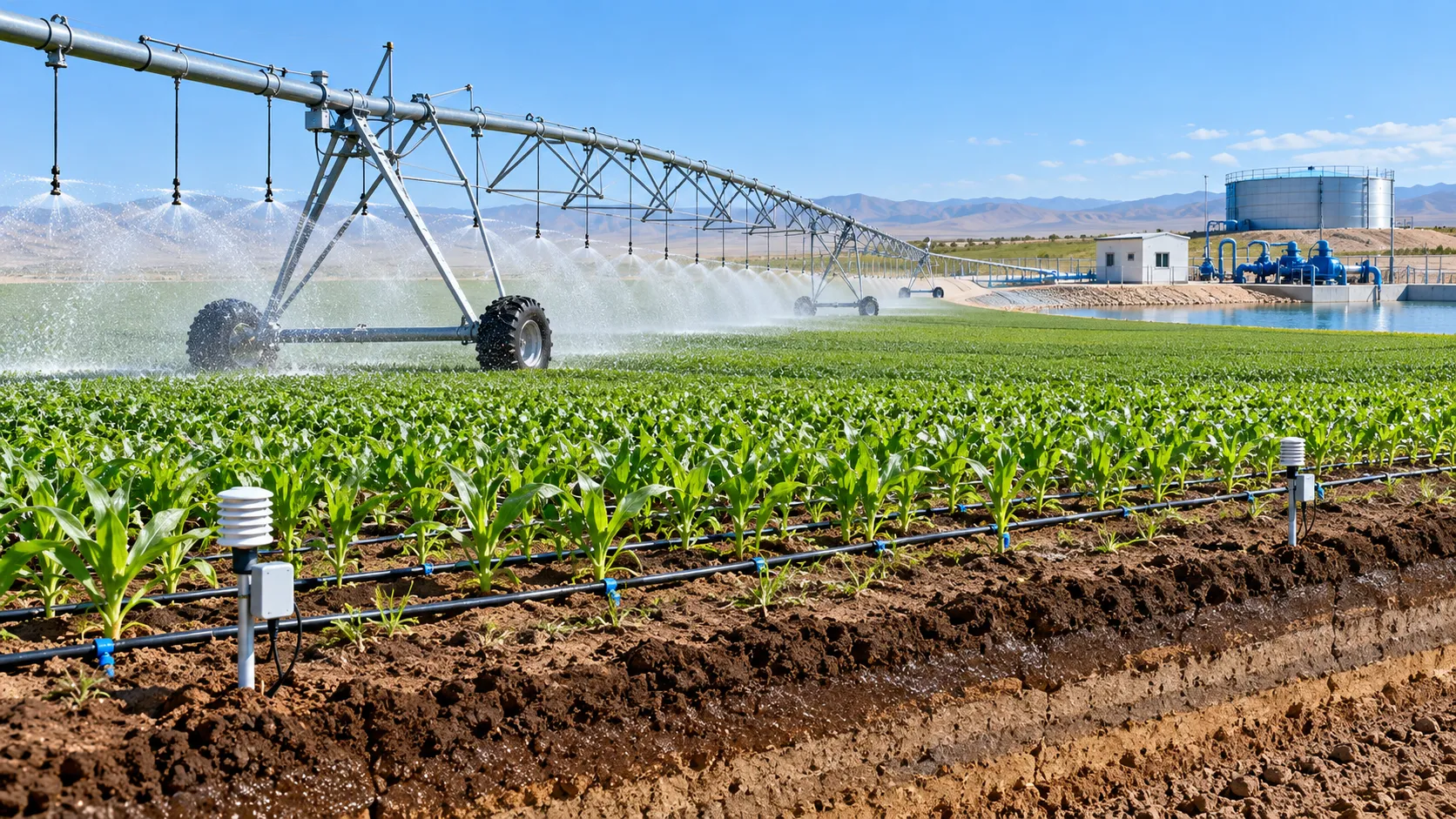
Climate-Smart Farming for Drought: A Practical Plan for Protecting Yields
Climate-smart farming for drought: build smarter water budgets, protect critical crop stages, improve irrigation uniformity, and safeguard yields with practical field-proven strategies.
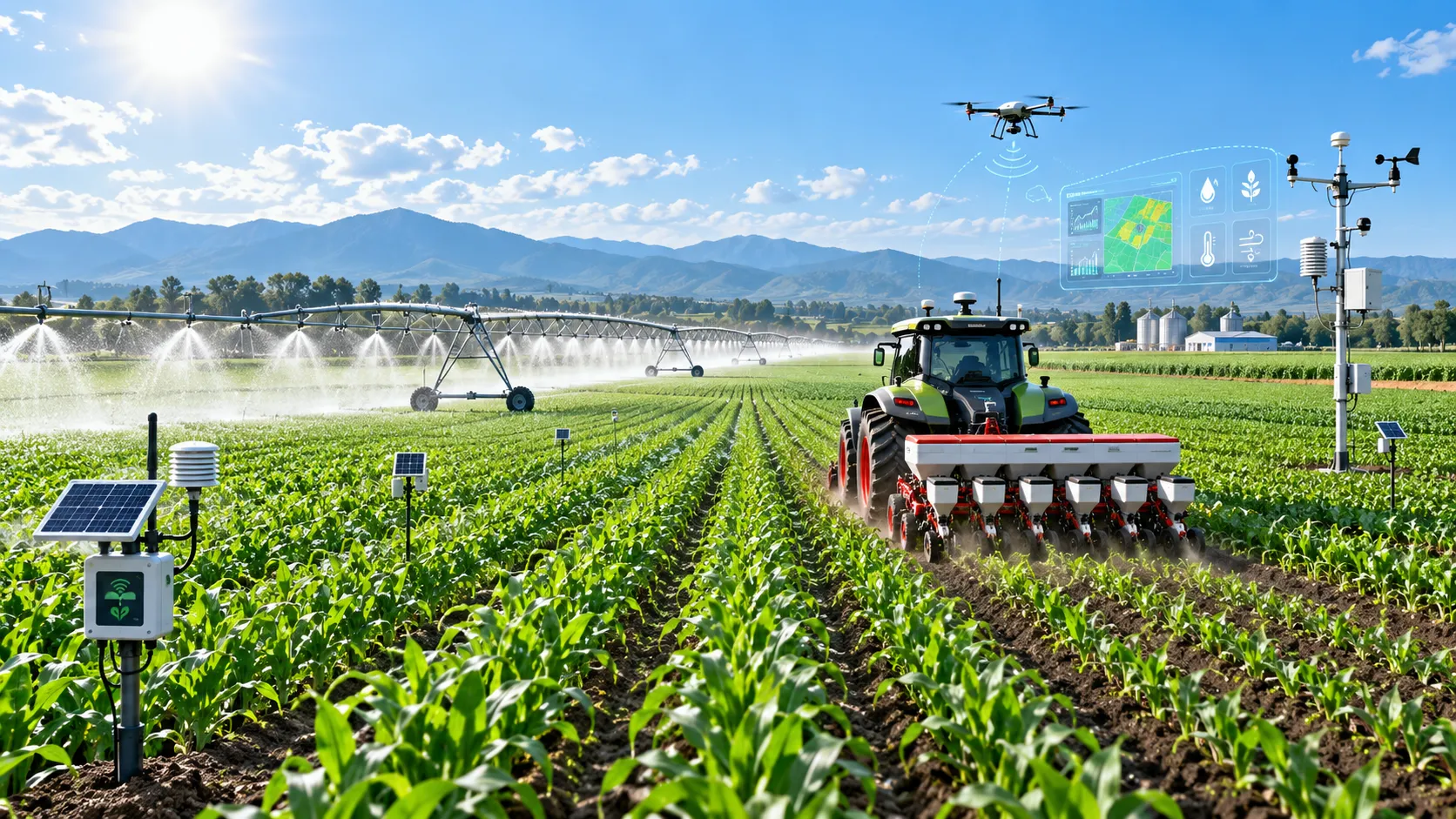
How Digital Agriculture Platforms Turn Field Data Into Better Input Decisions
Digital agriculture platforms turn field data into smarter fertilizer, water, seed, and equipment decisions—helping farms cut risk, improve margins, and scale sustainability.
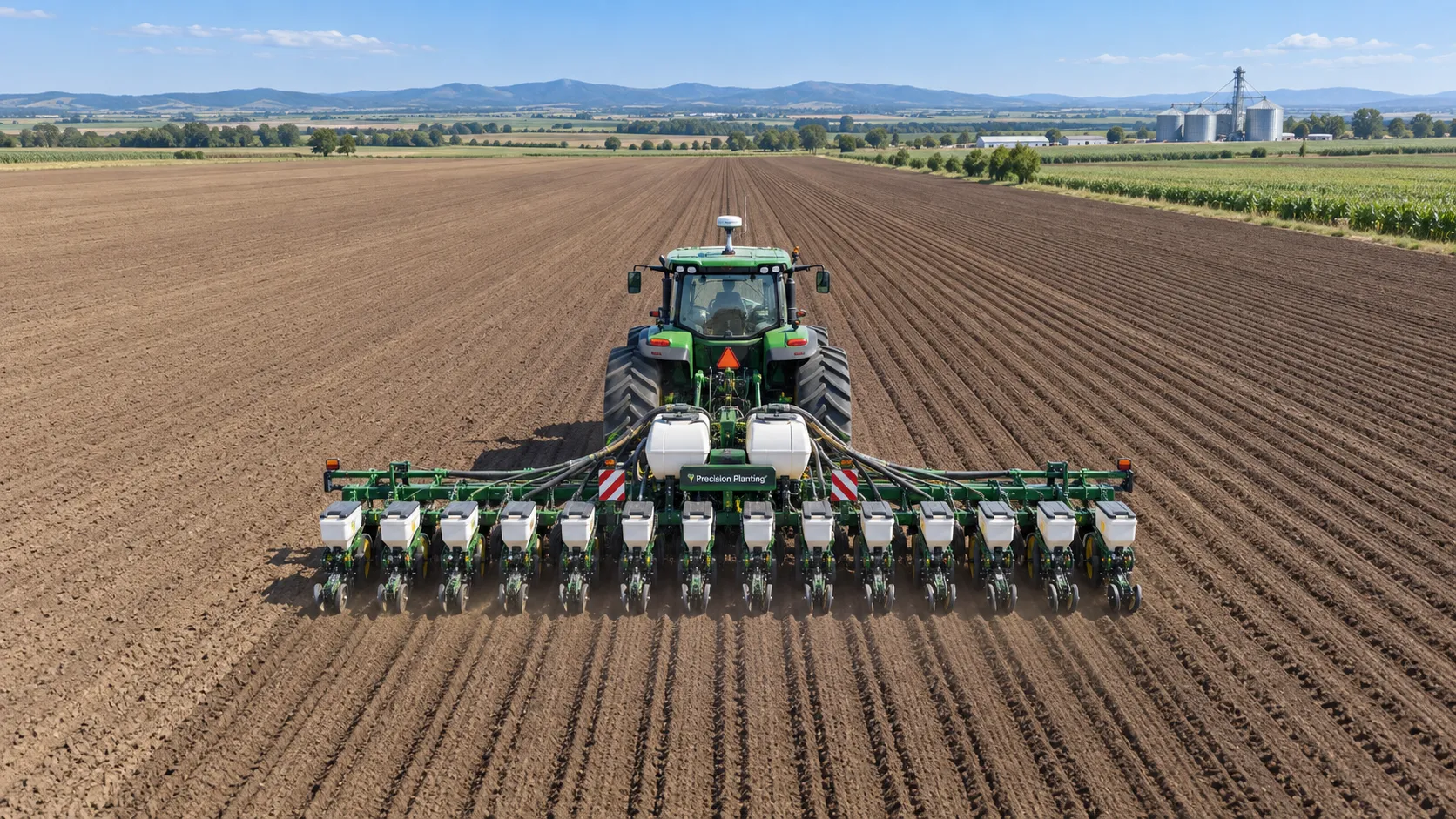
GPS-Guided Farm Machinery: Where It Delivers Measurable Field Efficiency Gains
Agri-mechanization GPS guided systems deliver measurable field efficiency gains through reduced overlap, precise planting, smarter inputs, and reliable farm data.
Related News
- 00
0000-00
Orchard Water Management: Using Soil Moisture Data to Schedule Irrigation - 00
0000-00
Climate-Smart Farming for Drought: A Practical Plan for Protecting Yields - 00
0000-00
Selecting Real-Time Soil Moisture Sensors for Irrigation Zone Control - 00
0000-00
How Does Climate-Smart Farming Reduce Water Use in Semi-Arid Areas? - 00
0000-00
USDA Rule Takes Effect: Dual FCC and NRCS Approval for Soil Moisture Sensors
Popular Tags
Hydrological Resource Strategist
Weekly Insights
Stay ahead with our curated technology reports delivered every Monday.