
2026 Hospitalar Ends: LMX Medical Validates Cross-Industry Health Monitoring in Latin America
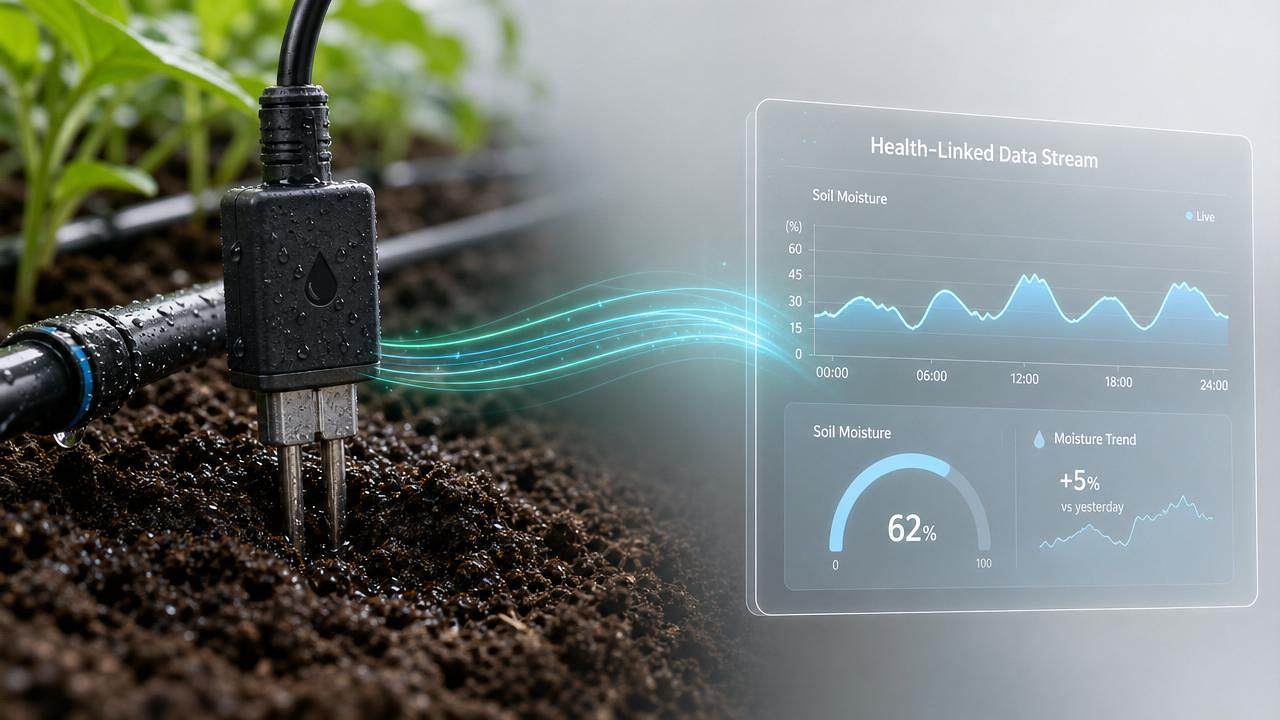




At the conclusion of the 2026 Hospitalar exhibition in Brazil on May 22, 2026, LMX Medical demonstrated an interoperable health-data linkage model—integrating soil moisture sensor data into chronic disease management cloud platforms—drawing focused attention from Latin American distributors. This development signals emerging demand across agri-health convergence segments, particularly for enterprises engaged in organic farming, medicinal plant cultivation, and precision irrigation technology distribution.
Event Overview
The 2026 Hospitalar trade show concluded on May 22, 2026, in São Paulo, Brazil. At its G-270d booth, LMX Medical presented a proof-of-concept linking soil moisture sensor data streams to its chronic disease management cloud platform, illustrating a closed-loop model connecting farmland soil conditions → crop nutrient profiles → human micronutrient intake pathways. The demonstration attracted significant interest from Latin American distributors. Publicly confirmed details include the use of drip irrigation logic-compatible soil moisture sensors and their integration with a health-focused cloud infrastructure, specifically targeting organic farms and medicinal plant cultivation projects.
Industries Affected by This Development
Direct Trade Enterprises (Export/Import Firms)
These firms may face shifting demand signals as Latin American importers begin prioritizing irrigation hardware with certified health-data interface capabilities—not just agronomic performance metrics. Impact manifests in revised product specification requests, longer qualification cycles for sensor-integrated irrigation controllers, and increased emphasis on interoperability documentation (e.g., API compliance with cloud-based health platforms).
Raw Material & Component Suppliers
Suppliers of soil moisture sensors, microcontroller units, and low-power wireless modules may observe early-stage inquiries related to medical-grade data integrity (e.g., timestamp accuracy, calibration traceability, encryption standards) rather than solely agricultural durability specs. Demand is not yet volume-driven but reflects a structural shift in technical evaluation criteria among downstream integrators.
Channel Distributors & Value-Added Resellers
Distributors serving both agricultural and healthcare verticals in Latin America are encountering new cross-category customer queries—especially from organic certification bodies and phyto-pharmaceutical growers seeking verifiable links between cultivation conditions and human health outcomes. Impact includes pressure to develop dual-domain technical support capacity and updated sales collateral referencing health-data traceability.
Supply Chain Service Providers (Logistics, Certification, Compliance)
Providers supporting export to Brazil may need to accommodate evolving documentation requirements—notably declarations of data interface compliance (e.g., adherence to local health data transmission guidelines), even when no personal health data is processed directly. No regulatory mandate currently exists, but distributor due diligence expectations are rising.
What Relevant Enterprises or Practitioners Should Focus On Now
Monitor official communications from ANVISA and MAPA regarding IoT device classification
While no formal regulation has been issued, Brazil’s National Health Surveillance Agency (ANVISA) and Ministry of Agriculture (MAPA) have initiated informal working groups on agri-health convergence devices. Stakeholders should track public consultation timelines—not as policy triggers, but as indicators of evolving risk assessment frameworks.
Assess current product documentation for health-data interface readiness
Manufacturers and exporters should audit existing technical datasheets and API documentation for clarity on data schema, encryption methods, and timestamping protocols—even if not yet marketed for health applications. Early alignment reduces requalification delays if market demand accelerates.
Distinguish between distributor interest and commercial deployment
The Hospitalar response reflects exploratory engagement, not confirmed purchase orders or project rollouts. Enterprises should treat this as a signal to refine technical positioning—not as justification for immediate production scaling or channel investment reallocation.
Prepare for dual-audience technical dialogue
Sales and support teams engaging Latin American agricultural buyers should be equipped to discuss both soil science parameters (e.g., volumetric water content thresholds) and health-data governance concepts (e.g., anonymization scope, audit log retention). Training need is operational—not strategic—and limited to frontline technical staff interfacing with qualified distributors.
Editorial Perspective / Industry Observation
Observably, this event does not represent a market inflection point but rather a validation of latent technical curiosity at the agriculture–health interface. Analysis shows that distributor attention centers less on clinical utility and more on data lineage credibility—i.e., whether soil sensor outputs can serve as defensible upstream inputs in nutrition-related health monitoring workflows. From an industry perspective, it is better understood as an early-stage signal of converging procurement criteria across two historically separate sectors, rather than evidence of imminent revenue diversification. Continued observation is warranted—not because adoption is imminent, but because the underlying data integration pattern (environmental sensor → cloud platform → health outcome proxy) may inform future interoperability expectations in regulated markets beyond Latin America.
This development underscores how trade exhibitions increasingly function as de facto technical alignment forums—not just sales venues—especially where regulatory harmonization lags behind innovation. Its significance lies not in immediate commercial impact, but in revealing a specific, actionable convergence vector: soil moisture sensing as a potential upstream health data source. For now, it remains a niche technical dialogue; however, its persistence across multiple regional trade events would warrant reassessment of long-term standardization pathways.
Information Source: Official closing announcement and booth activity summary released by Hospitalar 2026 organizers; verified booth demonstration description provided by LMX Medical’s press release dated May 22, 2026. Ongoing regulatory developments at ANVISA and MAPA remain under observation and are not yet reflected in official guidance documents.
Related News
How to Compare Agricultural Equipment Platforms for Fleet Management and ROI
Agricultural equipment platform comparison: evaluate fleet data, maintenance, precision workflows, and ROI to choose a system that delivers measurable results.
Drip vs. Micro-Sprinkler Irrigation: Which System Fits Your Orchard?
Irrigation solution comparison for orchards: discover whether drip or micro-sprinklers best match your water, soil, roots, fertigation, and frost needs.
Orchard Water Management: Using Soil Moisture Data to Schedule Irrigation
Agricultural water management for orchards made practical: use soil moisture data to optimize irrigation timing, protect yield, reduce costs, and improve resilience.
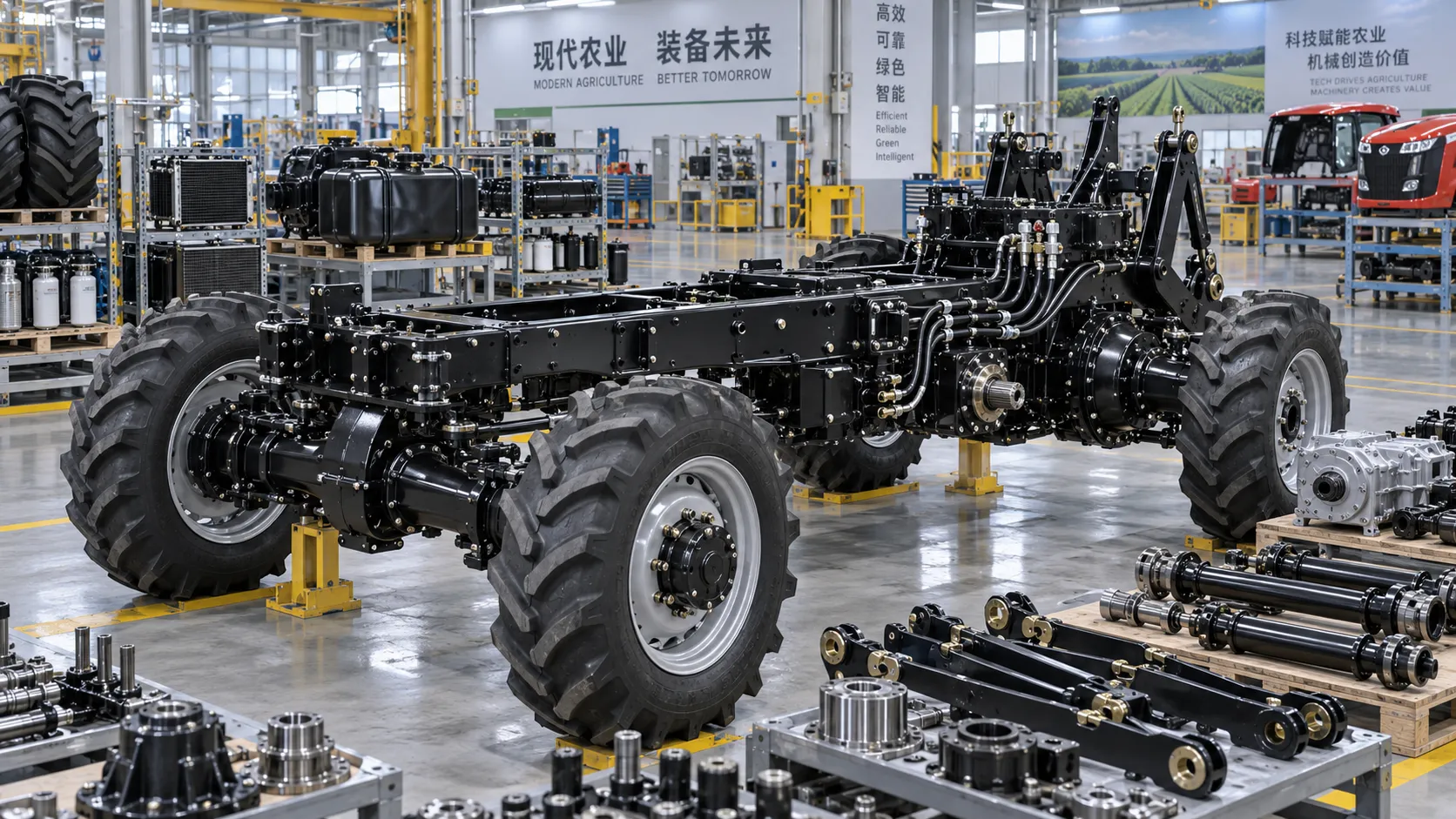
Tractor Chassis Price: What Buyers Should Compare Beyond the Initial Quote
Tractor chassis price is only the start. Compare load capacity, compatibility, durability, and lifecycle costs to choose a reliable, high-value chassis.
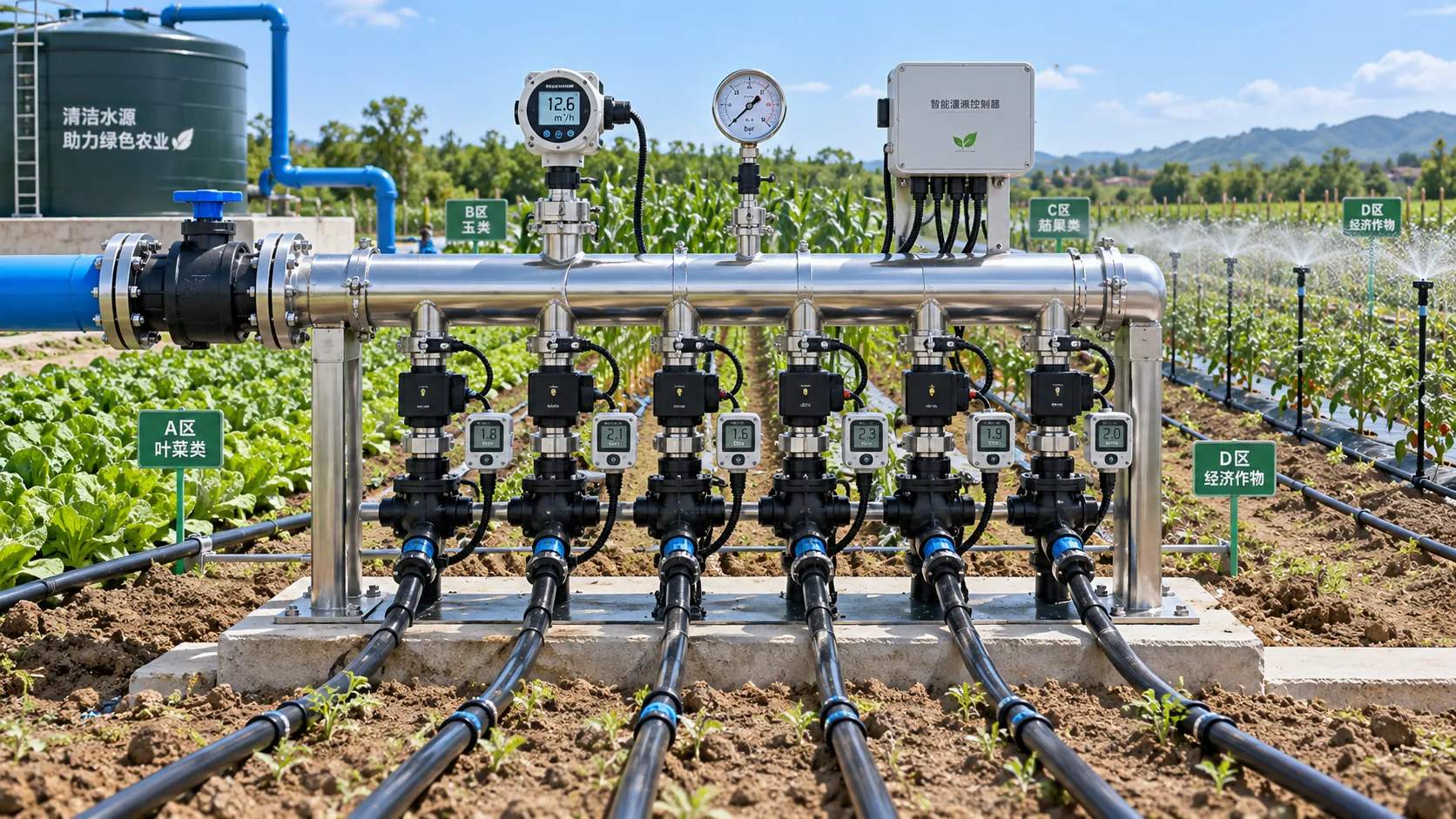
How to Select Smart Irrigation Valves for Multi-Zone Water Management?
Intelligent irrigation systems valves: learn how to match smart valves with multi-zone flow, pressure, control, feedback, and communication needs for reliable water management.
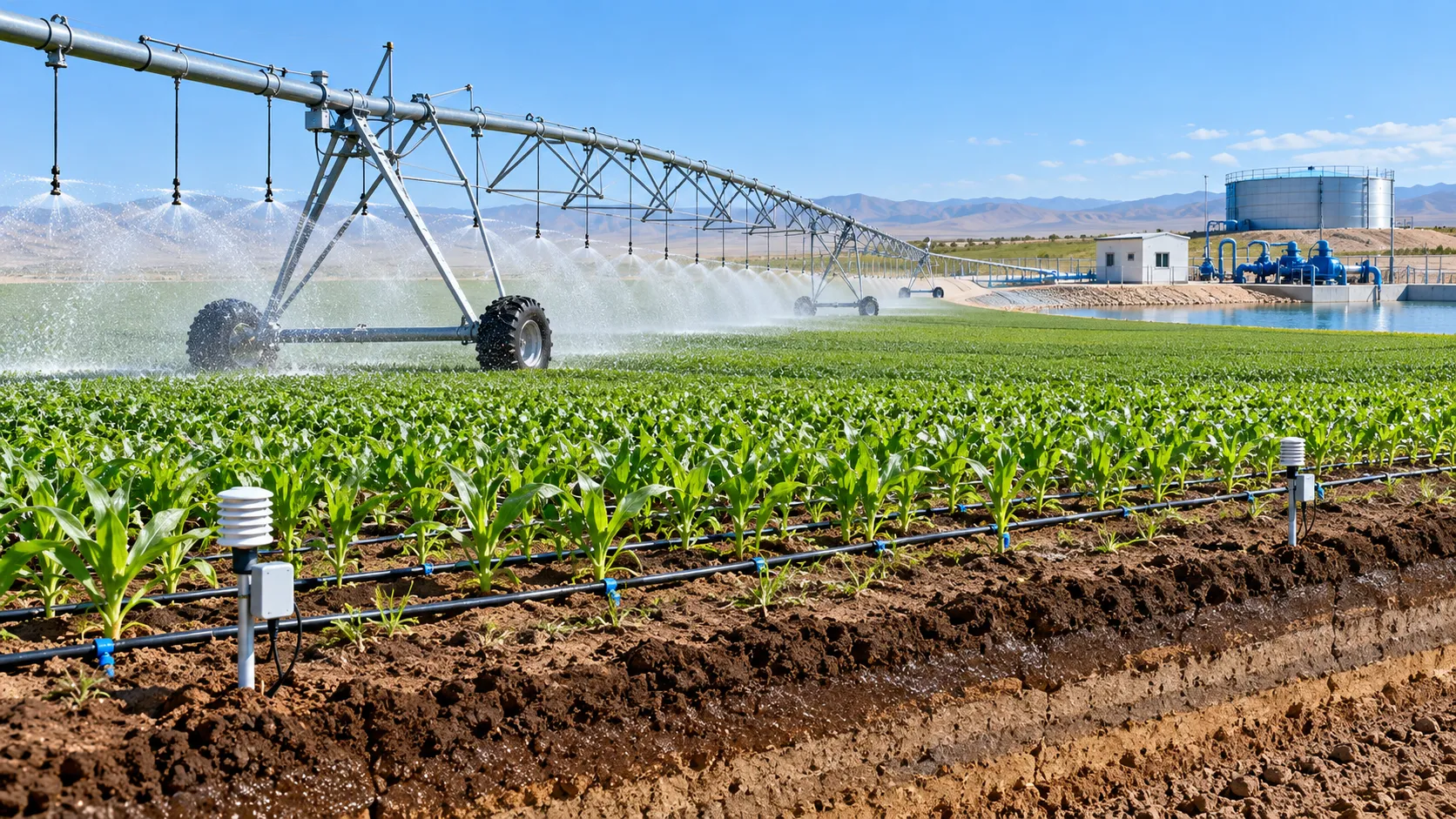
Climate-Smart Farming for Drought: A Practical Plan for Protecting Yields
Climate-smart farming for drought: build smarter water budgets, protect critical crop stages, improve irrigation uniformity, and safeguard yields with practical field-proven strategies.
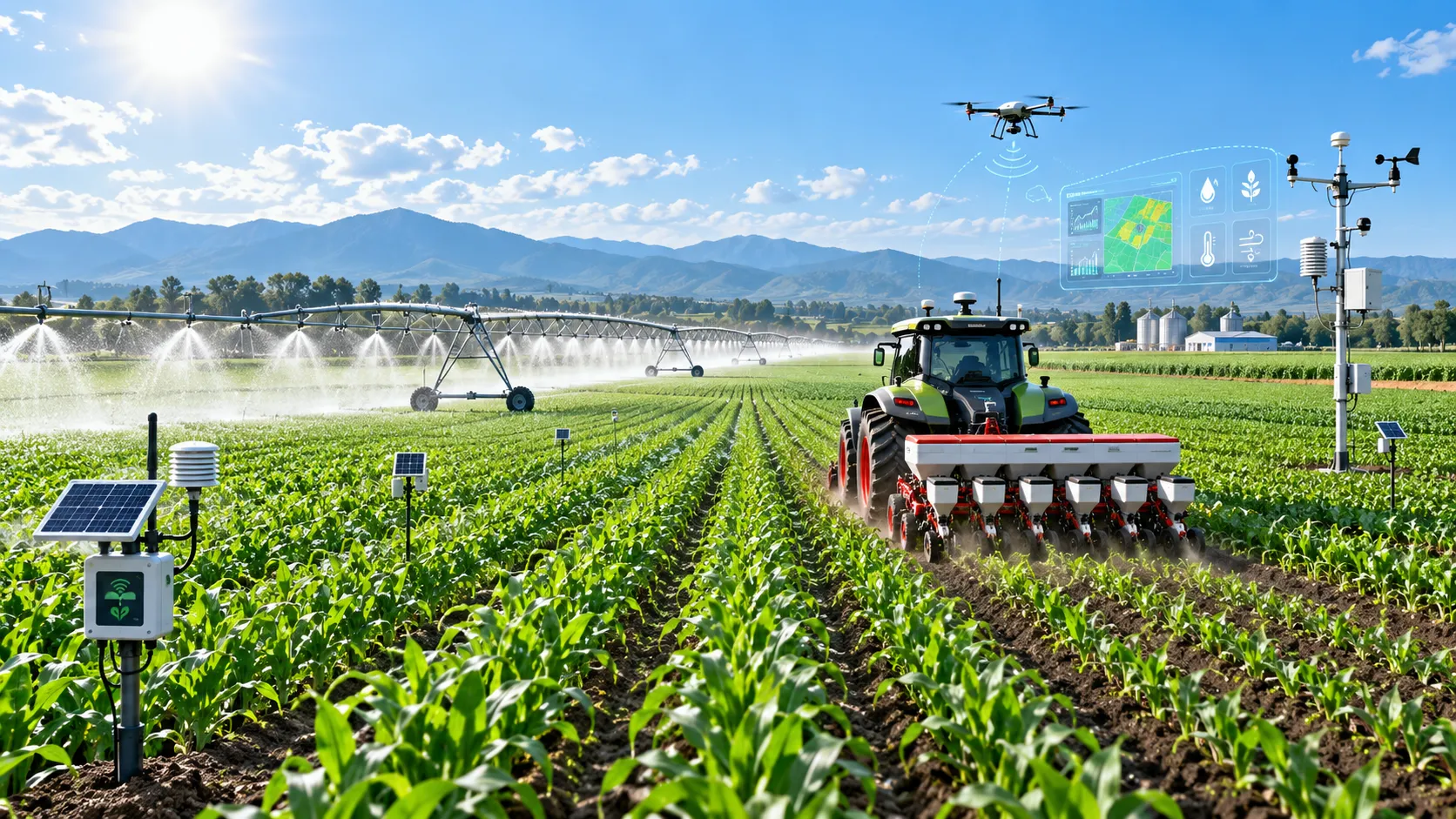
How Digital Agriculture Platforms Turn Field Data Into Better Input Decisions
Digital agriculture platforms turn field data into smarter fertilizer, water, seed, and equipment decisions—helping farms cut risk, improve margins, and scale sustainability.
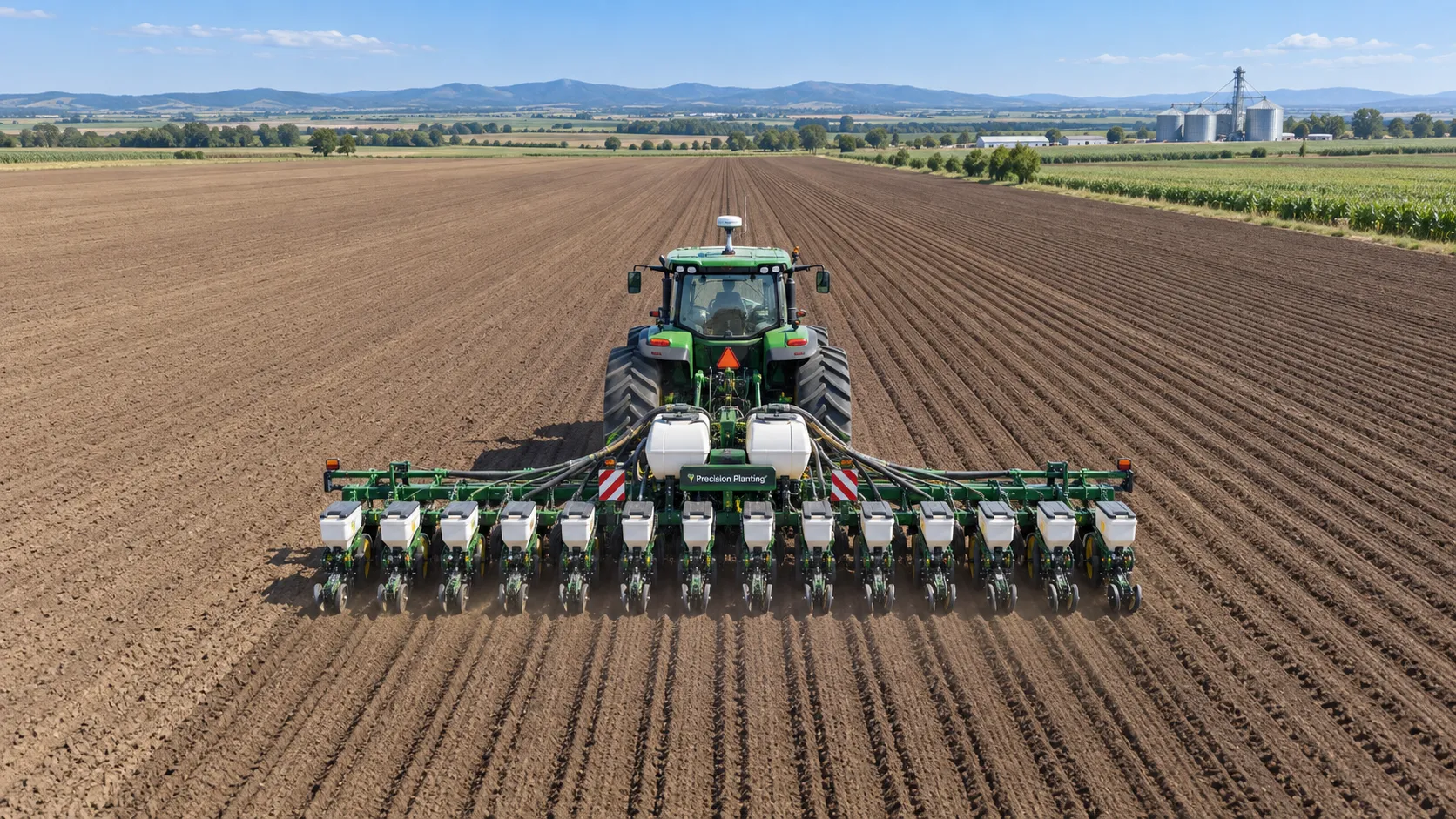
GPS-Guided Farm Machinery: Where It Delivers Measurable Field Efficiency Gains
Agri-mechanization GPS guided systems deliver measurable field efficiency gains through reduced overlap, precise planting, smarter inputs, and reliable farm data.
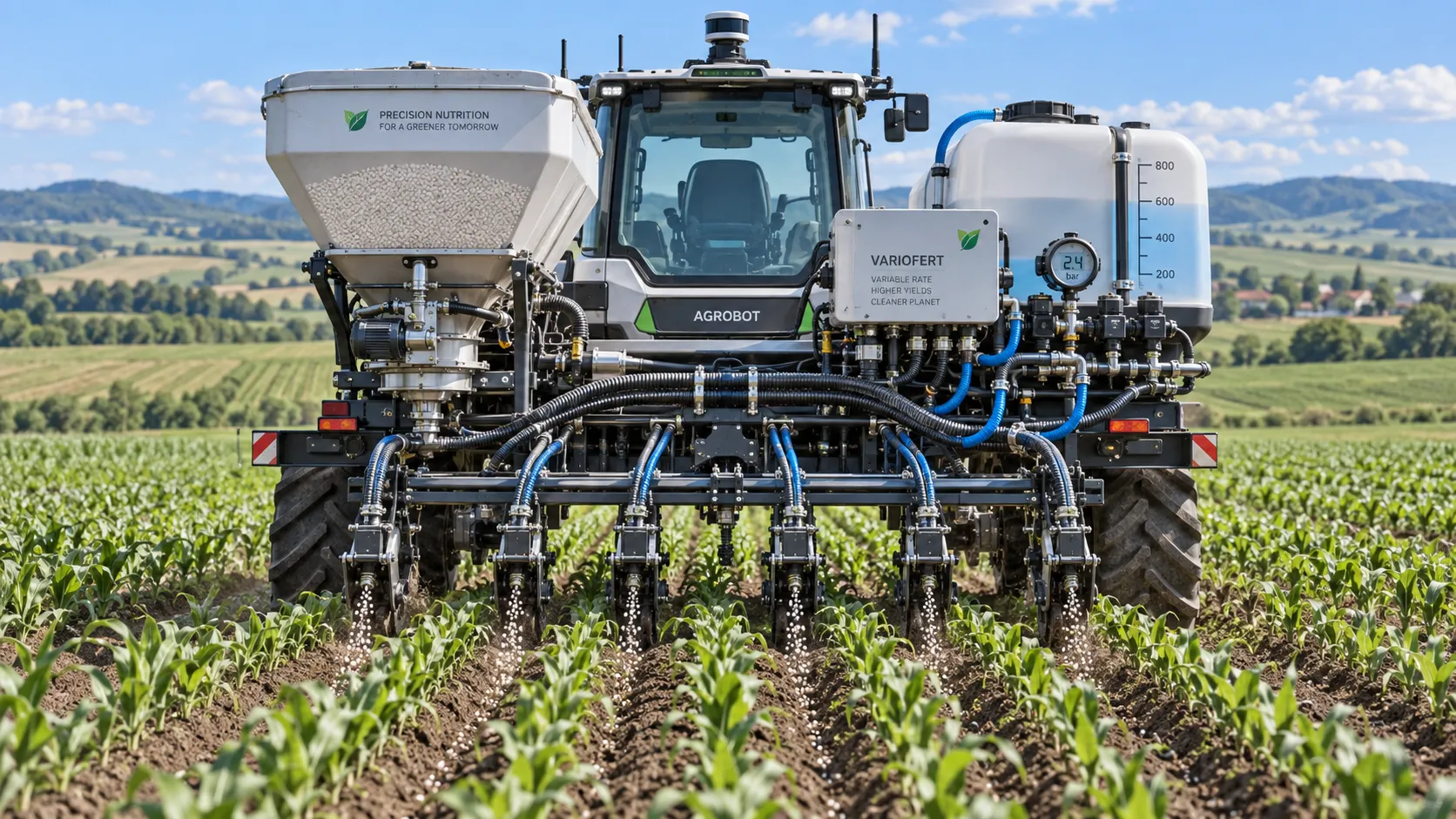
How Sensor Feedback Enables Accurate Variable-Rate Fertilization in Field Conditions
Precision fertilization systems with sensor feedback improve variable-rate accuracy by verifying flow, managing latency, and ensuring reliable field application.
Related News
- 00
0000-00
Orchard Water Management: Using Soil Moisture Data to Schedule Irrigation - 00
0000-00
Climate-Smart Farming for Drought: A Practical Plan for Protecting Yields - 00
0000-00
Selecting Real-Time Soil Moisture Sensors for Irrigation Zone Control - 00
0000-00
How Does Climate-Smart Farming Reduce Water Use in Semi-Arid Areas? - 00
0000-00
USDA Rule Takes Effect: Dual FCC and NRCS Approval for Soil Moisture Sensors
Popular Tags
Hydrological Resource Strategist
Weekly Insights
Stay ahead with our curated technology reports delivered every Monday.