
How agricultural automation solutions affect dealer margins
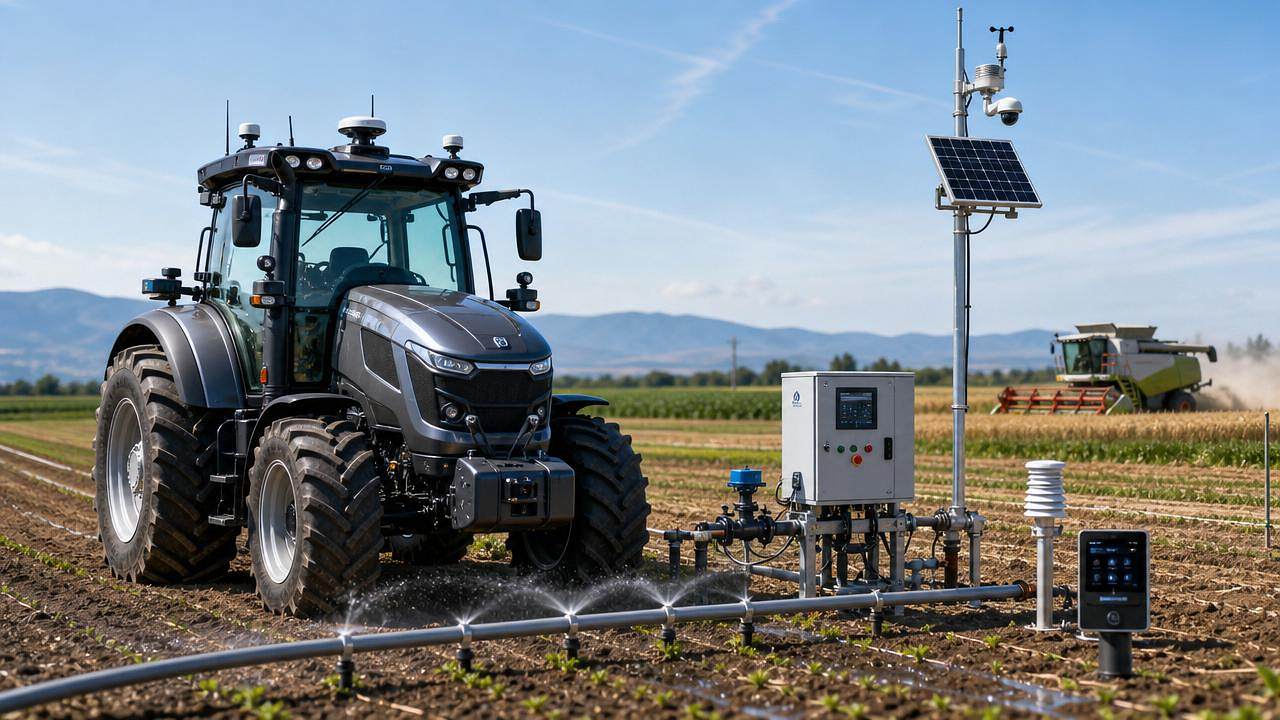




For dealers and distributors, agricultural automation solutions are no longer just a product category—they are a margin driver, a service opportunity, and a competitive test. As precision farming and autonomous equipment reshape purchasing decisions, understanding how these technologies influence pricing power, after-sales revenue, and channel profitability is essential for protecting margins and building long-term growth.
Why agricultural automation solutions are changing dealer economics
Dealer margins in agricultural equipment have always been shaped by three forces: unit gross profit, inventory turnover, and service attachment. Agricultural automation solutions affect all three at the same time, which is why they deserve closer commercial analysis than a simple product-feature comparison.
In traditional machinery sales, dealers often compete heavily on base machine price. That pressure compresses front-end margin. By contrast, connected guidance systems, autonomous steering kits, smart irrigation controls, telematics modules, sensor-enabled implements, and software-linked optimization services create layered revenue streams that are harder to compare line by line.
For distributors serving large farms, contractors, and regional retail networks, the discussion is no longer only about horsepower or tank size. It now includes field efficiency, input savings, labor availability, data compatibility, uptime support, and seasonal decision speed. Those factors can protect selling price when dealers position value correctly.
- Higher-value bundles can lift average order size beyond the machine chassis alone.
- Recurring support, calibration, training, and software updates can improve back-end profitability.
- Better agronomic outcomes give dealers more room to defend price in competitive tenders.
- Poor integration, however, can increase warranty friction, technician burden, and returns.
The margin question is not only product margin
A common mistake is to judge agricultural automation solutions only by their upfront gross margin percentage. Dealers that do this may underinvest in categories that have modest initial margin but strong installation revenue, seasonal support demand, and high customer retention.
AP-Strategy tracks this shift through its focus on large-scale agri-machinery, combine harvesters, tractor chassis, intelligent farm tools, and water-saving irrigation systems. In each of these pillars, the strategic value lies in combining equipment performance with data logic and serviceability across long replacement cycles.
Where dealer margins improve—and where they erode
The impact of agricultural automation solutions is not uniformly positive. Some products expand margin through differentiation. Others create hidden costs in support, training, and integration. Dealers need a practical framework that separates visible margin from real margin.
The table below highlights common margin effects across automation-related categories used in large-scale farming, harvesting, and irrigation distribution channels.
The key lesson is simple: dealer profitability improves when the solution is sold with clear agronomic or operational outcomes and supported by a realistic service model. Margin erodes when automation is treated as a generic accessory without integration planning.
Front-end margin versus total account profitability
A dealer may accept a tighter margin on a connected tractor package if it opens follow-on revenue from guidance activation, annual calibration, remote diagnostics, operator training, and replacement sensors. In contrast, a high nominal gross margin on a complex smart irrigation package may disappoint if commissioning visits are underpriced.
This is why the strongest distributors increasingly build margin models at account level, not SKU level. They track revenue per customer over multiple seasons, including parts, support tickets, software services, and attachment sales.
Which agricultural automation solutions usually support stronger pricing power?
Not every automation category protects price equally. Dealers generally gain more pricing power when the solution has measurable field impact, integration complexity that requires expert support, and compatibility with larger strategic trends such as labor shortages, fuel efficiency targets, and water management pressure.
High-value scenarios for distributors and agents
- Large farms replacing multiple machines at once often accept bundled automation if the dealer can standardize data flow, operator training, and service response.
- Harvesting operations value systems that reduce losses, improve cleaning control, and shorten setup time between crop conditions.
- Irrigation projects in drought-sensitive regions can support premium positioning when automation reduces overwatering and improves scheduling discipline.
- Dealer groups serving contractors benefit from telematics and dispatch visibility because fleet uptime has direct income implications for the customer.
AP-Strategy’s intelligence approach is useful here because margin-supporting products are often found where mechanical performance and algorithmic control meet. Tractor chassis hybridization, combine cleaning-loss feedback systems, and smart irrigation transpiration models are not just technical topics. They shape selling arguments and support packages.
How to evaluate margin impact before adding a new solution line
Distributors frequently add agricultural automation solutions because the market is moving, not because the numbers have been tested. A structured screening process reduces that risk. The decision should cover technical fit, service burden, working capital exposure, and customer readiness.
Use the following evaluation matrix before committing inventory, demo units, or sales targets.
This matrix helps separate revenue opportunity from operational strain. The best agricultural automation solutions for dealers are rarely the flashiest. They are the ones that can be installed repeatedly, supported efficiently, and explained clearly to commercial growers.
A practical selection checklist
- Map the target farm segment by acreage, crop complexity, labor profile, and technology maturity.
- Estimate attach rate to existing machine sales rather than treating the solution as a stand-alone product.
- Budget technician training, demo support, and remote troubleshooting from the start.
- Define what is included in commissioning, what is billable later, and what counts as warranty support.
- Review compatibility with common standards used in mixed fleets, such as ISOBUS where relevant.
Common margin mistakes dealers make with automation portfolios
The market often rewards early movers, but it also punishes careless execution. Several repeat mistakes reduce the commercial value of agricultural automation solutions even when customer demand is real.
Mistake 1: Discounting against hardware-only comparisons
If a dealer quotes an automation package as if it were only a box of components, the customer will compare it to the cheapest visible alternative. The correct selling unit is the operational outcome: fewer overlaps, better water timing, improved harvest consistency, or lower operator dependency.
Mistake 2: Underpricing support hours
Many distributors win the initial sale and lose money after delivery. This happens when seasonal setup, software adjustments, and operator onboarding are treated as free. The fix is to build service tiers with defined response scope and timing.
Mistake 3: Carrying inventory without compatibility discipline
Automation inventories can become fragmented quickly. Multiple harness types, sensors, controllers, and version-specific accessories tie up cash. Dealers should prioritize lines that fit a wide installed base or can be standardized around clear target segments.
Mistake 4: Ignoring data and compliance concerns
Commercial farms increasingly ask about data ownership, platform access, remote updates, and system interoperability. In irrigation and connected machinery, electrical safety, radio communication compliance, and local installation practice also matter. Margin suffers when these topics emerge late in the sales cycle.
Implementation strategy: how distributors protect profitability after the sale
Strong margins are preserved not only by pricing, but by implementation discipline. Dealers that standardize rollout steps reduce callbacks and improve customer satisfaction, which leads to more upgrades and referrals.
Recommended rollout process
- Pre-sale assessment: confirm machine compatibility, field conditions, control architecture, and user expectations.
- Commercial scoping: separate hardware, installation, onboarding, and seasonal support in the quotation.
- Commissioning: document calibration values, firmware versions, and operator acceptance at handover.
- Peak-season support: define remote and on-site response windows before the season starts.
- Post-season review: measure uptime issues, training gaps, and upsell potential for the next cycle.
This type of process is especially relevant in AP-Strategy’s focus areas. A combine optimization package, an intelligent farm tool system, or a water-saving irrigation network all require practical handover discipline. Without it, the dealer absorbs hidden cost while the customer doubts the technology.
FAQ: what dealers often ask about agricultural automation solutions
How do agricultural automation solutions affect gross margin versus net margin?
Gross margin may rise through higher selling prices or better package value, but net margin depends on labor, commissioning, support, and warranty exposure. Dealers should model both. A solution with moderate product margin can still be commercially attractive if it brings paid installation and recurring support.
Which customers are most likely to buy through a dealer instead of sourcing direct?
Large farms, contractors, and mixed-fleet operators usually value dealer support more than direct online pricing. They need compatibility checks, seasonal uptime, training, and local service accountability. These needs strengthen the dealer role and help protect margins.
What should distributors prioritize first: autonomy, telematics, or irrigation intelligence?
The answer depends on installed base and regional demand. In tractor-heavy territories, guidance and telematics may scale fastest. In water-constrained markets, irrigation intelligence can carry stronger consultative value. In harvesting regions, combine-linked optimization often creates the clearest seasonal return story.
How important are standards and interoperability?
They are critical. Dealers should ask whether the solution can integrate with common terminal environments, data transfer workflows, and implement communication systems. Interoperability reduces technician burden and lowers the risk of post-sale disputes, especially in mixed-brand fleets.
What is the biggest risk when expanding an automation portfolio?
The biggest risk is adding technical complexity without a matching service model. If the team cannot install, explain, and support the solution during peak periods, nominal sales growth may translate into weaker margins and damaged customer confidence.
Why market intelligence matters before you scale
Automation demand in agriculture is not driven by one variable. Grain prices, labor shortages, input cost pressure, environmental rules, water availability, and financing conditions all influence buying behavior. Dealers need more than product brochures. They need intelligence that links technology adoption to commercial timing.
That is where AP-Strategy offers a practical advantage. Its Strategic Intelligence Center follows global agri-equipment transitions through the lens of mechanization, harvesting efficiency, tractor power systems, intelligent implements, and water-saving irrigation. For distributors, this means clearer visibility into where autonomous machinery, precision tools, and smart control networks are commercially viable.
When you understand not just the product, but also the structural demand behind it, margin decisions become more disciplined. You can stock with more confidence, choose support priorities more carefully, and position agricultural automation solutions around measurable customer outcomes rather than commodity comparisons.
Why choose us for automation portfolio planning and channel insight
AP-Strategy helps dealers, distributors, and agents evaluate agricultural automation solutions through both technical and commercial lenses. Our coverage spans large-scale agri-machinery, combine harvesting technology, tractor chassis evolution, intelligent farm tools, and water-saving irrigation systems, allowing you to assess margin opportunities across connected product lines rather than in isolation.
You can consult us on practical issues that directly affect profitability:
- Parameter confirmation for target farm segments, machine compatibility, and deployment conditions.
- Product selection guidance for automation packages linked to tractors, combines, implements, and irrigation networks.
- Delivery-cycle planning based on seasonal demand, support readiness, and inventory exposure.
- Custom solution assessment for mixed fleets, regional agronomic conditions, and service model design.
- Standards and compliance discussion related to interoperability, installation expectations, and market-entry concerns.
- Commercial insight support for quote structure, value communication, and long-cycle channel strategy.
If your team is reviewing new agricultural automation solutions, preparing a regional rollout, or trying to defend dealer margins in a more data-driven market, a focused consultation can save time and reduce costly portfolio mistakes. The most profitable automation strategy is rarely the broadest one. It is the one that fits your installed base, service capacity, and target customer economics.
Related News
How to Compare Agricultural Equipment Platforms for Fleet Management and ROI
Agricultural equipment platform comparison: evaluate fleet data, maintenance, precision workflows, and ROI to choose a system that delivers measurable results.
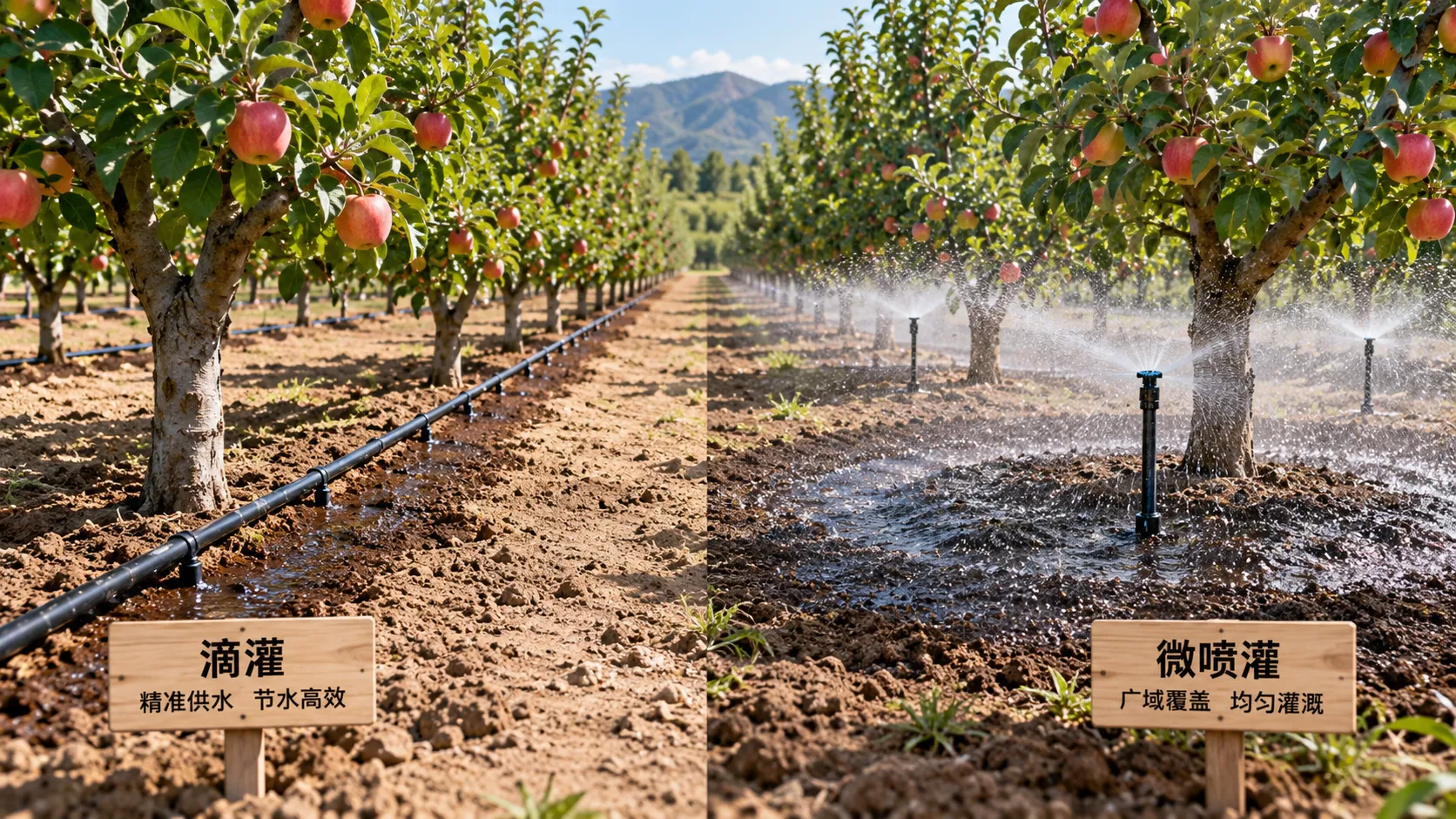
Drip vs. Micro-Sprinkler Irrigation: Which System Fits Your Orchard?
Irrigation solution comparison for orchards: discover whether drip or micro-sprinklers best match your water, soil, roots, fertigation, and frost needs.
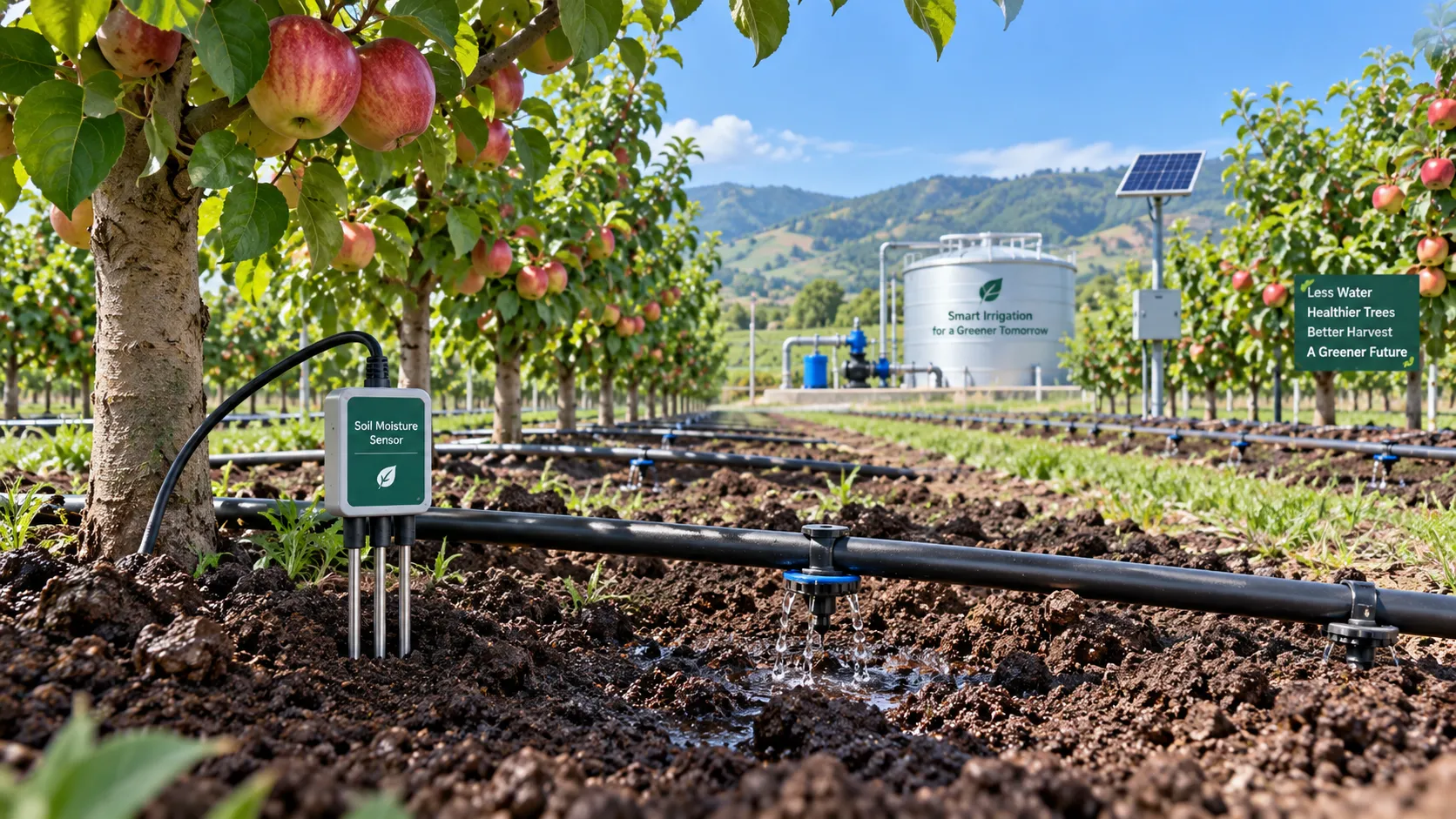
Orchard Water Management: Using Soil Moisture Data to Schedule Irrigation
Agricultural water management for orchards made practical: use soil moisture data to optimize irrigation timing, protect yield, reduce costs, and improve resilience.
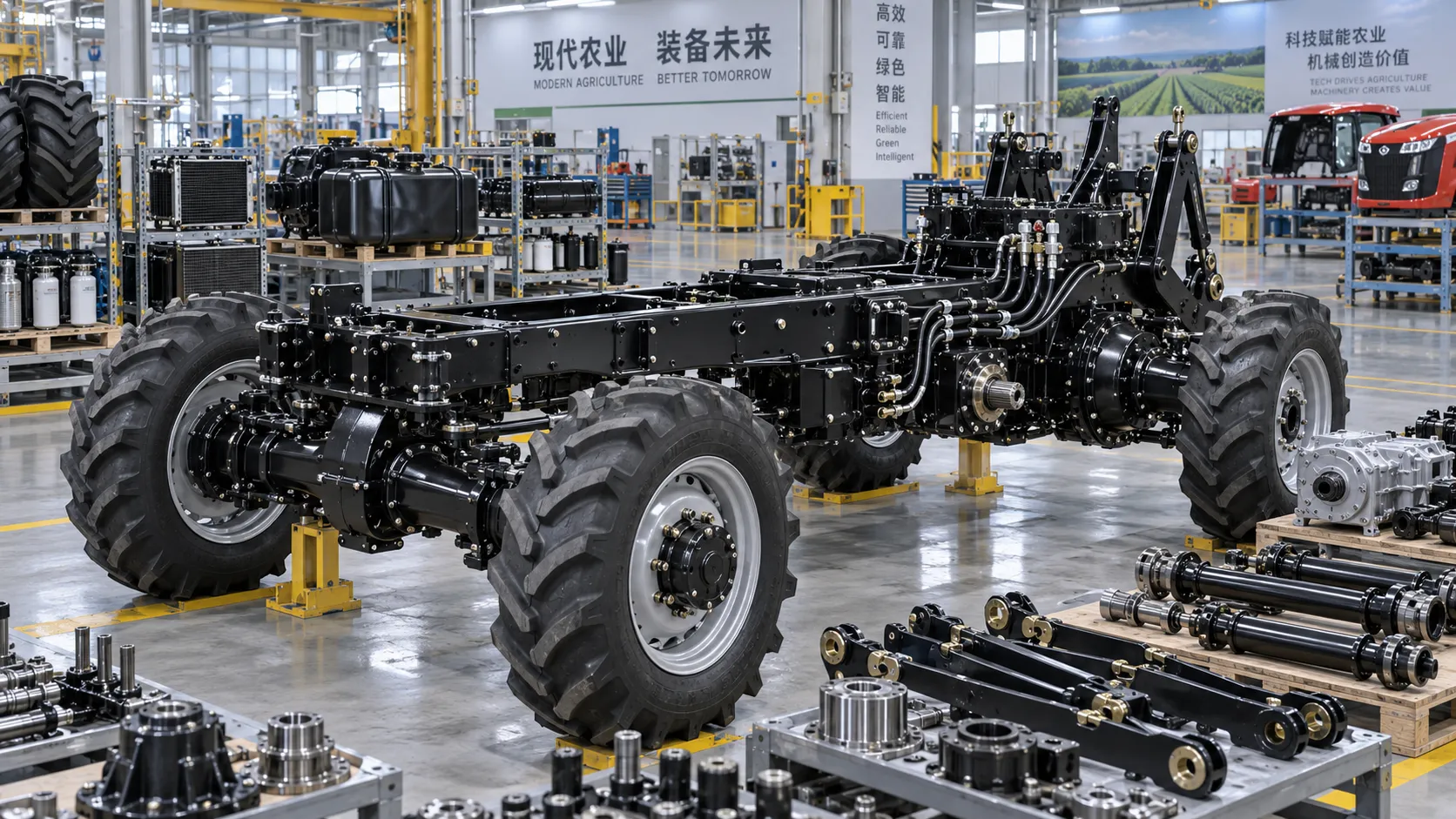
Tractor Chassis Price: What Buyers Should Compare Beyond the Initial Quote
Tractor chassis price is only the start. Compare load capacity, compatibility, durability, and lifecycle costs to choose a reliable, high-value chassis.
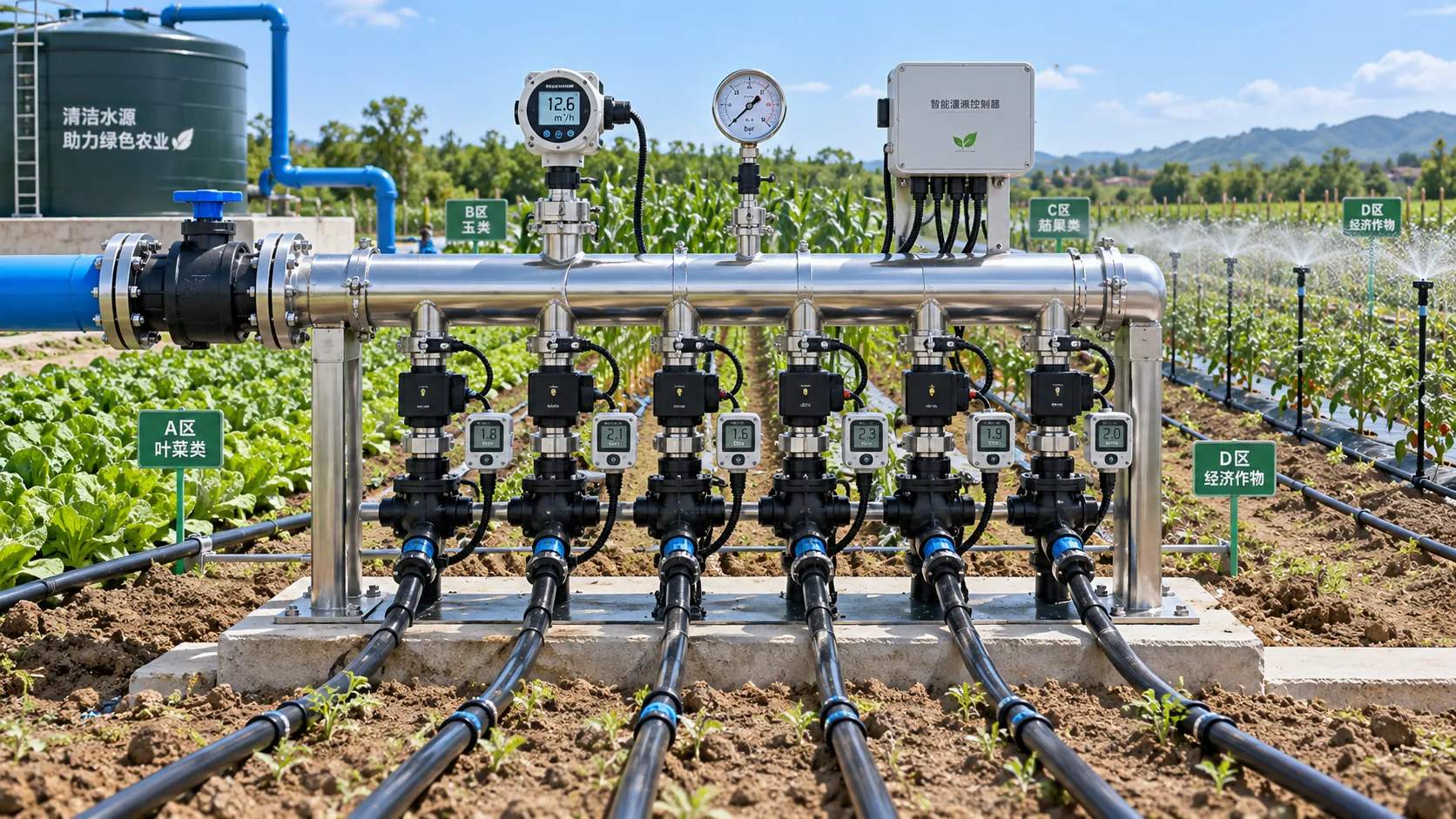
How to Select Smart Irrigation Valves for Multi-Zone Water Management?
Intelligent irrigation systems valves: learn how to match smart valves with multi-zone flow, pressure, control, feedback, and communication needs for reliable water management.
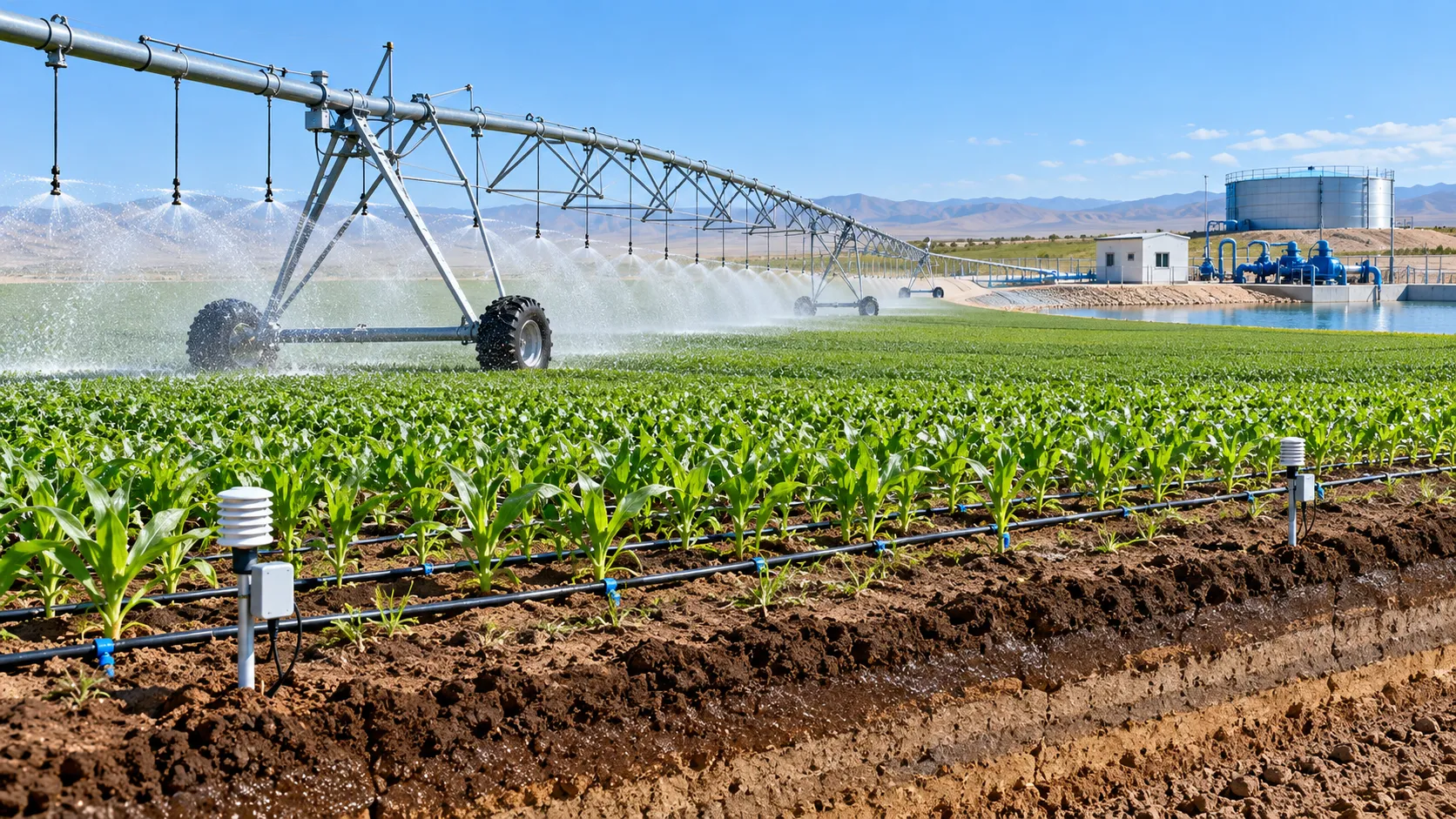
Climate-Smart Farming for Drought: A Practical Plan for Protecting Yields
Climate-smart farming for drought: build smarter water budgets, protect critical crop stages, improve irrigation uniformity, and safeguard yields with practical field-proven strategies.
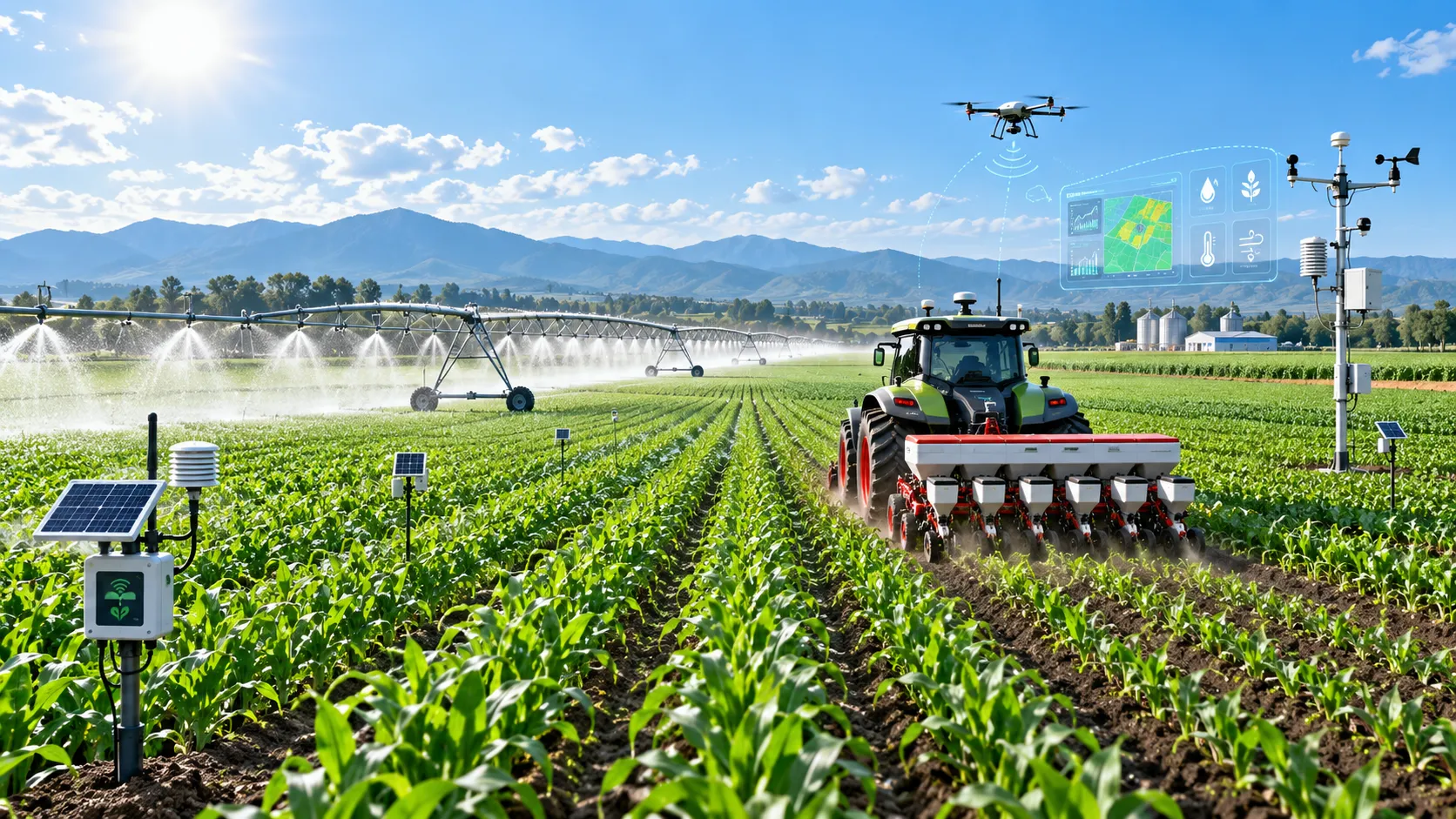
How Digital Agriculture Platforms Turn Field Data Into Better Input Decisions
Digital agriculture platforms turn field data into smarter fertilizer, water, seed, and equipment decisions—helping farms cut risk, improve margins, and scale sustainability.
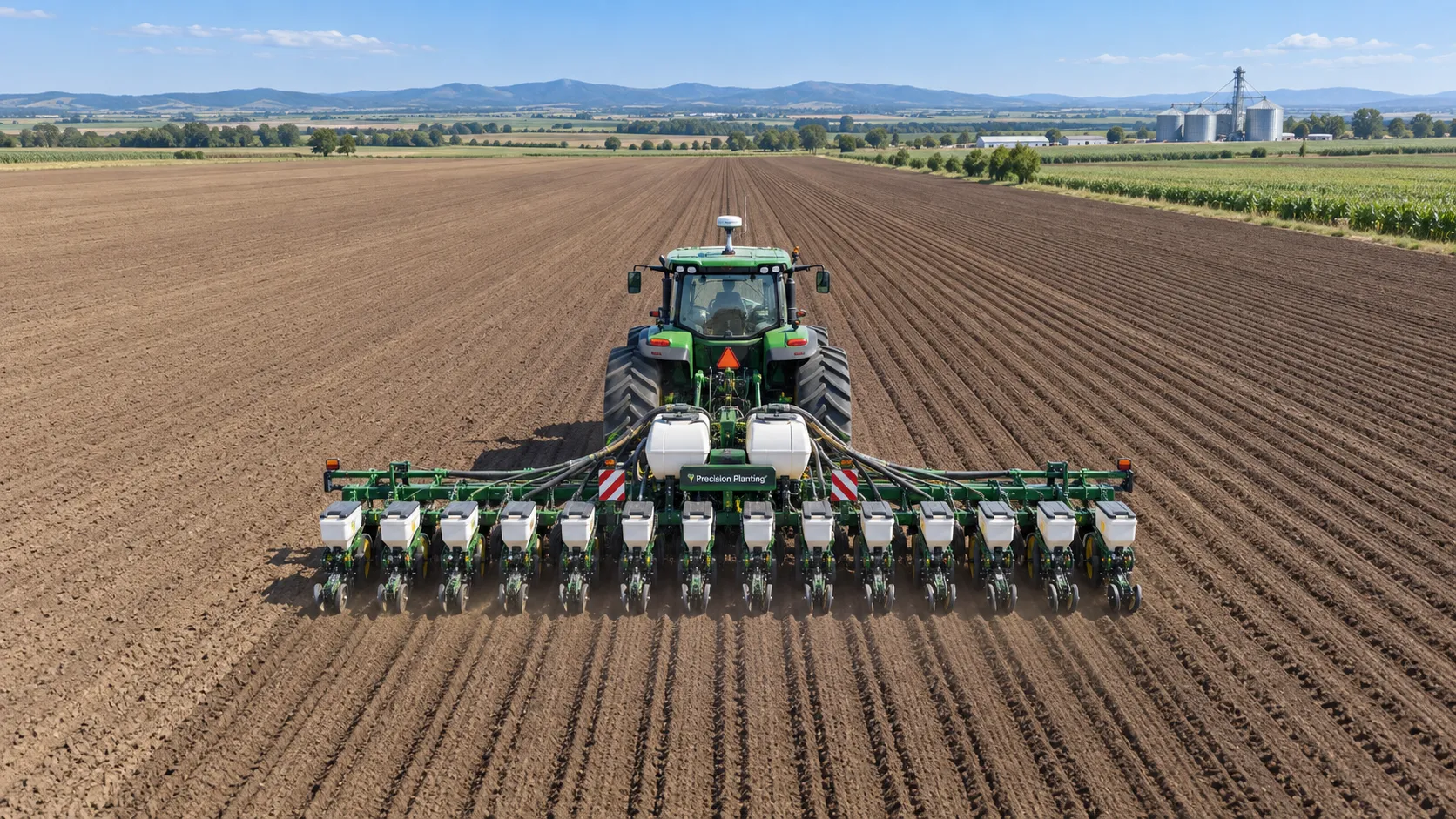
GPS-Guided Farm Machinery: Where It Delivers Measurable Field Efficiency Gains
Agri-mechanization GPS guided systems deliver measurable field efficiency gains through reduced overlap, precise planting, smarter inputs, and reliable farm data.
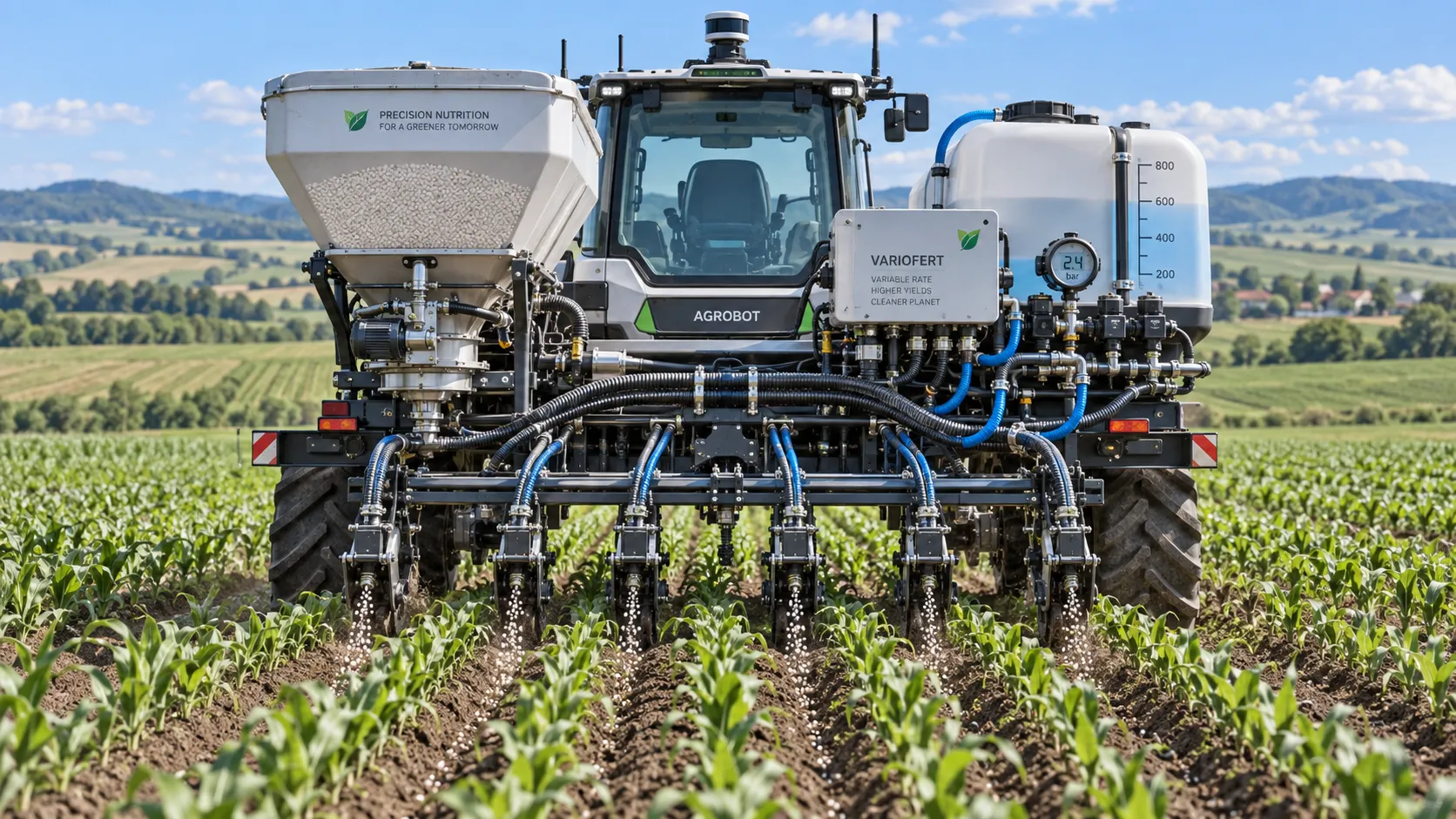
How Sensor Feedback Enables Accurate Variable-Rate Fertilization in Field Conditions
Precision fertilization systems with sensor feedback improve variable-rate accuracy by verifying flow, managing latency, and ensuring reliable field application.
Related News
- 00
0000-00
What separates robotic automation providers for equipment production? - 00
0000-00
Which field data collection provider fits an agricultural robotics program? - 00
0000-00
How Autonomous Machinery for Crop Scouting Helps Growers Detect Field Issues Earlier - 00
0000-00
How to Evaluate Autonomous Machinery for Vineyards by Terrain, Tasks, and ROI - 00
0000-00
Brazil ANVISA Rule Requires Portuguese Risk Labels for Farm Robots
Popular Tags
Tractor Power Architect
Weekly Insights
Stay ahead with our curated technology reports delivered every Monday.