
Canton Fair Phase III Closes: New Energy Farm Machinery, Smart Irrigation Lead Deals
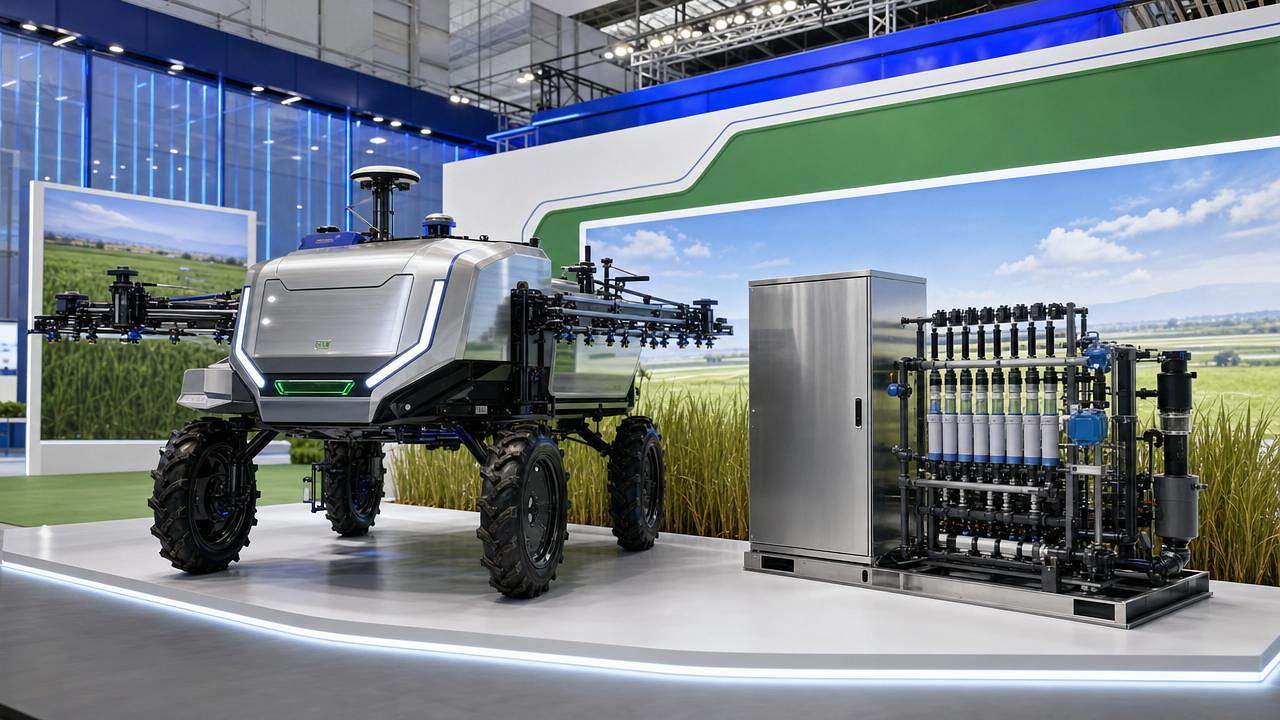




On May 20, 2026, the third phase of the 139th Canton Fair — focused on agricultural machinery and food processing — concluded in Guangzhou. The event marked a notable shift in export demand, with new energy-powered farm equipment and IoT-integrated irrigation systems emerging as key growth drivers. This reflects evolving procurement priorities among international buyers, particularly along Belt and Road Initiative (BRI) routes, and signals structural changes across multiple segments of the agri-tech supply chain.
Event Overview
The third phase of the 139th Canton Fair closed on May 20, 2026. Sales data showed that self-propelled sprayers and variable-rate fertilizer-seeders equipped with lithium battery powertrains and dual-mode北斗/GPS navigation, as well as modular drip irrigation central control systems, achieved a 63% year-on-year increase in transaction value. Buyers from Central Asia, the Middle East, and Latin America accounted for 45.7% of orders. Exporters reported a marked rise in inquiries for integrated offerings — specifically ‘complete machine + IoT cloud platform + localized service package’ — now cited by multiple firms as an emerging standard in overseas procurement.
Industries Affected
Direct Trade Enterprises: These firms face intensified pressure to move beyond standalone hardware exports. The rising share of BRI-region buyers — now over 45% — underscores the need for region-specific after-sales infrastructure, multilingual technical support, and bundled digital services. Transaction volume growth is real, but margin sustainability hinges on service-layer scalability, not just unit sales.
Raw Material Procurement Enterprises: Demand for lithium-ion battery cells, high-precision GNSS modules, and corrosion-resistant alloy components has increased, yet procurement strategies remain fragmented. Unlike traditional machinery cycles, this shift requires tighter coordination with downstream R&D timelines and certification requirements (e.g., CE, SASO, INMETRO), making long-lead material planning more volatile.
Manufacturing Enterprises: Factories producing agricultural machinery are undergoing rapid retooling: integrating IoT gateways, enabling OTA firmware updates, and adapting production lines for modular assembly (e.g., interchangeable boom systems or plug-and-play sensor kits). However, most lack standardized software development processes or cybersecurity validation protocols — gaps increasingly flagged by overseas buyers during technical due diligence.
Supply Chain Service Providers: Logistics operators, customs brokers, and certification agencies are seeing demand pivot toward ‘solution-ready’ compliance support — such as pre-vetted local service partner networks, cloud platform localization (data residency, language UI), and bundled EMC/EMI testing for dual-band GNSS devices. Traditional documentation-only services no longer meet buyer expectations.
Key Focus Areas and Response Measures
Adapt Quotation Models Beyond Hardware-Only Pricing
Given the surge in demand for ‘machine + cloud platform + service package’ bundles, exporters should develop tiered pricing frameworks — separating core hardware, SaaS subscription options, and on-ground service add-ons. This enables clearer ROI communication to buyers and improves contract enforceability across jurisdictions.
Strengthen Localization Capabilities Ahead of Certification Deadlines
With over 45% of orders originating from BRI markets — many requiring country-specific certifications (e.g., Kazakhstan’s GOST-K, Saudi SASO IECEE) — manufacturers must embed compliance planning into early-stage product design, rather than treating it as a post-production step. Joint validation with regional certification bodies is becoming a competitive differentiator.
Build Modular Technical Documentation for Diverse Buyer Needs
Buyers increasingly request documentation packages tailored to distinct roles: installation manuals for local dealers, API specifications for integrators, and cybersecurity whitepapers for government procurement teams. Standardizing documentation architecture — rather than translating monolithic PDFs — supports faster market entry and reduces post-sale support overhead.
Editorial Perspective / Industry Observation
Observably, the Canton Fair’s Phase III outcome is not merely a cyclical uptick in agri-tech exports — it reflects a broader recalibration of how global agricultural modernization is being financed and implemented. The 63% growth in smart irrigation and new-energy machinery transactions aligns with concurrent policy developments: the World Bank’s 2025 Climate-Smart Agriculture Facility expansion, ASEAN’s regional digital farming interoperability framework (adopted March 2026), and China’s updated Export Credit Guidelines prioritizing low-carbon agri-exports. Analysis shows that the ‘integrated solution’ demand is less about technological novelty and more about risk mitigation — buyers seek vendors who absorb implementation uncertainty, especially where local technical capacity remains thin. This trend is better understood as a supply-chain maturity signal than a pure technology adoption indicator.
Conclusion
The 139th Canton Fair’s third phase confirms that export competitiveness in agricultural technology is no longer defined solely by mechanical performance or cost efficiency. Instead, it is increasingly determined by interoperability readiness, service-layer depth, and regulatory foresight. For industry participants, this signals a transition from product-centric to system-delivery capability — a shift requiring coordinated investment across engineering, compliance, and field operations. A measured, phased capability build-out remains more viable than wholesale transformation.
Source Attribution
Data sourced from official press releases issued by the China Foreign Trade Centre (CFTC) on May 20, 2026, and verified transaction summaries provided by participating exhibitors (anonymized aggregate reporting). Ongoing monitoring is recommended for: (1) national-level import policy adjustments in key BRI markets (e.g., Uzbekistan’s draft Agri-Tech Local Content Decree), (2) evolution of IoT platform interoperability standards under ISO/TC 23/SC 19, and (3) revisions to China’s Export Tax Rebate Catalogue for green agricultural equipment, expected in Q3 2026.
Related News
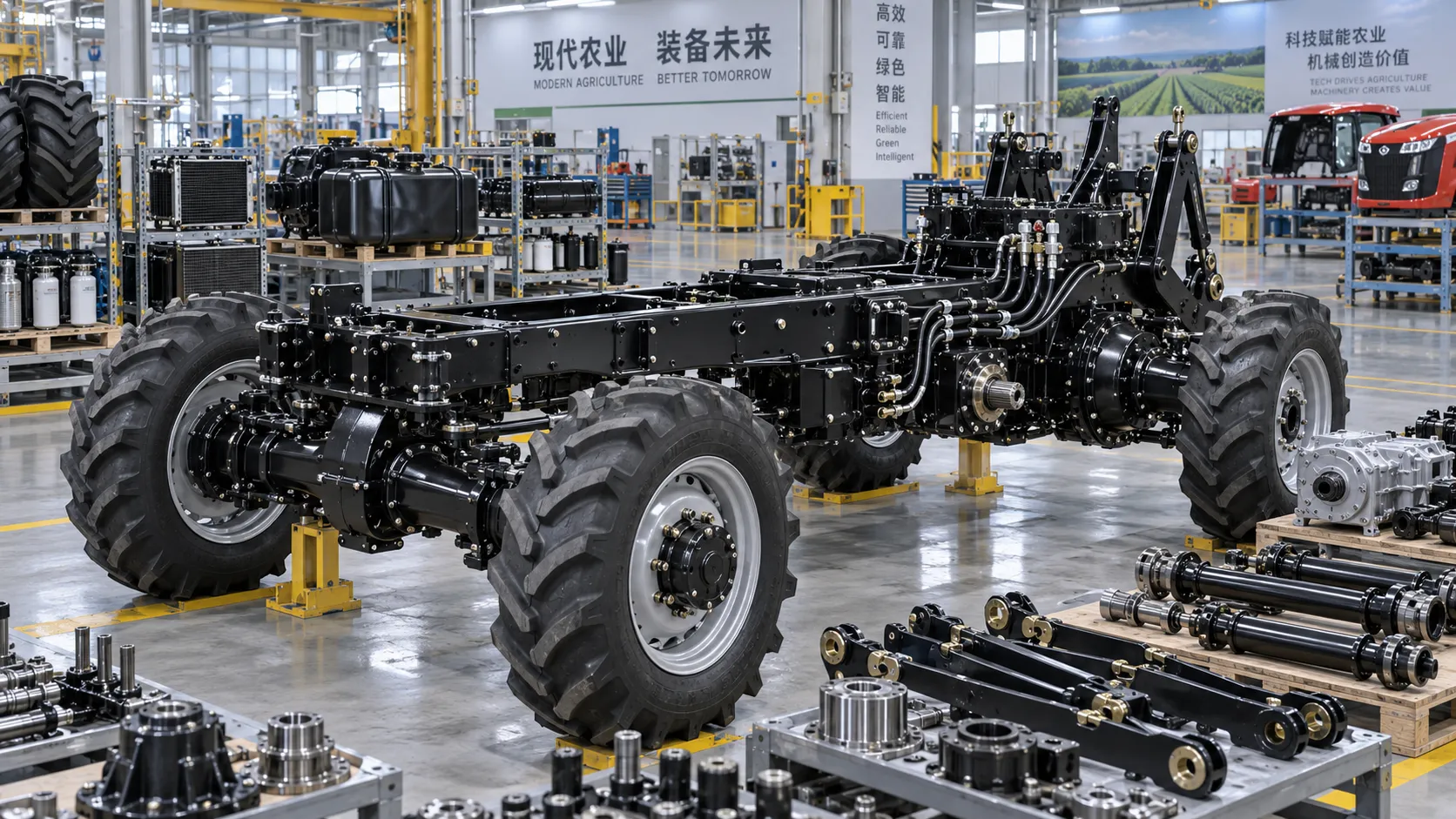
Tractor Chassis Price: What Buyers Should Compare Beyond the Initial Quote
Tractor chassis price is only the start. Compare load capacity, compatibility, durability, and lifecycle costs to choose a reliable, high-value chassis.
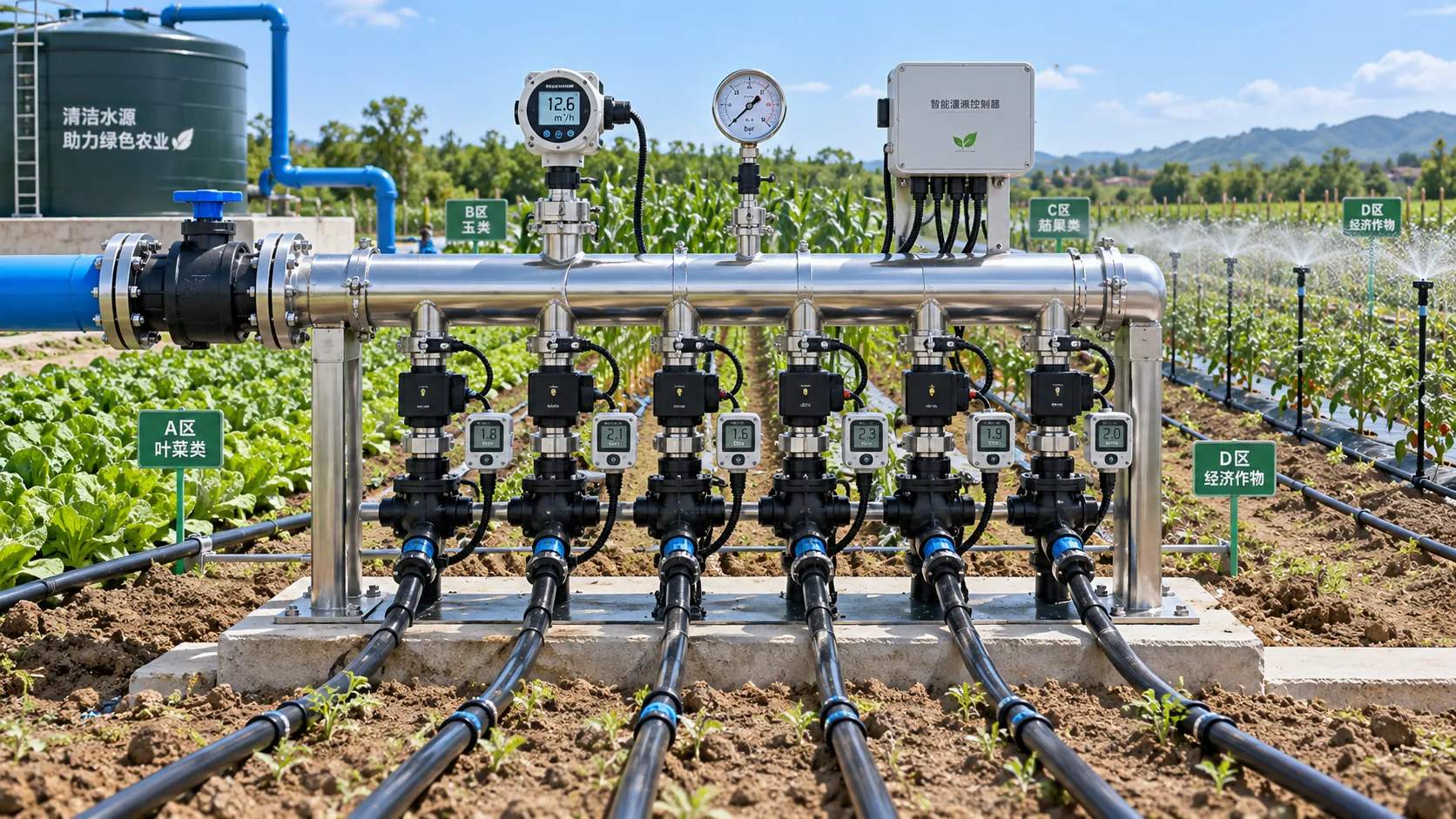
How to Select Smart Irrigation Valves for Multi-Zone Water Management?
Intelligent irrigation systems valves: learn how to match smart valves with multi-zone flow, pressure, control, feedback, and communication needs for reliable water management.
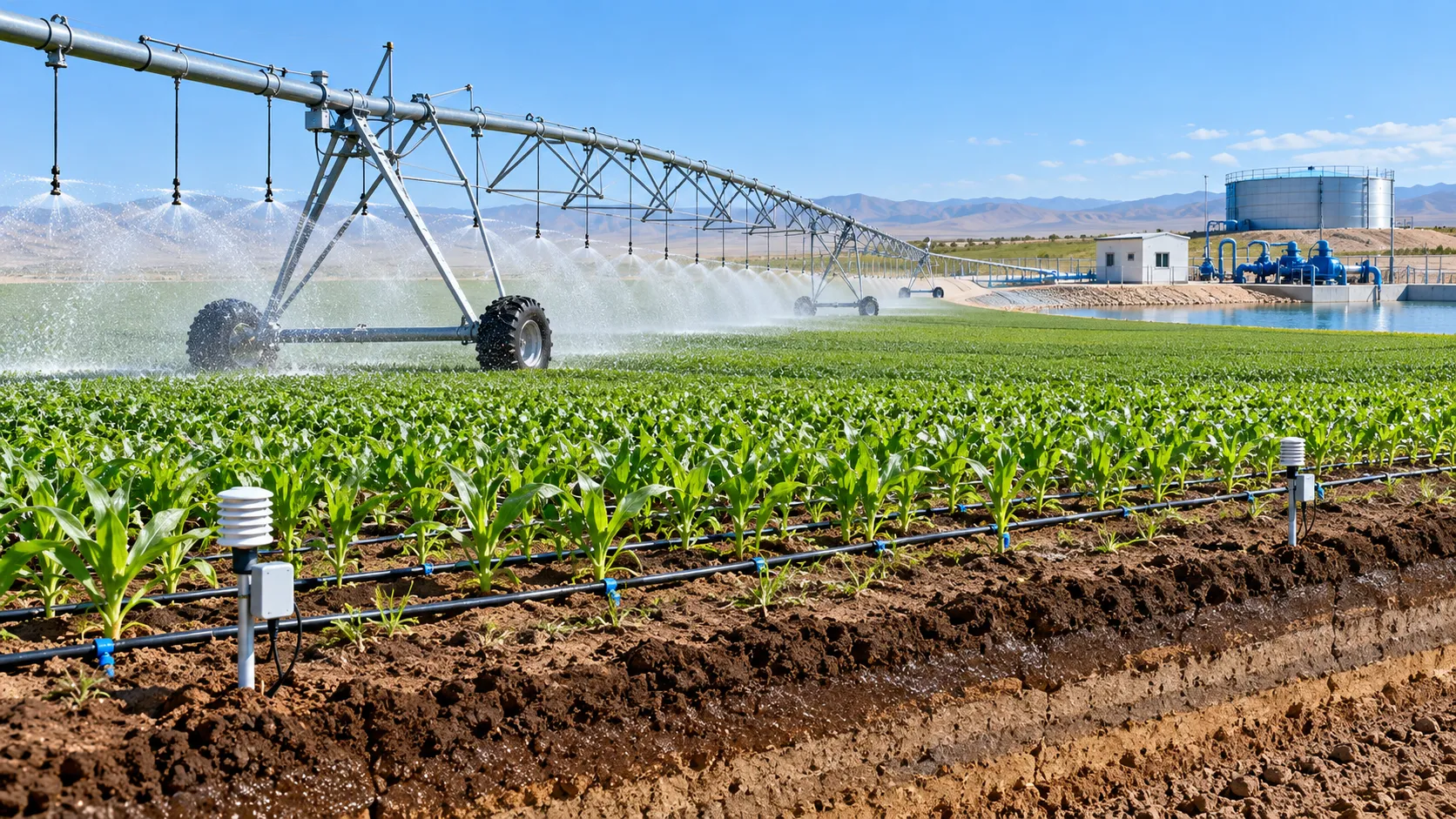
Climate-Smart Farming for Drought: A Practical Plan for Protecting Yields
Climate-smart farming for drought: build smarter water budgets, protect critical crop stages, improve irrigation uniformity, and safeguard yields with practical field-proven strategies.
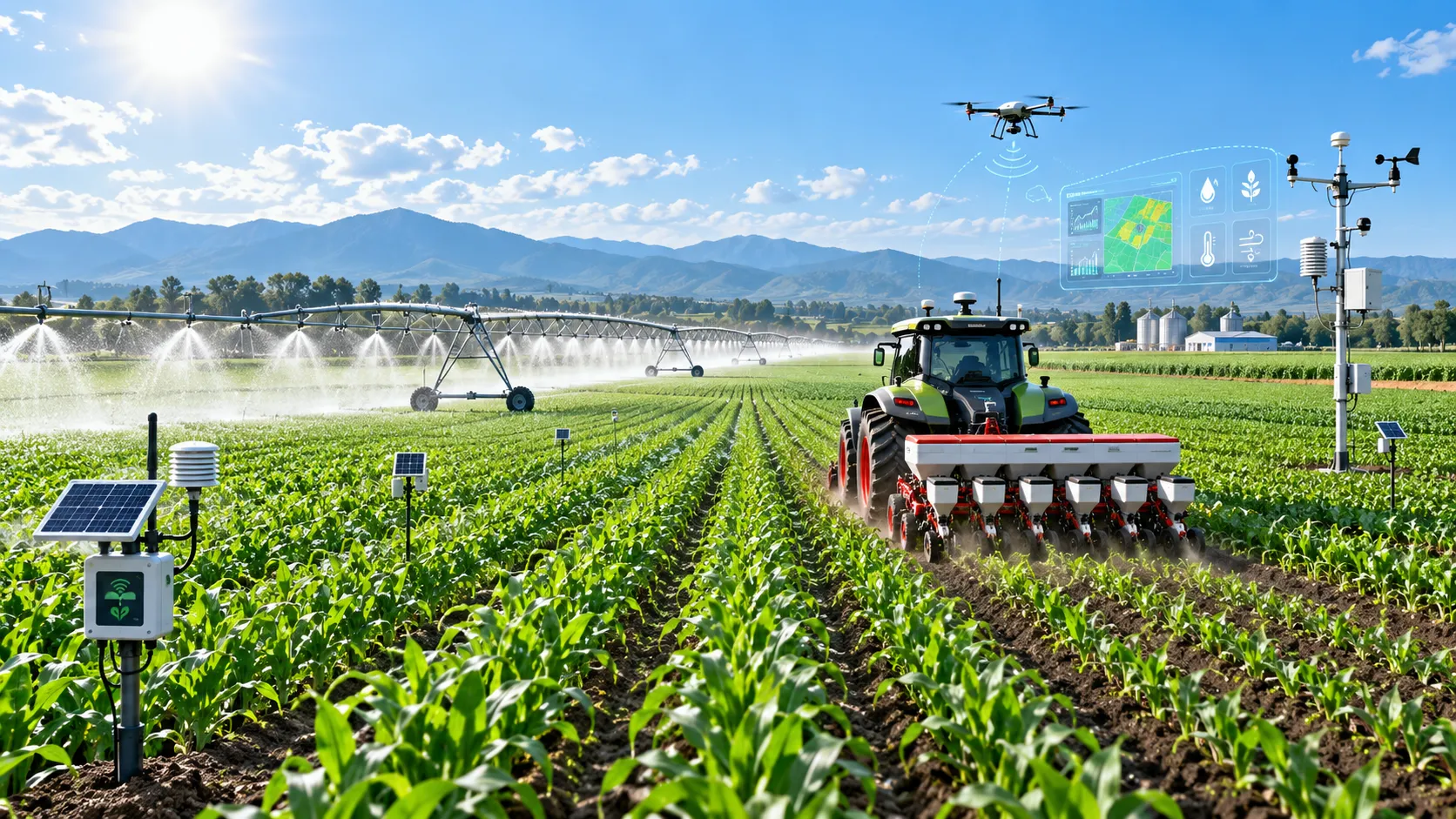
How Digital Agriculture Platforms Turn Field Data Into Better Input Decisions
Digital agriculture platforms turn field data into smarter fertilizer, water, seed, and equipment decisions—helping farms cut risk, improve margins, and scale sustainability.
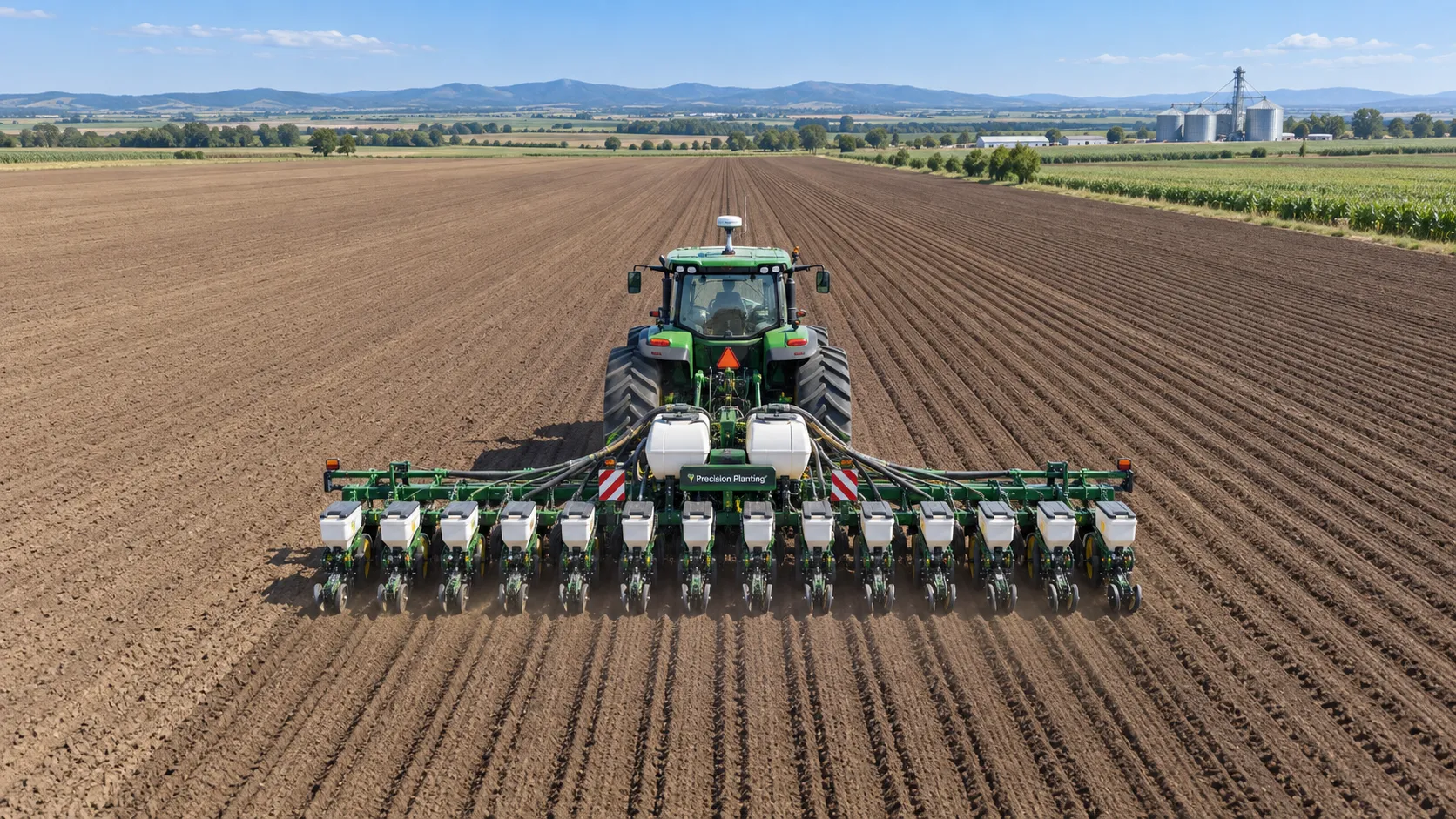
GPS-Guided Farm Machinery: Where It Delivers Measurable Field Efficiency Gains
Agri-mechanization GPS guided systems deliver measurable field efficiency gains through reduced overlap, precise planting, smarter inputs, and reliable farm data.
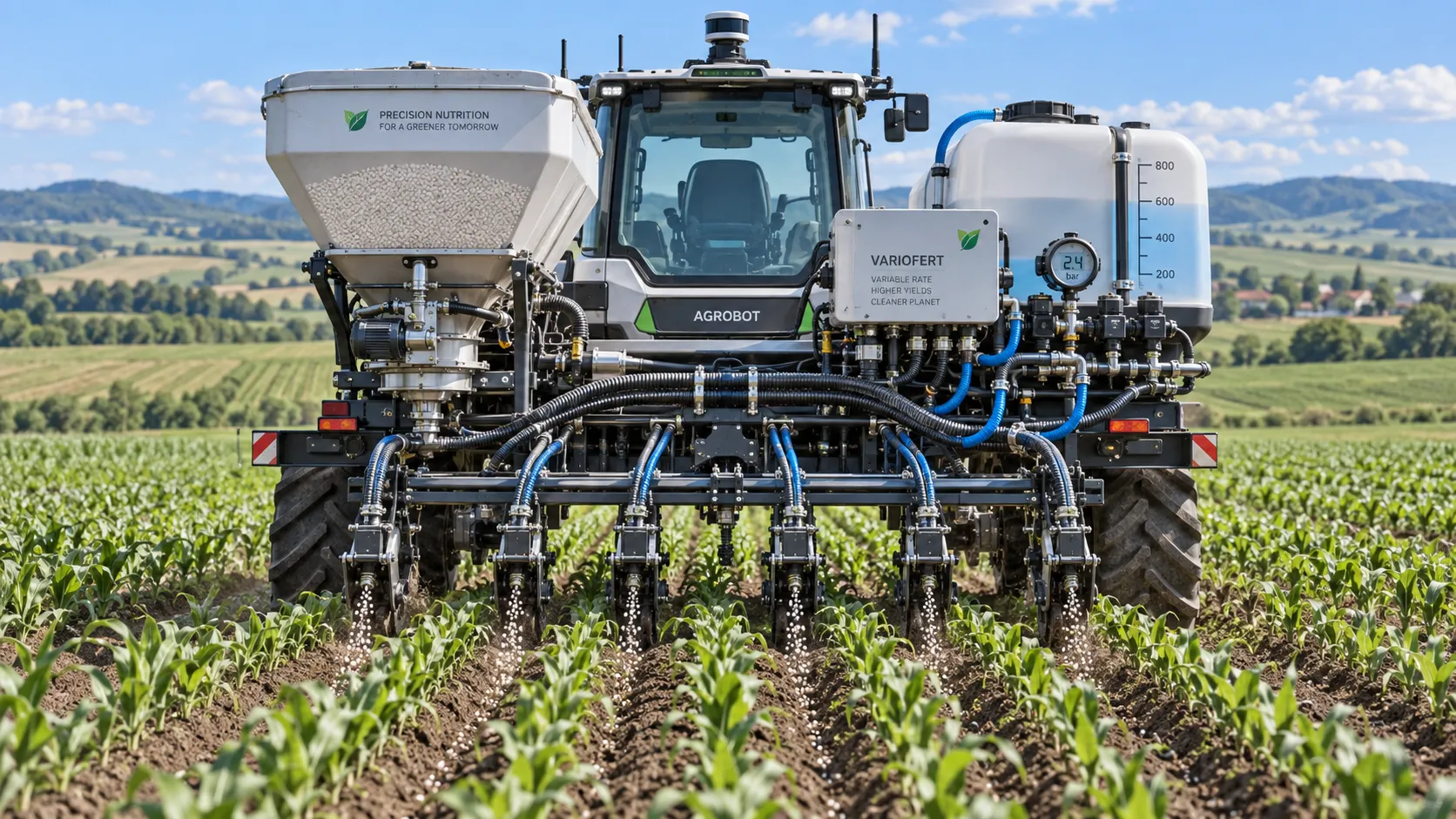
How Sensor Feedback Enables Accurate Variable-Rate Fertilization in Field Conditions
Precision fertilization systems with sensor feedback improve variable-rate accuracy by verifying flow, managing latency, and ensuring reliable field application.
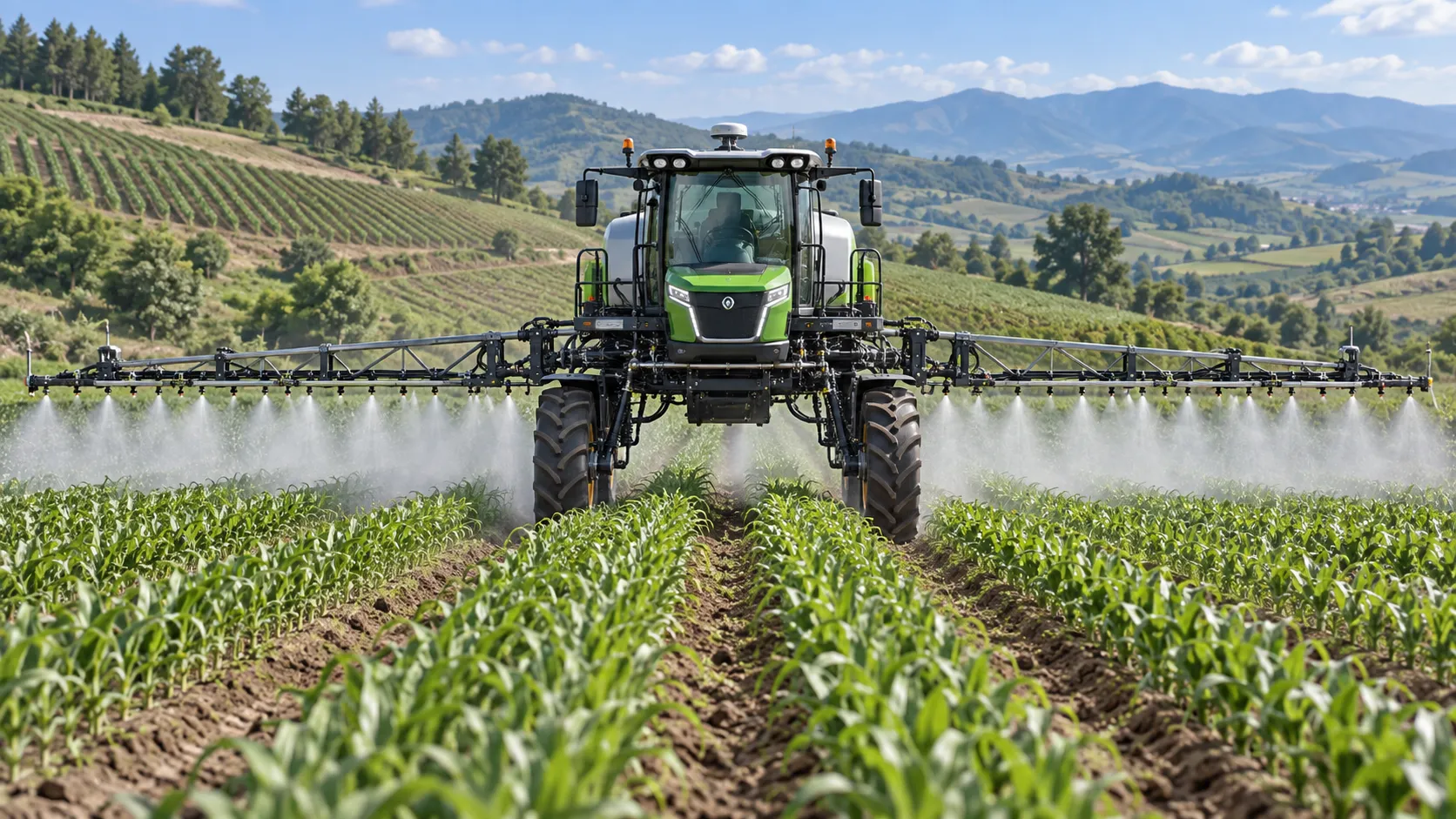
How to Select Precision Crop Protection Equipment for Variable Field Conditions
Precision crop protection equipment selection made simple: compare terrain, canopy, weather, control accuracy, and data workflows for reliable applications.
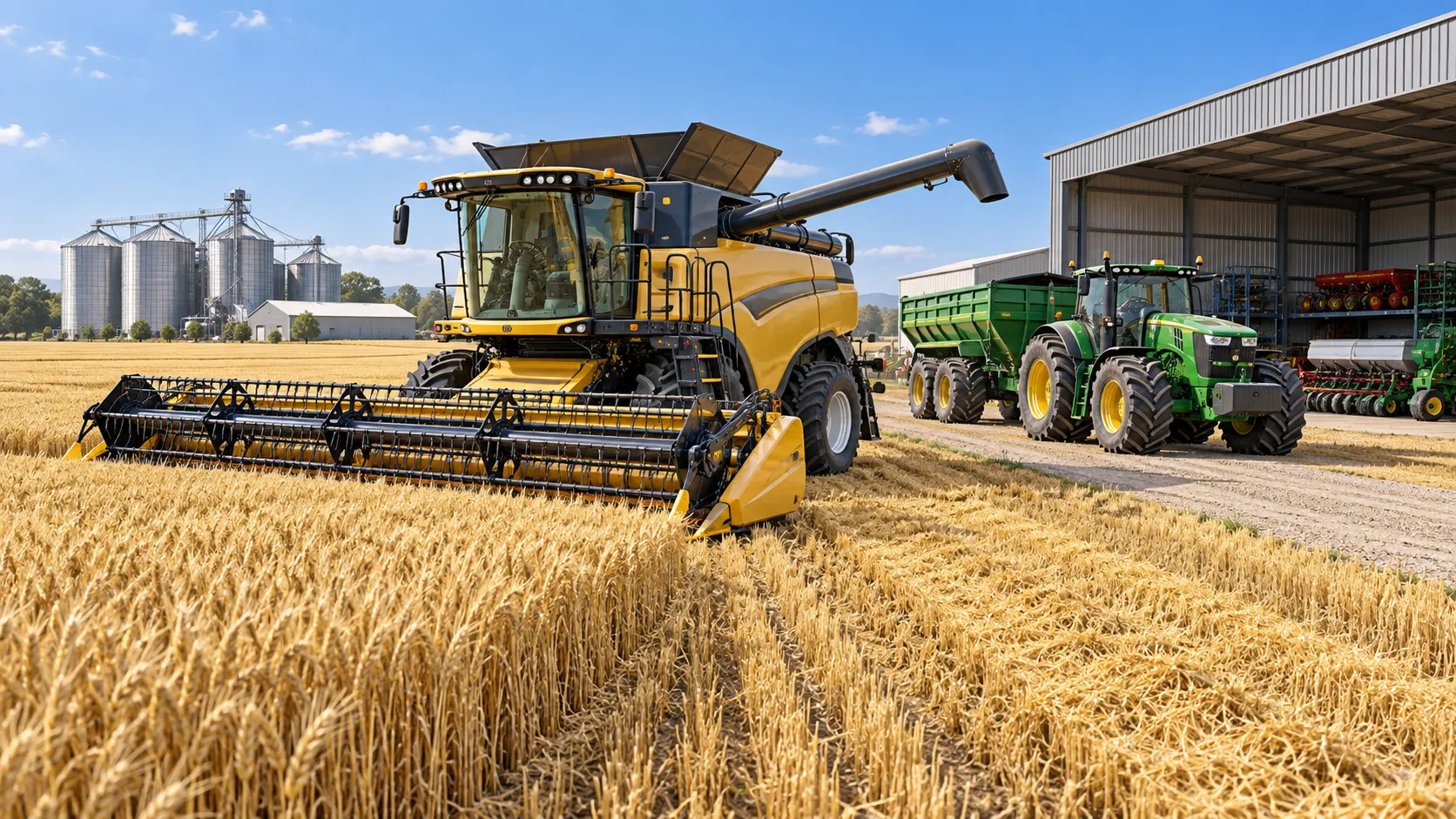
When Does Agricultural Machinery Leasing Cost Less Than Owning Equipment?
Agricultural machinery leasing can lower farm costs when use is seasonal or uncertain. Compare utilization, maintenance, cash flow, and risk to make a smarter equipment decision.
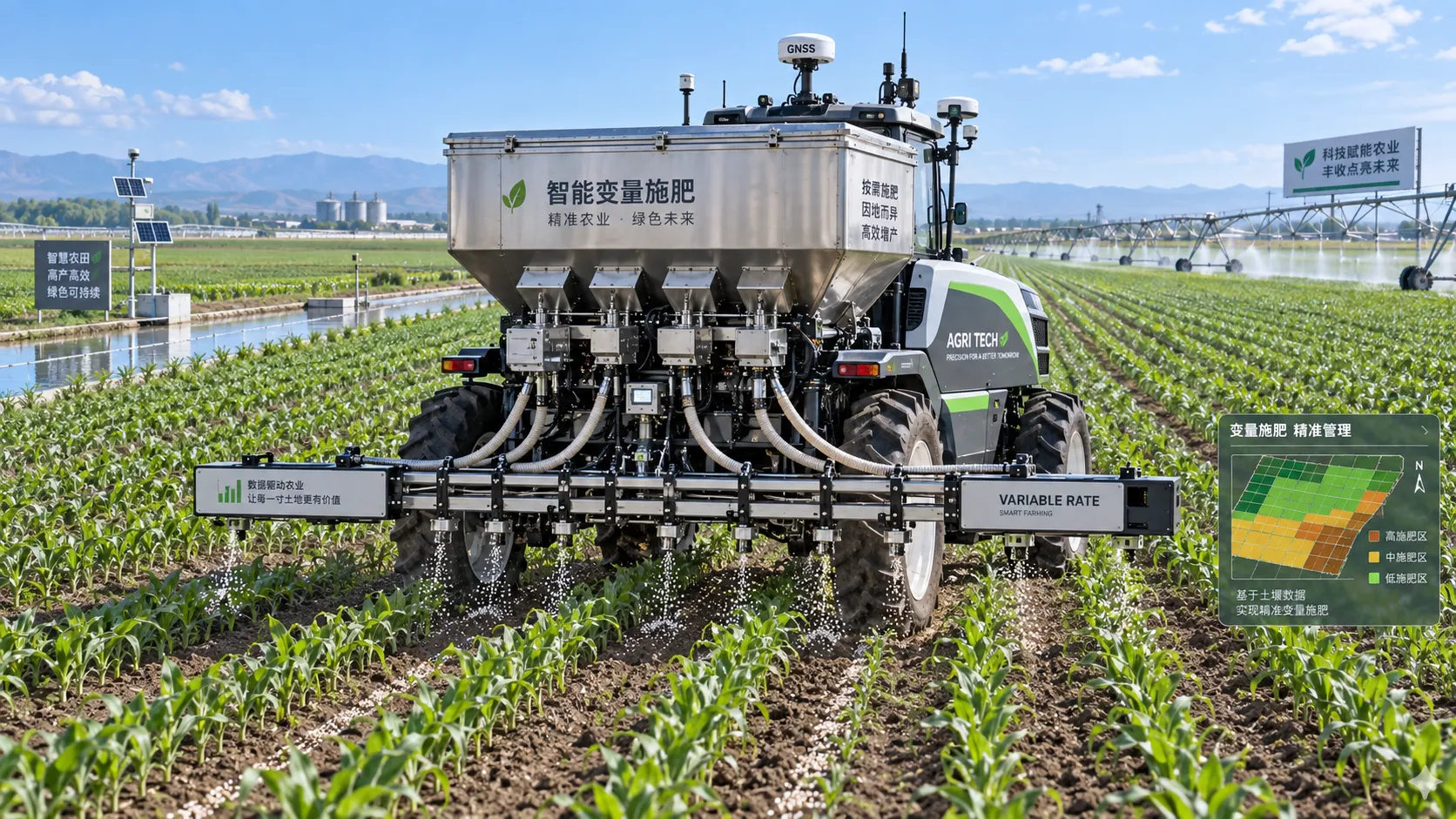
How to Evaluate Precision Fertilization System Suppliers for Farm-Scale Deployment
Precision fertilization systems suppliers: learn how to compare accuracy, integration, uptime, service, and total cost for confident farm-scale deployment.
Related News
- 00
0000-00
What separates robotic automation providers for equipment production? - 00
0000-00
Which field data collection provider fits an agricultural robotics program? - 00
0000-00
How Autonomous Machinery for Crop Scouting Helps Growers Detect Field Issues Earlier - 00
0000-00
How to Evaluate Autonomous Machinery for Vineyards by Terrain, Tasks, and ROI - 00
0000-00
Brazil ANVISA Rule Requires Portuguese Risk Labels for Farm Robots
Popular Tags
Tractor Power Architect
Weekly Insights
Stay ahead with our curated technology reports delivered every Monday.