
Saudi SASO Mandates PLd Safety for Autonomous Farm Robots
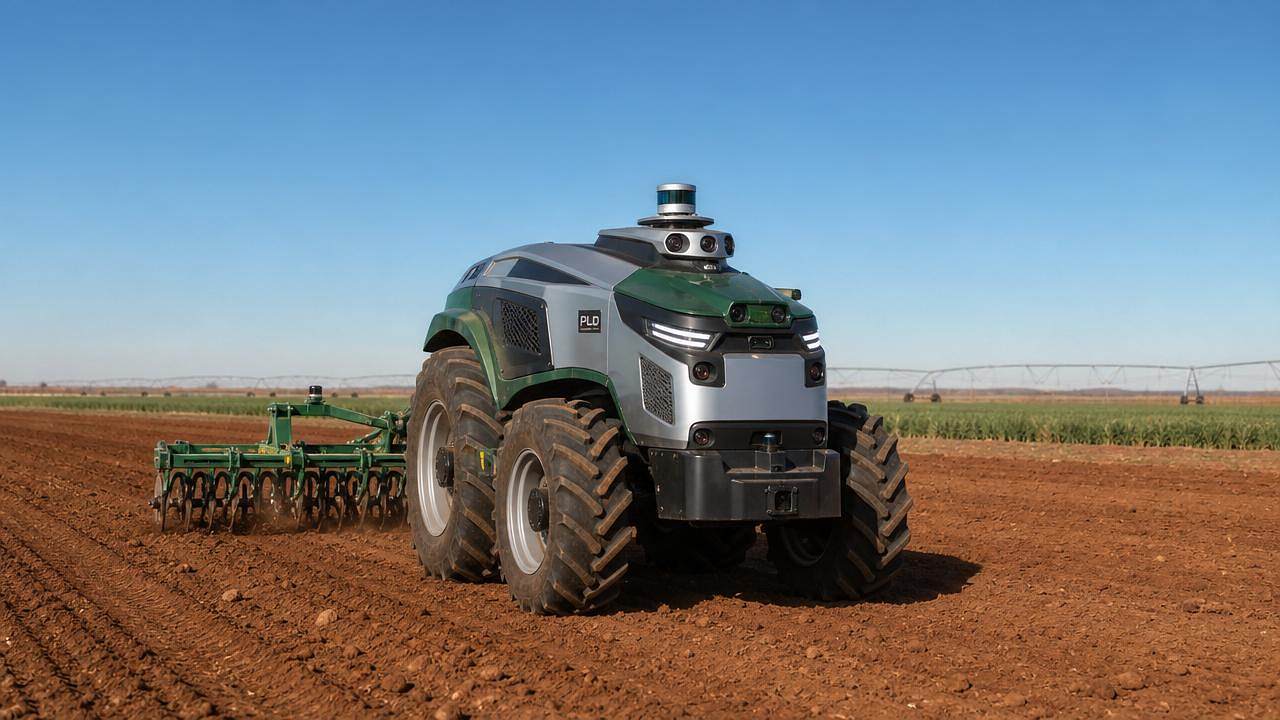




Saudi SASO Mandates PLd Safety for Autonomous Farm Robots
Saudi Standards, Metrology and Quality Organization (SASO) issued the revised SASO IEC 62061:2026 standard on May 15, 2026, introducing a mandatory Performance Level d (PLd) functional safety requirement for imported autonomous agricultural robots—including driverless tractors and automated seeding robots. The regulation signals a significant tightening of market access criteria for robotics in Saudi agriculture and reflects broader regional efforts to align agri-tech deployment with internationally recognized safety benchmarks.
Event Overview
SASO published SASO IEC 62061:2026 on May 15, 2026. The updated standard requires all autonomous robots classified under the ‘Autonomous Robots’ category for agricultural use—specifically unmanned tractors and automatic seeding robots—to comply with PLd-level functional safety as defined in ISO 13849-1. Compliance must be verified through on-site assessment conducted exclusively by SASO-recognized Testing, Inspection, and Certification (TIC) bodies. Enforcement begins August 1, 2026; the transition period ends in 74 days from the publication date.
Industries Affected
Direct Trading Enterprises
Exporters and importers of autonomous farm equipment face immediate compliance risk: shipments without valid PLd certification and TIC-verified on-site evidence will be denied customs clearance after August 1, 2026. This affects not only documentation but also logistics timing, inventory planning, and contractual liability—especially where delivery windows or warranty terms are tied to regulatory readiness.
Raw Material Procurement Enterprises
Suppliers of safety-critical components—including programmable logic controllers (PLCs), safety-rated sensors, emergency stop systems, and certified actuators—must now verify that their parts meet PLd-specific architecture and diagnostic coverage requirements. Procurement teams may need to requalify existing suppliers or shift sourcing toward vendors with documented PLd-compatible component portfolios and traceable validation records.
Manufacturing Enterprises
OEMs and system integrators producing autonomous agricultural robots must revise safety-related control systems (SRP/CS) to achieve PLd, which entails rigorous architectural design (e.g., Category 3 or 4 structures), fault detection coverage ≥99%, and systematic verification of hardware failure metrics (MTTFD, DC, CCF). Retrofitting legacy platforms is often impractical; most manufacturers are likely to initiate new platform development cycles or engage third-party safety consultants for gap analysis and redesign support.
Supply Chain Service Providers
Logistics providers offering pre-shipment inspection, conformity assessment coordination, or local representation services must now expand technical capacity to manage PLd-specific documentation review and on-site verification scheduling. Notably, SASO’s requirement for *on-site* TIC validation—not just factory audits or remote assessments—means service providers must coordinate physical access, test environment setup, and real-time functional testing at operational sites, adding complexity to service delivery timelines and resource allocation.
Key Focus Areas and Recommended Actions
Confirm TIC Recognition Status and Booking Windows
As only SASO-recognized TIC bodies may perform the required on-site verification, enterprises should immediately verify whether their current certification partner appears on SASO’s official list of accredited bodies—and secure assessment slots well ahead of the August 1 deadline, given anticipated demand surges and limited on-site capacity.
Validate Existing Safety Architecture Against PLd Requirements
Manufacturers should conduct a formal gap analysis comparing current SRP/CS designs against ISO 13849-1 PLd criteria—including minimum MTTFD (≥10 years), diagnostic coverage (DC ≥ 99%), and common cause failure (CCF) mitigation measures. Design-level deviations cannot be resolved via documentation alone; hardware or software modifications may be necessary.
Update Technical Documentation and Traceability Records
Compliance hinges on demonstrable traceability—from hazard analysis (e.g., ISO 12100) through safety requirement specification, design implementation, validation testing, and field performance monitoring. Enterprises must ensure all documentation reflects PLd-specific assumptions, test cases, and failure mode analyses, with version-controlled records accessible for TIC review.
Editorial Perspective / Industry Observation
Observably, this mandate does not merely raise technical bar—it reshapes competitive positioning in the Gulf agricultural robotics market. Unlike previous SASO updates focused on EMC or mechanical safety, the PLd requirement targets *system-level behavior under fault conditions*, implying deeper integration of safety engineering into product lifecycle management. Analysis shows that fewer than 30% of currently exported autonomous farm robots listed in SASO’s database have publicly disclosed PLd-level validation. From an industry perspective, this regulation is better understood as a catalyst for consolidation: smaller OEMs lacking in-house functional safety expertise may accelerate partnerships or acquisition discussions with Tier-1 safety solution providers. Current more relevant concern is not just compliance—but whether domestic Saudi testing infrastructure can scale to handle projected verification volumes within the 74-day window.
Conclusion
The SASO PLd mandate marks a decisive step toward institutionalizing functional safety as non-negotiable infrastructure for intelligent farming systems in the Kingdom. Its significance lies less in novelty—PLd is well established in EU machinery directives—than in its enforcement rigor and localized implementation scope. For global suppliers, it serves as both a warning and a signal: regional markets increasingly treat safety assurance not as a post-sale add-on, but as foundational to market entry itself.
Source Attribution
Official source: SASO Standard No. SASO IEC 62061:2026, published May 15, 2026, available via www.saso.gov.sa. Note: List of SASO-recognized TIC bodies and detailed guidance on on-site verification procedures remain pending publication; these items are under active monitoring and subject to update prior to August 1, 2026.
Related News
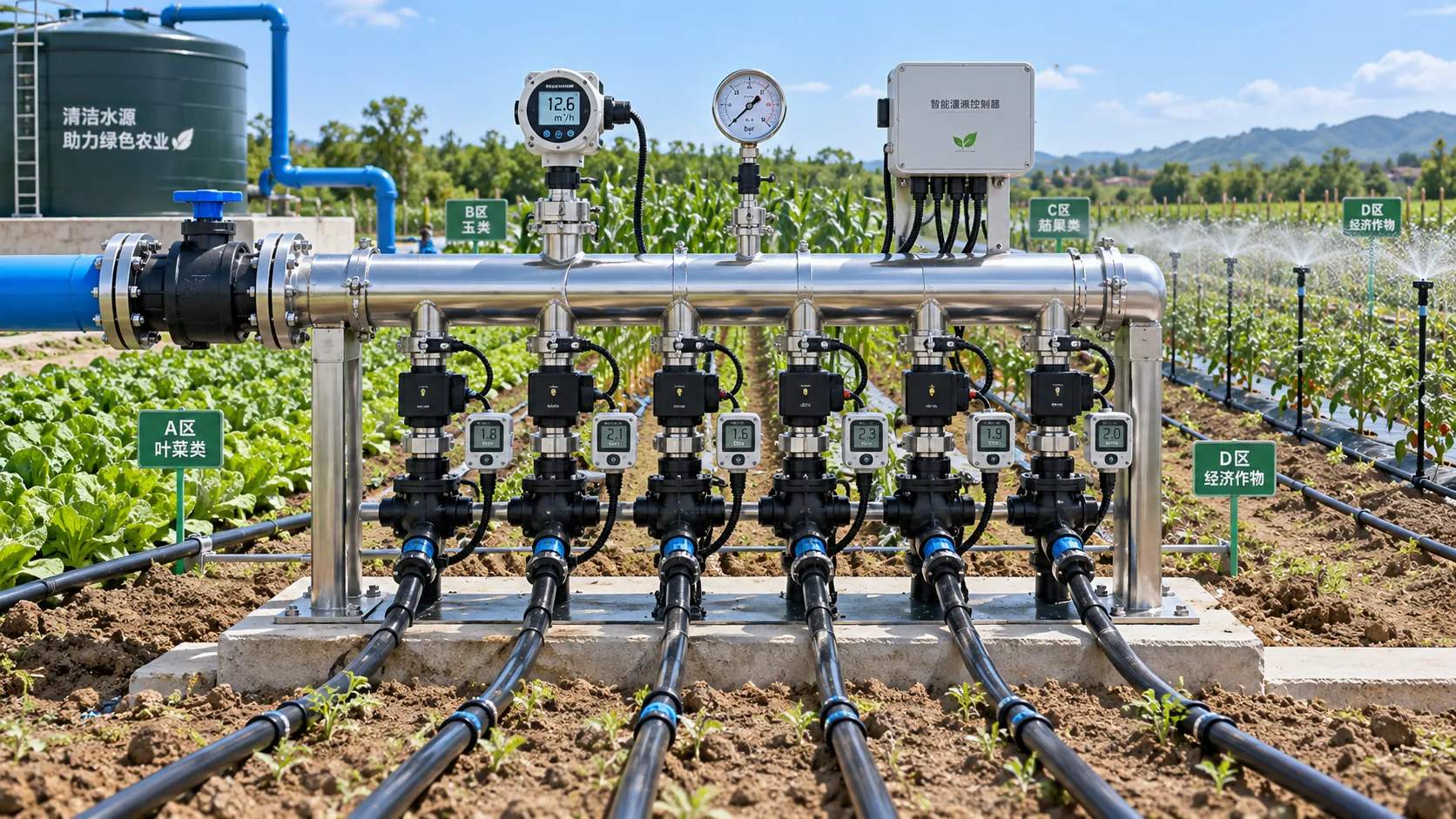
How to Select Smart Irrigation Valves for Multi-Zone Water Management?
Intelligent irrigation systems valves: learn how to match smart valves with multi-zone flow, pressure, control, feedback, and communication needs for reliable water management.
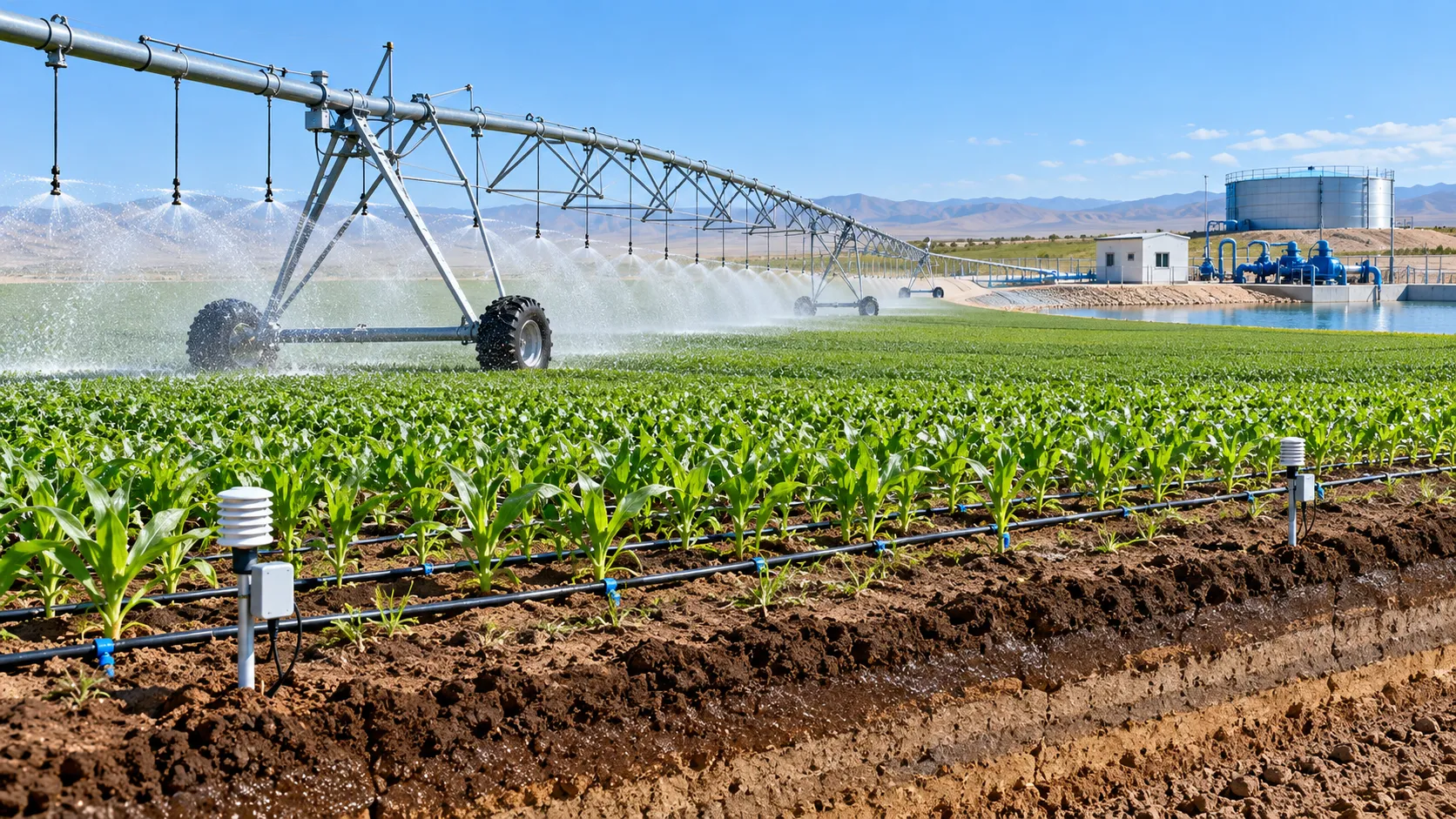
Climate-Smart Farming for Drought: A Practical Plan for Protecting Yields
Climate-smart farming for drought: build smarter water budgets, protect critical crop stages, improve irrigation uniformity, and safeguard yields with practical field-proven strategies.
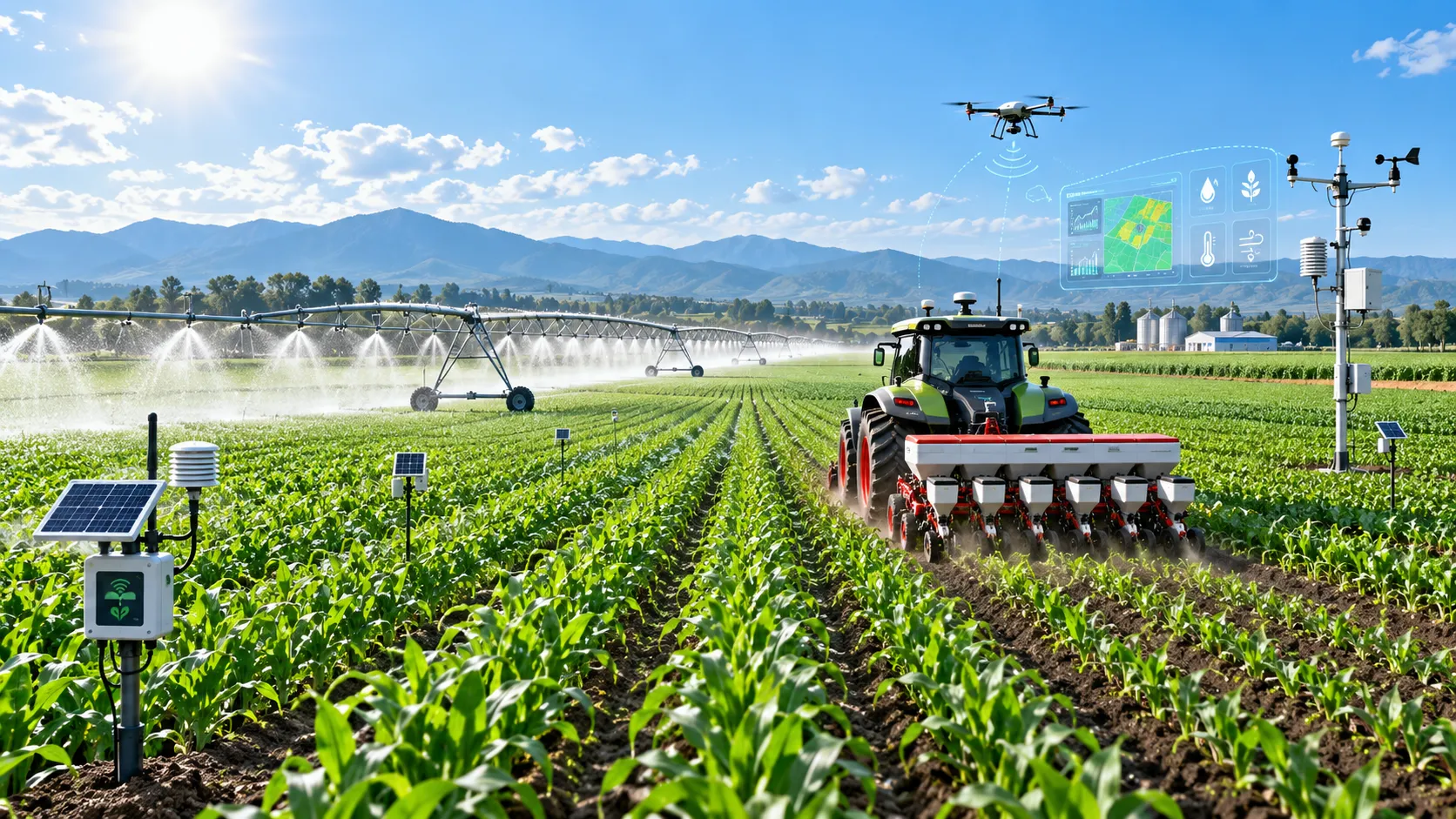
How Digital Agriculture Platforms Turn Field Data Into Better Input Decisions
Digital agriculture platforms turn field data into smarter fertilizer, water, seed, and equipment decisions—helping farms cut risk, improve margins, and scale sustainability.
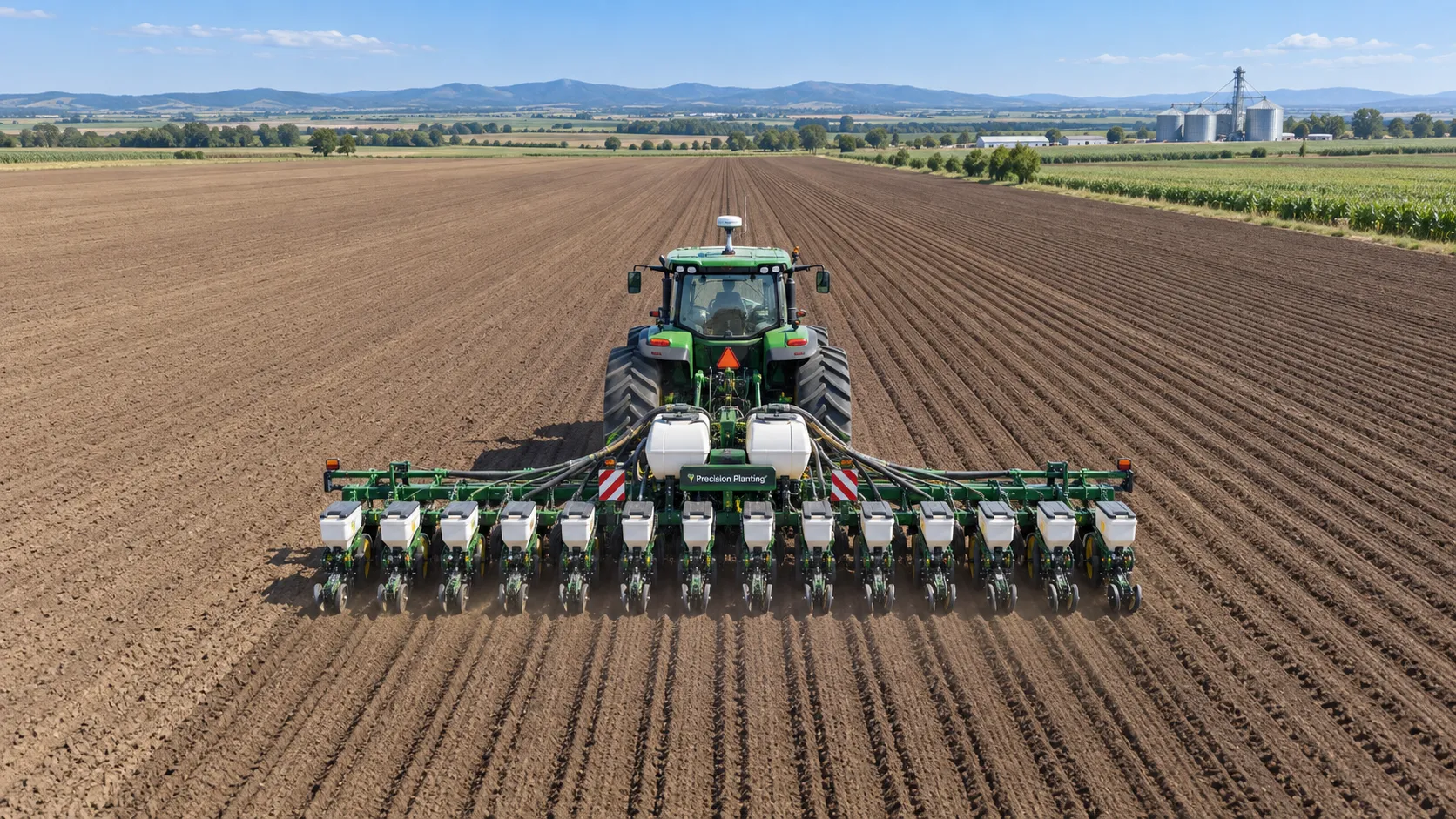
GPS-Guided Farm Machinery: Where It Delivers Measurable Field Efficiency Gains
Agri-mechanization GPS guided systems deliver measurable field efficiency gains through reduced overlap, precise planting, smarter inputs, and reliable farm data.
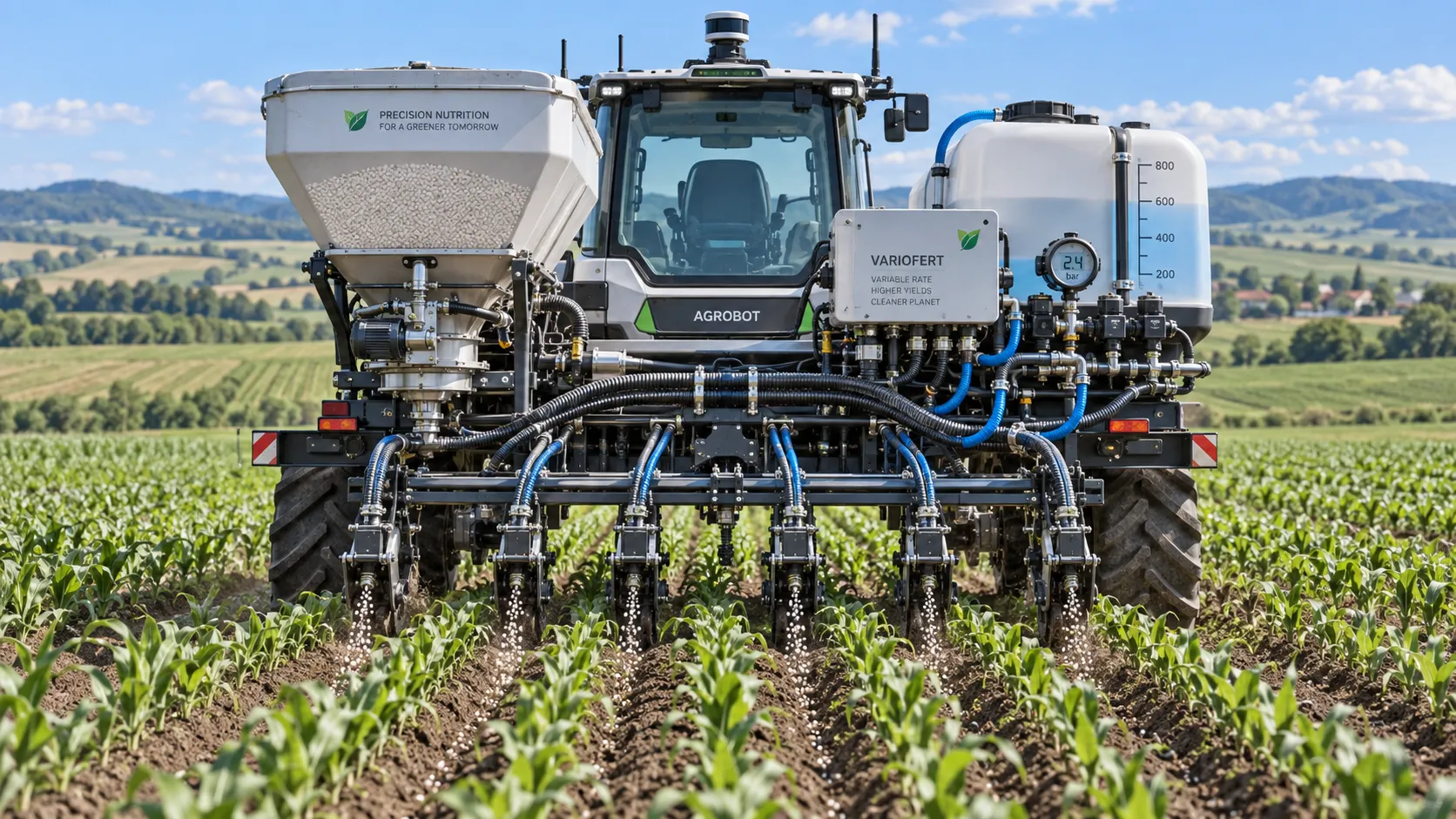
How Sensor Feedback Enables Accurate Variable-Rate Fertilization in Field Conditions
Precision fertilization systems with sensor feedback improve variable-rate accuracy by verifying flow, managing latency, and ensuring reliable field application.
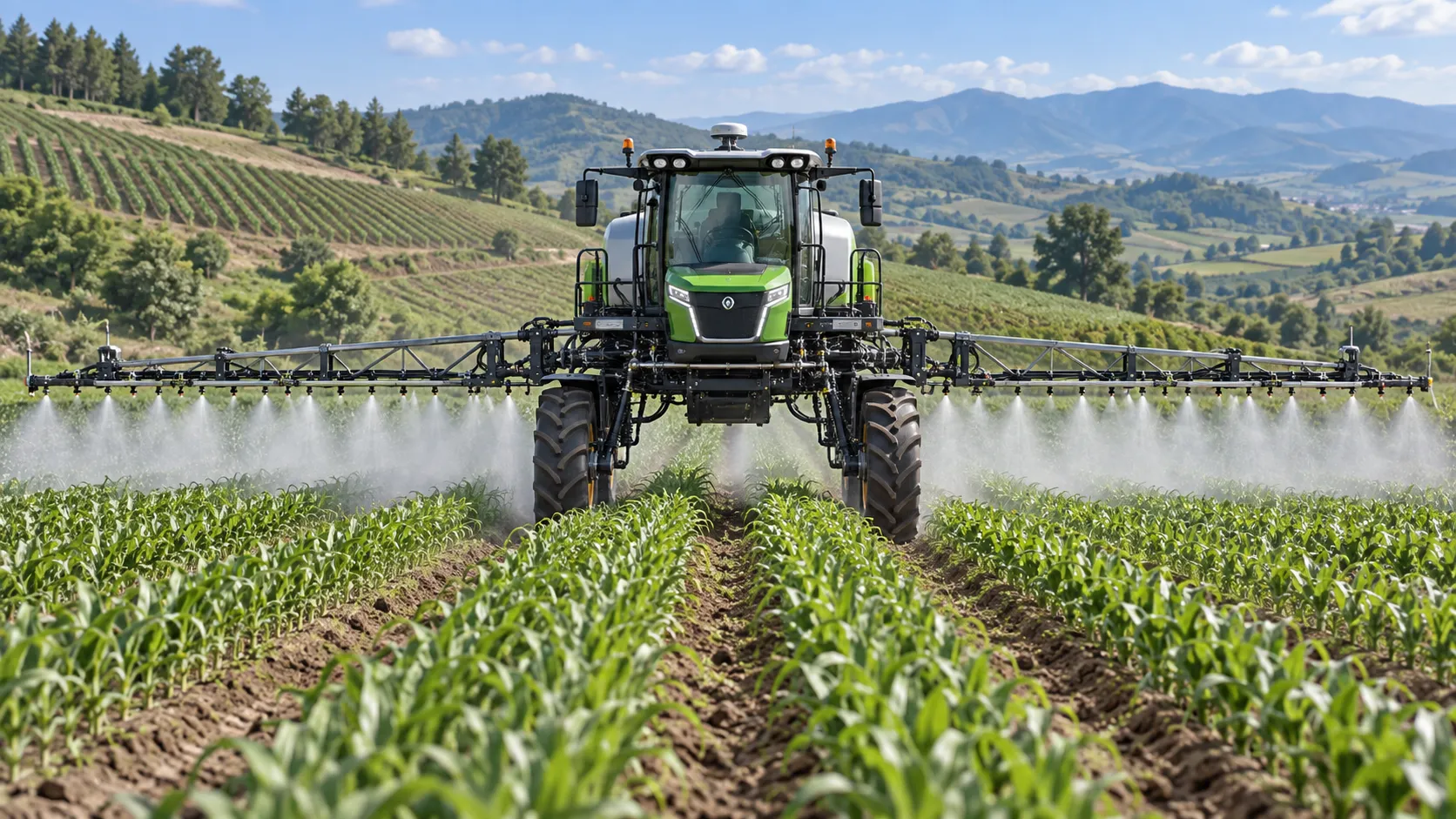
How to Select Precision Crop Protection Equipment for Variable Field Conditions
Precision crop protection equipment selection made simple: compare terrain, canopy, weather, control accuracy, and data workflows for reliable applications.
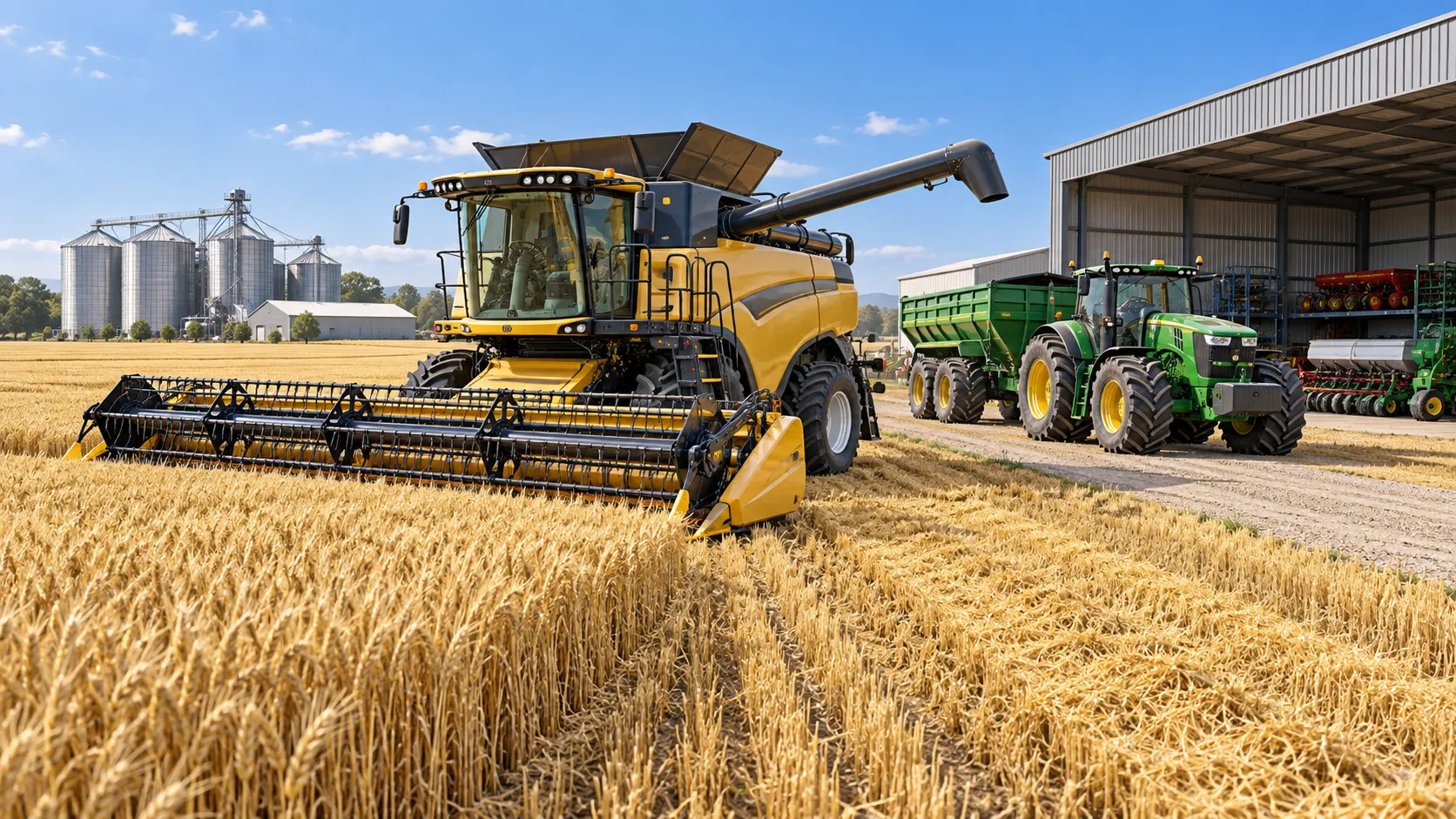
When Does Agricultural Machinery Leasing Cost Less Than Owning Equipment?
Agricultural machinery leasing can lower farm costs when use is seasonal or uncertain. Compare utilization, maintenance, cash flow, and risk to make a smarter equipment decision.
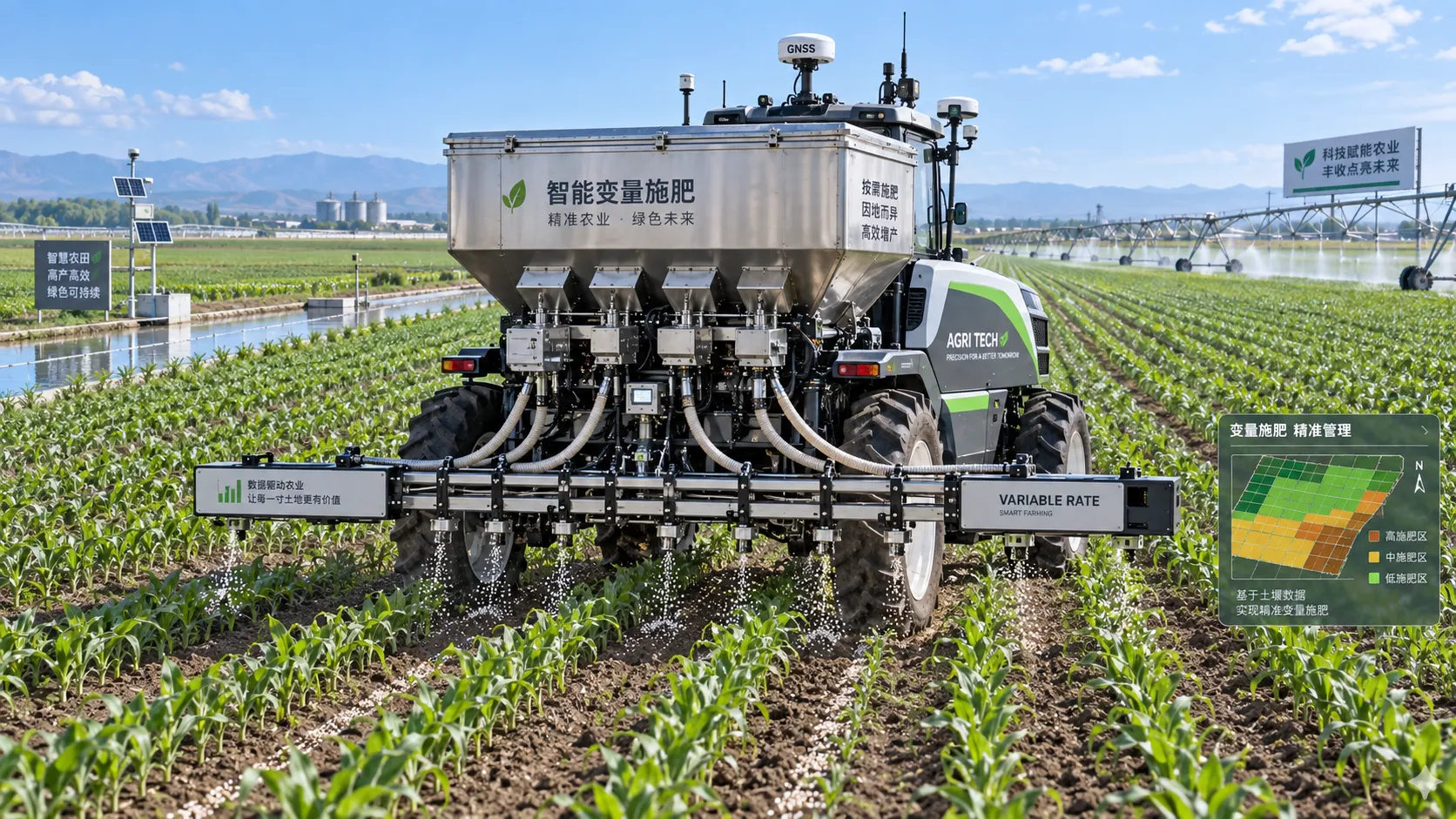
How to Evaluate Precision Fertilization System Suppliers for Farm-Scale Deployment
Precision fertilization systems suppliers: learn how to compare accuracy, integration, uptime, service, and total cost for confident farm-scale deployment.
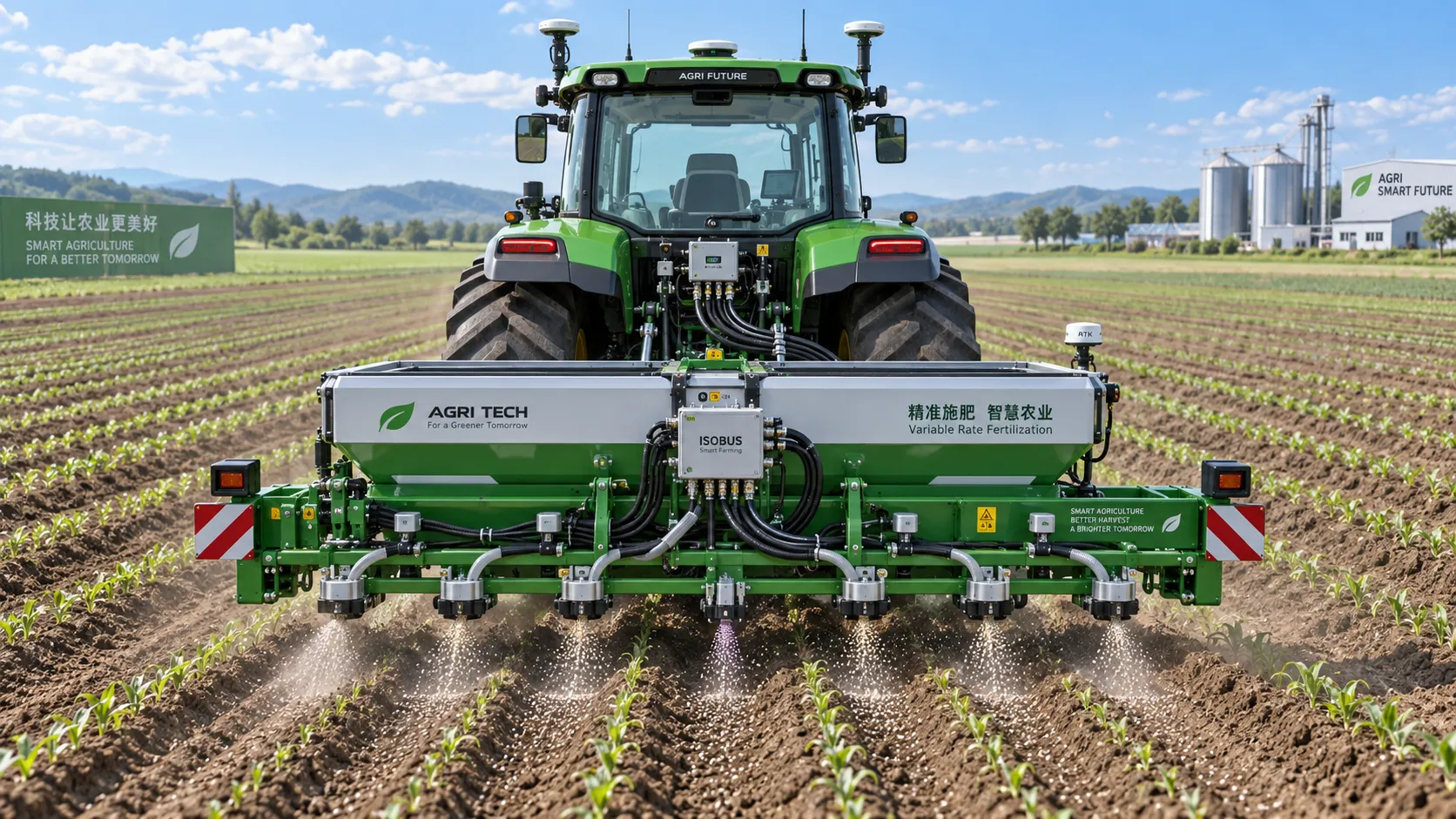
ISOBUS for Smart Agriculture: How It Connects Tractors, Implements, and Farm Data
ISOBUS for smart agriculture connects tractors, implements, terminals, and farm data—helping growers improve precision, documentation, and smarter field decisions.
Related News
- 00
0000-00
What separates robotic automation providers for equipment production? - 00
0000-00
Which field data collection provider fits an agricultural robotics program? - 00
0000-00
How Autonomous Machinery for Crop Scouting Helps Growers Detect Field Issues Earlier - 00
0000-00
How to Evaluate Autonomous Machinery for Vineyards by Terrain, Tasks, and ROI - 00
0000-00
Brazil ANVISA Rule Requires Portuguese Risk Labels for Farm Robots
Popular Tags
Tractor Power Architect
Weekly Insights
Stay ahead with our curated technology reports delivered every Monday.