
Agricultural automation solutions raise new safety risks
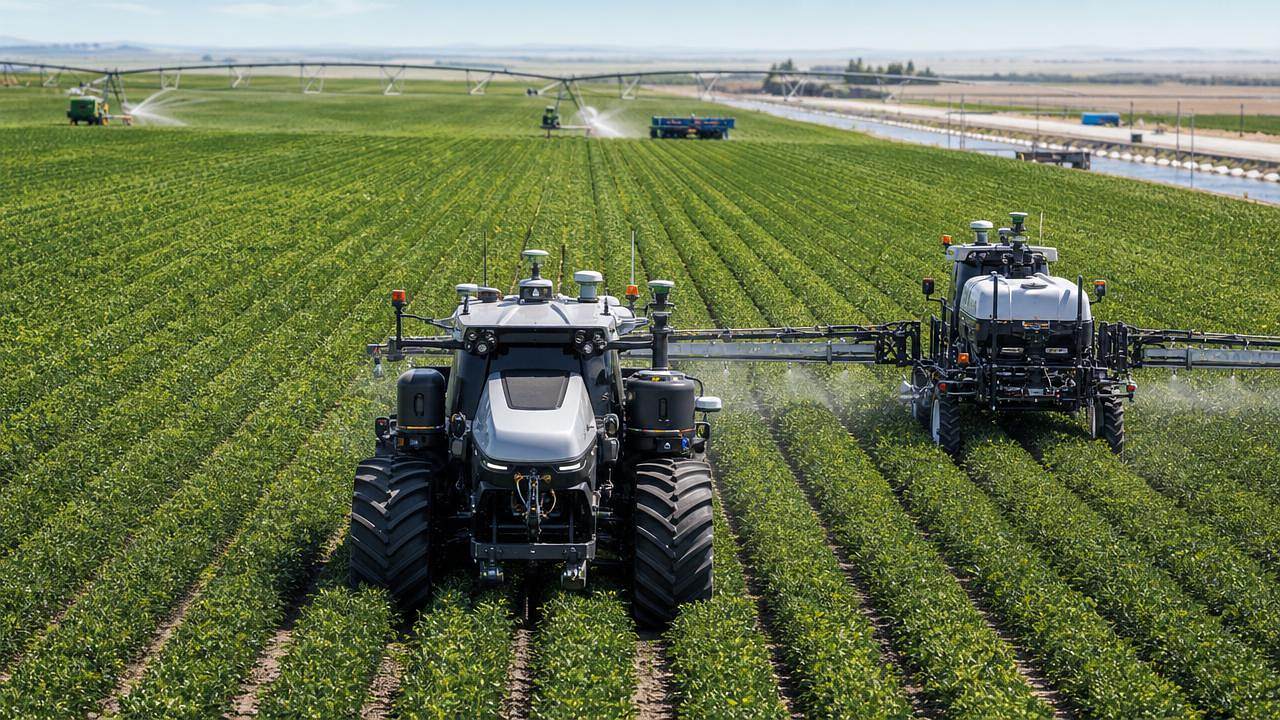




As agricultural automation solutions accelerate efficiency across large-scale farming, they also introduce new safety risks that quality control and safety managers can no longer overlook. From autonomous machinery and sensor-driven implements to intelligent irrigation networks, every connected system adds operational, mechanical, and data-related vulnerabilities. Understanding these emerging hazards is essential for protecting workers, maintaining compliance, and ensuring reliable performance in the Agriculture 4.0 landscape.
For operations managing tractors, combines, intelligent farm tools, and connected irrigation assets, the safety conversation is no longer limited to guards, lockout procedures, or personal protective equipment. It now includes software updates, sensor accuracy, machine-to-machine communication, remote overrides, and cyber-physical failure modes that can stop production in minutes or create hazards in seconds.
For quality control teams and safety managers, this shift creates a dual responsibility. They must evaluate whether agricultural automation solutions deliver repeatable field performance, and whether those same systems remain safe under changing weather, dust loads, connectivity gaps, operator turnover, and mixed fleets that often stay in service for 8 to 15 years.
Why agricultural automation solutions create a new safety profile
Traditional agricultural machinery mainly concentrated risk in visible mechanical areas such as rotating parts, hydraulics, high temperatures, and rollover events. Modern agricultural automation solutions add a second risk layer: invisible logic failures. A machine may appear normal, yet follow a flawed positioning command, a delayed stop signal, or a false sensor input.
This matters because many automated functions operate within narrow tolerance bands. Row guidance drift of 5 to 10 cm, moisture sensor bias of 3% to 5%, or a 2-second delay in obstacle detection can be operationally manageable in one task but dangerous in another. In harvesting, planting, spraying, and irrigation control, context determines whether a deviation is acceptable or critical.
From mechanical risk to cyber-physical risk
Autonomous or semi-autonomous systems combine software, electronics, and heavy equipment. A braking fault on a conventional machine is serious, but easier to identify. In a connected machine, the root cause may involve sensor calibration, GNSS signal interruption, degraded wiring, firmware mismatch, or communication loss between control modules.
For safety managers, this means incident investigation must cover at least 4 layers: hardware condition, control logic, environmental interference, and human-machine interaction. If only one layer is reviewed, corrective action may miss the real trigger and the same event may reappear within the next 1 to 3 operating cycles.
Where exposure is increasing fastest
In large-scale farming, risk is rising fastest in 5 categories: autonomous steering, implement automation, machine vision, telematics-based fleet control, and intelligent irrigation networks. Each category improves productivity, but each also increases dependency on sensors, connectivity, or software integrity.
- Autonomous steering can mis-handle edge cases such as field entrances, soft shoulders, or temporary obstacles.
- Implement automation can activate sections, arms, or valves unexpectedly during maintenance or transport.
- Machine vision can degrade in dust, fog, heavy residue, or low-angle evening light.
- Fleet telematics can create unsafe assumptions if location or operating status data is delayed by even 30 to 90 seconds.
- Smart irrigation can over-pressurize zones or trigger water release during service windows if interlocks are weak.
The practical issue is not whether to deploy agricultural automation solutions, but how to define safe operating envelopes before field scale-up. A pilot on 50 hectares may seem stable, while the same system on 2,000 hectares reveals exception handling problems that were rarely triggered during testing.
Key hazard categories quality and safety teams should audit
A useful audit framework separates hazards into operational, mechanical, electrical, software, and organizational groups. This helps teams assign ownership, inspection frequency, and acceptance criteria instead of treating automation safety as a general or undefined concern.
Operational hazards in autonomous field work
Autonomous guidance and path planning can create risk when field maps are outdated, boundaries are incomplete, or temporary changes are not logged. A missing ditch marker, moved fuel trailer, or service vehicle parked inside a route can turn a low-speed machine into a serious collision source.
Even at speeds of 6 to 12 km/h, a tractor or combine has enough mass to damage infrastructure, crush equipment, or injure ground staff. Safety teams should define exclusion zones, emergency stop access, and pre-run verification rules for every route, not just for first-time commissioning.
Mechanical and hydraulic hazards during automated operation
Agricultural automation solutions often increase actuation complexity. More valves, more electric-hydraulic controls, and more automated movements mean more hidden pinch points and more unexpected motion during diagnostics or restart. This is especially relevant on folding booms, header controls, hitch systems, and tool carriers.
Hydraulic pressure can remain stored after shutdown for 10 to 30 minutes depending on circuit design. If the control system later triggers a bleed, reset, or calibration sequence, a worker may face movement they did not anticipate. Standard lockout practices must therefore include energy isolation for both hydraulic and electronic initiation pathways.
The table below outlines common hazard categories and what safety managers should verify during field deployment and routine inspection.
The key conclusion is that agricultural automation solutions should be audited as integrated systems rather than as isolated machines. A passing result in one component does not guarantee safe behavior when the machine, network, operator, and field environment interact in real time.
Data and cybersecurity risks with direct safety impact
Cybersecurity is often treated as an IT issue, but in connected farming it is also a safety issue. If remote access rights are poorly controlled, a configuration change can disable safeguards, alter route libraries, or interrupt irrigation timing. Even non-malicious mistakes, such as loading the wrong field profile, can produce unsafe machine behavior.
Safety managers should require at least 3 controls: user role separation, change logging, and verified update procedures. Firmware or software should never be updated during peak operations unless rollback conditions, test windows, and machine release approvals are clearly documented.
How to evaluate agricultural automation solutions before procurement
Procurement decisions often emphasize fuel savings, labor efficiency, and task precision. Those factors matter, but for quality control and safety functions, the stronger question is whether the system behaves predictably during failure, maintenance, and mixed-manual operation. This is where many buying teams find gaps in vendor evaluation.
Five practical evaluation criteria
- Fail-safe behavior: determine what the system does within 1 to 5 seconds after signal loss, sensor conflict, or low-voltage events.
- Manual override design: confirm whether local override is immediate, intuitive, and available from safe operator positions.
- Diagnostic transparency: assess whether fault codes identify root area, severity, and recommended action rather than generic warnings.
- Maintenance isolation: verify whether service mode prevents remote or automated reactivation during inspection.
- Training burden: estimate how many hours are needed for operators, technicians, and supervisors to reach basic and advanced competence.
For large farms or distributor-led deployments, the realistic training burden is rarely under 6 to 8 hours for operators and 12 to 16 hours for maintenance staff when new connected functions are introduced. If a supplier claims near-zero training demand, safety teams should request a demonstration of alarm handling, override use, and start-up checks.
Questions to ask suppliers during technical review
A technical review should move beyond brochure language. Quality and safety managers need evidence on response logic, not only performance claims. The table below can be used as a supplier review checklist during pre-purchase assessment or trial acceptance.
This type of review helps separate mature agricultural automation solutions from systems that perform well only in controlled demonstrations. For buyers managing high-value fleets, even one unresolved failure mode can create downtime, liability exposure, and inconsistent field quality across a whole season.
Do not ignore mixed-fleet compatibility
Many farms operate equipment from multiple generations and suppliers. New automation modules must coexist with older tractors, different hydraulic standards, and varied display interfaces. Compatibility problems often appear during the first 2 to 6 weeks of real use, especially when teams interchange implements across machines.
A practical procurement plan should therefore include interoperability testing, spare-parts mapping, and version control for controllers and displays. This is especially important for combine harvesters, tractor chassis, and intelligent farm tools that rely on shared data inputs or common hydraulic behavior.
Implementation controls that reduce incident risk
Once agricultural automation solutions are selected, incident prevention depends on implementation discipline. Many failures happen not because the technology is fundamentally unsafe, but because commissioning, training, inspection, and change management are handled too loosely during the first season.
A four-stage rollout model
A safer rollout usually follows 4 stages: bench validation, limited field trial, supervised production use, and normalized operation. Each stage should have entry and exit criteria, not just a calendar deadline. For example, moving from trial to production may require zero critical alarms across 40 operating hours and completion of all override drills.
- Stage 1: Bench validation of sensors, alarms, stop logic, and update status.
- Stage 2: Field trial on a restricted zone with daylight-only operation and dedicated observers.
- Stage 3: Production use with supervisor sign-off and daily event review for 7 to 14 days.
- Stage 4: Normal deployment with weekly inspection, monthly trend review, and seasonal retraining.
Training, procedures, and reporting discipline
Automation changes how incidents develop, so reporting systems must change too. Near misses involving route deviations, false obstacle alerts, sensor contamination, or delayed control responses should be logged even when no injury or damage occurs. These events often precede more serious failures by days or weeks.
A useful reporting form should capture at least 6 items: machine state, software version, weather, operator action, alarm sequence, and final recovery method. Over one season, this creates a more reliable risk picture than relying only on major incident counts.
Special attention for intelligent irrigation systems
Connected irrigation often appears lower risk than autonomous machinery, yet it can create serious hazards through pressure surges, electrical exposure, chemical injection errors, or unplanned water discharge. If valves are remotely actuated, maintenance teams need visible status confirmation and hard isolation points at the field level.
Safety checks should include pressure thresholds, leak detection response, pump restart delay, and manual lock capability. In many systems, a restart delay of 15 to 60 seconds provides time for local verification after a trip or power recovery, reducing the chance of surprise flow or mechanical shock.
Common mistakes that weaken safety in Agriculture 4.0 operations
The most common mistake is assuming that automation reduces risk automatically because it reduces direct labor. In reality, it redistributes risk. Fewer people may be on the machine, but more people depend on correct sensor inputs, software integrity, and clean escalation procedures when abnormal conditions appear.
Three frequent management gaps
- Using production metrics alone, such as hectares per hour, while ignoring alarm frequency and manual intervention rates.
- Approving updates or configuration changes without a documented validation window and rollback plan.
- Training operators once at launch but not retraining before peak harvest, seasonal labor intake, or equipment reassignment.
For quality control personnel, the remedy is to pair output indicators with safety process indicators. If an autonomous system improves daily coverage by 12% but doubles abnormal stop events, the performance gain may hide a reliability problem that will become costly during harvest or irrigation peak demand.
What mature safety governance looks like
Mature governance for agricultural automation solutions usually includes cross-functional reviews between operations, maintenance, agronomy, and EHS teams. The best practice is not excessive paperwork, but disciplined control of versions, routes, permissions, and service states across the full asset lifecycle.
For organizations scaling Agriculture 4.0 assets, AP-Strategy’s intelligence perspective is clear: the most resilient farms are not those with the highest level of automation alone, but those that combine mechanization depth, precision logic, and safety control into one operating model.
Agricultural automation solutions can strengthen productivity, consistency, and resource efficiency across large-scale machinery, combine harvesting, tractor chassis systems, intelligent tools, and water-saving irrigation. But those gains become sustainable only when quality and safety managers treat automation as a full risk system with measurable controls, supplier scrutiny, and disciplined field implementation.
If your organization is reviewing automation investments, updating safety protocols, or comparing connected equipment strategies, now is the right time to build a more structured evaluation framework. Contact us to discuss application-specific risks, request a tailored assessment approach, or learn more solutions for safer Agriculture 4.0 deployment.
Related News
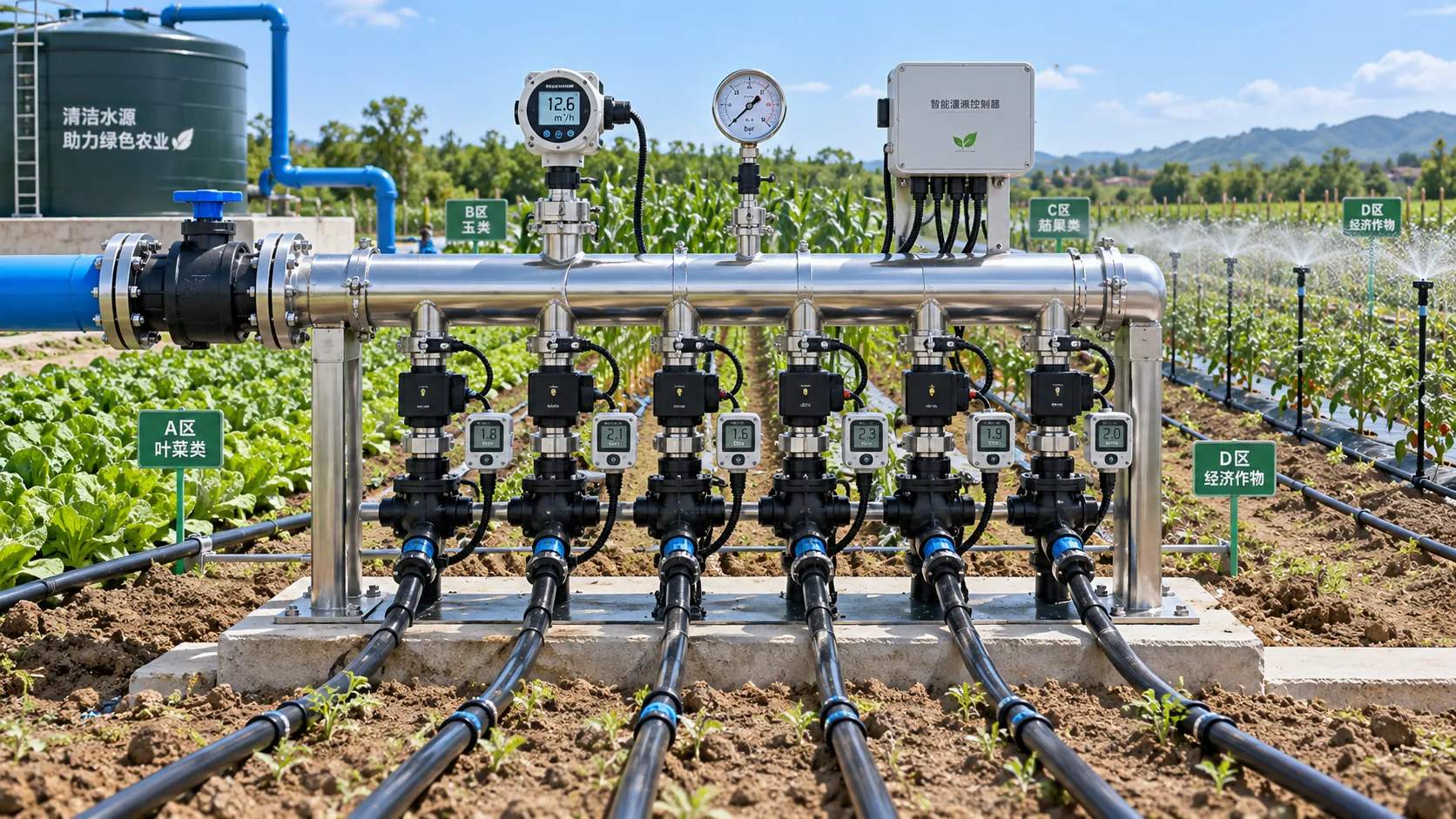
How to Select Smart Irrigation Valves for Multi-Zone Water Management?
Intelligent irrigation systems valves: learn how to match smart valves with multi-zone flow, pressure, control, feedback, and communication needs for reliable water management.
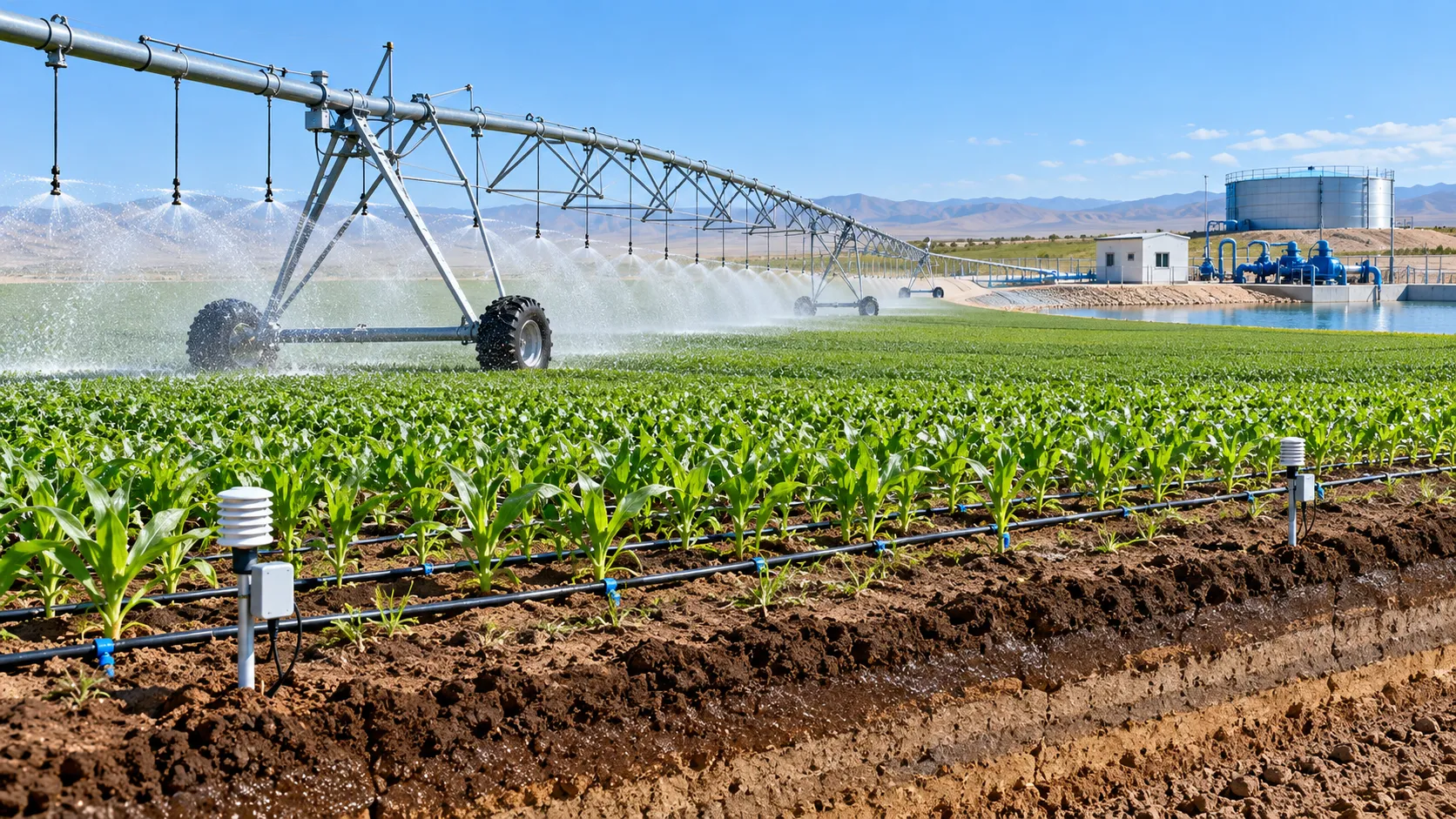
Climate-Smart Farming for Drought: A Practical Plan for Protecting Yields
Climate-smart farming for drought: build smarter water budgets, protect critical crop stages, improve irrigation uniformity, and safeguard yields with practical field-proven strategies.
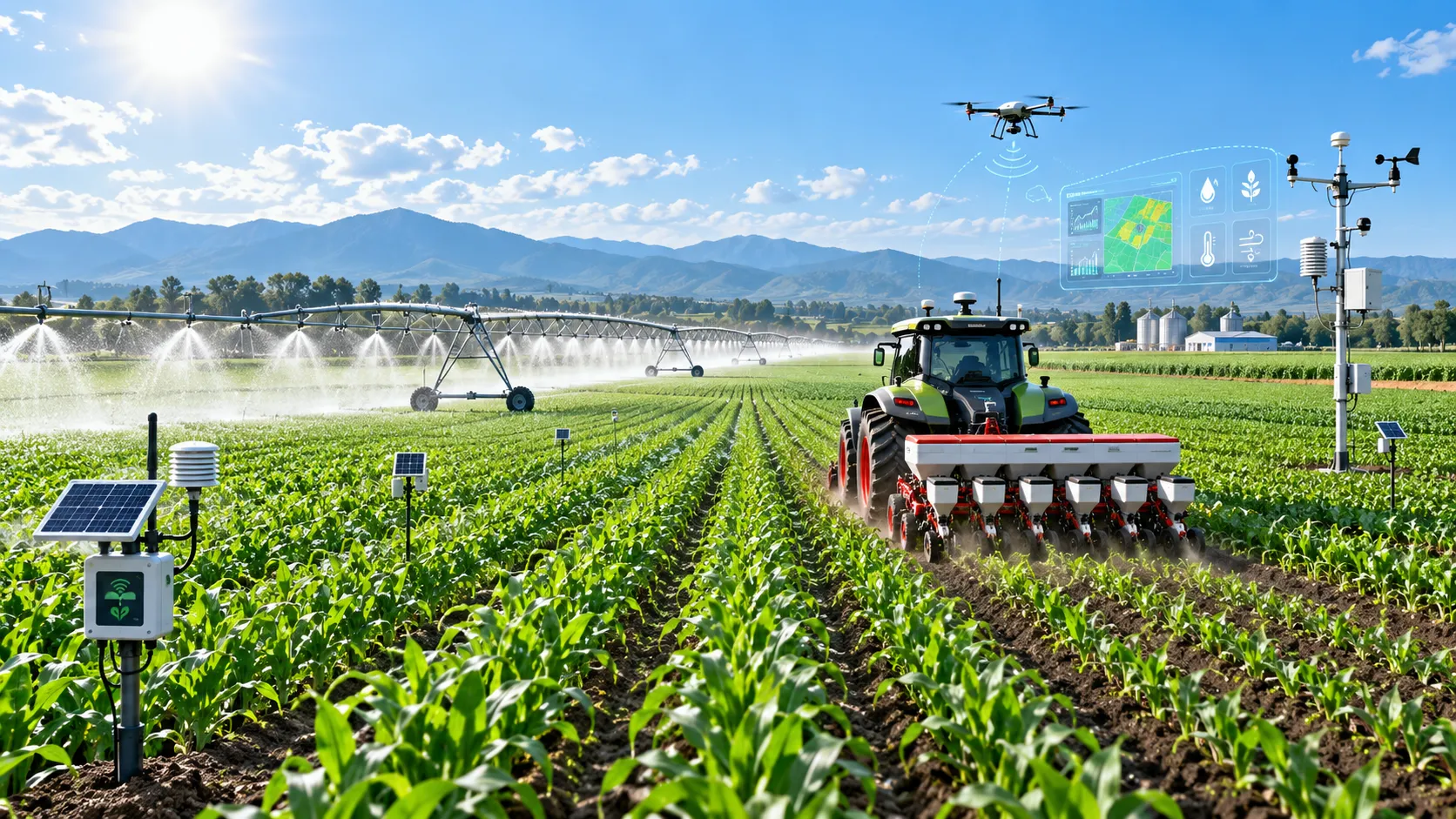
How Digital Agriculture Platforms Turn Field Data Into Better Input Decisions
Digital agriculture platforms turn field data into smarter fertilizer, water, seed, and equipment decisions—helping farms cut risk, improve margins, and scale sustainability.
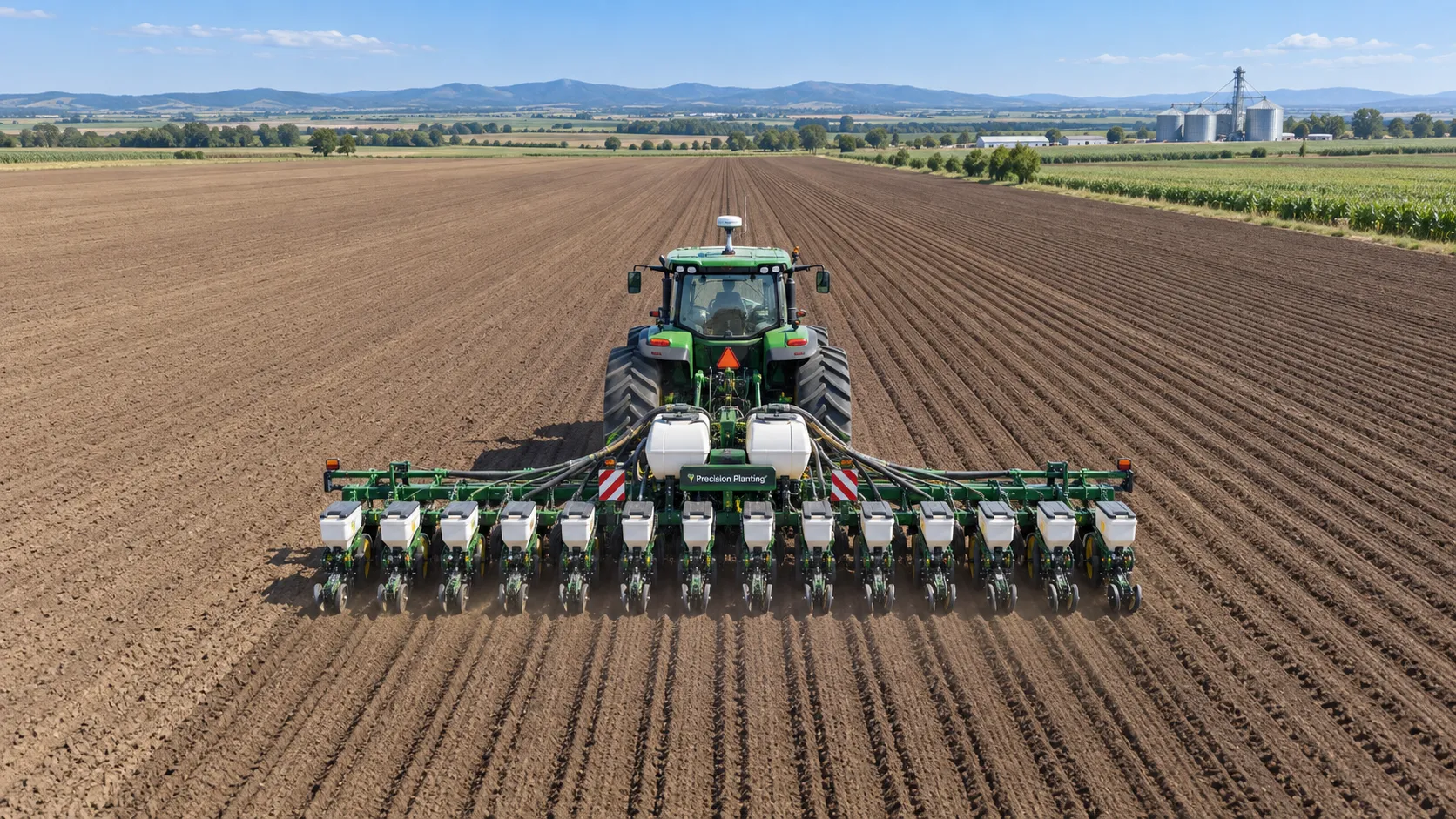
GPS-Guided Farm Machinery: Where It Delivers Measurable Field Efficiency Gains
Agri-mechanization GPS guided systems deliver measurable field efficiency gains through reduced overlap, precise planting, smarter inputs, and reliable farm data.
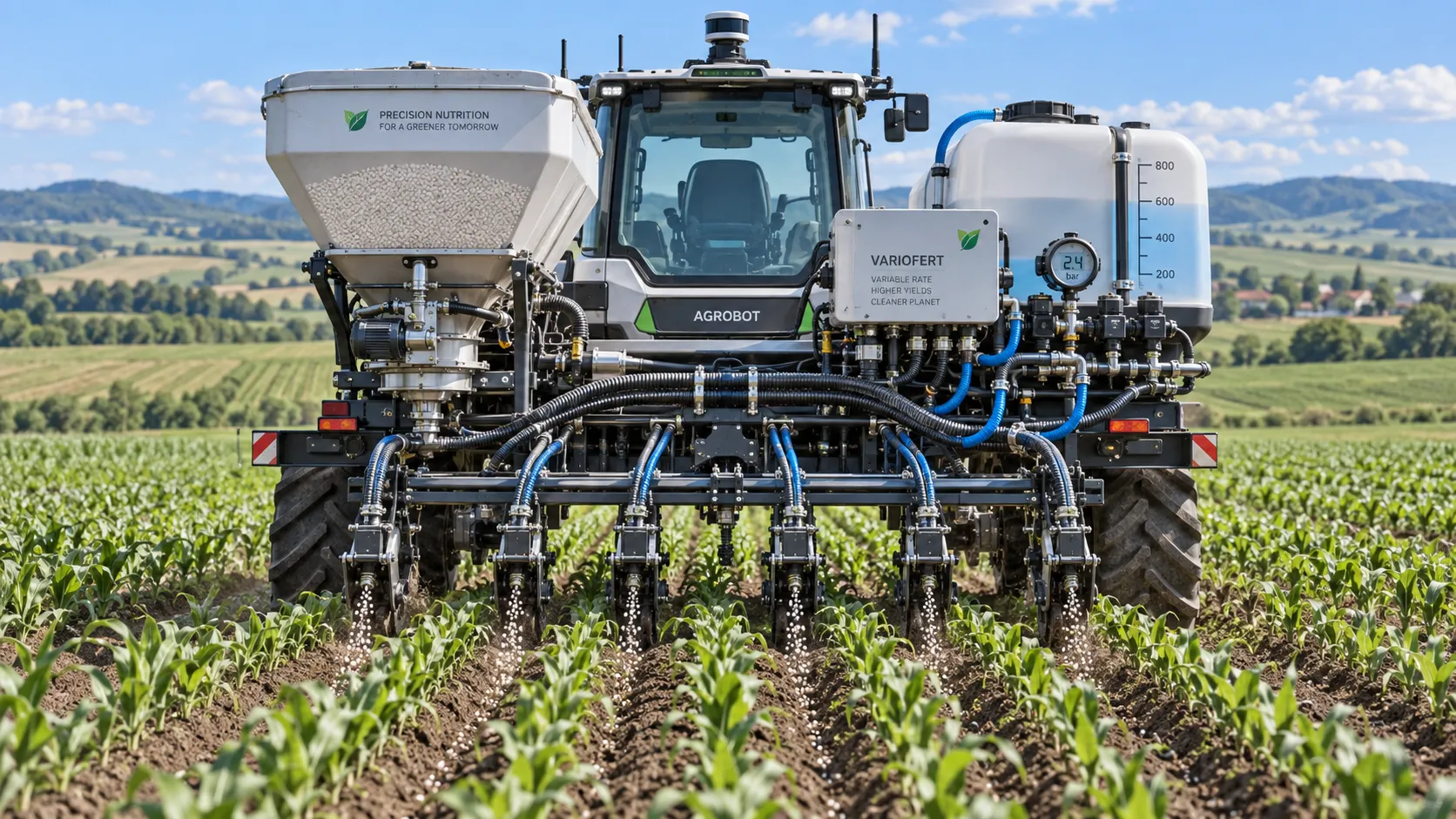
How Sensor Feedback Enables Accurate Variable-Rate Fertilization in Field Conditions
Precision fertilization systems with sensor feedback improve variable-rate accuracy by verifying flow, managing latency, and ensuring reliable field application.
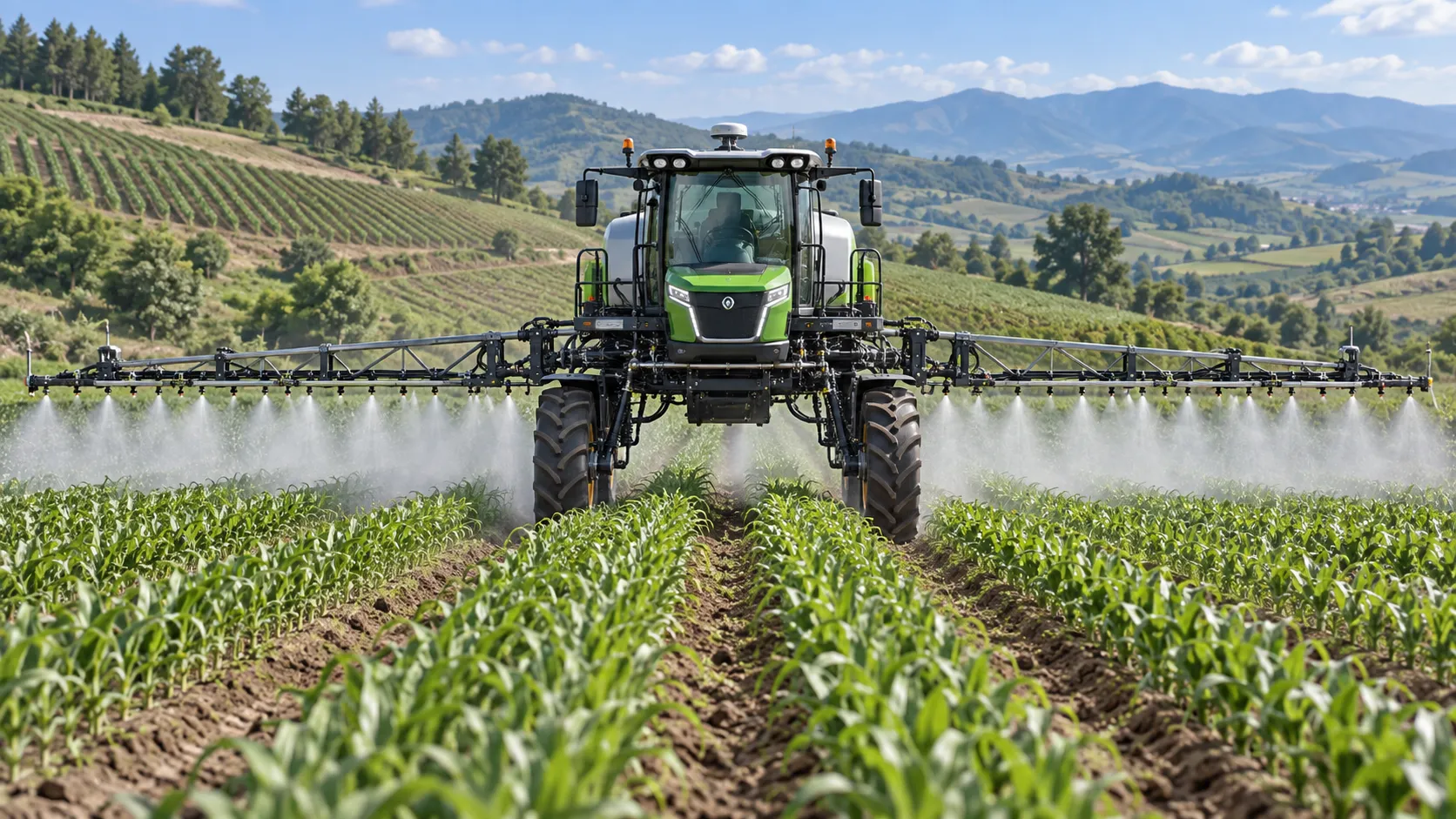
How to Select Precision Crop Protection Equipment for Variable Field Conditions
Precision crop protection equipment selection made simple: compare terrain, canopy, weather, control accuracy, and data workflows for reliable applications.
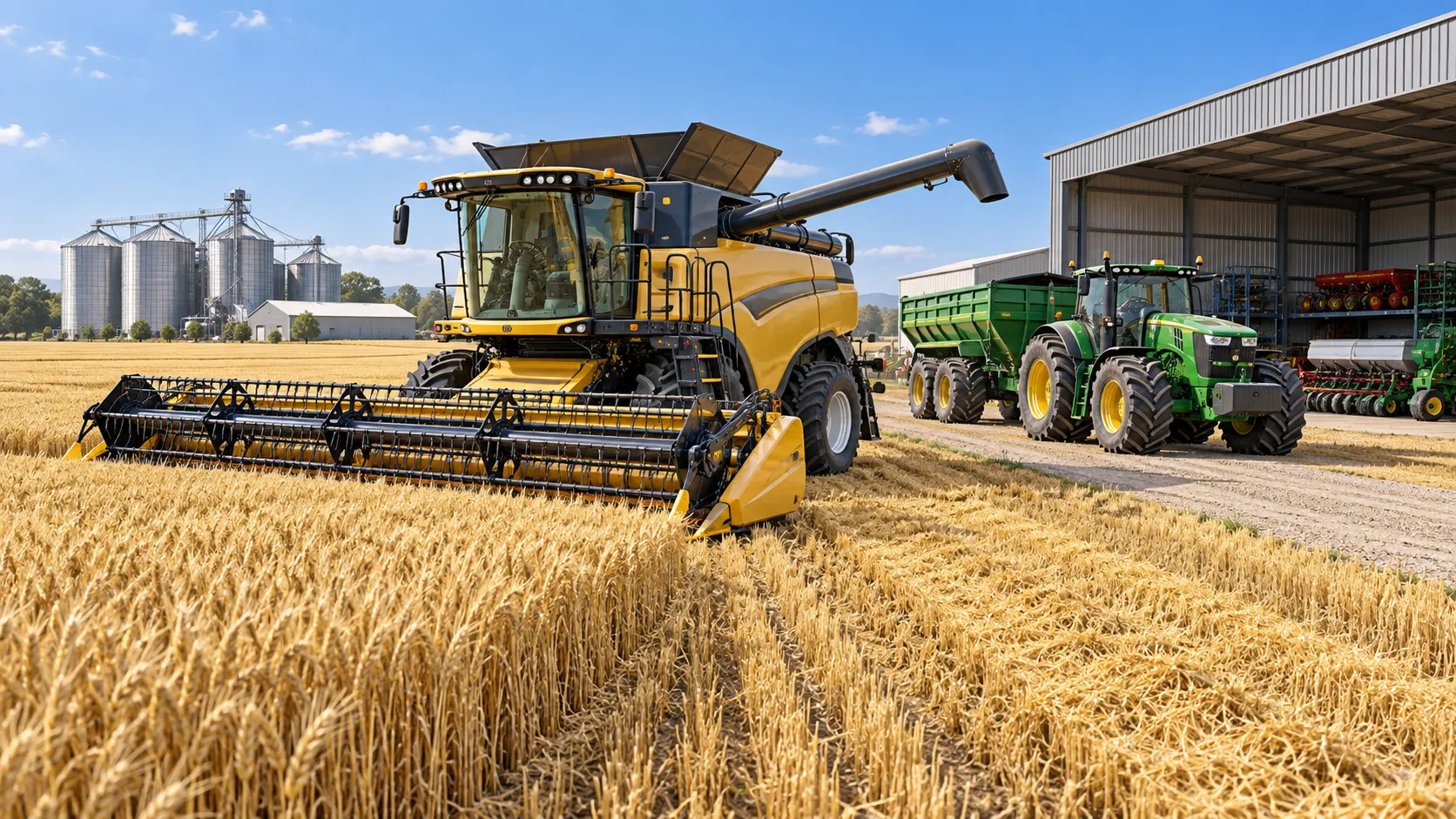
When Does Agricultural Machinery Leasing Cost Less Than Owning Equipment?
Agricultural machinery leasing can lower farm costs when use is seasonal or uncertain. Compare utilization, maintenance, cash flow, and risk to make a smarter equipment decision.
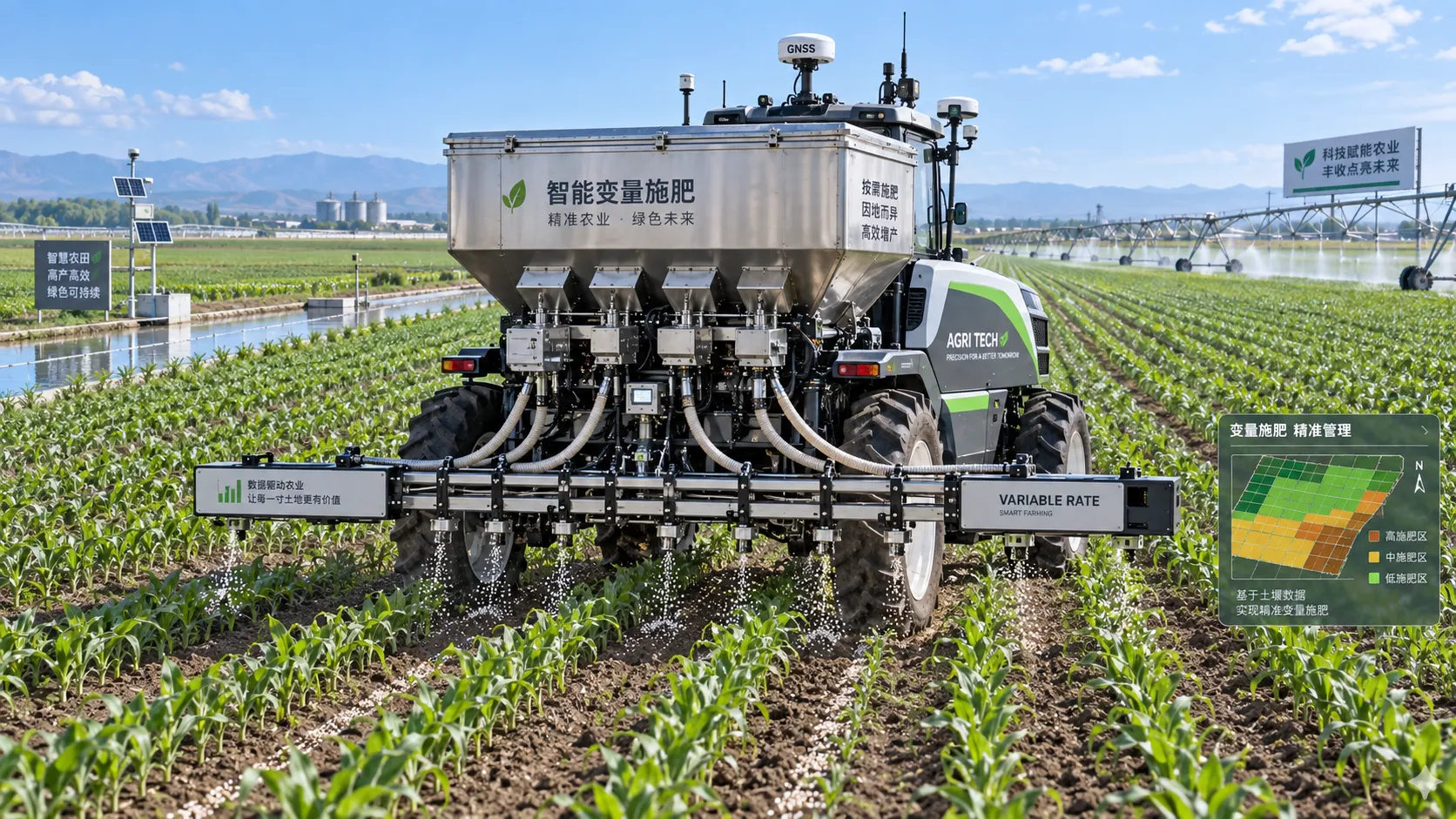
How to Evaluate Precision Fertilization System Suppliers for Farm-Scale Deployment
Precision fertilization systems suppliers: learn how to compare accuracy, integration, uptime, service, and total cost for confident farm-scale deployment.
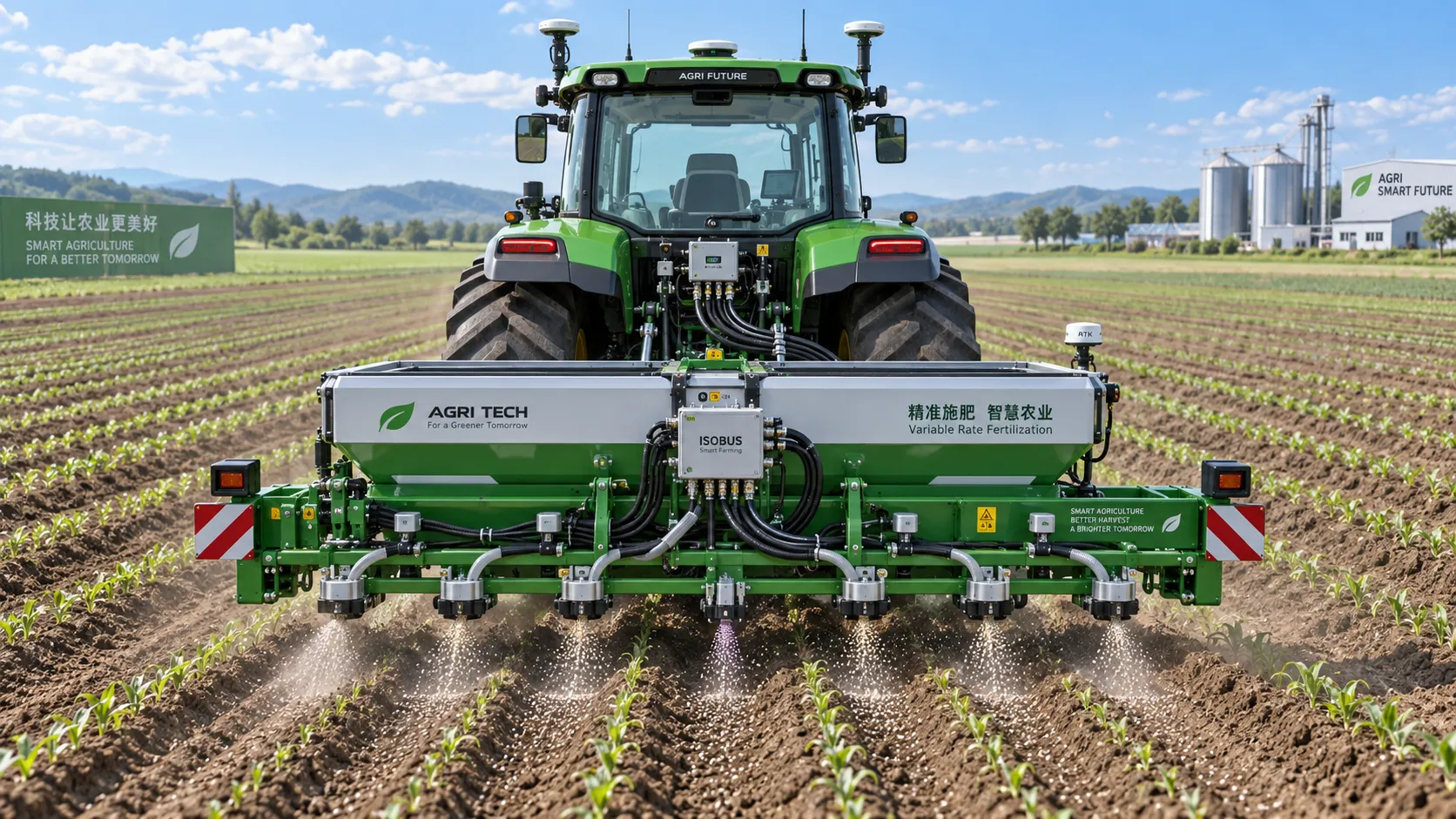
ISOBUS for Smart Agriculture: How It Connects Tractors, Implements, and Farm Data
ISOBUS for smart agriculture connects tractors, implements, terminals, and farm data—helping growers improve precision, documentation, and smarter field decisions.
Related News
- 00
0000-00
What separates robotic automation providers for equipment production? - 00
0000-00
Which field data collection provider fits an agricultural robotics program? - 00
0000-00
How Autonomous Machinery for Crop Scouting Helps Growers Detect Field Issues Earlier - 00
0000-00
How to Evaluate Autonomous Machinery for Vineyards by Terrain, Tasks, and ROI - 00
0000-00
Brazil ANVISA Rule Requires Portuguese Risk Labels for Farm Robots
Popular Tags
Tractor Power Architect
Weekly Insights
Stay ahead with our curated technology reports delivered every Monday.