
Saudi SASO Mandates PLd Safety Level for Autonomous Farm Machinery
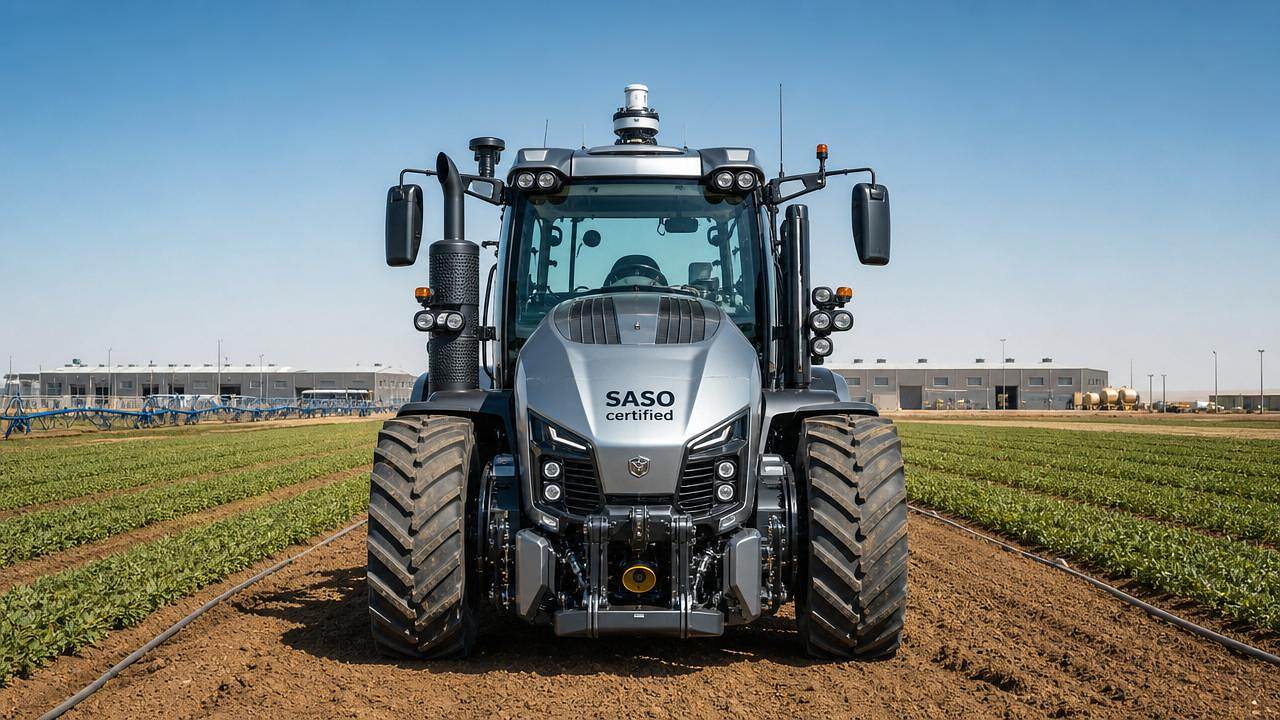




Saudi Arabia’s Standards, Metrology and Quality Organization (SASO) issued Amendment 1 to SASO IEC 62061:2026 on May 16, 2026, introducing a mandatory Performance Level d (PLd) requirement for safety-related control systems in imported autonomous agricultural machinery. Effective September 1, 2026, the regulation applies to autonomous robots, smart seeders, and CVT-transmission tractors. Exporters—particularly manufacturers in China—must obtain third-party functional safety assessment and a PFM certificate issued by a SASO-recognized body. This development directly impacts agricultural equipment exporters, certification service providers, and supply chain stakeholders engaged in Saudi market access.
Event Overview
On May 16, 2026, SASO published Amendment 1 to SASO IEC 62061:2026. The amendment mandates that all imported autonomous agricultural machinery—including autonomous robots, intelligent seeders, and continuously variable transmission (CVT) tractors—must incorporate safety control systems certified to at least Performance Level d (PLd) per ISO 13849-1. Enforcement begins on September 1, 2026. Chinese manufacturers exporting such equipment to Saudi Arabia are required to complete a third-party functional safety evaluation and obtain a Product Functional Safety Mark (PFM) certificate from a SASO-recognized conformity assessment body.
Industries Affected
Export-Oriented Agricultural Equipment Manufacturers
Manufacturers supplying autonomous or semi-autonomous farm machinery to Saudi Arabia will face direct compliance obligations. Their products’ safety control architecture—including sensors, logic solvers, and actuators—must now meet PLd requirements, which involve rigorous design validation, fault tolerance analysis, and documented hardware fault tolerance (HFT) and diagnostic coverage (DC) metrics. Non-compliant units risk rejection at customs or withdrawal from the market post-September 2026.
Certification and Testing Service Providers
Conformity assessment bodies accredited by SASO—or seeking accreditation—will see increased demand for functional safety evaluations aligned with IEC 62061 and ISO 13849-1. The requirement for PFM certification introduces a new service scope: verifying not only component-level safety integrity but also system-level integration and operational context compliance (e.g., environmental conditions, maintenance intervals, and failure mode assumptions).
Supply Chain and Technical Documentation Managers
Suppliers of safety-critical subsystems (e.g., safety PLCs, redundant sensor modules, or safety-rated drives) must ensure their components carry valid safety claims traceable to PLd. Original equipment manufacturers (OEMs) will need to review and update technical documentation—including safety manuals, FMEDA reports, and validation test records—to support PFM certification. Gaps in legacy documentation may delay certification timelines.
Key Considerations and Recommended Actions for Affected Entities
Monitor official SASO communications for implementation guidance
SASO has not yet published detailed interpretation documents, transition rules for existing stock, or a finalized list of recognized bodies for PFM certification. Stakeholders should track SASO’s official portal and notifications for updates on accepted evaluation methodologies, certificate validity periods, and potential grace periods for pre-September shipments.
Prioritize product lines with imminent Saudi shipments
Manufacturers should identify models scheduled for export between September 2026 and March 2027 and initiate functional safety reviews immediately. Priority should be given to units incorporating programmable electronic safety systems, as these require full lifecycle assessment under IEC 62061—unlike purely electromechanical solutions, which may follow ISO 13849-1 pathways.
Distinguish between regulatory signal and operational readiness
The amendment reflects SASO’s formal adoption of international functional safety benchmarks—but does not yet specify enforcement mechanisms (e.g., document checks only vs. physical testing). Companies should treat the rule as binding for new certifications while recognizing that field verification protocols remain pending. Compliance planning should therefore focus on verifiable evidence generation rather than speculative audit preparation.
Initiate early engagement with SASO-recognized assessment bodies
Lead times for functional safety assessments can exceed 12 weeks, especially when hardware fault tolerance validation or diagnostic coverage testing is required. Manufacturers should contact SASO-recognized bodies now to confirm availability, scope alignment, and documentation requirements—rather than waiting for final product readiness.
Editorial Perspective / Industry Observation
Observably, this amendment signals SASO’s strategic shift toward harmonizing agricultural machinery safety regulation with industrial functional safety frameworks—notably those applied in process automation and robotics. Analysis shows it functions less as an isolated technical update and more as a structural step toward integrating autonomous farm equipment into broader national occupational health and safety governance. From an industry perspective, the PLd threshold suggests SASO views these machines as operating in environments where hazardous motion or unpredictable interaction poses medium-to-high risk—akin to factory-floor robotics rather than traditional static machinery. Current attention should focus less on whether the requirement is ‘strict’ and more on how it redefines baseline eligibility for market entry: functional safety is no longer a differentiator but a prerequisite.
Conclusion
This regulatory update establishes a clear, non-negotiable safety performance floor for autonomous agricultural machinery entering Saudi Arabia. It does not introduce new technology mandates but elevates evidentiary expectations for existing safety systems. For affected stakeholders, the change is best understood not as a temporary compliance hurdle but as a durable recalibration of market access criteria—one that aligns Saudi requirements more closely with EU Machinery Regulation (2023/1230) and IEC functional safety norms. Proactive, documentation-driven preparation remains the most operationally viable response.
Source Attribution
Main source: SASO IEC 62061:2026 Amendment 1, published May 16, 2026.
Areas requiring ongoing observation: SASO’s official list of recognized PFM certification bodies; detailed guidance on transition arrangements for contracts signed prior to September 2026; and clarification on applicability to retrofit kits or aftermarket safety upgrades.
Related News
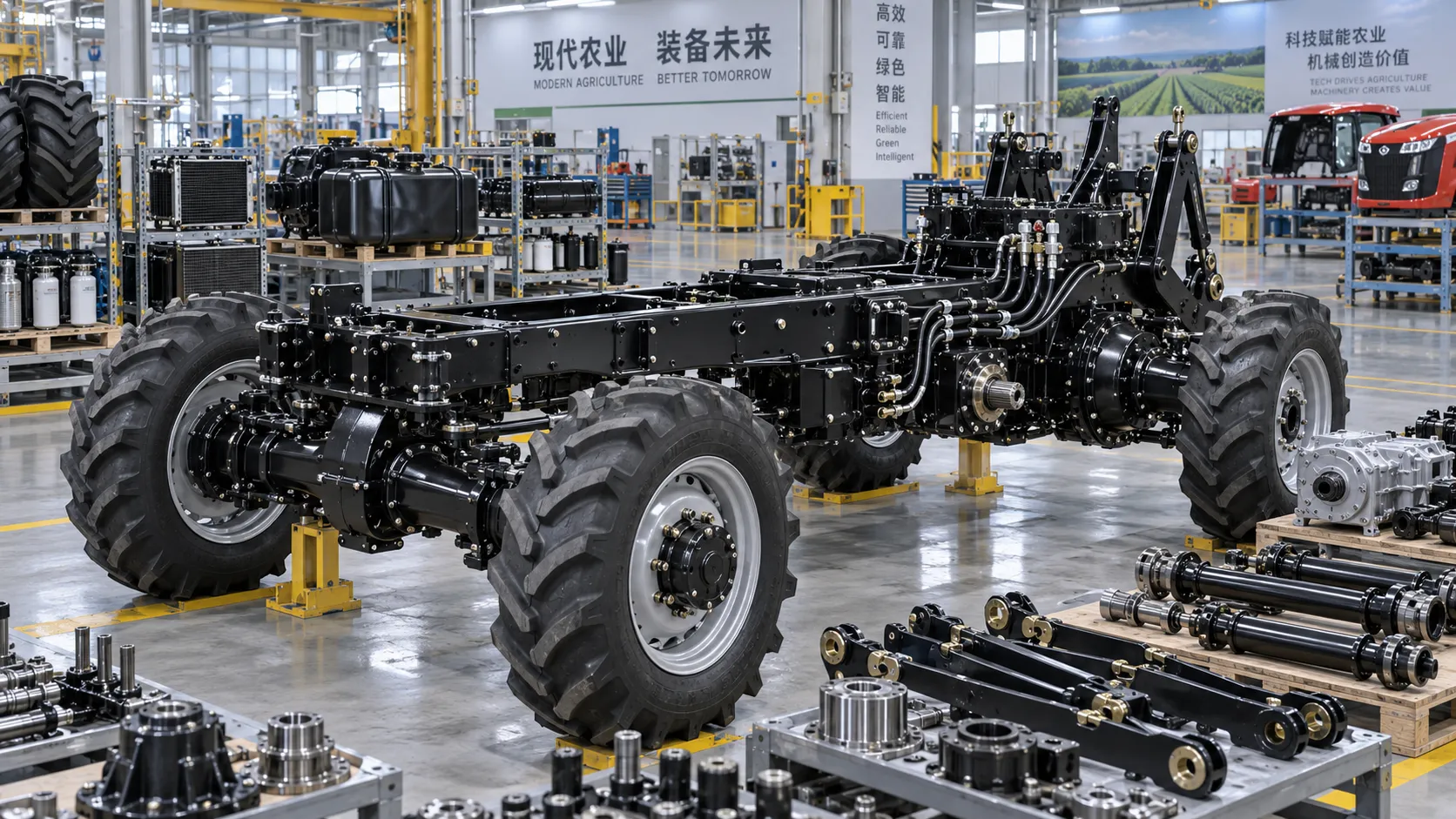
Tractor Chassis Price: What Buyers Should Compare Beyond the Initial Quote
Tractor chassis price is only the start. Compare load capacity, compatibility, durability, and lifecycle costs to choose a reliable, high-value chassis.
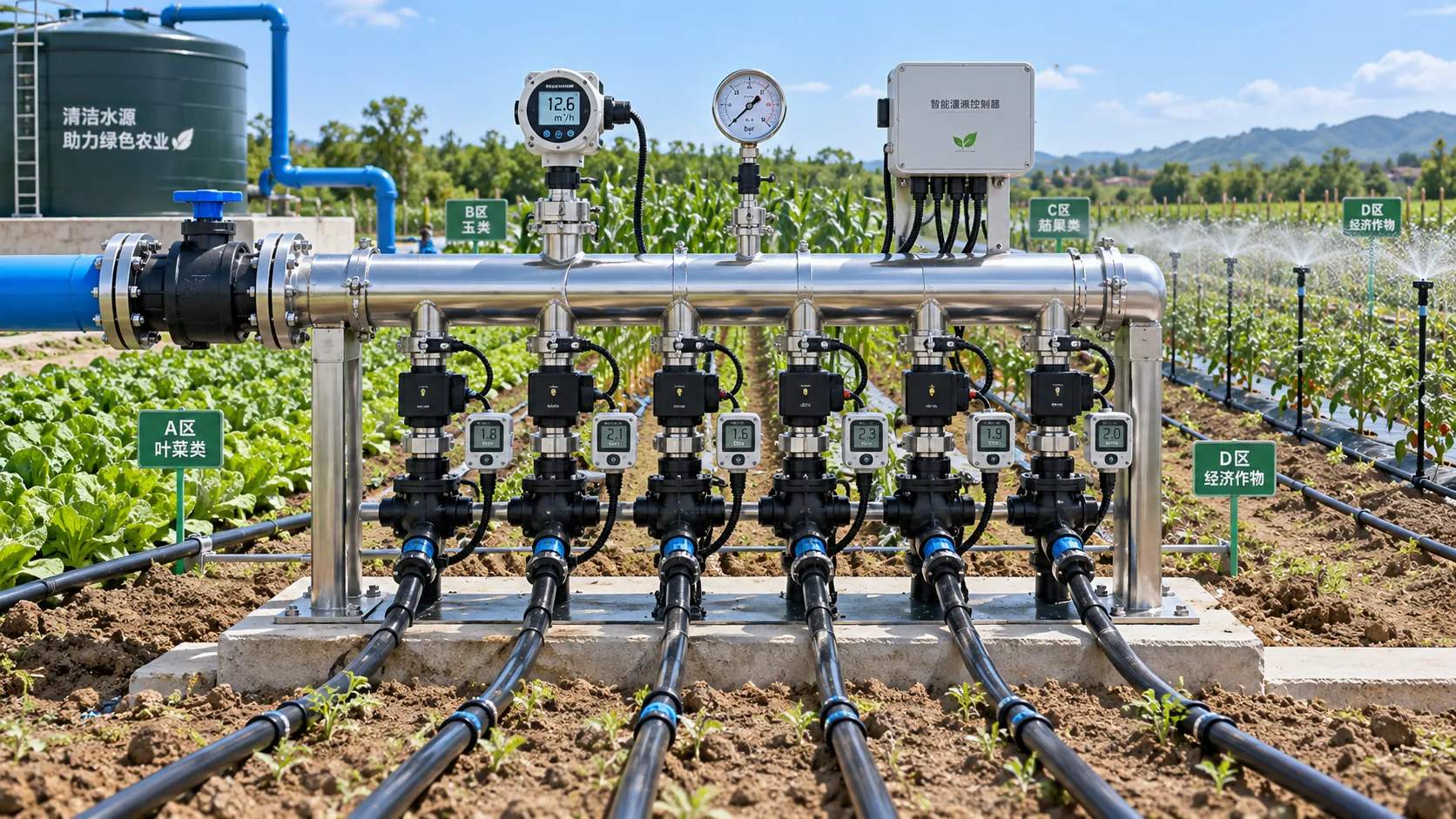
How to Select Smart Irrigation Valves for Multi-Zone Water Management?
Intelligent irrigation systems valves: learn how to match smart valves with multi-zone flow, pressure, control, feedback, and communication needs for reliable water management.
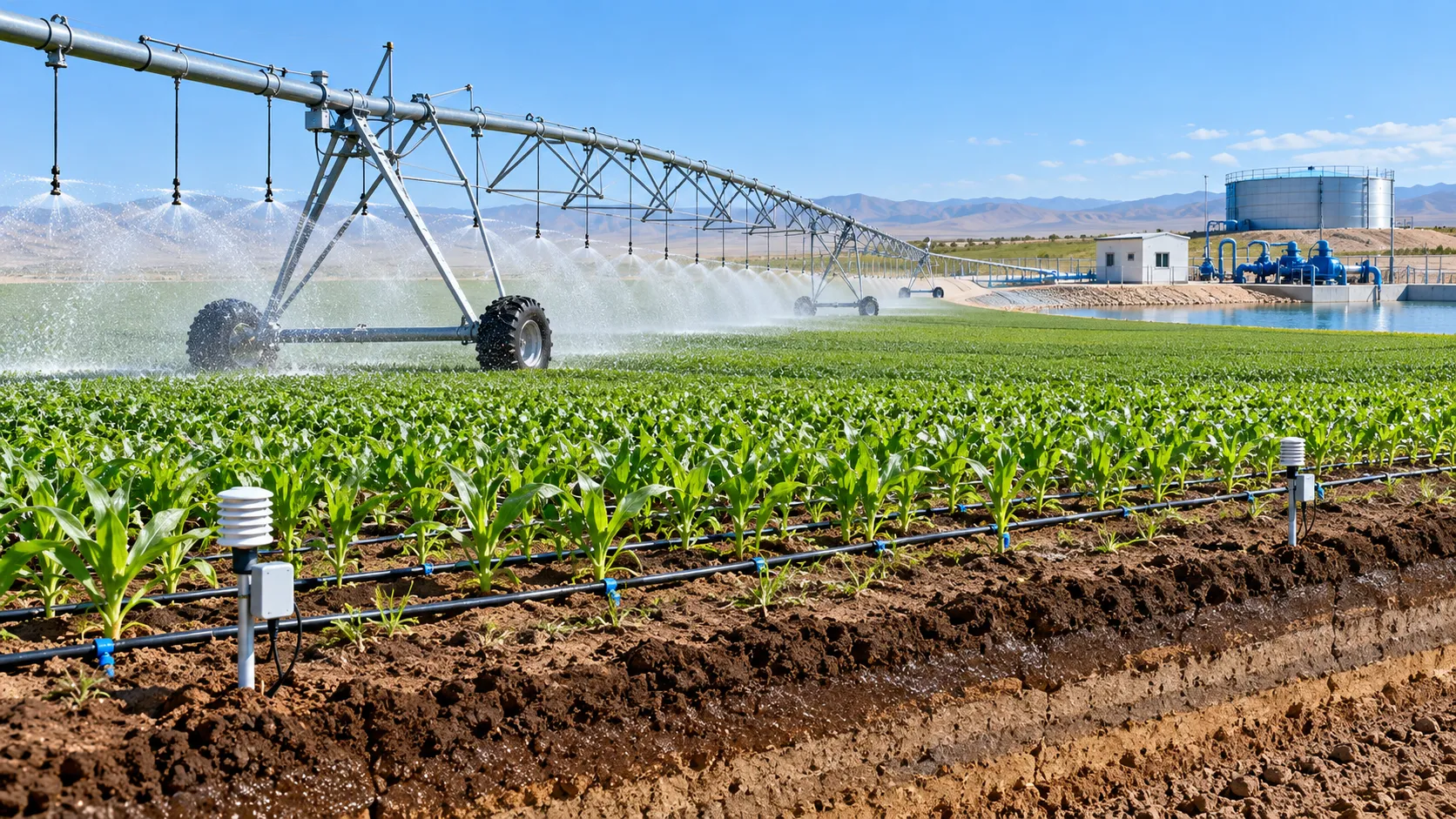
Climate-Smart Farming for Drought: A Practical Plan for Protecting Yields
Climate-smart farming for drought: build smarter water budgets, protect critical crop stages, improve irrigation uniformity, and safeguard yields with practical field-proven strategies.
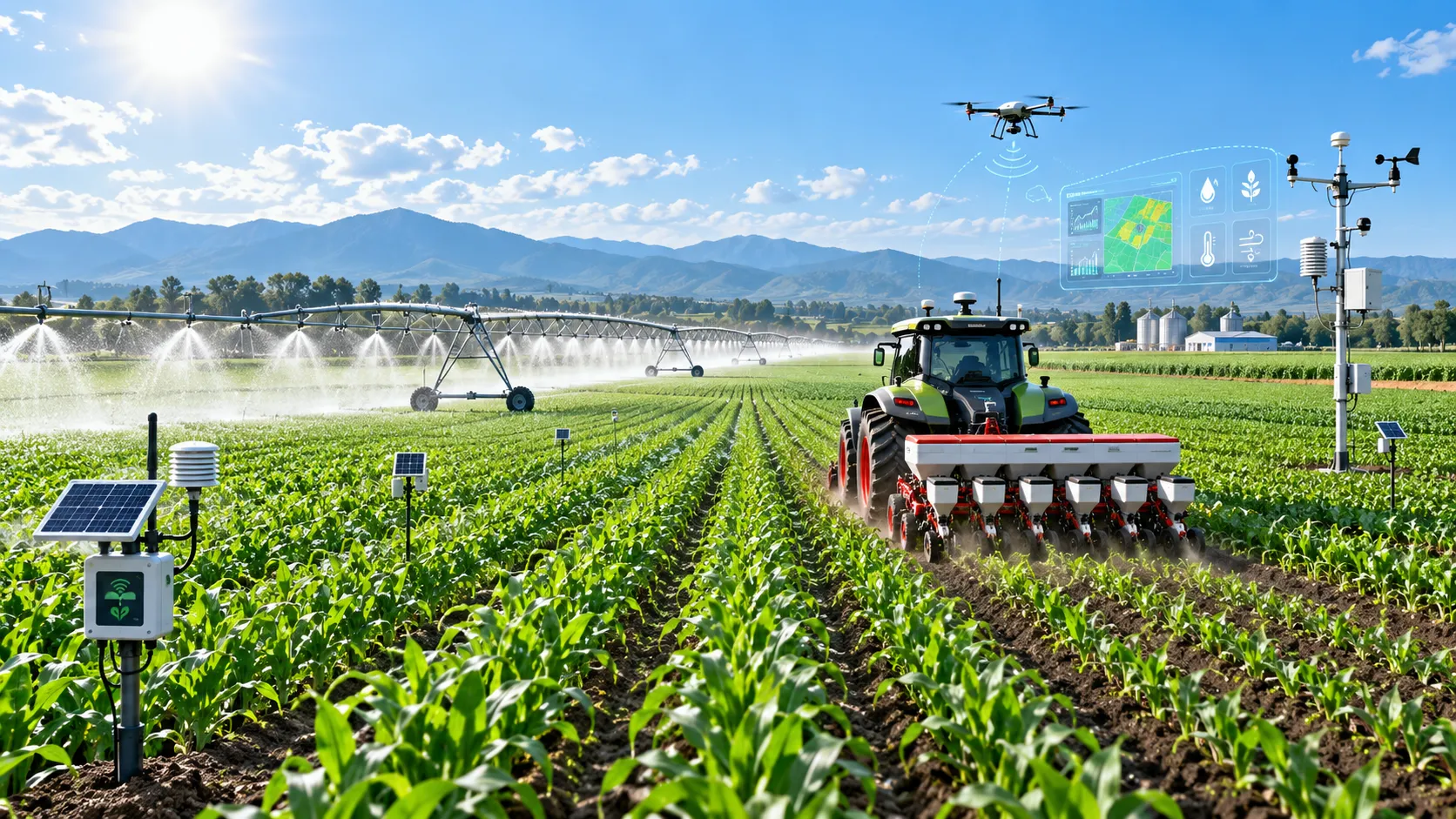
How Digital Agriculture Platforms Turn Field Data Into Better Input Decisions
Digital agriculture platforms turn field data into smarter fertilizer, water, seed, and equipment decisions—helping farms cut risk, improve margins, and scale sustainability.
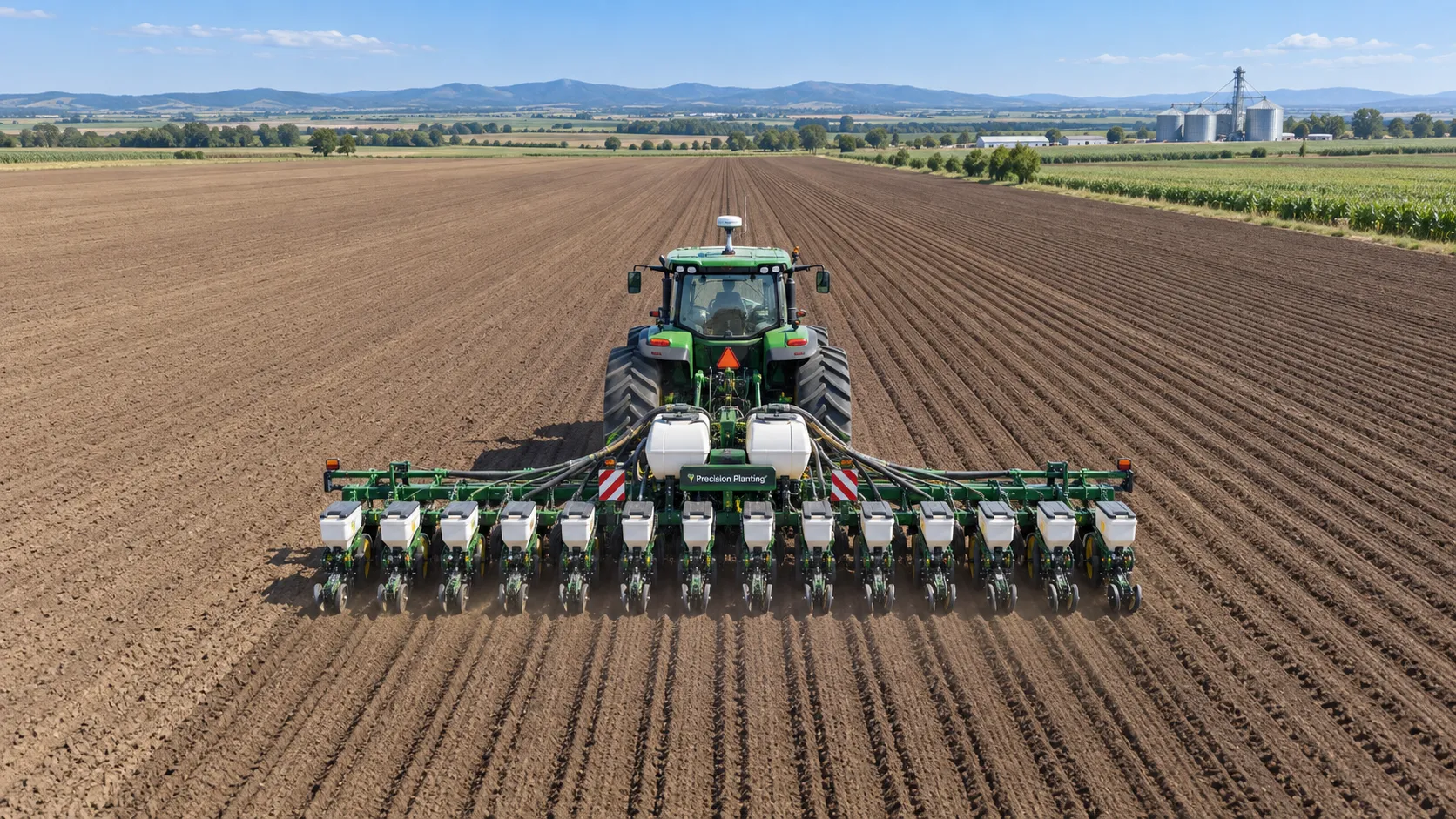
GPS-Guided Farm Machinery: Where It Delivers Measurable Field Efficiency Gains
Agri-mechanization GPS guided systems deliver measurable field efficiency gains through reduced overlap, precise planting, smarter inputs, and reliable farm data.
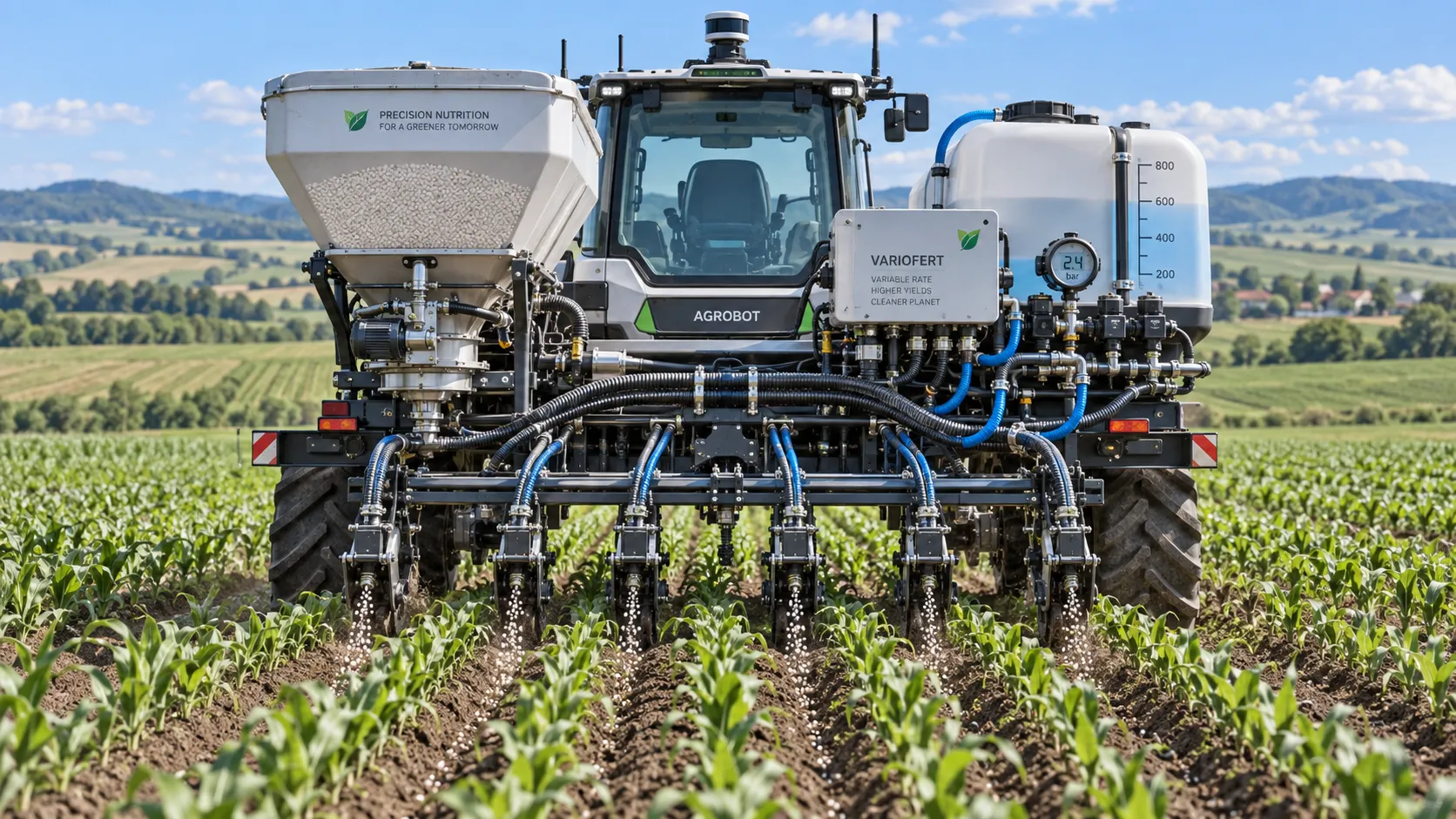
How Sensor Feedback Enables Accurate Variable-Rate Fertilization in Field Conditions
Precision fertilization systems with sensor feedback improve variable-rate accuracy by verifying flow, managing latency, and ensuring reliable field application.
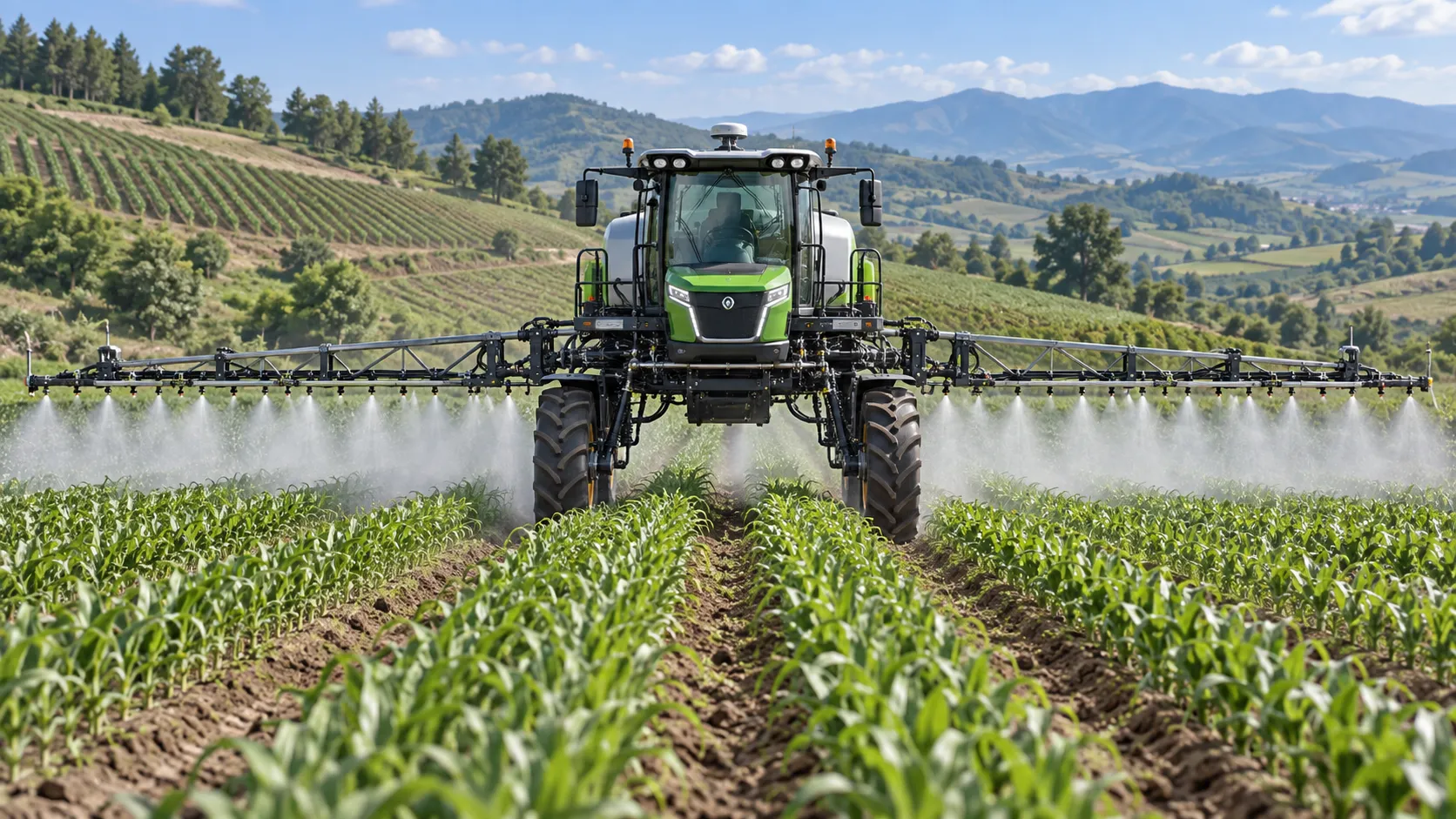
How to Select Precision Crop Protection Equipment for Variable Field Conditions
Precision crop protection equipment selection made simple: compare terrain, canopy, weather, control accuracy, and data workflows for reliable applications.

When Does Agricultural Machinery Leasing Cost Less Than Owning Equipment?
Agricultural machinery leasing can lower farm costs when use is seasonal or uncertain. Compare utilization, maintenance, cash flow, and risk to make a smarter equipment decision.
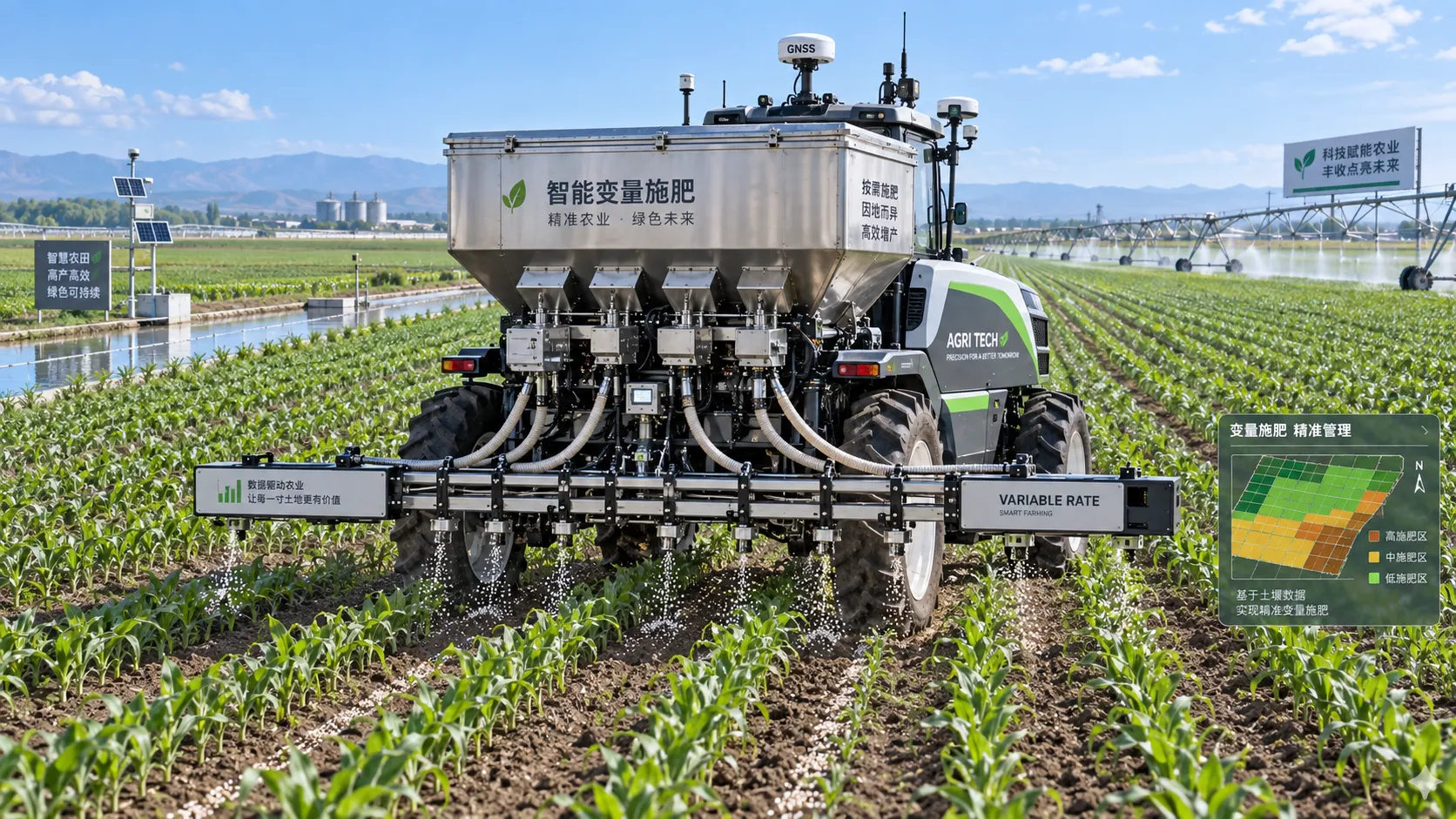
How to Evaluate Precision Fertilization System Suppliers for Farm-Scale Deployment
Precision fertilization systems suppliers: learn how to compare accuracy, integration, uptime, service, and total cost for confident farm-scale deployment.
Related News
- 00
0000-00
What separates robotic automation providers for equipment production? - 00
0000-00
Which field data collection provider fits an agricultural robotics program? - 00
0000-00
How Autonomous Machinery for Crop Scouting Helps Growers Detect Field Issues Earlier - 00
0000-00
How to Evaluate Autonomous Machinery for Vineyards by Terrain, Tasks, and ROI - 00
0000-00
Brazil ANVISA Rule Requires Portuguese Risk Labels for Farm Robots
Popular Tags
Tractor Power Architect
Weekly Insights
Stay ahead with our curated technology reports delivered every Monday.