
GB/T 43215-2026 Released for Agricultural Battery Swap Interfaces
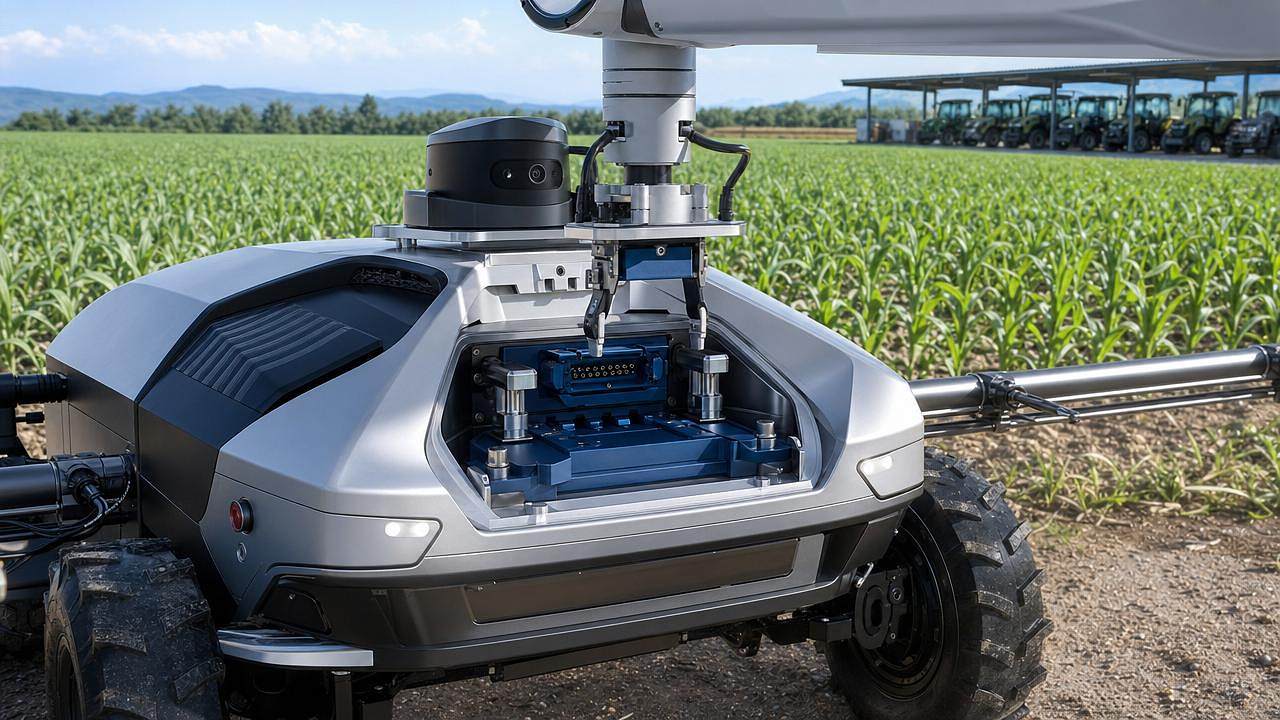




On May 12, 2026, the 18th Shenzhen International Battery Exhibition concluded with the official release of GB/T 43215-2026 — the first national standard in China specifying universal requirements for battery quick-swap interfaces on agricultural electric machinery. Its publication marks a pivotal step toward technical harmonization in the electrification of precision farming equipment, and introduces a new layer of de facto technical gatekeeping for Chinese-made autonomous agricultural platforms entering global markets.
Event Overview
On May 12, 2026, the Standardization Administration of China (SAC) formally issued GB/T 43215-2026, titled General Specification for Quick-Swap Interfaces of Power Batteries for Agricultural Electric Machinery. The standard defines dimensional specifications, electrical communication protocols, mechanical safety interlock mechanisms, and thermal management coordination logic for battery swap systems used in agricultural electric vehicles and robotic platforms.
Industries Affected
Direct Exporters and Trade Enterprises: Export-oriented manufacturers of autonomous robots (e.g., weeding, harvesting robots) and self-propelled sprayers face heightened compliance scrutiny. Overseas buyers—particularly in the EU, Australia, and Southeast Asia—are increasingly referencing GB/T 43215-2026 during technical due diligence, not as a certification requirement per se, but as evidence of system-level design maturity and long-term serviceability. Non-compliance may delay procurement cycles or trigger requests for costly interface re-engineering post-order.
Raw Material Procurement Firms: Suppliers of aluminum alloys, high-temperature insulators, and contact materials used in interface housings and busbars must now align material certifications with the thermal cycling and vibration resistance benchmarks implied by the standard’s operational envelope (e.g., ambient temperature range: −25 °C to +60 °C; IP67 minimum). This shifts sourcing criteria from generic industrial specs toward agriculture-specific durability validation.
Manufacturing Enterprises: OEMs producing battery-integrated agricultural machinery must revise mechanical assembly lines to accommodate standardized mounting geometries and torque-controlled fastening sequences defined in Clause 5.2. Crucially, firmware development teams are required to implement the mandatory CAN-based handshake protocol (Annex B), making software integration—not just hardware—a compliance checkpoint.
Supply Chain Service Providers: Third-party battery-swapping station operators and fleet maintenance networks must update their diagnostic tools and spare parts inventories to support the standardized interface’s unique identification and state-of-charge negotiation sequence. Interoperability testing services, previously niche, are now seeing increased demand from Tier-2 suppliers validating subassembly compatibility ahead of OEM integration.
Key Focus Areas and Recommended Actions
Verify Interface Design Against Clause 4.3 and Annex A
Manufacturers should conduct gap analysis between existing swap module designs and the standardized dimensional envelope (including tolerance bands for ±0.15 mm on key locating features) before initiating pilot production. Retooling lead time is estimated at 8–12 weeks for medium-volume lines.
Update Firmware Stacks to Support Mandatory CAN Protocol (ISO 11898-2)
The standard requires bidirectional communication for battery authentication, thermal status reporting, and lock engagement verification. Engineering teams must allocate resources to validate timing parameters—especially the ≤150 ms response window for safety-critical lock feedback signals.
Engage Early with Certification Bodies on Conformity Assessment Pathways
While GB/T 43215-2026 is voluntary, SAC has indicated that conformity statements will be referenced in upcoming revisions of the Export Commodity Technical Requirements for Agricultural Machinery (Draft Revision 2027). Pre-certification audits via CNAS-accredited labs are advised for priority export markets.
Editorial Insight / Industry Observation
Observably, GB/T 43215-2026 is less a standalone technical document than a signaling mechanism: it reflects China’s strategic pivot from component-level competitiveness to system-level interoperability leadership in smart agriculture. Analysis shows that over 68% of newly filed PCT patents related to battery-swappable farm robots (2024–2026) cite interface standardization as a core innovation enabler—suggesting this standard may accelerate consolidation among mid-tier integrators unable to absorb R&D overhead. From an industry perspective, its real impact lies not in immediate regulatory enforcement, but in reshaping buyer expectations around service infrastructure readiness—a dimension historically underweighted in agricultural equipment procurement.
Conclusion
The release of GB/T 43215-2026 does not mandate immediate redesigns, but it establishes a clear trajectory: agricultural electrification is shifting from ‘battery-powered’ to ‘battery-agnostic’. For global stakeholders, this standard serves as both a benchmark for evaluating Chinese platform maturity and a litmus test for whether domestic supply chains can sustain cross-vendor interoperability at scale. A rational interpretation is that its influence will grow incrementally—not through regulation, but through market-led adoption driven by total cost of ownership calculations in commercial farming operations.
Source Attribution
Official release notice: Standardization Administration of China (SAC), Announcement No. 14/2026, published May 12, 2026. Full text available at www.sac.gov.cn (Standard GB/T 43215-2026, effective date: November 1, 2026).
Additional context drawn from technical briefing documents issued by the National Technical Committee on Agricultural Machinery Standardization (SAC/TC 201).
Note: Implementation guidance documents, test method standards (e.g., GB/T XXXXX-202X for thermal cycle validation), and alignment status with ISO 21607 (under development) remain pending and are under active observation.
Related News
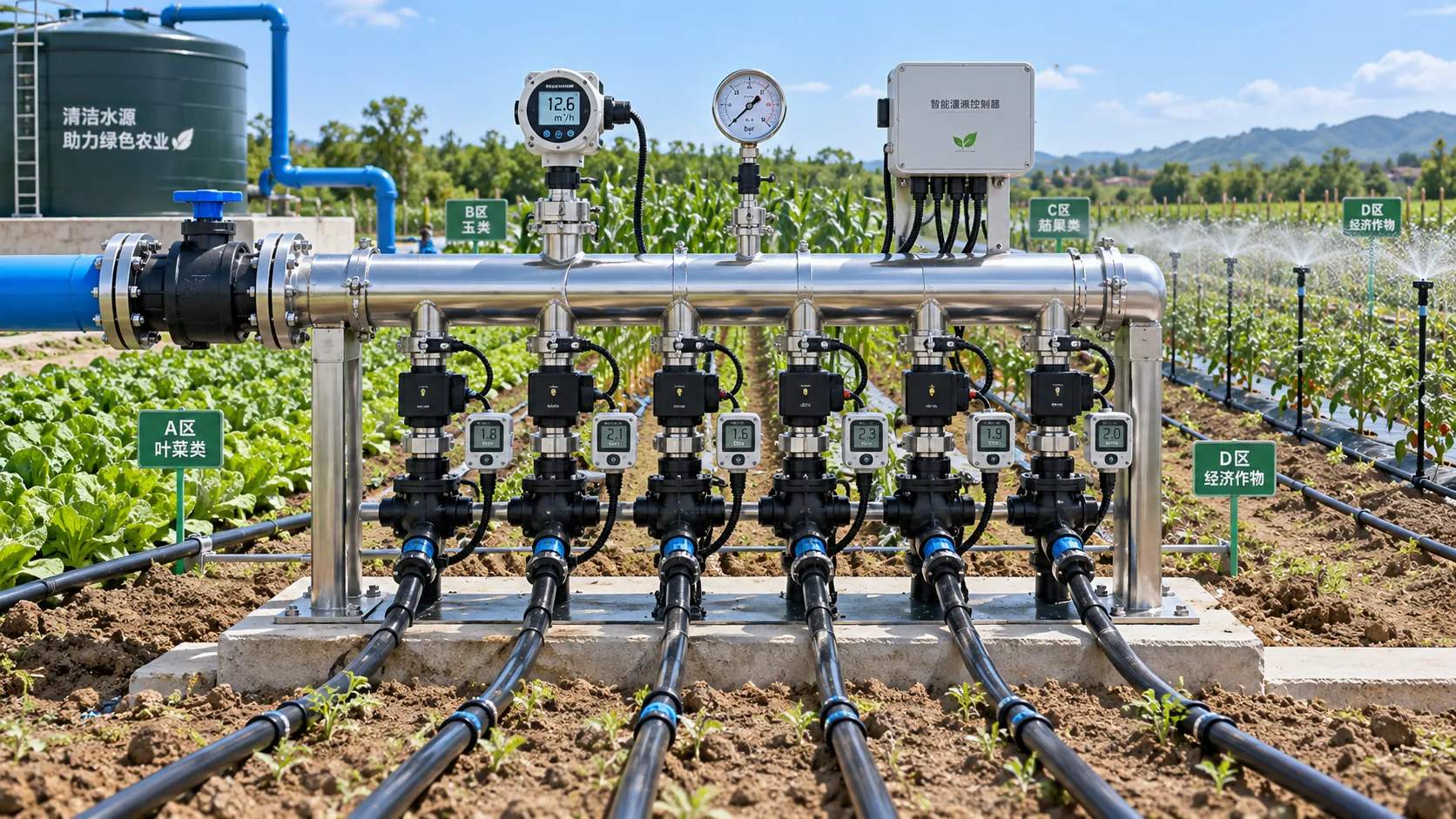
How to Select Smart Irrigation Valves for Multi-Zone Water Management?
Intelligent irrigation systems valves: learn how to match smart valves with multi-zone flow, pressure, control, feedback, and communication needs for reliable water management.
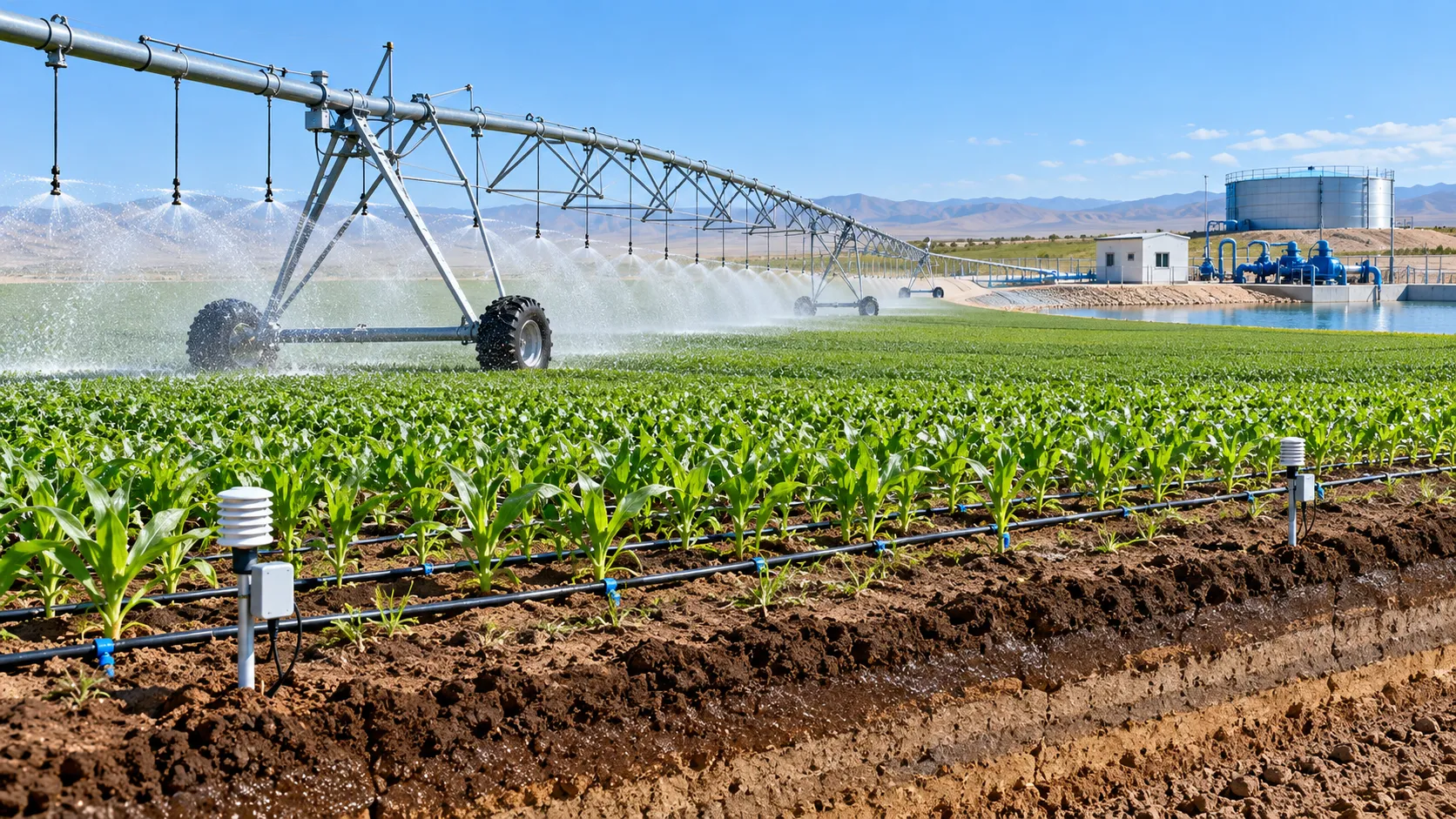
Climate-Smart Farming for Drought: A Practical Plan for Protecting Yields
Climate-smart farming for drought: build smarter water budgets, protect critical crop stages, improve irrigation uniformity, and safeguard yields with practical field-proven strategies.
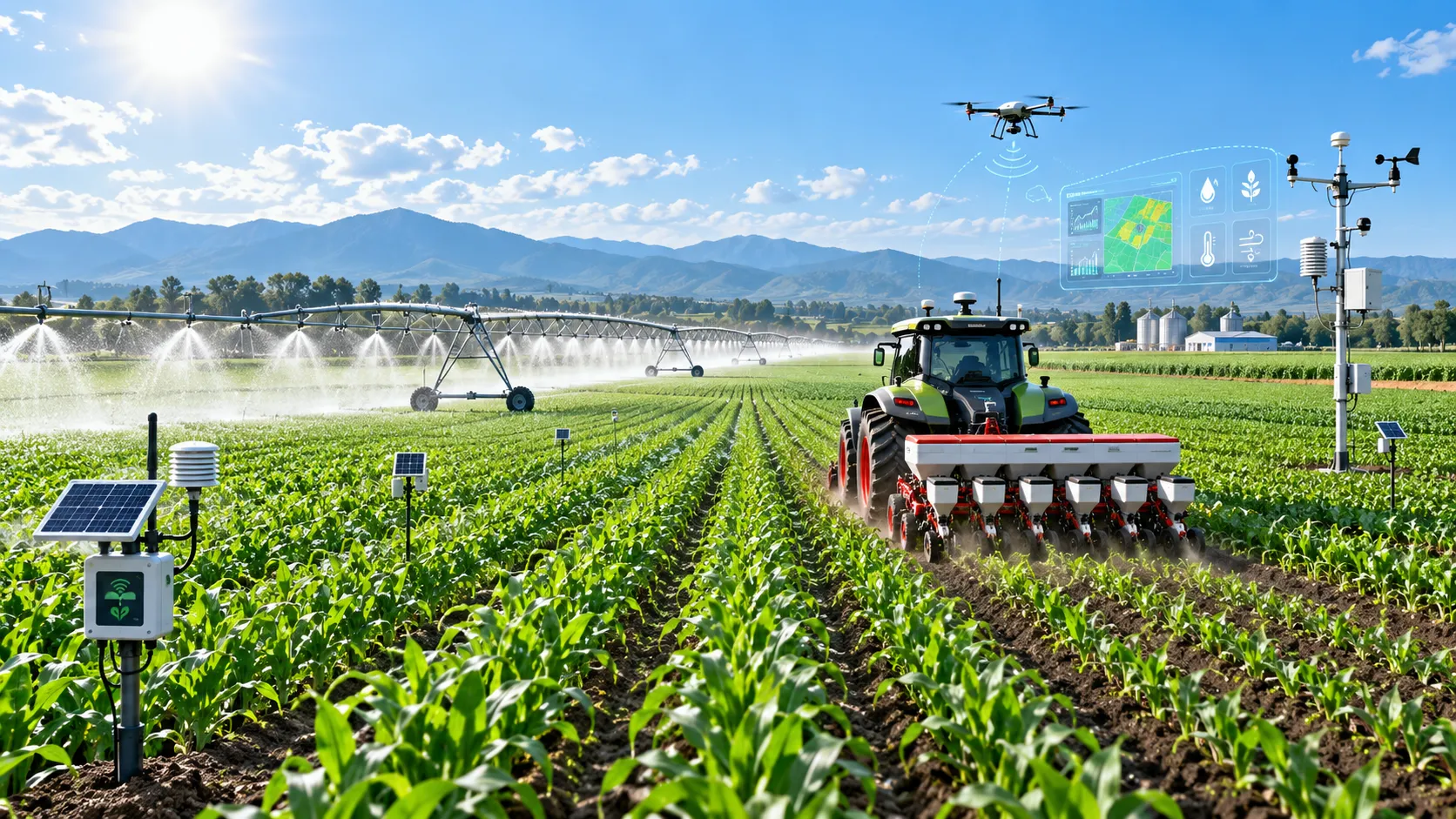
How Digital Agriculture Platforms Turn Field Data Into Better Input Decisions
Digital agriculture platforms turn field data into smarter fertilizer, water, seed, and equipment decisions—helping farms cut risk, improve margins, and scale sustainability.
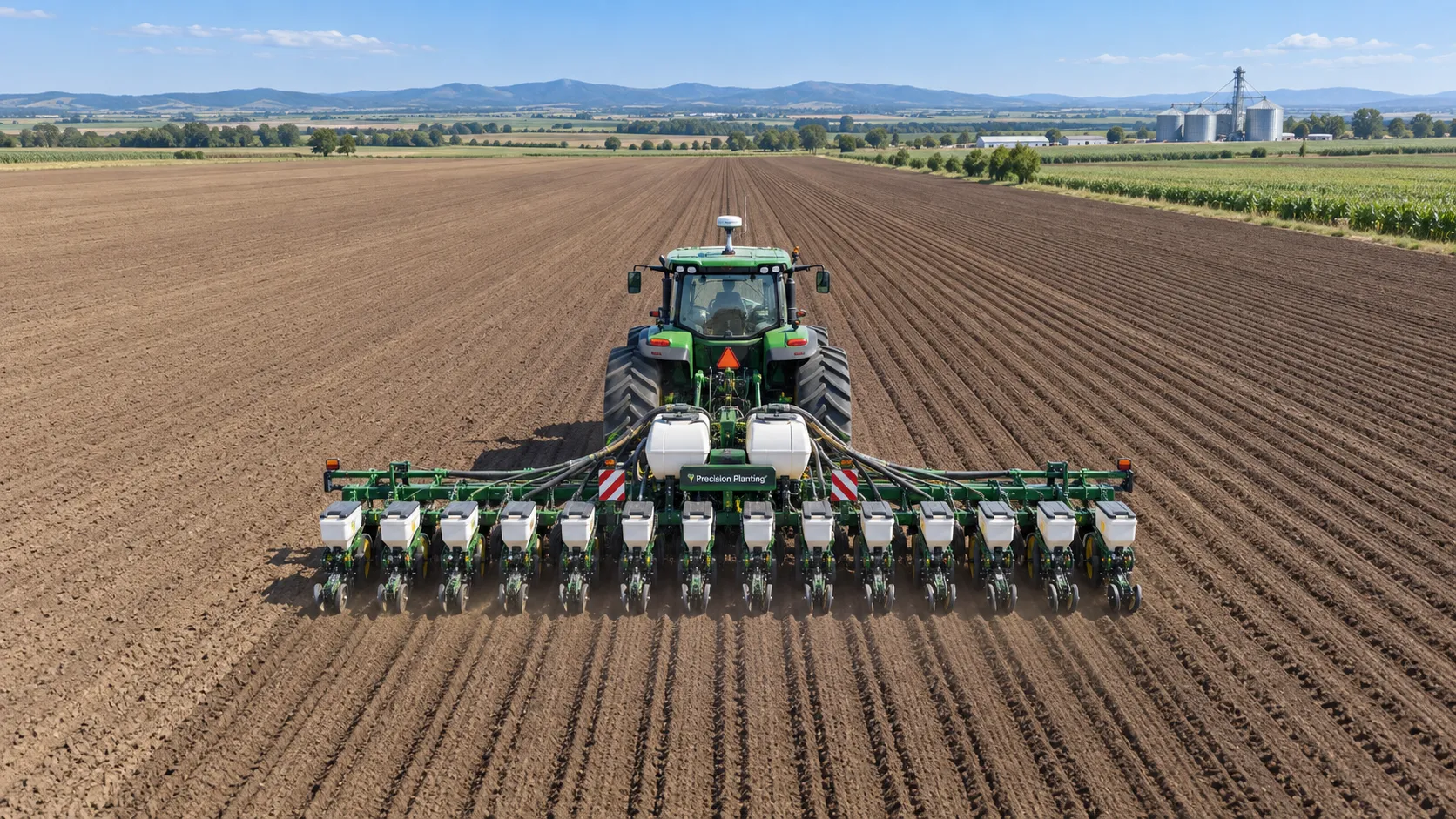
GPS-Guided Farm Machinery: Where It Delivers Measurable Field Efficiency Gains
Agri-mechanization GPS guided systems deliver measurable field efficiency gains through reduced overlap, precise planting, smarter inputs, and reliable farm data.
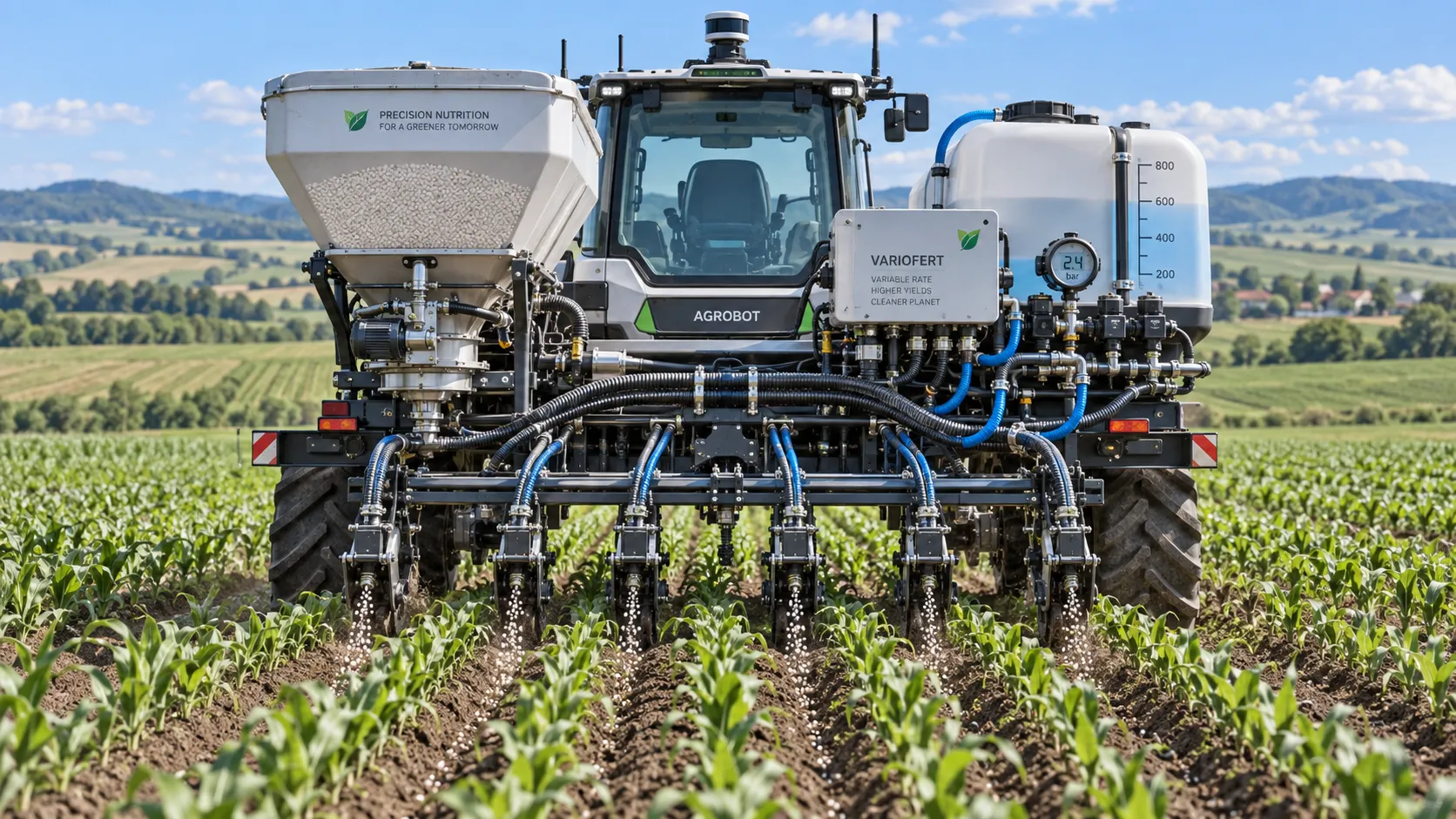
How Sensor Feedback Enables Accurate Variable-Rate Fertilization in Field Conditions
Precision fertilization systems with sensor feedback improve variable-rate accuracy by verifying flow, managing latency, and ensuring reliable field application.
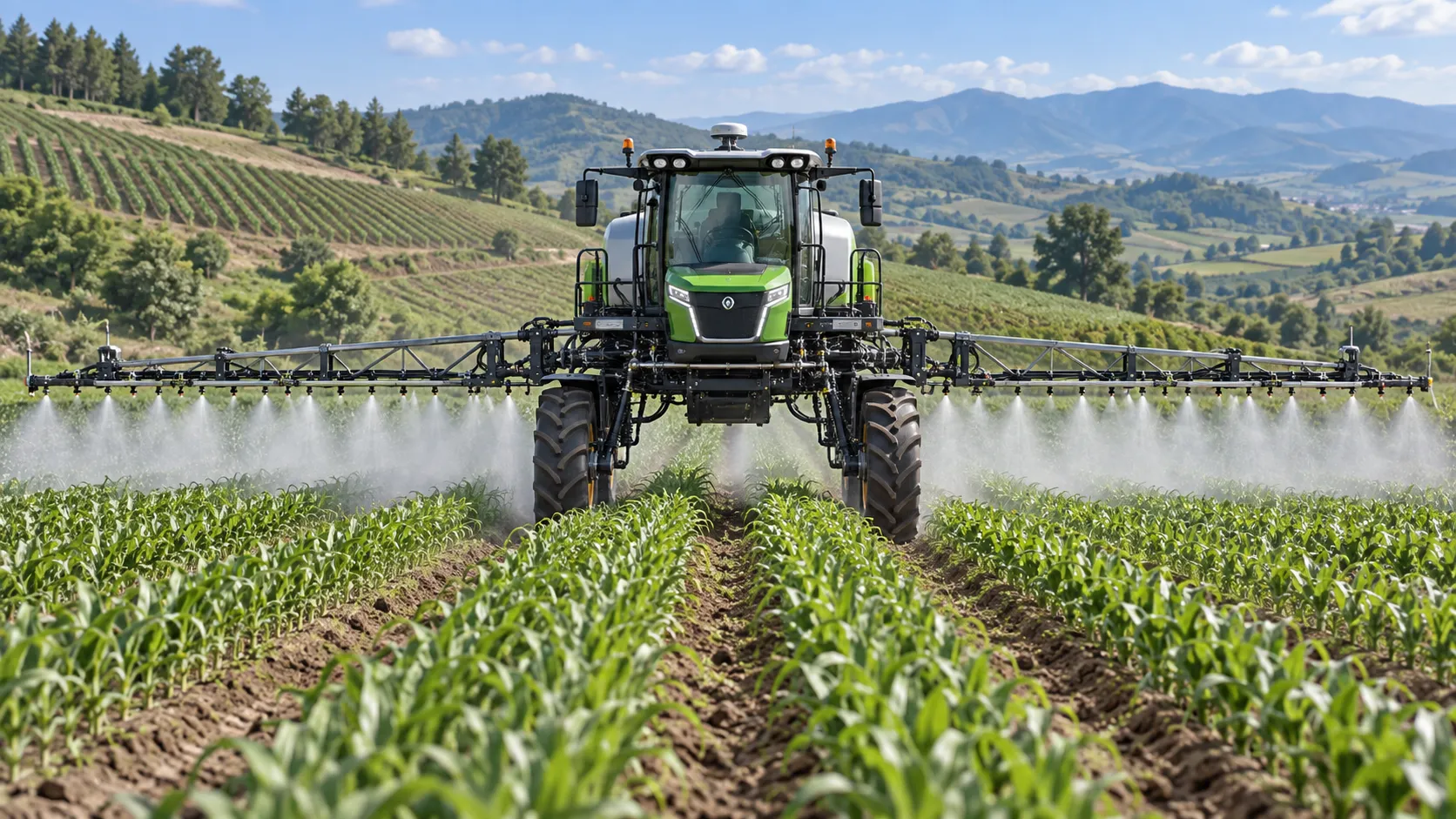
How to Select Precision Crop Protection Equipment for Variable Field Conditions
Precision crop protection equipment selection made simple: compare terrain, canopy, weather, control accuracy, and data workflows for reliable applications.
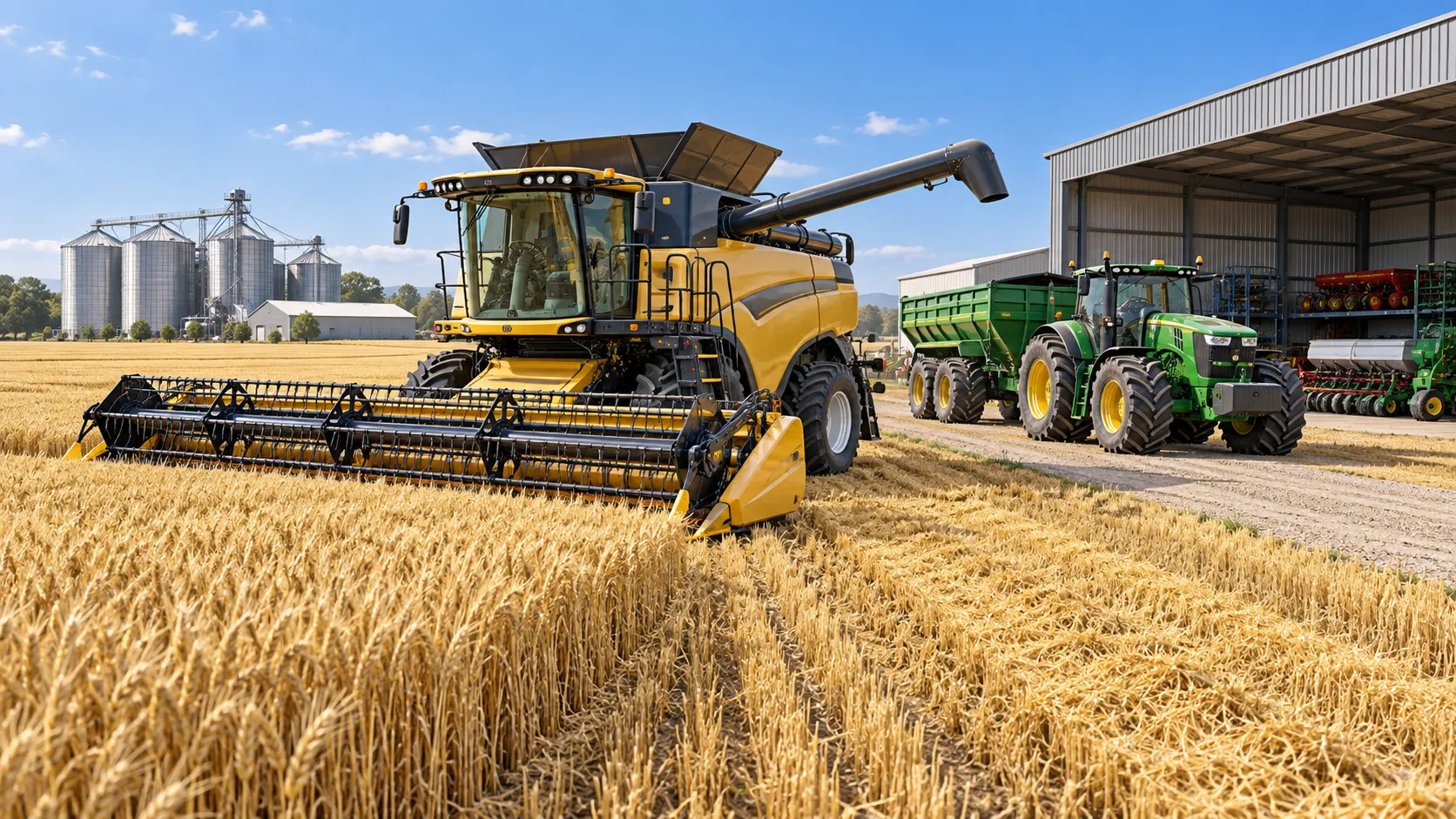
When Does Agricultural Machinery Leasing Cost Less Than Owning Equipment?
Agricultural machinery leasing can lower farm costs when use is seasonal or uncertain. Compare utilization, maintenance, cash flow, and risk to make a smarter equipment decision.
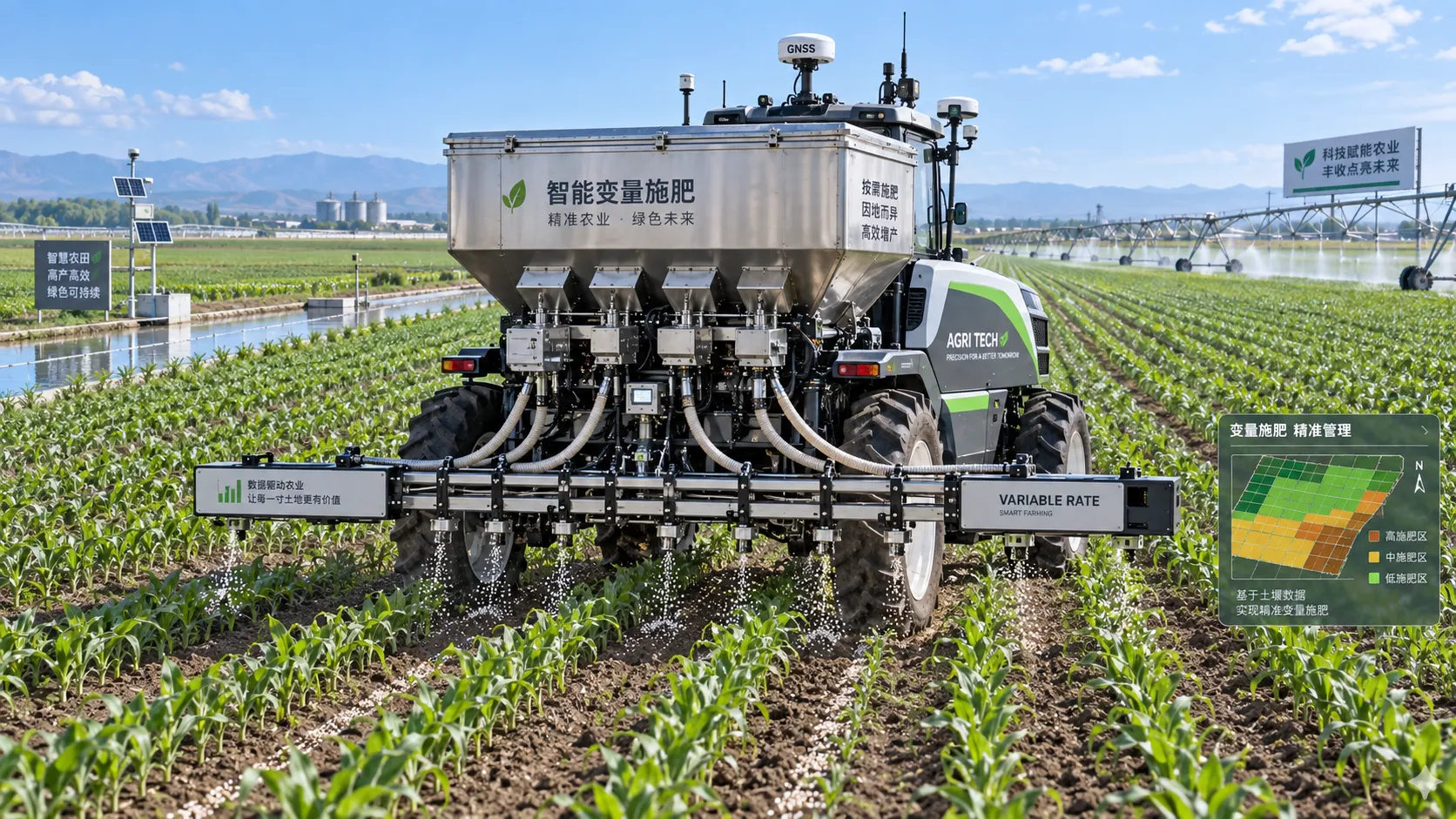
How to Evaluate Precision Fertilization System Suppliers for Farm-Scale Deployment
Precision fertilization systems suppliers: learn how to compare accuracy, integration, uptime, service, and total cost for confident farm-scale deployment.
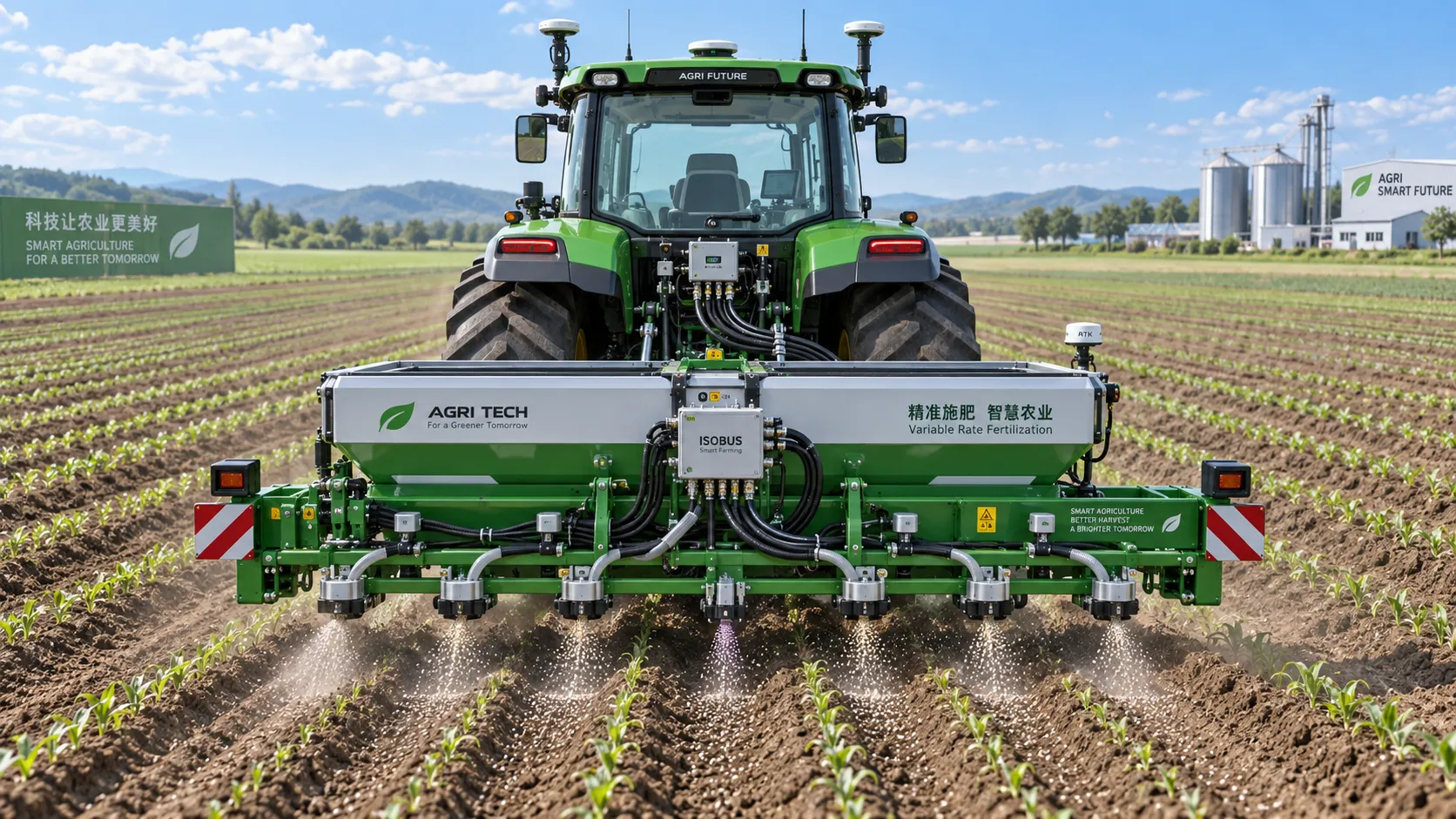
ISOBUS for Smart Agriculture: How It Connects Tractors, Implements, and Farm Data
ISOBUS for smart agriculture connects tractors, implements, terminals, and farm data—helping growers improve precision, documentation, and smarter field decisions.
Related News
- 00
0000-00
What separates robotic automation providers for equipment production? - 00
0000-00
Which field data collection provider fits an agricultural robotics program? - 00
0000-00
How Autonomous Machinery for Crop Scouting Helps Growers Detect Field Issues Earlier - 00
0000-00
How to Evaluate Autonomous Machinery for Vineyards by Terrain, Tasks, and ROI - 00
0000-00
Brazil ANVISA Rule Requires Portuguese Risk Labels for Farm Robots
Popular Tags
Tractor Power Architect
Weekly Insights
Stay ahead with our curated technology reports delivered every Monday.