
Smart farming technology is changing how farms scale up
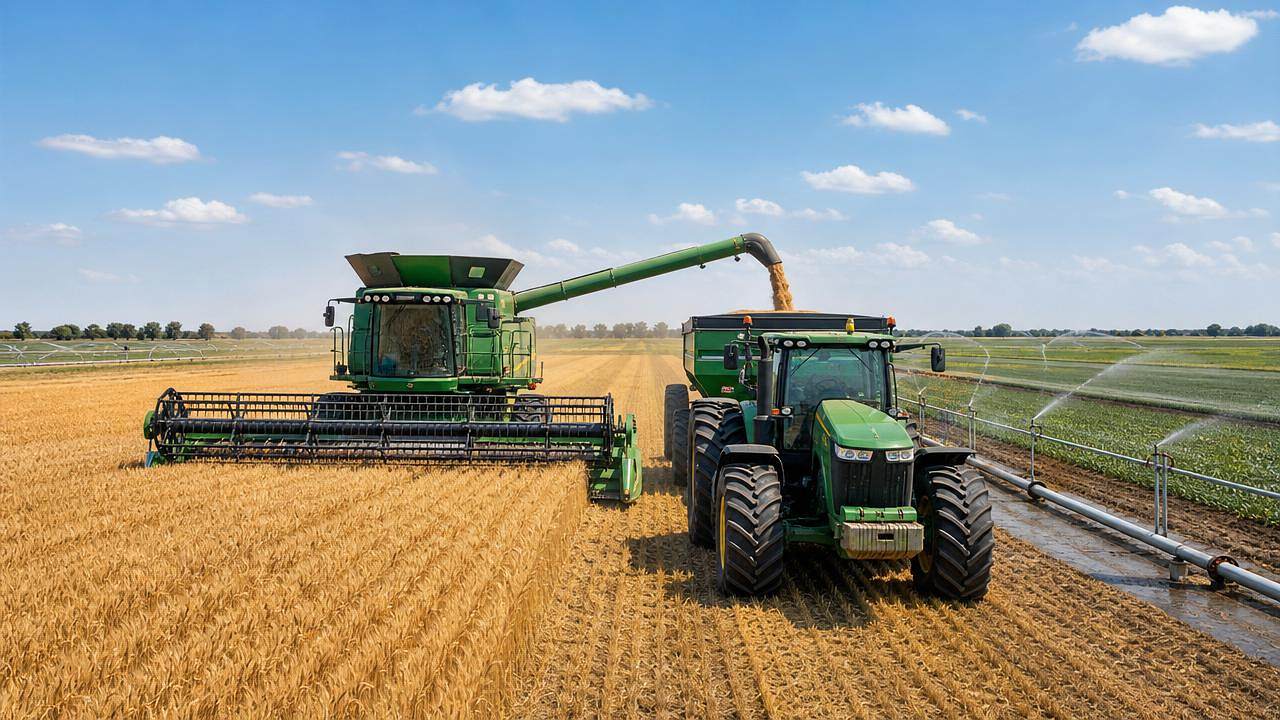




Smart farming technology is changing how farms scale up by turning machinery, data, and water systems into coordinated growth engines.
For business evaluation, this shift goes beyond yield growth.
It reshapes asset efficiency, field reliability, labor use, and long-term market resilience across the broader agricultural value chain.
From combine harvesting and tractor chassis design to intelligent tools and irrigation control, smart farming technology now influences how scale is planned and financed.
For AP-Strategy, this is the core story of Agriculture 4.0.
Smart farming technology is moving farm expansion from size alone to system intelligence
Traditional scale-up often meant larger land area, bigger machines, and more seasonal labor.
That model is under pressure from climate volatility, input inflation, and tighter expectations for resource efficiency.
Smart farming technology changes the equation by connecting machines, sensors, software, and irrigation infrastructure into one responsive operating system.
This makes growth less dependent on brute expansion and more dependent on coordinated performance across every field operation.
In practical terms, scaling now means reducing overlap, cutting harvest loss, improving water use, and using machine time with greater precision.
That is why smart farming technology is increasingly treated as a strategic infrastructure layer, not a narrow equipment upgrade.
Several market signals show why smart farming technology is accelerating now
The strongest signal is that farm scale is becoming more sensitive to operational inconsistency.
A short harvesting delay, a water distribution error, or poor chassis traction can now affect profitability across large acre blocks.
Another signal is the rise of integrated decision platforms.
Machine telemetry, field mapping, weather inputs, and soil readings are increasingly reviewed together, not in isolation.
A third signal comes from investment behavior.
Capital is flowing toward solutions that improve machine uptime, variable-rate field action, and irrigation automation under uncertain climate conditions.
Why this trend is strengthening
The biggest gains appear where machinery and data work together
Smart farming technology delivers the strongest results when hardware capability is matched with decision intelligence.
A high-capacity combine alone does not guarantee lower losses.
Performance improves when cleaning systems, speed settings, crop sensing, and route planning respond to real conditions.
The same logic applies to tractors.
Chassis power, transmission control, hydraulic response, and traction management become more valuable when linked to precision field tasks.
Intelligent farm tools extend this advantage.
Satellite positioning and sensor feedback allow prescription seeding, targeted fertilization, and more uniform plant protection.
Water-saving irrigation systems complete the cycle by aligning moisture delivery with plant demand, weather risk, and field variation.
Where smart farming technology creates measurable value
- Lower overlap during planting, spraying, and fertilizing
- Reduced grain loss through adaptive combine harvesting control
- Better fuel efficiency through optimized tractor load handling
- Higher equipment utilization across larger field areas
- More stable irrigation outcomes under changing weather conditions
- Improved traceability for performance review and future planning
Different business links are affected in different ways
The impact of smart farming technology is broad because scale-up depends on multiple connected decisions.
Equipment selection, maintenance planning, financing logic, and field scheduling now rely on better data interpretation.
This changes both operational priorities and market opportunity evaluation.
Impact by business area
- Field operations: More precise timing reduces weather exposure and unnecessary machine passes.
- Asset management: Telemetry and predictive maintenance improve uptime and replacement planning.
- Input efficiency: Data-driven application lowers waste in seed, fertilizer, and water use.
- Commercial strategy: Demand shifts toward integrated systems, not standalone machines.
- Risk control: Better monitoring supports faster response to harvest, soil, and irrigation variability.
For intelligence-led platforms like AP-Strategy, the strategic value lies in reading these interactions early.
Combine benchmarks, tractor chassis evolution, and irrigation algorithms should be assessed as part of one scaling architecture.
What deserves close attention when evaluating smart farming technology
Not every digital feature creates equal value.
The key is to identify which capabilities improve scale economics in real operating environments.
Core points worth tracking
- Compatibility between machinery platforms, sensors, and farm software
- Field-level reliability under dust, heat, moisture, and uneven terrain
- Harvest loss control and cleaning efficiency in variable crop conditions
- Transmission and hydraulic performance under heavy tractor workloads
- Precision quality of intelligent tools during variable-rate operations
- Water-use efficiency and feedback accuracy in smart irrigation networks
- Availability of service support, calibration capacity, and data interpretation
- Scalability across regions, crop types, and seasonal operating windows
These points help separate short-term novelty from durable smart farming technology value.
They also support clearer judgments about total ownership cost and long-cycle return.
A practical response framework can reduce uncertainty during adoption
Scaling with smart farming technology works best when adoption follows a phased logic.
This avoids fragmented investments and improves learning speed across operations.
A phased approach keeps smart farming technology tied to operational evidence instead of marketing claims.
The next competitive edge will come from intelligent coordination
The future of scale is not simply autonomous machines or larger equipment fleets.
It is the ability to coordinate harvesting, traction, implement control, and irrigation response as one integrated performance model.
That is where smart farming technology becomes a strategic advantage.
The strongest opportunities will likely emerge in systems that combine mechanical durability with precision algorithms and resource-saving logic.
This aligns with the AP-Strategy view that Agriculture 4.0 depends on high-authority intelligence stitching across machinery, data, and sustainability targets.
To move forward, review where operational friction is limiting scale today.
Then compare how smart farming technology can improve machine efficiency, irrigation precision, and field decision quality in measurable ways.
The farms that scale best next will not only be bigger.
They will be smarter, more connected, and far more responsive.
Related News
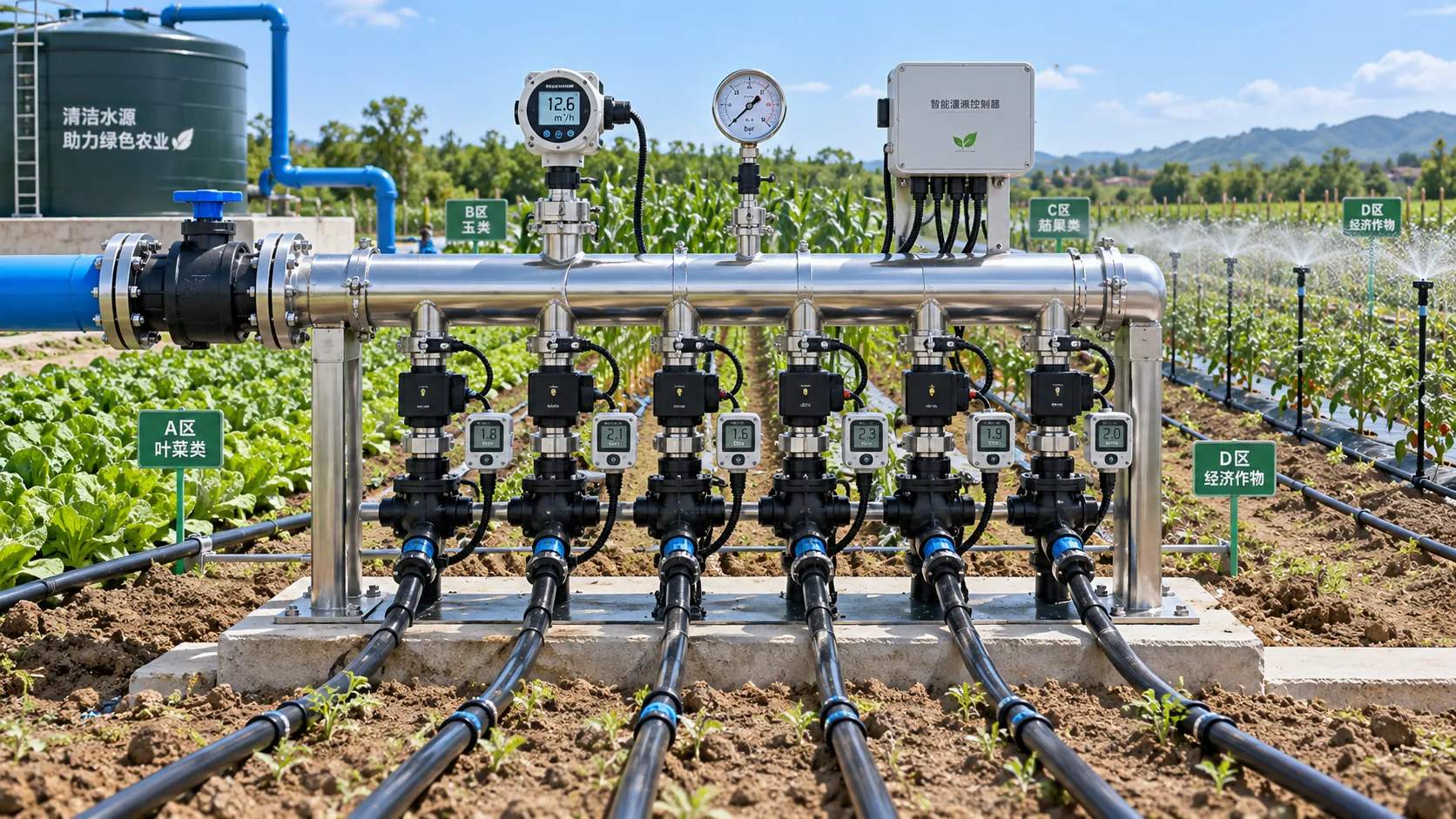
How to Select Smart Irrigation Valves for Multi-Zone Water Management?
Intelligent irrigation systems valves: learn how to match smart valves with multi-zone flow, pressure, control, feedback, and communication needs for reliable water management.
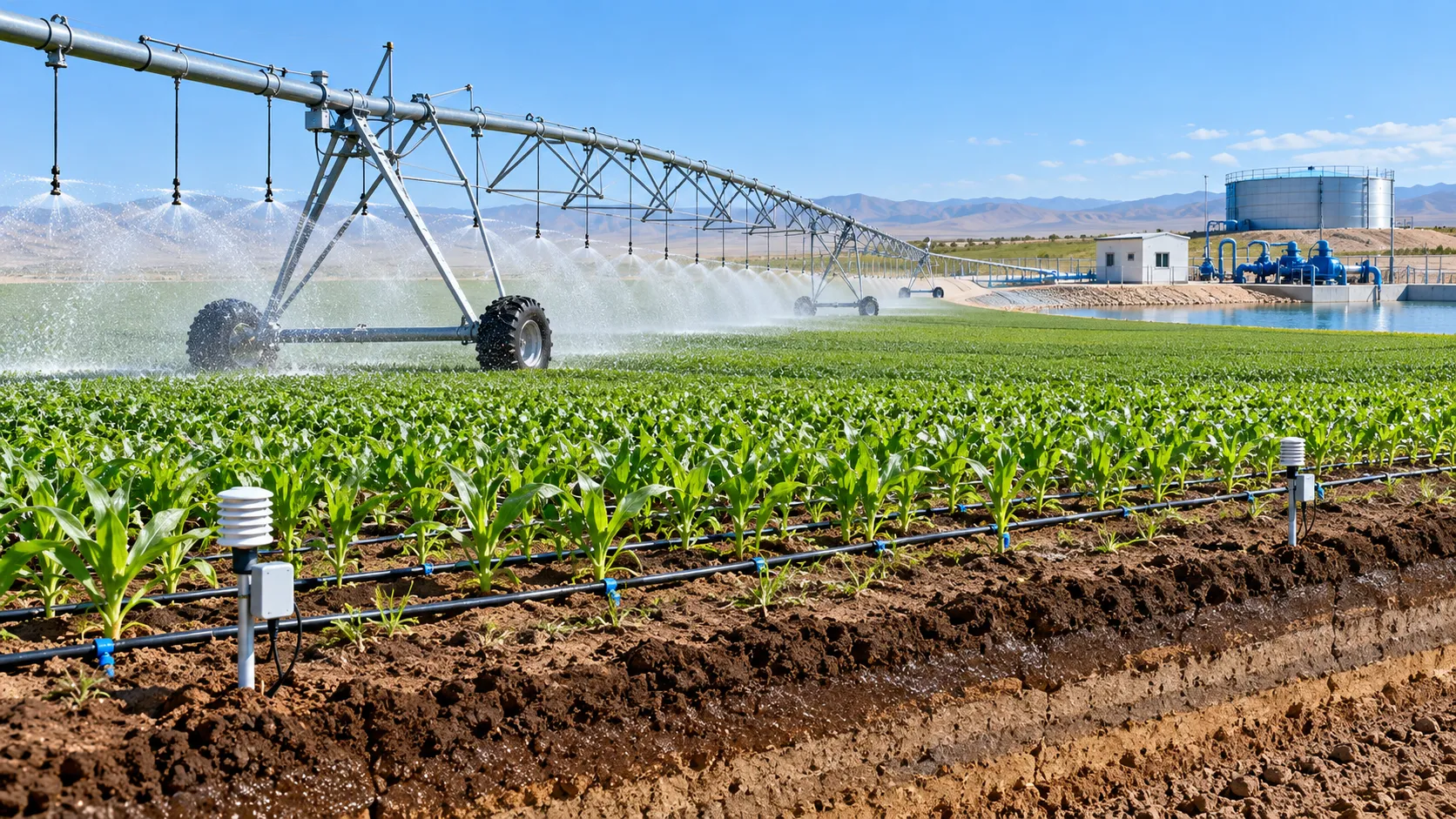
Climate-Smart Farming for Drought: A Practical Plan for Protecting Yields
Climate-smart farming for drought: build smarter water budgets, protect critical crop stages, improve irrigation uniformity, and safeguard yields with practical field-proven strategies.
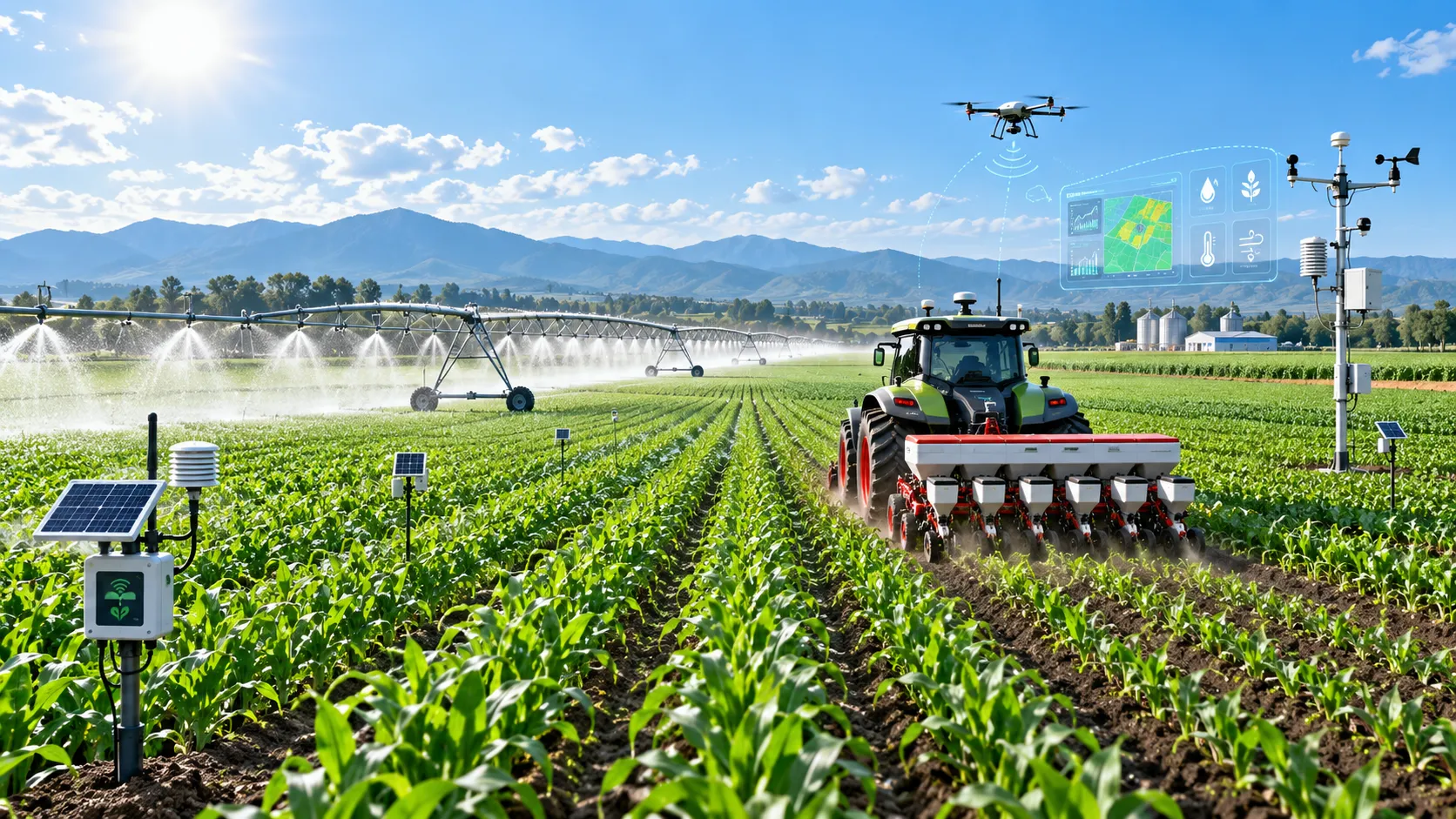
How Digital Agriculture Platforms Turn Field Data Into Better Input Decisions
Digital agriculture platforms turn field data into smarter fertilizer, water, seed, and equipment decisions—helping farms cut risk, improve margins, and scale sustainability.
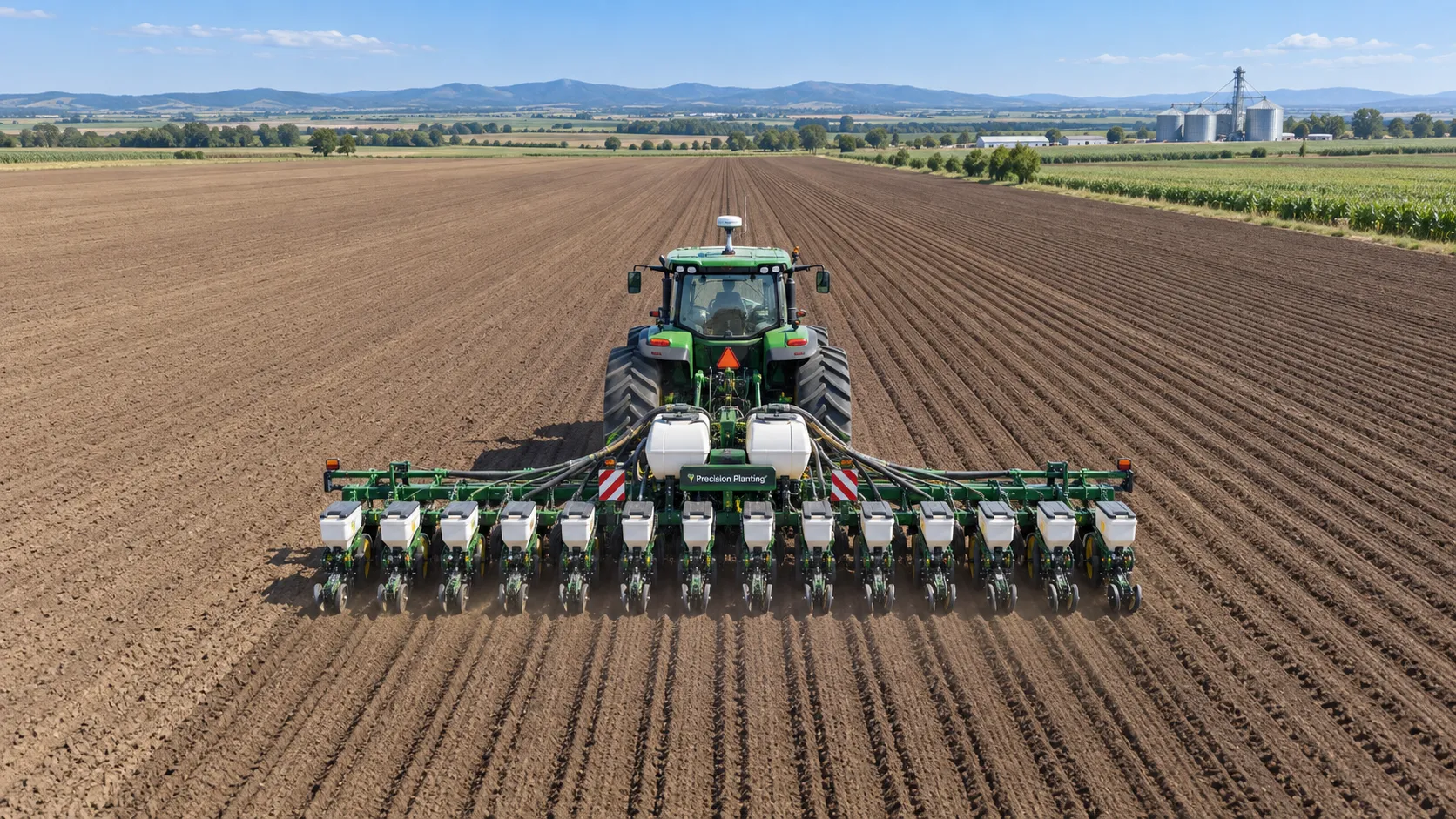
GPS-Guided Farm Machinery: Where It Delivers Measurable Field Efficiency Gains
Agri-mechanization GPS guided systems deliver measurable field efficiency gains through reduced overlap, precise planting, smarter inputs, and reliable farm data.
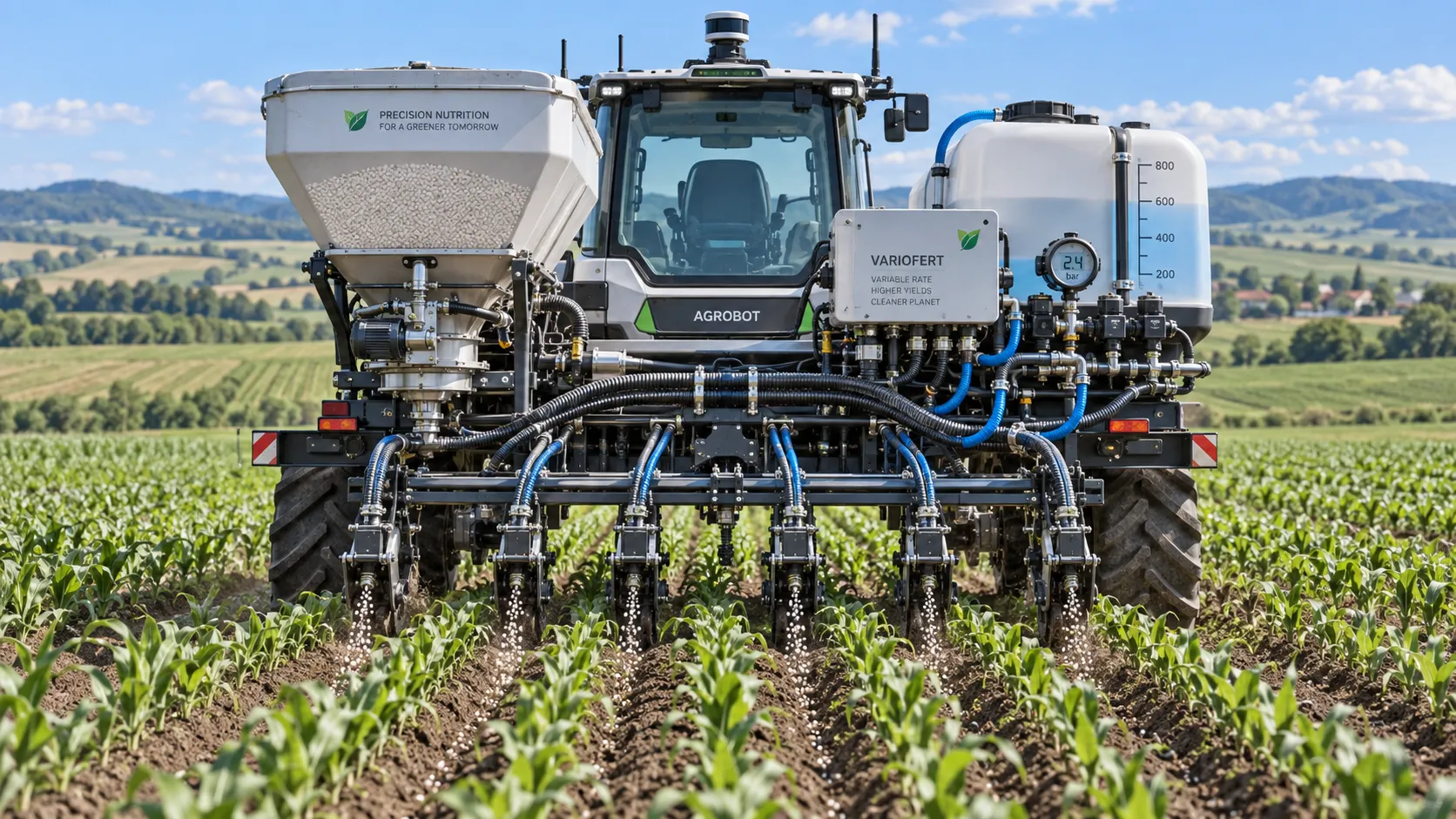
How Sensor Feedback Enables Accurate Variable-Rate Fertilization in Field Conditions
Precision fertilization systems with sensor feedback improve variable-rate accuracy by verifying flow, managing latency, and ensuring reliable field application.
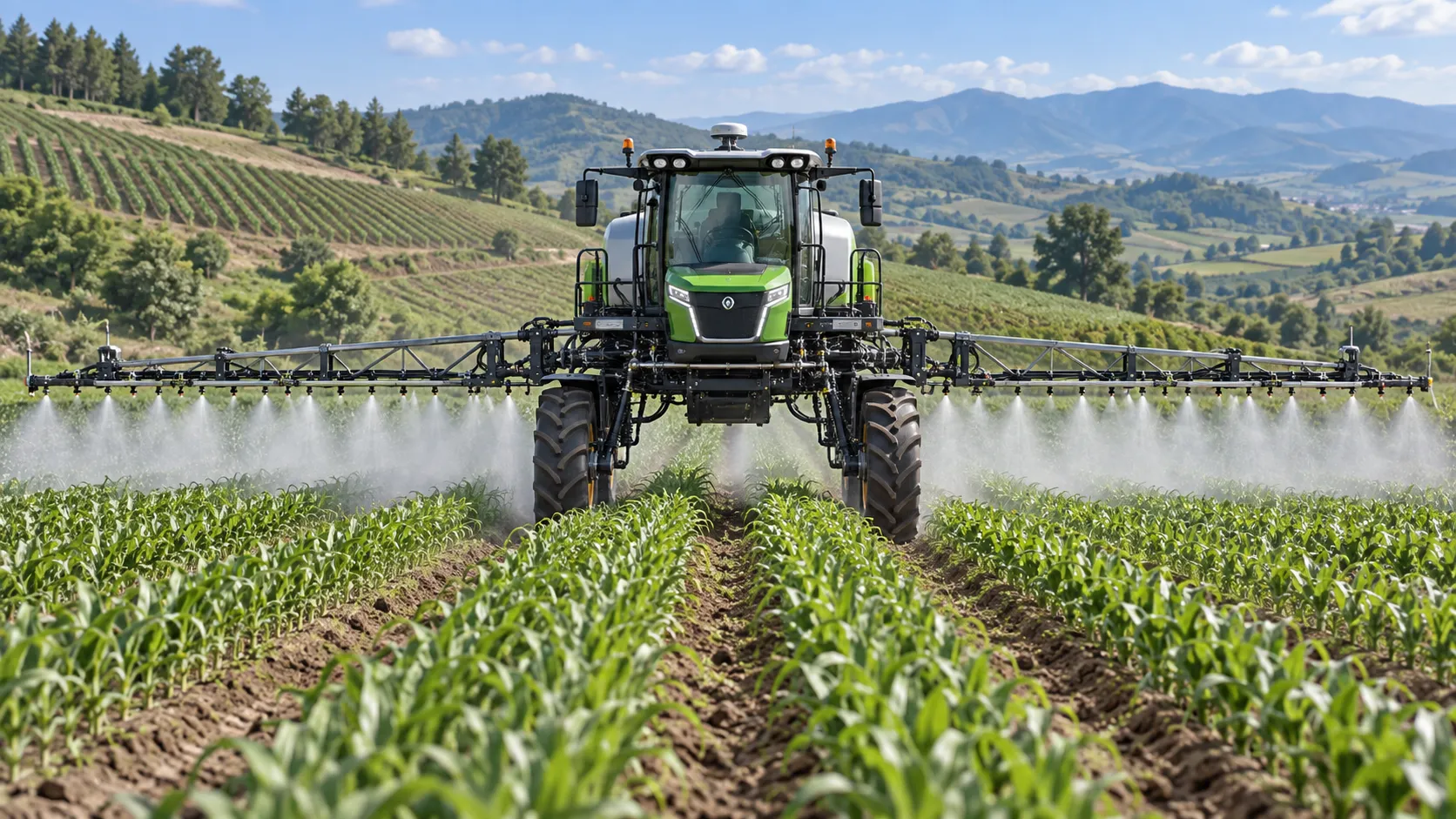
How to Select Precision Crop Protection Equipment for Variable Field Conditions
Precision crop protection equipment selection made simple: compare terrain, canopy, weather, control accuracy, and data workflows for reliable applications.
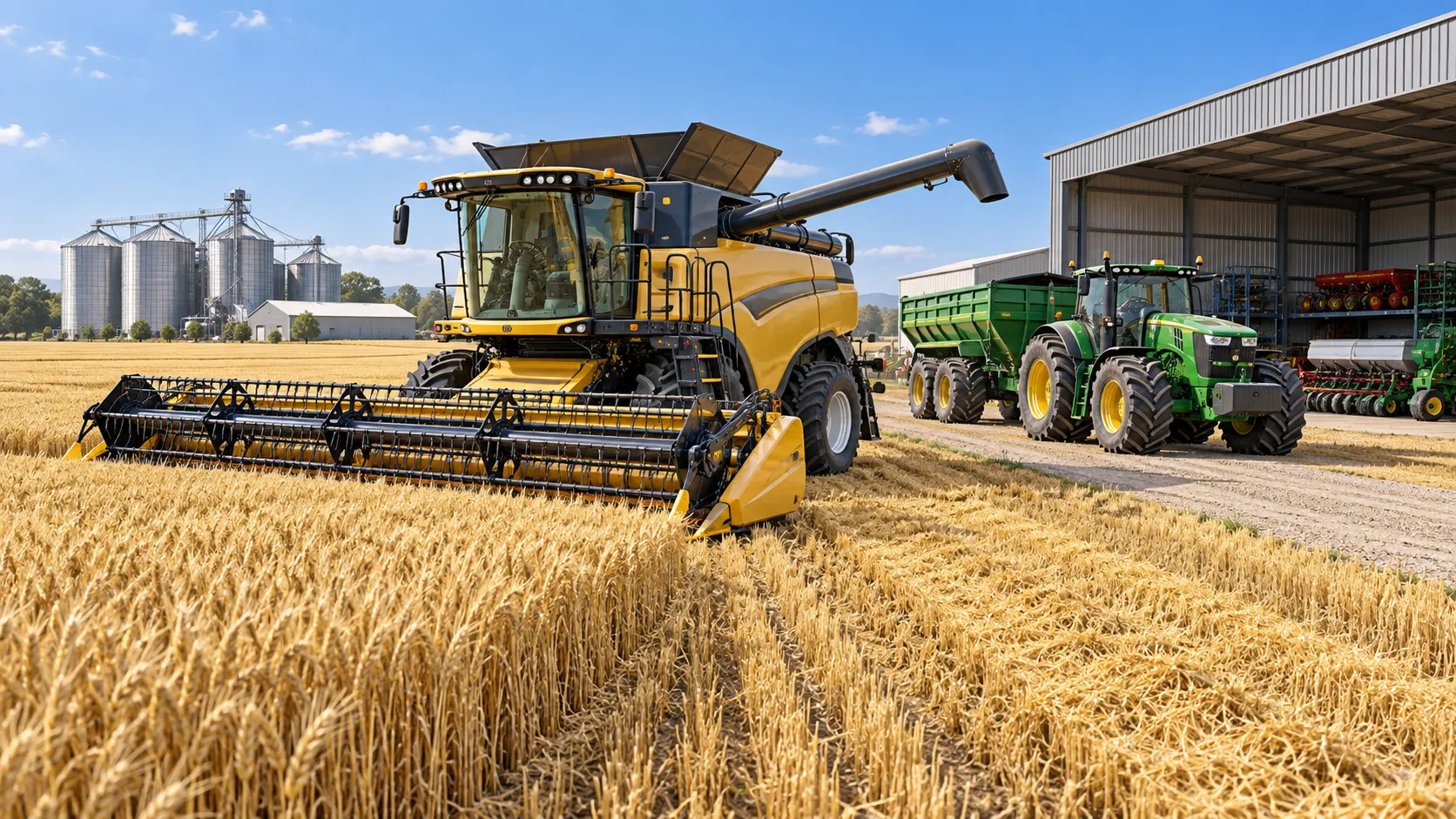
When Does Agricultural Machinery Leasing Cost Less Than Owning Equipment?
Agricultural machinery leasing can lower farm costs when use is seasonal or uncertain. Compare utilization, maintenance, cash flow, and risk to make a smarter equipment decision.
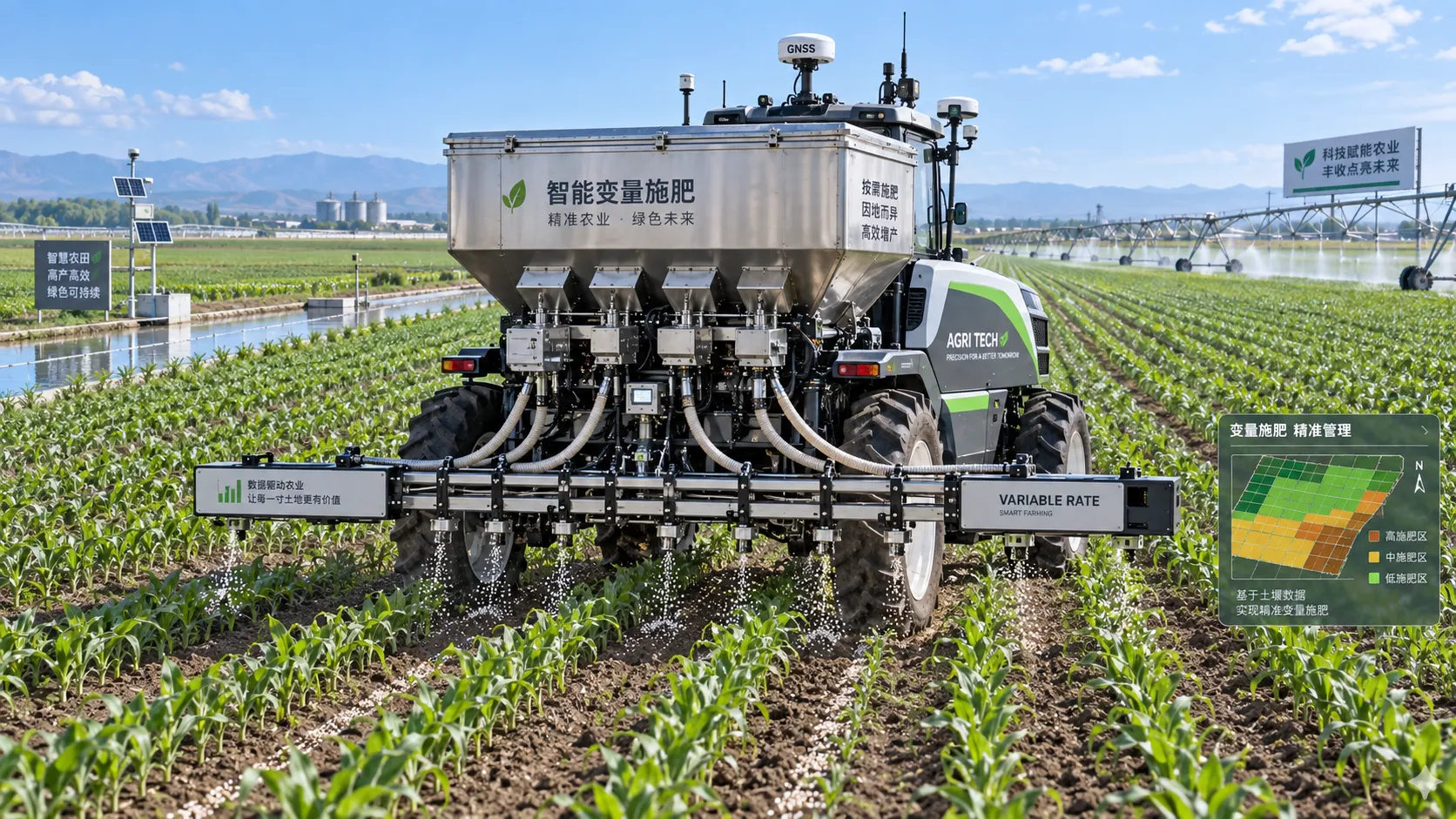
How to Evaluate Precision Fertilization System Suppliers for Farm-Scale Deployment
Precision fertilization systems suppliers: learn how to compare accuracy, integration, uptime, service, and total cost for confident farm-scale deployment.
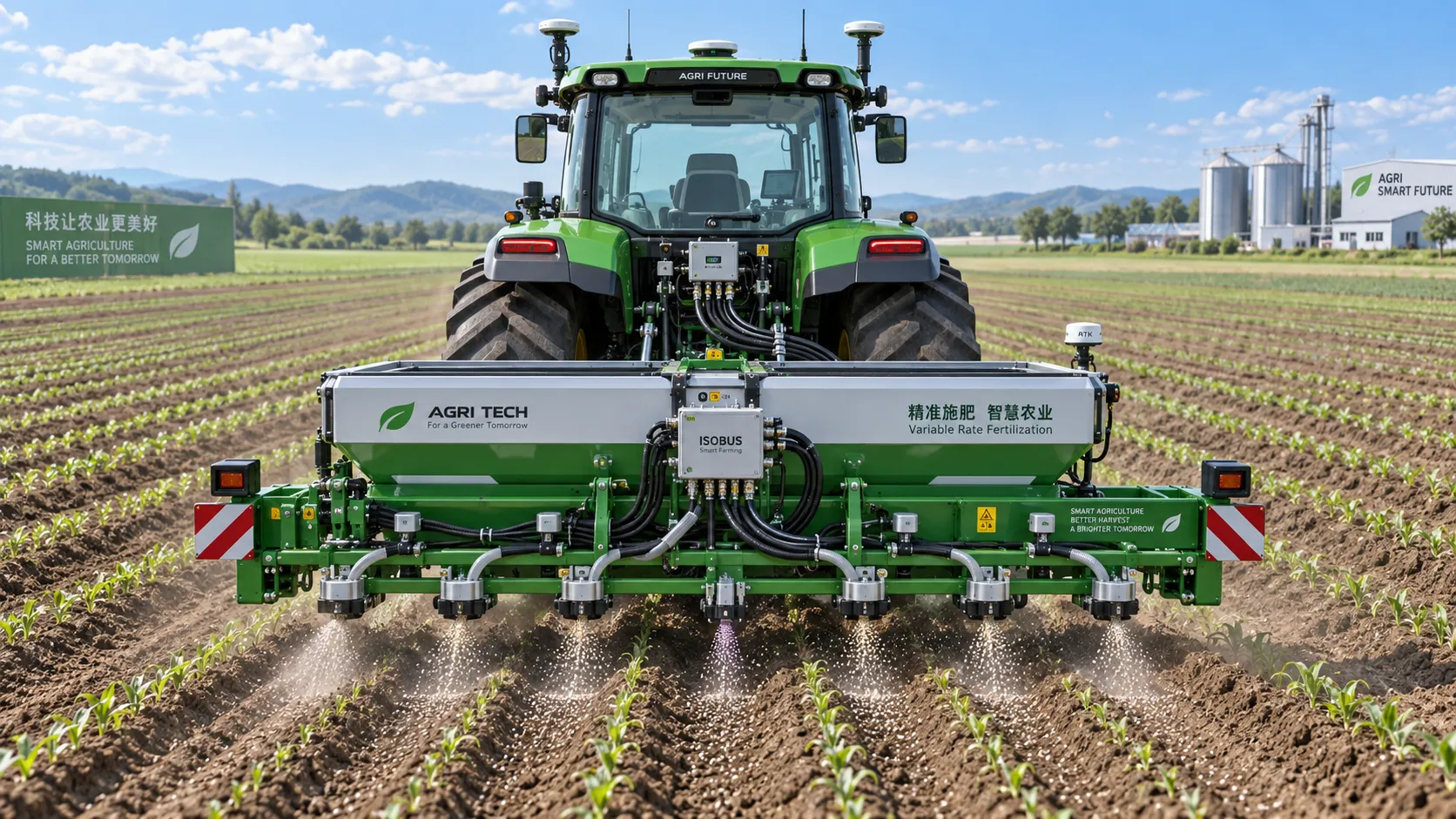
ISOBUS for Smart Agriculture: How It Connects Tractors, Implements, and Farm Data
ISOBUS for smart agriculture connects tractors, implements, terminals, and farm data—helping growers improve precision, documentation, and smarter field decisions.
Related News
- 00
0000-00
What separates robotic automation providers for equipment production? - 00
0000-00
Which field data collection provider fits an agricultural robotics program? - 00
0000-00
How Autonomous Machinery for Crop Scouting Helps Growers Detect Field Issues Earlier - 00
0000-00
How to Evaluate Autonomous Machinery for Vineyards by Terrain, Tasks, and ROI - 00
0000-00
Brazil ANVISA Rule Requires Portuguese Risk Labels for Farm Robots
Popular Tags
Tractor Power Architect
Weekly Insights
Stay ahead with our curated technology reports delivered every Monday.