
GB/T 43215-2026 Released: Standard for Quick-Swap Battery Interfaces in Agricultural Machinery
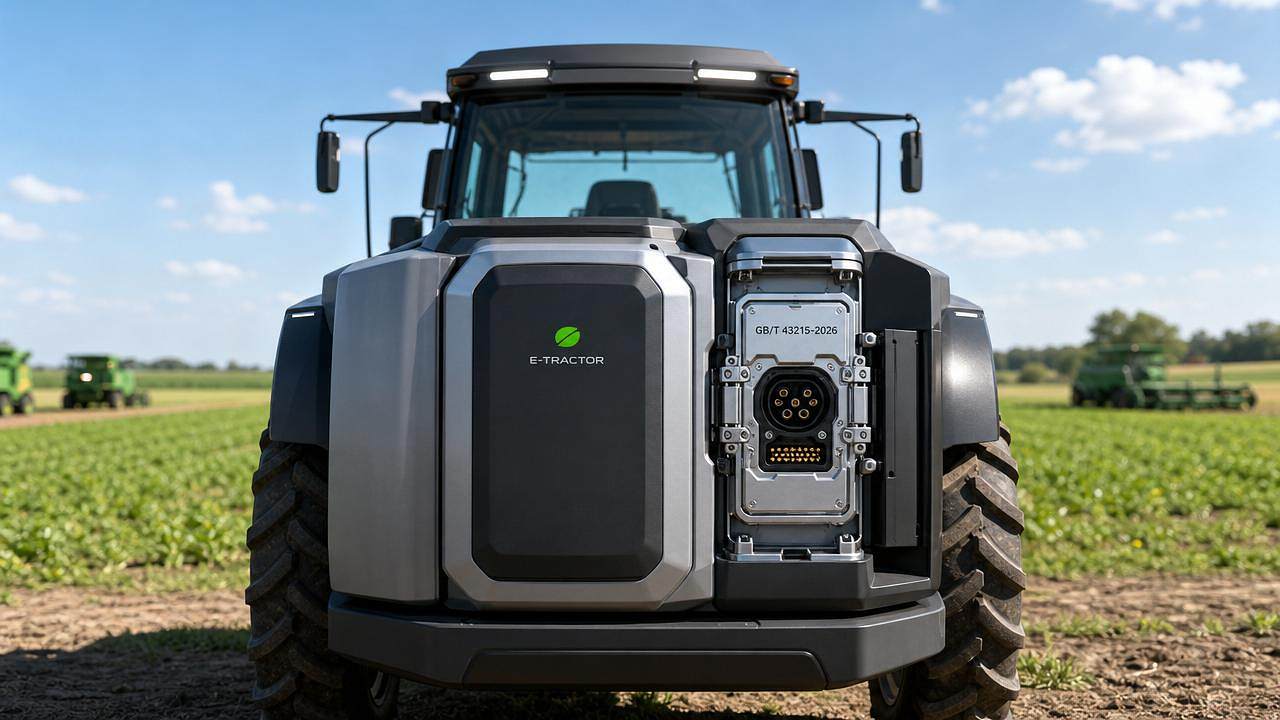




On May 16, 2026, the National Technical Committee on Electric Bicycles released GB/T 43215-2026 — Interface Specification for Swappable Power Battery Systems for Agricultural Machinery. This marks the first national standard unifying physical interfaces, communication protocols, and safety interlock mechanisms for quick-swap batteries used in electric tractors, self-propelled sprayers, and similar equipment. The standard takes effect immediately and is expected to serve as a key compliance reference for battery modules exported alongside agricultural machinery — making it highly relevant for manufacturers, exporters, and supply chain stakeholders in agritech, powertrain systems, and energy storage integration.
Event Overview
On May 16, 2026, the National Technical Committee on Electric Bicycles officially published GB/T 43215-2026 in Shenzhen, during the closing of the 18th Shenzhen International Battery Exhibition. The standard specifies interface requirements for swappable battery systems designed for agricultural machinery, including mechanical dimensions, electrical connection specifications, CAN-based communication protocols, and mandatory safety interlock logic to prevent improper installation or operation. It is effective upon release.
Industries Affected
Original Equipment Manufacturers (OEMs) of Agricultural Machinery
OEMs integrating battery-powered systems into tractors, sprayers, or harvesters are directly affected because the standard defines mandatory interface compatibility requirements. Non-compliant battery mounting designs may hinder interoperability with third-party or future battery suppliers, potentially limiting after-sales service options and increasing certification complexity for export models.
Battery Module Suppliers and Pack Integrators
Suppliers developing swappable battery modules for agricultural applications must now align physical layouts, connector types, signal pin assignments, and firmware-level communication behavior with GB/T 43215-2026. Deviations risk rejection by OEMs seeking certified compatibility, especially for export-bound units where adherence to this standard may be referenced in technical documentation or customs clearance procedures.
Export-Oriented Component Distributors and Trade Service Providers
Distributors handling battery-machinery combinations for overseas markets — particularly in Southeast Asia, Latin America, and Africa where electrified farm equipment adoption is accelerating — face new technical alignment expectations. Buyers may begin requesting GB/T 43215-2026 conformance statements or test reports as part of procurement due diligence, adding a layer to technical documentation review and logistics planning.
What Enterprises and Practitioners Should Focus On Now
Monitor official interpretations and supplementary guidance
The standard’s implementation is immediate, but supporting documents — such as interpretation notes, conformity assessment guidelines, or testing methodology references — have not yet been publicly released. Stakeholders should track announcements from the Standardization Administration of China (SAC) and the National Technical Committee on Electric Bicycles for clarifications on scope boundaries (e.g., voltage range applicability, thermal management interface expectations).
Review current battery integration architecture against defined interface parameters
Manufacturers should conduct an internal gap analysis comparing existing battery mounting systems with GB/T 43215-2026’s mechanical, electrical, and protocol-level requirements. Priority attention should go to connector type standardization, CAN message ID allocation, and hardware-level interlock signal routing — elements that typically require design revisions rather than firmware-only updates.
Distinguish between regulatory signal and near-term operational impact
While the standard is effective immediately, enforcement timelines for domestic market access or export certification are not yet specified. Its immediate relevance lies primarily in R&D alignment and pre-certification preparation. Companies should treat it as a binding technical baseline for new development programs — not necessarily as a trigger for retrofitting legacy platforms unless tied to specific customer or market requirements.
Prepare technical documentation and supplier coordination plans
OEMs and battery suppliers should initiate cross-functional reviews involving engineering, procurement, and quality assurance teams to identify dependencies (e.g., connector sourcing, firmware validation, lab testing capacity). Early engagement with third-party testing labs accredited for battery interface verification may help avoid bottlenecks ahead of formal certification cycles.
Editorial Perspective / Industry Observation
Observably, GB/T 43215-2026 functions less as an immediate compliance mandate and more as a foundational technical signal — one that formalizes interoperability expectations at a critical inflection point in agricultural electrification. Analysis shows that its publication coincides with growing pilot deployments of battery-swappable farm equipment in China’s grain-producing regions, suggesting it responds to real-world integration challenges rather than purely theoretical standardization. From an industry perspective, this standard is better understood as an enabling framework: it does not prescribe battery chemistry or capacity, but creates conditions for modular, multi-vendor battery ecosystems to emerge. Its long-term significance hinges less on enforcement speed and more on whether downstream actors — especially regional OEMs and Tier-2 integrators — adopt it as a de facto design benchmark beyond minimum legal requirements.
Conclusion:
GB/T 43215-2026 represents a targeted, technically precise step toward system-level standardization in agricultural electrification — not a broad regulatory shift. Its primary value lies in reducing interface fragmentation across battery and machinery vendors, thereby lowering integration risk for new entrants and supporting scalability of battery-as-a-service models in farming applications. For now, it is best interpreted as a forward-looking design anchor: actionable for new product development, preparatory for export documentation, but not yet a driver of urgent retrofitting or market-wide discontinuation of non-compliant configurations.
Source Information:
Primary source: National Technical Committee on Electric Bicycles, released during the 18th Shenzhen International Battery Exhibition on May 16, 2026.
Note: Supplementary implementation guidance, testing protocols, and enforcement timelines remain pending and require ongoing observation.
Related News
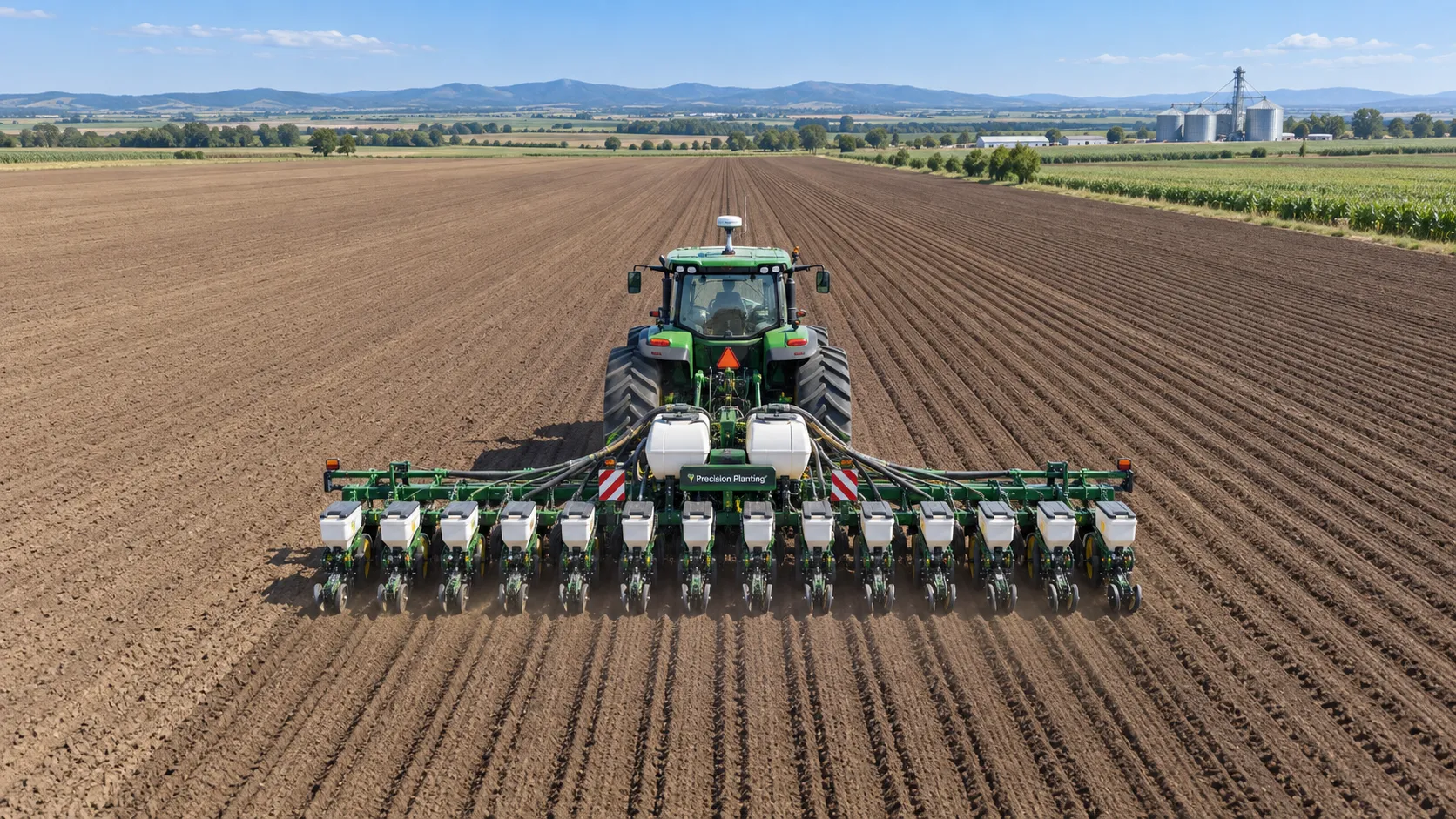
GPS-Guided Farm Machinery: Where It Delivers Measurable Field Efficiency Gains
Agri-mechanization GPS guided systems deliver measurable field efficiency gains through reduced overlap, precise planting, smarter inputs, and reliable farm data.
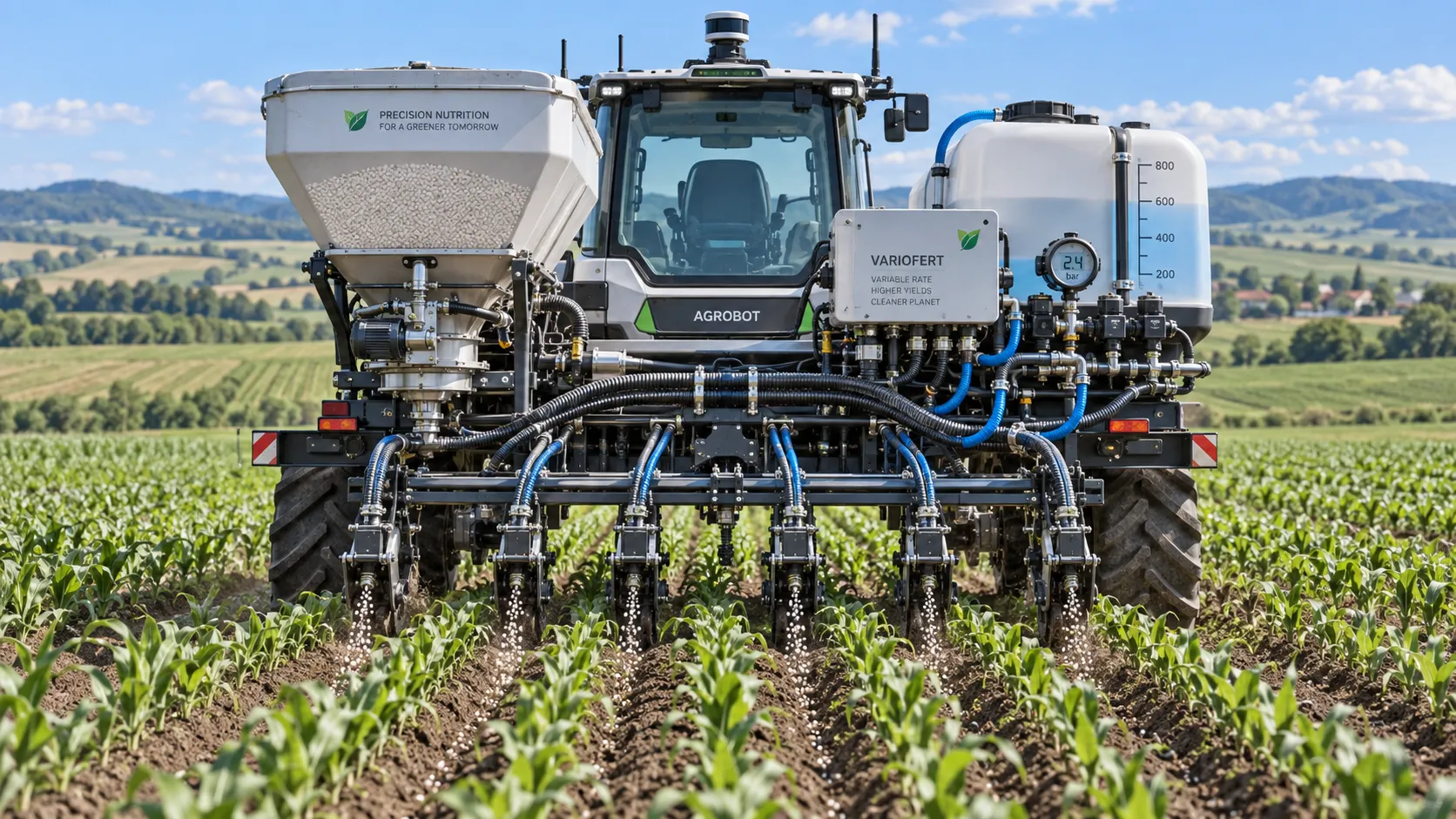
How Sensor Feedback Enables Accurate Variable-Rate Fertilization in Field Conditions
Precision fertilization systems with sensor feedback improve variable-rate accuracy by verifying flow, managing latency, and ensuring reliable field application.
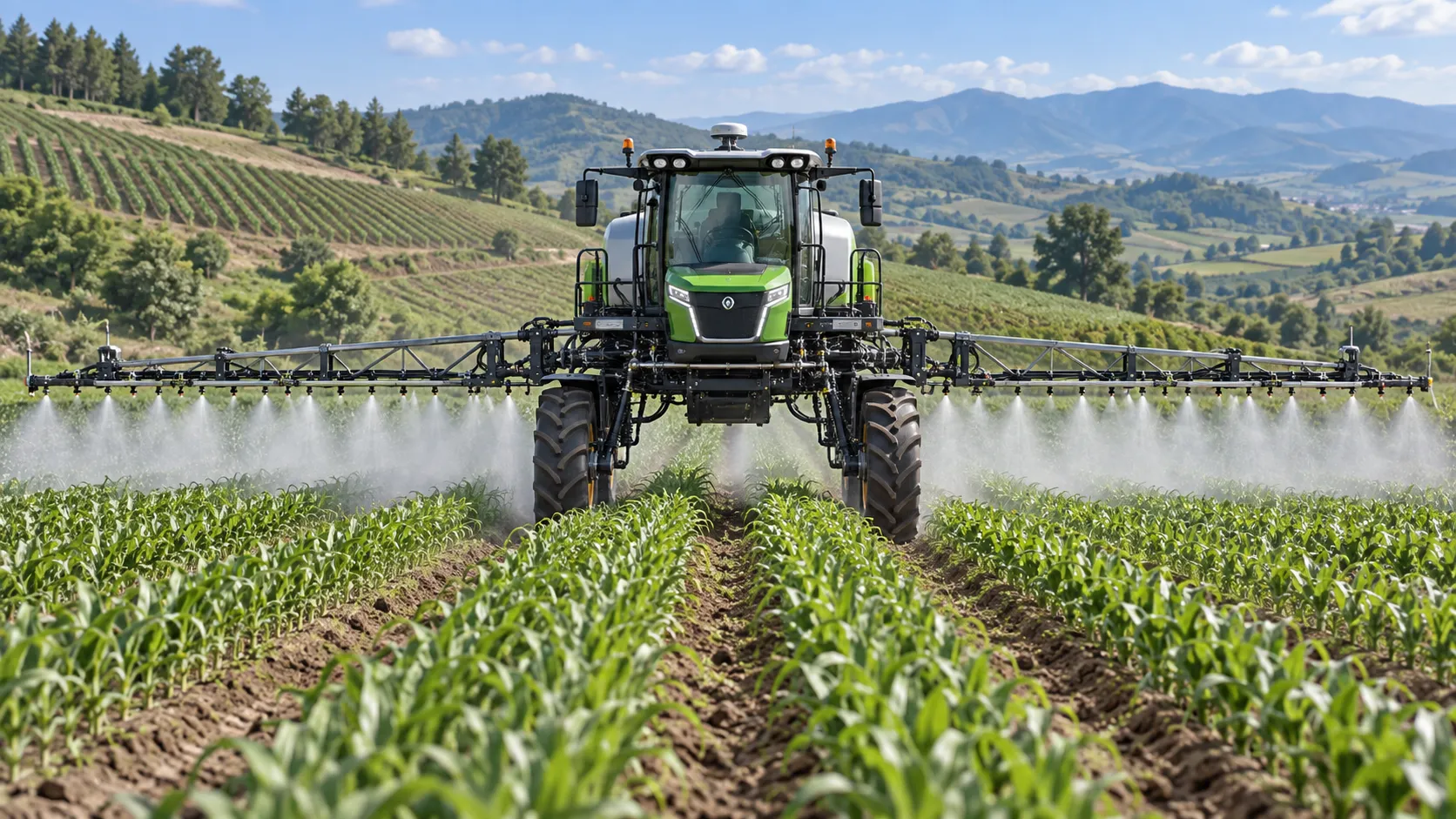
How to Select Precision Crop Protection Equipment for Variable Field Conditions
Precision crop protection equipment selection made simple: compare terrain, canopy, weather, control accuracy, and data workflows for reliable applications.

When Does Agricultural Machinery Leasing Cost Less Than Owning Equipment?
Agricultural machinery leasing can lower farm costs when use is seasonal or uncertain. Compare utilization, maintenance, cash flow, and risk to make a smarter equipment decision.
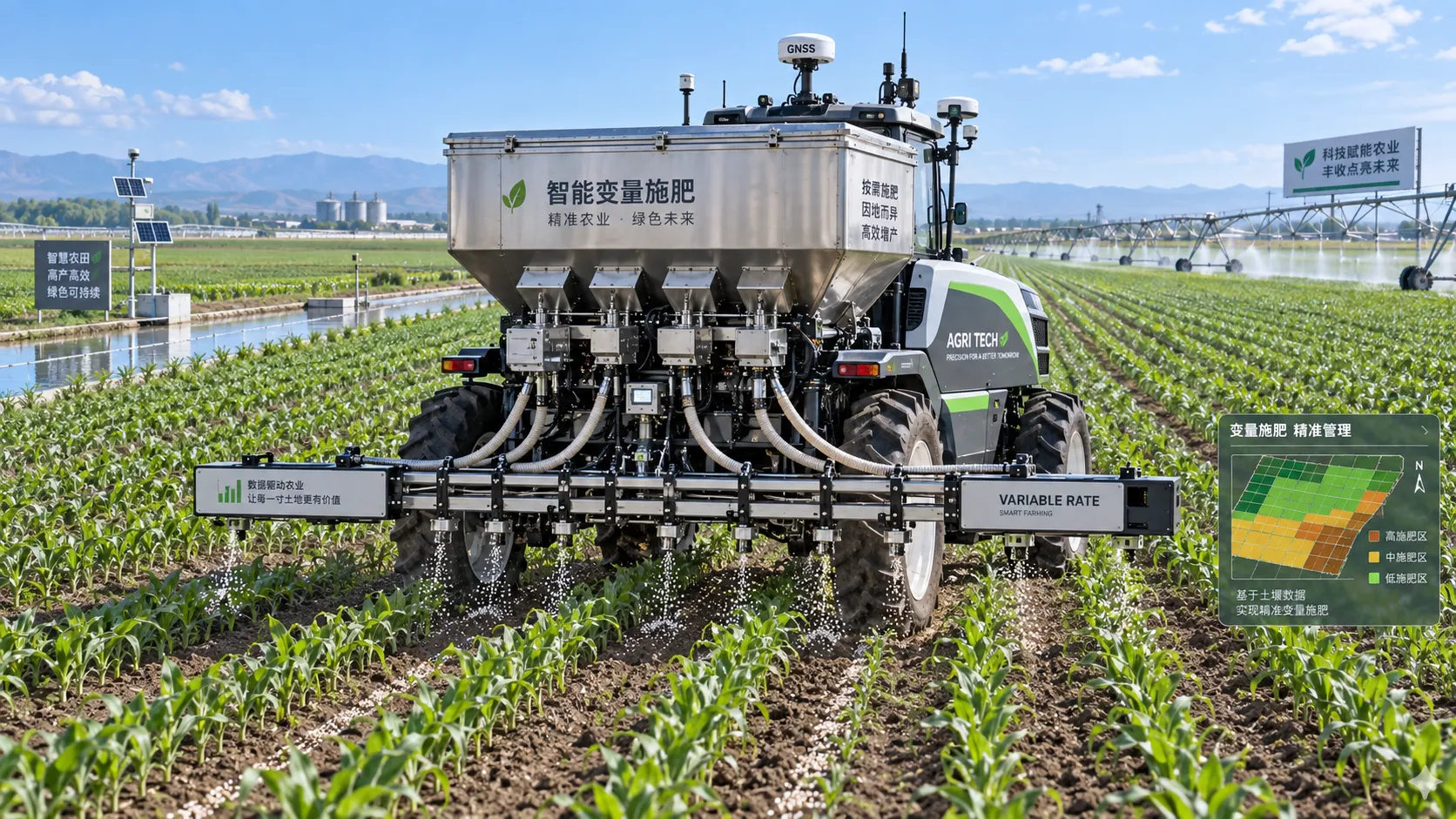
How to Evaluate Precision Fertilization System Suppliers for Farm-Scale Deployment
Precision fertilization systems suppliers: learn how to compare accuracy, integration, uptime, service, and total cost for confident farm-scale deployment.
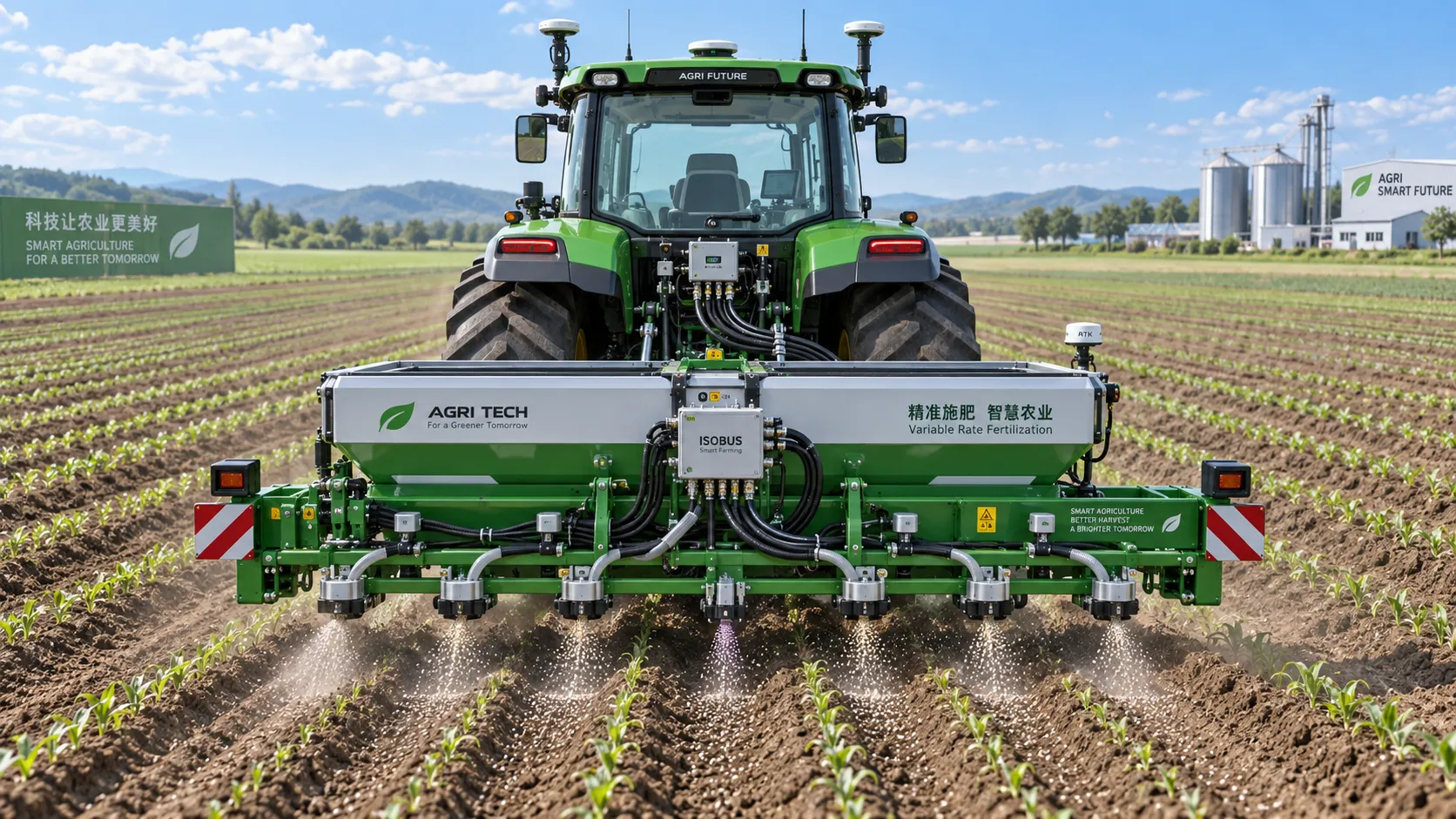
ISOBUS for Smart Agriculture: How It Connects Tractors, Implements, and Farm Data
ISOBUS for smart agriculture connects tractors, implements, terminals, and farm data—helping growers improve precision, documentation, and smarter field decisions.
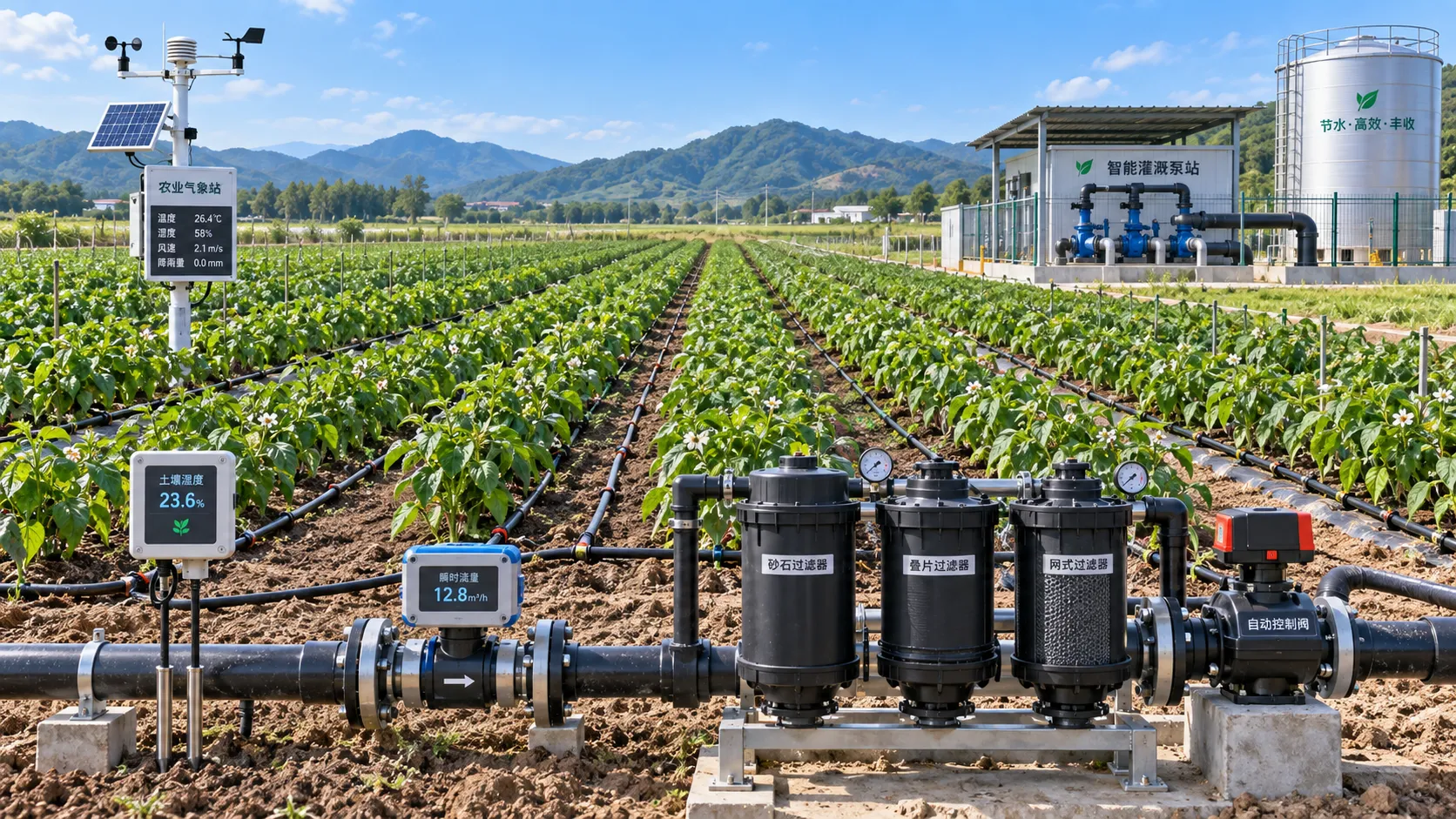
Automated Water-Saving Irrigation: How to Cut Water Use Without Reducing Crop Yields
Automated water-saving irrigation helps farms cut water use, protect crop yields, improve scheduling, and gain reliable control with sensors, flow monitoring, and smart zones.

Selecting Grain Farm Equipment by Acreage, Crop Mix, and Harvest Window
Agricultural equipment selection for grain farming: match machinery to acreage, crop mix, and harvest windows to improve uptime, efficiency, and returns.
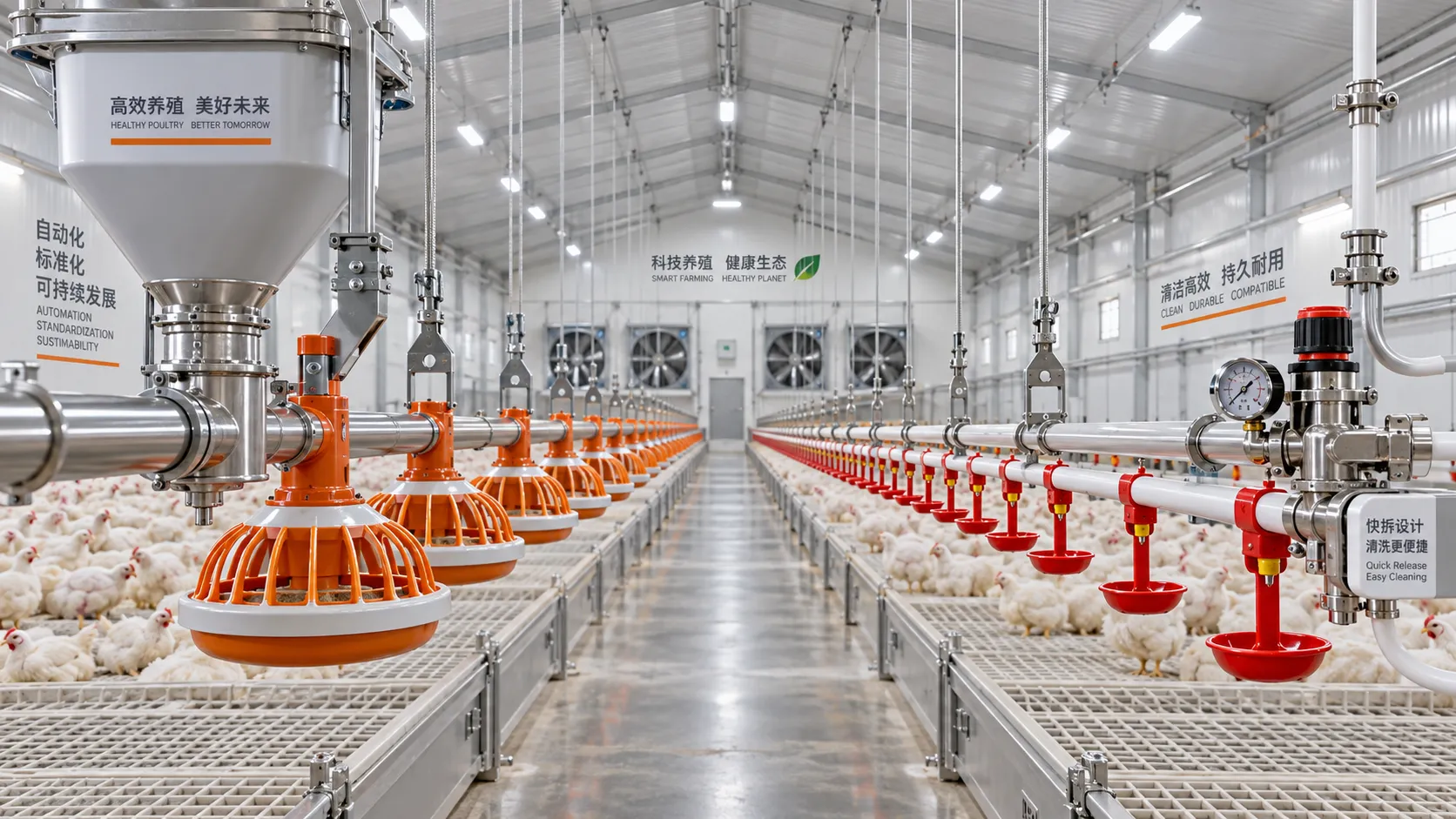
Poultry Equipment Selection: Evaluating Durability, Cleaning, and Compatibility
Poultry equipments selection guide: evaluate durability, cleaning access, and system compatibility to improve hygiene, reduce downtime, and support efficient flock management.
Related News
- 00
0000-00
What separates robotic automation providers for equipment production? - 00
0000-00
Which field data collection provider fits an agricultural robotics program? - 00
0000-00
How Autonomous Machinery for Crop Scouting Helps Growers Detect Field Issues Earlier - 00
0000-00
How to Evaluate Autonomous Machinery for Vineyards by Terrain, Tasks, and ROI - 00
0000-00
Brazil ANVISA Rule Requires Portuguese Risk Labels for Farm Robots
Popular Tags
Tractor Power Architect
Weekly Insights
Stay ahead with our curated technology reports delivered every Monday.