
GB/T 43215-2026 Released for Agricultural Battery Swap Interfaces
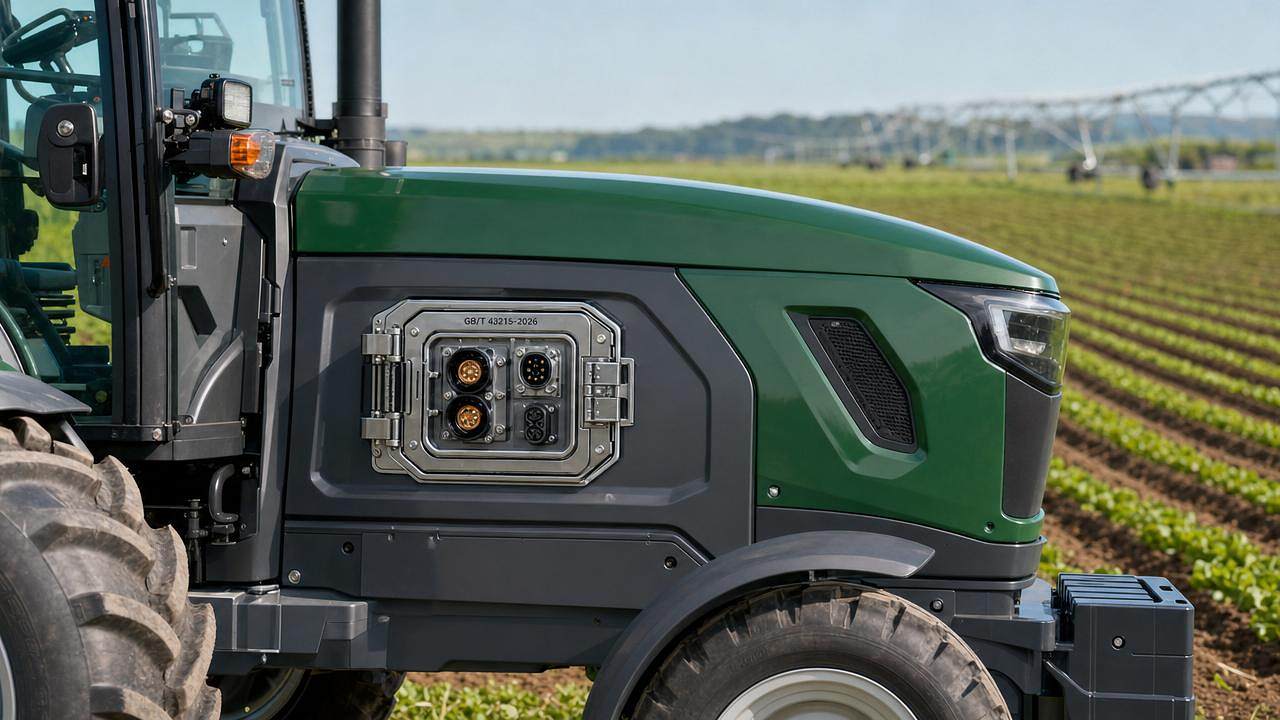




On May 14, 2026, the closing ceremony of the 18th Shenzhen International Battery Fair (CIBF2026) marked the official release of GB/T 43215-2026 — the first national standard specifying a unified quick-swap interface for power batteries used in agricultural electric machinery. Its introduction signals a structural shift in interoperability requirements across China’s smart farming equipment ecosystem, with implications extending to export compliance, component design, and supply chain coordination.
Event Overview
On May 14, 2026, during the closing ceremony of CIBF2026, the National Technical Committee on Electric Bicycles Standardization (SAC/TC159), in collaboration with the China Agricultural Machinery Industry Association, officially released GB/T 43215-2026, titled General Specification for Quick-Swap Interfaces of Power Batteries for Agricultural Electric Machinery. The standard defines, for the first time, an integrated interface combining mechanical locking, electrical connection, and communication protocol. It applies to battery interchange among autonomous agricultural robots and electric tractors. Implementation is scheduled to begin January 1, 2027, and the standard is expected to serve as a de facto technical requirement for products exported to the EU and Southeast Asia.
Industries Affected
Direct trading enterprises: Exporters of agricultural electric machinery face revised conformity assessment demands. From 2027 onward, CE marking or ASEAN MRA-aligned certifications may require demonstrable alignment with GB/T 43215-2026’s interface architecture — even where not legally mandated abroad — because EU and ASEAN importers increasingly reference Chinese national standards as baseline interoperability benchmarks. This affects pre-shipment testing scope, documentation burden, and lead-time planning.
Raw material procurement enterprises: Suppliers of interface-specific components — including high-cycle nickel-plated copper contacts, IP67-rated locking actuators, and CAN-FD–compatible signal connectors — will experience demand reorientation. Procurement strategies must now account for tighter dimensional tolerances and electromagnetic compatibility (EMC) validation per Clause 6.3 of the standard. Existing inventory of legacy interface hardware may become stranded unless retrofittable.
Manufacturing enterprises: OEMs producing electric tractors or field robots must revise battery compartment designs, revise battery management system (BMS) firmware to support the defined handshake sequence (Annex B), and update assembly line tooling for mechanical lock engagement verification. Notably, the standard does not mandate battery chemistry or capacity — only interface geometry and protocol behavior — meaning cell-level sourcing remains flexible, but integration engineering effort increases significantly.
Supply chain service enterprises: Third-party certification bodies, logistics integrators handling battery-swapping hubs, and warranty service networks must adapt their operational protocols. For example, certified test labs need accreditation extensions under CNAS for GB/T 43215-2026 conformance; battery pooling services must ensure all swapped units meet mechanical wear thresholds specified in Section 5.2.2; and field service technicians require updated diagnostic tools supporting the defined CAN message ID set.
Key Focus Areas and Recommended Actions
Verify interface compliance timelines against product development roadmaps
Manufacturers should map current battery platform maturity against the January 2027 enforcement date. Projects entering pilot production before Q3 2026 should initiate interface redesign cycles now — especially where mechanical lock actuation relies on proprietary solenoid systems incompatible with the standard’s torque and stroke specifications.
Engage early with certification partners on test protocol harmonization
Because GB/T 43215-2026 references IEC 62133-2:2022 for safety and ISO 11898-2:2015 for CAN physical layer, companies should confirm whether existing test reports from EU- or ASEAN-accredited labs can be leveraged for partial conformance evidence — reducing redundant validation costs.
Assess impact on battery leasing and second-life business models
The standard’s emphasis on mechanical durability (≥5,000 mating cycles) and contact resistance stability (<5 mΩ after aging) implies longer usable life for swap-capable packs. This may delay depreciation schedules and alter residual value assumptions in battery-as-a-service (BaaS) contracts — particularly where lessees operate across multiple OEM platforms.
Editorial Perspective / Industry Observation
Observably, GB/T 43215-2026 functions less as a narrow interface specification and more as a foundational interoperability enabler — one that lowers barriers to fleet-scale automation in labor-constrained rural regions. Analysis shows its timing aligns closely with China’s 14th Five-Year Plan targets for intelligent agricultural equipment penetration (target: ≥35% by 2027). However, its extraterritorial influence should not be overestimated: while EU and ASEAN importers may adopt it voluntarily, no regulatory body has formally referenced it in legislation. Its traction abroad will depend less on legal force and more on OEM-led adoption momentum — particularly among Tier-1 suppliers supplying both domestic and global OEMs.
Conclusion
This standard represents a deliberate step toward system-level standardization in precision agriculture — shifting focus from individual device performance to cross-platform operability. Rather than merely regulating hardware, it codifies a shared language for energy exchange between machines. From an industry perspective, its long-term significance lies not in immediate compliance pressure, but in enabling modular, upgradable, and scalable farm robotics architectures — a prerequisite for next-generation agritech ecosystems.
Source Attribution
Official release confirmed via press release issued by SAC/TC159 and the China Agricultural Machinery Industry Association at CIBF2026 (May 14, 2026); full text of GB/T 43215-2026 published by Standard Press of China (ISBN 978-7-5066-XXXX-X). Pending clarification: exact scope of applicability to retrofit kits and battery repackaging services — subject to further interpretation notices expected by Q3 2026.
Related News
How Sensor Feedback Enables Accurate Variable-Rate Fertilization in Field Conditions
Precision fertilization systems with sensor feedback improve variable-rate accuracy by verifying flow, managing latency, and ensuring reliable field application.
How to Select Precision Crop Protection Equipment for Variable Field Conditions
Precision crop protection equipment selection made simple: compare terrain, canopy, weather, control accuracy, and data workflows for reliable applications.

When Does Agricultural Machinery Leasing Cost Less Than Owning Equipment?
Agricultural machinery leasing can lower farm costs when use is seasonal or uncertain. Compare utilization, maintenance, cash flow, and risk to make a smarter equipment decision.
How to Evaluate Precision Fertilization System Suppliers for Farm-Scale Deployment
Precision fertilization systems suppliers: learn how to compare accuracy, integration, uptime, service, and total cost for confident farm-scale deployment.
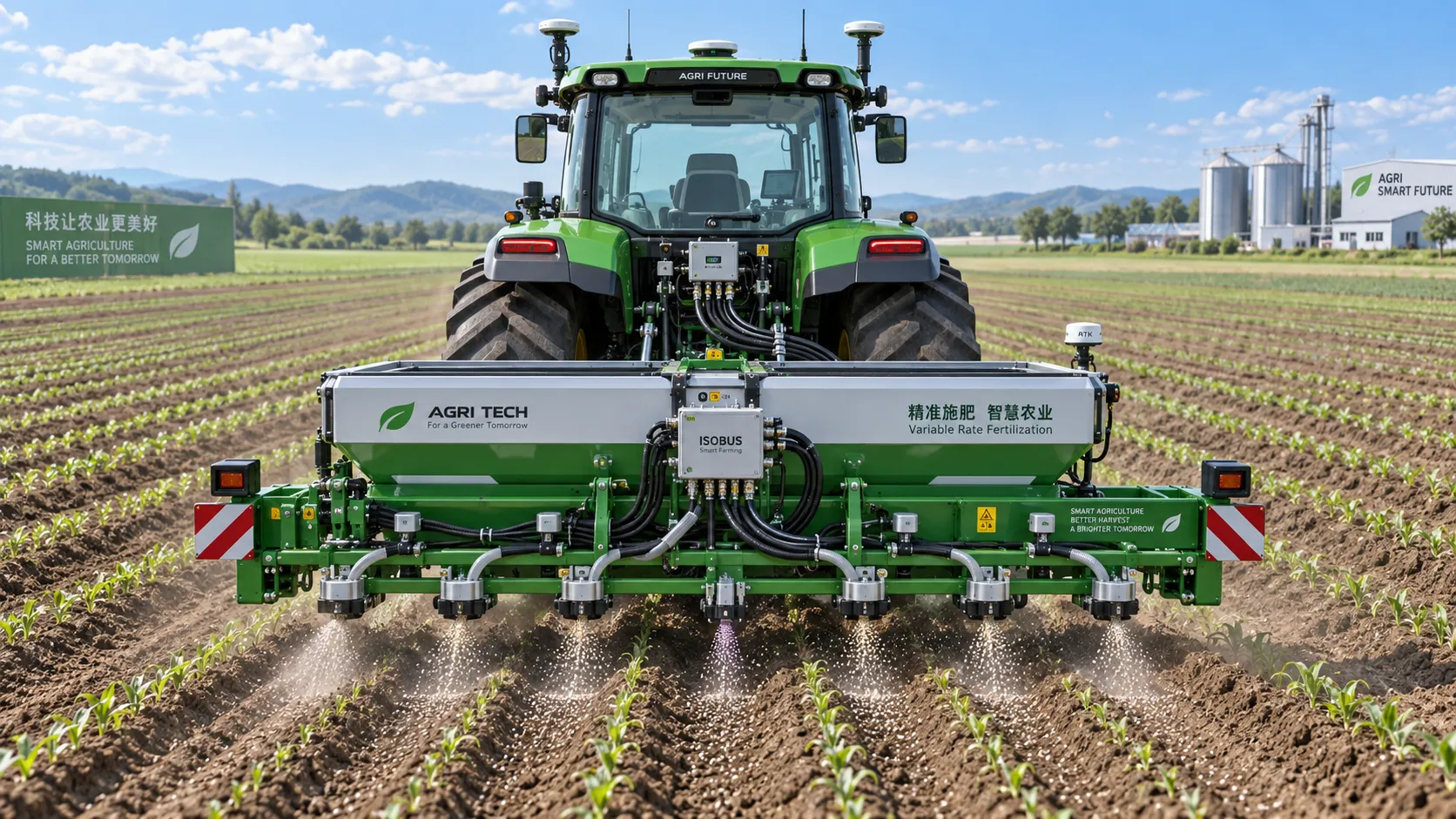
ISOBUS for Smart Agriculture: How It Connects Tractors, Implements, and Farm Data
ISOBUS for smart agriculture connects tractors, implements, terminals, and farm data—helping growers improve precision, documentation, and smarter field decisions.
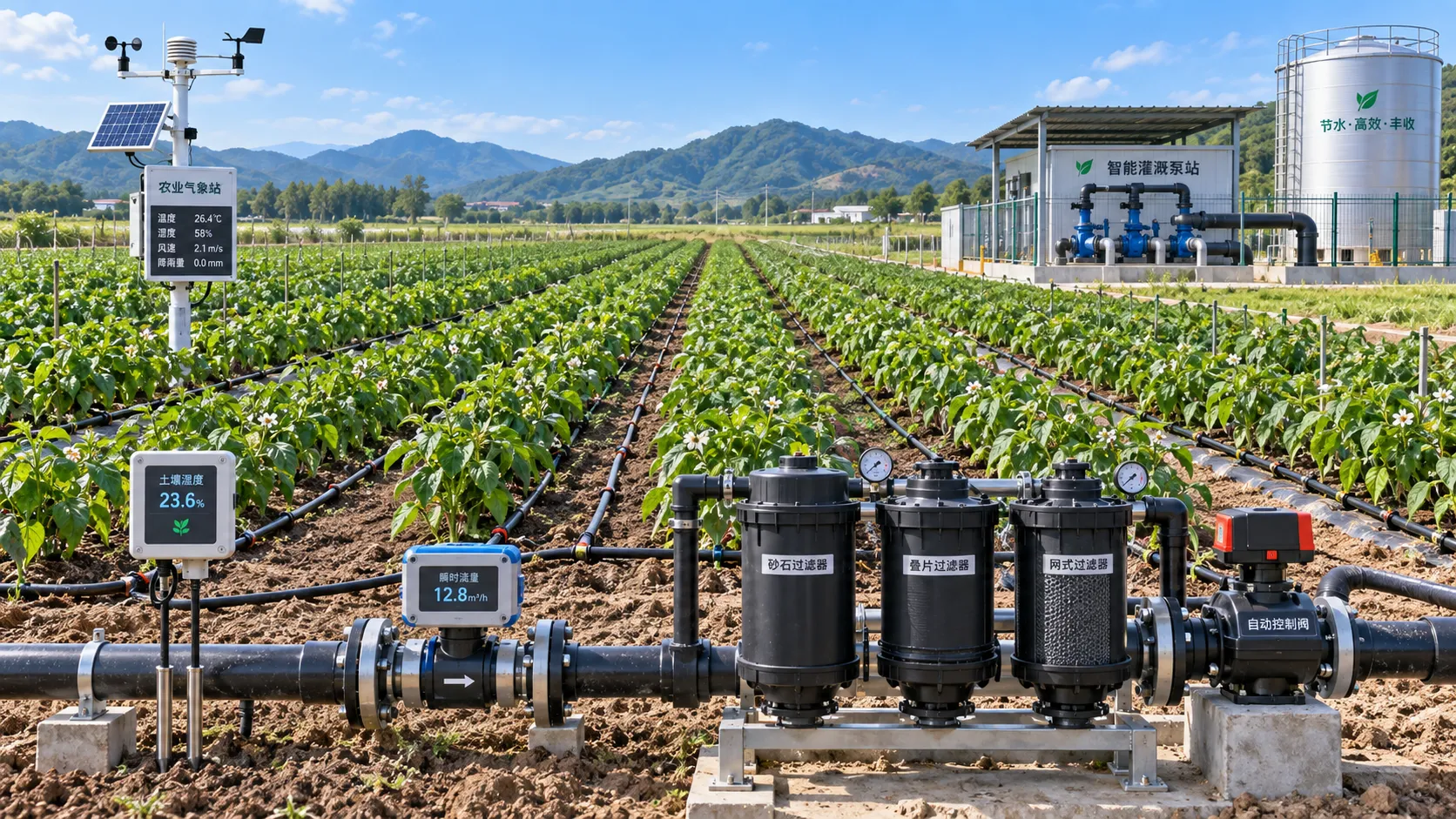
Automated Water-Saving Irrigation: How to Cut Water Use Without Reducing Crop Yields
Automated water-saving irrigation helps farms cut water use, protect crop yields, improve scheduling, and gain reliable control with sensors, flow monitoring, and smart zones.
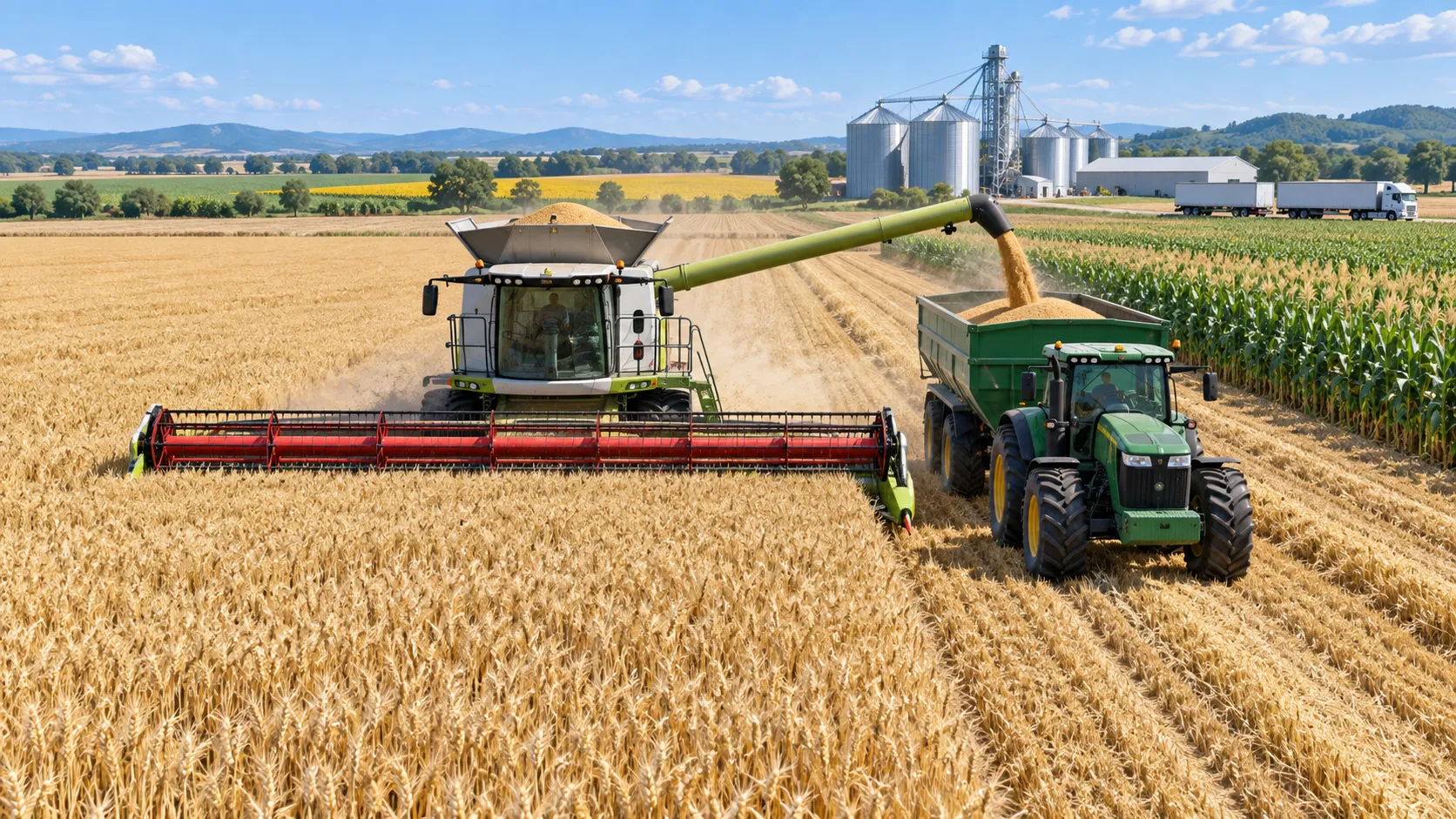
Selecting Grain Farm Equipment by Acreage, Crop Mix, and Harvest Window
Agricultural equipment selection for grain farming: match machinery to acreage, crop mix, and harvest windows to improve uptime, efficiency, and returns.
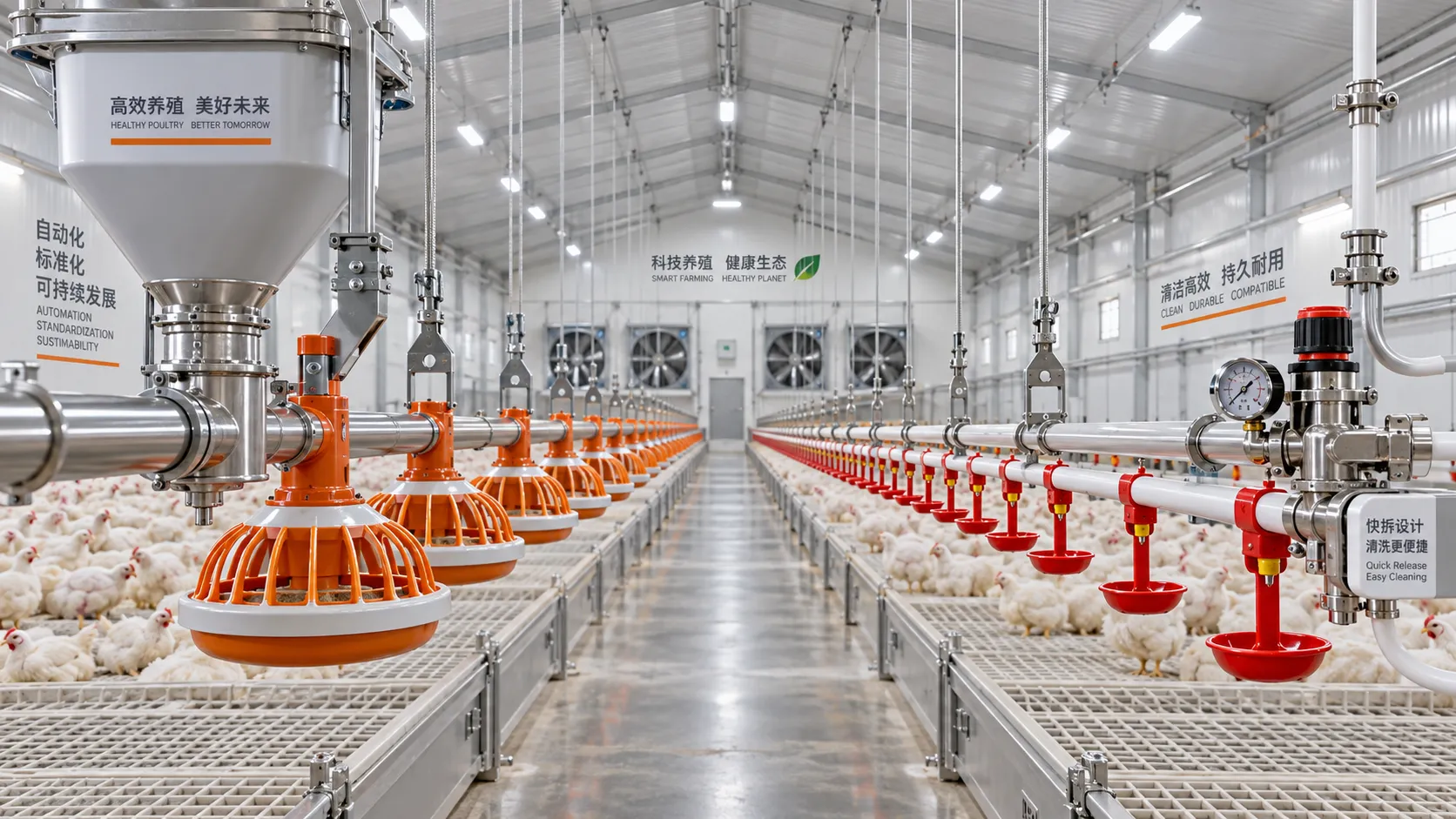
Poultry Equipment Selection: Evaluating Durability, Cleaning, and Compatibility
Poultry equipments selection guide: evaluate durability, cleaning access, and system compatibility to improve hygiene, reduce downtime, and support efficient flock management.
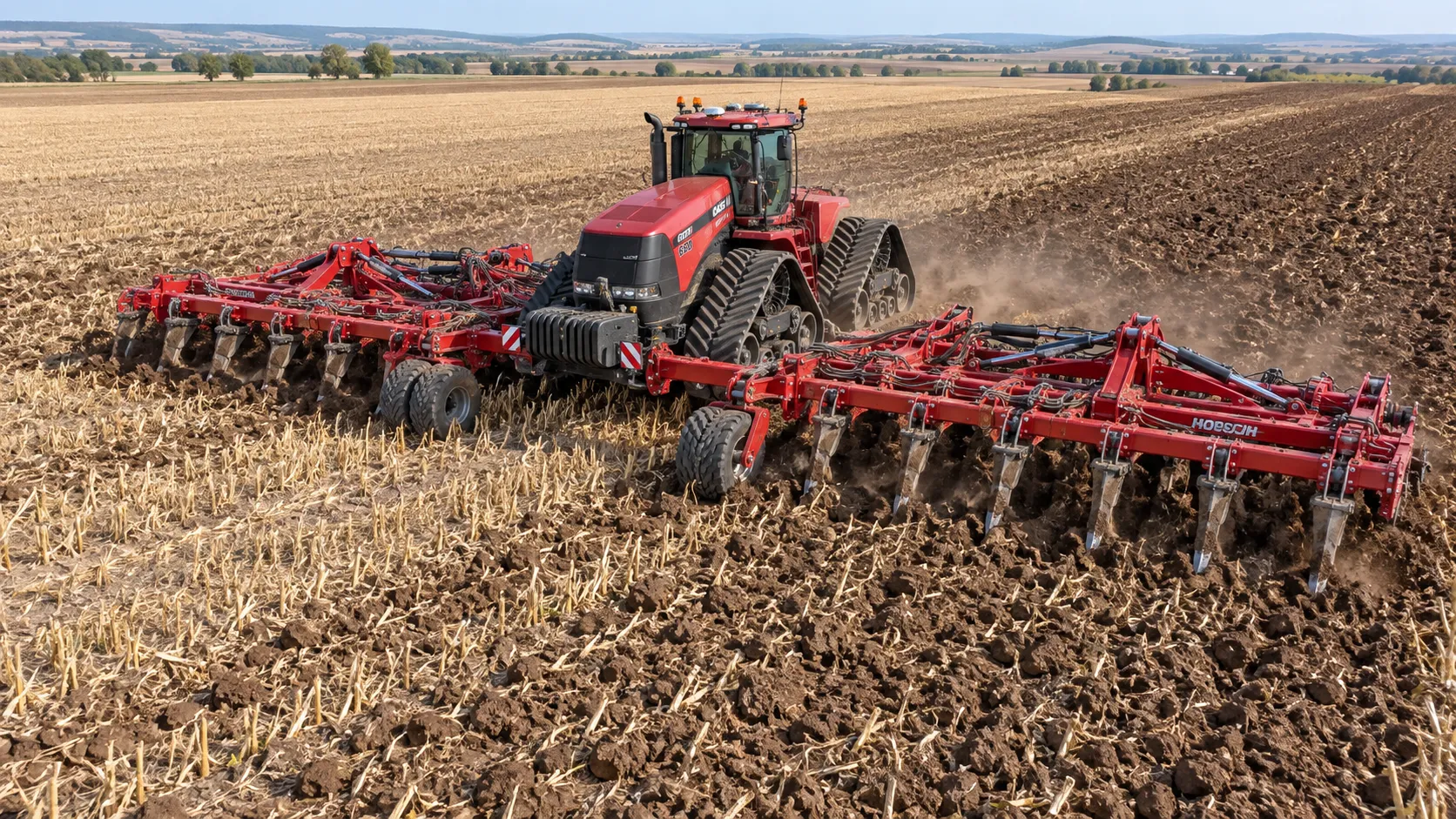
How to Select Heavy-Duty Farm Implements for High-Acreage, High-Horsepower Operations
Heavy duty farm implements: learn how to match draft, hydraulics, hitch capacity, frame strength, and field conditions for reliable high-acreage performance.
Related News
- 00
0000-00
What separates robotic automation providers for equipment production? - 00
0000-00
Which field data collection provider fits an agricultural robotics program? - 00
0000-00
How Autonomous Machinery for Crop Scouting Helps Growers Detect Field Issues Earlier - 00
0000-00
How to Evaluate Autonomous Machinery for Vineyards by Terrain, Tasks, and ROI - 00
0000-00
Brazil ANVISA Rule Requires Portuguese Risk Labels for Farm Robots
Popular Tags
Tractor Power Architect
Weekly Insights
Stay ahead with our curated technology reports delivered every Monday.