
SASO IEC 62061:2026 Revision Mandates PLd for Autonomous Farming Equipment in Saudi Arabia
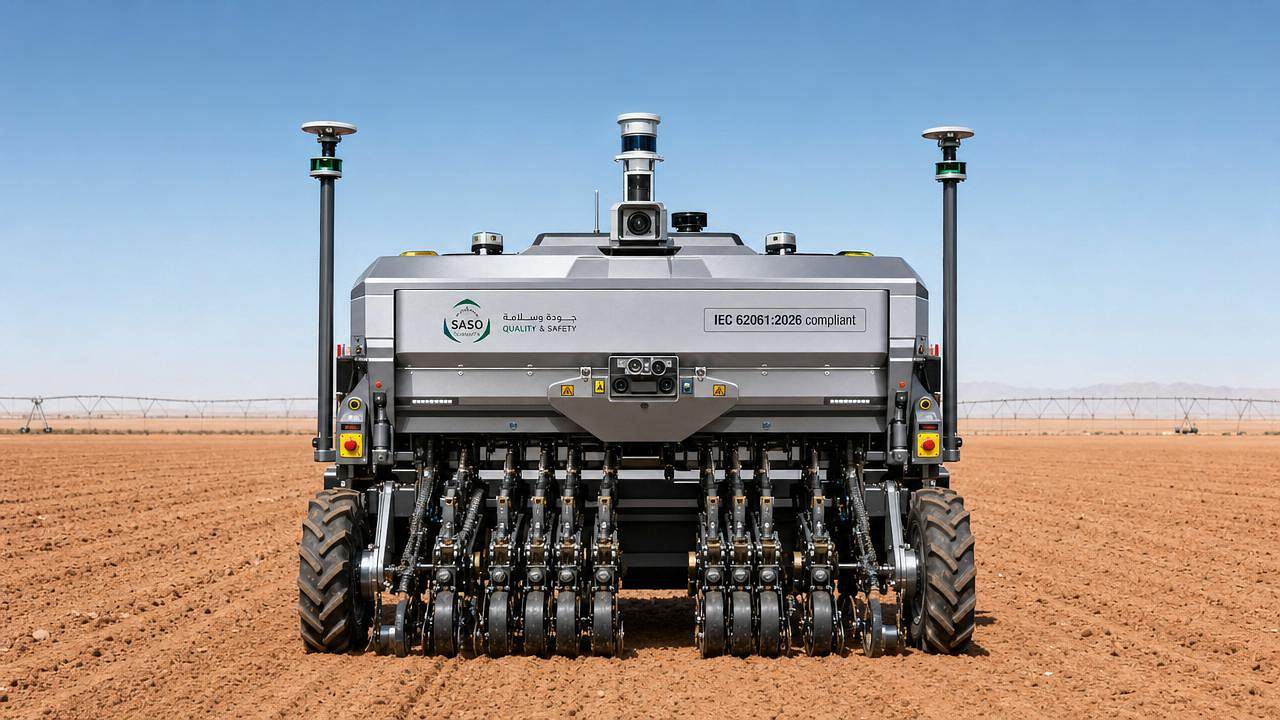




Saudi Arabia’s Standards, Metrology and Quality Organization (SASO) published the revised SASO IEC 62061:2026 standard on May 14, 2026, introducing a mandatory Performance Level d (PLd) functional safety requirement for autonomous robots and intelligent seeders & planters entering the Saudi market. The regulation takes effect on October 1, 2026, and applies to all new product registrations and imports. Exporters — particularly those from China — must allocate at least 12 weeks for third-party certification by SASO-recognized bodies. This development directly impacts agricultural machinery manufacturers, export trading firms, and supply chain service providers engaged in smart farming equipment trade with Saudi Arabia.
Event Overview
On May 14, 2026, SASO released SASO IEC 62061:2026, the national adoption of IEC 62061 with country-specific amendments. The revision explicitly requires autonomous robots and intelligent seeders & planters placed on the Saudi market to comply with functional safety performance level PLd as defined in ISO 13849-1. Compliance must be verified across the full product lifecycle by a SASO-accredited third-party conformity assessment body. Enforcement begins October 1, 2026. No transitional period or grandfathering provisions have been announced.
Industries Affected
Manufacturers of Autonomous Agricultural Machinery
These companies are directly subject to the PLd requirement. Impact arises from the need to redesign or retrofit safety-related control systems (e.g., emergency stop logic, obstacle detection response, human-machine interface interlocks) to meet PLd metrics — including probability of dangerous failure per hour (PFHD) and architectural constraints (Category 3 or 4). Verification now extends beyond component-level testing to full system integration and operational validation under real-world field conditions.
Export Trading Companies Handling Smart Farming Equipment
Trading firms acting as importers of record or responsible for regulatory compliance in Saudi Arabia must ensure that every shipment includes valid PLd certification documentation issued by a SASO-recognized body. Non-compliant consignments will be rejected at customs. The 12-week minimum certification timeline affects order scheduling, lead time commitments, and inventory planning — especially for seasonal delivery windows such as pre-planting periods.
Supply Chain Service Providers (Certification, Testing, Technical Documentation)
Third-party certification bodies, test laboratories, and technical documentation consultants accredited by SASO face increased demand for PLd-specific assessments. Their scope of work now includes full lifecycle verification — covering design review, hardware/software safety integrity analysis, validation under representative operating conditions, and periodic surveillance. Capacity constraints may emerge given the compressed implementation timeline.
What Enterprises and Practitioners Should Focus On Now
Monitor official SASO communications for updated accreditation lists and guidance documents
SASO has not yet published the finalized list of recognized conformity assessment bodies authorized to perform PLd verification under this revision. Enterprises should track SASO’s official portal and notifications for updates, as using a non-recognized body will invalidate certification.
Prioritize product models with imminent Saudi market entry timelines
Given the October 1, 2026 enforcement date and 12-week minimum certification window, products scheduled for registration or first shipment between July and September 2026 require immediate attention. Delayed initiation risks missing the planting season window or triggering customs delays.
Distinguish between regulatory signal and operational readiness
The publication of SASO IEC 62061:2026 is a binding regulatory act, not a draft or consultation. However, practical readiness depends on the availability of accredited assessors and harmonized interpretation of ‘full lifecycle verification’. Enterprises should treat the standard as enforceable while verifying implementation protocols with their chosen certification partner.
Initiate internal safety architecture reviews and documentation updates
Manufacturers should audit existing safety-related parts of control systems (SRP/CS) against PLd requirements — specifically checking for redundancy, fault detection coverage, and diagnostic coverage (DC). Technical files must include evidence of systematic capability (per IEC 61508 Part 2), hardware fault tolerance analysis, and validation test reports aligned with Saudi operational use cases.
Editorial Perspective / Industry Observation
Observably, this revision signals SASO’s strategic shift toward aligning agricultural automation regulation with international functional safety expectations — particularly those embedded in EU Machinery Regulation and ISO 25119. It is less a technical adjustment and more a structural enforcement step: PLd represents a mid-tier safety integrity level requiring measurable reliability and architectural robustness, distinct from lower tiers (e.g., PLc) that rely more heavily on procedural controls. Analysis shows the requirement targets high-risk interaction scenarios — such as unmanned operation near personnel or in variable terrain — rather than general-purpose automation. From an industry perspective, this reflects growing regulatory scrutiny of AI-integrated machinery where failure modes extend beyond mechanical hazards to include perception, decision, and actuation errors. Continuous monitoring is warranted, as SASO may issue clarifications on scope boundaries (e.g., whether semi-autonomous or teleoperated units fall under the mandate) ahead of enforcement.
This is not merely a certification update but a threshold change in market access criteria for intelligent agricultural equipment in Saudi Arabia. It establishes functional safety — not just electromagnetic compatibility or electrical safety — as a gatekeeping requirement. Current understanding suggests it functions primarily as an enforcement mechanism rather than a long-term policy signal: the October 2026 deadline is fixed, the technical bar (PLd) is clearly defined, and the conformity route is prescribed. Enterprises should interpret it as an operational compliance milestone, not a provisional guideline.
Information Source: Official SASO announcement dated May 14, 2026, referencing SASO IEC 62061:2026. Note: SASO’s list of accredited conformity assessment bodies and any supplementary technical guidance remain pending and require ongoing observation.
Related News
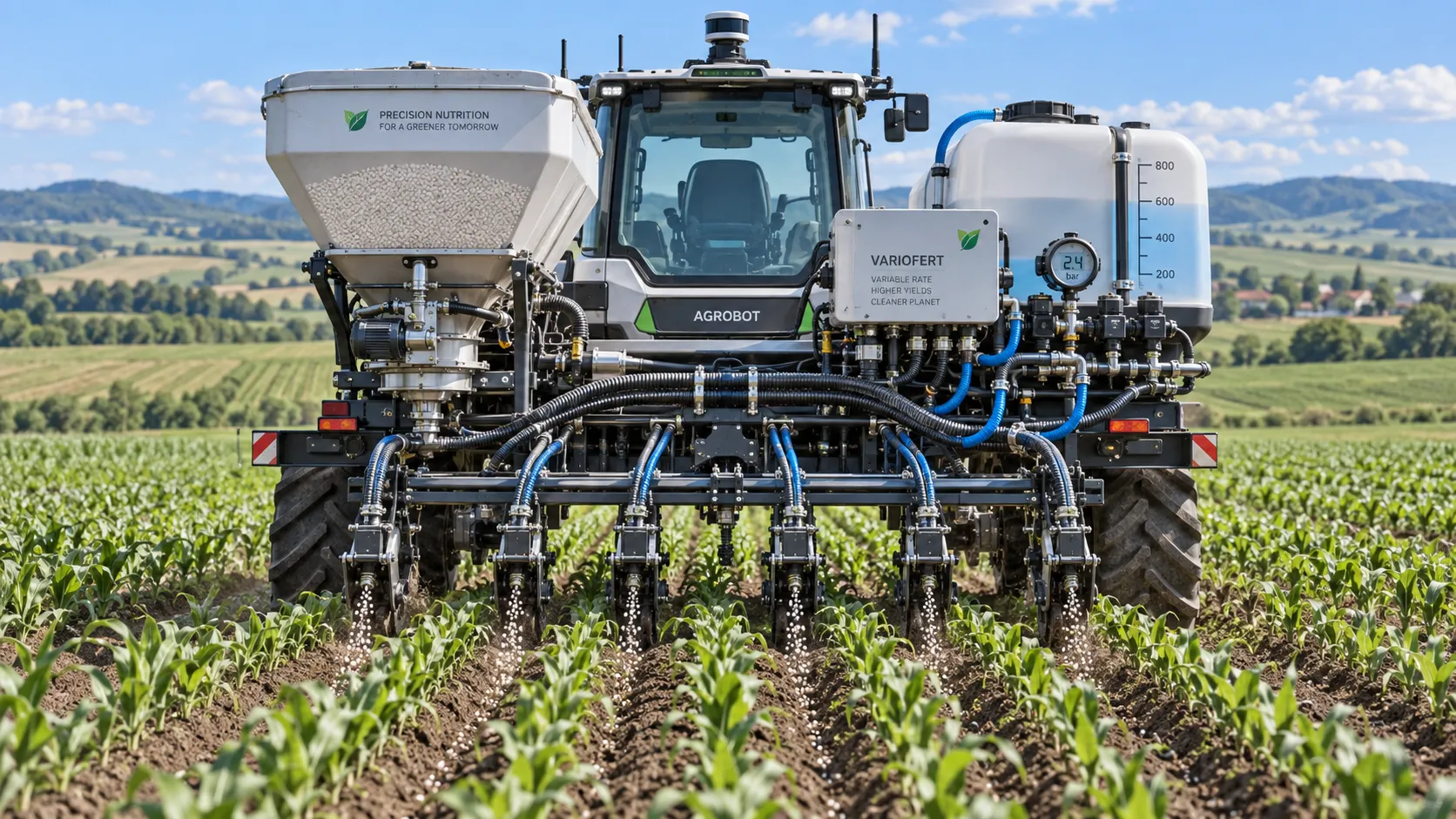
How Sensor Feedback Enables Accurate Variable-Rate Fertilization in Field Conditions
Precision fertilization systems with sensor feedback improve variable-rate accuracy by verifying flow, managing latency, and ensuring reliable field application.
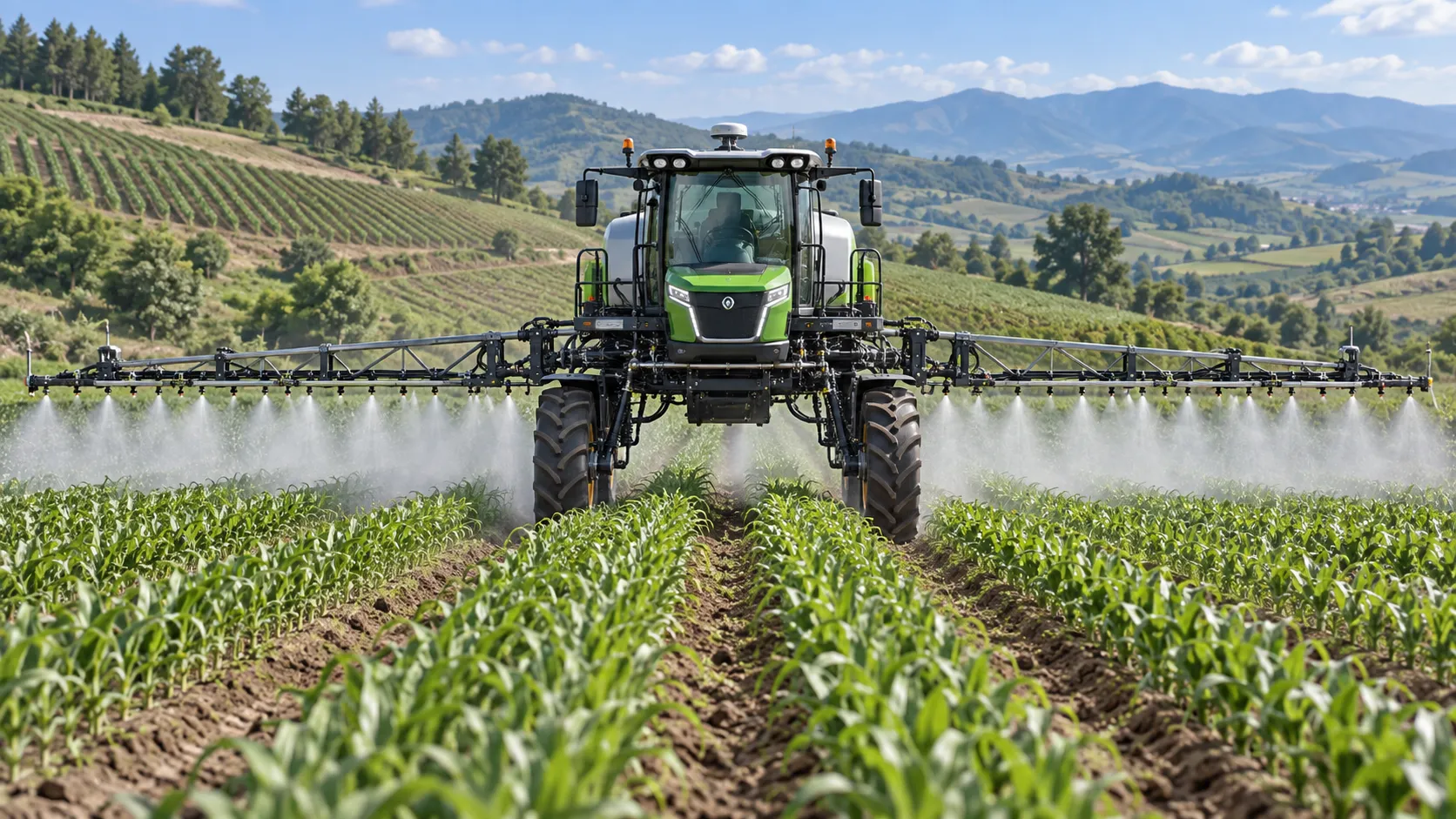
How to Select Precision Crop Protection Equipment for Variable Field Conditions
Precision crop protection equipment selection made simple: compare terrain, canopy, weather, control accuracy, and data workflows for reliable applications.
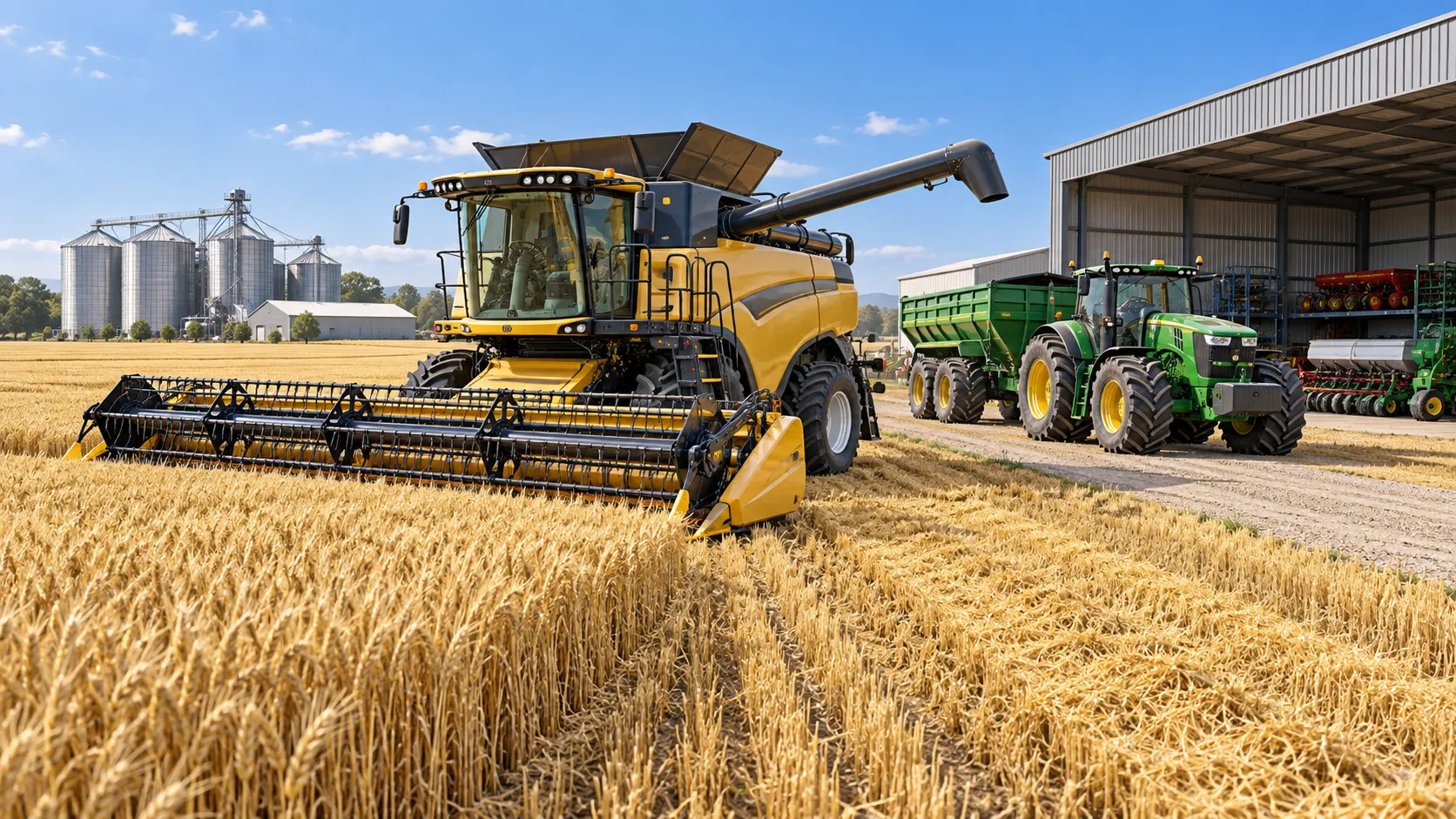
When Does Agricultural Machinery Leasing Cost Less Than Owning Equipment?
Agricultural machinery leasing can lower farm costs when use is seasonal or uncertain. Compare utilization, maintenance, cash flow, and risk to make a smarter equipment decision.
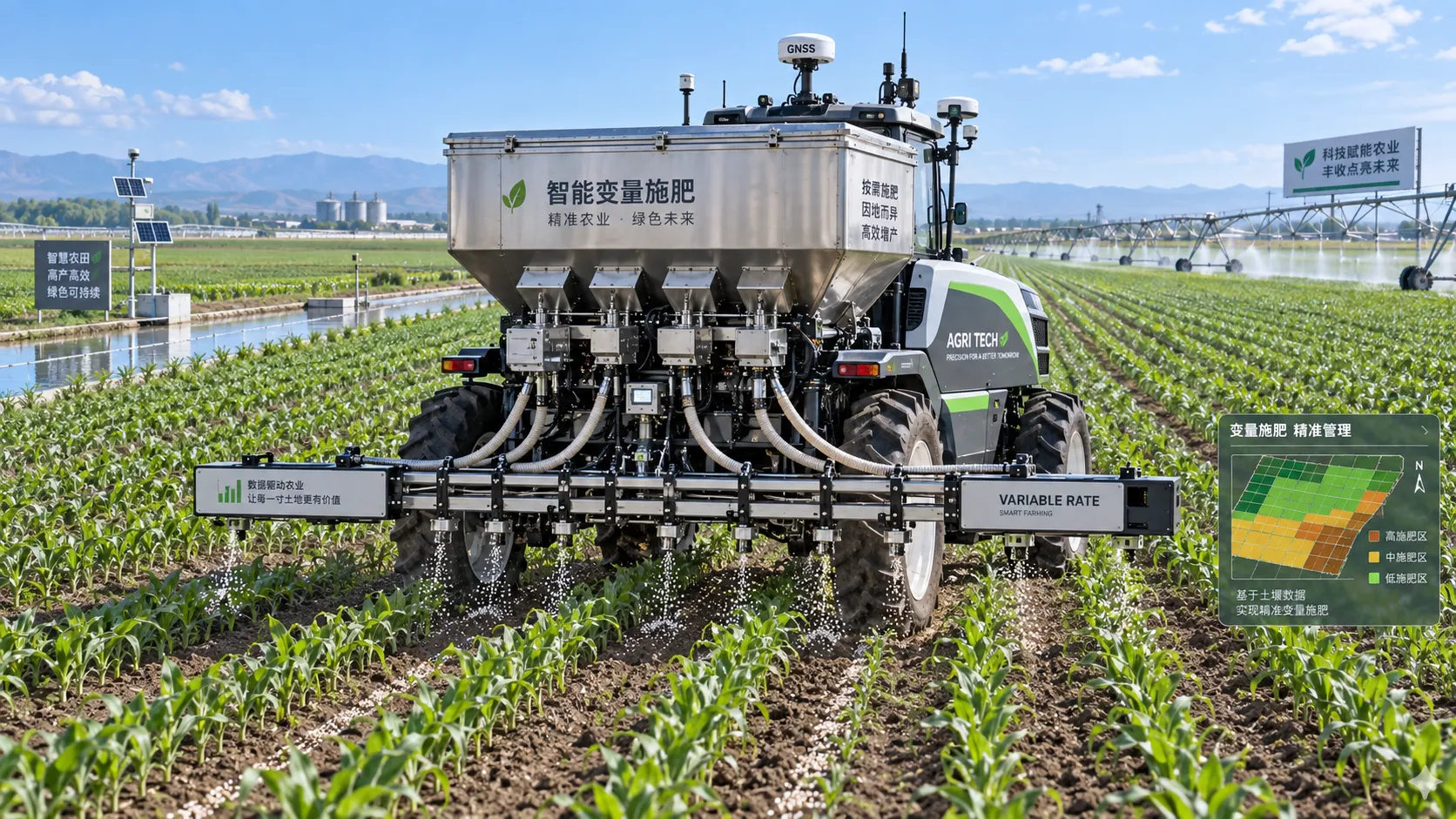
How to Evaluate Precision Fertilization System Suppliers for Farm-Scale Deployment
Precision fertilization systems suppliers: learn how to compare accuracy, integration, uptime, service, and total cost for confident farm-scale deployment.
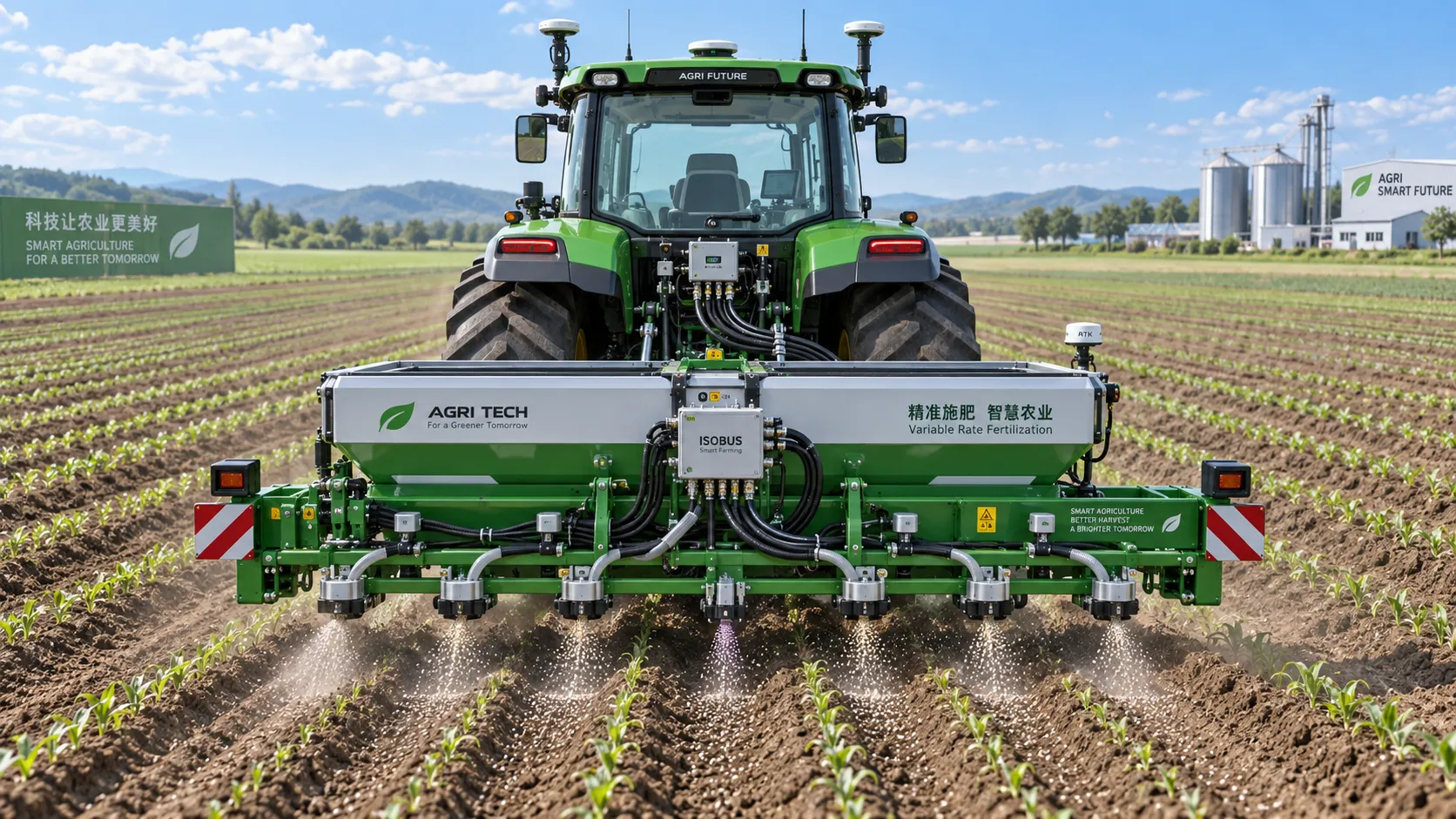
ISOBUS for Smart Agriculture: How It Connects Tractors, Implements, and Farm Data
ISOBUS for smart agriculture connects tractors, implements, terminals, and farm data—helping growers improve precision, documentation, and smarter field decisions.
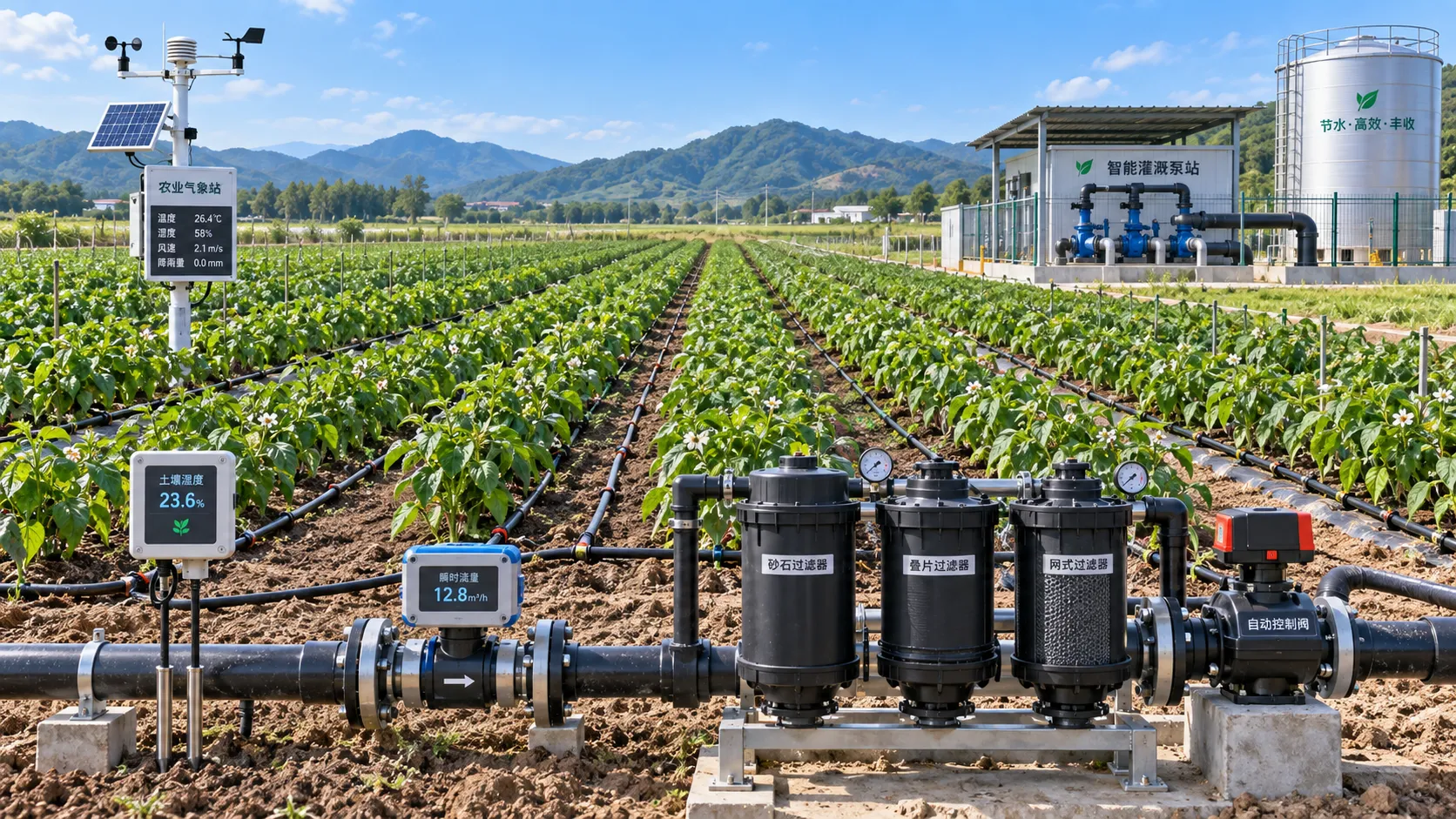
Automated Water-Saving Irrigation: How to Cut Water Use Without Reducing Crop Yields
Automated water-saving irrigation helps farms cut water use, protect crop yields, improve scheduling, and gain reliable control with sensors, flow monitoring, and smart zones.
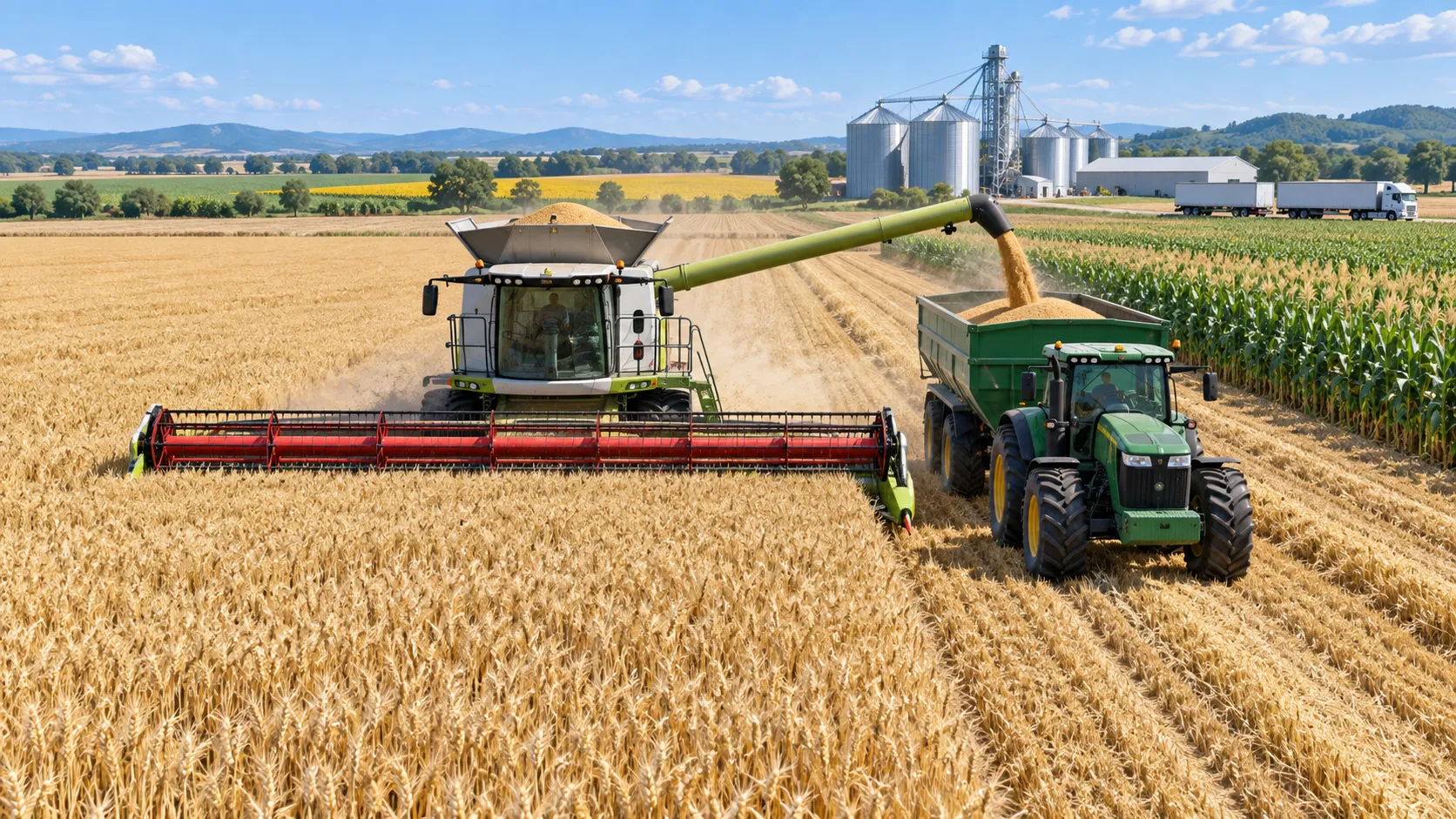
Selecting Grain Farm Equipment by Acreage, Crop Mix, and Harvest Window
Agricultural equipment selection for grain farming: match machinery to acreage, crop mix, and harvest windows to improve uptime, efficiency, and returns.
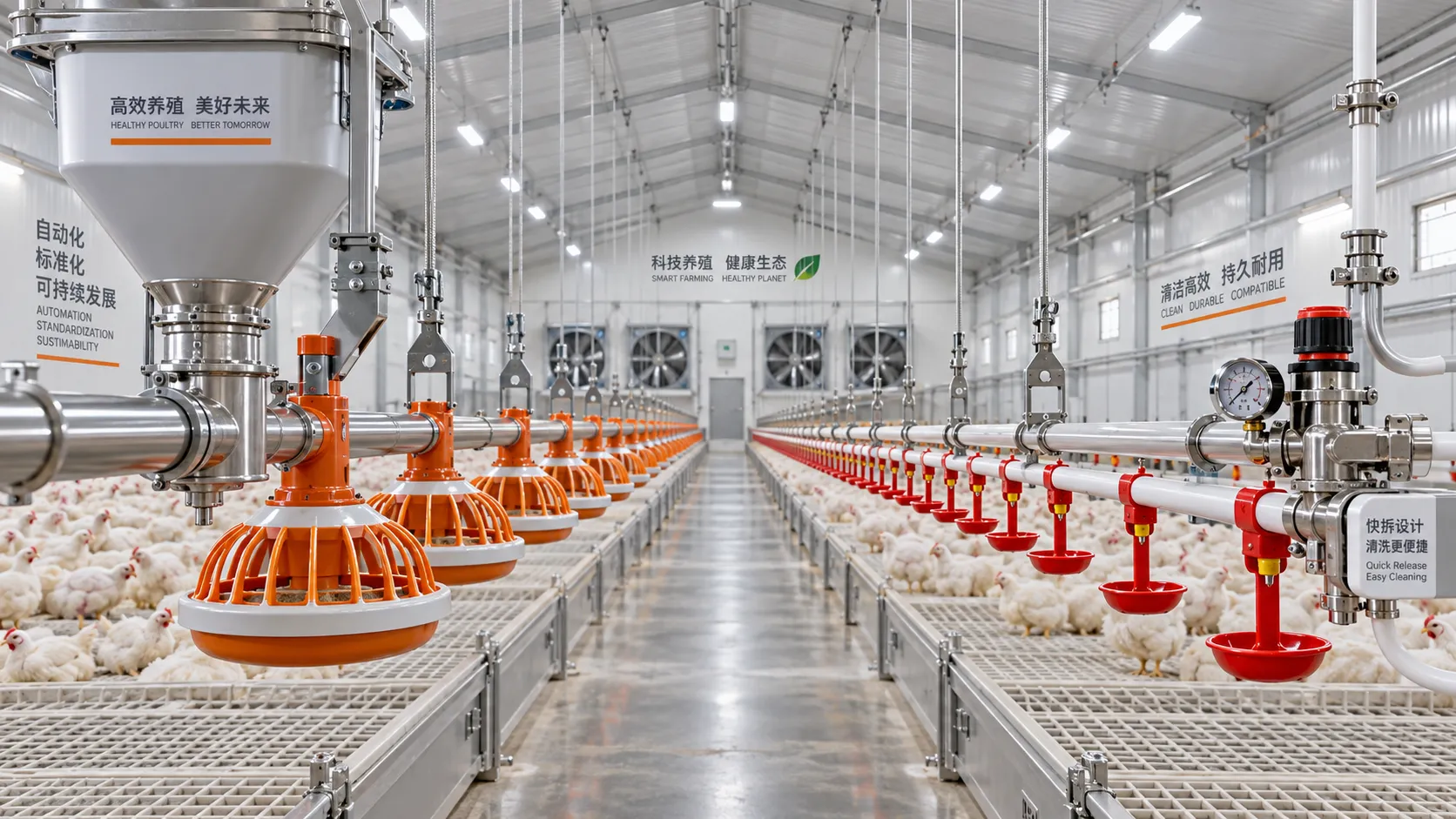
Poultry Equipment Selection: Evaluating Durability, Cleaning, and Compatibility
Poultry equipments selection guide: evaluate durability, cleaning access, and system compatibility to improve hygiene, reduce downtime, and support efficient flock management.
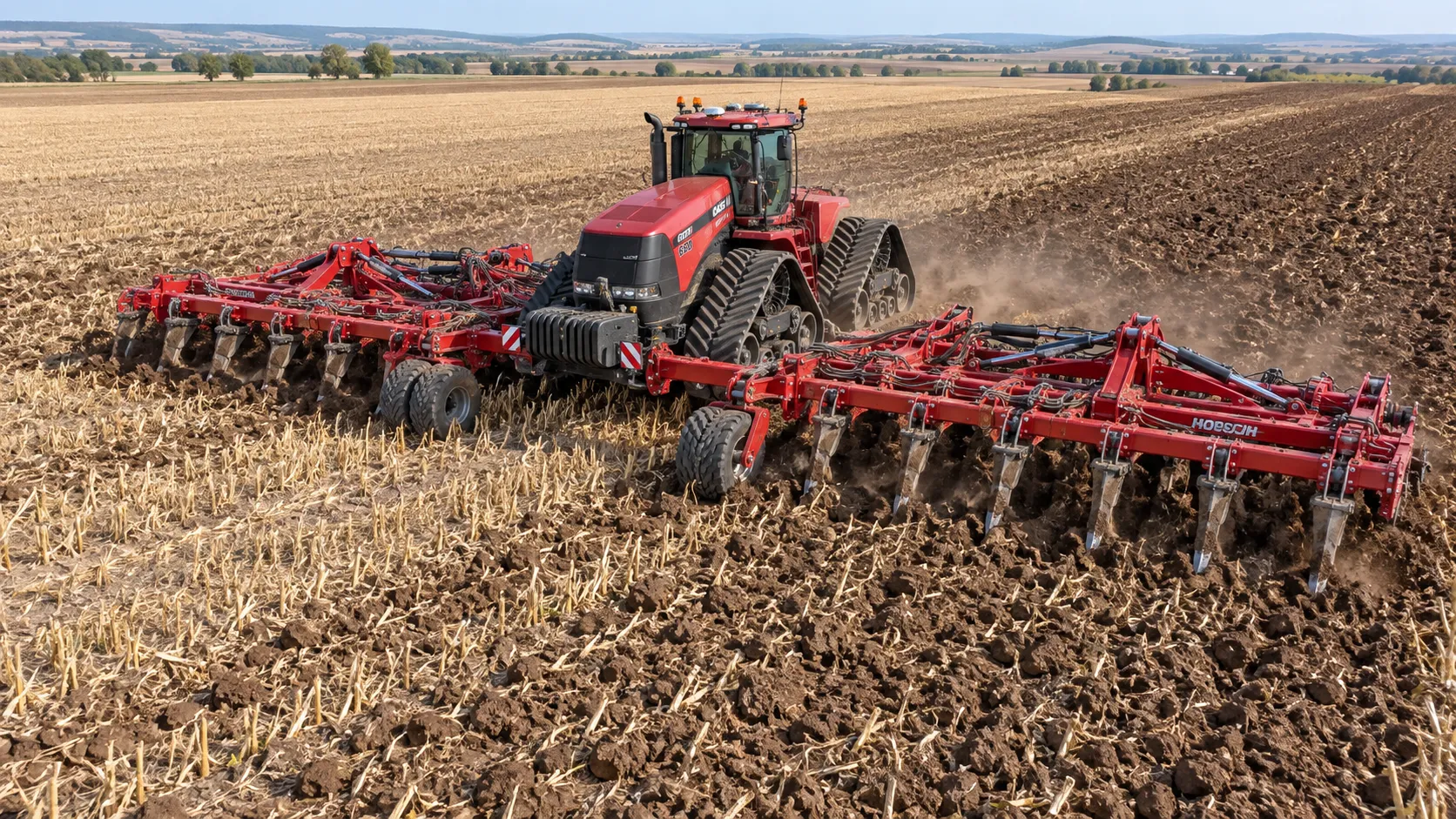
How to Select Heavy-Duty Farm Implements for High-Acreage, High-Horsepower Operations
Heavy duty farm implements: learn how to match draft, hydraulics, hitch capacity, frame strength, and field conditions for reliable high-acreage performance.
Related News
- 00
0000-00
What separates robotic automation providers for equipment production? - 00
0000-00
Which field data collection provider fits an agricultural robotics program? - 00
0000-00
How Autonomous Machinery for Crop Scouting Helps Growers Detect Field Issues Earlier - 00
0000-00
How to Evaluate Autonomous Machinery for Vineyards by Terrain, Tasks, and ROI - 00
0000-00
Brazil ANVISA Rule Requires Portuguese Risk Labels for Farm Robots
Popular Tags
Tractor Power Architect
Weekly Insights
Stay ahead with our curated technology reports delivered every Monday.