
SASO Mandates PLd Safety Level for Autonomous Farming Machinery in Saudi Arabia
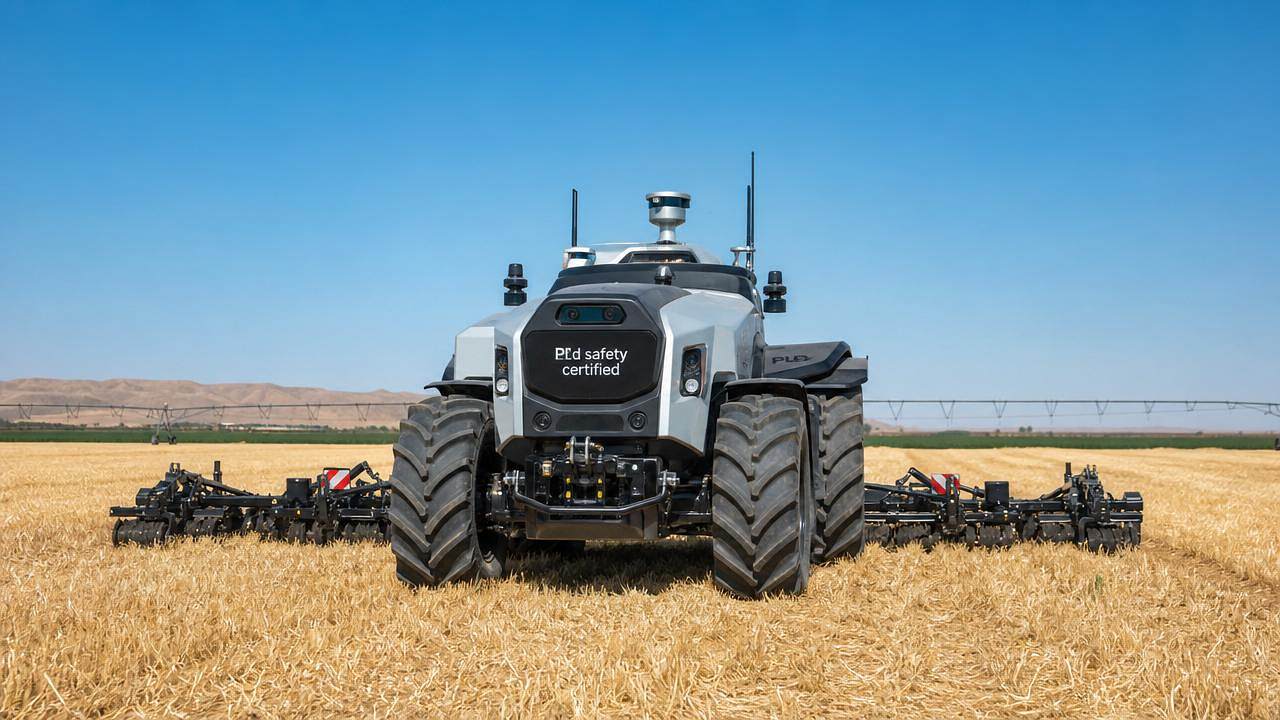




Saudi Arabia’s Standards, Metrology and Quality Organization (SASO) announced on May 15, 2026, a mandatory upgrade to functional safety requirements for autonomous agricultural machinery. Effective September 1, 2026, all imported autonomous agricultural robots, unmanned tractors, and smart harvesting platforms must be certified to Performance Level d (PLd) under the revised SASO IEC 62061:2026 standard. This development directly affects manufacturers—particularly those based in China—supplying to Saudi public procurement and large-scale farm procurement programs, making PLd certification a hard准入 requirement.
Event Overview
On May 15, 2026, SASO issued a revision notice for SASO IEC 62061:2026, specifying that, from September 1, 2026, third-party certification bodies must issue PLd-level functional safety reports for all imported autonomous agricultural robots, unmanned tractors, and intelligent harvesting platforms entering the Saudi market. The requirement applies to products intended for government procurement and centralized purchasing by major agricultural enterprises in Saudi Arabia.
Industries Affected
Export-Oriented Manufacturing Enterprises
Manufacturers exporting autonomous farming equipment to Saudi Arabia—especially those producing robotic harvesters, driverless tractors, or AI-enabled field platforms—are directly affected. Compliance is now a prerequisite for market access; non-PLd-certified units will be excluded from official procurement lists and large-farm tenders.
OEMs and System Integrators
Companies integrating sensors, motion controllers, safety PLCs, or human-machine interfaces into agricultural automation systems must verify that their subsystems collectively achieve PLd. The revision shifts responsibility upstream: component-level safety validation becomes essential—not just final-product testing.
Certification and Testing Service Providers
Third-party conformity assessment bodies accredited for functional safety evaluation under IEC 62061 (and aligned with SASO’s national adoption) face increased demand for PLd-level audits and documentation support. Capacity, turnaround time, and SASO-recognized accreditation status are now critical differentiators.
Distribution and Channel Partners in KSA
Local importers and distributors handling autonomous agri-machinery must confirm PLd compliance before customs clearance and pre-market registration. Stockpiling uncertified inventory risks rejection at port or disqualification from tender submissions post-September 2026.
Key Considerations and Recommended Actions
Monitor Official SASO Guidance and Interpretive Documents
While the PLd mandate is confirmed, SASO has not yet published detailed implementation guidelines—for example, transitional arrangements, grandfathering clauses for existing contracts, or acceptable evidence formats. Stakeholders should track updates via SASO’s official portal and registered notifications.
Prioritize Product Lines Targeting Saudi Public and Large-Farm Procurement
Not all exported models require immediate PLd certification—only those explicitly intended for Saudi government tenders or centralized farm procurement. Exporters should identify and segregate high-priority SKUs early to allocate certification resources efficiently.
Distinguish Between Regulatory Signal and Operational Enforcement
The September 1, 2026, effective date signals intent, but enforcement rigor—including inspection frequency, documentation depth, and penalties for noncompliance—remains to be observed in practice. Companies should treat this as a binding regulatory threshold while preparing for possible phased verification during initial rollout.
Initiate Pre-Certification Readiness Assessments Now
PLd certification typically requires hazard analysis, safety-related control system design review, hardware fault tolerance calculations, and validation testing. Manufacturers should begin internal gap assessments and engage SASO-accredited certifiers no later than Q3 2026 to avoid bottlenecks ahead of the deadline.
Editorial Observation / Industry Perspective
Observably, this update reflects SASO’s broader alignment with international functional safety expectations—particularly for machines operating with minimal human supervision in dynamic outdoor environments. Analysis shows it functions less as an isolated technical amendment and more as a signal of tightening regulatory convergence across Gulf Cooperation Council (GCC) markets. From an industry perspective, it marks a shift from voluntary safety best practices toward enforceable, outcome-based compliance for autonomy in agriculture. Current monitoring should focus on whether similar PLd-level mandates emerge in UAE or Qatar standards within the next 12–18 months.
Concluding, this regulation establishes a clear, non-negotiable safety benchmark for autonomous farming equipment entering Saudi Arabia. It does not introduce new technology requirements per se, but raises the evidentiary bar for demonstrating functional safety. For stakeholders, it is best understood not as a temporary hurdle, but as an indicator of evolving global expectations for safety-critical autonomy in open-field applications.
Source: SASO Official Announcement, SASO IEC 62061:2026 Revision Notice (issued May 15, 2026).
Note: Implementation guidance documents, enforcement protocols, and potential extensions remain under observation and have not been officially published as of the announcement date.
Related News
How Sensor Feedback Enables Accurate Variable-Rate Fertilization in Field Conditions
Precision fertilization systems with sensor feedback improve variable-rate accuracy by verifying flow, managing latency, and ensuring reliable field application.
How to Select Precision Crop Protection Equipment for Variable Field Conditions
Precision crop protection equipment selection made simple: compare terrain, canopy, weather, control accuracy, and data workflows for reliable applications.

When Does Agricultural Machinery Leasing Cost Less Than Owning Equipment?
Agricultural machinery leasing can lower farm costs when use is seasonal or uncertain. Compare utilization, maintenance, cash flow, and risk to make a smarter equipment decision.
How to Evaluate Precision Fertilization System Suppliers for Farm-Scale Deployment
Precision fertilization systems suppliers: learn how to compare accuracy, integration, uptime, service, and total cost for confident farm-scale deployment.
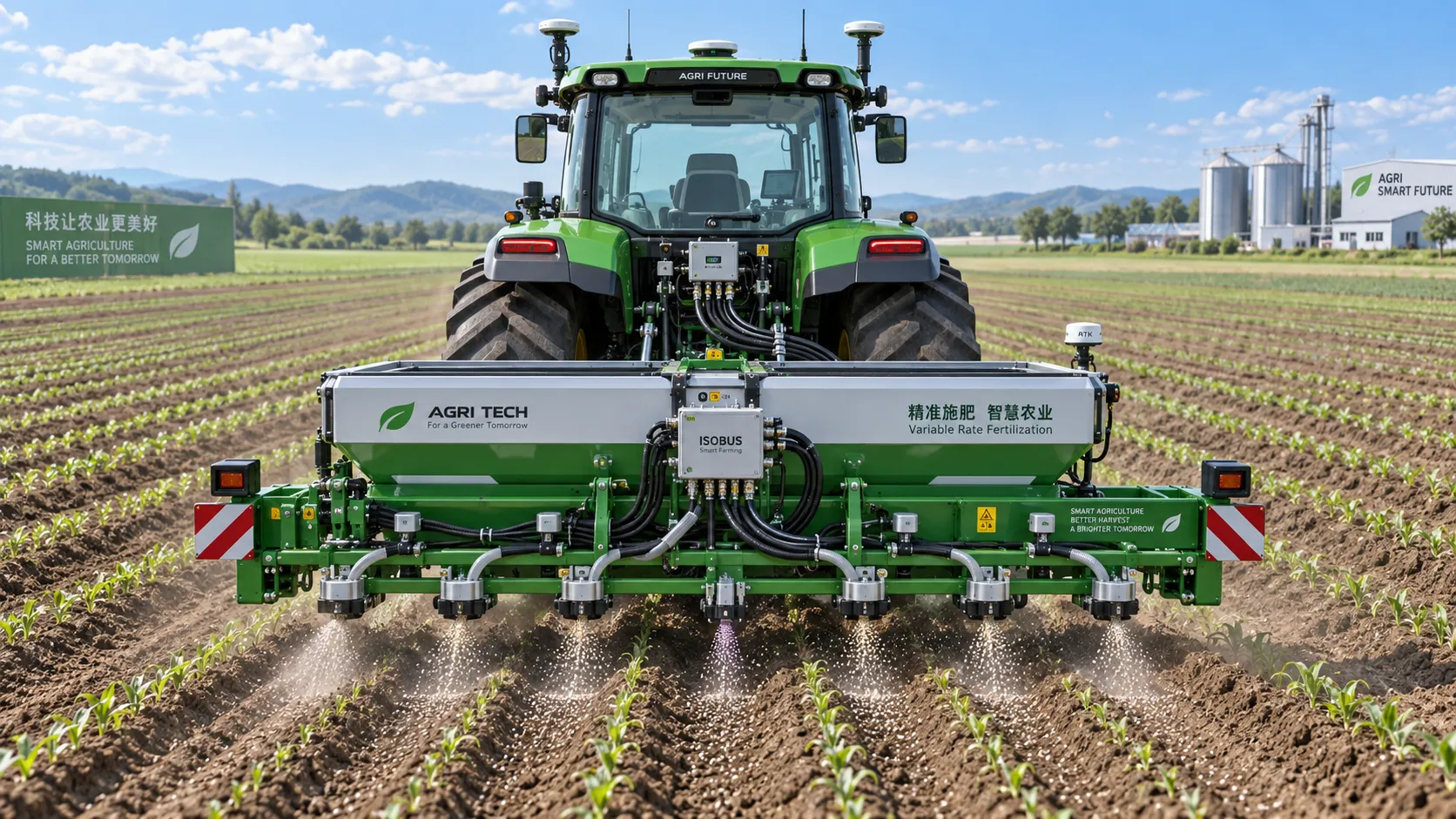
ISOBUS for Smart Agriculture: How It Connects Tractors, Implements, and Farm Data
ISOBUS for smart agriculture connects tractors, implements, terminals, and farm data—helping growers improve precision, documentation, and smarter field decisions.
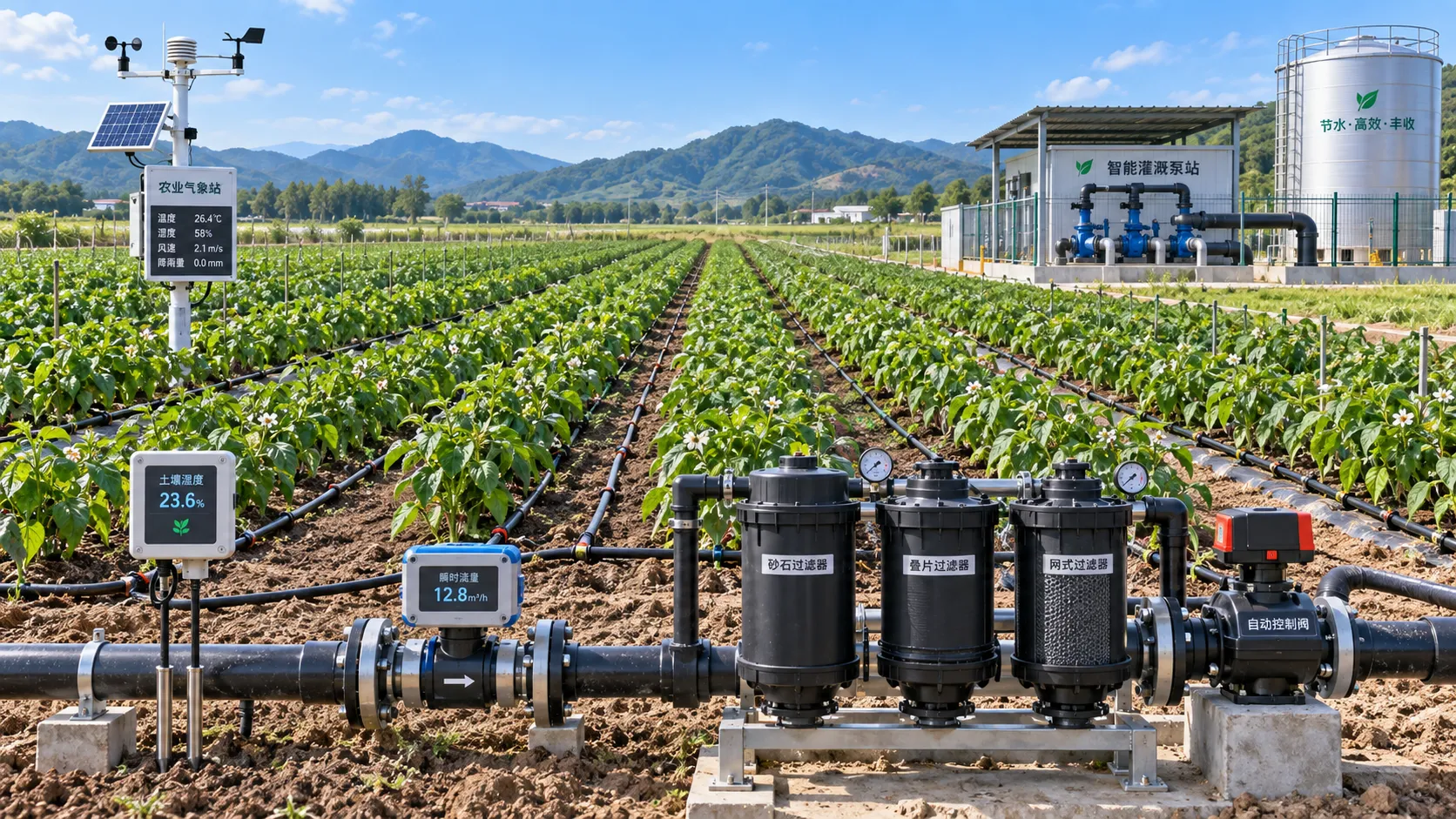
Automated Water-Saving Irrigation: How to Cut Water Use Without Reducing Crop Yields
Automated water-saving irrigation helps farms cut water use, protect crop yields, improve scheduling, and gain reliable control with sensors, flow monitoring, and smart zones.
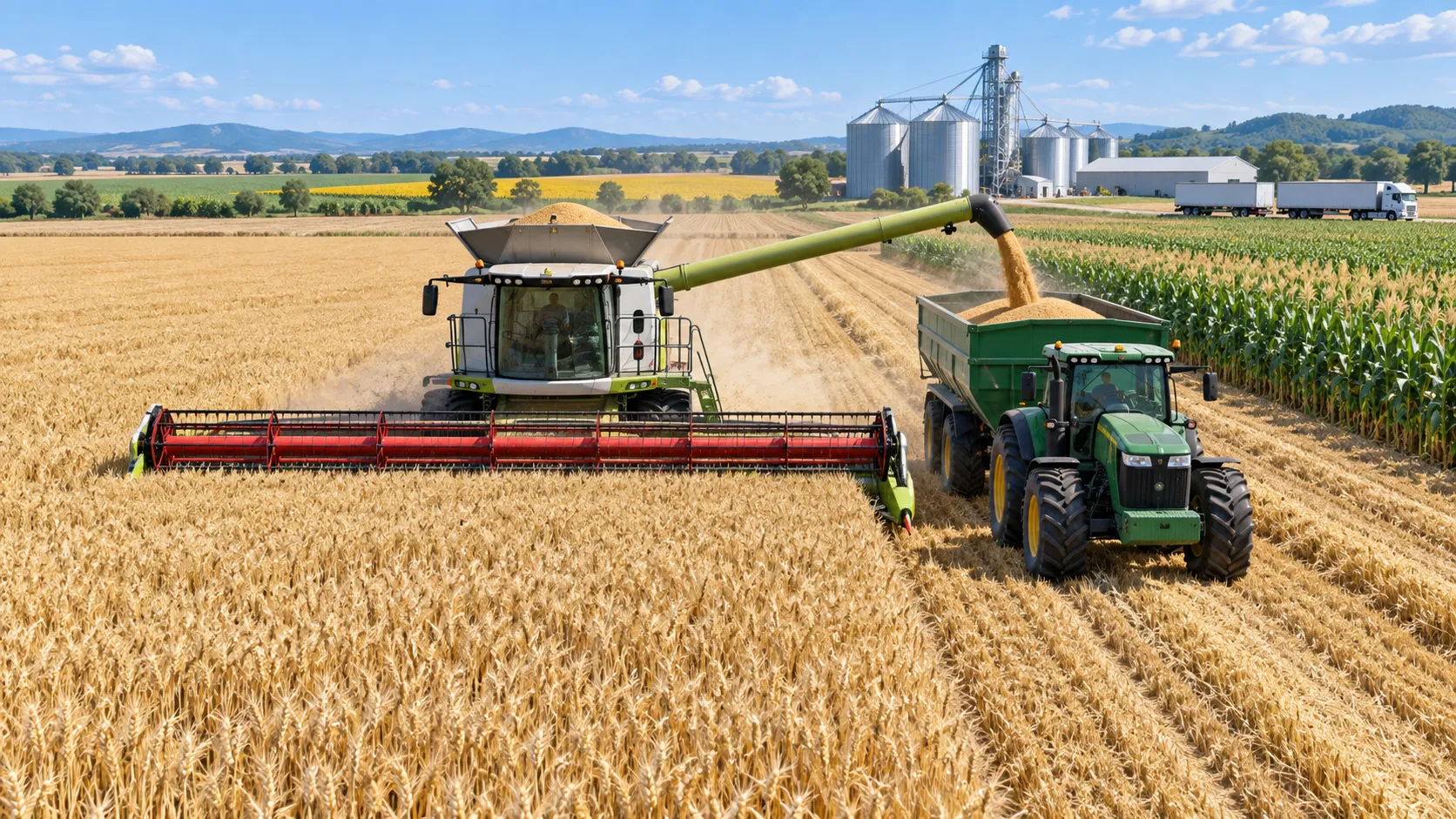
Selecting Grain Farm Equipment by Acreage, Crop Mix, and Harvest Window
Agricultural equipment selection for grain farming: match machinery to acreage, crop mix, and harvest windows to improve uptime, efficiency, and returns.
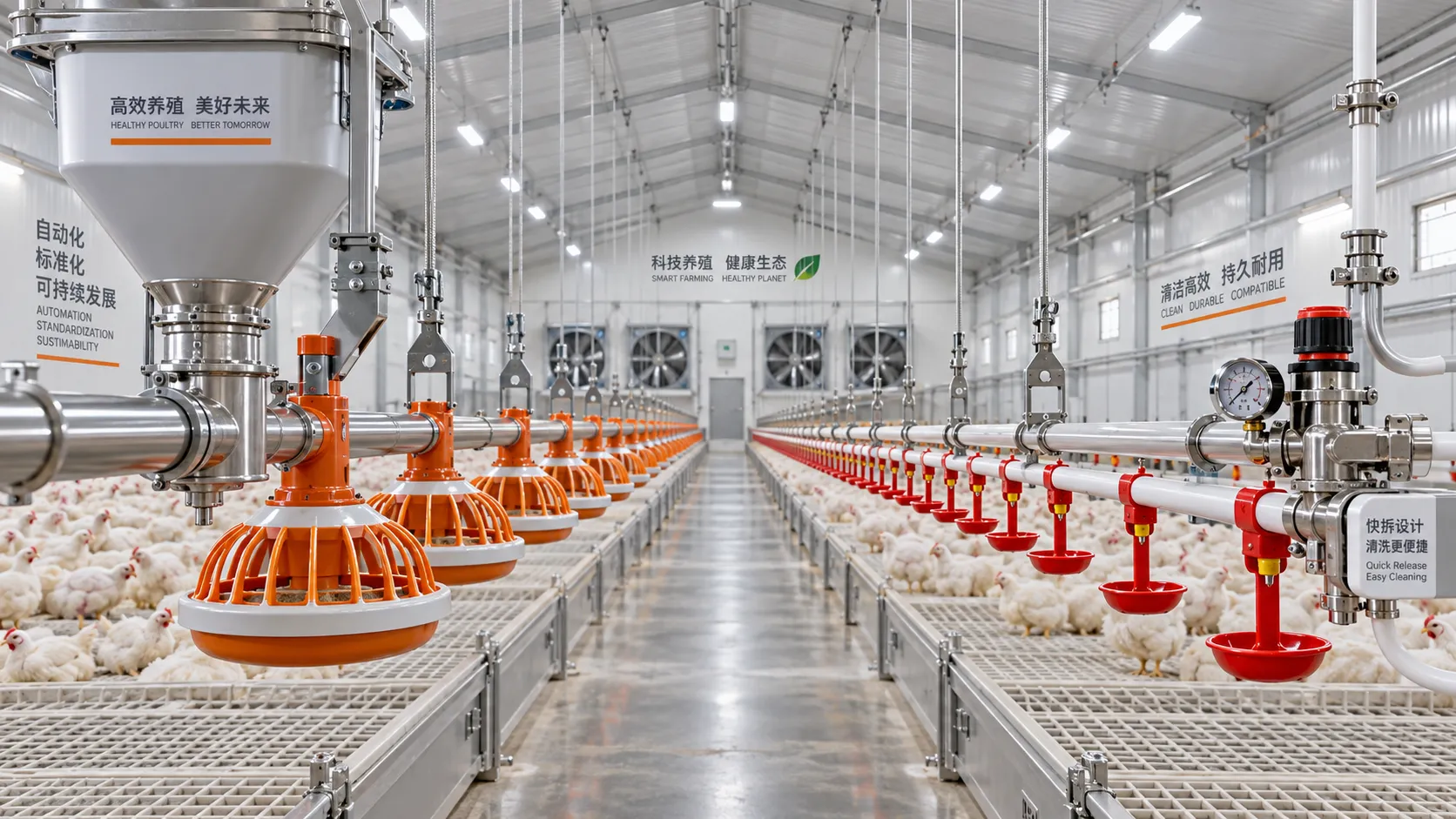
Poultry Equipment Selection: Evaluating Durability, Cleaning, and Compatibility
Poultry equipments selection guide: evaluate durability, cleaning access, and system compatibility to improve hygiene, reduce downtime, and support efficient flock management.
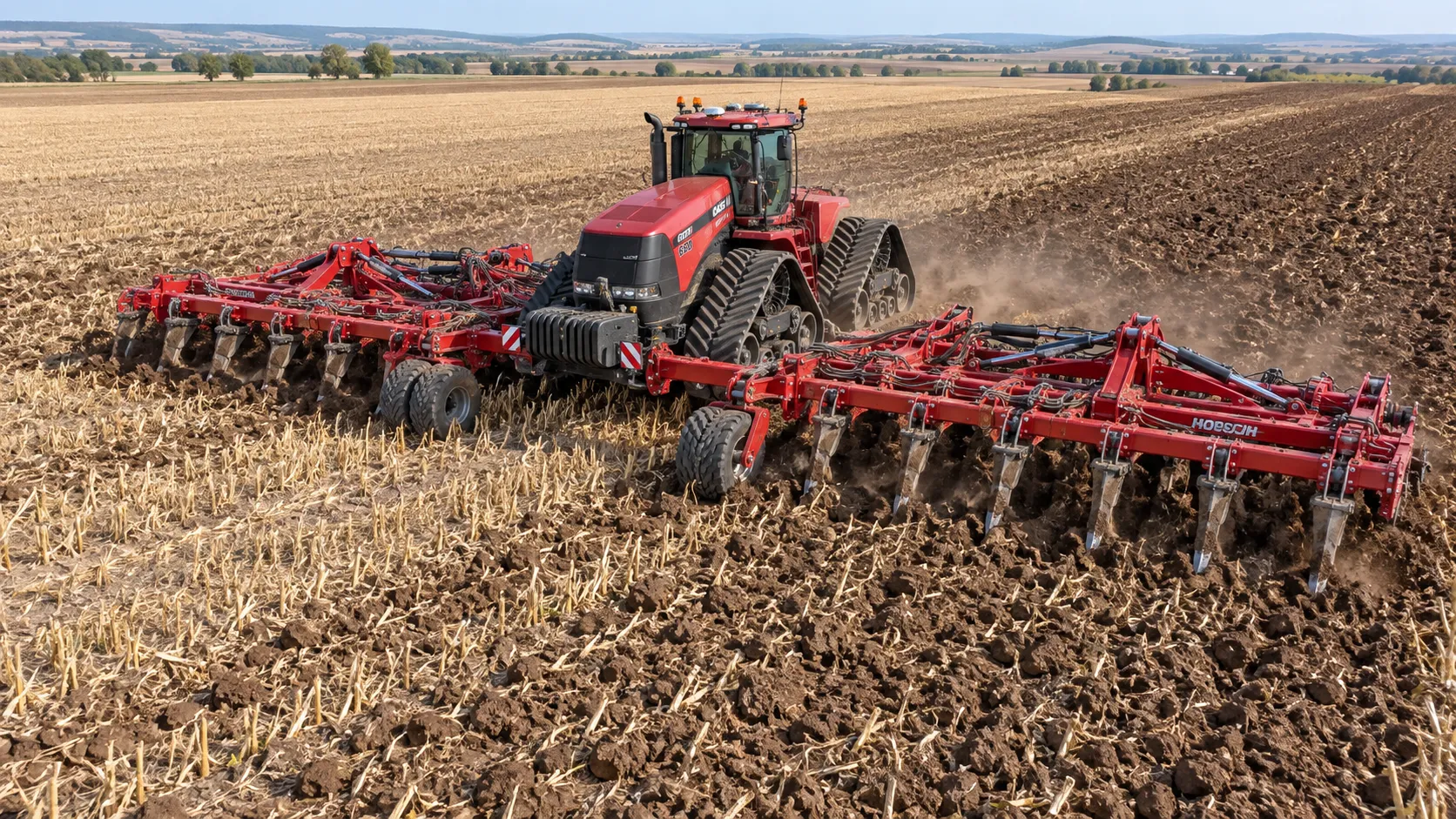
How to Select Heavy-Duty Farm Implements for High-Acreage, High-Horsepower Operations
Heavy duty farm implements: learn how to match draft, hydraulics, hitch capacity, frame strength, and field conditions for reliable high-acreage performance.
Related News
- 00
0000-00
What separates robotic automation providers for equipment production? - 00
0000-00
Which field data collection provider fits an agricultural robotics program? - 00
0000-00
How Autonomous Machinery for Crop Scouting Helps Growers Detect Field Issues Earlier - 00
0000-00
How to Evaluate Autonomous Machinery for Vineyards by Terrain, Tasks, and ROI - 00
0000-00
Brazil ANVISA Rule Requires Portuguese Risk Labels for Farm Robots
Popular Tags
Tractor Power Architect
Weekly Insights
Stay ahead with our curated technology reports delivered every Monday.