
Saudi SASO Mandates PLd Safety Level for Autonomous Farm Machinery





Saudi Arabia’s Standards, Metrology and Quality Organization (SASO) has introduced a significant regulatory shift for the agricultural technology sector: effective 1 August 2026, all imported autonomous agricultural machinery—including self-driving tractors and unmanned crop-spraying drones—must comply with the newly revised SASO IEC 62061:2026, mandating Performance Level d (PLd) for safety-related control systems. This requirement signals a tightening of functional safety expectations in one of the Middle East’s fastest-growing agri-tech markets—and marks a pivotal moment for global exporters, component suppliers, and certification service providers.
Event Overview
On 16 May 2026, SASO published the updated SASO IEC 62061:2026, which incorporates the latest edition of IEC 62061 (Functional safety of electrical/electronic/programmable electronic safety-related control systems) and explicitly requires PLd as the minimum performance level for safety functions in autonomous agricultural machinery. Compliance must be verified by a Notified Body (NB) accredited and recognized by SASO. The regulation becomes mandatory for all new imports and product registrations on 1 August 2026; non-compliant equipment will not be granted market access.
Industries Affected
Direct Trading Enterprises
Exporters and distributors placing autonomous farm machinery into the Saudi market face immediate compliance risk. Since PLd verification is not a self-declaration process—and requires third-party NB assessment—trading enterprises must now integrate functional safety validation into pre-shipment timelines and documentation workflows. Delays in NB engagement or failure to secure SASO-recognized NB approval may result in customs rejection or shipment hold, directly impacting revenue recognition and contractual delivery obligations.
Raw Material Procurement Enterprises
Suppliers of critical safety components—including programmable logic controllers (PLCs), safety sensors, emergency stop modules, and certified safety-rated communication interfaces—will experience increased demand for PLd-validated parts. However, procurement teams must now verify not only component-level certifications but also whether those components are approved within the context of a full system architecture meeting PLd per IEC 62061:2026. This raises sourcing complexity and necessitates closer technical alignment with OEMs and NBs.
Manufacturing Enterprises
OEMs and contract manufacturers producing autonomous agricultural equipment must re-evaluate their safety architecture design, hazard analysis (per ISO 12100), and validation protocols. Achieving PLd typically requires redundancy, diagnostic coverage ≥60%, and systematic fault tolerance—impacting hardware selection, software development lifecycle rigor, and documentation depth. Manufacturers lacking internal functional safety expertise may need to engage external safety engineers or redesign legacy platforms, potentially delaying product launches targeting the Saudi market.
Supply Chain Service Providers
Certification consultants, testing laboratories, and conformity assessment intermediaries face both opportunity and pressure. Demand for SASO-specific functional safety support is rising—but only those holding SASO-recognized NB status (or formal partnerships with such bodies) can deliver binding verification. Non-accredited service providers may see client migration toward authorized partners, compressing margins and intensifying differentiation based on technical credibility—not just speed or cost.
Key Focus Areas and Recommended Actions
Confirm NB Recognition Status Before Engagement
Not all IEC 62061-certifying Notified Bodies are accepted by SASO. Enterprises must consult SASO’s official list of recognized NBs (updated as of May 2026) and validate that the selected body holds current authorization for agricultural machinery under this specific standard revision—not just generic machinery or industrial automation scopes.
Initiate System-Level Hazard and Risk Analysis Now
PLd is assigned based on the required risk reduction for identified hazards—not component specs alone. Companies should begin or revisit their safety-related system analysis using methods aligned with IEC 62061 Annex A and ISO 13849-1, documenting severity, frequency, and avoidance measures. This foundational work cannot be outsourced retroactively without schedule impact.
Review Existing Technical Documentation Against SASO IEC 62061:2026
The 2026 revision includes clarifications on validation evidence for software-based safety functions, requirements for diagnostic coverage reporting, and stricter traceability between safety requirements and test results. Legacy technical files—even if compliant with prior editions—may require supplementation or re-validation.
Editorial Perspective / Industry Observation
Observably, SASO’s move reflects a broader regional trend: Gulf Cooperation Council (GCC) regulators are increasingly adopting EU-aligned functional safety frameworks—not merely as harmonization gestures, but as instruments of market quality control. Unlike earlier voluntary guidelines, this mandate carries explicit enforcement teeth. Analysis shows that PLd—while less stringent than PLe—is significantly more demanding than typical SIL1 or basic Category 3 designs common in mid-tier agri-machinery. It is therefore more accurate to interpret this not as a ‘baseline upgrade’, but as a deliberate signal that Saudi Arabia intends to position itself as a high-integrity market for next-generation farm automation—where safety assurance is treated as infrastructure, not an add-on.
Conclusion
This regulation does not merely raise a technical bar—it recalibrates commercial entry conditions for autonomous agriculture in a strategically vital geography. For global stakeholders, compliance is not optional logistics; it is a prerequisite for credibility, scalability, and long-term market participation. Rational observation suggests that early adopters who embed functional safety governance into R&D—not just certification—will gain measurable advantage in lead time, cost predictability, and cross-market transferability (e.g., GCC-wide or ASEAN-aligned approvals).
Source Attribution
Official source: Saudi Standards, Metrology and Quality Organization (SASO), SASO IEC 62061:2026 (Published 16 May 2026).
Note: SASO has indicated that guidance documents on PLd interpretation for agricultural applications—and a list of updated NB scopes—will be published by 30 June 2026. These remain pending and warrant close monitoring.
Related News
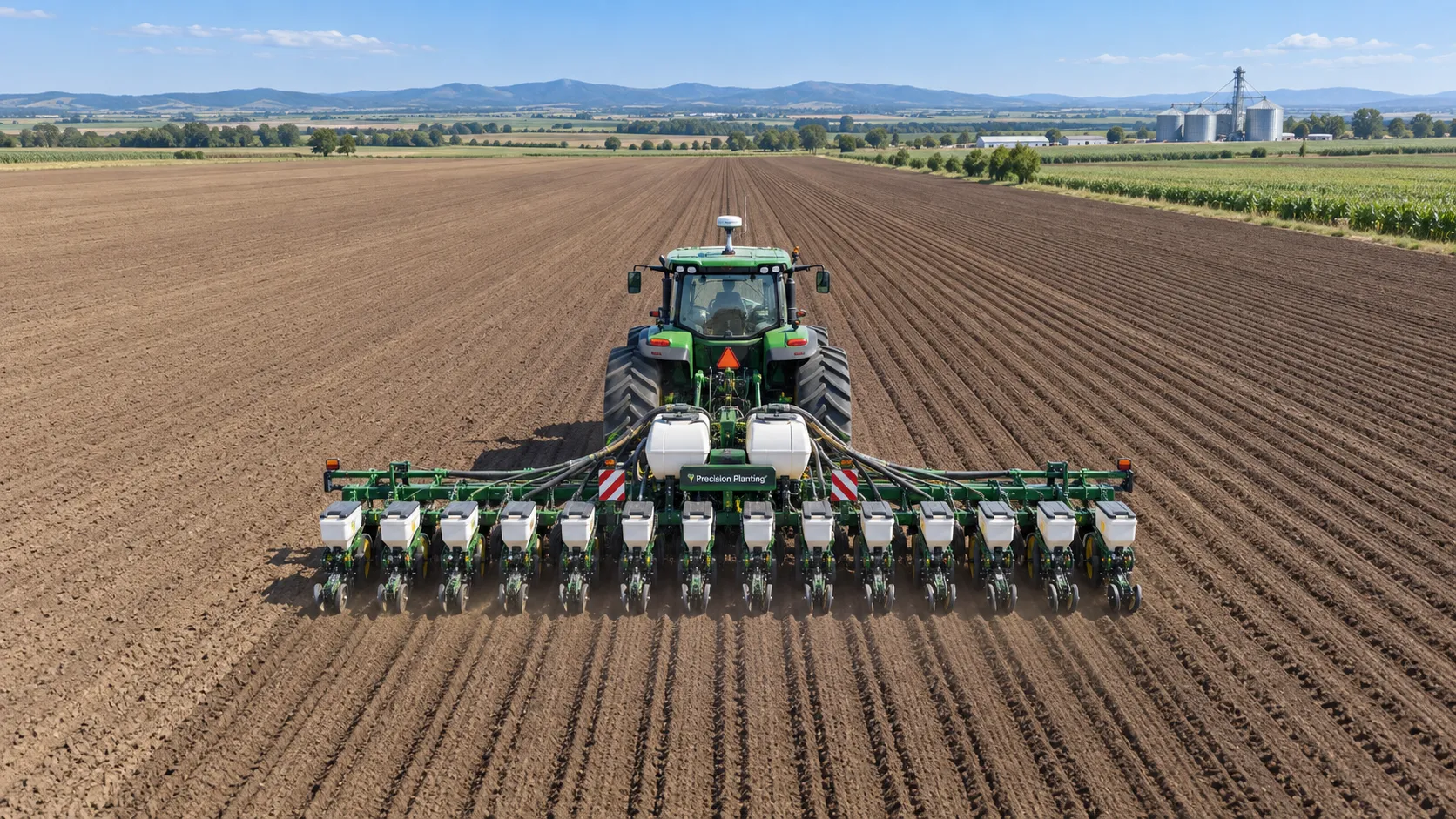
GPS-Guided Farm Machinery: Where It Delivers Measurable Field Efficiency Gains
Agri-mechanization GPS guided systems deliver measurable field efficiency gains through reduced overlap, precise planting, smarter inputs, and reliable farm data.
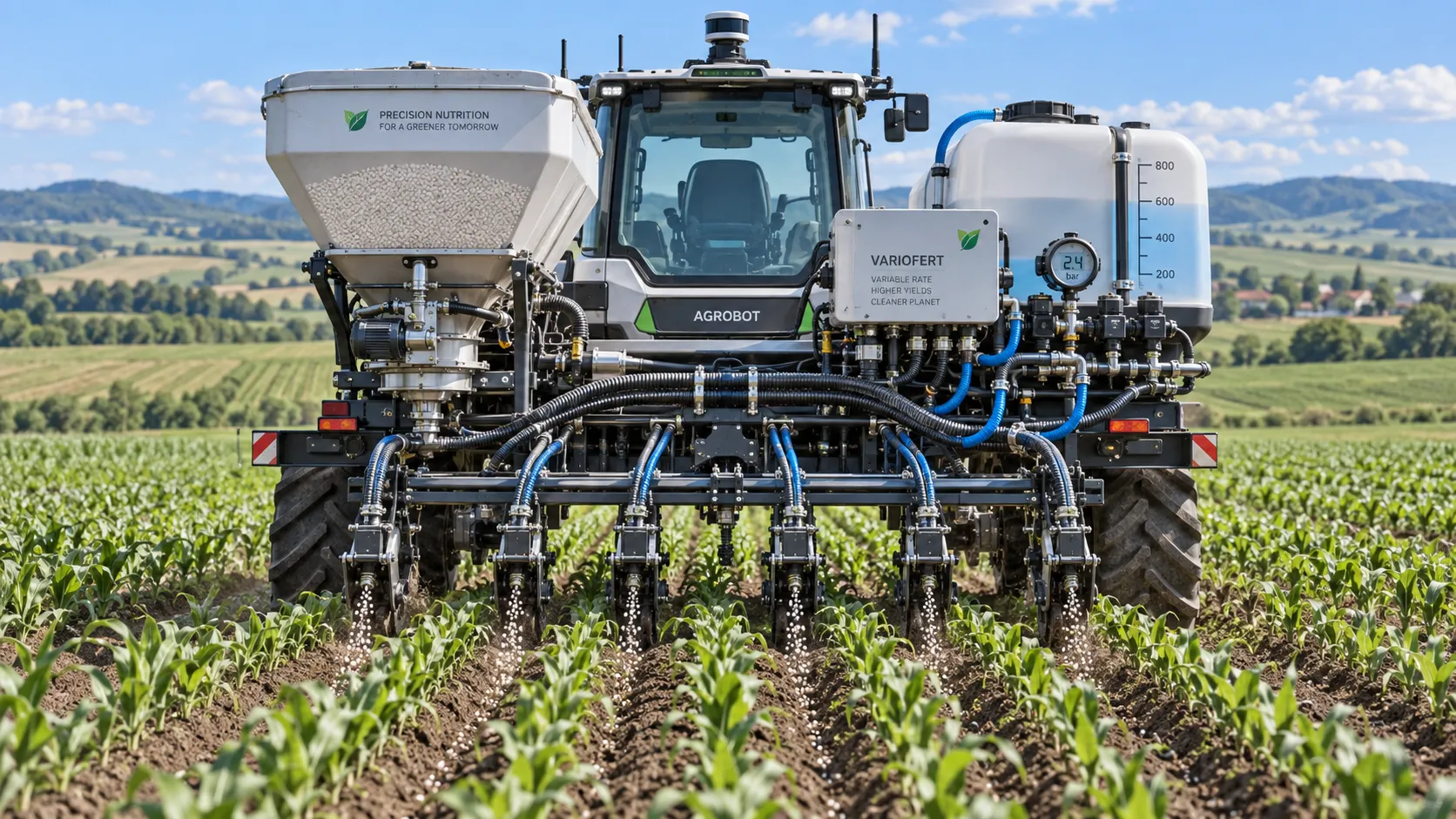
How Sensor Feedback Enables Accurate Variable-Rate Fertilization in Field Conditions
Precision fertilization systems with sensor feedback improve variable-rate accuracy by verifying flow, managing latency, and ensuring reliable field application.
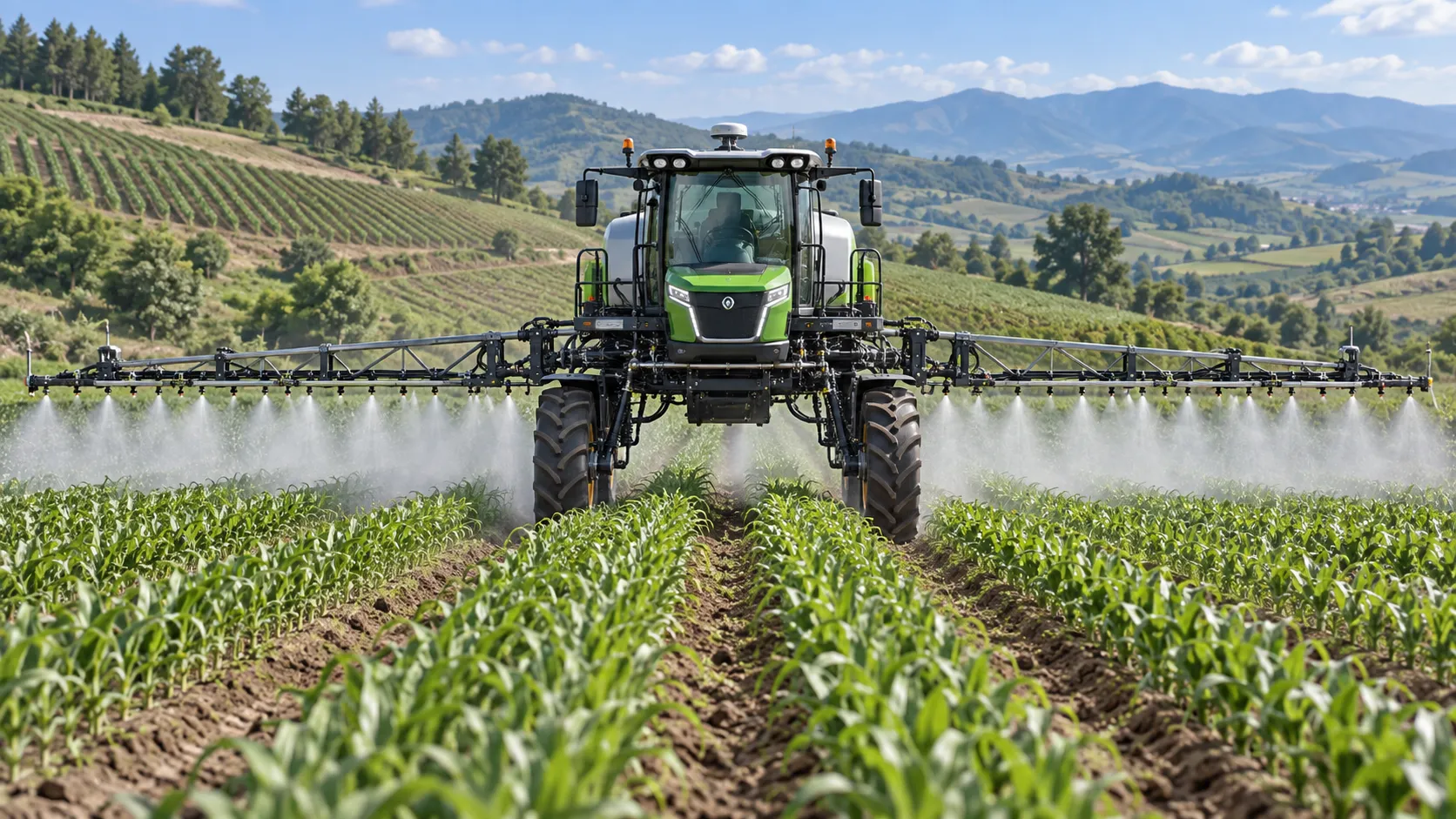
How to Select Precision Crop Protection Equipment for Variable Field Conditions
Precision crop protection equipment selection made simple: compare terrain, canopy, weather, control accuracy, and data workflows for reliable applications.

When Does Agricultural Machinery Leasing Cost Less Than Owning Equipment?
Agricultural machinery leasing can lower farm costs when use is seasonal or uncertain. Compare utilization, maintenance, cash flow, and risk to make a smarter equipment decision.

How to Evaluate Precision Fertilization System Suppliers for Farm-Scale Deployment
Precision fertilization systems suppliers: learn how to compare accuracy, integration, uptime, service, and total cost for confident farm-scale deployment.
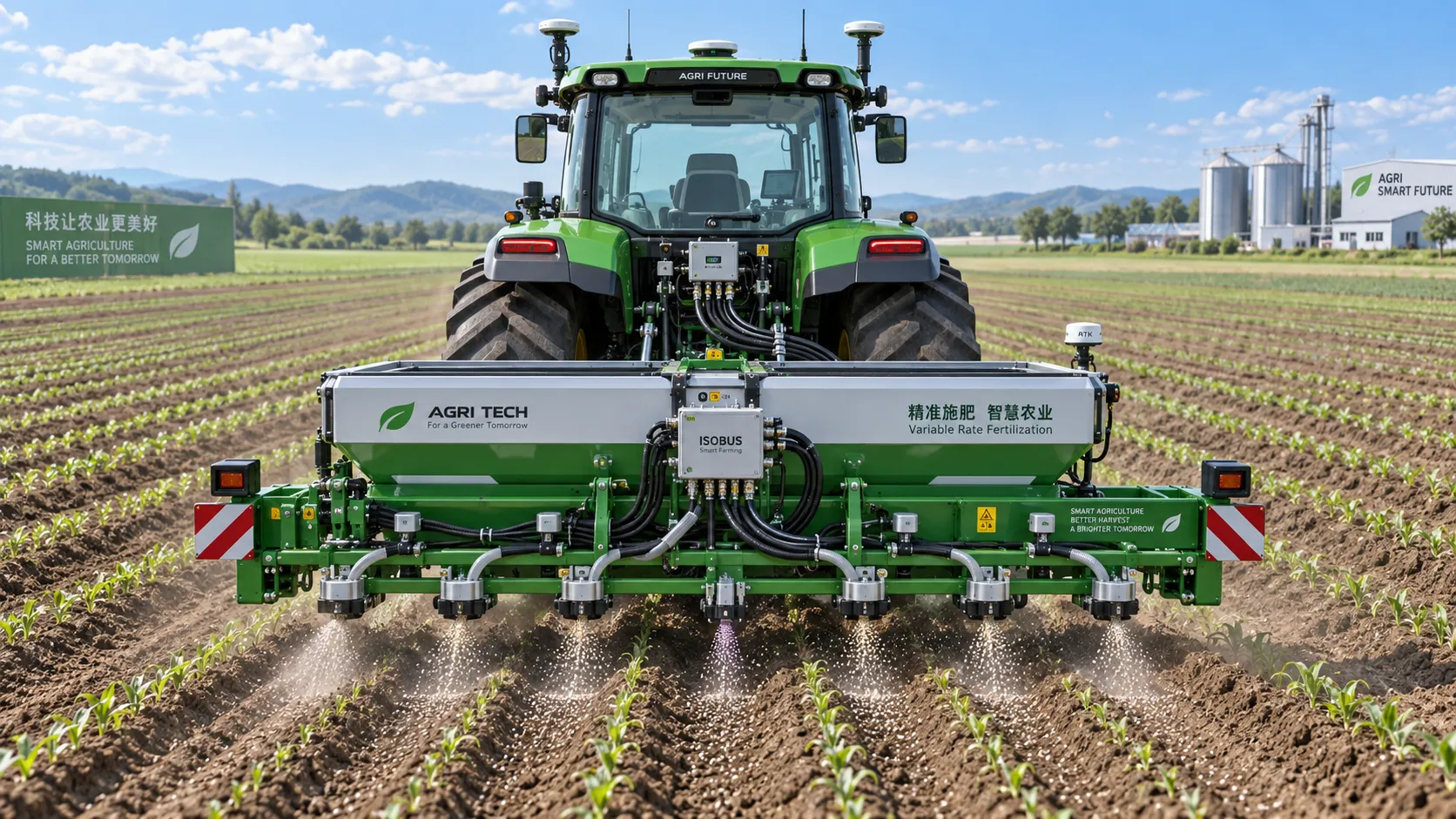
ISOBUS for Smart Agriculture: How It Connects Tractors, Implements, and Farm Data
ISOBUS for smart agriculture connects tractors, implements, terminals, and farm data—helping growers improve precision, documentation, and smarter field decisions.
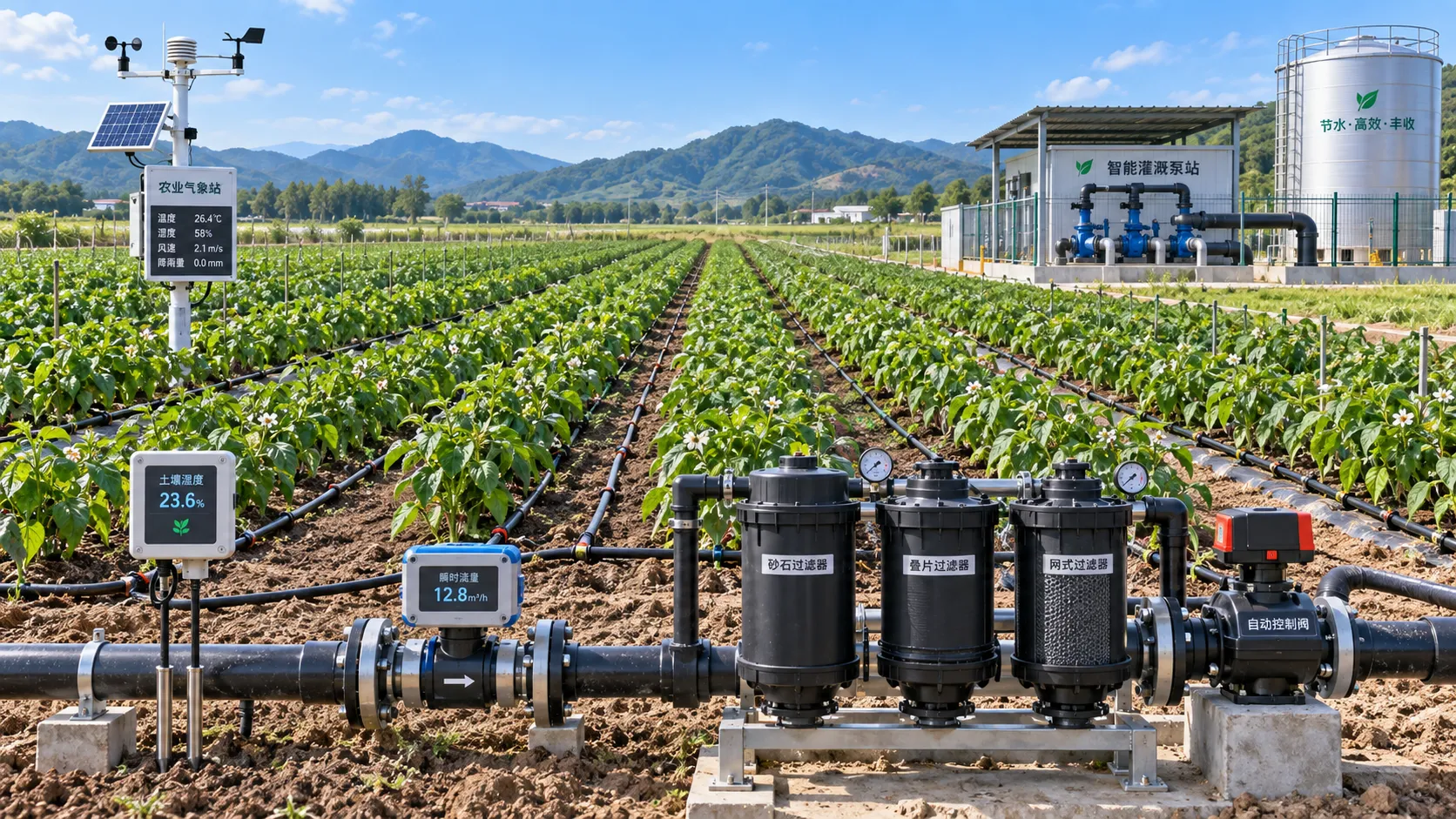
Automated Water-Saving Irrigation: How to Cut Water Use Without Reducing Crop Yields
Automated water-saving irrigation helps farms cut water use, protect crop yields, improve scheduling, and gain reliable control with sensors, flow monitoring, and smart zones.
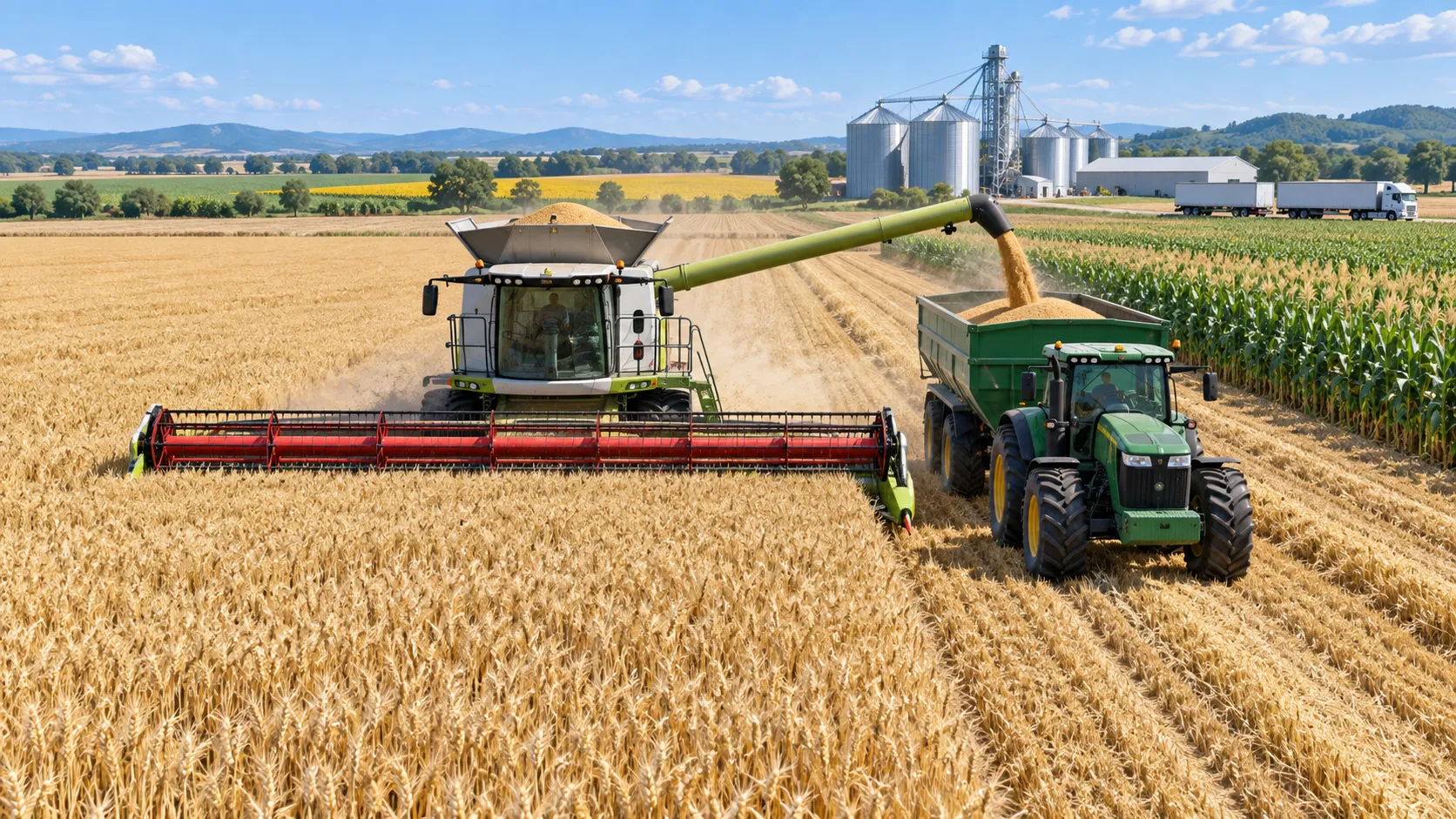
Selecting Grain Farm Equipment by Acreage, Crop Mix, and Harvest Window
Agricultural equipment selection for grain farming: match machinery to acreage, crop mix, and harvest windows to improve uptime, efficiency, and returns.
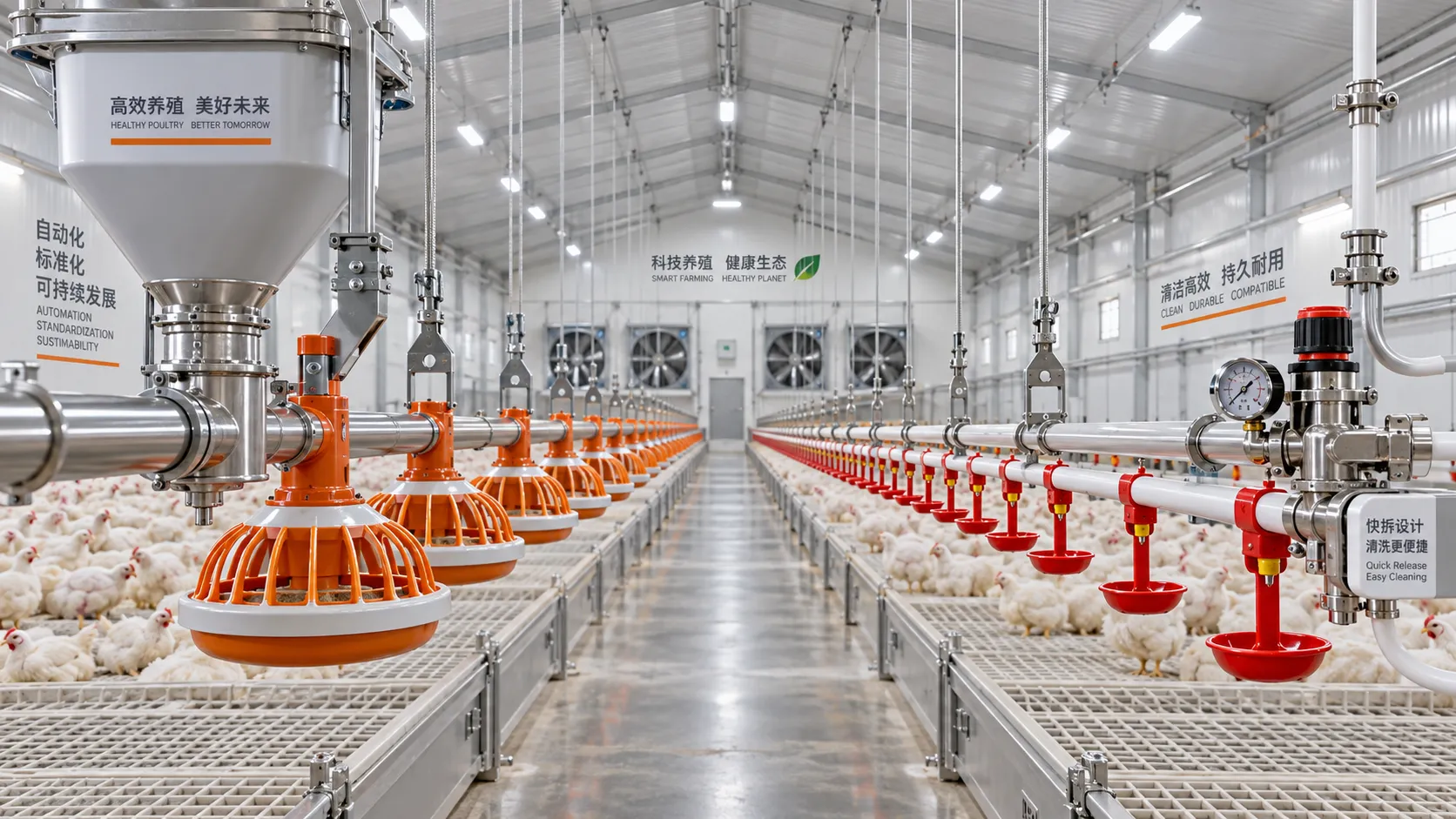
Poultry Equipment Selection: Evaluating Durability, Cleaning, and Compatibility
Poultry equipments selection guide: evaluate durability, cleaning access, and system compatibility to improve hygiene, reduce downtime, and support efficient flock management.
Related News
- 00
0000-00
What separates robotic automation providers for equipment production? - 00
0000-00
Which field data collection provider fits an agricultural robotics program? - 00
0000-00
How Autonomous Machinery for Crop Scouting Helps Growers Detect Field Issues Earlier - 00
0000-00
How to Evaluate Autonomous Machinery for Vineyards by Terrain, Tasks, and ROI - 00
0000-00
Brazil ANVISA Rule Requires Portuguese Risk Labels for Farm Robots
Popular Tags
Tractor Power Architect
Weekly Insights
Stay ahead with our curated technology reports delivered every Monday.