
Asia's Major Economy's March Silver Imports Hit 20-Year High
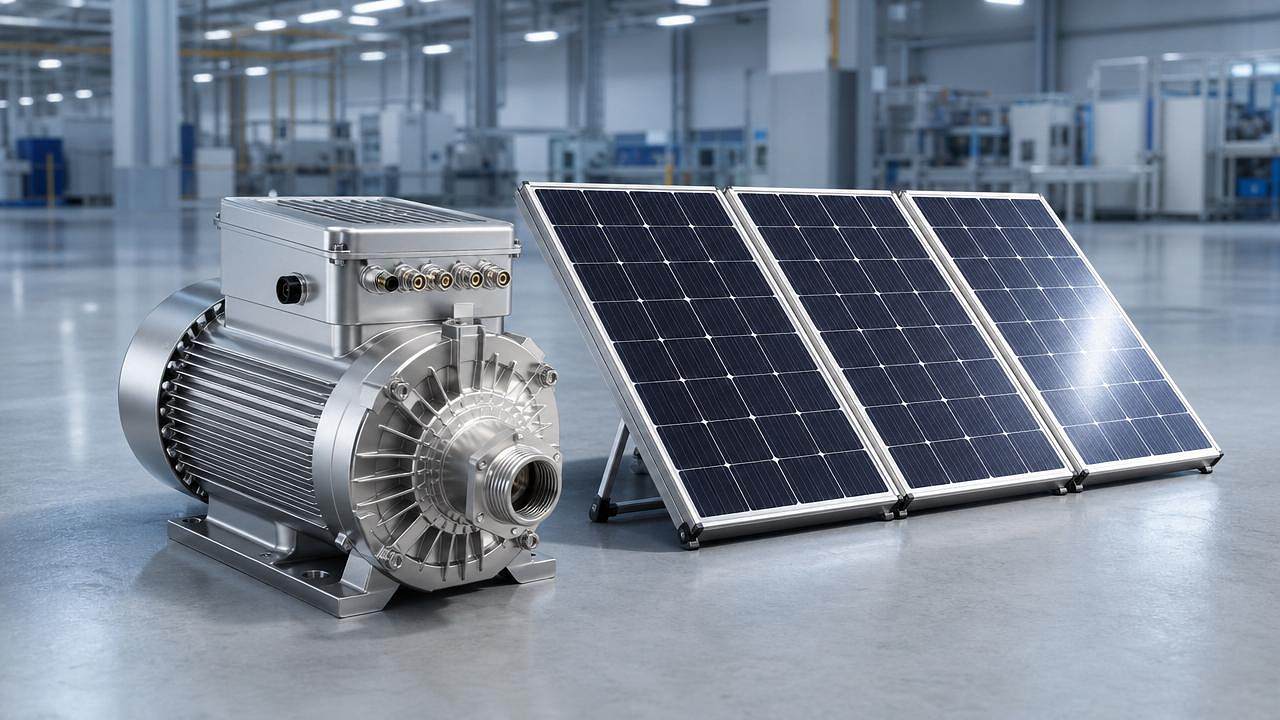




China imported 528 tonnes of silver in March 2026 — the highest monthly volume in two decades — driven primarily by surging demand for solar-powered smart irrigation pump motors. This development signals material supply chain stress for manufacturers relying on high-performance neodymium-iron-boron (NdFeB) permanent magnet motors, particularly those serving autonomous robotics and all-wheel-drive agricultural machinery. Stakeholders in renewable energy hardware, precision motor supply, and agri-tech integration should monitor implications closely.
Event Overview
According to statistics released by China’s General Administration of Customs, silver imports reached 528 tonnes in March 2026. This marks the highest single-month figure recorded in the past 20 years. The increase is attributed to expanded production of solar-driven intelligent irrigation pump motors. Concurrently, average lead times for high-performance NdFeB permanent magnet motors — used in autonomous robots and all-wheel-drive farm equipment — have extended to 26 weeks, following intensified rare earth export reviews by G7 countries. Overseas system integrators are advised to secure motor capacity in advance.
Impact on Specific Industry Segments
Direct Trading Enterprises
Trading firms handling silver or rare earth intermediates face heightened volatility in order fulfillment and pricing transparency. The surge reflects not general industrial demand but concentrated procurement for a specific application — solar irrigation pumps — suggesting narrower, more cyclical trading windows.
Raw Material Procurement Enterprises
Companies sourcing silver for electrical contacts or conductive components must contend with tighter spot availability and potential allocation prioritization toward certified green-energy applications. Silver’s role here is functional (e.g., low-resistance commutation), not structural — making substitution difficult without performance trade-offs.
Motor Manufacturing & Assembly Firms
Producers of NdFeB-based permanent magnet motors are experiencing extended lead times due to constrained rare earth magnet supply and downstream certification delays. The 26-week lead time reflects bottlenecks not only in magnet fabrication but also in final motor validation for use in regulated agricultural and robotics applications.
Supply Chain Service Providers
Logistics and customs brokerage firms supporting cross-border movement of silver or finished motors must anticipate increased scrutiny on origin documentation, especially for shipments involving rare earth content. G7 review protocols may trigger additional verification steps for consignments linked to dual-use agricultural automation systems.
Key Considerations for Affected Businesses and Practitioners
Monitor official policy updates on rare earth export controls
Current G7 rare earth reviews remain procedural rather than restrictive; however, any shift toward formal licensing or quota mechanisms would directly affect motor component availability. Track announcements from national rare earth industry associations and multilateral trade working groups.
Focus procurement planning on silver-dependent subcomponents for solar irrigation systems
The 528-tonne silver import spike correlates specifically with motor production for solar-powered irrigation pumps — not broad photovoltaic or battery sectors. Prioritize visibility into tier-2 suppliers of brushless DC (BLDC) motor stators and rotor assemblies using silver-based contacts or plating.
Distinguish between regulatory signaling and operational impact
The 26-week motor lead time is an observed market condition, not yet codified in regulation. It reflects current capacity absorption, not a systemic shortage. Assess whether delays stem from magnet supply, motor assembly labor, or certification backlogs — each requiring distinct mitigation strategies.
Secure motor allocations now for Q3–Q4 2026 delivery windows
Given confirmed lead-time extension, overseas integrators deploying autonomous robotic platforms or next-generation farm machinery should initiate formal capacity reservations with qualified NdFeB motor suppliers no later than mid-April 2026 to avoid schedule slippage.
Editorial Perspective / Industry Observation
Observably, this data point functions less as an isolated trade statistic and more as a leading indicator of tightening integration between renewable energy infrastructure and advanced electromechanical systems. The silver import surge is not reflective of generalized industrial recovery but rather of targeted, policy-aligned manufacturing expansion in climate-resilient agriculture. Analysis shows that the 26-week motor lead time is consistent with prior bottlenecks seen during rapid scaling of EV traction motor supply chains — suggesting similar dynamics may now be emerging in agritech hardware. From an industry perspective, this is best understood as an early-stage supply chain signal rather than a fully formed constraint; its significance lies in timing — it precedes broader deployment cycles for solar irrigation systems in emerging markets.
This information underscores how localized material flows (e.g., silver for motor contacts) can become critical path items when scaled across strategic sectors. Current developments do not indicate systemic scarcity, but they do highlight increasing interdependence among clean energy deployment, rare earth governance, and precision motor manufacturing.
Conclusion
The March 2026 silver import record is not merely a trade metric — it reflects accelerating deployment of solar-powered agricultural hardware and the resulting pressure on specialized electromechanical supply chains. Rather than signaling a broad commodity shortage, it reveals a focused bottleneck in high-reliability motor production tied to climate adaptation infrastructure. Industry participants are better served by treating this as an actionable signal for near-term procurement and capacity planning — not as evidence of long-term structural disruption.
Source Attribution
Main source: China’s General Administration of Customs (March 2026 import statistics).
Noted for ongoing observation: G7 rare earth review procedures — scope, duration, and implementation status remain subject to official updates and have not yet been formalized into binding export restrictions.
Related News
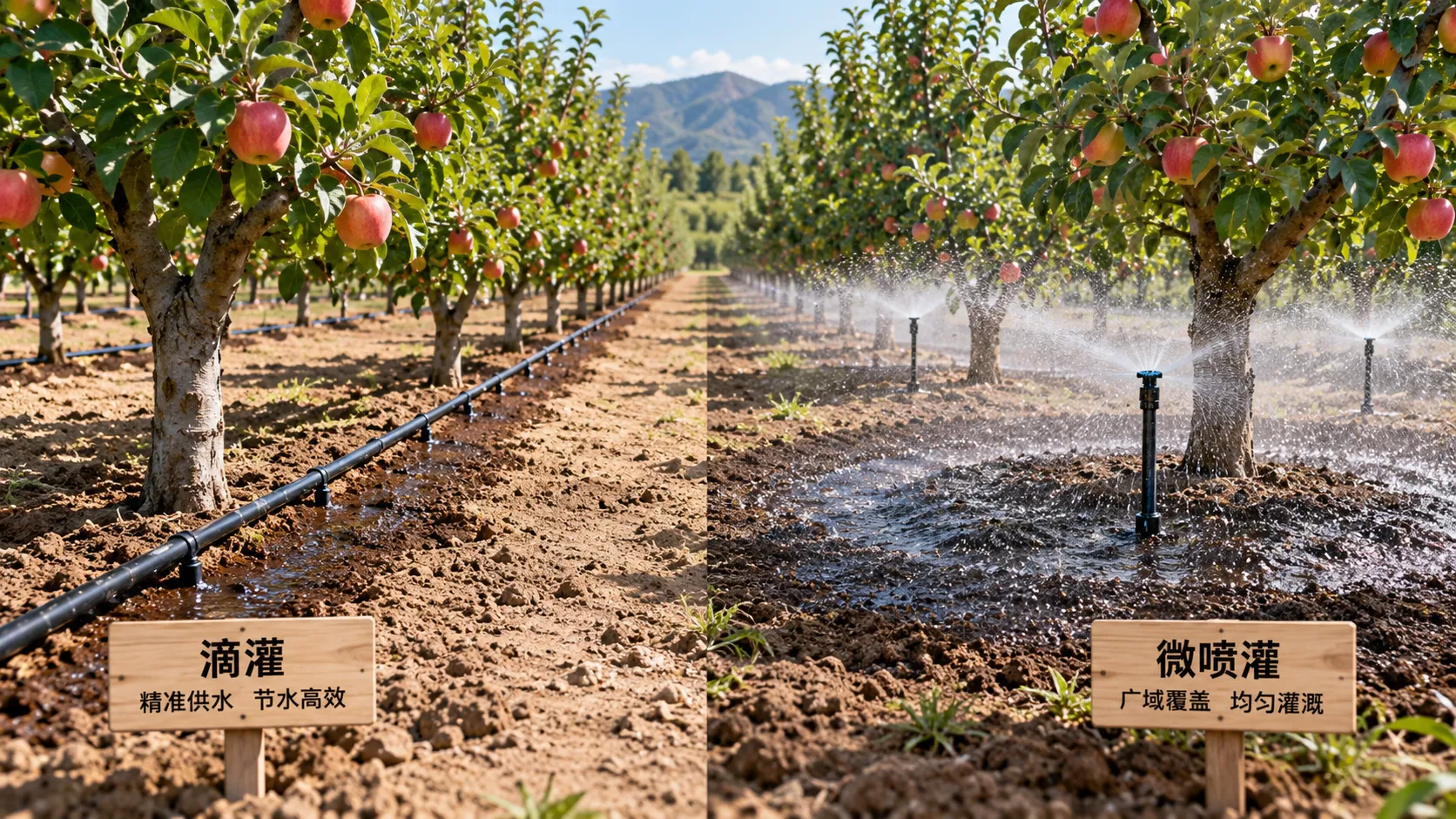
Drip vs. Micro-Sprinkler Irrigation: Which System Fits Your Orchard?
Irrigation solution comparison for orchards: discover whether drip or micro-sprinklers best match your water, soil, roots, fertigation, and frost needs.
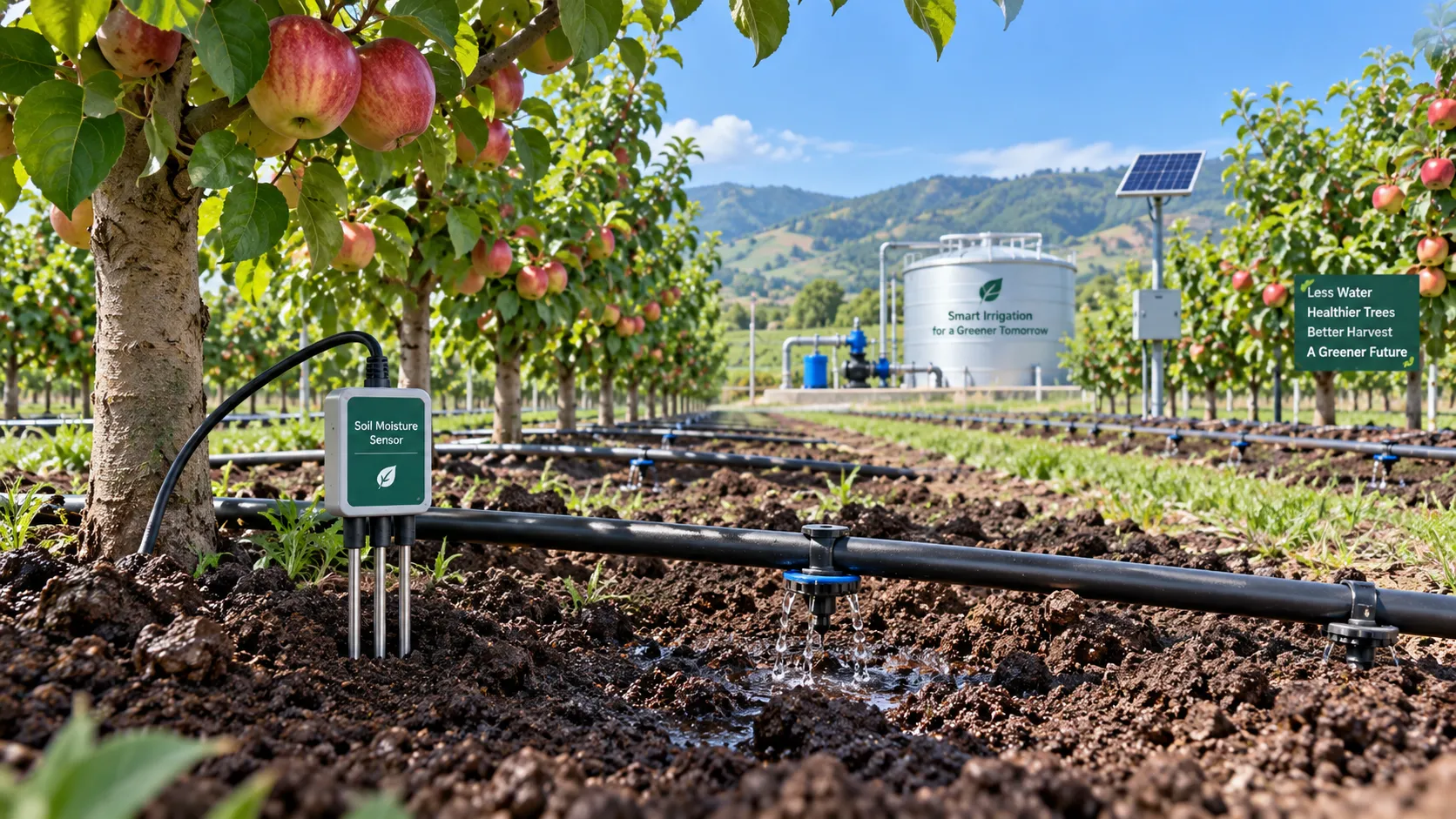
Orchard Water Management: Using Soil Moisture Data to Schedule Irrigation
Agricultural water management for orchards made practical: use soil moisture data to optimize irrigation timing, protect yield, reduce costs, and improve resilience.
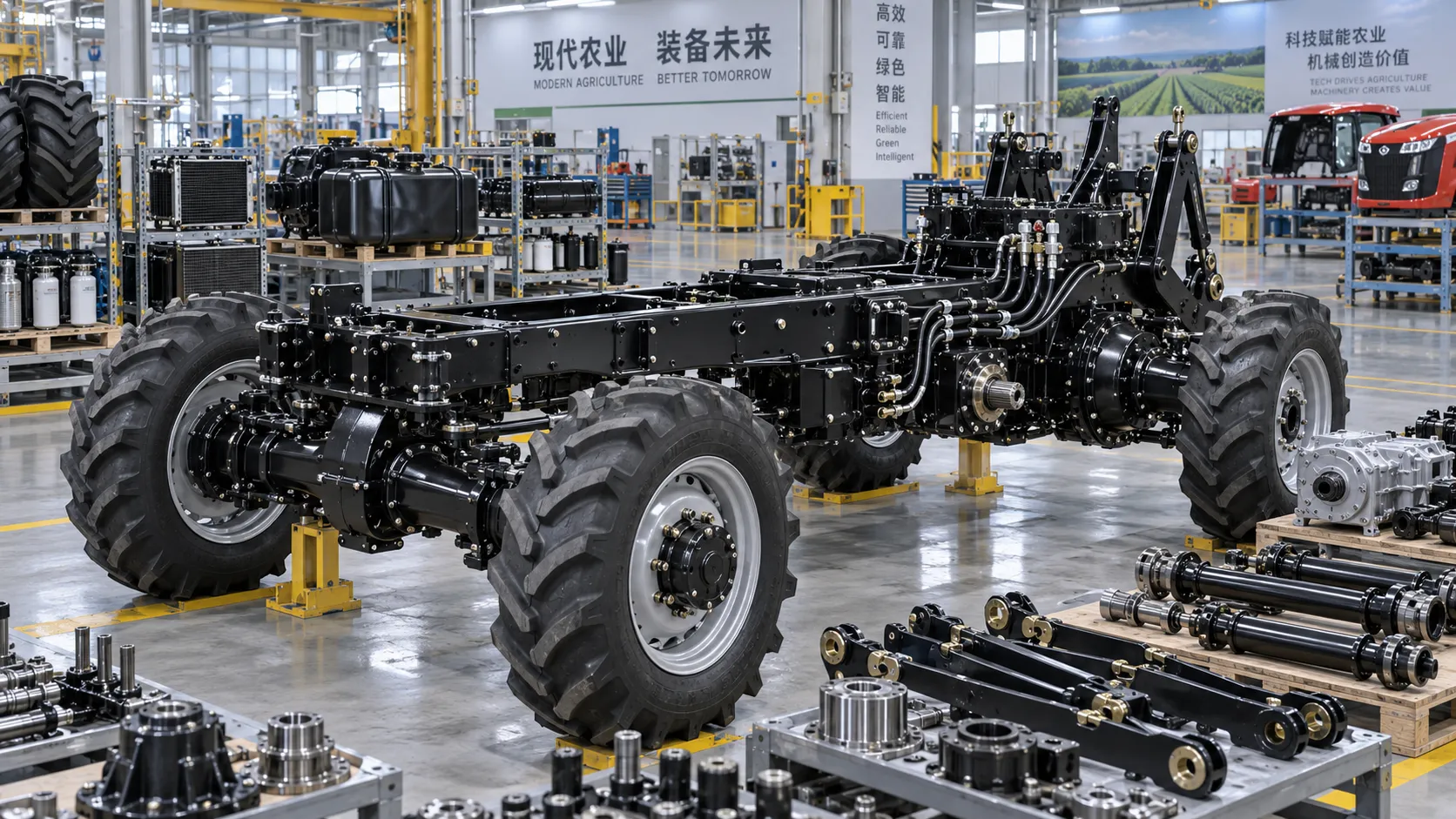
Tractor Chassis Price: What Buyers Should Compare Beyond the Initial Quote
Tractor chassis price is only the start. Compare load capacity, compatibility, durability, and lifecycle costs to choose a reliable, high-value chassis.
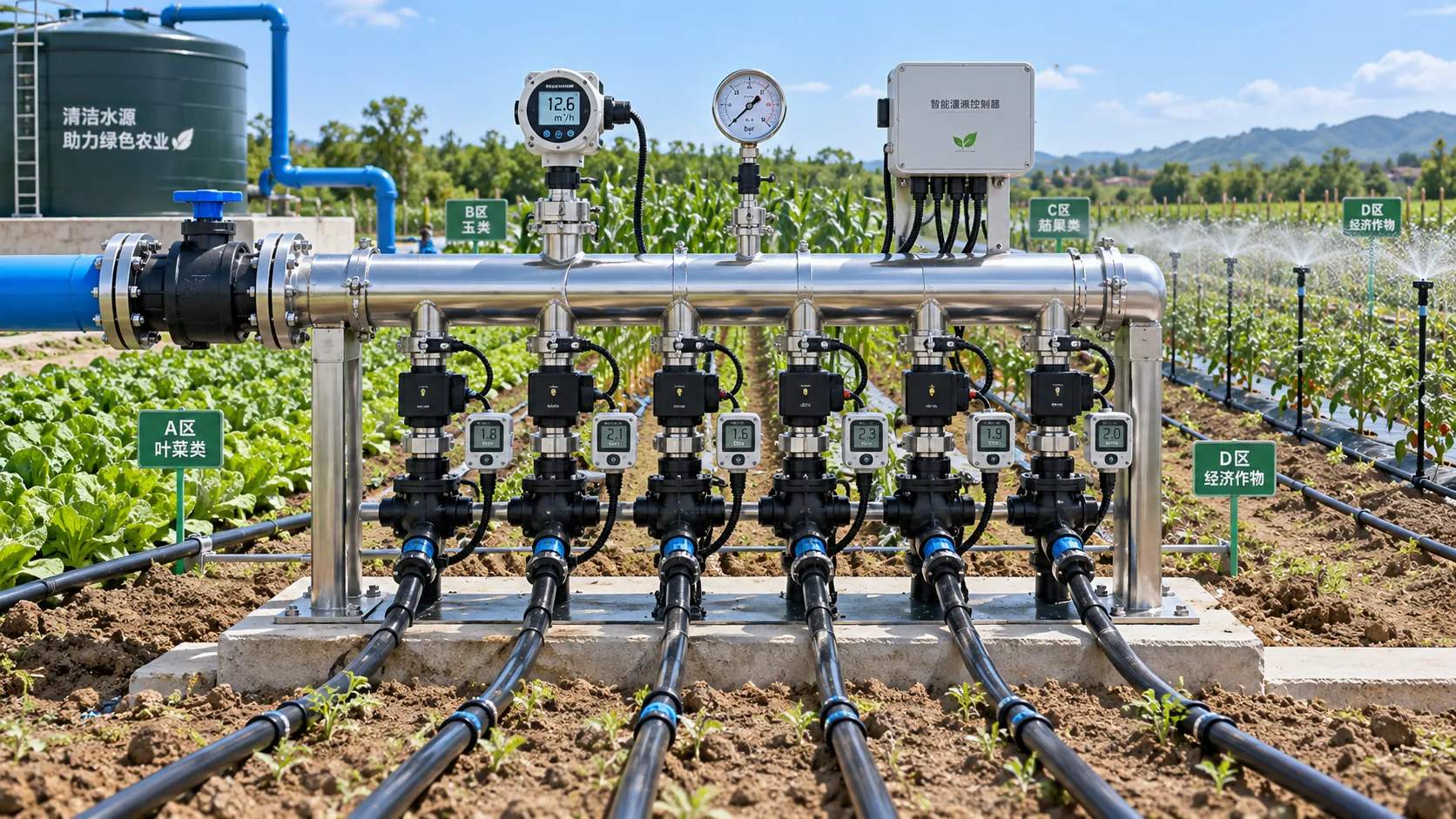
How to Select Smart Irrigation Valves for Multi-Zone Water Management?
Intelligent irrigation systems valves: learn how to match smart valves with multi-zone flow, pressure, control, feedback, and communication needs for reliable water management.
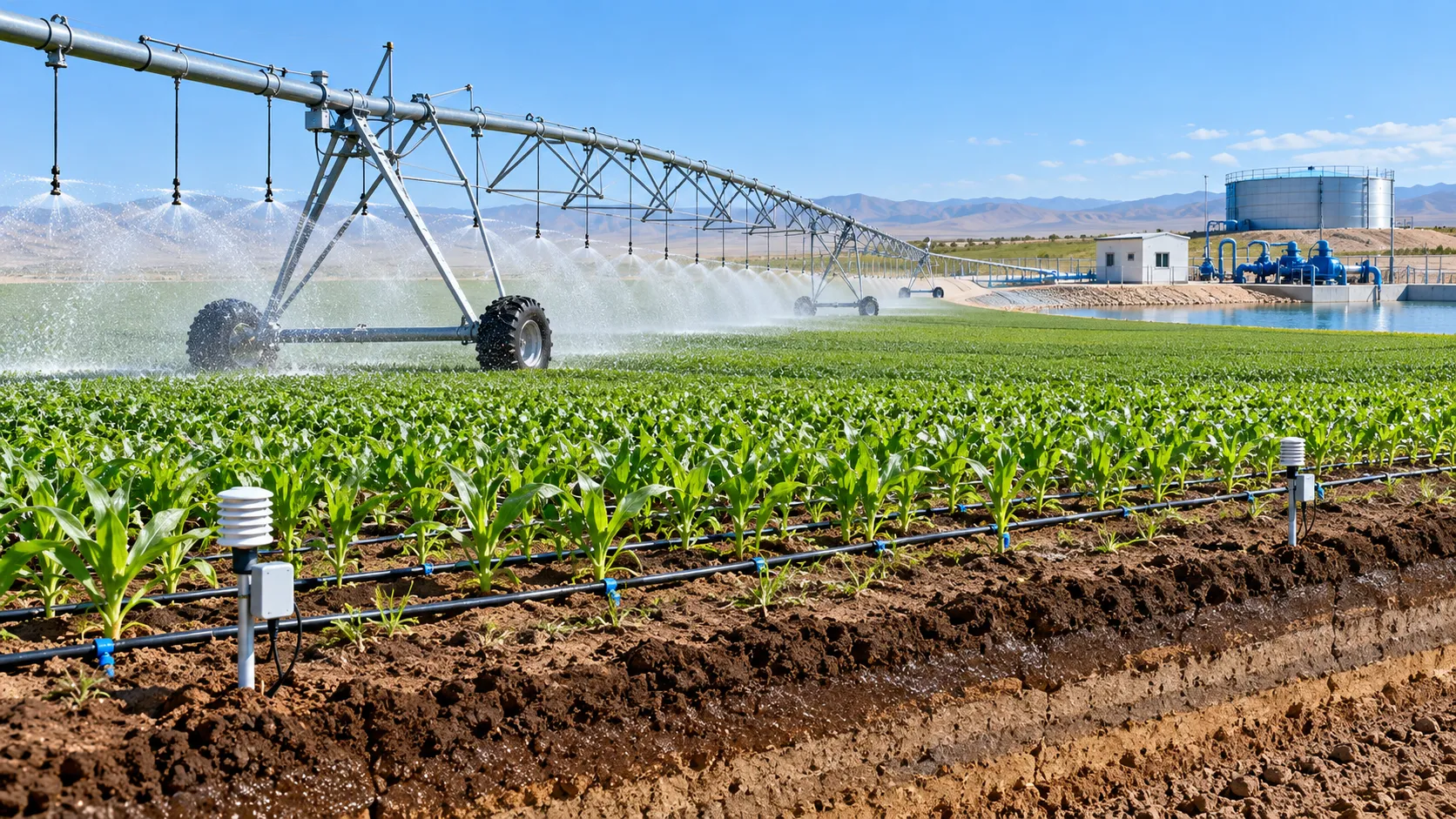
Climate-Smart Farming for Drought: A Practical Plan for Protecting Yields
Climate-smart farming for drought: build smarter water budgets, protect critical crop stages, improve irrigation uniformity, and safeguard yields with practical field-proven strategies.
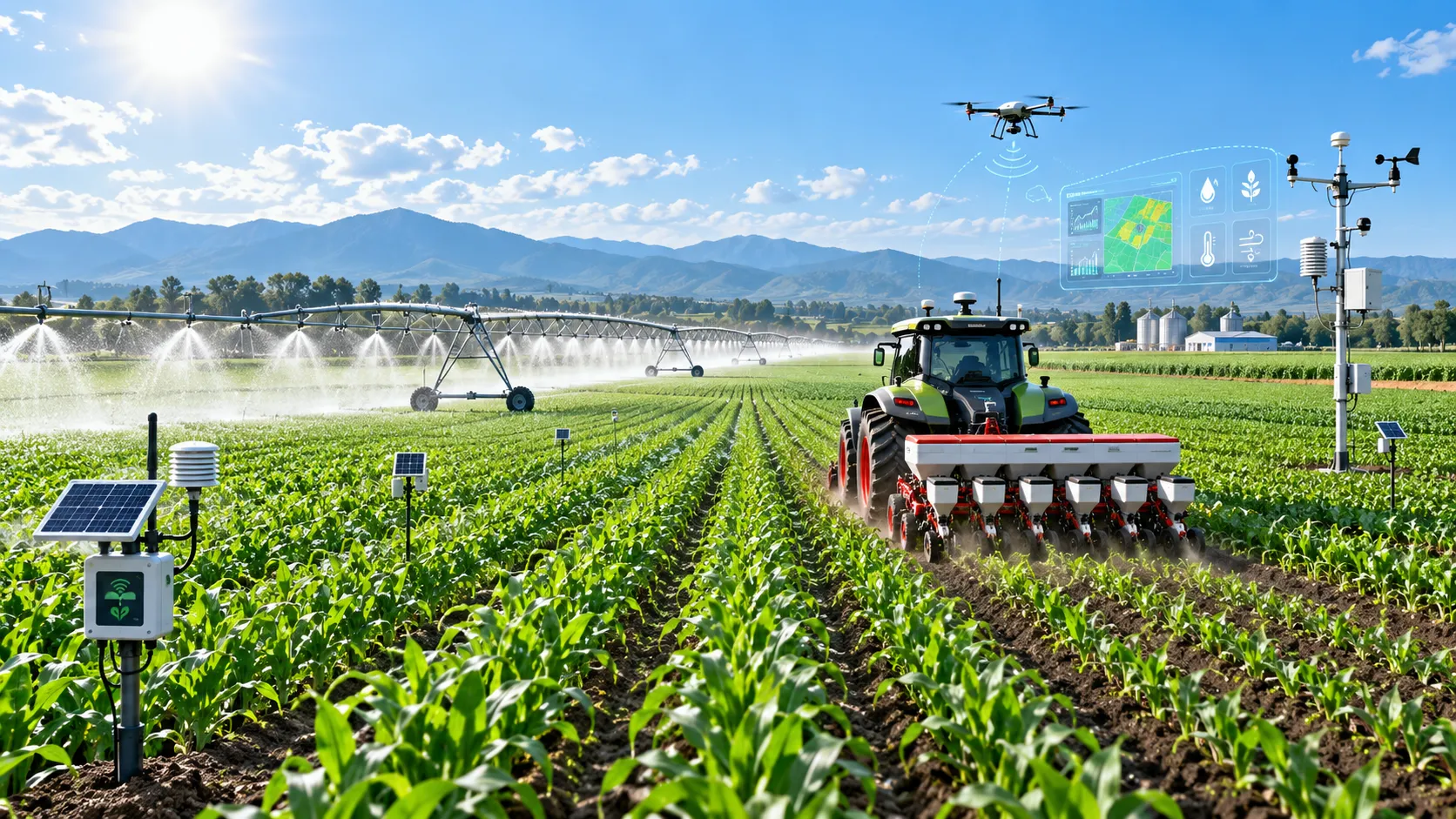
How Digital Agriculture Platforms Turn Field Data Into Better Input Decisions
Digital agriculture platforms turn field data into smarter fertilizer, water, seed, and equipment decisions—helping farms cut risk, improve margins, and scale sustainability.
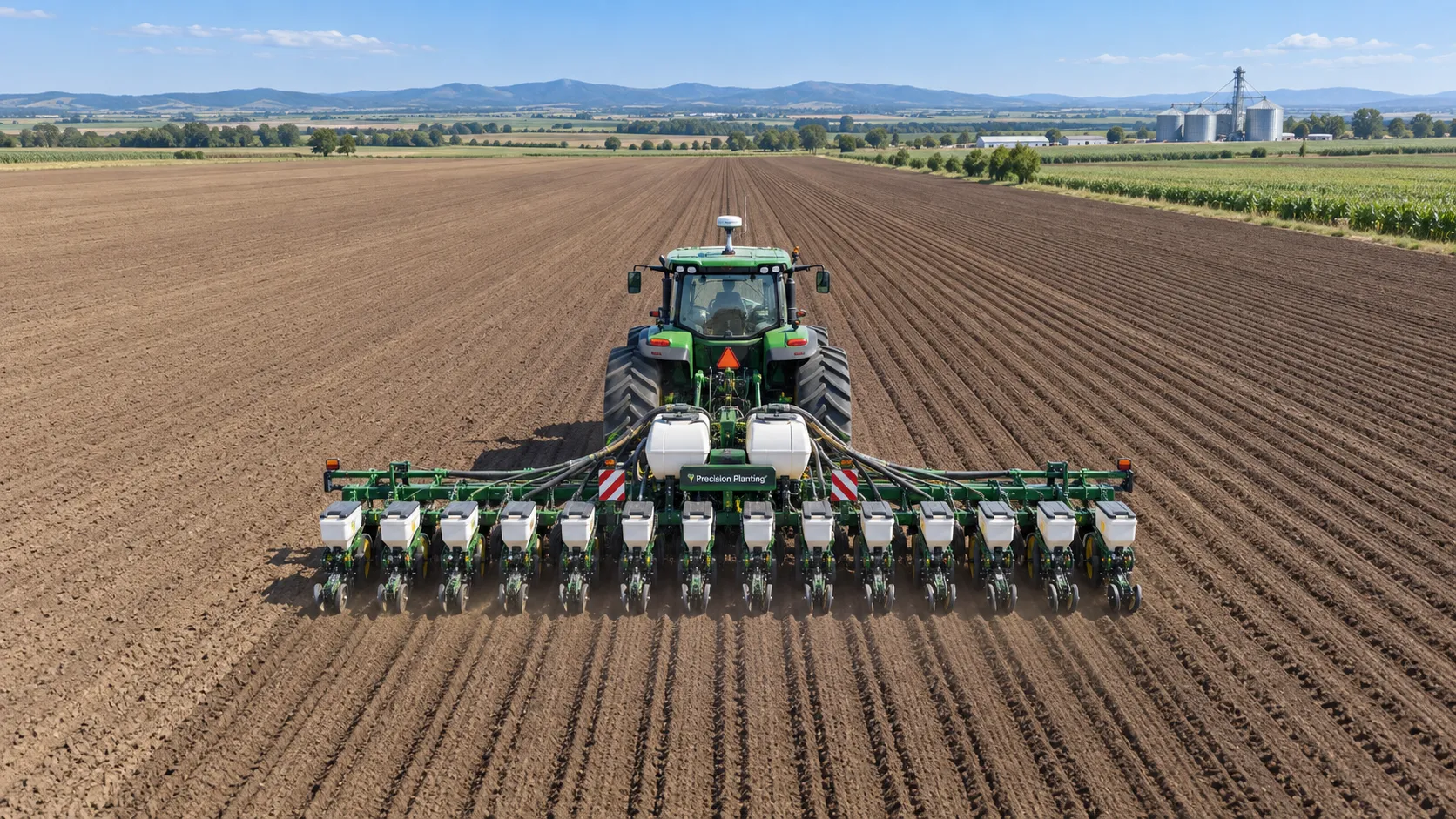
GPS-Guided Farm Machinery: Where It Delivers Measurable Field Efficiency Gains
Agri-mechanization GPS guided systems deliver measurable field efficiency gains through reduced overlap, precise planting, smarter inputs, and reliable farm data.
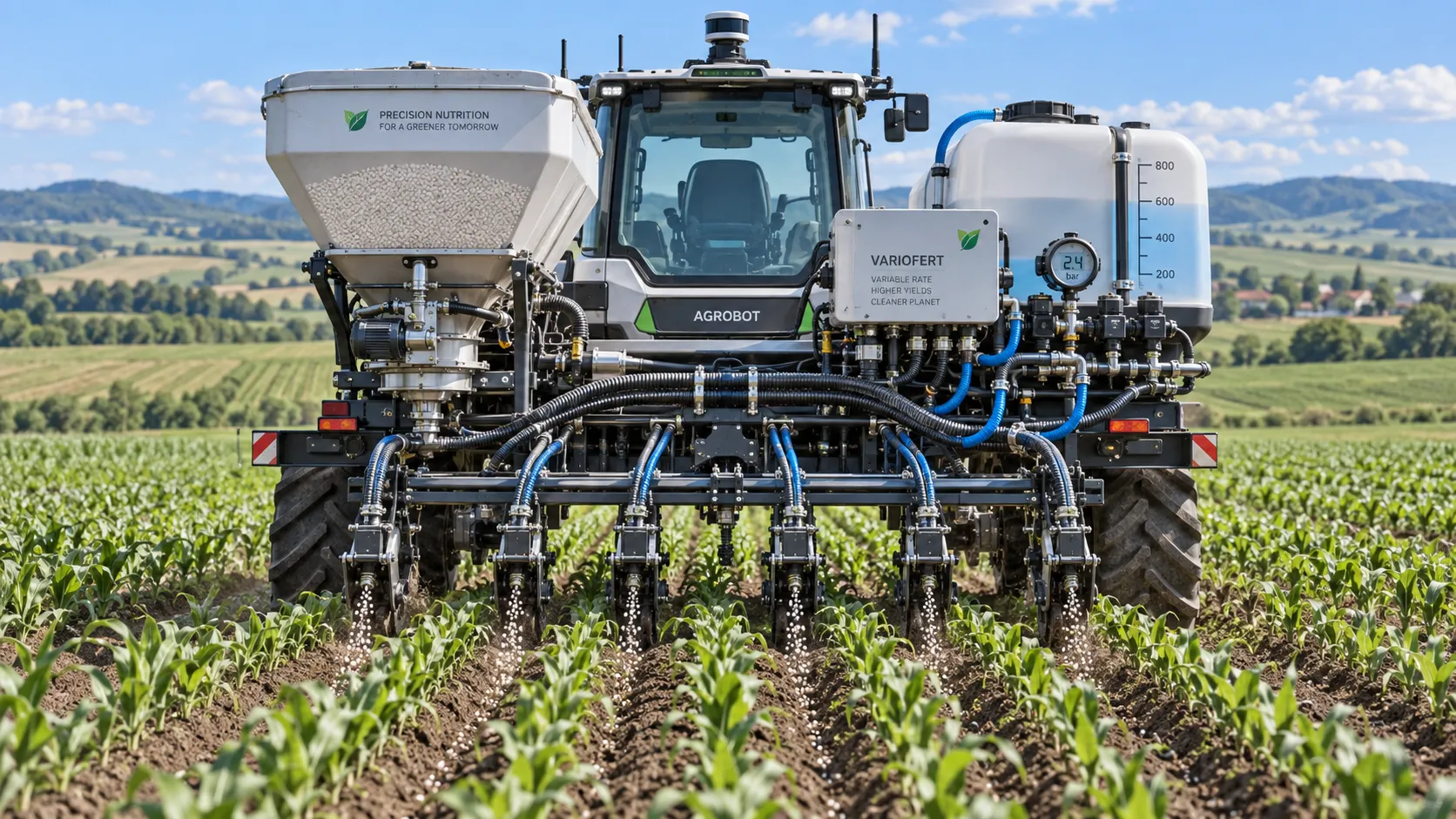
How Sensor Feedback Enables Accurate Variable-Rate Fertilization in Field Conditions
Precision fertilization systems with sensor feedback improve variable-rate accuracy by verifying flow, managing latency, and ensuring reliable field application.

How to Select Precision Crop Protection Equipment for Variable Field Conditions
Precision crop protection equipment selection made simple: compare terrain, canopy, weather, control accuracy, and data workflows for reliable applications.
Related News
- 00
0000-00
What separates robotic automation providers for equipment production? - 00
0000-00
Which field data collection provider fits an agricultural robotics program? - 00
0000-00
How Autonomous Machinery for Crop Scouting Helps Growers Detect Field Issues Earlier - 00
0000-00
How to Evaluate Autonomous Machinery for Vineyards by Terrain, Tasks, and ROI - 00
0000-00
Brazil ANVISA Rule Requires Portuguese Risk Labels for Farm Robots
Popular Tags
Tractor Power Architect
Weekly Insights
Stay ahead with our curated technology reports delivered every Monday.