
When heavy-duty agricultural machinery becomes a safety risk
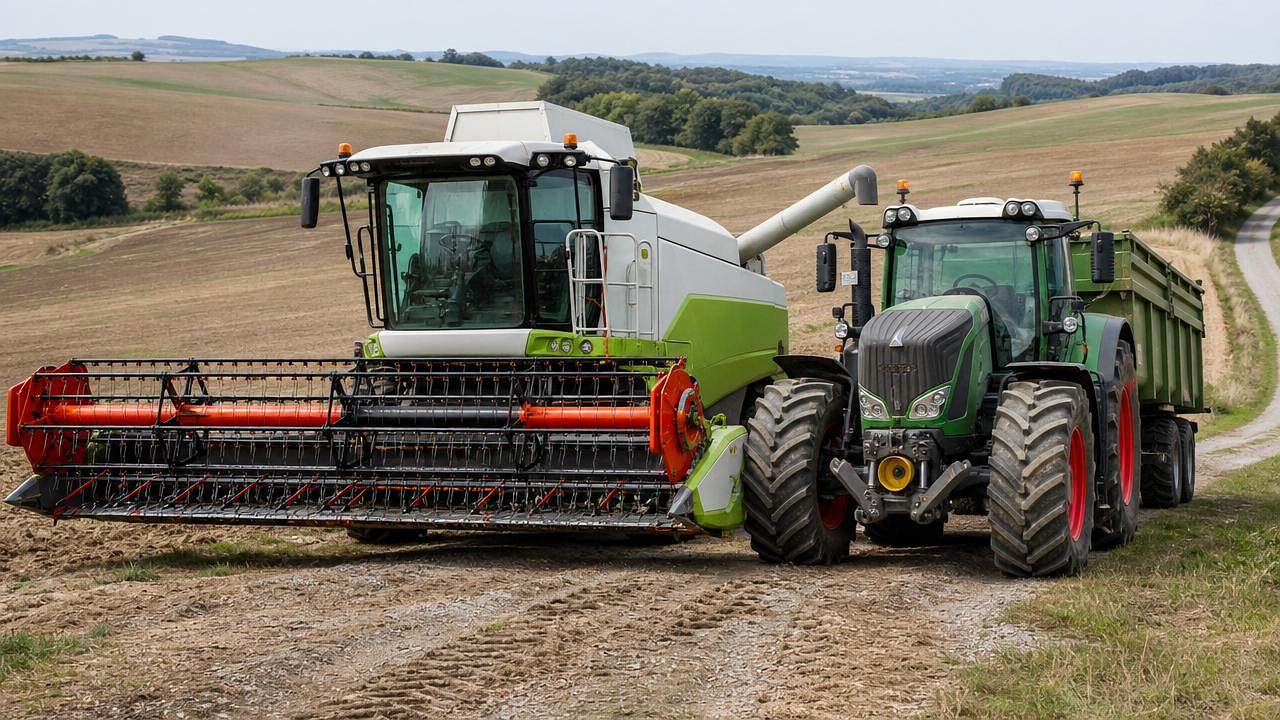




When heavy-duty agricultural machinery drives modern output, it also concentrates risk. A larger machine means greater force, wider blind spots, and higher consequences when controls fail.
That is why heavy-duty agricultural machinery should be reviewed as both a productivity asset and a safety system. Design quality, maintenance discipline, operator behavior, and field conditions all shape incident exposure.
For operations following Agriculture 4.0 principles, safety cannot sit behind efficiency. It must be built into machine selection, inspection routines, data analysis, and daily field decisions.
What makes heavy-duty agricultural machinery a safety risk in the first place?
Heavy-duty agricultural machinery combines high mass, engine power, hydraulic pressure, rotating parts, and complex attachments. Each factor adds a different hazard layer during transport, operation, maintenance, and storage.
A tractor chassis may appear stable on level ground, then become dangerous on slopes, wet soil, or uneven headlands. Combine harvesters also face fire, entanglement, visibility, and rollover risks.
Risk increases when one weak point triggers another. A worn brake, delayed maintenance, poor lighting, and operator fatigue together create a far more serious event chain.
In many incidents, the machine is not the only cause. The danger comes from the interaction between machine condition, task pressure, weather, terrain, and human judgment.
Common hazard sources
- Rollovers on slopes, embankments, or soft ground
- PTO entanglement and exposed moving components
- Hydraulic hose bursts and stored energy release
- Runovers during reversing or hitching operations
- Harvest dust ignition, overheating, and fire spread
- Road transport collisions involving oversized equipment
Which types of heavy-duty agricultural machinery create the highest operational concern?
Not all heavy-duty agricultural machinery carries the same safety profile. Risk depends on machine size, visibility, task complexity, attachment type, and whether the equipment moves between field and road.
Combine harvesters often rank high because they combine cutting, threshing, cleaning, grain handling, and transport functions in one platform. This creates multiple simultaneous failure points.
High-horsepower tractors create another major risk zone. They tow large implements, operate on varied terrain, and depend heavily on safe hitching, braking balance, and hydraulic integrity.
Self-propelled sprayers and irrigation support vehicles also deserve attention. Tall frames, chemical exposure, narrow weather windows, and long shifts can amplify human and mechanical error.
Where incidents are most likely
- Seasonal harvest peaks with extended operating hours
- Night work with reduced visibility and fatigue
- Multi-machine operations with limited communication
- Fields with drainage ruts, terraces, or hidden obstacles
- Public-road transfers between fragmented land blocks
How can you judge whether heavy-duty agricultural machinery is safe enough before operation?
A safe machine is not simply one that starts and runs. Heavy-duty agricultural machinery should be judged through design features, inspection history, maintenance records, and field suitability.
Begin with visible protection systems. Check ROPS, seat belts, guards, shields, lighting, mirrors, cameras, alarms, and emergency shutoff functions. Missing protections are immediate warning signs.
Next, review service evidence. Preventive maintenance logs reveal whether fluid systems, tires, filters, bearings, belts, and braking components have been checked within recommended intervals.
Then compare machine capability with task demands. Oversized implements, unstable loads, or mismatched hydraulic requirements can turn normal work into an unsafe condition quickly.
Pre-operation judgment checklist
- Verify safety devices are installed and functional.
- Inspect tires, tracks, axles, and wheel hardware.
- Check hydraulic leaks, hose wear, and pressure points.
- Confirm brake response and steering stability.
- Assess visibility around headers, trailers, and attachments.
- Match the machine to terrain, crop, and weather conditions.
Why do maintenance gaps and digital blind spots make heavy-duty agricultural machinery more dangerous?
Many serious incidents begin as minor defects. A small hydraulic seep, damaged wiring loom, or bearing vibration may seem manageable until it causes fire, loss of control, or sudden shutdown.
Heavy-duty agricultural machinery works in dust, heat, moisture, and vibration. These conditions accelerate wear, hide defects, and shorten reaction time once symptoms become visible.
Digital systems can help, but only when they are used correctly. Telematics, fault codes, temperature alerts, and predictive maintenance tools must lead to action, not passive monitoring.
A digital blind spot appears when data exists but is not reviewed, interpreted, or linked to maintenance scheduling. In that case, connected machinery can still fail like unmanaged equipment.
High-value maintenance priorities
- Clean dust accumulation near engines and hot surfaces
- Track abnormal vibration and noise trends
- Replace compromised hoses before rupture
- Test electrical harnesses and battery connections
- Calibrate sensors tied to auto-guidance and control systems
How do operator behavior and field conditions change heavy-duty agricultural machinery risk?
Even well-maintained heavy-duty agricultural machinery can become unsafe under poor operating choices. Fatigue, distraction, rushing, and overconfidence repeatedly appear in incident investigations.
Field conditions also shift quickly. Moisture changes traction, residue hides hazards, and irregular soil can destabilize loaded equipment. A route that was safe yesterday may not be safe today.
Visibility deserves special attention. Dust clouds, dusk operations, crop height, and attachment length can obscure people, animals, ditches, and vehicles near the machine envelope.
Safe performance depends on combining machine readiness with human readiness. Briefings, stop-work authority, speed discipline, and communication protocols reduce preventable exposure.
Behavioral controls that work
- Use fixed pre-shift inspection routines
- Set maximum safe speeds by terrain type
- Require lockout before servicing moving parts
- Limit night work without adequate lighting support
- Pause operations when weather sharply reduces control
What are the most common mistakes when managing heavy-duty agricultural machinery safety?
One common mistake is treating safety as a training issue only. Training matters, but heavy-duty agricultural machinery safety also depends on engineering controls, maintenance quality, and task planning.
Another mistake is assuming newer equipment is automatically safer. Advanced systems reduce some risks, yet they may introduce software dependence, sensor errors, and operator misunderstanding.
A third mistake is overlooking transport risk. Many incidents happen outside the field, especially during road travel, loading, unloading, and machine relocation between sites.
Finally, some operations fail to learn from near misses. Minor contact, braking instability, or repeated overheating should be analyzed as early warnings, not tolerated as routine.
Quick comparison table
What practical steps reduce heavy-duty agricultural machinery incidents over time?
Long-term improvement starts with a simple idea: measure risk before failure happens. Heavy-duty agricultural machinery safety improves fastest when inspections, incident data, and telematics are reviewed together.
Create equipment-specific checklists rather than one generic form. A combine harvester, a high-horsepower tractor, and an irrigation support unit each fail in different ways.
Use near-miss reporting as a leading indicator. Repeated small events often reveal braking weakness, poor routes, visibility gaps, or rushed servicing before a major loss occurs.
Safety reviews should also include seasonality. Harvest pressure, labor turnover, and weather volatility can change the risk profile of heavy-duty agricultural machinery from month to month.
AP-Strategy’s wider Agriculture 4.0 perspective supports this approach. Mechanical reliability, precision data, and field sustainability work best when they are managed as one operating system.
If heavy-duty agricultural machinery is becoming more connected, more powerful, and more autonomous, safety management must mature at the same pace. Start with inspections, digitize findings, correct defects fast, and review trends regularly.
The next practical step is clear: audit current equipment risk, prioritize the highest-exposure machines, and align maintenance, operator routines, and field planning before peak operations begin.
Related News
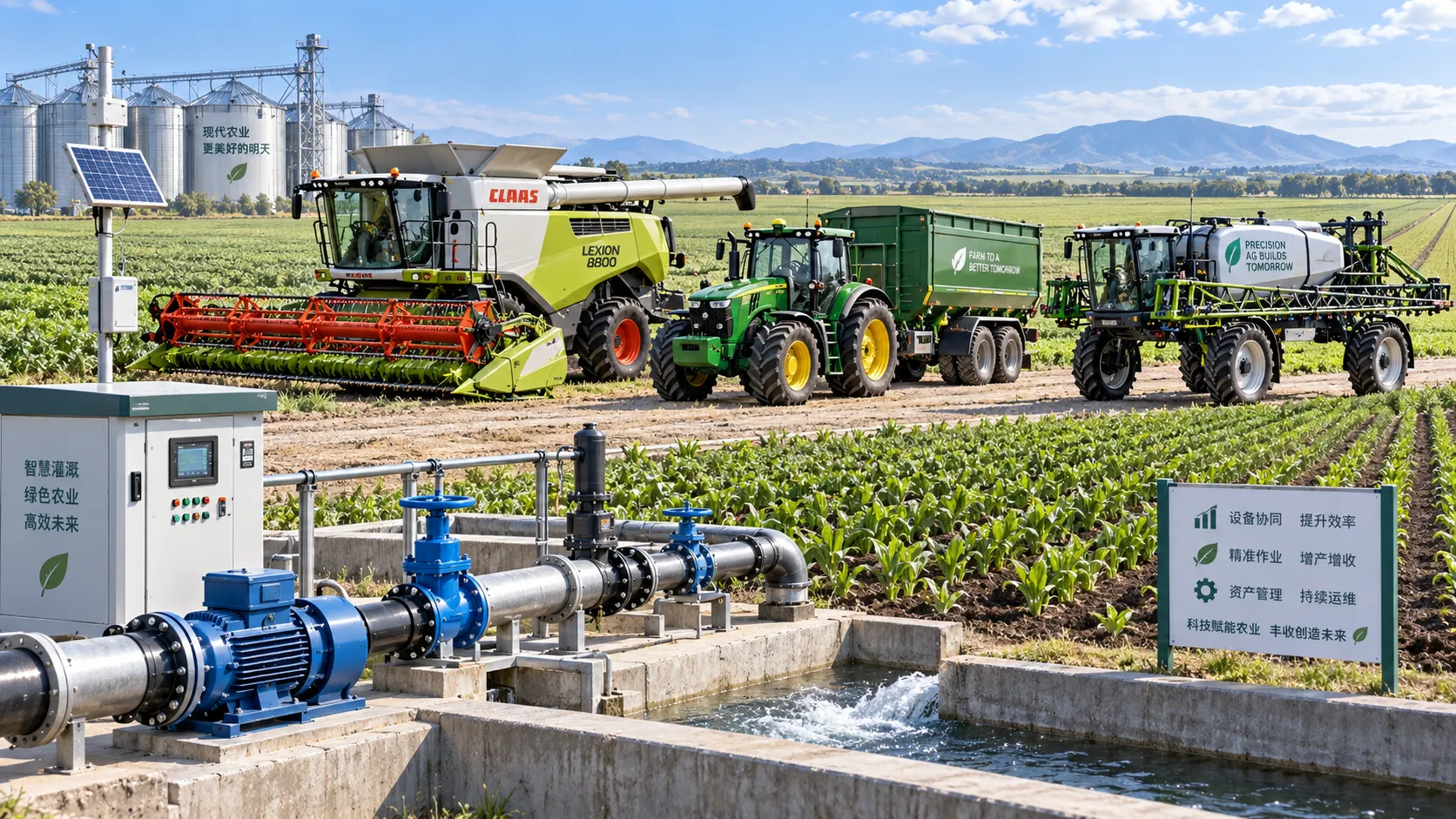
How to Compare Agricultural Equipment Platforms for Fleet Management and ROI
Agricultural equipment platform comparison: evaluate fleet data, maintenance, precision workflows, and ROI to choose a system that delivers measurable results.
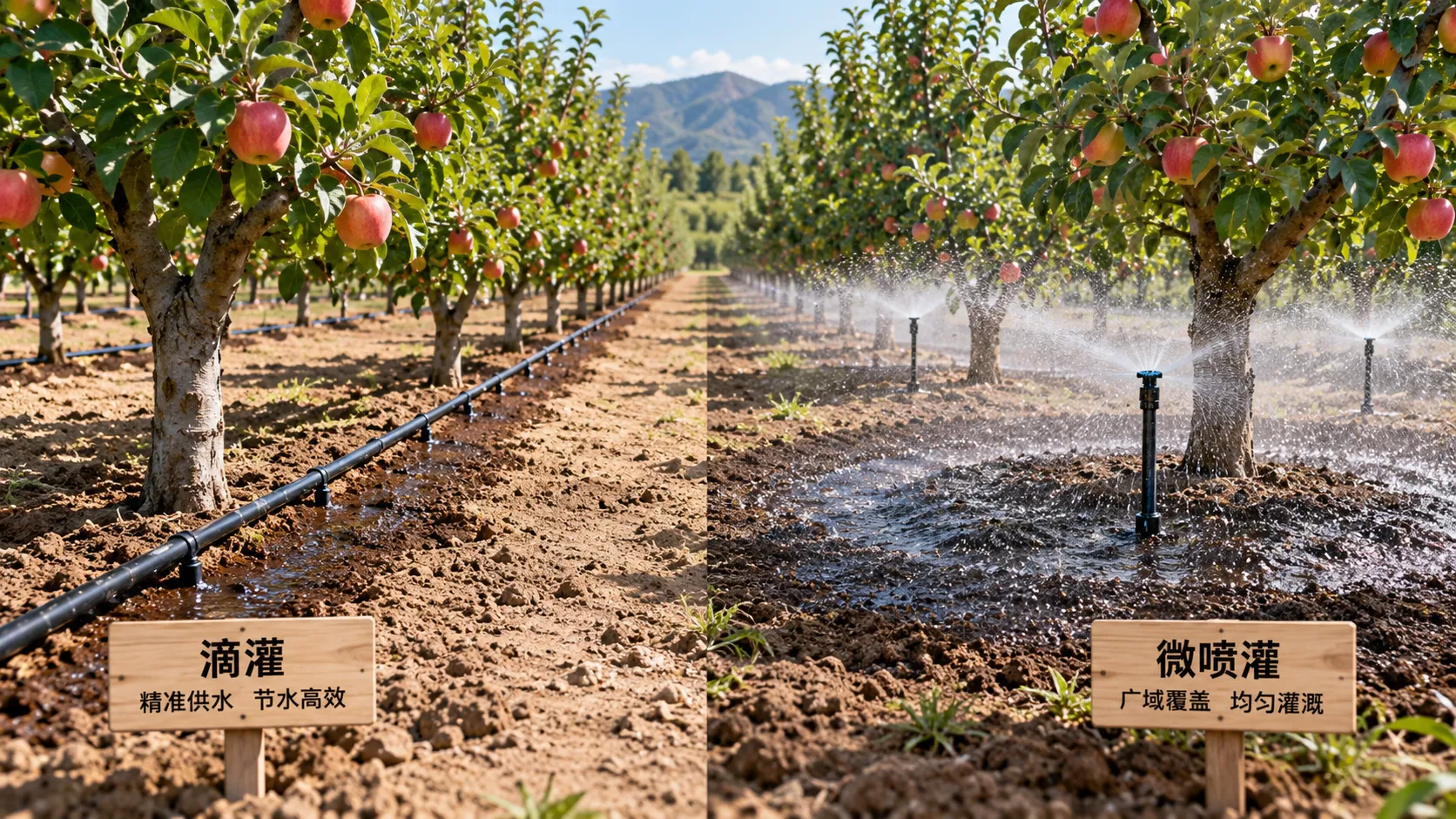
Drip vs. Micro-Sprinkler Irrigation: Which System Fits Your Orchard?
Irrigation solution comparison for orchards: discover whether drip or micro-sprinklers best match your water, soil, roots, fertigation, and frost needs.
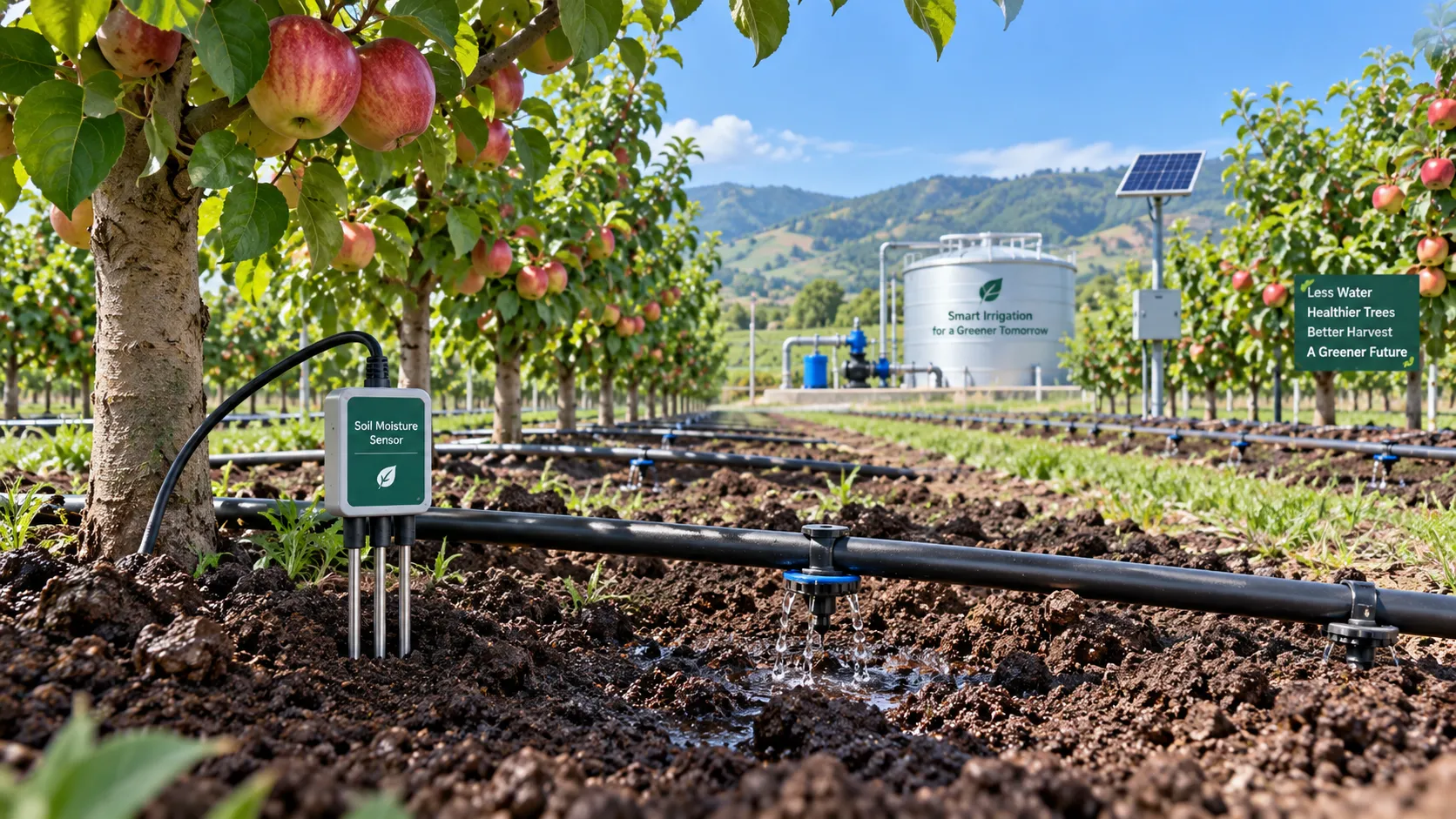
Orchard Water Management: Using Soil Moisture Data to Schedule Irrigation
Agricultural water management for orchards made practical: use soil moisture data to optimize irrigation timing, protect yield, reduce costs, and improve resilience.
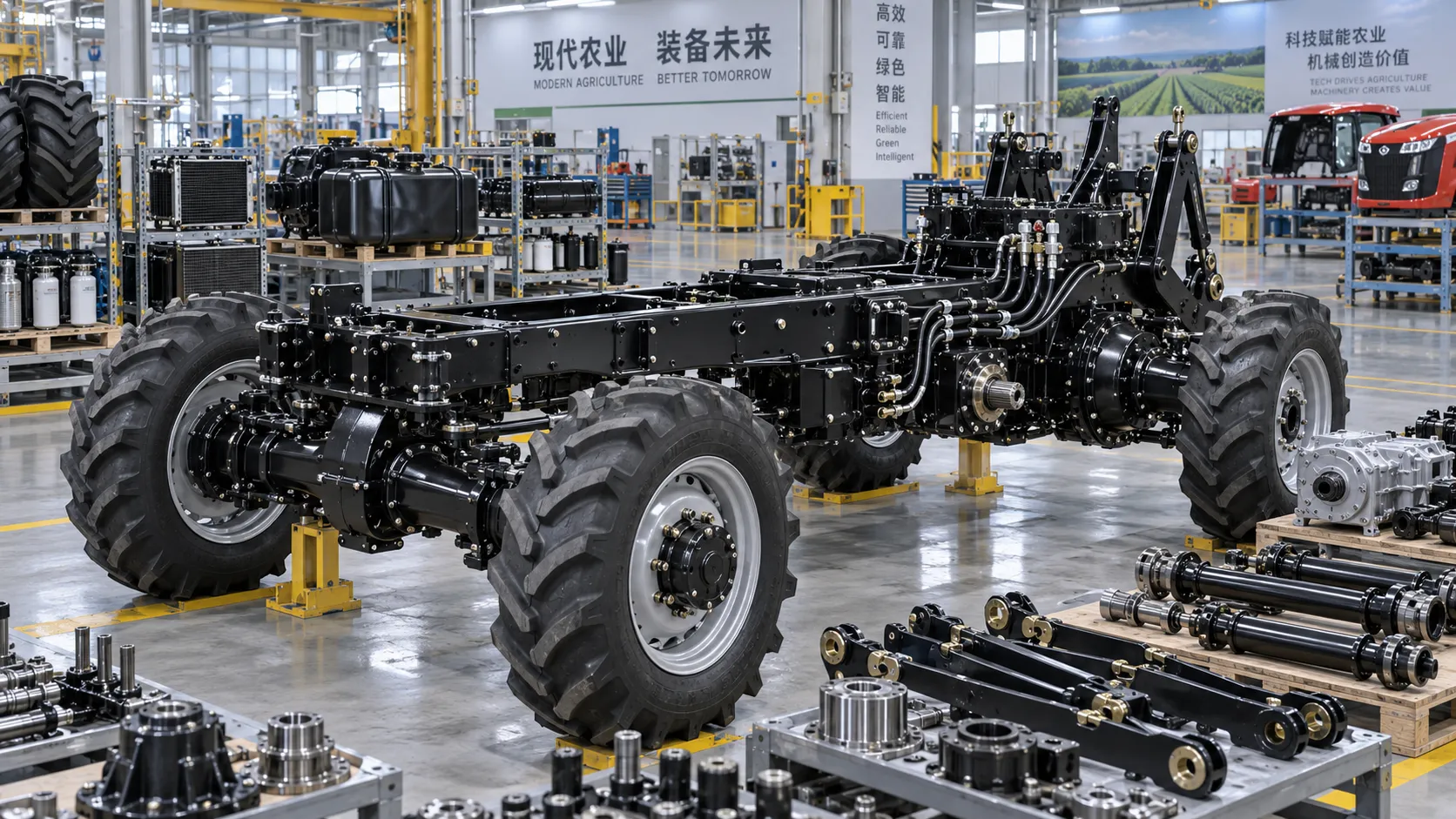
Tractor Chassis Price: What Buyers Should Compare Beyond the Initial Quote
Tractor chassis price is only the start. Compare load capacity, compatibility, durability, and lifecycle costs to choose a reliable, high-value chassis.
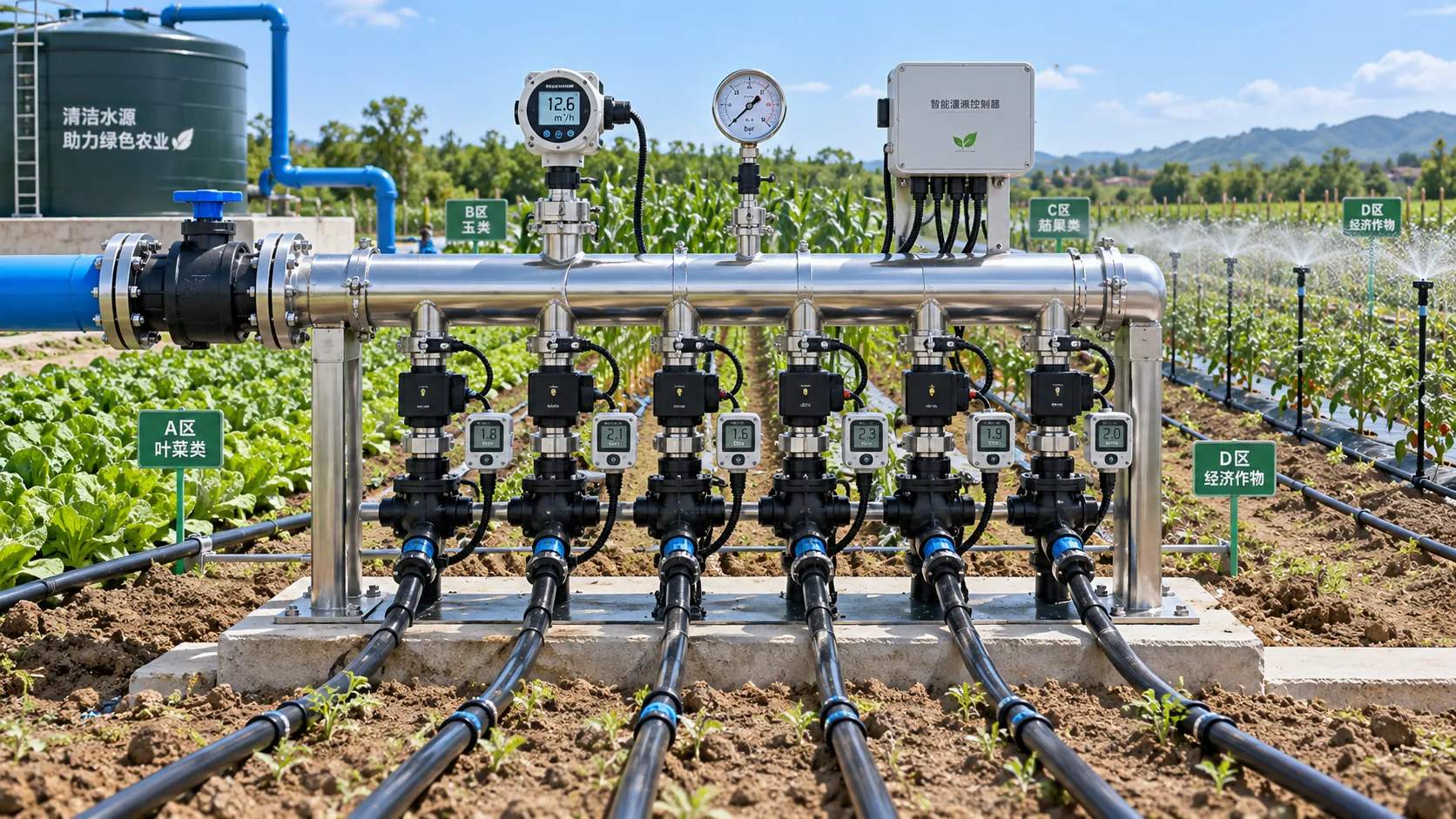
How to Select Smart Irrigation Valves for Multi-Zone Water Management?
Intelligent irrigation systems valves: learn how to match smart valves with multi-zone flow, pressure, control, feedback, and communication needs for reliable water management.
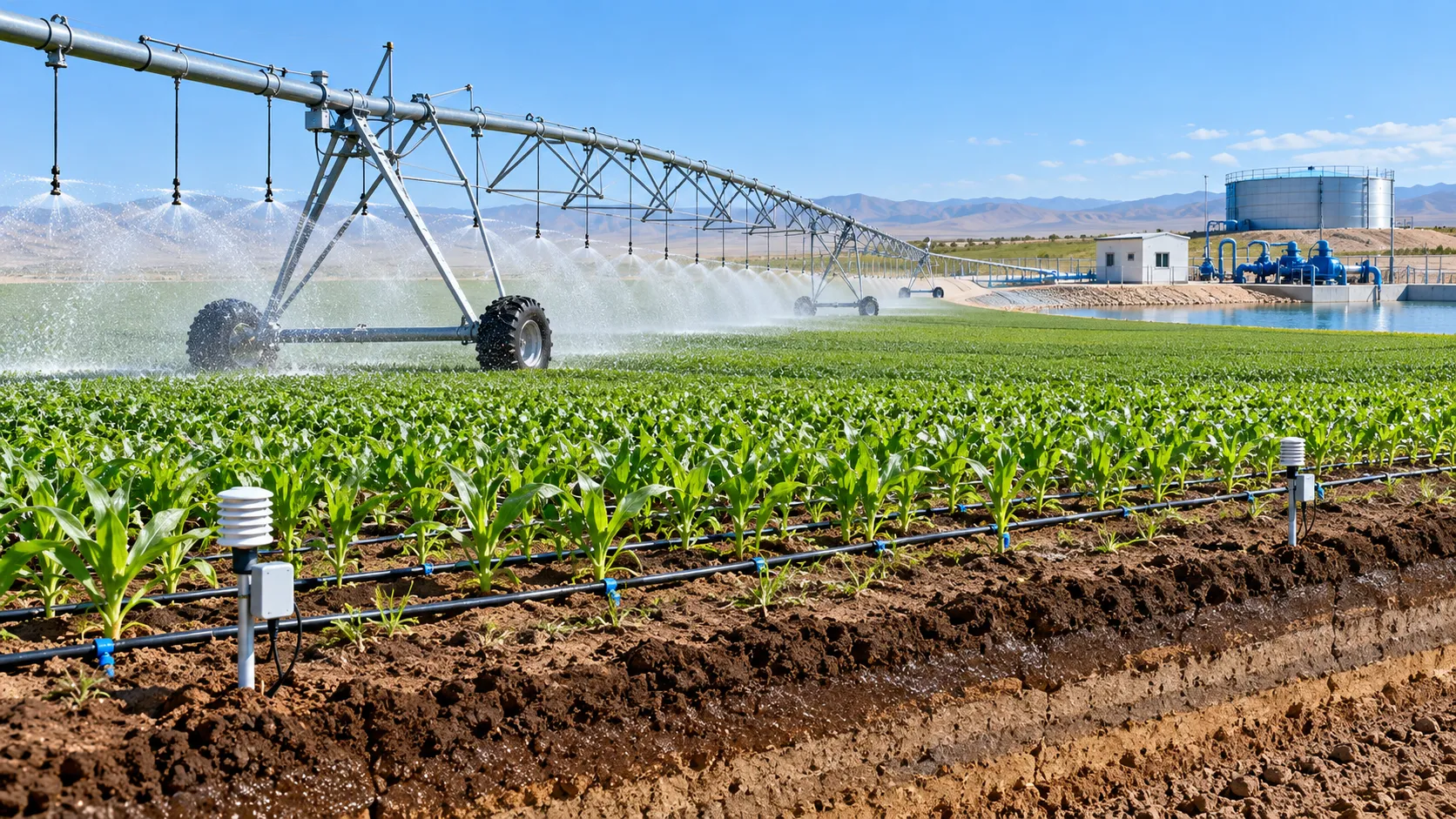
Climate-Smart Farming for Drought: A Practical Plan for Protecting Yields
Climate-smart farming for drought: build smarter water budgets, protect critical crop stages, improve irrigation uniformity, and safeguard yields with practical field-proven strategies.
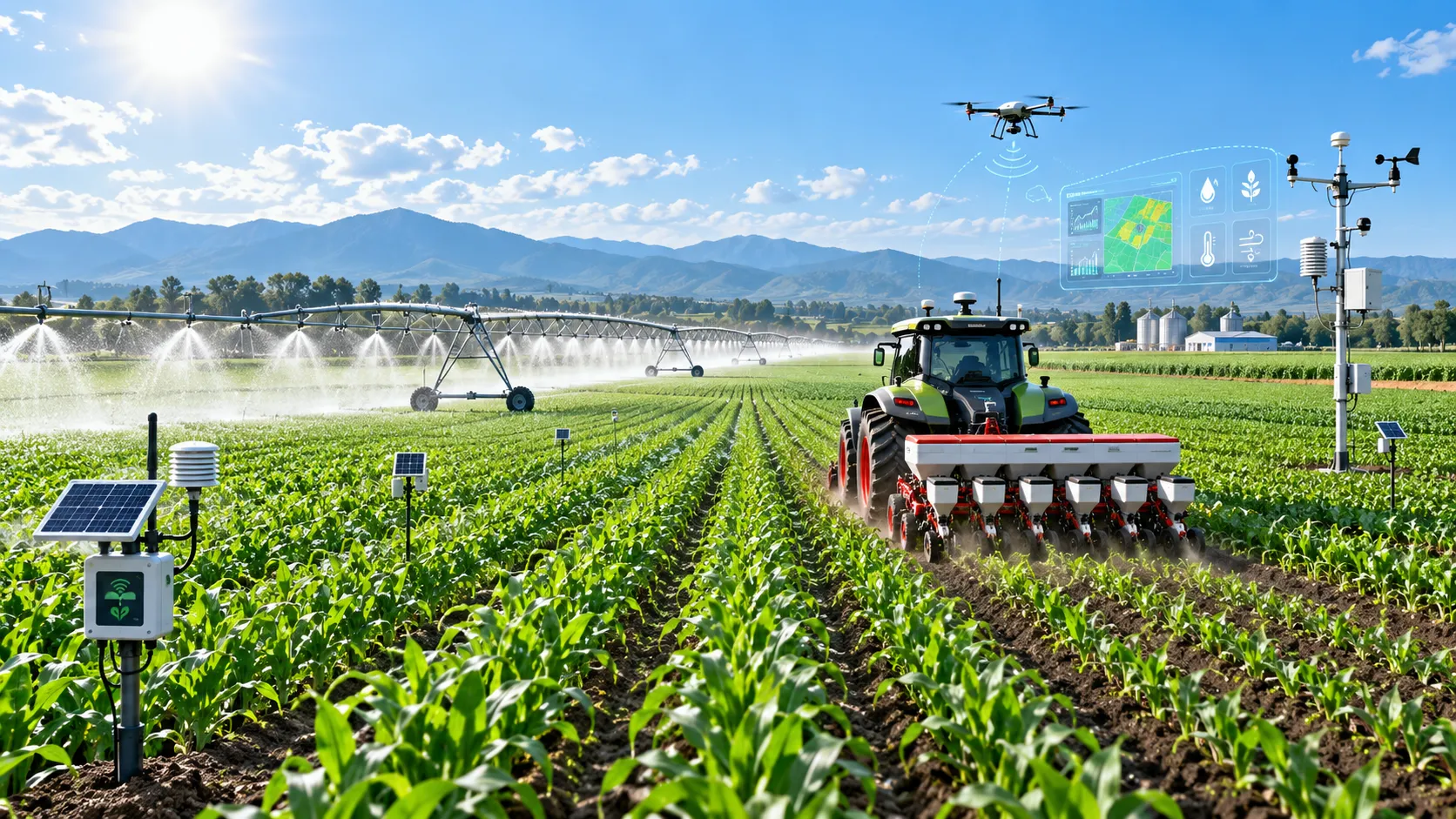
How Digital Agriculture Platforms Turn Field Data Into Better Input Decisions
Digital agriculture platforms turn field data into smarter fertilizer, water, seed, and equipment decisions—helping farms cut risk, improve margins, and scale sustainability.
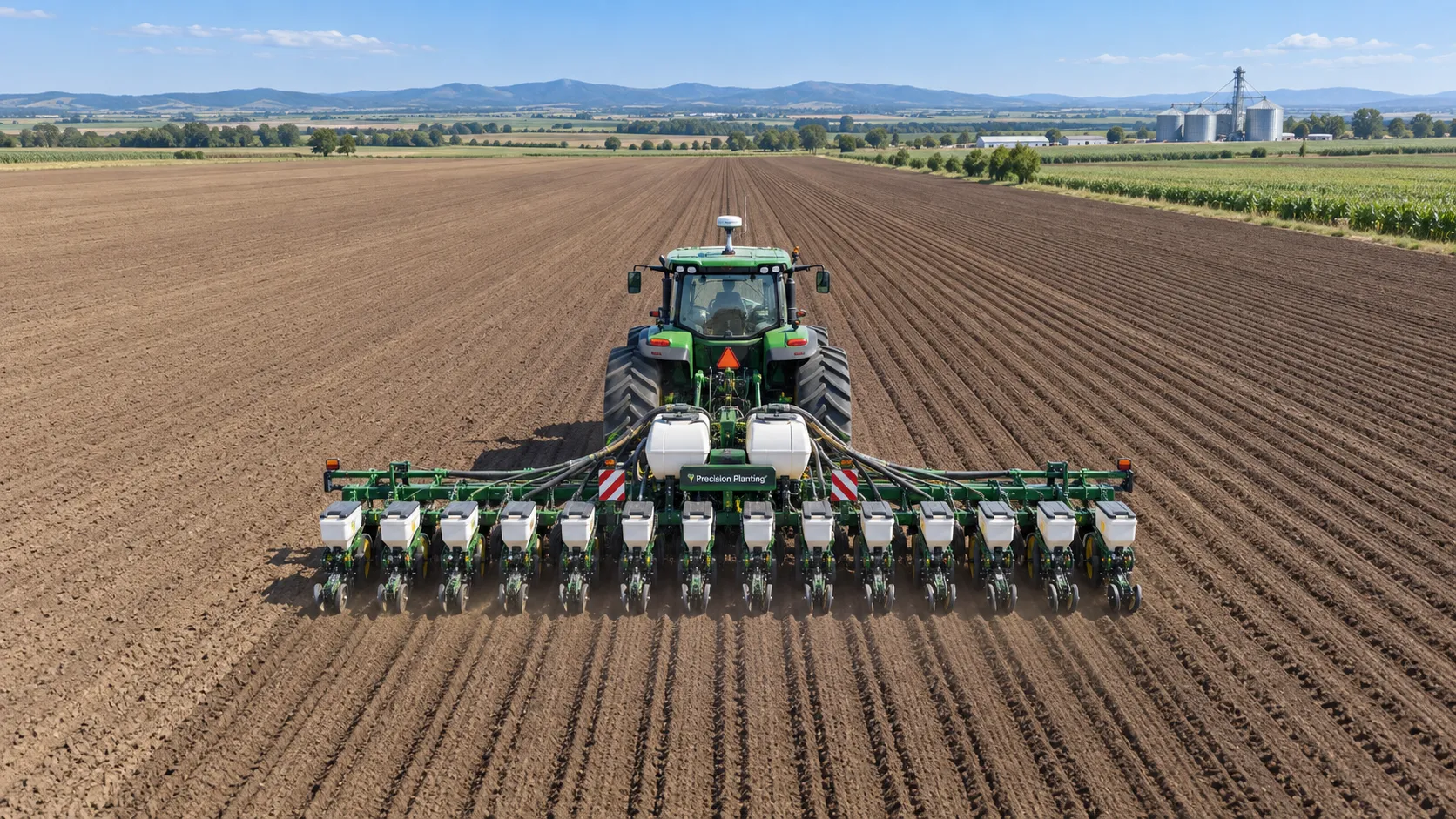
GPS-Guided Farm Machinery: Where It Delivers Measurable Field Efficiency Gains
Agri-mechanization GPS guided systems deliver measurable field efficiency gains through reduced overlap, precise planting, smarter inputs, and reliable farm data.
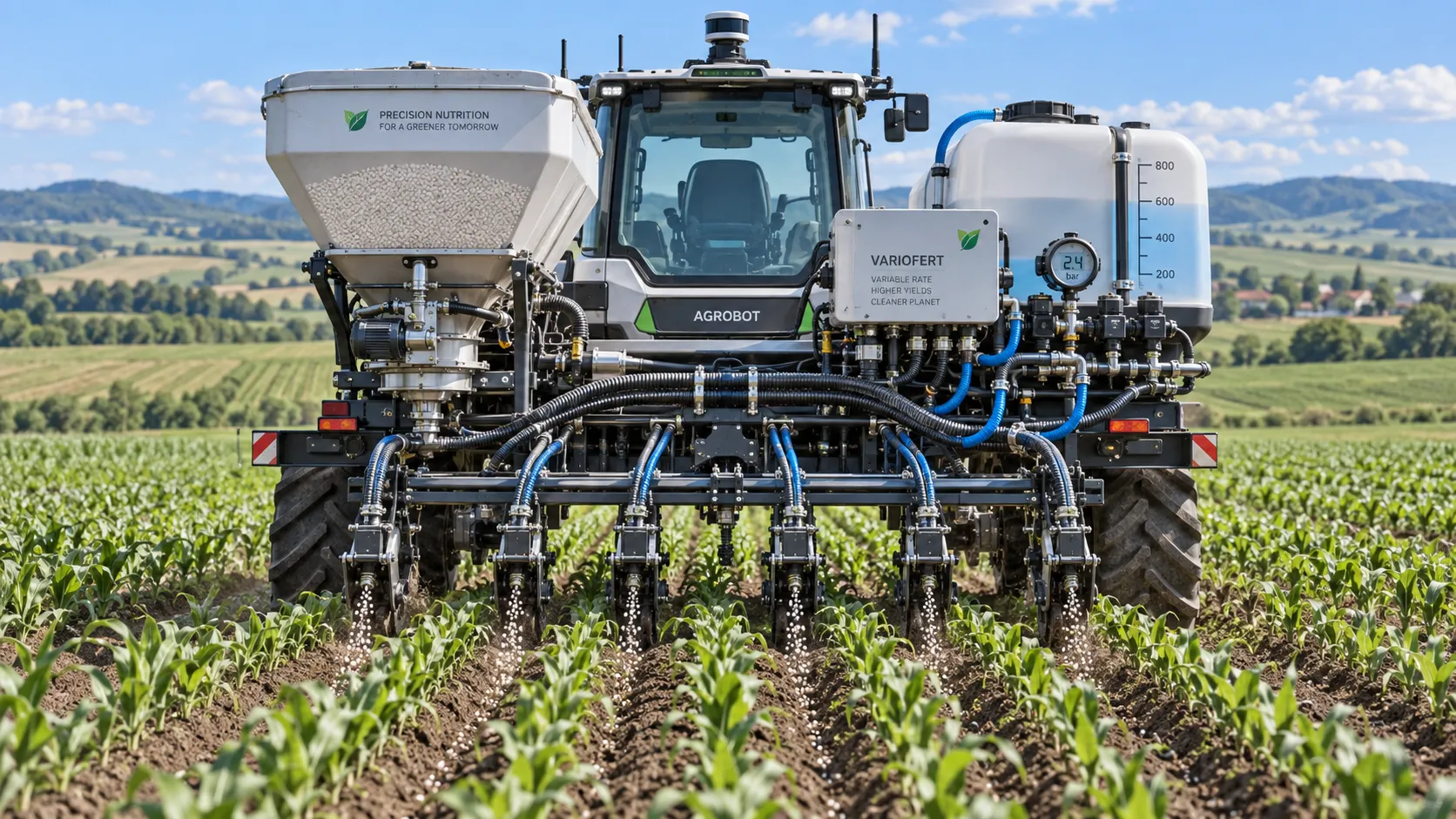
How Sensor Feedback Enables Accurate Variable-Rate Fertilization in Field Conditions
Precision fertilization systems with sensor feedback improve variable-rate accuracy by verifying flow, managing latency, and ensuring reliable field application.
Related News
- 00
0000-00
Tractor Hydraulic Systems Troubleshooting: Diagnosing Weak Lift and Slow Implements - 00
0000-00
Which Implements Are Compatible With a 200 HP Tractor for Mixed Cropping? - 00
0000-00
How to Select Agricultural Hydraulic Systems for Sprayers by Flow, Pressure, and Boom Demand - 00
0000-00
Australia Tightens Carbon Rules for Hydraulic Lift System Imports - 00
0000-00
ANATEL Sets New Rules for Wireless Hydraulic Lift Systems
Popular Tags
Tractor Power Architect
Weekly Insights
Stay ahead with our curated technology reports delivered every Monday.