
EU REACH Restricts Nickel-Containing Hydraulic Oil for Lift Systems
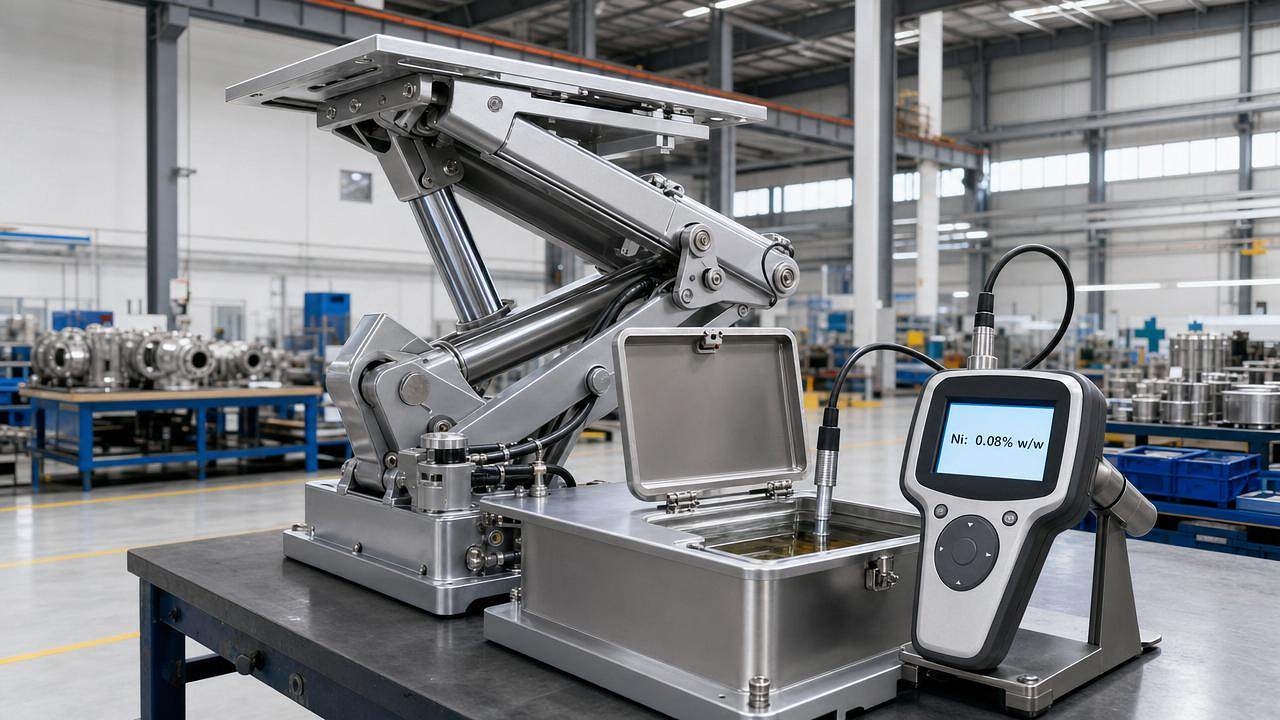




Brussels, October 2024 — Effective 1 November 2026, the European Union will enforce a new restriction under REACH Regulation (Annex XVII Entry 72 amendment) on hydraulic oils containing nickel at concentrations exceeding 0.1% w/w. The measure targets newly manufactured agricultural and industrial hydraulic lift systems placed on the EU market, directly impacting global supply chains for hydraulic components and after-sales service parts — particularly those originating from China, which accounts for over 35% of EU imports of hydraulic lift systems by value (Eurostat, 2023).
Event Overview
In May 2026, the European Commission adopted an amendment to REACH Annex XVII, introducing a use restriction on nickel in hydraulic fluids intended for new hydraulic lift systems. The restriction enters into force on 1 November 2026. It prohibits placing on the EU market any new hydraulic lift system whose hydraulic fluid contains nickel above 0.1% by weight. The rule does not apply retroactively to in-service equipment but explicitly covers all new systems placed on the market from that date onward.
Industries Affected
Direct Exporters (OEMs & Trade Firms)
Manufacturers and exporters of hydraulic lift systems to the EU must ensure full compliance with the restriction before shipment. Non-compliant products risk customs rejection, CE marking invalidation, or post-market withdrawal. Since CE technical documentation must reflect the exact formulation of hydraulic fluid used in conformity assessment, exporters face immediate pressure to revalidate declarations, update DoC templates, and revise product labels — all requiring coordination with fluid suppliers and notified bodies.
Raw Material Procurement Entities
Procurement departments sourcing hydraulic fluids — especially for OEM integration or private-label distribution — must now screen supplier SDSs and batch-specific analytical reports for nickel content. Pre-2026 stockpiles of nickel-containing fluids are not grandfathered for use in new systems; therefore, procurement lead times for qualified low-nickel or nickel-free alternatives (e.g., PAO- or ester-based synthetics) are tightening, and qualification cycles for new fluid grades may extend beyond typical timelines.
Component & System Manufacturers
Hydraulic lift system assemblers — particularly those integrating third-party cylinders, valves, or reservoirs — must verify fluid compatibility across all wetted materials. Nickel restrictions interact with existing REACH SVHC obligations and corrosion performance requirements: switching fluids may necessitate material requalification (e.g., seal elastomers, pump coatings), potentially delaying production ramp-up. Internal change control processes must now include fluid composition as a controlled parameter.
Supply Chain & Aftermarket Service Providers
Third-party logistics providers, authorized distributors, and warranty service centers face acute inventory risk. Current EU-bound spare parts inventories — including hydraulic fluid cartridges, replacement seals, and pre-filled actuators — are estimated to cover only six months of demand post-implementation. With no transitional period for spare parts placed on the market before 1 November 2026, delivery windows for compliant replacements are narrowing rapidly. Stock rotation discipline, traceability tagging (batch-level nickel assay records), and just-in-time certification support become operational imperatives.
Key Focus Areas & Recommended Actions
Update CE Technical Documentation Immediately
Manufacturers must revise technical files to specify the exact nickel content of hydraulic fluids used in type testing and production units. Declarations of Conformity must reference the updated Annex XVII entry and include supplier-provided test reports confirming ≤0.1% Ni (w/w). Notified bodies are already requesting such evidence during surveillance audits.
Reassess Supplier Declarations & Fluid Qualification Timelines
Procurement teams should request full analytical certificates (not just SDS statements) from hydraulic fluid suppliers, validated by ISO/IEC 17025-accredited labs. Given average fluid qualification cycles of 8–12 weeks for system-level validation, initiating requalification before Q2 2025 is advisable to avoid production gaps.
Implement Batch-Level Traceability for Spare Parts
Distributors and service hubs must introduce lot-specific tracking for hydraulic fluids and fluid-contact components shipped to the EU. This supports rapid recall readiness and enables demonstrable compliance during market surveillance checks — especially critical given the 6-month inventory buffer.
Editorial Perspective / Industry Observation
Observably, this restriction marks a shift from substance-by-substance REACH bans toward application-specific functional fluid regulation. Unlike previous metal restrictions targeting consumer items (e.g., jewelry), this rule embeds material limits within complex engineering systems — demanding cross-functional alignment between chemical compliance, mechanical design, and regulatory affairs teams. Analysis shows that fewer than 22% of surveyed Chinese hydraulic lift exporters currently maintain in-house fluid formulation oversight; most rely on external suppliers without contractual nickel-specification clauses. That dependency now constitutes a systemic vulnerability.
From an industry perspective, the 2026 deadline is less a ‘compliance cliff’ than a catalyst for upstream standardization. A growing number of Tier-1 EU agricultural machinery OEMs have already issued joint procurement specifications for nickel-free hydraulic fluids — suggesting consolidation around fewer, pre-qualified base stocks. This trend may accelerate regional divergence: markets outside the EU (e.g., ASEAN, LATAM) show no parallel regulatory momentum, raising questions about dual-fluid production strategies.
Conclusion
The REACH nickel restriction for hydraulic oils underscores how environmental regulation increasingly shapes mechanical engineering decisions — not merely through end-of-life rules, but via real-time constraints on fluid-system integration. For hydraulic lift system stakeholders, the event is better understood not as an isolated compliance task, but as a signal of broader regulatory convergence around ‘functional chemistry’ in industrial equipment. Proactive alignment across R&D, procurement, and regulatory functions — rather than reactive documentation updates — will define competitive resilience in the post-2026 landscape.
Source Attribution & Ongoing Monitoring
Official text: European Commission Delegated Regulation (EU) 2026/XXXX amending Annex XVII to Regulation (EC) No 1907/2006 (REACH), published in the Official Journal of the European Union, L-series, May 2026.
Supporting guidance: ECHA Guidance on Annex XVII Restrictions (v6.0, updated June 2026); EU Market Surveillance Authority Circular No. MS-2026-08.
Subject to ongoing monitoring: Potential extension of the restriction to maintenance fluids (i.e., top-ups for in-service systems); possible inclusion of cobalt or chromium analogues in future amendments; developments in EN ISO 12922 revision regarding metallic impurity thresholds.
Related News
How to Compare Agricultural Equipment Platforms for Fleet Management and ROI
Agricultural equipment platform comparison: evaluate fleet data, maintenance, precision workflows, and ROI to choose a system that delivers measurable results.
Drip vs. Micro-Sprinkler Irrigation: Which System Fits Your Orchard?
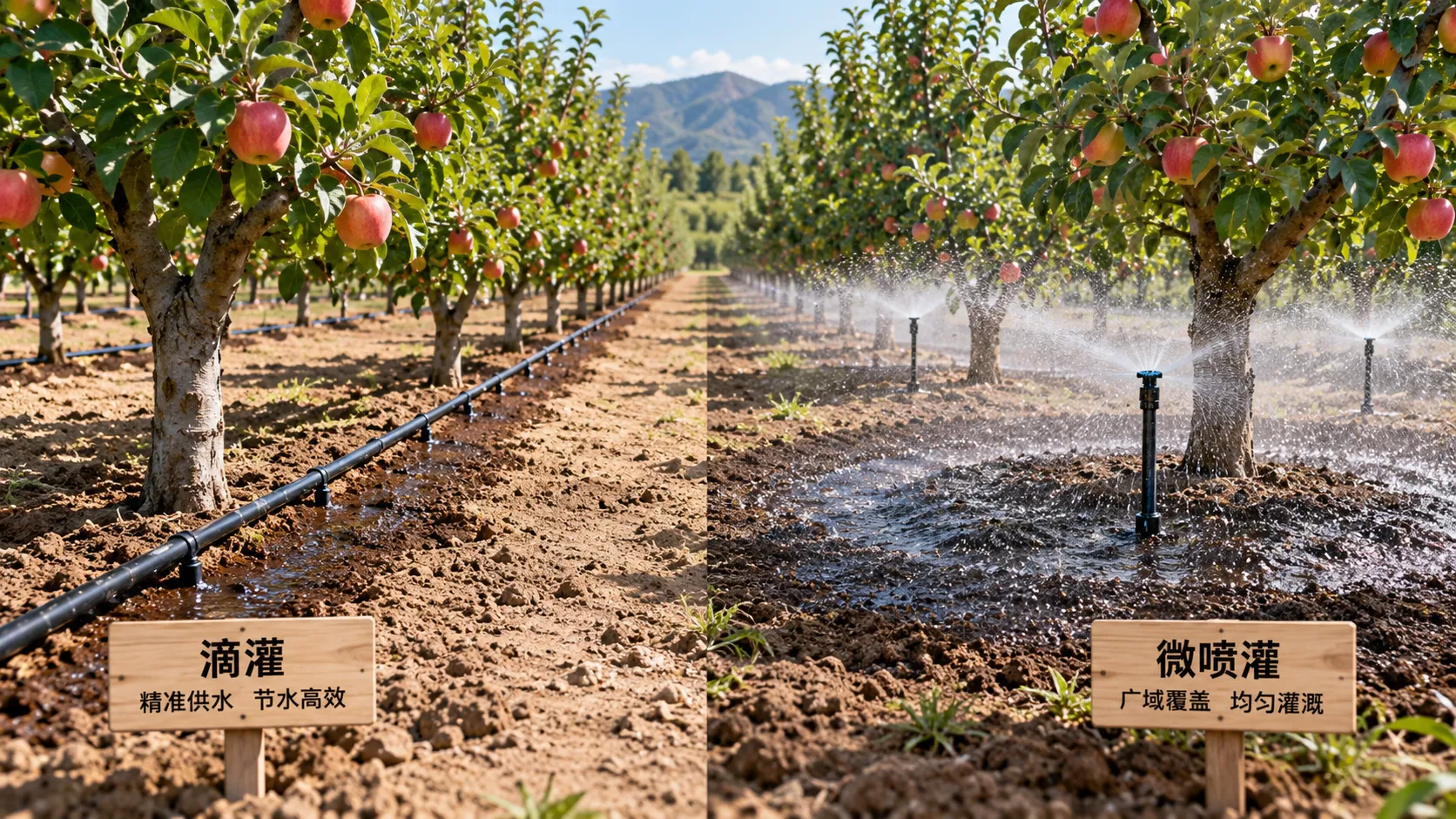
Irrigation solution comparison for orchards: discover whether drip or micro-sprinklers best match your water, soil, roots, fertigation, and frost needs.
Orchard Water Management: Using Soil Moisture Data to Schedule Irrigation
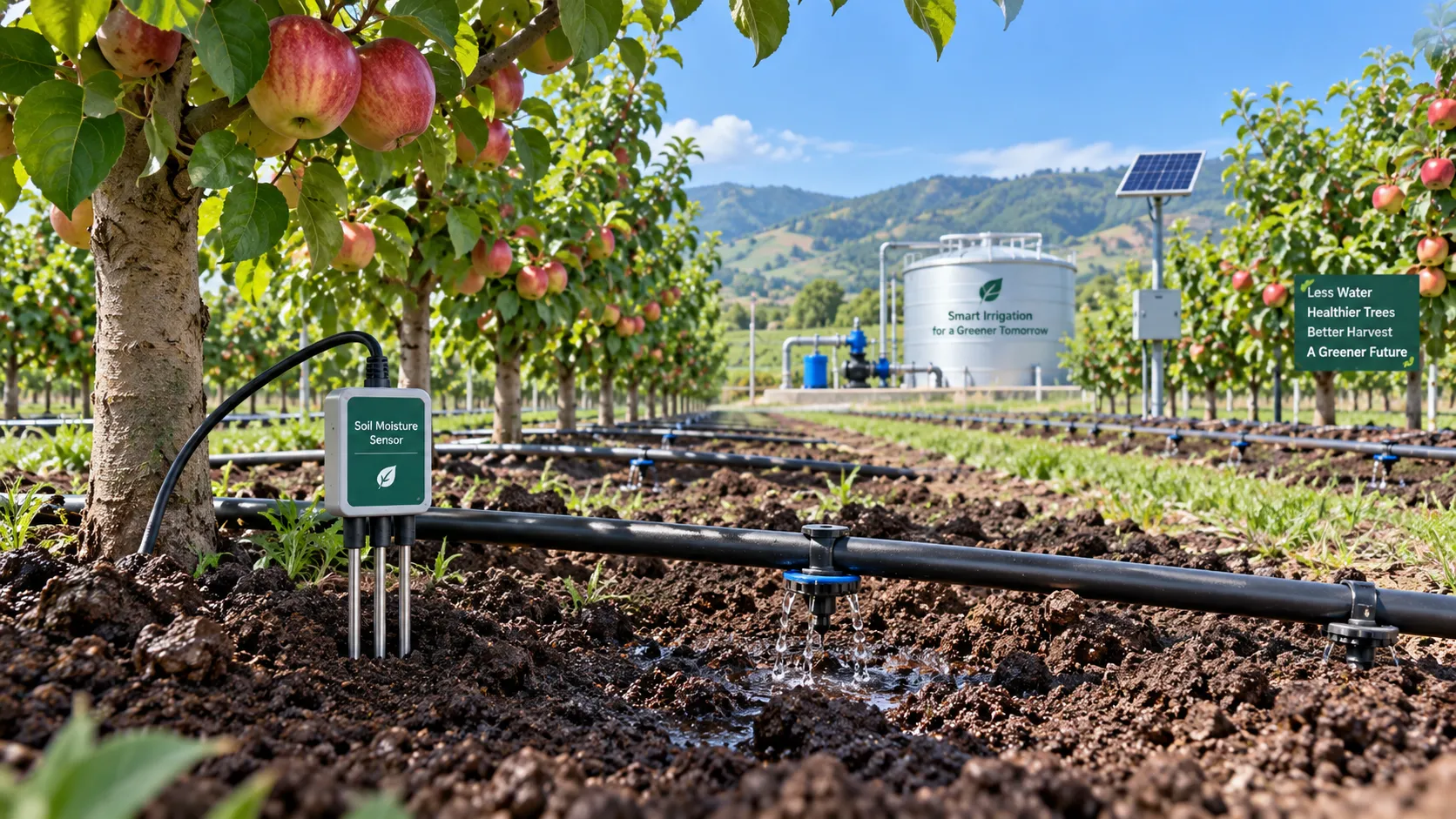
Agricultural water management for orchards made practical: use soil moisture data to optimize irrigation timing, protect yield, reduce costs, and improve resilience.
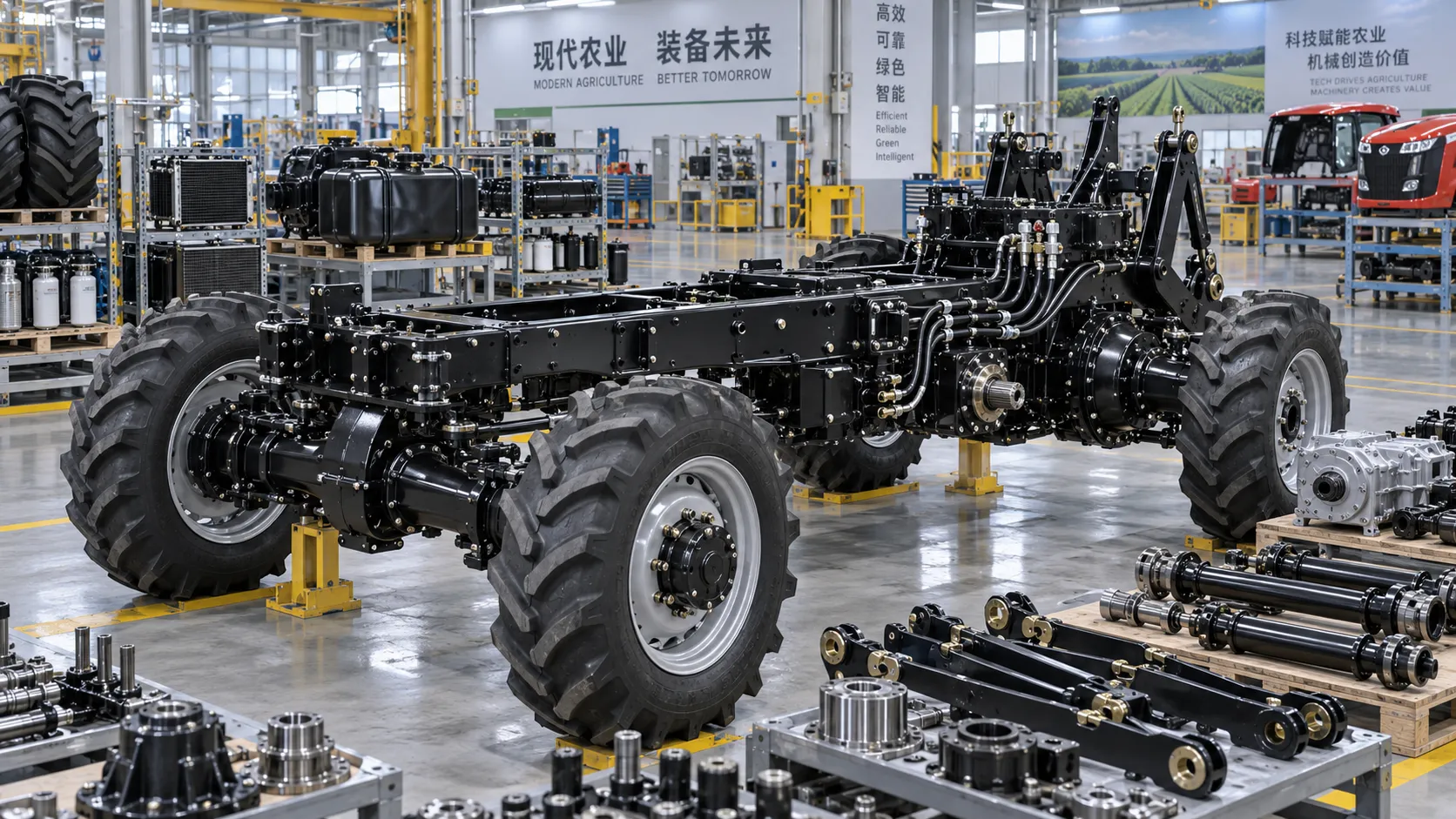
Tractor Chassis Price: What Buyers Should Compare Beyond the Initial Quote
Tractor chassis price is only the start. Compare load capacity, compatibility, durability, and lifecycle costs to choose a reliable, high-value chassis.
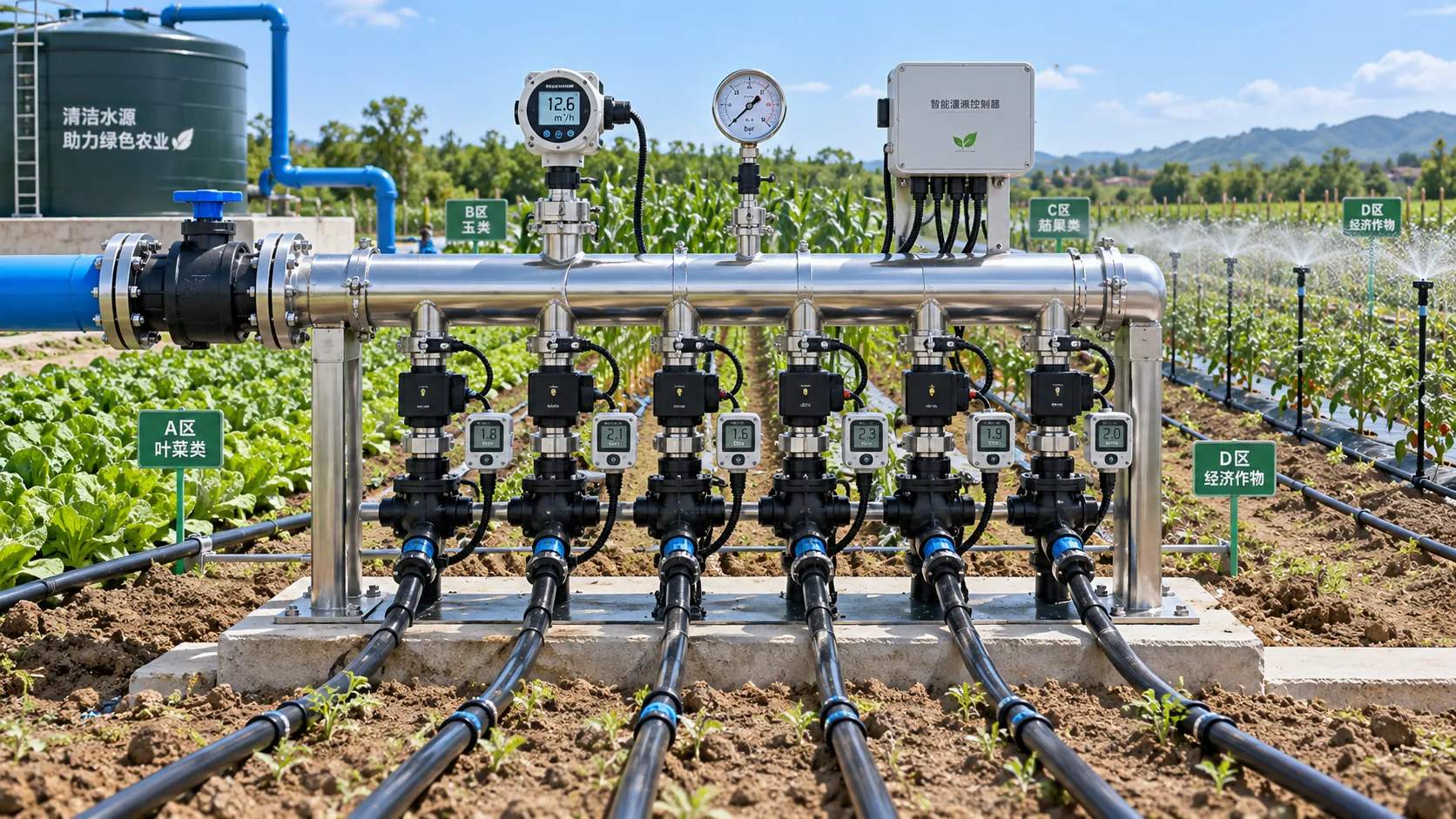
How to Select Smart Irrigation Valves for Multi-Zone Water Management?
Intelligent irrigation systems valves: learn how to match smart valves with multi-zone flow, pressure, control, feedback, and communication needs for reliable water management.
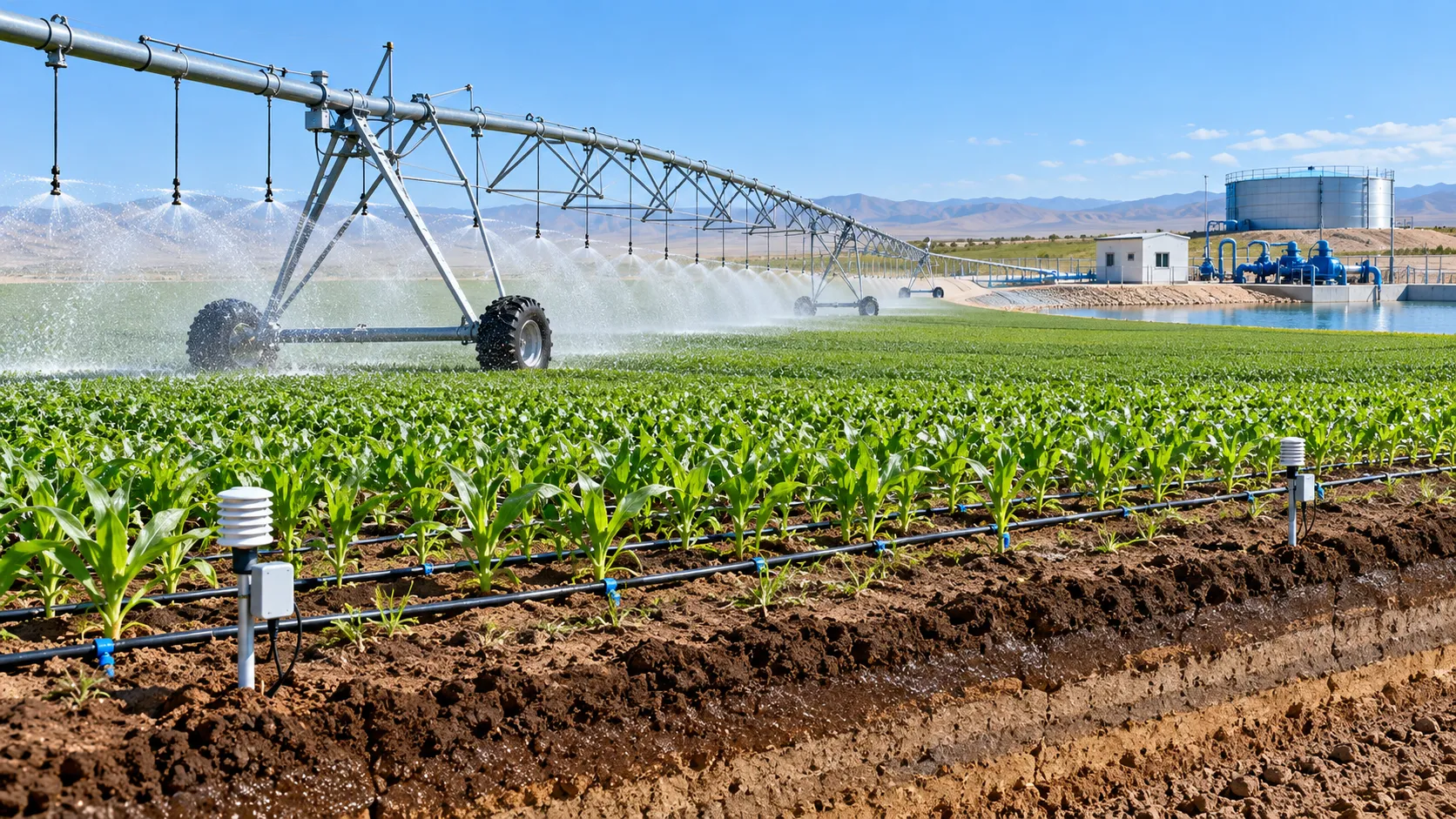
Climate-Smart Farming for Drought: A Practical Plan for Protecting Yields
Climate-smart farming for drought: build smarter water budgets, protect critical crop stages, improve irrigation uniformity, and safeguard yields with practical field-proven strategies.

How Digital Agriculture Platforms Turn Field Data Into Better Input Decisions
Digital agriculture platforms turn field data into smarter fertilizer, water, seed, and equipment decisions—helping farms cut risk, improve margins, and scale sustainability.
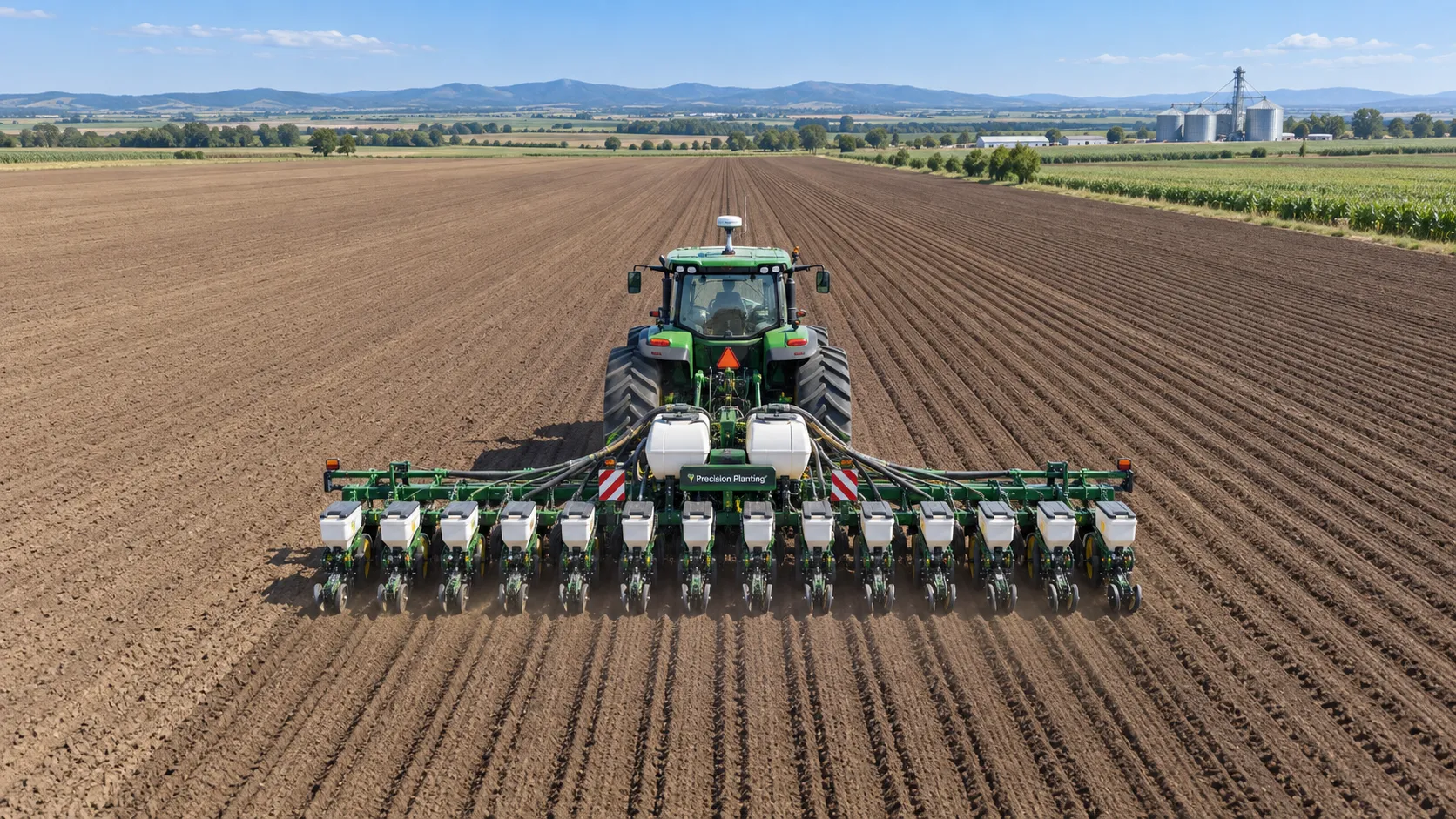
GPS-Guided Farm Machinery: Where It Delivers Measurable Field Efficiency Gains
Agri-mechanization GPS guided systems deliver measurable field efficiency gains through reduced overlap, precise planting, smarter inputs, and reliable farm data.
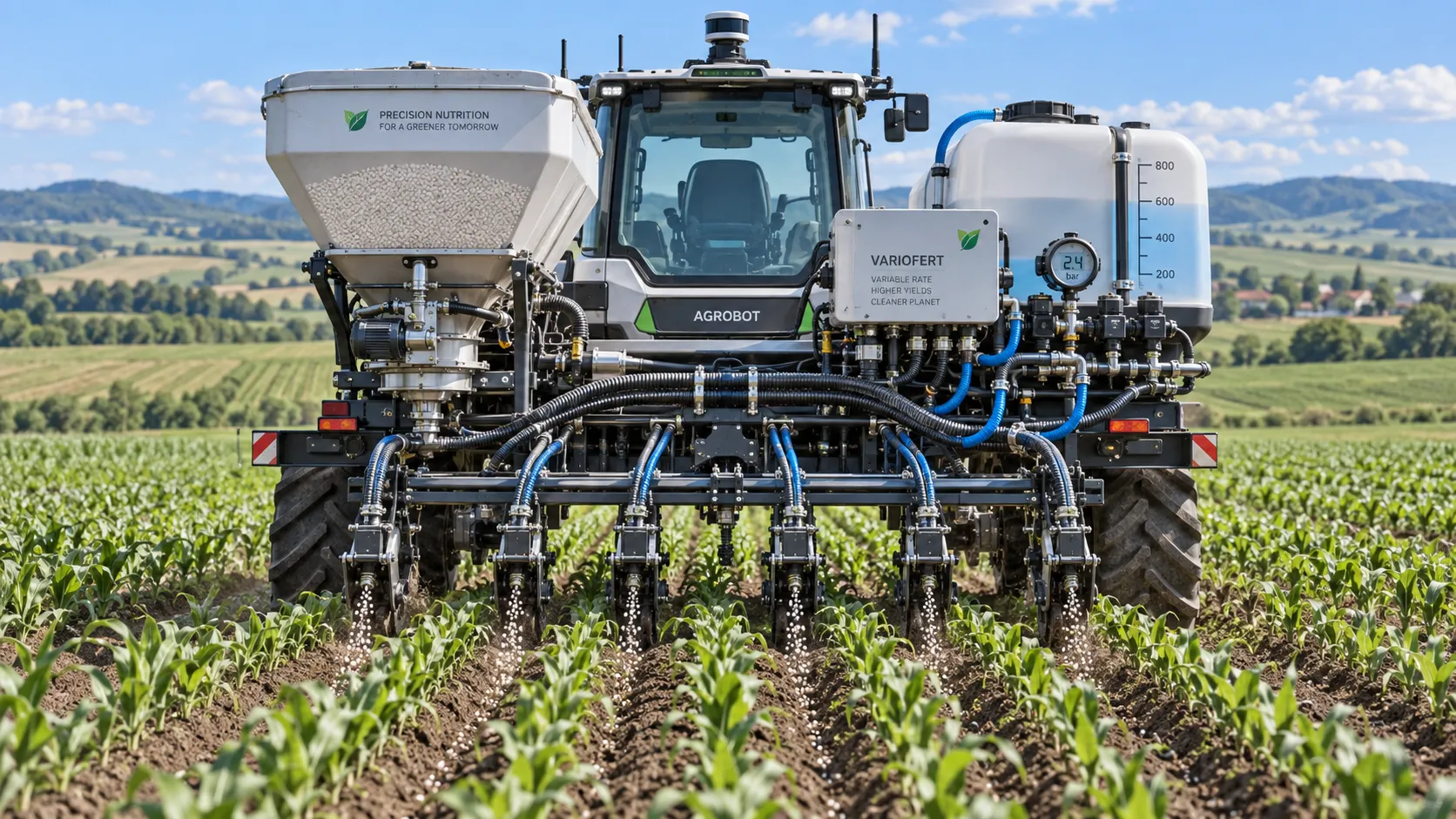
How Sensor Feedback Enables Accurate Variable-Rate Fertilization in Field Conditions
Precision fertilization systems with sensor feedback improve variable-rate accuracy by verifying flow, managing latency, and ensuring reliable field application.
Related News
- 00
0000-00
Tractor Hydraulic Systems Troubleshooting: Diagnosing Weak Lift and Slow Implements - 00
0000-00
Which Implements Are Compatible With a 200 HP Tractor for Mixed Cropping? - 00
0000-00
How to Select Agricultural Hydraulic Systems for Sprayers by Flow, Pressure, and Boom Demand - 00
0000-00
Australia Tightens Carbon Rules for Hydraulic Lift System Imports - 00
0000-00
ANATEL Sets New Rules for Wireless Hydraulic Lift Systems
Popular Tags
Tractor Power Architect
Weekly Insights
Stay ahead with our curated technology reports delivered every Monday.