
Where agri-tech advancements are changing field work fastest
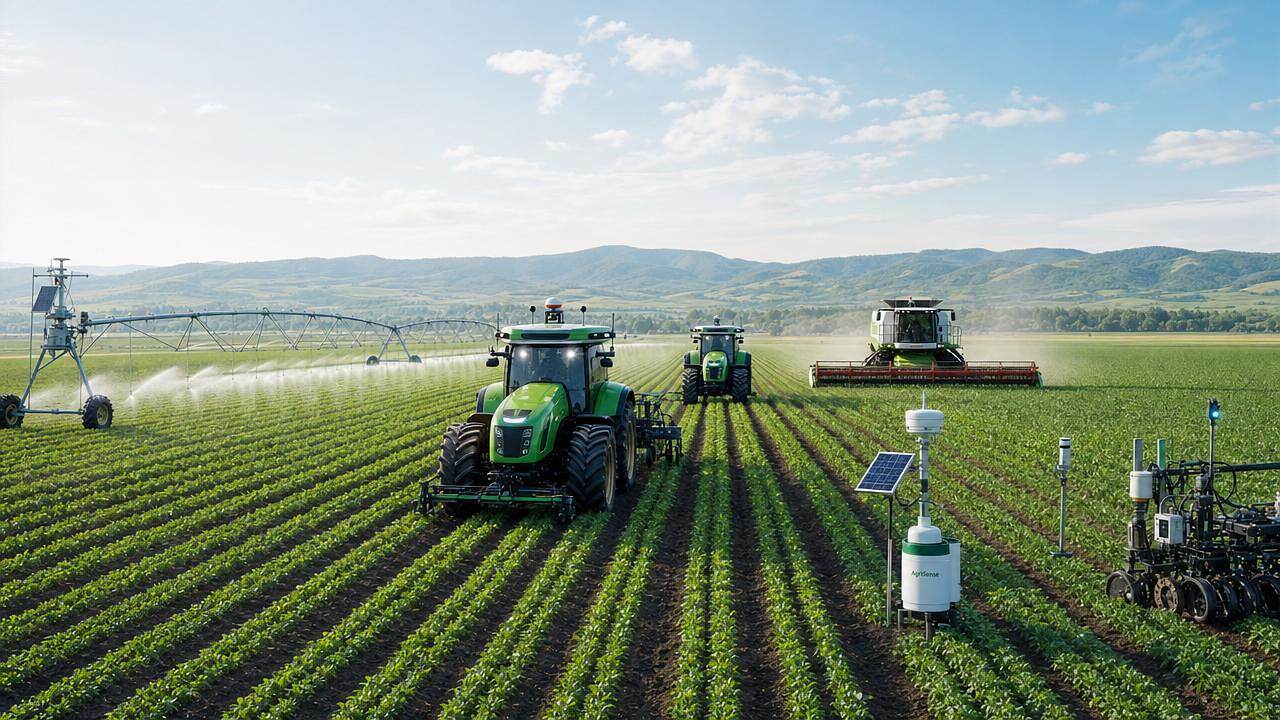




Where are agri-tech advancements changing field work fastest? From autonomous tractors and high-efficiency combine systems to sensor-led irrigation and precision implements, the answer is emerging across the world’s most demanding farming operations. For enterprise decision-makers, this shift is not just about productivity—it is about resilience, resource efficiency, and strategic advantage in an increasingly data-driven agricultural economy.
Across large-scale farming, the pace of change is no longer uniform. Some tasks are advancing incrementally, while others are being transformed within 2–5 seasons by automation, sensors, connectivity, and machine intelligence. For distributors, fleet investors, farm groups, and equipment planners, understanding where agri-tech advancements deliver the fastest operational change helps prioritize capital, reduce implementation risk, and align procurement with long-cycle returns.
For AP-Strategy’s audience, the key issue is not whether Agriculture 4.0 is real. It is where field work is being reshaped first, which systems are reaching practical scale, and how to evaluate machinery, irrigation, and precision tools before committing budgets that may run across 3-year, 5-year, or even 7-year planning horizons.
Where field work is changing fastest in the current agri-tech cycle
The fastest changes are appearing in field operations where three conditions overlap: high labor intensity, measurable input waste, and repeatable machine paths. In practice, that means primary traction, harvesting, irrigation control, and implement-level precision work are leading the current wave of agri-tech advancements.
These are not abstract innovation zones. They are daily workflows with clear performance indicators such as fuel use per hectare, harvesting loss percentage, application overlap, water-use efficiency, machine uptime, and operator hours per shift. When these metrics can be tracked within 1 season, adoption usually moves faster.
Autonomous and assisted tractor operations
Tractor work is among the fastest-changing areas because steering accuracy, repeated passes, and hydraulic task execution are highly structured. In broadacre farming, auto-guidance systems can commonly operate within 2.5 cm to 5 cm accuracy depending on correction signals, reducing overlap during tillage, seeding, and spraying.
The value for enterprise users is immediate. Fewer skipped rows, more stable pass-to-pass consistency, and lower operator fatigue can affect both output and risk. In operations running 10–14 hour work windows, even a 3%–7% reduction in overlap or idle correction translates into visible seasonal savings.
Why tractor chassis intelligence matters
Advanced chassis and transmission systems are central to this shift. High-load field work depends on traction control, hydraulic responsiveness, and power transfer stability. When smart control systems are linked to terrain sensing and implement feedback, performance improves not just in speed, but in consistency across variable soil conditions.
- Lower overlap in repeat passes
- Better traction under changing soil moisture conditions
- More stable implement depth and pressure control
- Reduced operator fatigue across long work cycles
High-efficiency combine harvesting systems
Harvesting is another front line for agri-tech advancements because losses are measurable and costly. In cereals, oilseeds, and other broadacre crops, even a 1%–2% difference in field loss can materially affect revenue at scale. That makes combine optimization one of the fastest areas for intelligent system payback.
Machine learning-assisted settings, dynamic cleaning control, grain loss sensing, and real-time throughput balancing are reducing the traditional reliance on operator intuition alone. In uneven crop stands or changing moisture conditions, these systems help maintain output quality while limiting grain damage and overload events.
The table below highlights where field work is changing fastest and which indicators matter most when evaluating agri-tech advancements for enterprise-scale operations.
The common pattern is clear: agri-tech advancements move fastest where farms can compare old and new performance within one harvest cycle or one irrigation season. That shortens decision feedback loops and makes internal capital approval easier.
Why these advancements matter most to enterprise decision-makers
Enterprise buyers do not evaluate innovation only by machine novelty. They assess how technology affects labor exposure, input risk, maintenance planning, uptime, financing, and multi-site standardization. This is why agri-tech advancements with operational visibility tend to outrun less measurable innovations.
On large farms or regional equipment networks, the cost of inconsistency is significant. A 6-hour delay in harvest timing, poor irrigation scheduling over 7–10 days, or inefficient pass management across hundreds of hectares can compound into lost grain quality, uneven crop development, or avoidable resource use.
The new procurement logic: from horsepower to intelligence density
Traditional equipment procurement often centered on engine output, cutting width, tank capacity, or chassis durability. Those metrics still matter, but decision-makers are increasingly comparing intelligence density: the amount of usable sensing, automation, and control capability embedded in each machine or system.
For example, two machines with similar mechanical capacity may differ greatly in software adjustability, compatibility with farm management platforms, or diagnostic depth. That difference can affect service intervals, operator training time, and seasonal responsiveness over a 3–5 year ownership period.
Key enterprise concerns
- Can the system scale across multiple sites or contractors?
- Will sensor data improve decisions, or simply add dashboard noise?
- How quickly can staff be trained in 2–4 weeks before peak season?
- Is the service network prepared for software, hydraulic, and mechanical issues together?
Resource pressure is accelerating adoption
Water, labor, fuel, and fertilizer volatility is pushing more enterprises toward systems that can react in real time. In this context, agri-tech advancements are becoming less about optional modernization and more about risk management. Smart irrigation alone can shift scheduling decisions from fixed intervals to threshold-based action using soil moisture, weather, and crop stage signals.
The same applies to combine systems and precision tools. When machine adjustments and application rates are based on feedback rather than estimation, operators can make fewer corrective passes, reduce input waste, and maintain tighter operating windows during weather uncertainty.
The four field domains seeing the strongest acceleration
While innovation touches nearly every part of farming, four domains stand out for speed of implementation and near-term business effect: autonomous traction, intelligent harvesting, precision implements, and water-saving irrigation systems. Each solves a different operational bottleneck, but all are connected by data.
1. Autonomous traction and guided field movement
This domain includes auto-steering, headland turn assistance, path planning, and implement synchronization. It is changing quickly because driving tasks are repetitive and machine paths are digitally manageable. On flat or moderately variable land, route consistency can improve from the first week of deployment.
2. Intelligent combine operations
Combine systems are increasingly equipped to adjust cleaning, threshing, and throughput parameters as conditions shift during the day. This matters in crops where moisture, straw volume, and grain fragility vary between morning and late afternoon. Faster adaptation can reduce the need for repeated manual recalibration.
3. Precision implements and variable task execution
Implements are becoming execution nodes rather than passive tools. Section control, variable-rate application, and sensor-linked depth or pressure adjustment are helping farms perform “prescription” work. In practical terms, this can mean fewer overlap zones, reduced application misses, and better response to within-field variability.
4. Smart irrigation and water recycling networks
Irrigation is advancing quickly where water constraints are severe and network control is digital. Soil probes, flow sensors, evapotranspiration models, and valve automation allow farms to move from calendar irrigation to condition-based irrigation. In regions facing recurring water pressure, that shift has strategic rather than incremental value.
The next table provides a practical decision view of these four domains for B2B planning teams evaluating agri-tech advancements.
For decision-makers, the priority is not to adopt all four at once. It is to identify which domain solves the most expensive bottleneck first. In some regions, that is labor scarcity during planting. In others, it is combine loss control or irrigation precision under tightening water availability.
How to evaluate agri-tech advancements without overbuying complexity
A common mistake is buying advanced systems faster than the organization can absorb them. Field digitization should be staged. A sound rollout usually follows 3 phases: baseline measurement, targeted pilot, and scaled integration. This reduces disruption and creates evidence for wider investment approval.
Phase 1: Establish a measurable baseline
Before procurement, track 5–6 indicators for at least one operating cycle. These may include fuel per hectare, machine idle time, pass overlap, water applied per zone, grain loss percentage, and operator interventions per shift. Without a baseline, technology impact becomes anecdotal rather than commercial.
Phase 2: Pilot one bottleneck at field scale
Select one workflow that creates repeated cost or timing pressure. For instance, pilot assisted steering on a defined land block, or sensor-led irrigation on one crop zone for 8–12 weeks. Keep the pilot narrow enough to manage, but large enough to produce operationally relevant results.
Phase 3: Standardize data, service, and training
Many agri-tech advancements fail to scale because data sits in disconnected systems. Decision-makers should assess integration with existing telematics, agronomic software, and maintenance workflows. Training also needs structure: operator practice, technician troubleshooting, and manager-level KPI review should each have separate modules.
Four practical selection criteria
- Interoperability with current machinery and farm data systems
- Availability of local or regional technical support within defined response windows
- Calibration simplicity during seasonal changeovers
- Clear KPI improvement targets achievable within 1 crop cycle
Operational risks, common mistakes, and what AP-Strategy readers should watch next
Fast-changing field technology brings real upside, but it also creates new risk layers. Sensor quality, software compatibility, technician readiness, and operator confidence can all limit results if ignored. In many cases, the obstacle is not hardware performance but weak implementation discipline.
Common mistakes in enterprise adoption
One mistake is treating advanced machines like conventional assets with only mechanical service needs. Another is relying on vendor demonstrations without testing performance under local crop, soil, slope, or water conditions. A third is failing to define decision rights: who adjusts thresholds, who reviews alerts, and who approves software changes during the season.
What to monitor over the next 24–36 months
Over the next 2–3 years, the most important signals will likely be tighter integration between machine control and agronomic models, broader use of predictive irrigation, more adaptive combine automation, and stronger demand for resource-saving equipment standards. Hybrid tractor chassis, smarter hydraulic control, and more responsive implement feedback loops will also gain strategic weight.
For enterprises operating across multiple regions, the winners will be technologies that combine field durability with data usefulness. That means not just more sensors, but better decisions from those sensors, delivered in time to affect operations rather than explain them after the fact.
The fastest-moving agri-tech advancements are changing field work where costs are visible, tasks are repeatable, and machine intelligence can directly reduce waste or timing risk. Autonomous traction, intelligent combine systems, precision implements, and smart irrigation are no longer future concepts; they are practical decision areas for today’s agricultural enterprises.
AP-Strategy helps decision-makers interpret these shifts through focused intelligence on large-scale agri-machinery, combine harvesting technology, tractor chassis evolution, precision tools, and water-saving irrigation systems. If you are planning a machinery upgrade, evaluating commercial demand, or building a multi-season equipment roadmap, now is the right time to get a more precise view.
Contact AP-Strategy to discuss your operating priorities, request a tailored intelligence perspective, or explore more solutions for data-driven field performance.
Related News
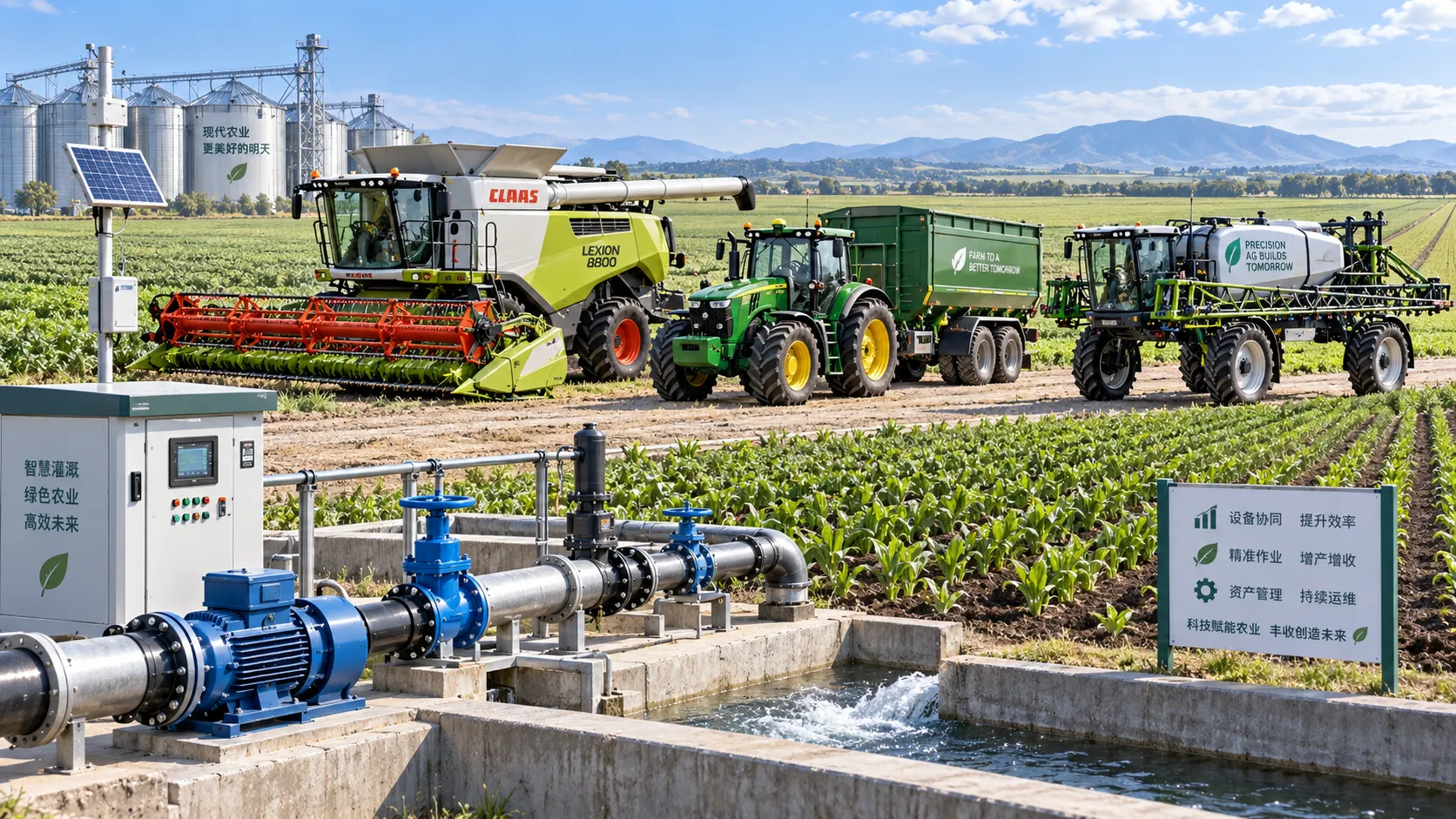
How to Compare Agricultural Equipment Platforms for Fleet Management and ROI
Agricultural equipment platform comparison: evaluate fleet data, maintenance, precision workflows, and ROI to choose a system that delivers measurable results.
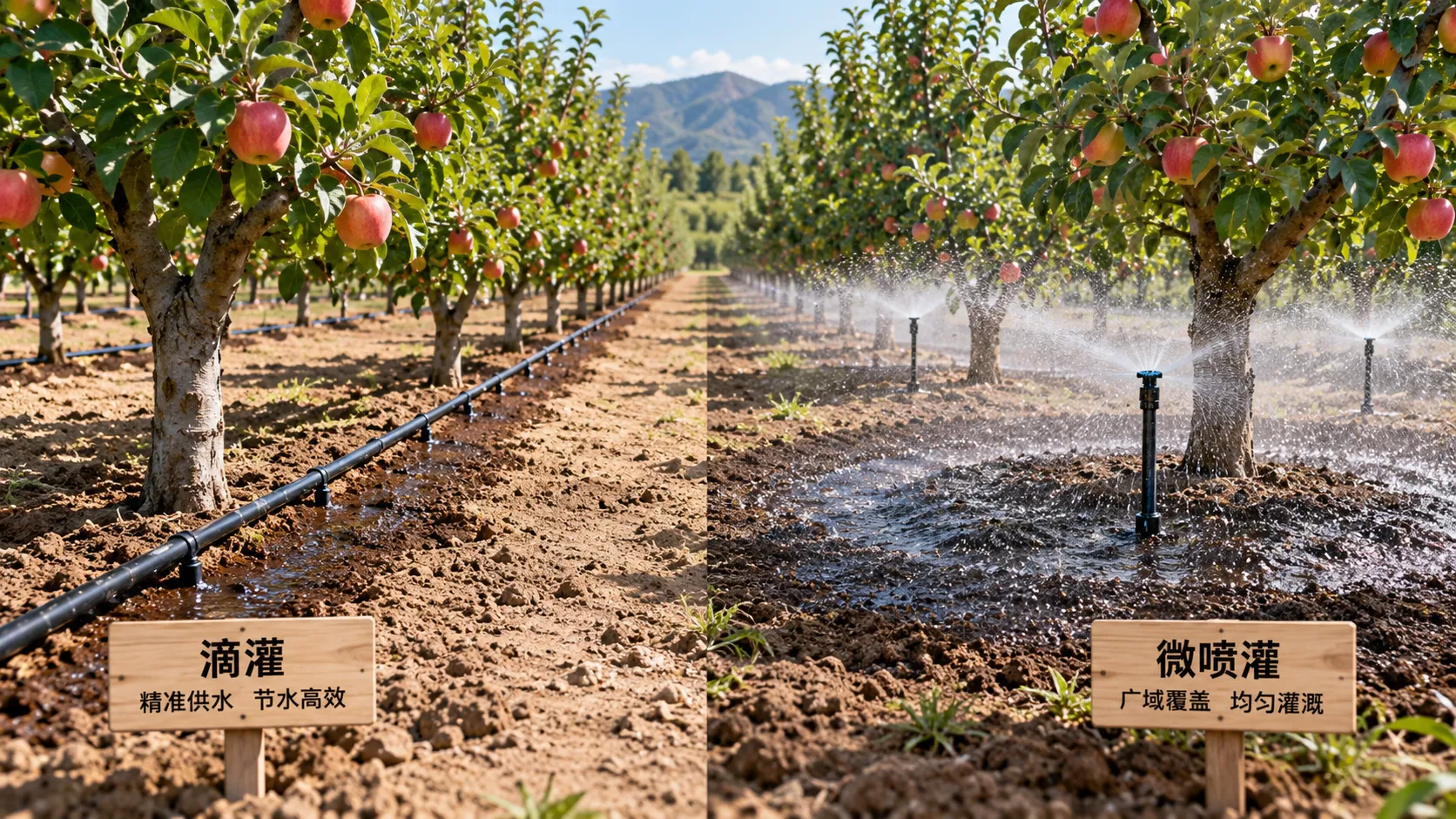
Drip vs. Micro-Sprinkler Irrigation: Which System Fits Your Orchard?
Irrigation solution comparison for orchards: discover whether drip or micro-sprinklers best match your water, soil, roots, fertigation, and frost needs.
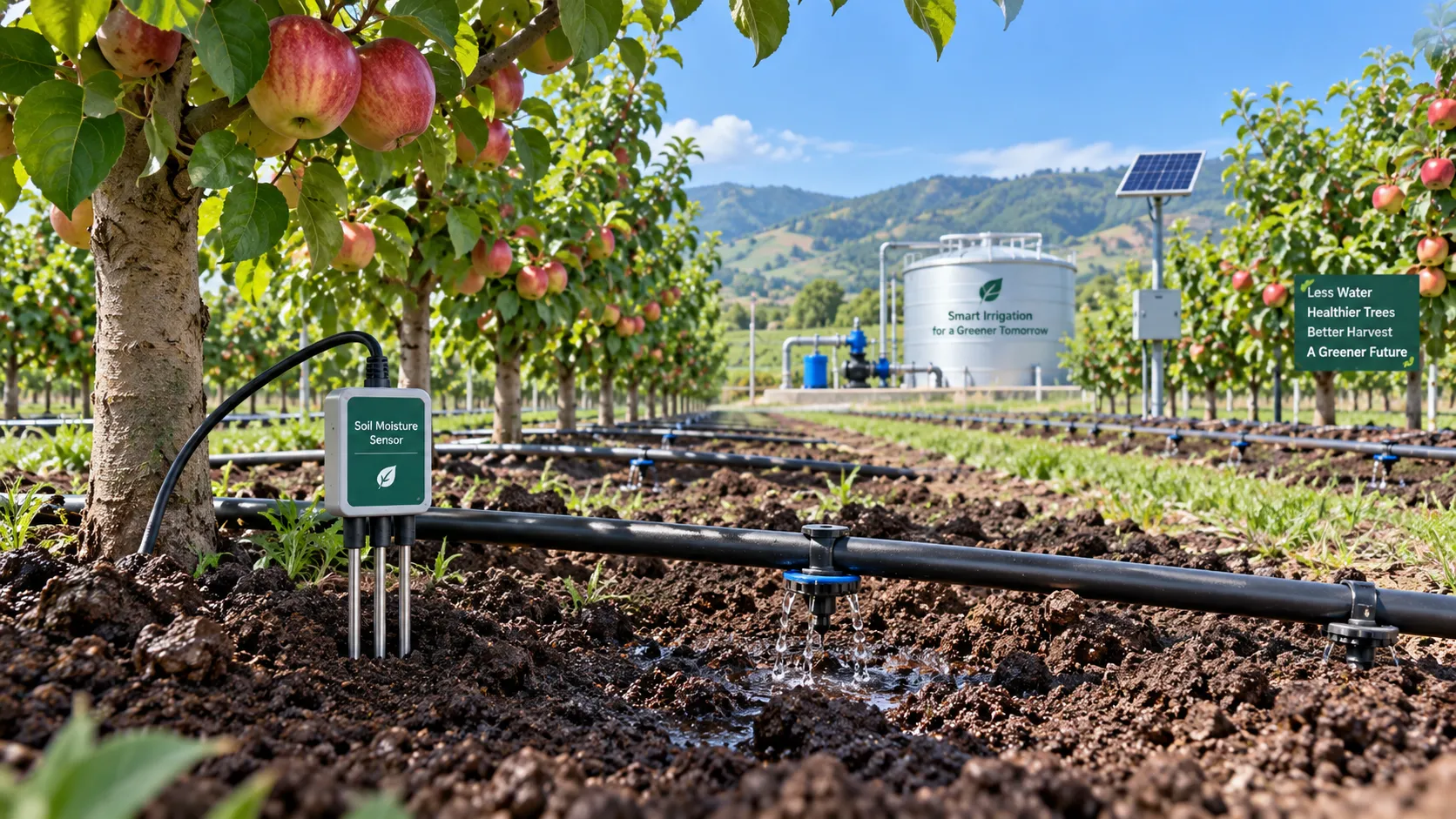
Orchard Water Management: Using Soil Moisture Data to Schedule Irrigation
Agricultural water management for orchards made practical: use soil moisture data to optimize irrigation timing, protect yield, reduce costs, and improve resilience.
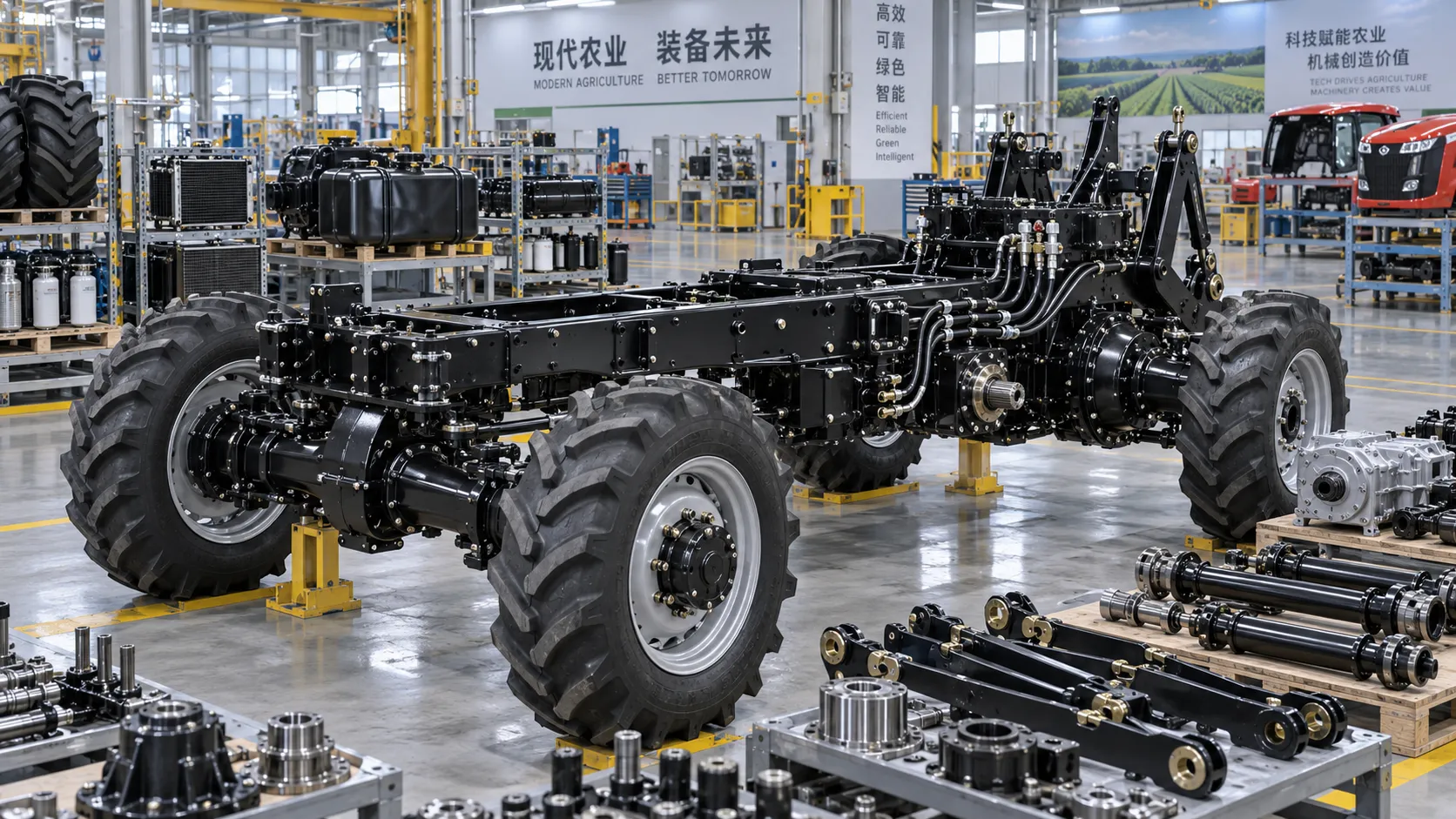
Tractor Chassis Price: What Buyers Should Compare Beyond the Initial Quote
Tractor chassis price is only the start. Compare load capacity, compatibility, durability, and lifecycle costs to choose a reliable, high-value chassis.
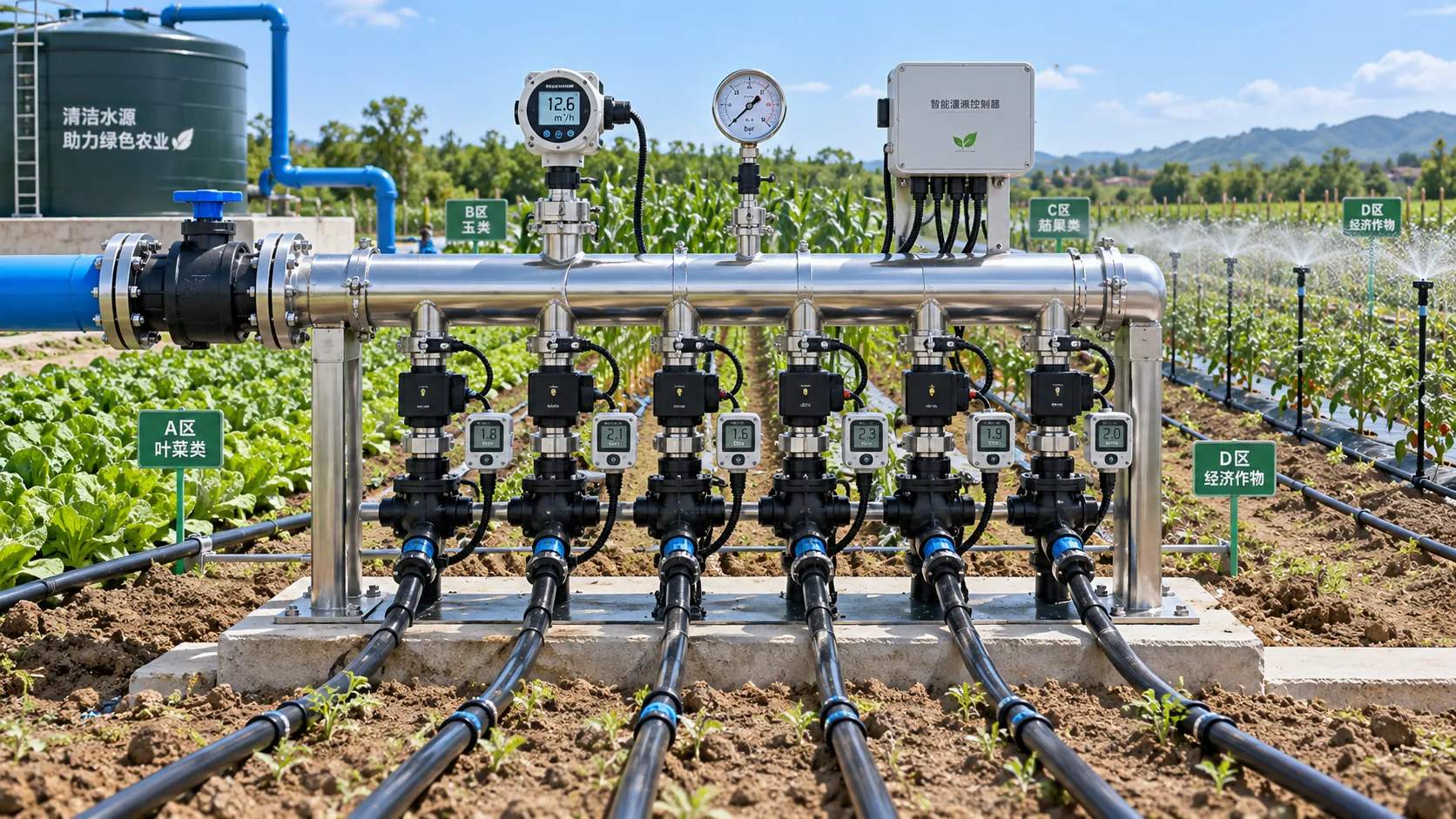
How to Select Smart Irrigation Valves for Multi-Zone Water Management?
Intelligent irrigation systems valves: learn how to match smart valves with multi-zone flow, pressure, control, feedback, and communication needs for reliable water management.
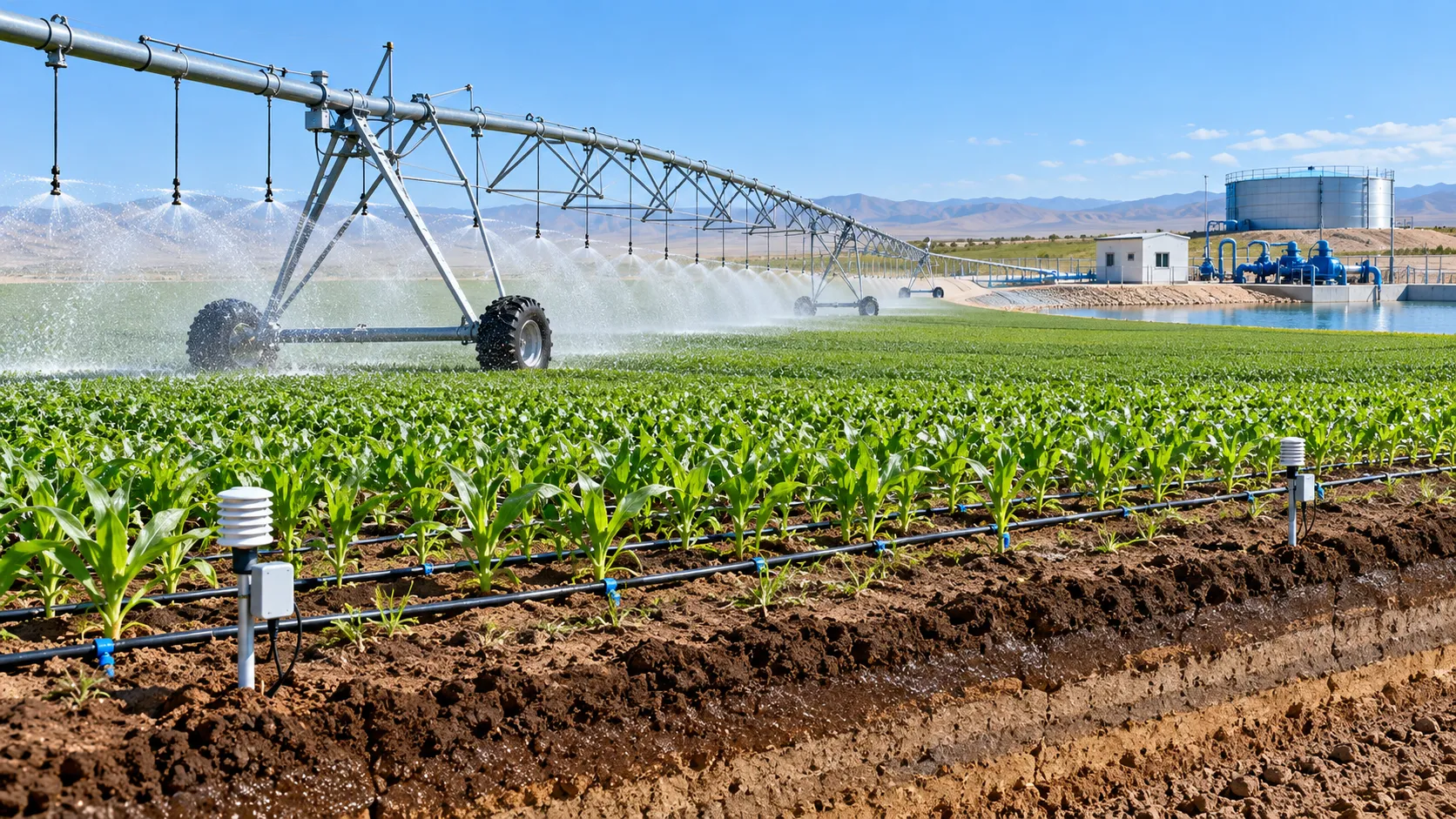
Climate-Smart Farming for Drought: A Practical Plan for Protecting Yields
Climate-smart farming for drought: build smarter water budgets, protect critical crop stages, improve irrigation uniformity, and safeguard yields with practical field-proven strategies.
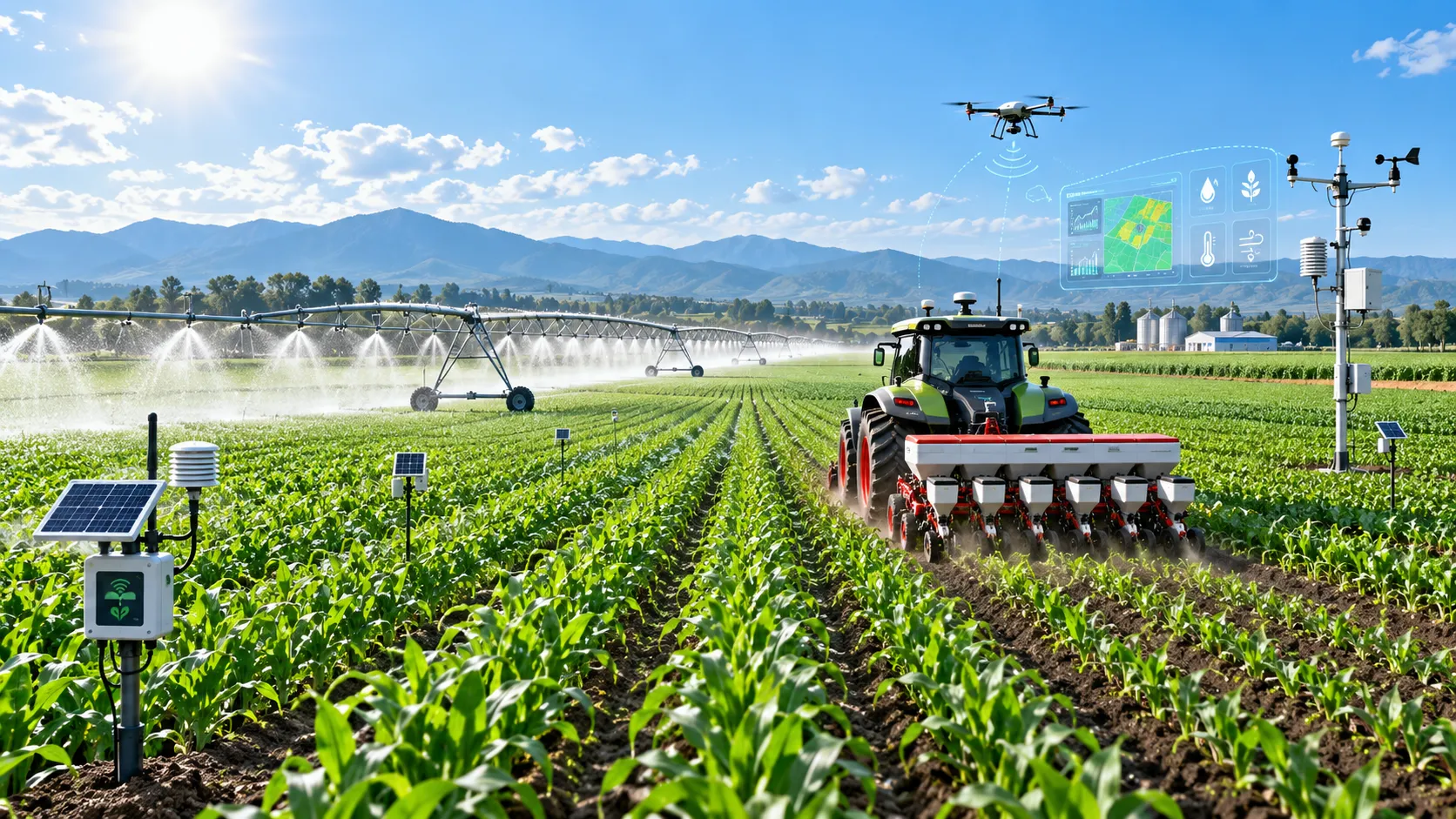
How Digital Agriculture Platforms Turn Field Data Into Better Input Decisions
Digital agriculture platforms turn field data into smarter fertilizer, water, seed, and equipment decisions—helping farms cut risk, improve margins, and scale sustainability.
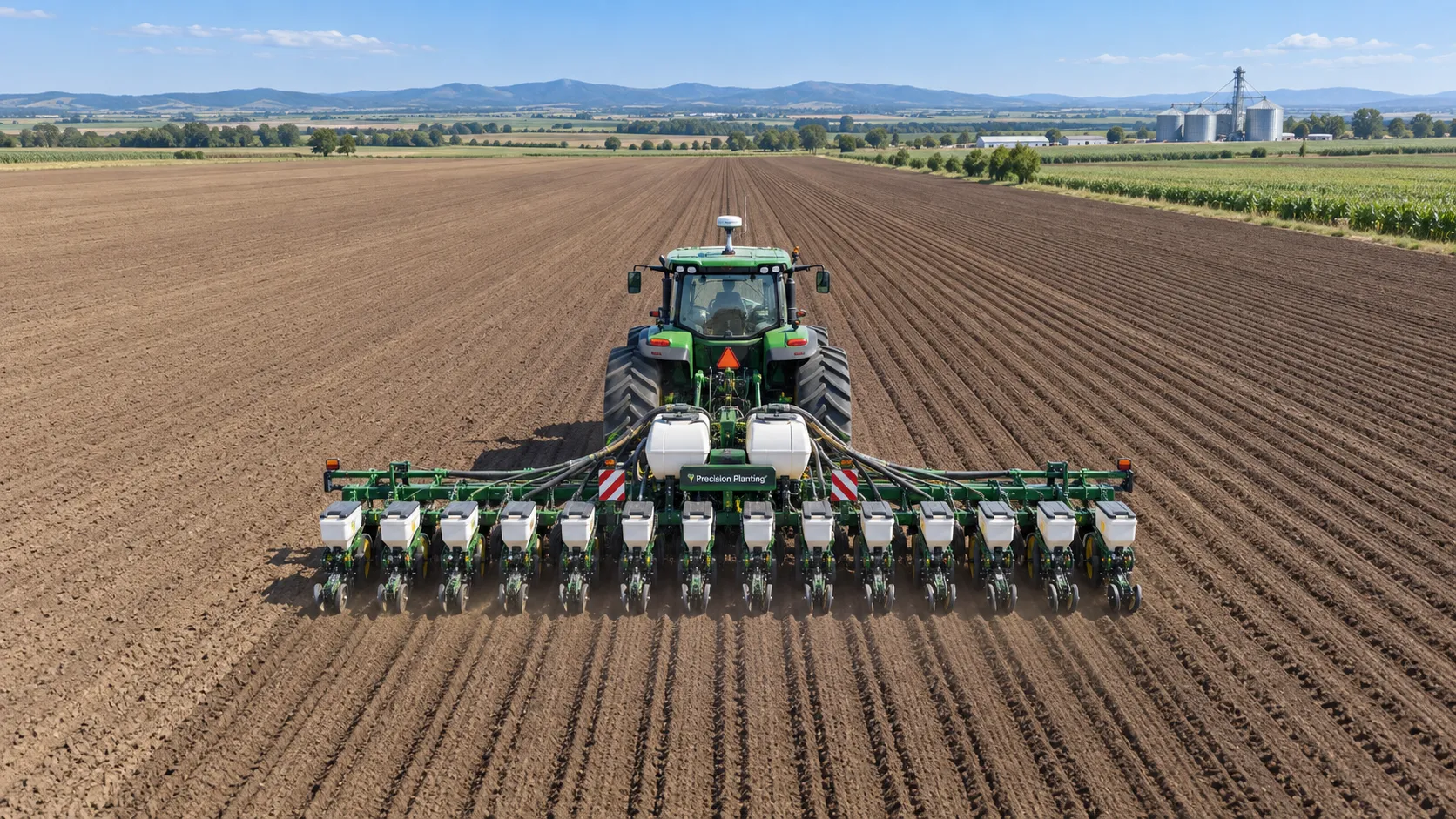
GPS-Guided Farm Machinery: Where It Delivers Measurable Field Efficiency Gains
Agri-mechanization GPS guided systems deliver measurable field efficiency gains through reduced overlap, precise planting, smarter inputs, and reliable farm data.
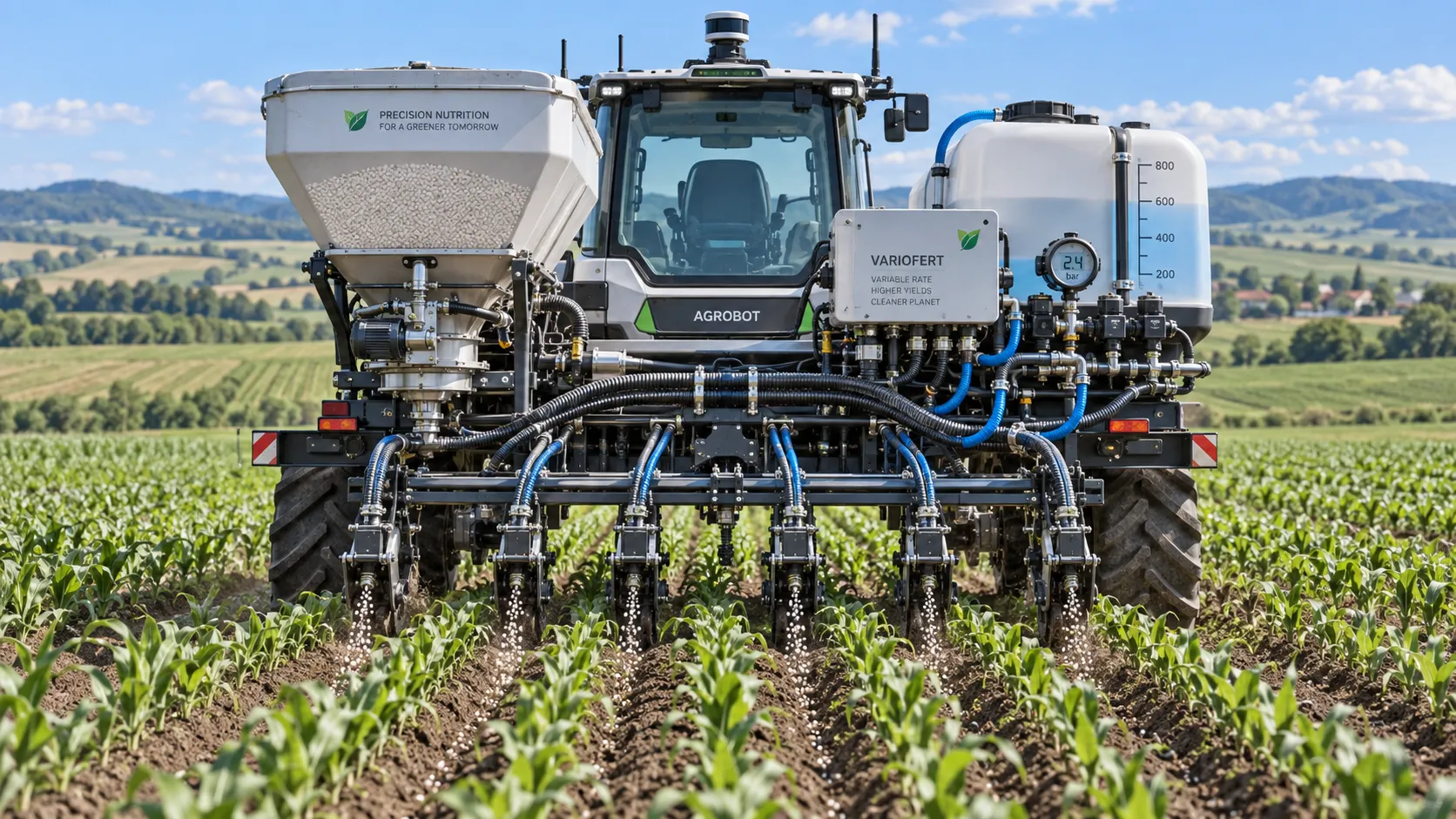
How Sensor Feedback Enables Accurate Variable-Rate Fertilization in Field Conditions
Precision fertilization systems with sensor feedback improve variable-rate accuracy by verifying flow, managing latency, and ensuring reliable field application.
Related News
- 00
0000-00
Food Security Risks in Modern Supply Chains: What Businesses Should Track First - 00
0000-00
Farm Machinery Innovations Worth Tracking in 2025: ROI, Adoption Barriers, and Use Cases - 00
0000-00
What agricultural environmental policies mean for compliance - 00
0000-00
Why hybrid farm machinery is gaining serious traction - 00
0000-00
Japan's April CPI Up 1.4%: Pricing Strategy Adjustment Urged for Farm Machinery Exports
Popular Tags
Dr. Alistair Vaughn
Weekly Insights
Stay ahead with our curated technology reports delivered every Monday.