
How farm equipment intelligence cuts downtime in peak season
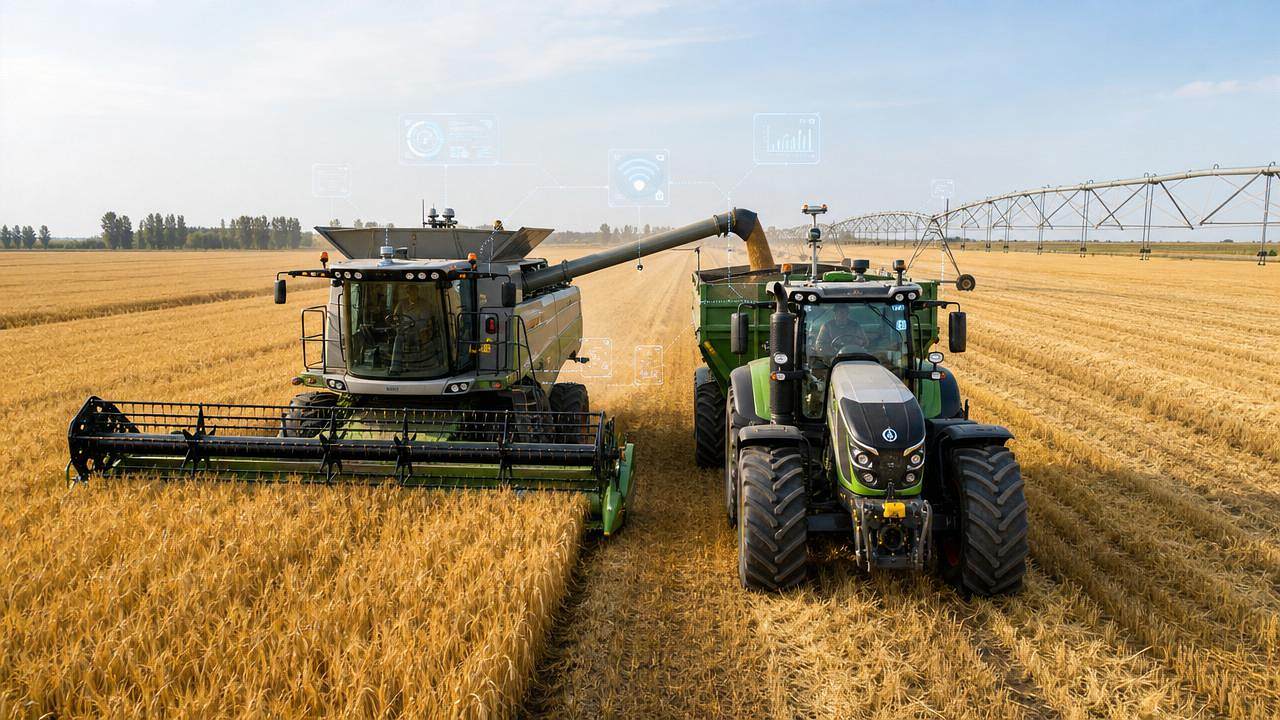




When every hour of harvest matters, farm equipment intelligence turns machinery from a reactive asset into an operational advantage. Real-time fault alerts, predictive maintenance, load sensing, and performance analytics help reduce breakdowns before they stop the field. In peak season, that means fewer delays, better grain quality, and more predictable output.
For large-scale agriculture, downtime is never only a repair issue. It affects labor scheduling, fuel efficiency, logistics timing, crop loss, and weather risk exposure. This is why farm equipment intelligence now sits at the center of modern uptime strategy across combines, tractors, irrigation platforms, and intelligent implements.
Why a checklist approach matters during peak season
Peak-season decisions happen fast. A checklist creates a repeatable way to verify machine health, data flow, operator response, and service readiness before a small warning becomes a full shutdown.
It also helps standardize judgment across mixed fleets. Whether the machine is a combine harvester, tractor chassis platform, or smart irrigation controller, farm equipment intelligence works best when signals are reviewed in a disciplined sequence.
Peak-season farm equipment intelligence checklist
- Verify live telematics before field entry. Confirm GPS, engine data, hydraulic pressure, fuel rate, and fault-code transmission are updating without delay or signal loss.
- Review predictive maintenance alerts daily. Prioritize bearing temperature shifts, abnormal vibration, filter restriction, coolant deviations, and battery health before operating hours accumulate.
- Track performance baselines by machine type. Compare current throughput, slip rate, grain loss, fuel burn, and idle time against normal field-condition benchmarks.
- Check sensor calibration at shift start. Validate moisture sensors, yield monitors, header-height control, steering guidance, and irrigation flow meters against expected readings.
- Set fault severity thresholds clearly. Separate advisory notifications from shutdown-critical alarms so response time matches actual operational risk during harvest windows.
- Confirm parts availability for known failure points. Stock belts, knives, filters, hoses, connectors, bearings, and sensor modules tied to the fleet history.
- Link machine data with weather timing. Use forecast windows to decide whether a marginal machine can finish a block or needs immediate service.
- Monitor operator behavior patterns. Use data to detect excessive idling, overload events, harsh turning, poor route planning, or delayed alarm acknowledgment.
- Audit network reliability across fields. Weak connectivity reduces the value of farm equipment intelligence if alerts arrive after damage has already escalated.
- Record every intervention outcome. Build a service history that connects warning signals, repair actions, downtime length, and field results for future prevention.
How farm equipment intelligence cuts downtime in key applications
Combine harvesting under tight weather windows
Combines face the highest pressure during harvest. A failed unloading system, overheating bearing, or cleaning-loss imbalance can stop throughput and expose grain to weather damage within hours.
Here, farm equipment intelligence reduces downtime by connecting loss sensors, engine load, separator speed, and thermal trends. Operators can respond early by adjusting settings, clearing blockages, or replacing a component before a breakdown spreads across the system.
Tractor chassis and powertrain continuity
Heavy tractors support tillage, grain carting, transport, and implement power delivery. During peak season, transmission strain, hydraulic instability, and tire slip can quietly erode uptime before a visible failure appears.
With farm equipment intelligence, powertrain data becomes actionable. Torque demand, hydraulic temperature, and traction metrics reveal overload patterns. That allows earlier intervention, smarter ballast adjustment, and better route planning across changing soil conditions.
Intelligent implements and precision tools
Smart sprayers, seeders, and nutrient tools rely on sensors, controllers, and section automation. Downtime often starts with signal inconsistency rather than mechanical failure alone.
A strong farm equipment intelligence framework checks controller communication, actuator response time, and prescription-map execution. That prevents skipped application zones, repeated passes, and unnecessary stoppages for manual troubleshooting.
Water-saving irrigation systems
Irrigation downtime during heat stress can damage crop potential even when field machines remain available. Sensor-led irrigation systems need the same discipline as mobile equipment.
Flow variance, pressure drops, clogged emitters, and controller faults can all be flagged through farm equipment intelligence. Early alerts help maintain water delivery uniformity and avoid rushed emergency repairs during critical growth stages.
Commonly overlooked issues that still cause downtime
Ignoring alert quality
Too many low-value alerts create alarm fatigue. If every signal looks urgent, critical warnings may be delayed. Effective farm equipment intelligence depends on clean thresholds and clear escalation logic.
Treating connectivity as optional
Rural coverage gaps, weak gateways, or delayed uploads can break decision timing. A machine may be generating valuable data, but poor transmission can make that intelligence operationally useless.
Separating mechanics from data interpretation
A repaired component does not solve the root cause if the underlying pattern remains. Vibration trends, thermal cycles, and overload history should guide service work, not only the final failed part.
Skipping pre-season digital validation
Many operations test engines and hydraulics but forget to validate software updates, sensor health, or monitor synchronization. During peak season, those digital gaps create preventable stoppages.
Practical execution steps for better uptime
- Create a daily 10-minute review of live machine status, fault changes, and service priorities before field deployment.
- Build machine-specific baseline ranges for fuel use, load, temperature, and output instead of relying on generic assumptions.
- Map recurring failures by field condition, crop type, and operating hour to identify where farm equipment intelligence delivers the highest prevention value.
- Pair every critical alert with a defined action, required part, and acceptable response time to shorten diagnosis delays.
- Review post-season downtime records and use them to refine alert thresholds, spare inventory, and maintenance timing.
What stronger intelligence means for long-term field performance
The value of farm equipment intelligence is not limited to preventing one breakdown. It improves how equipment fleets are scheduled, how service intervals are prioritized, and how capital assets perform across seasons.
For organizations following Agriculture 4.0, the bigger advantage comes from connecting mechanical performance with agronomic timing. A combine that avoids one day of downtime may preserve harvest quality. An irrigation system that maintains pressure stability may protect crop consistency. A tractor that runs within healthy load limits may avoid a costly mid-season transmission event.
This is where AP-Strategy’s intelligence perspective becomes relevant. In global agriculture, uptime is created by stitching together machinery diagnostics, field conditions, precision algorithms, and sustainability pressure. Better decisions come from seeing those factors as one operating system, not separate data streams.
Conclusion and next action
Peak season leaves little room for reactive maintenance. The fastest way to cut disruption is to apply a disciplined checklist built around farm equipment intelligence, clear alert priorities, calibrated sensors, and field-ready spare support.
Start with one fleet segment, such as combines or tractors. Audit live data quality, compare current alerts with actual failures, and tighten the response plan for the next high-pressure window. When intelligence is operationalized, downtime falls, productivity stabilizes, and field performance becomes more reliable when it matters most.
Related News
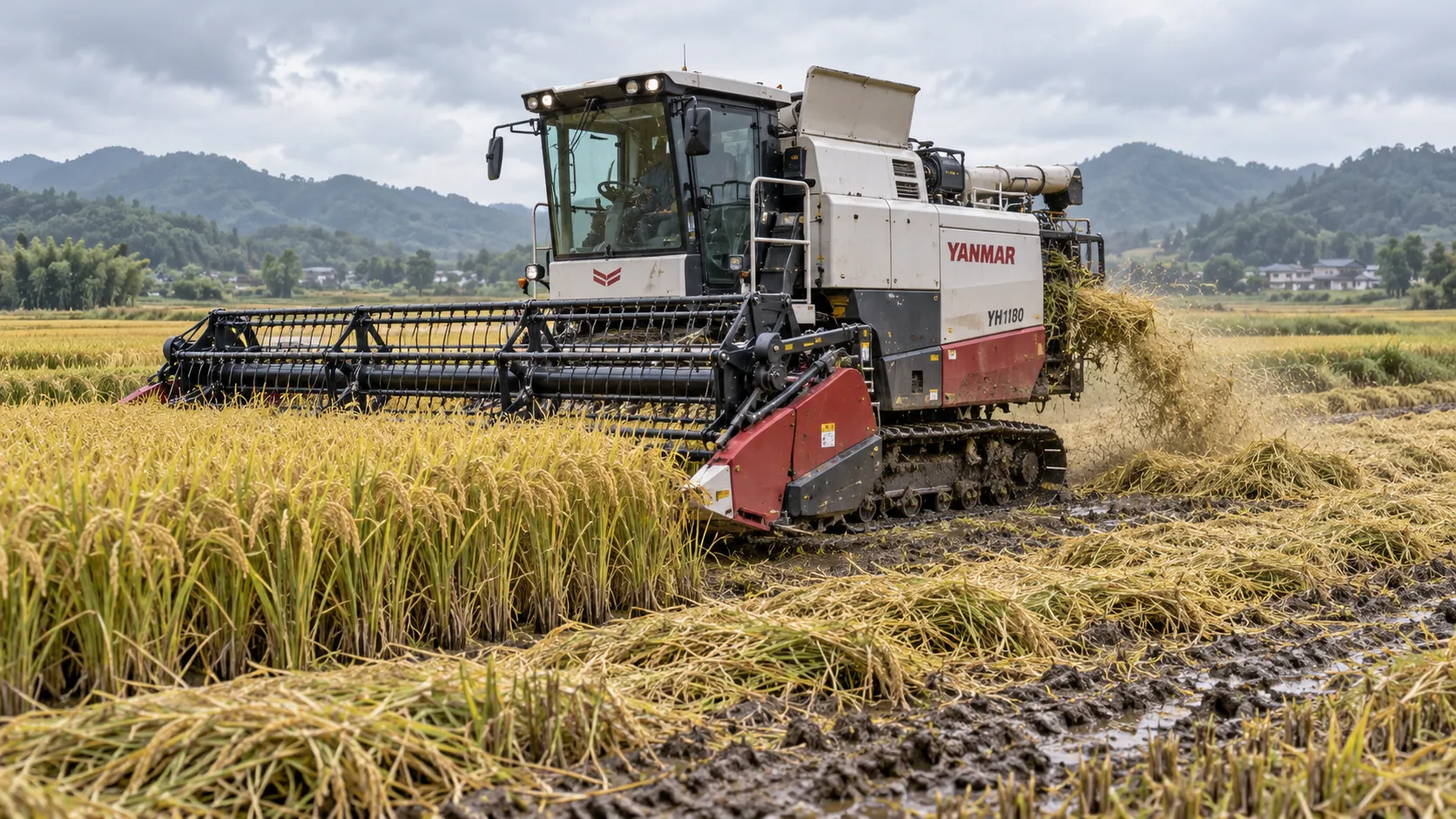
How to Specify Combine Harvester Systems for High-Moisture Grain and Variable Field Conditions
Combine harvester systems for high-moisture grain: learn how to specify threshing, cleaning, headers, traction, and automation for reliable harvests in variable fields.
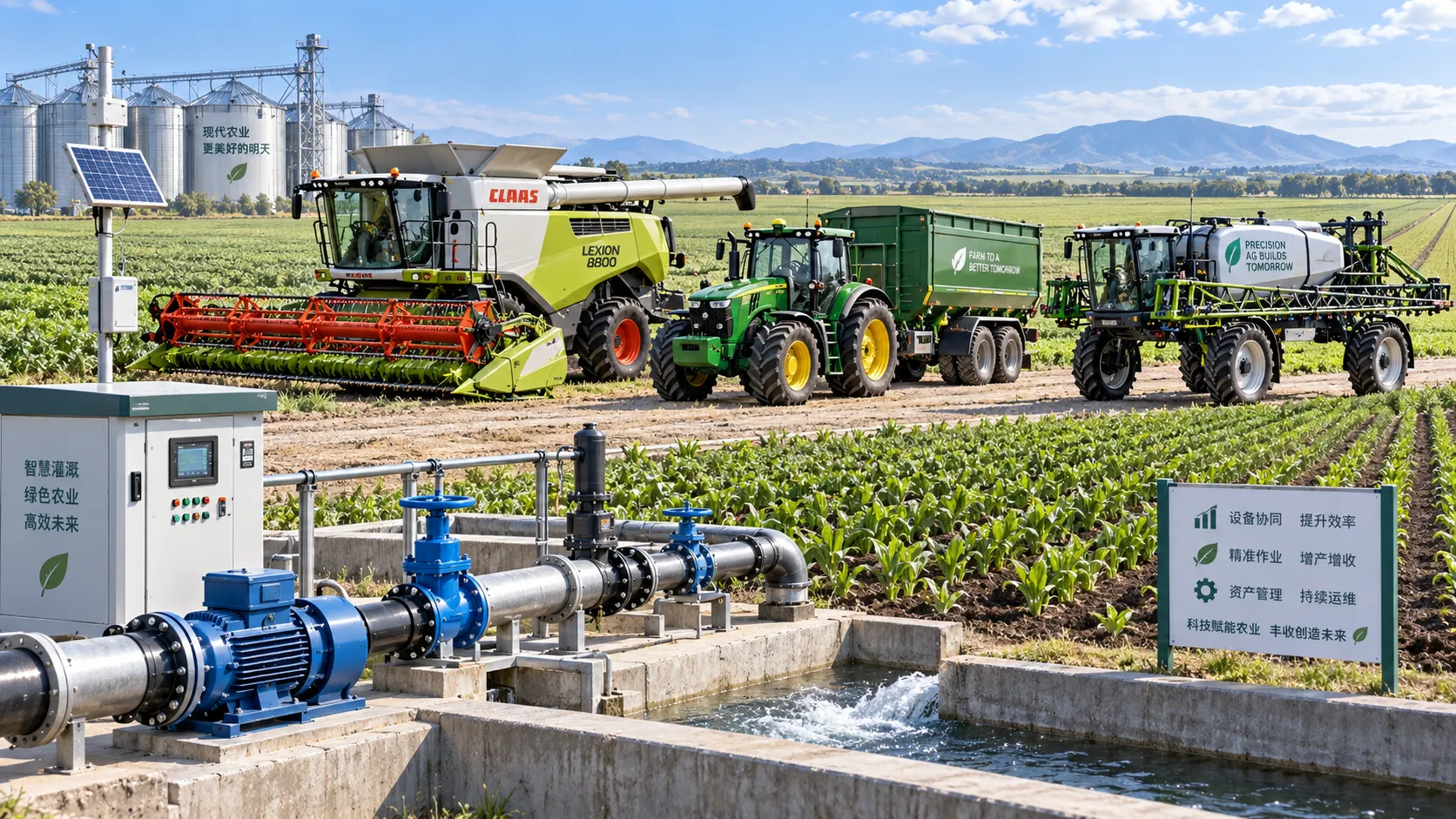
How to Compare Agricultural Equipment Platforms for Fleet Management and ROI
Agricultural equipment platform comparison: evaluate fleet data, maintenance, precision workflows, and ROI to choose a system that delivers measurable results.
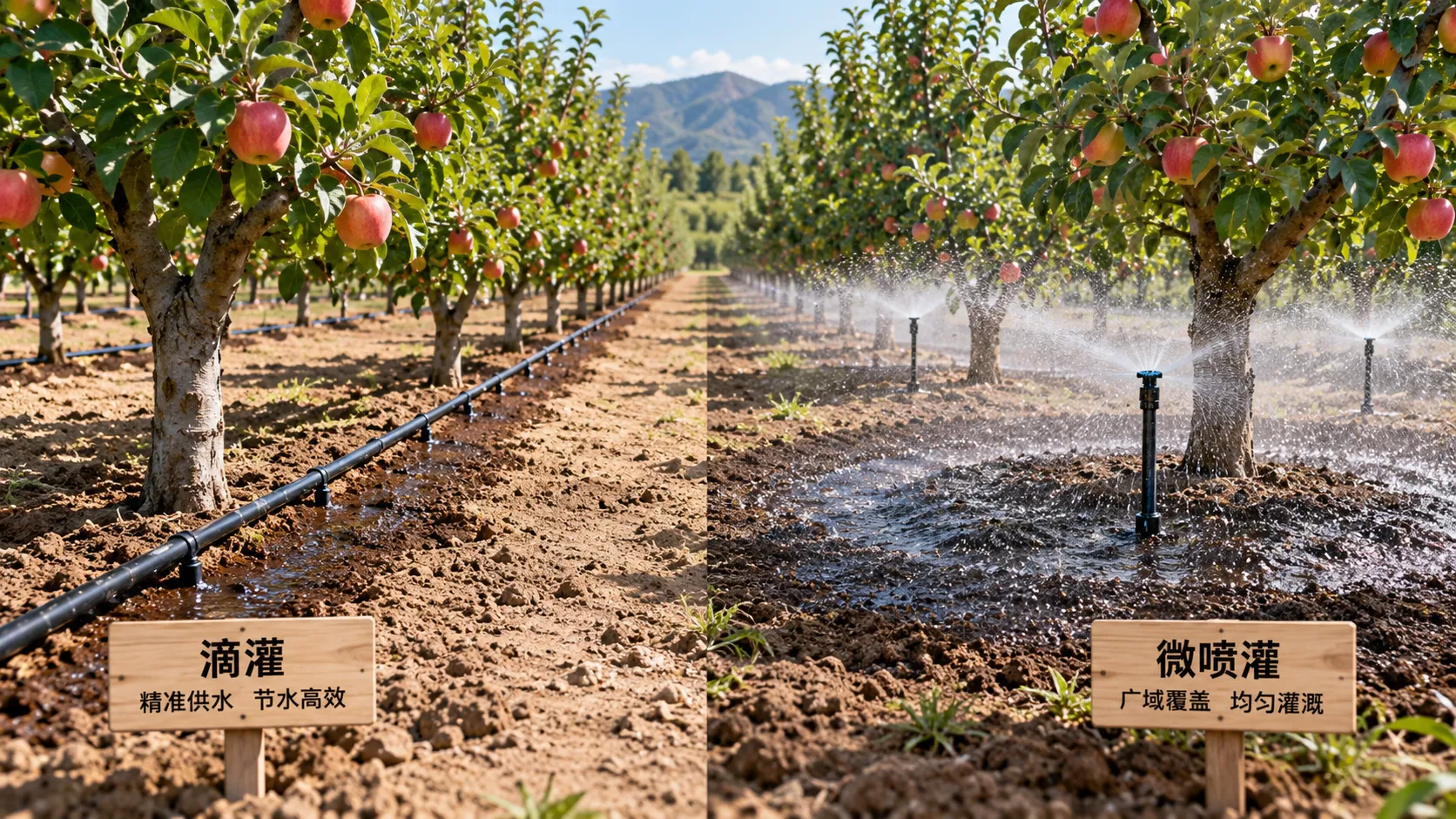
Drip vs. Micro-Sprinkler Irrigation: Which System Fits Your Orchard?
Irrigation solution comparison for orchards: discover whether drip or micro-sprinklers best match your water, soil, roots, fertigation, and frost needs.
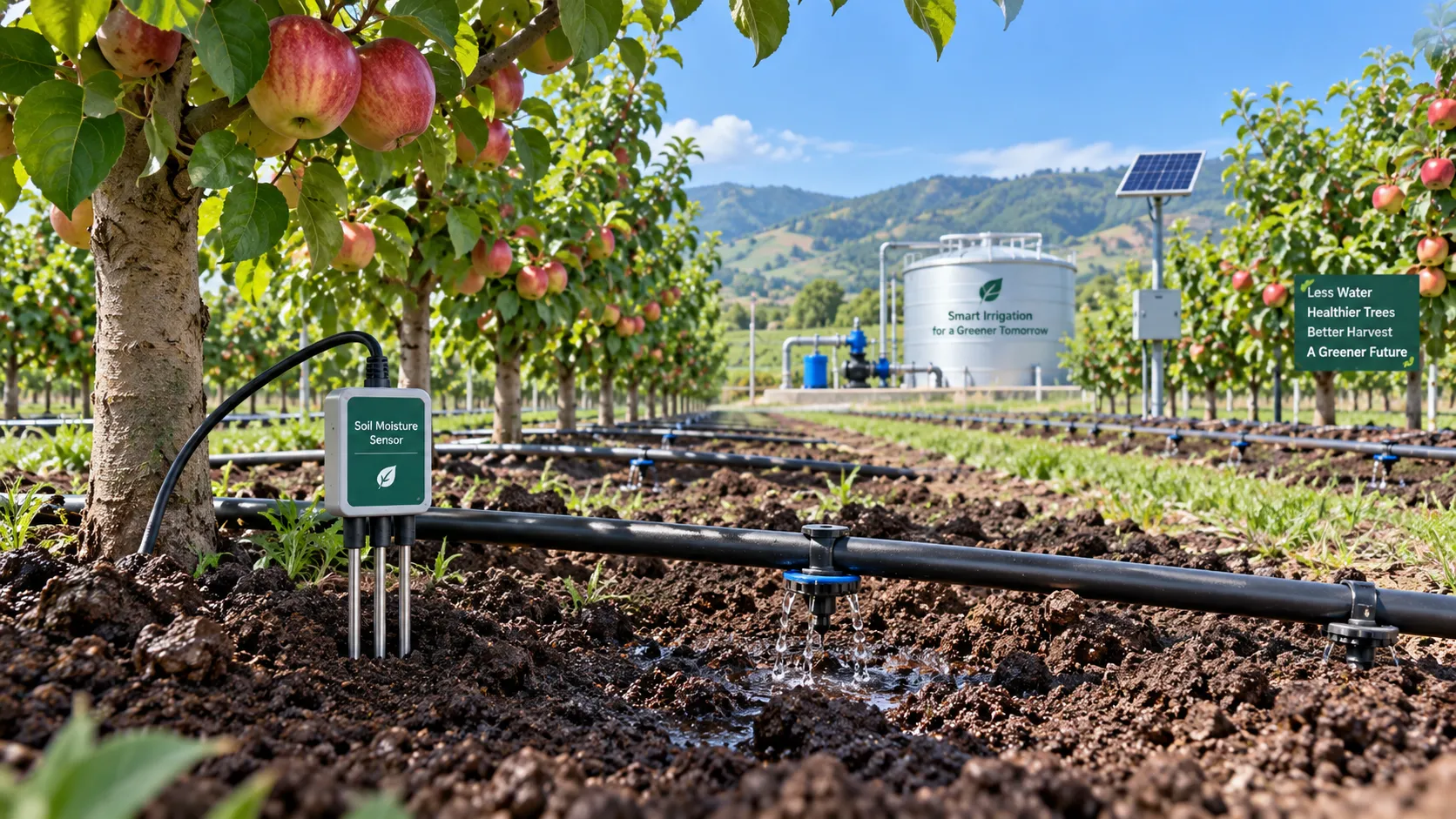
Orchard Water Management: Using Soil Moisture Data to Schedule Irrigation
Agricultural water management for orchards made practical: use soil moisture data to optimize irrigation timing, protect yield, reduce costs, and improve resilience.
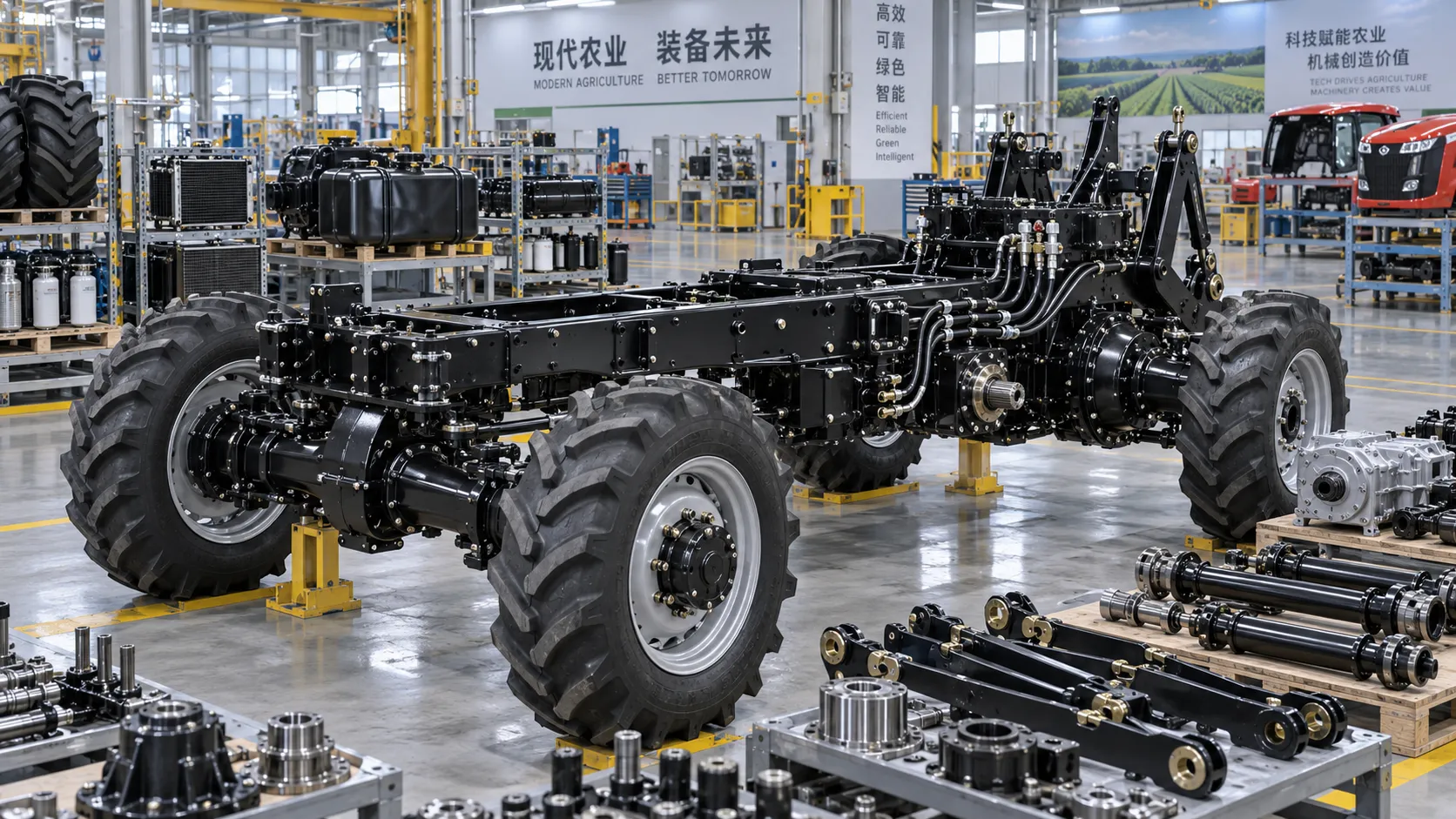
Tractor Chassis Price: What Buyers Should Compare Beyond the Initial Quote
Tractor chassis price is only the start. Compare load capacity, compatibility, durability, and lifecycle costs to choose a reliable, high-value chassis.
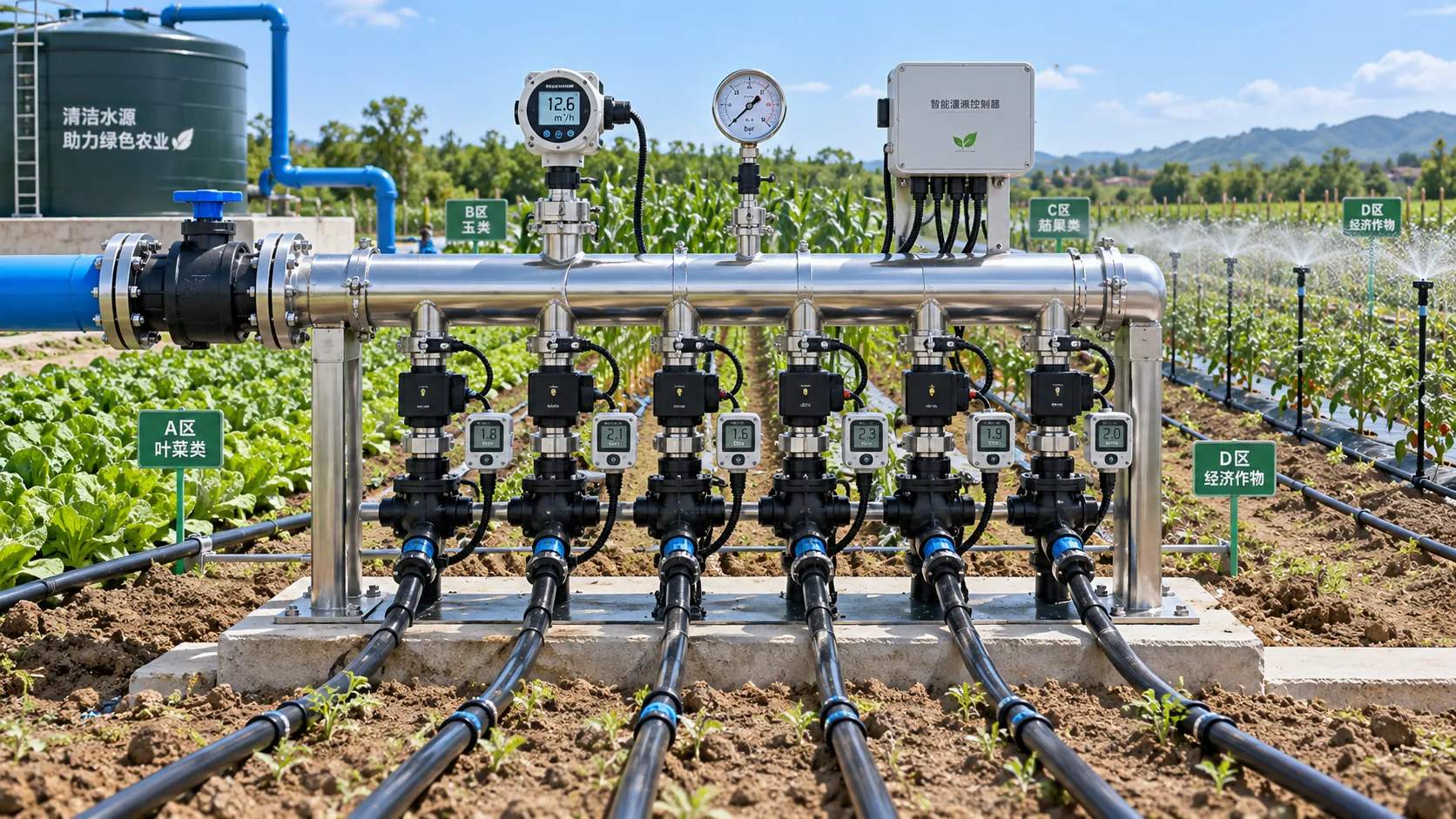
How to Select Smart Irrigation Valves for Multi-Zone Water Management?
Intelligent irrigation systems valves: learn how to match smart valves with multi-zone flow, pressure, control, feedback, and communication needs for reliable water management.
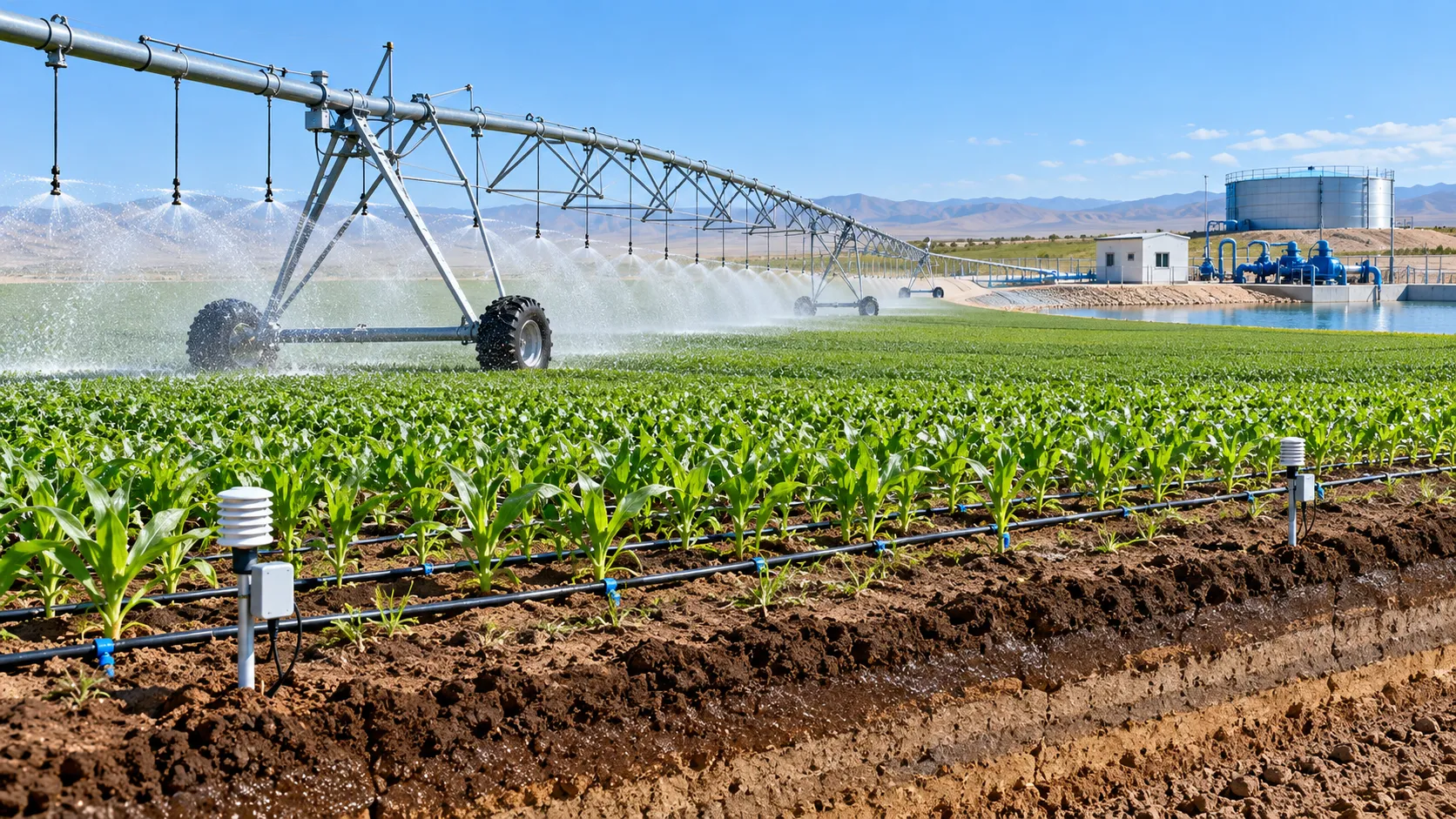
Climate-Smart Farming for Drought: A Practical Plan for Protecting Yields
Climate-smart farming for drought: build smarter water budgets, protect critical crop stages, improve irrigation uniformity, and safeguard yields with practical field-proven strategies.
How Digital Agriculture Platforms Turn Field Data Into Better Input Decisions
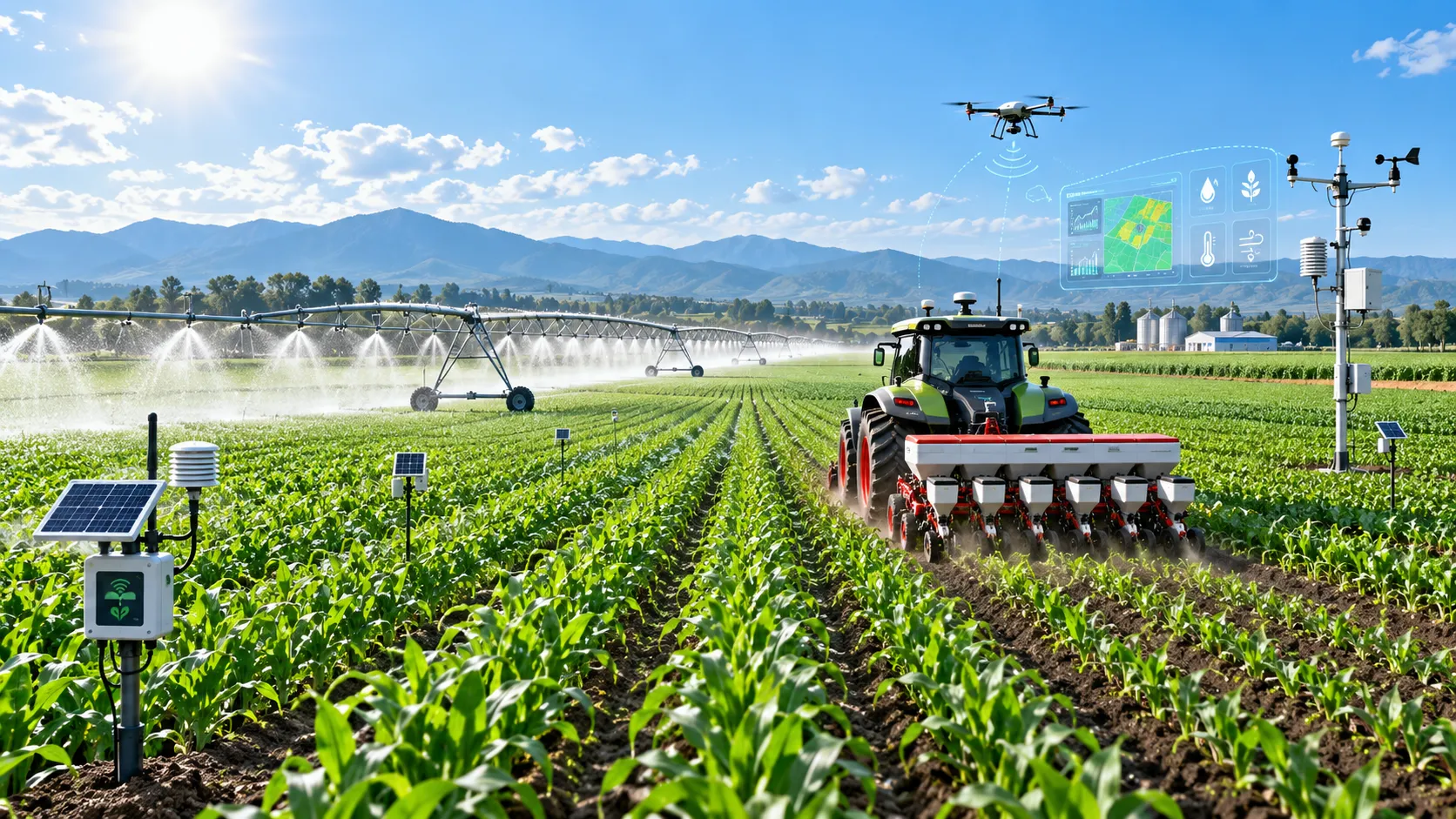
Digital agriculture platforms turn field data into smarter fertilizer, water, seed, and equipment decisions—helping farms cut risk, improve margins, and scale sustainability.
GPS-Guided Farm Machinery: Where It Delivers Measurable Field Efficiency Gains
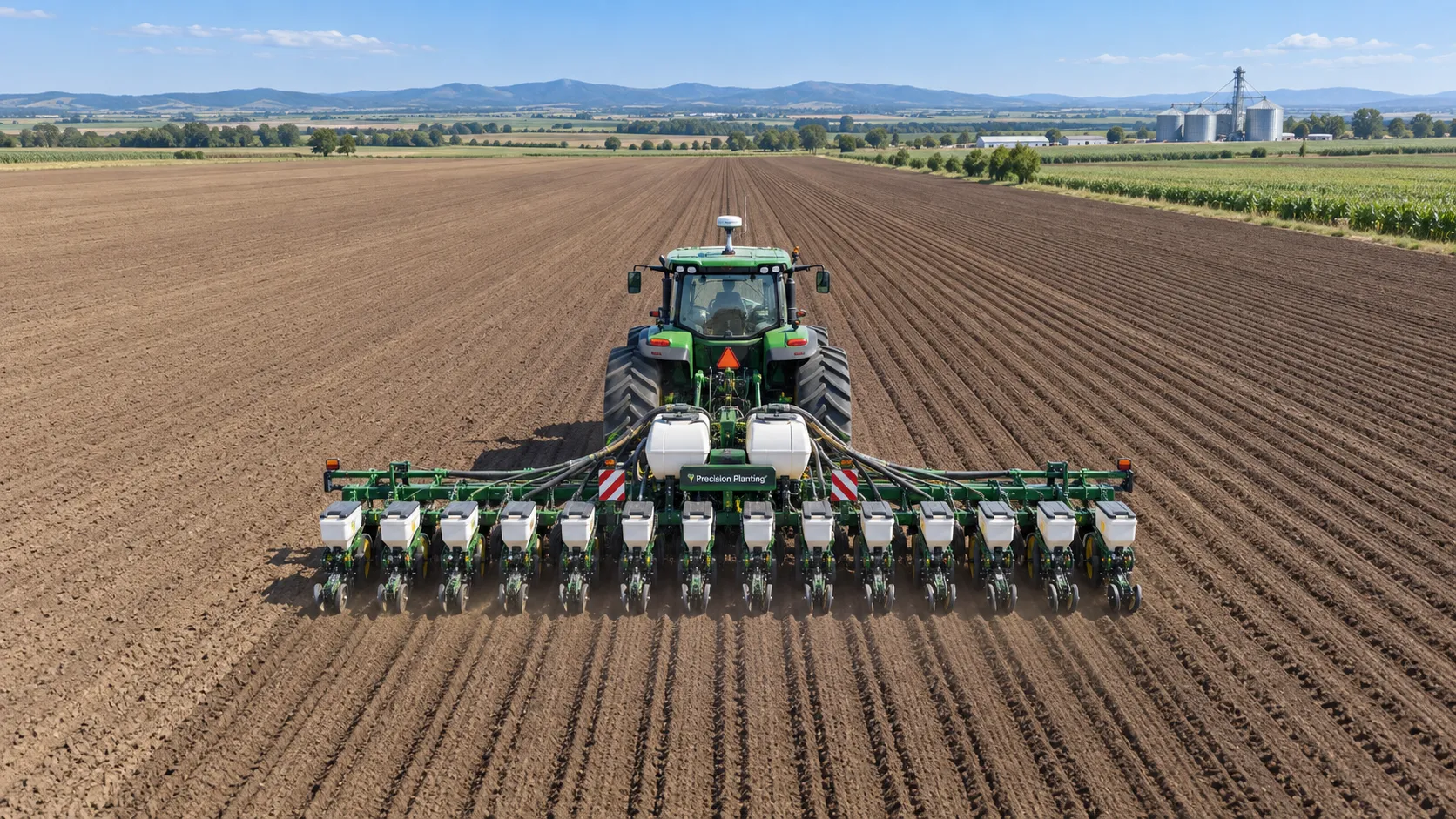
Agri-mechanization GPS guided systems deliver measurable field efficiency gains through reduced overlap, precise planting, smarter inputs, and reliable farm data.
Related News
- 00
0000-00
How to Compare Agricultural Equipment Platforms for Fleet Management and ROI - 00
0000-00
Tractor Chassis Price: What Buyers Should Compare Beyond the Initial Quote - 00
0000-00
How Digital Agriculture Platforms Turn Field Data Into Better Input Decisions - 00
0000-00
When Does Agricultural Machinery Leasing Cost Less Than Owning Equipment? - 00
0000-00
Selecting Grain Farm Equipment by Acreage, Crop Mix, and Harvest Window
Popular Tags
Ms. Elena Rodriguez
Weekly Insights
Stay ahead with our curated technology reports delivered every Monday.