
Vietnam Introduces 'Ban + Disclosure' Rules for Agricultural Smart Devices
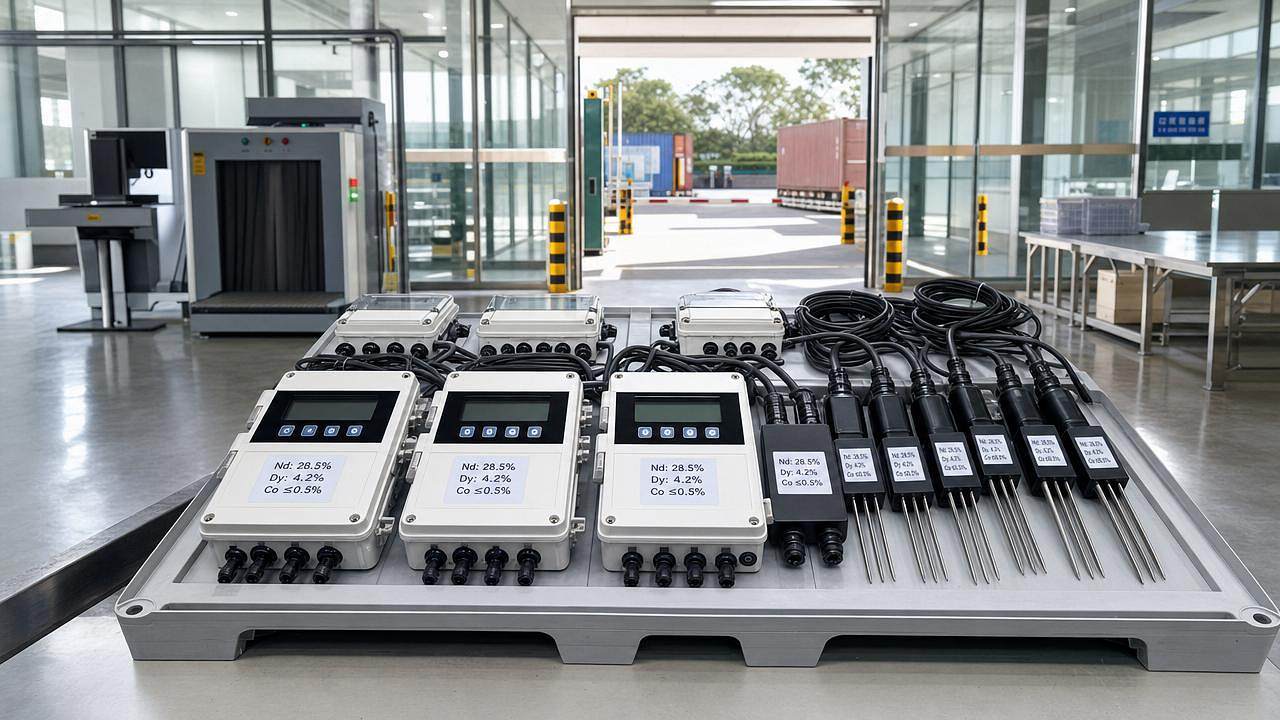




Vietnam’s Ministry of Industry and Trade issued new regulatory requirements on May 21, 2026, mandating disclosure of rare-earth permanent magnet composition in imported agricultural smart devices—including drip irrigation controllers and soil sensors—and banning magnets with cobalt content exceeding 0.5%. This development directly affects exporters of intelligent irrigation equipment from China to Vietnam, particularly those using Drip Irrigation Logic controllers, and raises implications for labeling, testing documentation, and customs declaration completeness.
Event Overview
On May 21, 2026, Vietnam’s Ministry of Industry and Trade published a regulation requiring all imported agricultural smart devices—specifically drip irrigation controllers and soil sensors—to disclose the neodymium (Nd) and dysprosium (Dy) content of any rare-earth permanent magnet motors used, both in technical documentation and on product packaging. The regulation also prohibits the use of magnets containing more than 0.5% cobalt by weight. These requirements apply to devices entering Vietnam’s market as of the effective date; no transitional period or grandfathering clause has been publicly confirmed.
Industries Affected by Segment
Direct Exporters (China–Vietnam Trade Enterprises)
Exporters shipping smart irrigation controllers—including models incorporating Drip Irrigation Logic’s core actuation units—must now ensure compliance with labeling and documentation mandates. Non-compliant shipments risk customs rejection, delays, or mandatory re-labeling at port, increasing landed cost and lead time.
Component Manufacturers & Motor Suppliers
Suppliers of rare-earth permanent magnet motors used in agricultural controllers are affected because their material specifications—particularly Nd and Dy mass fractions and cobalt impurity levels—must be formally verified and communicated upstream. Failure to provide traceable, test-validated composition data may break downstream compliance chains.
Contract Manufacturers & OEMs
OEMs integrating third-party motor modules into irrigation controllers must verify that each motor batch meets the Nd/Dy disclosure and Co ≤0.5% requirements. This adds a layer of incoming material verification previously not required for Vietnam-bound units, potentially affecting production scheduling and quality control protocols.
Testing & Certification Service Providers
Laboratories offering RoHS, REACH, or materials compliance testing may see increased demand for Nd/Dy quantification and cobalt screening—especially using ICP-MS or similar elemental analysis methods. However, no official Vietnamese testing standard or accredited method has yet been published for this specific disclosure requirement.
What Relevant Companies or Practitioners Should Focus On and How to Respond Now
Monitor official implementation guidance and enforcement timelines
The regulation entered effect on May 21, 2026, but details on enforcement start dates, acceptable test methodologies, and documentation formats remain pending. Stakeholders should track updates from Vietnam’s General Department of Vietnam Customs and the National Institute of Standards.
Prioritize verification for high-volume export SKUs with rare-earth motor components
Focus initial compliance efforts on best-selling drip irrigation controllers known to use rare-earth permanent magnet actuators—especially those referencing Drip Irrigation Logic architecture. Confirm Nd/Dy content and cobalt levels via supplier-provided mill test reports or third-party lab analysis.
Distinguish between policy signal and operational requirement
This regulation functions primarily as a transparency and restriction measure—not a full technical barrier—yet its enforcement rigor remains untested. Until customs clearance data or official non-compliance notices emerge, treat it as an active compliance obligation rather than a theoretical risk.
Update technical documentation and packaging templates proactively
Revise user manuals, spec sheets, and outer packaging to include standardized Nd/Dy mass percentages and cobalt statements. Ensure bilingual (English–Vietnamese) presentation where required by local labeling law, and retain version-controlled records for audit purposes.
Editorial Perspective / Industry Observation
Observably, this regulation reflects Vietnam’s growing emphasis on supply chain traceability for critical raw materials—not just for environmental or safety reasons, but increasingly for strategic resource governance. Analysis shows the focus on Nd, Dy, and Co aligns with global trends in rare-earth supply security, though Vietnam’s approach is narrower in scope than EU Critical Raw Materials Act provisions. From an industry perspective, this is better understood as an early-stage compliance signal rather than a fully matured regulatory regime: its immediate impact lies in documentation rigor and supplier coordination, not design-level redesign. Continued monitoring is warranted—not only for amendments but also for how Vietnamese customs authorities interpret ‘disclosure’ in practice (e.g., whether batch-level or model-level reporting suffices).
This notice marks Vietnam’s first formal linkage between agricultural smart hardware and rare-earth material disclosure. Its significance lies less in technical novelty and more in its precedent-setting role for Southeast Asian markets seeking greater input transparency in precision agriculture imports. At present, it is most accurately interpreted as a procedural tightening—not a market access restriction—with compliance hinges on documentation fidelity and upstream material traceability.
Information Source: Official notice issued by Vietnam’s Ministry of Industry and Trade, dated May 21, 2026. No supplementary guidance documents or enforcement circulars have been published as of the date of this report. Ongoing observation is recommended for updates from Vietnam Customs and the National Institute of Standards.
Related News
How to Compare Agricultural Equipment Platforms for Fleet Management and ROI
Agricultural equipment platform comparison: evaluate fleet data, maintenance, precision workflows, and ROI to choose a system that delivers measurable results.
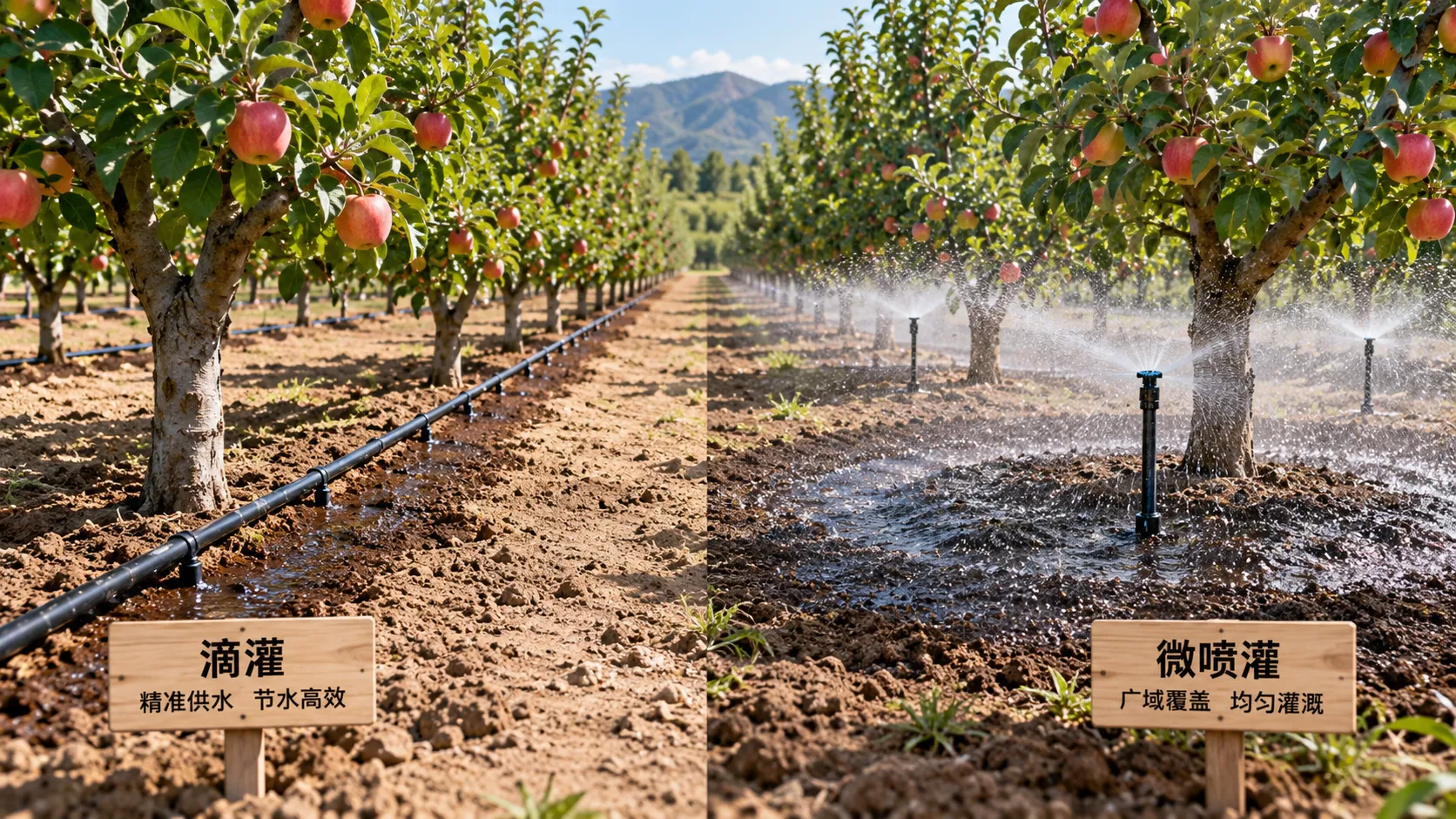
Drip vs. Micro-Sprinkler Irrigation: Which System Fits Your Orchard?
Irrigation solution comparison for orchards: discover whether drip or micro-sprinklers best match your water, soil, roots, fertigation, and frost needs.
Orchard Water Management: Using Soil Moisture Data to Schedule Irrigation
Agricultural water management for orchards made practical: use soil moisture data to optimize irrigation timing, protect yield, reduce costs, and improve resilience.
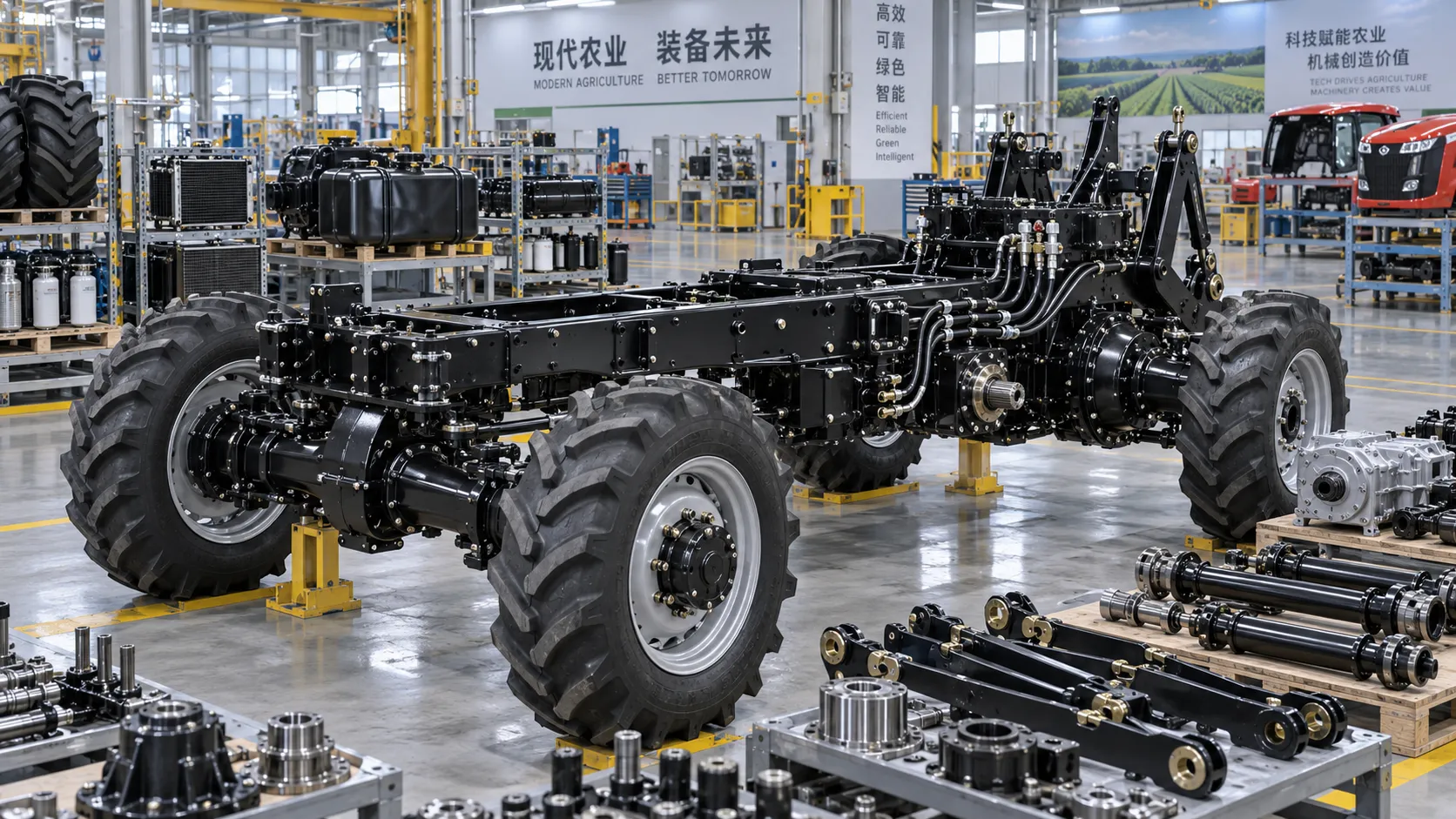
Tractor Chassis Price: What Buyers Should Compare Beyond the Initial Quote
Tractor chassis price is only the start. Compare load capacity, compatibility, durability, and lifecycle costs to choose a reliable, high-value chassis.
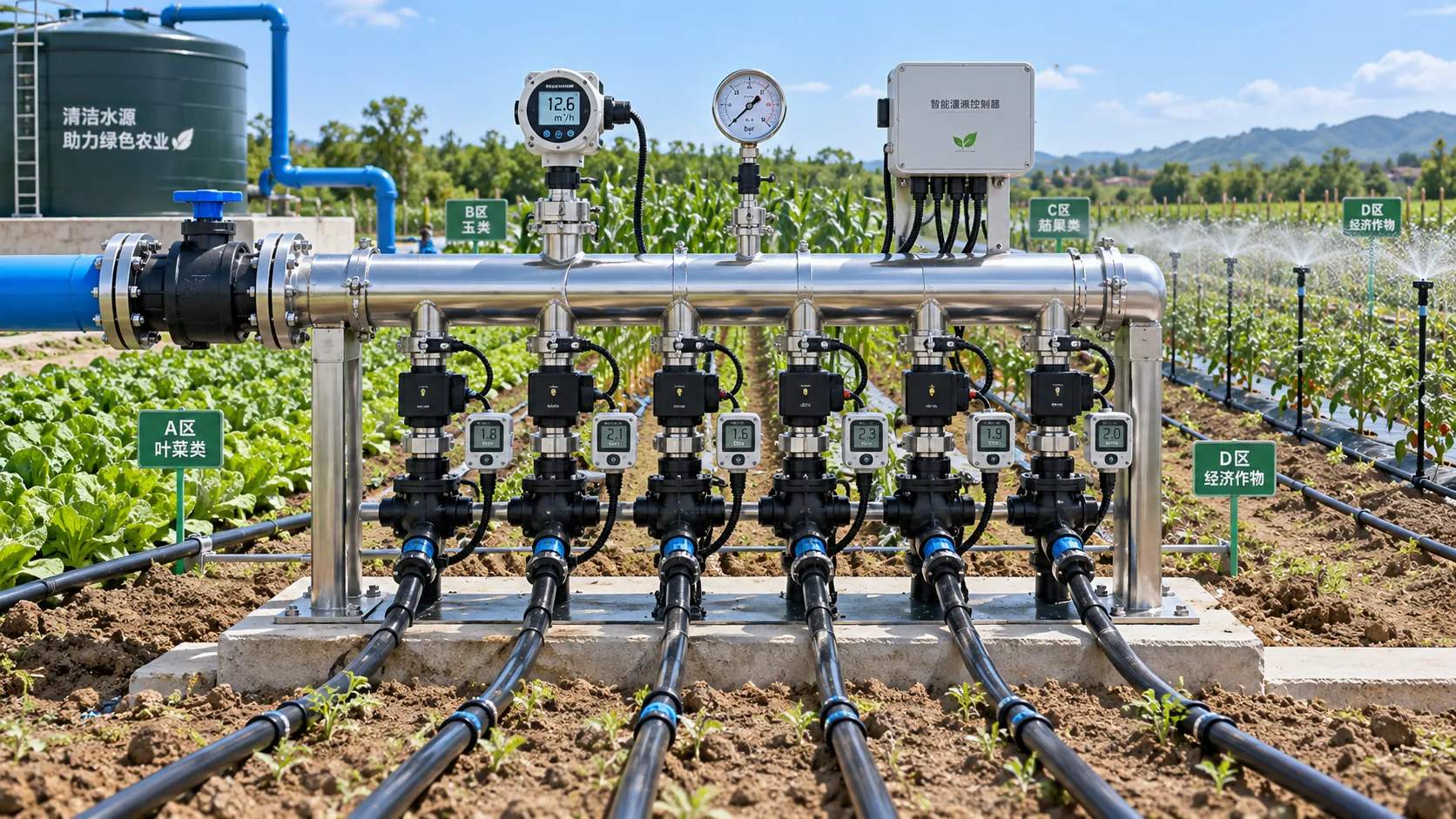
How to Select Smart Irrigation Valves for Multi-Zone Water Management?
Intelligent irrigation systems valves: learn how to match smart valves with multi-zone flow, pressure, control, feedback, and communication needs for reliable water management.
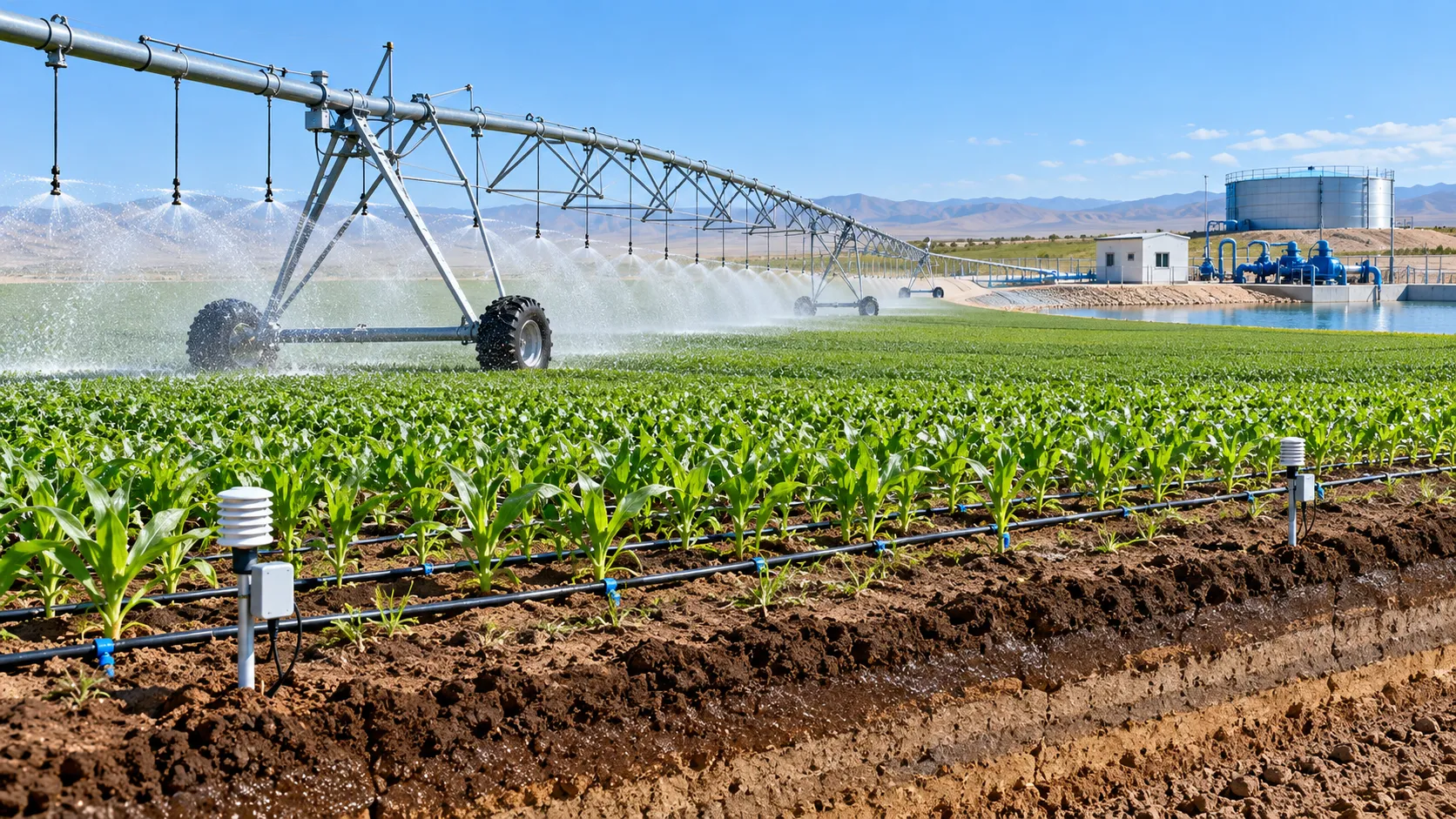
Climate-Smart Farming for Drought: A Practical Plan for Protecting Yields
Climate-smart farming for drought: build smarter water budgets, protect critical crop stages, improve irrigation uniformity, and safeguard yields with practical field-proven strategies.
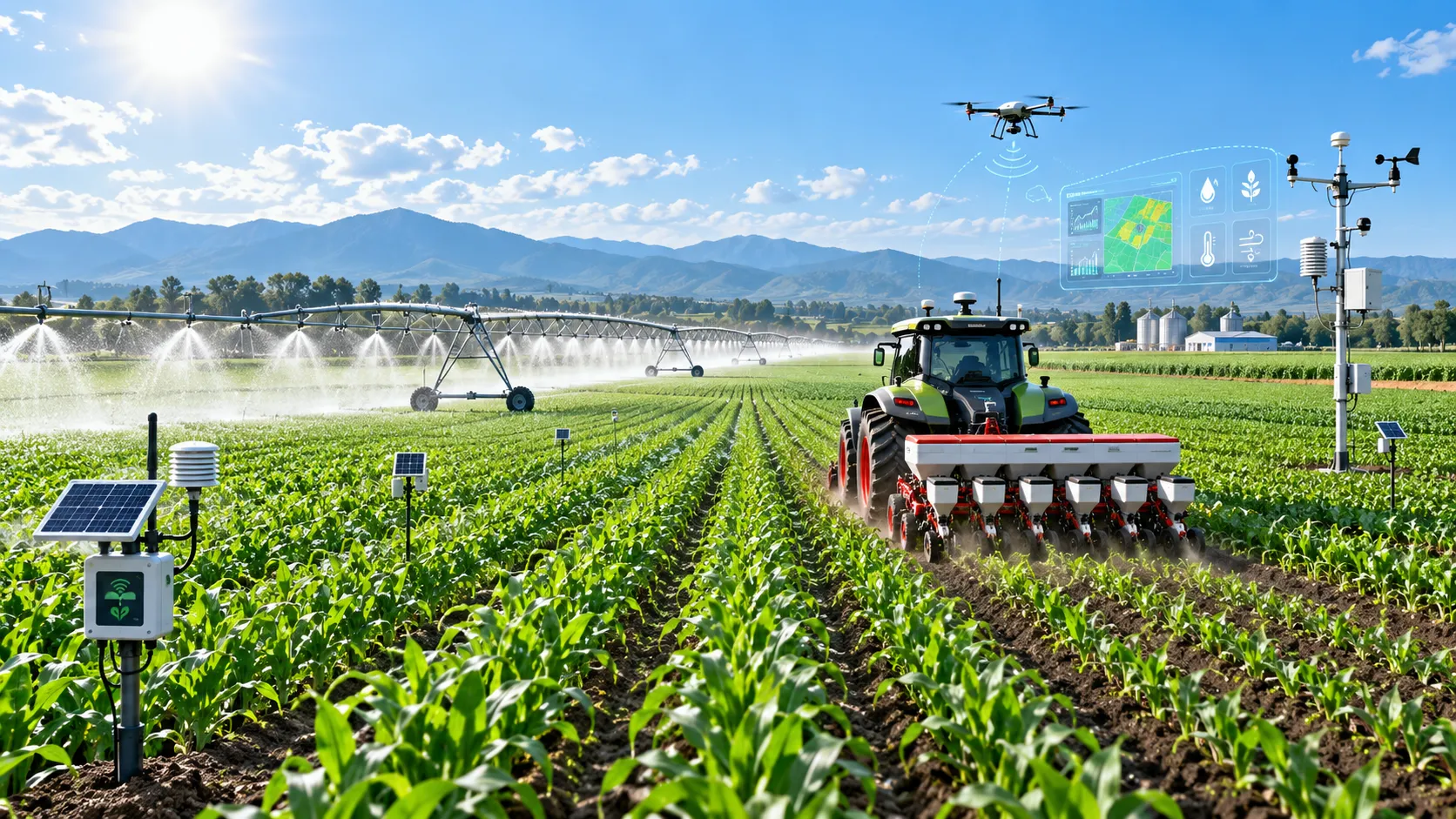
How Digital Agriculture Platforms Turn Field Data Into Better Input Decisions
Digital agriculture platforms turn field data into smarter fertilizer, water, seed, and equipment decisions—helping farms cut risk, improve margins, and scale sustainability.
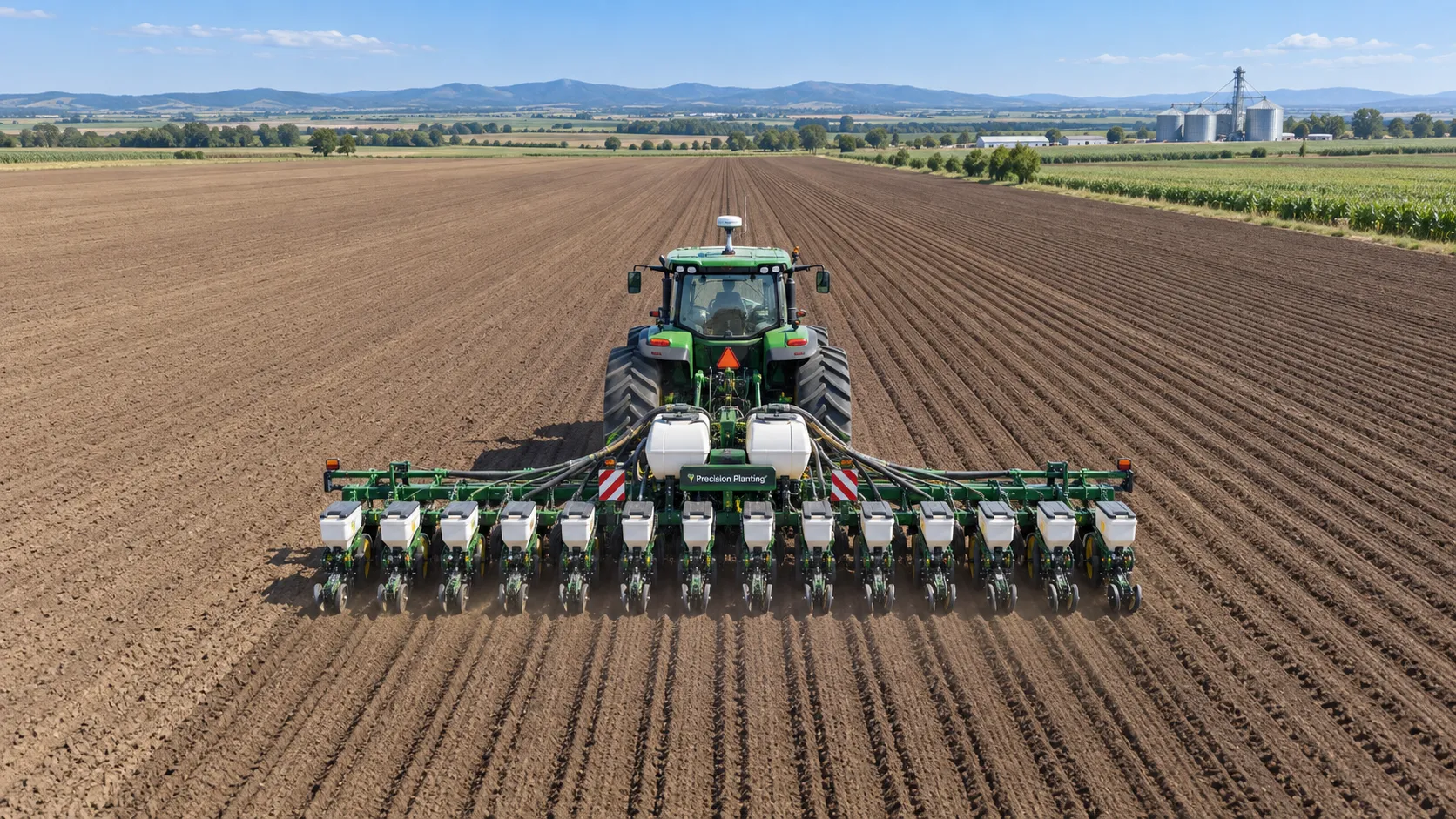
GPS-Guided Farm Machinery: Where It Delivers Measurable Field Efficiency Gains
Agri-mechanization GPS guided systems deliver measurable field efficiency gains through reduced overlap, precise planting, smarter inputs, and reliable farm data.
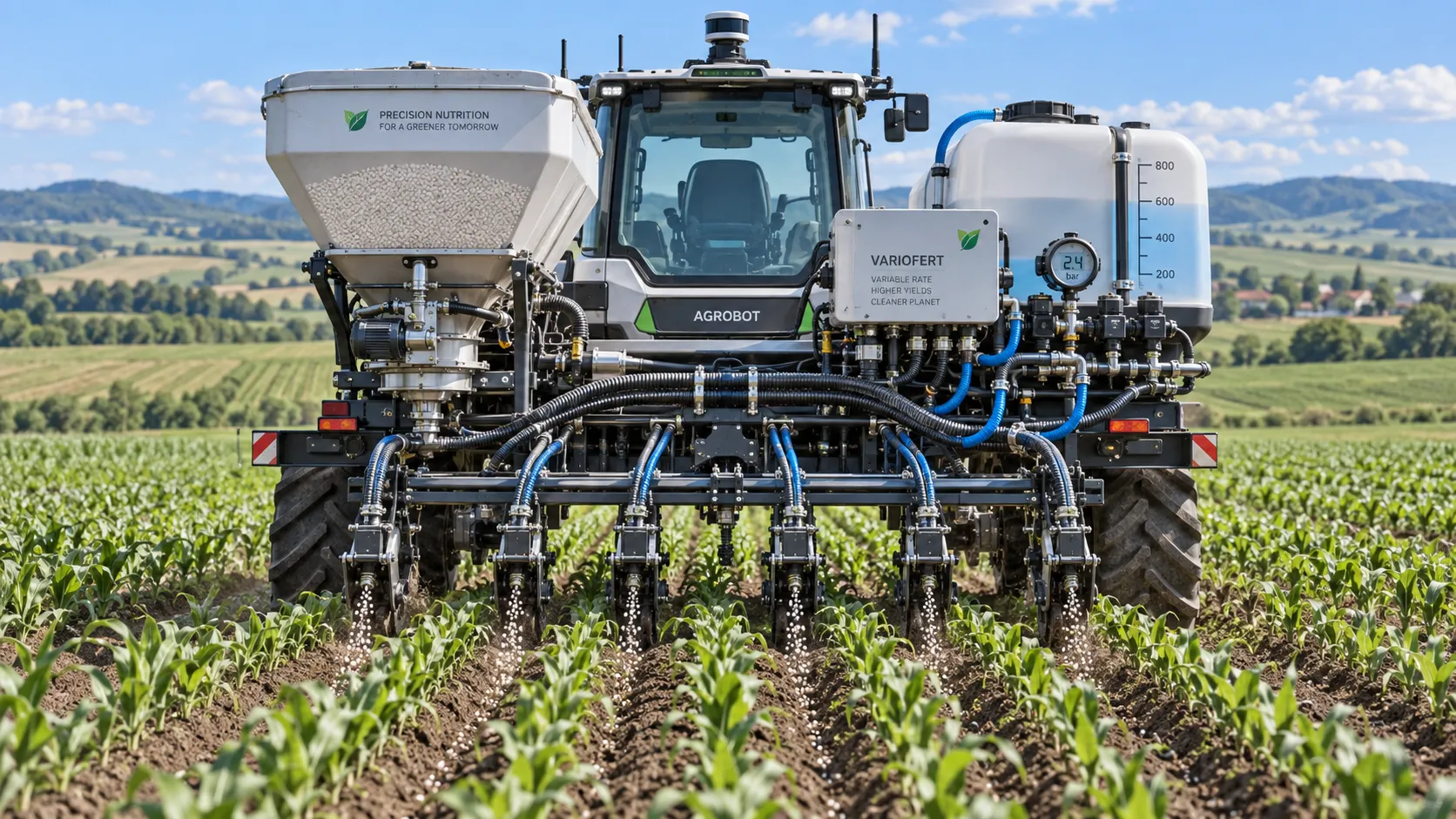
How Sensor Feedback Enables Accurate Variable-Rate Fertilization in Field Conditions
Precision fertilization systems with sensor feedback improve variable-rate accuracy by verifying flow, managing latency, and ensuring reliable field application.
Related News
- 00
0000-00
Drip vs. Micro-Sprinkler Irrigation: Which System Fits Your Orchard? - 00
0000-00
How to Select Smart Irrigation Valves for Multi-Zone Water Management? - 00
0000-00
Automated Water-Saving Irrigation: How to Cut Water Use Without Reducing Crop Yields - 00
0000-00
How to Evaluate Drip Irrigation System Manufacturers for Large Farm Projects - 00
0000-00
Wireless Agricultural Automation for Remote Irrigation and Field Monitoring
Popular Tags
Hydrological Resource Strategist
Weekly Insights
Stay ahead with our curated technology reports delivered every Monday.