
China Imposes Zero Tariffs on Smart Irrigation Equipment for 20 African Countries
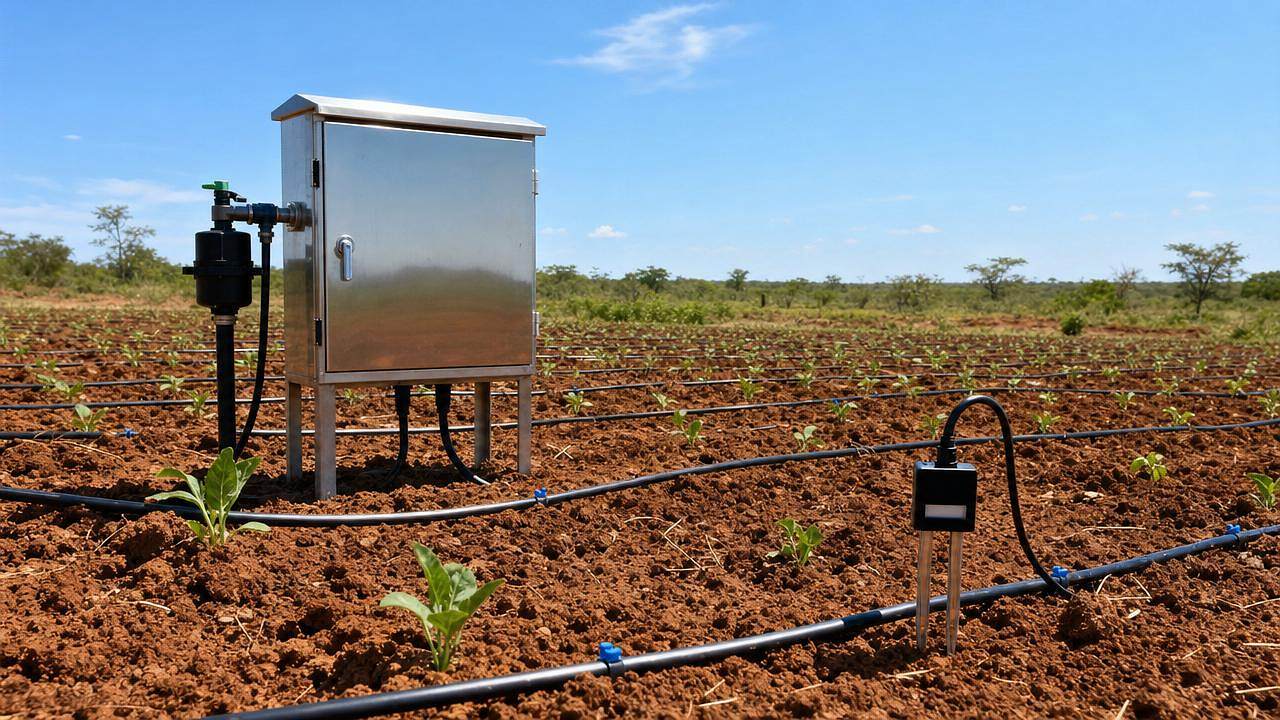




Effective May 1, 2026, China has implemented zero tariffs on smart irrigation equipment exported to 20 African countries with which it maintains diplomatic relations. This policy directly impacts manufacturers, exporters, and supply chain service providers specializing in drip irrigation systems, soil moisture sensors, and related precision agriculture hardware — particularly those classified under HS codes 8424.89 and 9029.20.
Event Overview
Starting May 1, 2026, China applied zero import tariffs on all smart irrigation equipment destined for 20 African countries with formal diplomatic ties. The measure covers specific HS codes including 8424.89 (other mechanical appliances for irrigation) and 9029.20 (measuring or checking instruments for flow, level, pressure or other variables). Concurrently, China’s General Administration of Customs launched an ‘Africa Green Channel’ for customs clearance, reducing average processing time for categories including Drip Irrigation Logic and Soil Moisture Sensors to 2.3 working days. Agricultural ministries in Kenya and Ethiopia have initiated new drip irrigation subsidy tenders; Chinese suppliers reported a 37% year-on-year increase in tender入围 rate (qualification rate).
Industries Affected
Direct Exporters and Trading Enterprises
These enterprises face immediate changes in cost structure and competitiveness. With tariff elimination, landed costs for smart irrigation devices in targeted African markets decline, potentially improving price positioning against regional and third-country competitors. The shortened customs clearance window (to 2.3 days) also reduces inventory holding time and improves order-to-delivery predictability.
Manufacturers of Smart Irrigation Hardware
Producers of drip irrigation controllers, integrated logic units (e.g., Drip Irrigation Logic), and calibrated soil moisture sensors benefit from improved export margin visibility. Since the tariff exemption applies across the full scope of relevant HS codes, no product-level qualification is required — simplifying compliance for manufacturers already exporting under these classifications.
Supply Chain and Logistics Service Providers
Firms offering customs brokerage, documentation support, or Africa-focused freight consolidation may experience increased demand for services tied to the ‘Africa Green Channel’. However, this benefit is contingent on consistent application of the fast-track process and accurate HS code classification — both requiring close coordination with clients and updated internal training.
Distribution and Channel Partners in Africa
African-based importers and distributors of Chinese smart irrigation equipment gain enhanced pricing flexibility and faster restocking cycles. The timing coincides with active government procurement (e.g., Kenya and Ethiopia’s new subsidy tenders), raising the strategic value of having certified, tariff-exempt inventory available during bid evaluation periods.
What Enterprises and Practitioners Should Monitor and Do Now
Track official implementation guidance from China’s General Administration of Customs
The ‘Africa Green Channel’ is operational as of May 1, 2026, but detailed procedural requirements — such as document templates, eligibility verification steps, or exceptions for mixed shipments — remain subject to further notice. Exporters should subscribe to official customs bulletins and verify alignment with local port authorities before scheduling first shipments.
Confirm HS code applicability for specific product configurations
While HS codes 8424.89 and 9029.20 are explicitly named, product-specific classification (e.g., whether a solar-powered controller with integrated soil sensor qualifies unambiguously) requires pre-clearance verification. Misclassification may disqualify shipments from zero-tariff treatment or delay green channel access.
Align tender participation timelines with customs processing windows
Given that Kenya and Ethiopia have launched new subsidy tenders, and that green channel clearance now averages 2.3 working days, exporters and their local partners should adjust bid submission schedules to ensure physical delivery readiness aligns with tender evaluation and contract award phases — especially where ‘proof of availability’ or ‘in-country stock’ is weighted in scoring criteria.
Review logistics contracts for revised lead-time assumptions
Freight forwarders and third-party logistics providers should update SLAs and internal planning tools to reflect the new 2.3-day customs benchmark — not as a guaranteed minimum, but as a new operational baseline. Contractual clauses referencing ‘standard clearance time’ may require renegotiation to avoid misaligned expectations.
Editorial Perspective / Industry Observation
Observably, this policy shift functions less as an isolated trade concession and more as a coordinated signal — aligning tariff treatment, customs facilitation, and downstream procurement activity across multiple African jurisdictions. Analysis shows the simultaneous activation of three levers (tariff removal, expedited clearance, and national subsidy programs) suggests intentional synchronization to accelerate market entry for qualified Chinese agricultural technology exports. From an industry perspective, the current impact remains procedural and transitional: benefits are accessible only to entities correctly positioned within existing classification and tender frameworks. It is not yet a structural market expansion, but rather a tightening of execution conditions for those already active in the space. Continued monitoring is warranted — particularly for potential expansion to additional African countries or inclusion of complementary inputs (e.g., fertigation components or IoT connectivity modules).
This development marks a measurable step toward lowering non-tariff barriers for precision irrigation hardware in select African markets. Its significance lies not in scale or novelty alone, but in the convergence of regulatory, logistical, and demand-side enablers — all activated on a single effective date. For stakeholders, it is best understood not as a broad-market opportunity, but as a precision instrument: effective only when applied with accurate classification, timely documentation, and alignment with active public-sector procurement cycles.
Source: Announcement by China’s General Administration of Customs (effective May 1, 2026); public tender notices issued by the Ministries of Agriculture of Kenya and Ethiopia (Q2 2026); official HS code coverage list published by China’s Ministry of Finance and State Taxation Administration.
Note: Expansion beyond the initial 20 African countries and inclusion of additional HS codes remain unconfirmed and are under observation.
Related News
How to Compare Agricultural Equipment Platforms for Fleet Management and ROI
Agricultural equipment platform comparison: evaluate fleet data, maintenance, precision workflows, and ROI to choose a system that delivers measurable results.
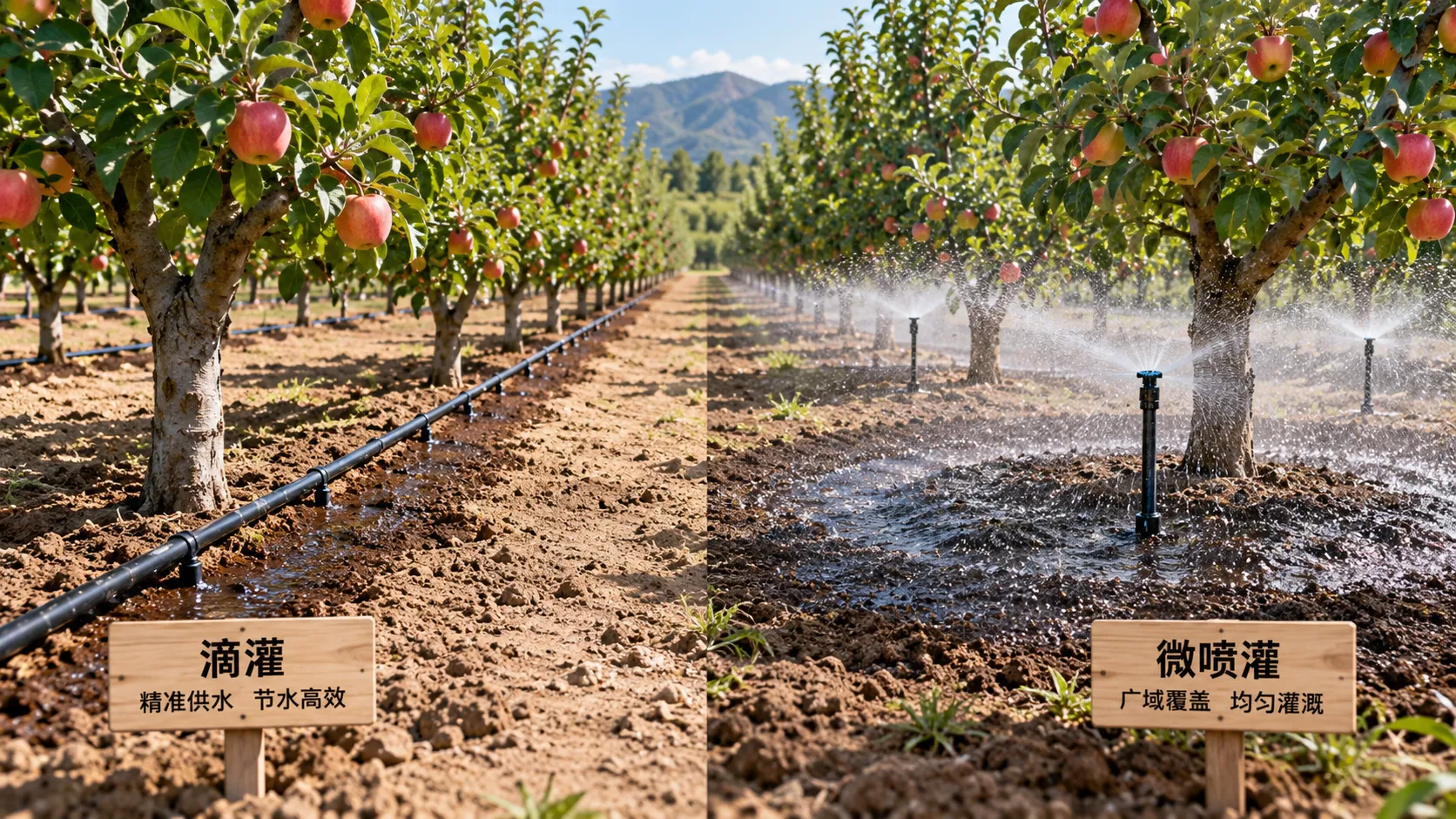
Drip vs. Micro-Sprinkler Irrigation: Which System Fits Your Orchard?
Irrigation solution comparison for orchards: discover whether drip or micro-sprinklers best match your water, soil, roots, fertigation, and frost needs.
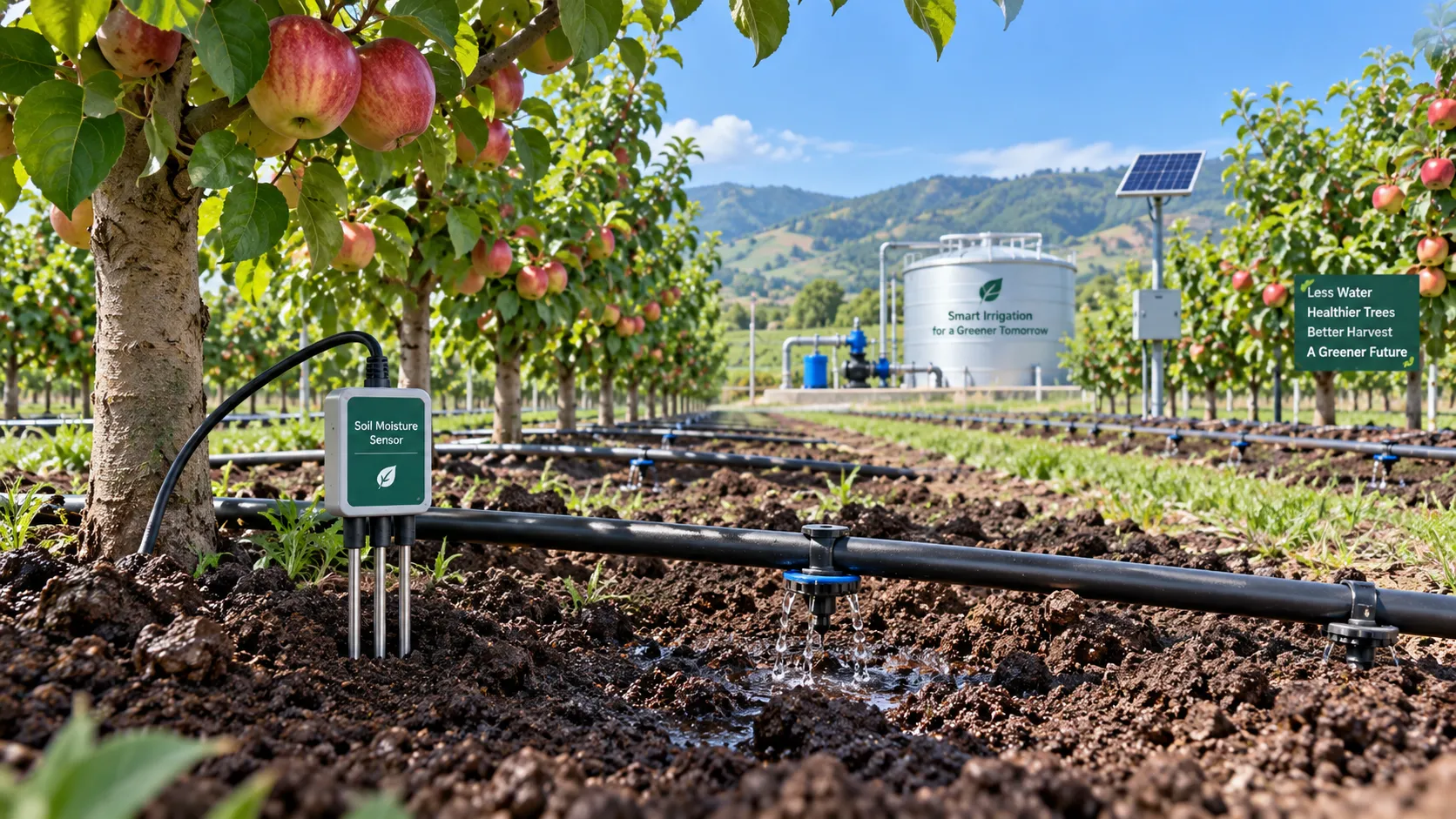
Orchard Water Management: Using Soil Moisture Data to Schedule Irrigation
Agricultural water management for orchards made practical: use soil moisture data to optimize irrigation timing, protect yield, reduce costs, and improve resilience.
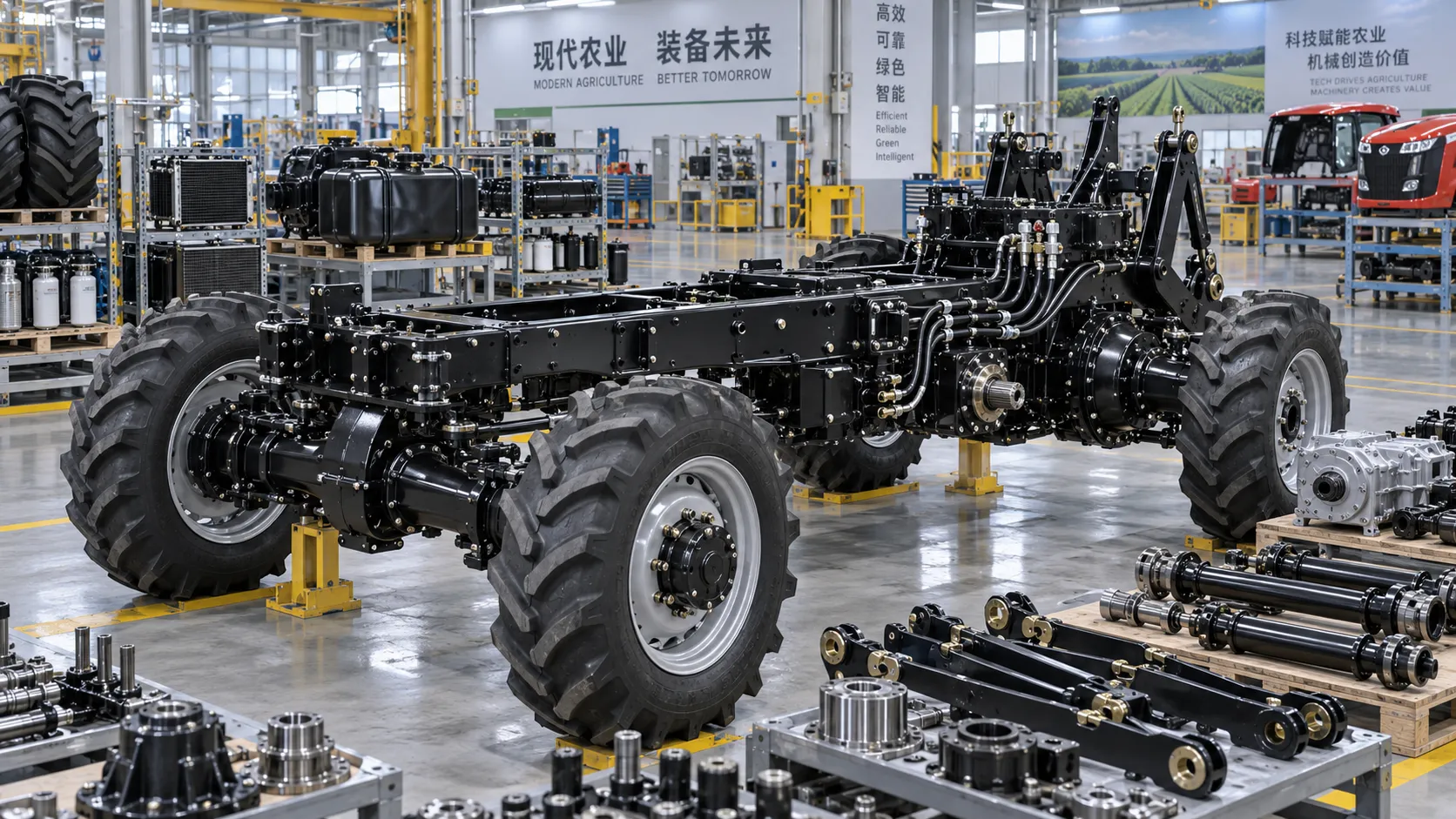
Tractor Chassis Price: What Buyers Should Compare Beyond the Initial Quote
Tractor chassis price is only the start. Compare load capacity, compatibility, durability, and lifecycle costs to choose a reliable, high-value chassis.
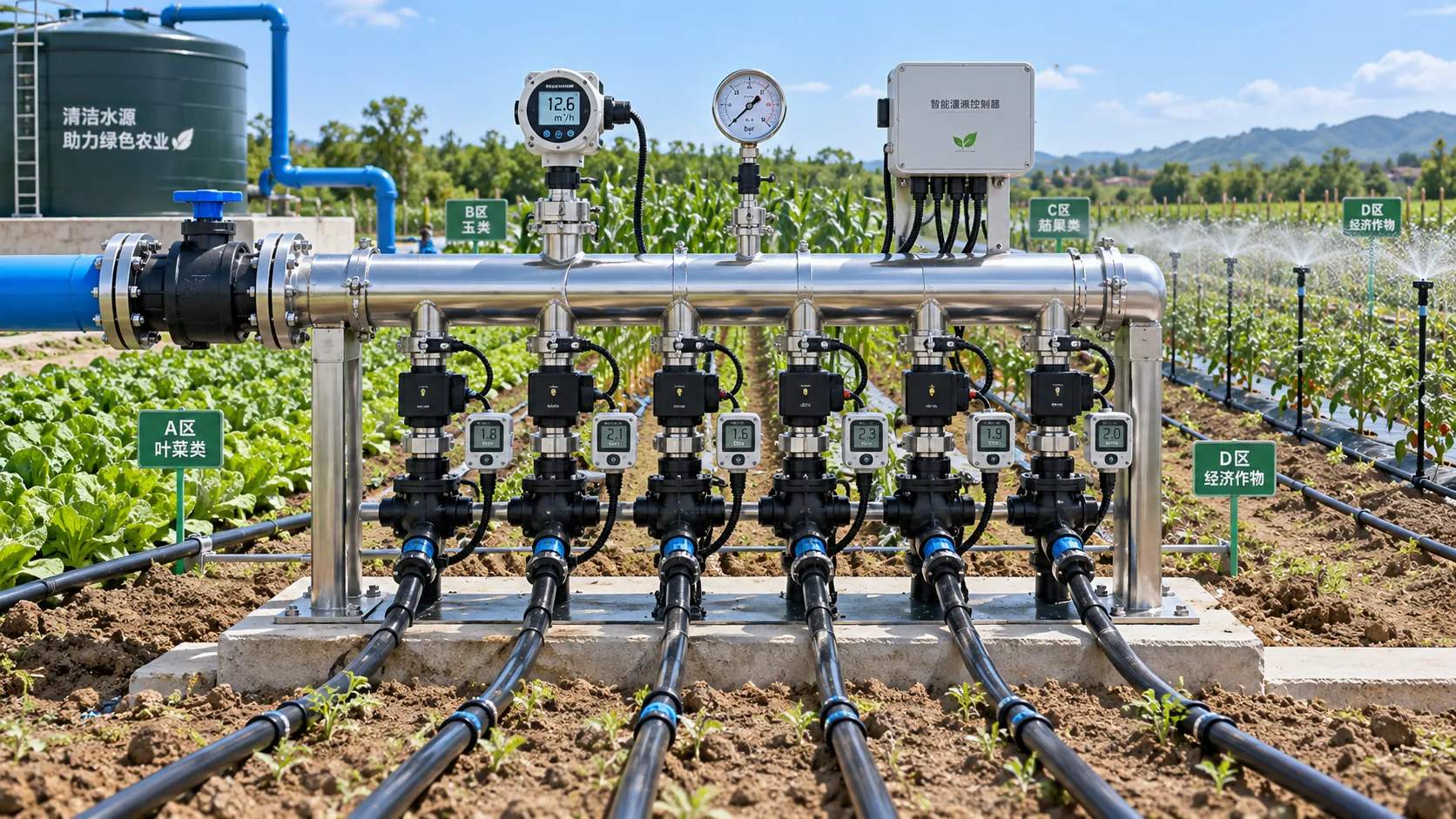
How to Select Smart Irrigation Valves for Multi-Zone Water Management?
Intelligent irrigation systems valves: learn how to match smart valves with multi-zone flow, pressure, control, feedback, and communication needs for reliable water management.
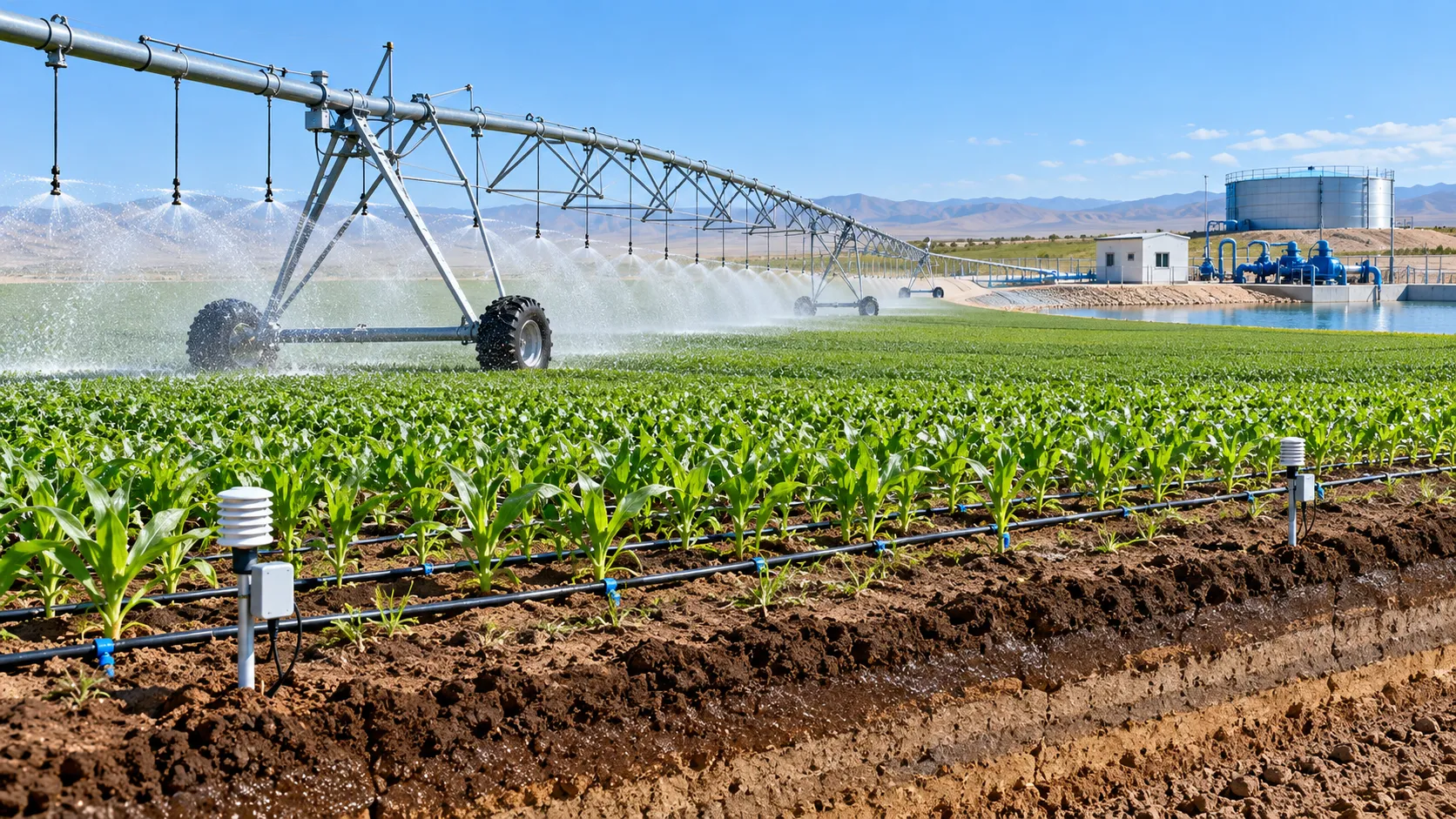
Climate-Smart Farming for Drought: A Practical Plan for Protecting Yields
Climate-smart farming for drought: build smarter water budgets, protect critical crop stages, improve irrigation uniformity, and safeguard yields with practical field-proven strategies.
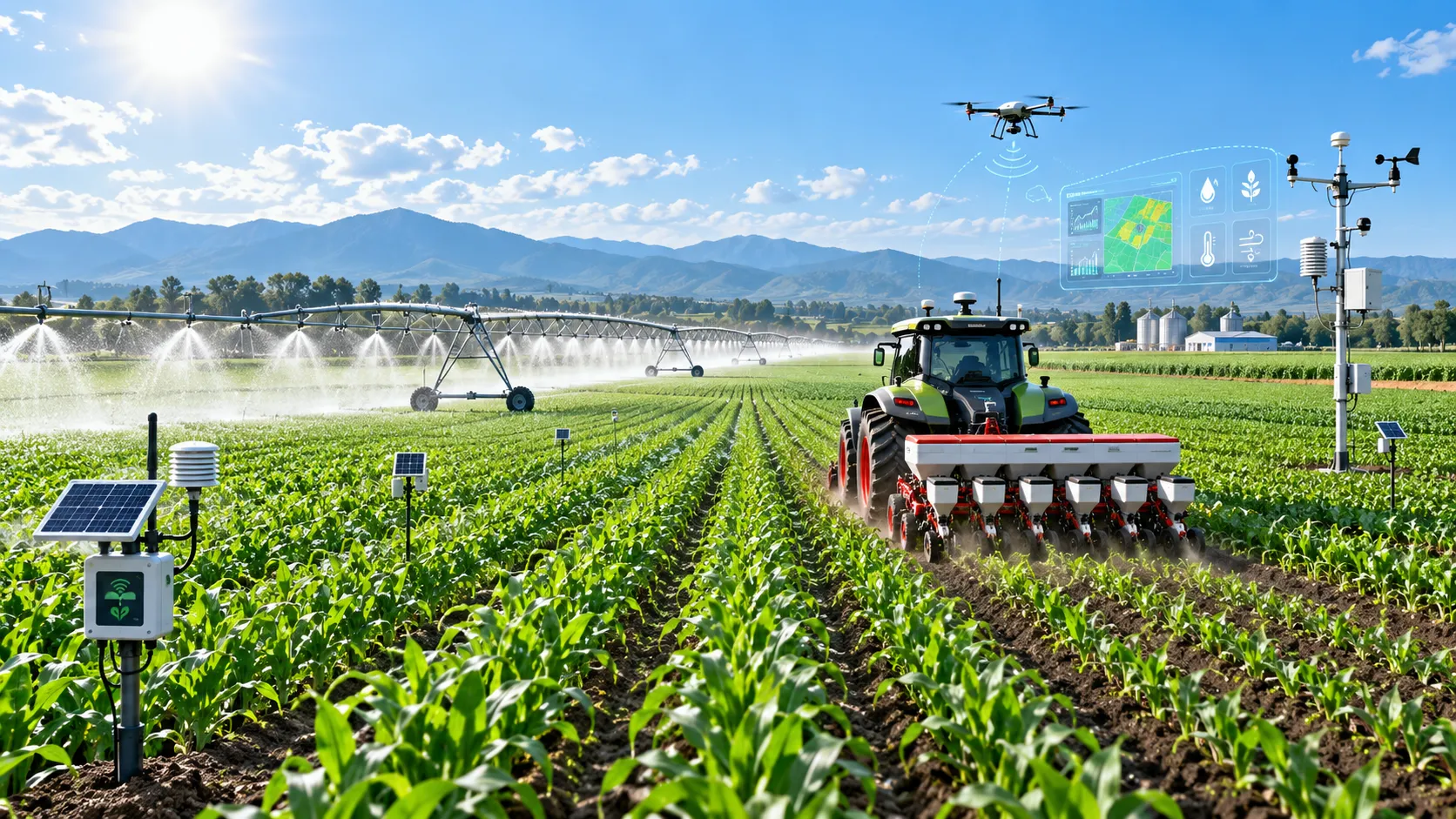
How Digital Agriculture Platforms Turn Field Data Into Better Input Decisions
Digital agriculture platforms turn field data into smarter fertilizer, water, seed, and equipment decisions—helping farms cut risk, improve margins, and scale sustainability.
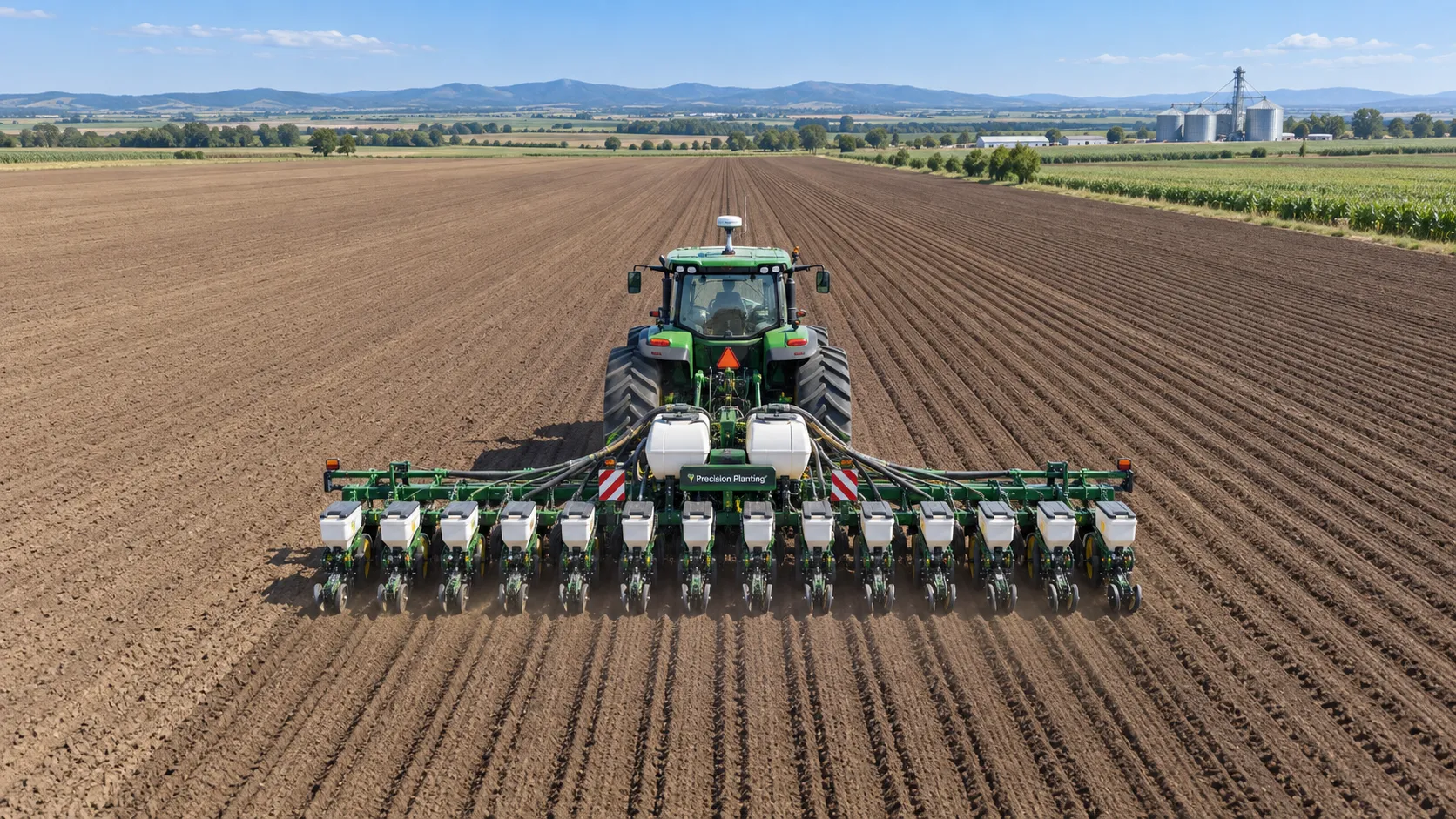
GPS-Guided Farm Machinery: Where It Delivers Measurable Field Efficiency Gains
Agri-mechanization GPS guided systems deliver measurable field efficiency gains through reduced overlap, precise planting, smarter inputs, and reliable farm data.

How Sensor Feedback Enables Accurate Variable-Rate Fertilization in Field Conditions
Precision fertilization systems with sensor feedback improve variable-rate accuracy by verifying flow, managing latency, and ensuring reliable field application.
Related News
- 00
0000-00
Drip vs. Micro-Sprinkler Irrigation: Which System Fits Your Orchard? - 00
0000-00
How to Select Smart Irrigation Valves for Multi-Zone Water Management? - 00
0000-00
Automated Water-Saving Irrigation: How to Cut Water Use Without Reducing Crop Yields - 00
0000-00
How to Evaluate Drip Irrigation System Manufacturers for Large Farm Projects - 00
0000-00
Wireless Agricultural Automation for Remote Irrigation and Field Monitoring
Popular Tags
Hydrological Resource Strategist
Weekly Insights
Stay ahead with our curated technology reports delivered every Monday.