
2026 Cross-Border Trade Facilitation Campaign Launches





On May 22, 2026, China’s General Administration of Customs and 23 other departments jointly launched the 2026 Cross-Border Trade Facilitation Campaign. The initiative introduces targeted regulatory measures for high-value-added agricultural machinery components—including threshing systems and cleaning shoe logic—making it especially relevant for exporters and manufacturers in precision farming equipment, post-harvest processing technology, and global agri-mechanical supply chains. This marks a concrete step toward streamlining export clearance for specialized agricultural hardware, with implications for compliance workflows, lead time planning, and international market responsiveness.
Event Overview
On May 22, 2026, the General Administration of Customs of the People’s Republic of China, together with 23 other state-level departments, officially launched the 2026 Cross-Border Trade Facilitation Campaign. As part of the campaign, threshing systems and cleaning shoe logic—key components used in combine harvesters—are designated for ‘one-policy-per-product’ (‘one product, one policy’) fast-track customs clearance. Export inspection rates for these items are reduced by 40%, and average customs clearance time is shortened to within 24 hours.
Industries Affected
Direct Exporters of Agricultural Machinery Components
These enterprises manufacture or trade threshing systems and cleaning shoe logic for overseas markets. They are directly affected because the new policy lowers inspection frequency and accelerates release—reducing demurrage risk and improving on-time delivery performance. Impact manifests primarily in shorter documentation-to-release cycles and lower administrative burden at the port of exit.
Original Equipment Manufacturers (OEMs) Integrating These Components
OEMs assembling complete harvesting machines—especially those exporting finished units to regions with strict import conformity requirements—may benefit indirectly. Faster availability of certified subcomponents supports just-in-time assembly and helps meet overseas customer delivery schedules. However, this benefit depends on upstream suppliers adopting the streamlined process consistently.
Global Distributors and Aftermarket Parts Suppliers
Distributors handling spare parts logistics across ASEAN, Africa, Latin America, and Eastern Europe may experience improved inventory predictability. With more reliable transit times for core replacement parts, stock replenishment planning can shift from buffer-heavy to leaner models—provided the policy coverage remains stable and transparently applied across ports.
Customs Brokerage and Trade Compliance Service Providers
These firms support clients navigating export declarations, classification, and origin certification. The introduction of ‘one product, one policy’ implies increased need for granular product-level guidance—not just HS code assignment, but also verification of eligibility under the campaign’s scope. Their role evolves toward proactive classification validation and real-time policy alignment support.
Key Considerations and Recommended Actions for Enterprises
Monitor official implementation guidelines and port-specific rollout details
The campaign is national in scope, but execution may vary by customs district. Enterprises should track announcements from local customs offices—particularly those in key export hubs such as Qingdao, Shanghai, and Shenzhen—to confirm whether their specific product models and export consignments qualify for the 24-hour clearance window.
Verify product eligibility against the officially listed categories
Only threshing systems and cleaning shoe logic are confirmed as initial beneficiaries. Other related components—e.g., grain elevators, straw choppers, or sensor-integrated control modules—are not included at launch. Companies should cross-check technical specifications and commercial descriptions against the published definitions to avoid misclassification and unintended delays.
Distinguish between policy intent and operational readiness
While the policy sets a 24-hour target, actual clearance time depends on document accuracy, pre-declaration completeness, and system interoperability between enterprise ERP platforms and the Single Window. Firms should audit internal export documentation workflows now—not after the first shipment encounters a bottleneck.
Update procurement and logistics coordination protocols with upstream suppliers
If an OEM relies on third-party component suppliers, it must ensure those suppliers have aligned their labeling, packaging, and declaration data with the campaign’s requirements. Misalignment—even in minor fields like model number formatting or material composition statements—can disqualify a batch from fast-track treatment.
Editorial Perspective / Industry Observation
Observably, this initiative signals a shift toward outcome-oriented, product-specific facilitation—moving beyond broad tariff or procedural reforms. It does not yet represent a systemic overhaul of agricultural machinery export regulation, but rather a pilot application of precision trade governance. Analysis shows that its current value lies less in immediate cost reduction and more in predictability enhancement: consistent clearance windows allow firms to recalibrate lead time buffers, optimize working capital tied up in port inventories, and strengthen contractual commitments to overseas buyers. From an industry perspective, sustained impact will depend on scalability—whether additional components (e.g., intelligent grain moisture sensors or GPS-guided header controls) are added in subsequent phases—and on transparency in eligibility criteria.
Concluding, this campaign reflects a maturing approach to export facilitation for technically complex, high-value industrial goods. Its significance is procedural and operational—not transformational—but offers tangible efficiency gains for firms whose products align precisely with the defined scope. It is best understood not as a broad-based incentive, but as a narrowly calibrated tool for select segments of the global agricultural machinery value chain.
Source: Joint announcement issued by the General Administration of Customs of the People’s Republic of China and 23 co-sponsoring ministries and commissions on May 22, 2026. Note: Coverage expansion beyond threshing systems and cleaning shoe logic remains unconfirmed and is subject to future official updates.
Related News
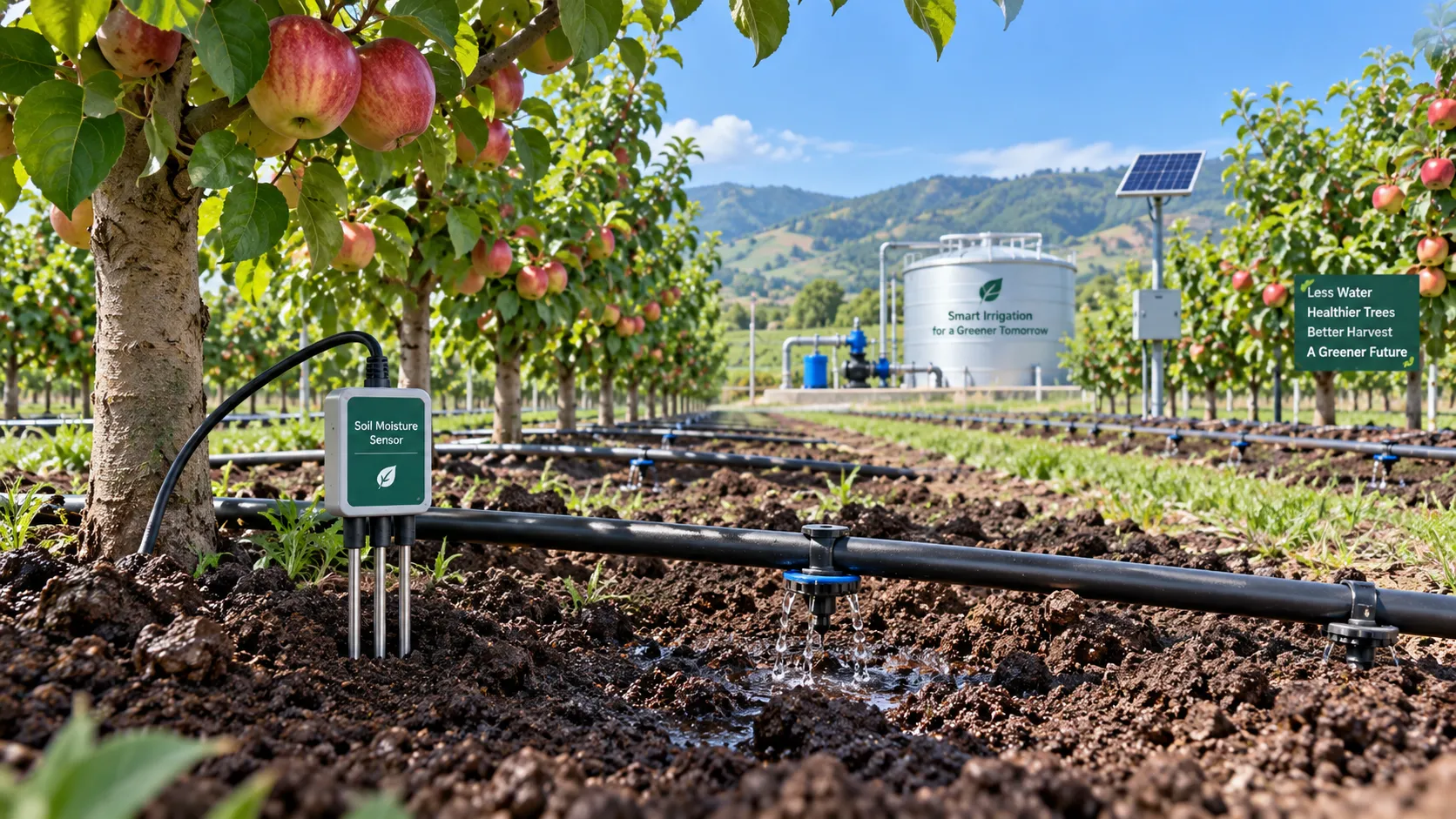
Orchard Water Management: Using Soil Moisture Data to Schedule Irrigation
Agricultural water management for orchards made practical: use soil moisture data to optimize irrigation timing, protect yield, reduce costs, and improve resilience.
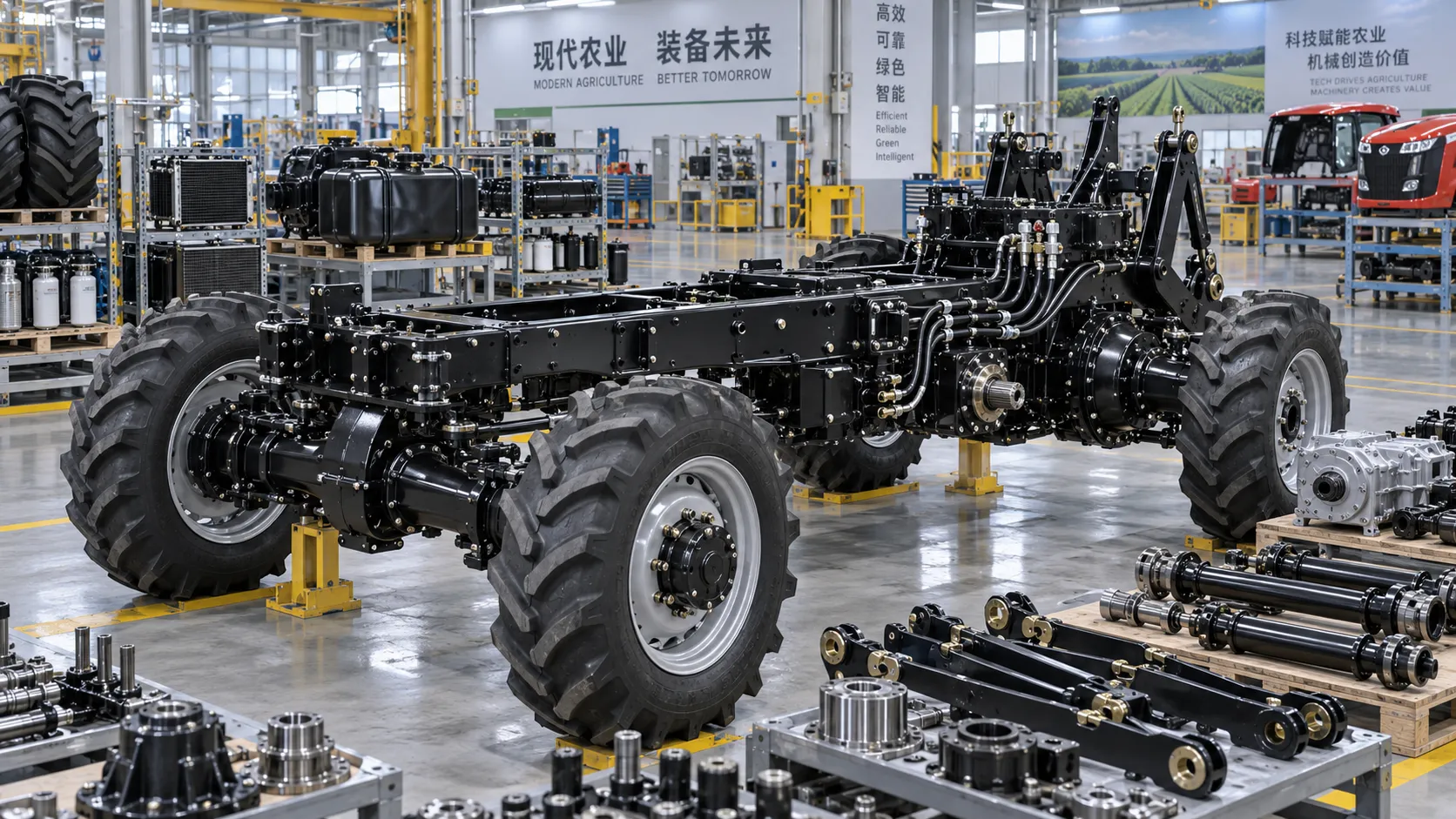
Tractor Chassis Price: What Buyers Should Compare Beyond the Initial Quote
Tractor chassis price is only the start. Compare load capacity, compatibility, durability, and lifecycle costs to choose a reliable, high-value chassis.
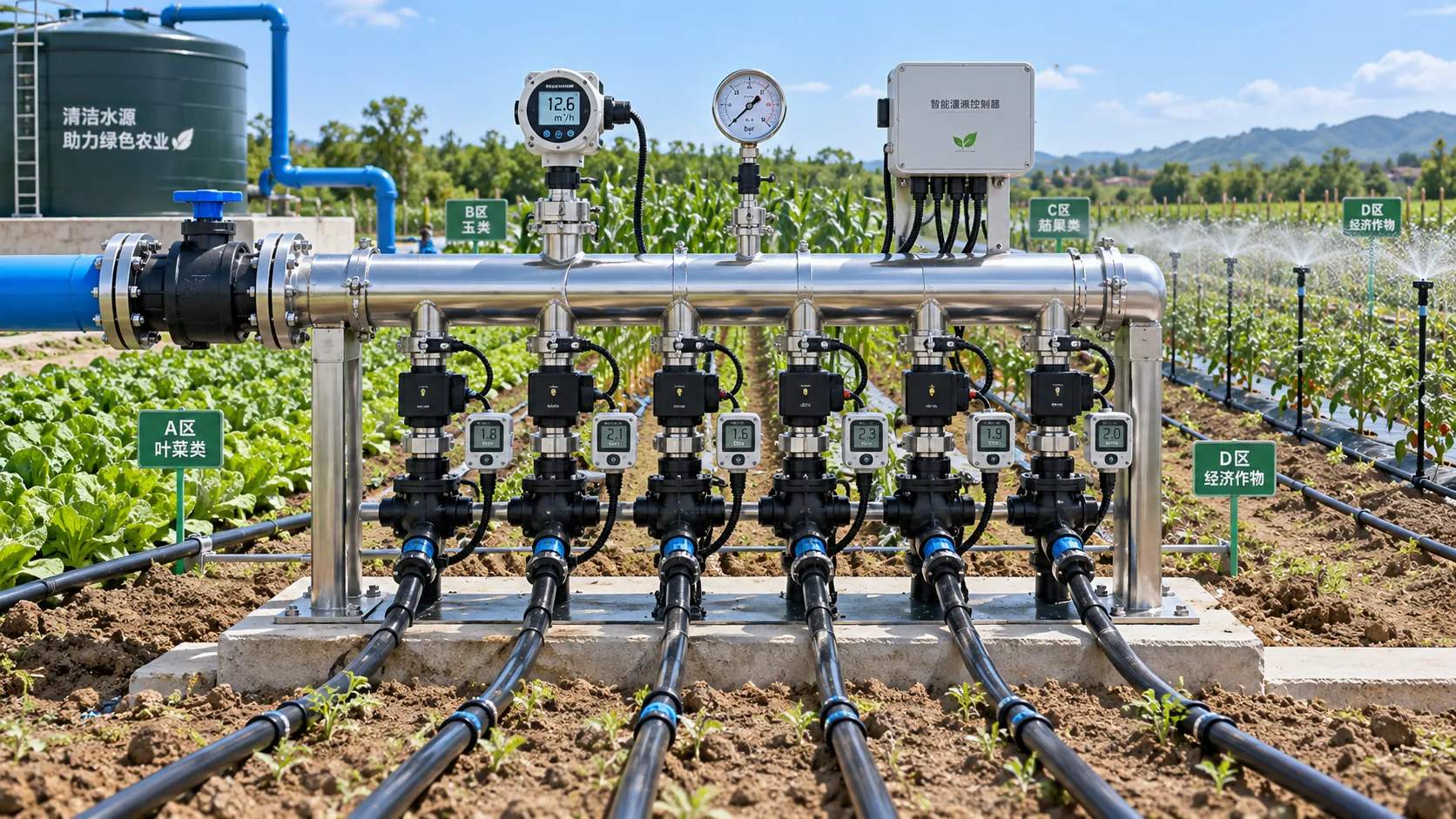
How to Select Smart Irrigation Valves for Multi-Zone Water Management?
Intelligent irrigation systems valves: learn how to match smart valves with multi-zone flow, pressure, control, feedback, and communication needs for reliable water management.
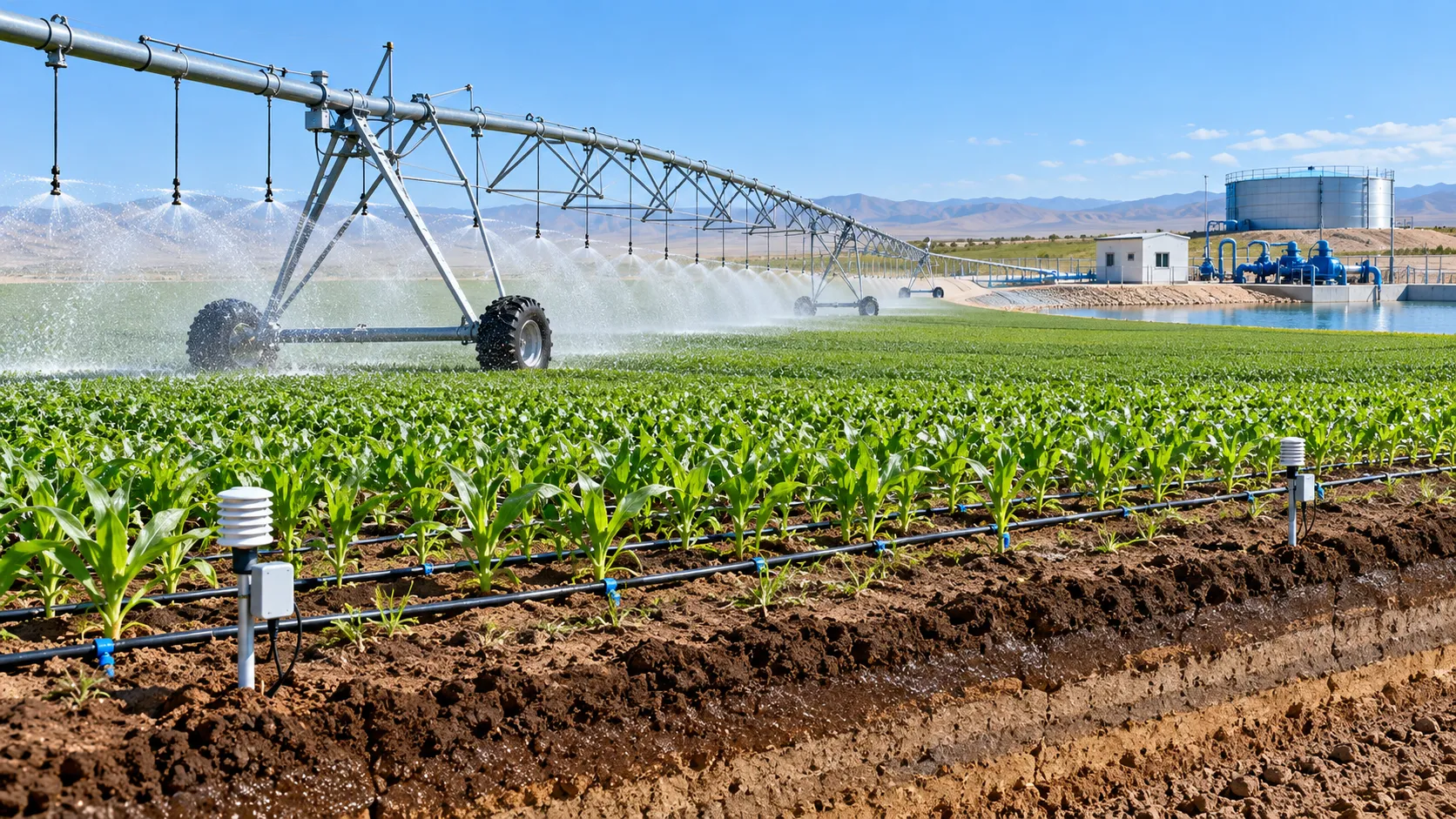
Climate-Smart Farming for Drought: A Practical Plan for Protecting Yields
Climate-smart farming for drought: build smarter water budgets, protect critical crop stages, improve irrigation uniformity, and safeguard yields with practical field-proven strategies.

How Digital Agriculture Platforms Turn Field Data Into Better Input Decisions
Digital agriculture platforms turn field data into smarter fertilizer, water, seed, and equipment decisions—helping farms cut risk, improve margins, and scale sustainability.
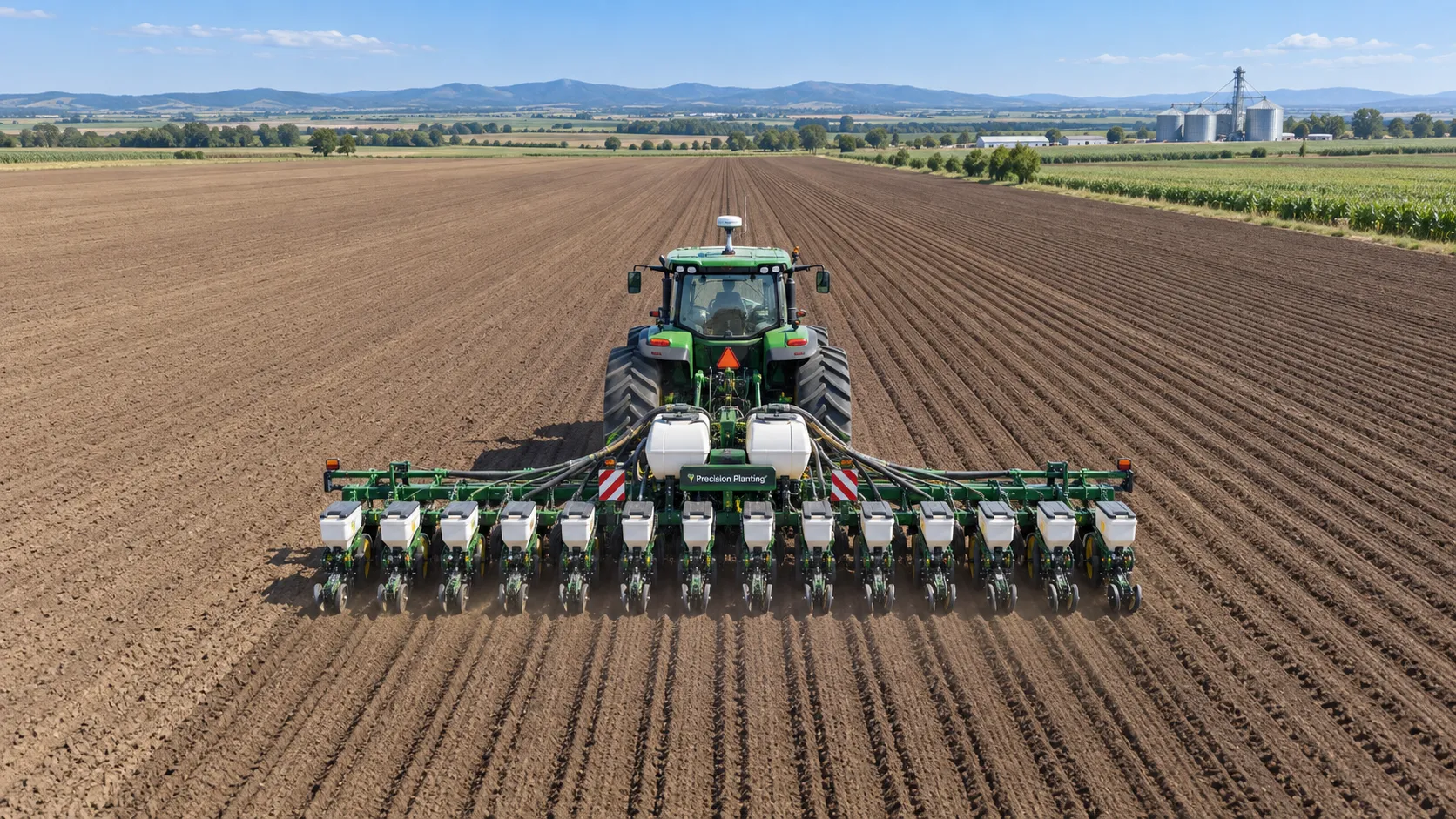
GPS-Guided Farm Machinery: Where It Delivers Measurable Field Efficiency Gains
Agri-mechanization GPS guided systems deliver measurable field efficiency gains through reduced overlap, precise planting, smarter inputs, and reliable farm data.
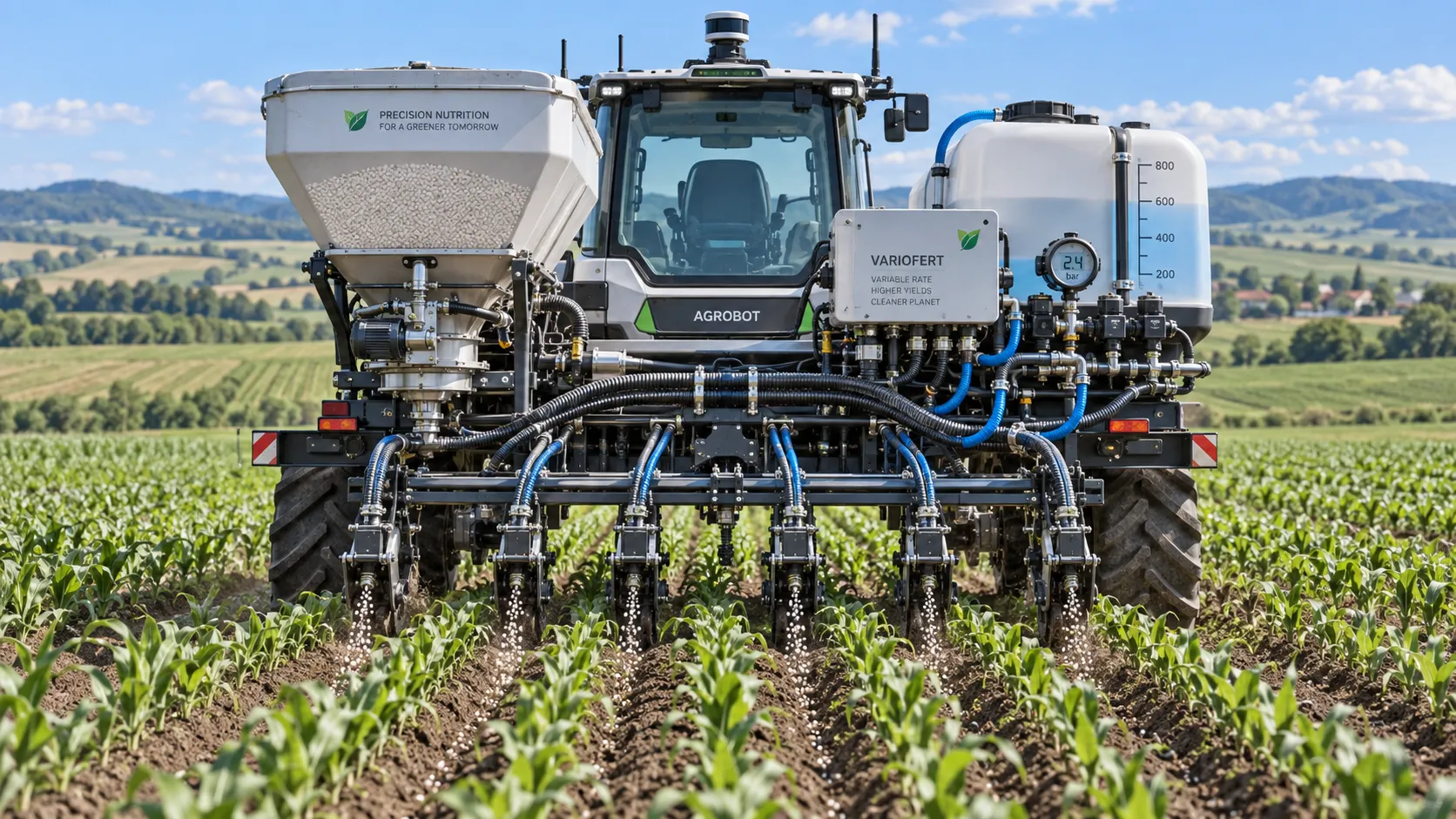
How Sensor Feedback Enables Accurate Variable-Rate Fertilization in Field Conditions
Precision fertilization systems with sensor feedback improve variable-rate accuracy by verifying flow, managing latency, and ensuring reliable field application.

How to Select Precision Crop Protection Equipment for Variable Field Conditions
Precision crop protection equipment selection made simple: compare terrain, canopy, weather, control accuracy, and data workflows for reliable applications.

When Does Agricultural Machinery Leasing Cost Less Than Owning Equipment?
Agricultural machinery leasing can lower farm costs when use is seasonal or uncertain. Compare utilization, maintenance, cash flow, and risk to make a smarter equipment decision.
Related News
- 00
0000-00
What Harvesting Machinery Works Best for Small Grains on Hills? - 00
0000-00
GRIMME Tianjin Signs to Join Changchun Agricultural Machinery Expo Center - 00
0000-00
Vietnam Mandates Vietnamese Energy Labels for Imported Threshing Systems - 00
0000-00
Crop Harvesting Solutions for Wheat: Which System Fits Yield, Moisture, and Field Size? - 00
0000-00
ANVISA Extends Threshing Systems Filing Window
Popular Tags
Harvesting Efficiency Expert
Weekly Insights
Stay ahead with our curated technology reports delivered every Monday.