
ISOBUS-Compatible Large-Scale Farm Equipment: What to Check Before You Buy
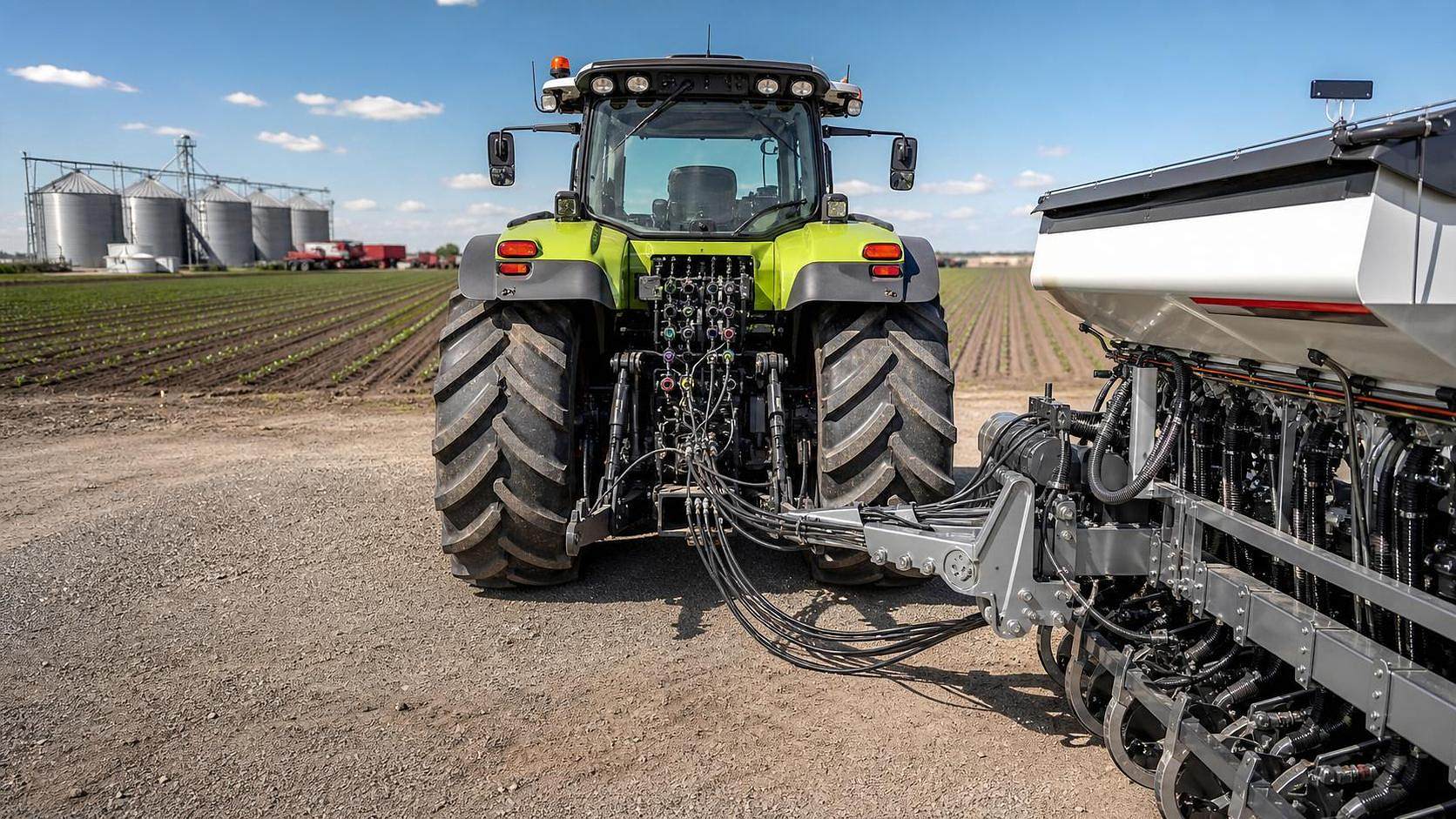




ISOBUS-Compatible Large-Scale Farm Equipment: What to Check Before You Buy
Buying large-scale farm equipment ISOBUS compatible with your current fleet can simplify data flow, reduce setup time, and improve field output.
But that only happens when compatibility is real, not just promised in a brochure.
In practice, many integration problems appear after delivery, during calibration, mapping, or seasonal peak work.
That is why a careful pre-purchase review matters more than a simple feature checklist.
If you are assessing large-scale farm equipment ISOBUS compatible for broad acreage operations, focus on how it performs inside your real system.
The key question is not whether the machine supports ISOBUS. It is whether it supports your workflows, terminals, implements, and service model.
Start With the Exact ISOBUS Functions You Need
ISOBUS is not one single feature. It is a family of functions, and each one affects operations differently.
A machine can be marketed as large-scale farm equipment ISOBUS compatible while still lacking functions your team expects.
Before comparing brands, define the minimum functional layer required for your operation.
- UT support for implement control through one terminal
- TC-BAS for task data handling
- TC-GEO for location-based application maps
- TC-SC for section control
- AUX-N for auxiliary controls and operator ergonomics
- TIM support if tractor-implement automation matters
This step sounds basic, but it prevents expensive misunderstandings.
For example, a spreader may connect cleanly to the screen, yet fail to execute variable-rate maps correctly.
Verify Terminal Compatibility Beyond the Sales Demo
Terminal compatibility is often where real-world friction begins.
A polished demo may use the manufacturer’s own display, software version, and preconfigured harness.
Your fleet may be using mixed terminals, older monitors, or different guidance ecosystems.
So when reviewing large-scale farm equipment ISOBUS compatible claims, test with the display you already run in the field.
Ask for proof on these points
- Does the machine work on your current virtual terminal without feature loss?
- Are button layouts stable across software updates?
- Can operators switch between implements without repeated manual setup?
- Does the terminal display alarms, diagnostics, and calibration prompts correctly?
- Is response speed acceptable during field turns and map changes?
A short in-yard demonstration is useful, but not enough.
The better test is a field simulation with live guidance, overlapping sections, and imported task data.
Check Implement Support at the Job Level
Large-scale farm equipment ISOBUS compatible should be judged by jobs completed, not by connections established.
That distinction matters when several brands share one fleet.
An implement may connect, load a screen, and still perform poorly during seeding, spraying, or nutrient application.
Look at every critical use case in your season plan.
- Map transfer and file recognition
- Automatic section response timing
- Rate control accuracy under changing speed
- Headland behavior and shutoff logic
- Operator prompts during blockage, overlap, or low-flow events
This is especially important for high-value crops and narrow timing windows.
Even minor control delays can create skips, doubles, waste, and reporting errors across a large acreage base.
Review Software Update Policy and Data Ownership
From recent market changes, this has become one of the most overlooked buying criteria.
Large-scale farm equipment ISOBUS compatible today may behave differently after a software revision next season.
Updates can improve interoperability, but they can also disrupt established workflows.
Before purchase, ask how updates are delivered, approved, tested, and supported.
Key questions to raise
- Are software updates included, subscription-based, or dealer-installed?
- Can updates be deferred during peak season?
- Is rollback possible if a new version causes issues?
- Who owns the machine data, task logs, and agronomic records?
- Which export formats are supported for farm management platforms?
This also affects long-term procurement value.
If data remains locked inside one brand environment, your future equipment choices become narrower and more expensive.
Do Not Ignore Harnesses, Connectors, and Power Supply Details
Interoperability problems are not always software problems.
Sometimes the issue is a connector standard, insufficient power, unstable voltage, or poor cable routing.
When evaluating large-scale farm equipment ISOBUS compatible options, inspect the physical integration layer carefully.
- Check connector type and pin condition
- Confirm cable length and routing for your tractor models
- Review power demand for displays, receivers, and implement controllers
- Ask whether adapters are required and who supplies them
- Verify environmental sealing for dust, vibration, and washdown conditions
These details may seem small during procurement meetings.
In the field, they can be the difference between reliable automation and repeated downtime at the busiest moment.
Evaluate Service Depth, Not Just Dealer Distance
Support readiness matters as much as hardware quality.
A nearby dealer is helpful, but proximity alone does not solve software, terminal, and mixed-brand integration issues.
For large-scale farm equipment ISOBUS compatible fleets, ask whether service teams can troubleshoot across brands and controllers.
The stronger signal is technical depth.
Look for these service capabilities
- Certified technicians familiar with ISOBUS diagnostics
- Remote support during planting, spraying, and harvest windows
- Access to replacement terminals, harnesses, and controllers
- Clear escalation process for software bugs and compatibility disputes
- Operator training for seasonal crews and machine handoffs
A machine with excellent specifications can still underperform when support delays keep precision functions offline.
Use a Simple Buying Matrix Before Final Approval
A structured review keeps decisions grounded when several models appear similar on paper.
For large-scale farm equipment ISOBUS compatible procurement, score each option against operational impact, not marketing language.
This approach also helps align operations, service, and finance around the same decision criteria.
That usually leads to fewer surprises after commissioning.
Final Check Before You Sign
The best large-scale farm equipment ISOBUS compatible purchase is the one that works cleanly inside your current and future system.
That means checking function layers, terminal behavior, implement performance, software policy, and support readiness before approval.
A lower upfront price can lose its advantage quickly if interoperability gaps reduce precision value.
A stronger choice is the machine that fits the fleet, protects data continuity, and stays serviceable over multiple seasons.
In real operations, that is what turns an ISOBUS label into measurable efficiency.
Before closing the purchase, request a field-based validation using your own terminal, one priority implement, and one live data workflow.
Related News
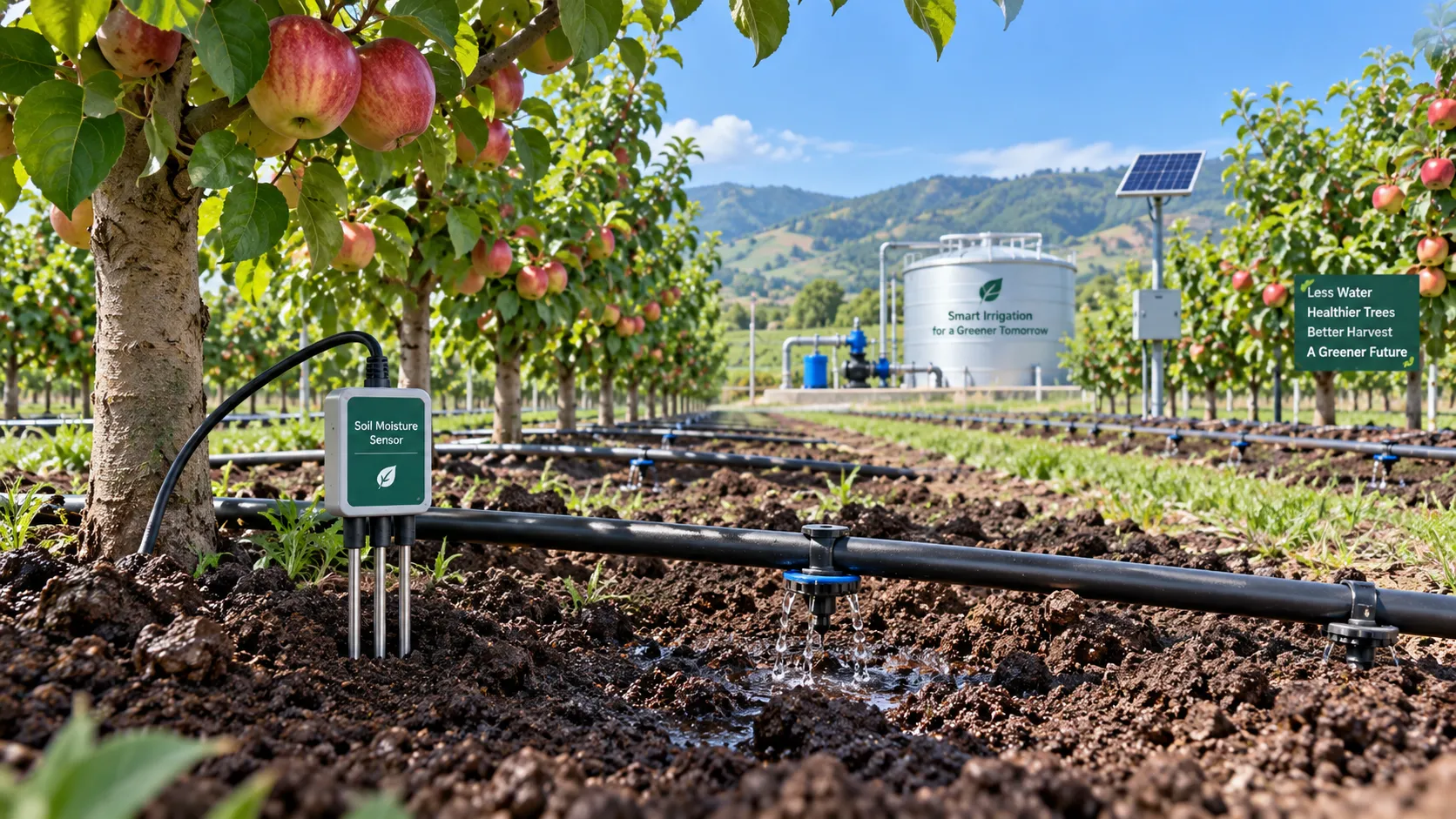
Orchard Water Management: Using Soil Moisture Data to Schedule Irrigation
Agricultural water management for orchards made practical: use soil moisture data to optimize irrigation timing, protect yield, reduce costs, and improve resilience.
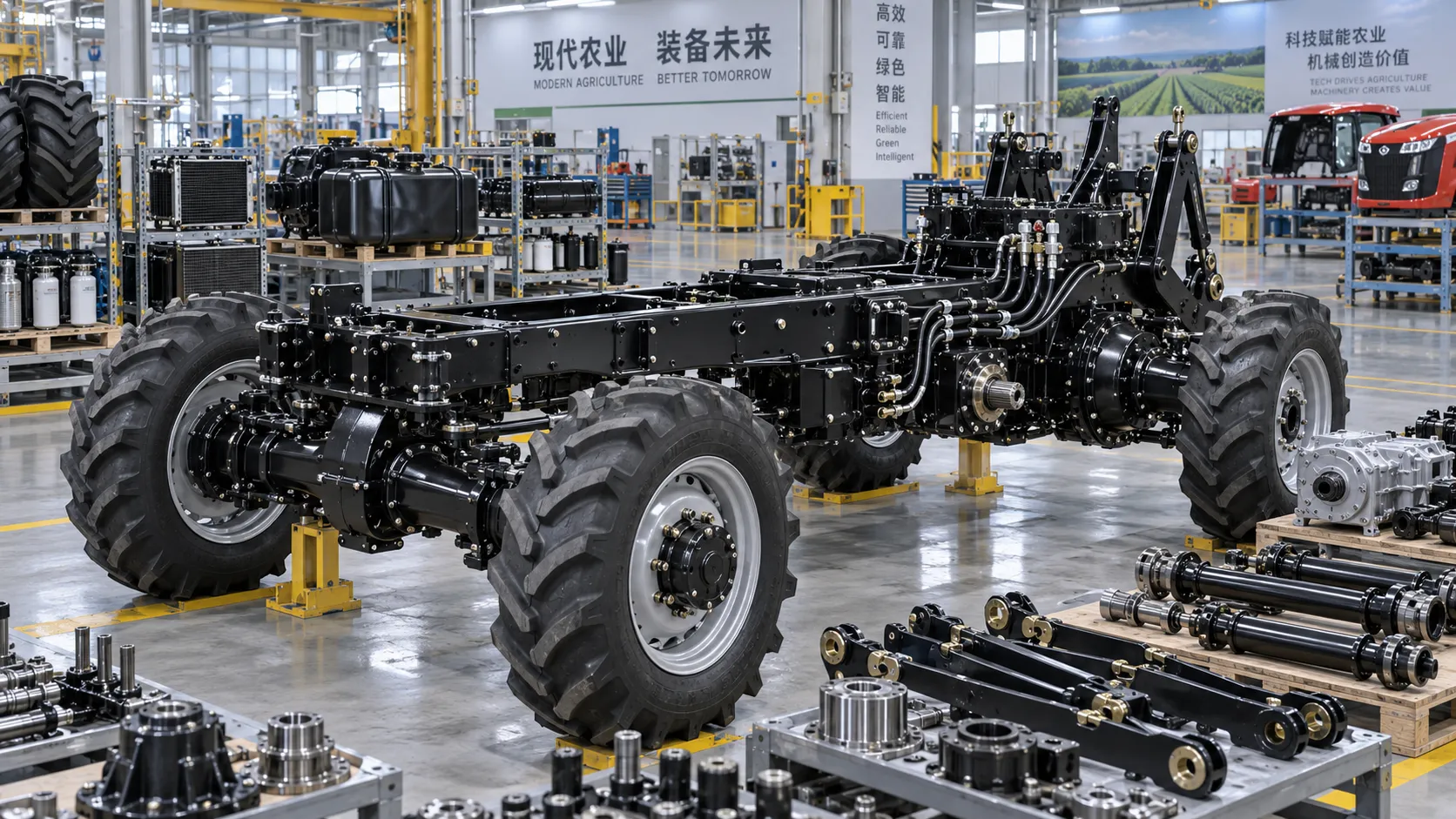
Tractor Chassis Price: What Buyers Should Compare Beyond the Initial Quote
Tractor chassis price is only the start. Compare load capacity, compatibility, durability, and lifecycle costs to choose a reliable, high-value chassis.
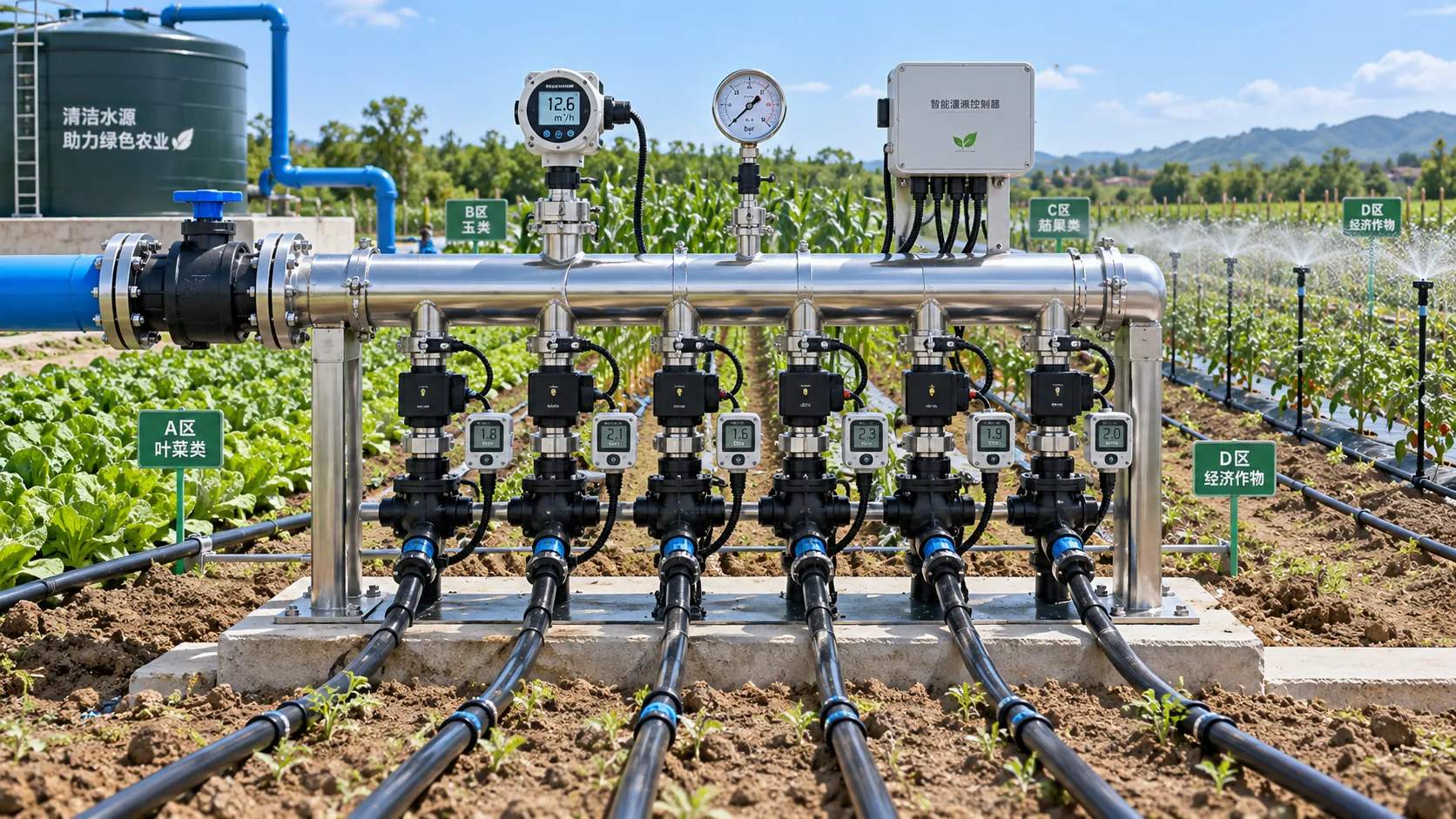
How to Select Smart Irrigation Valves for Multi-Zone Water Management?
Intelligent irrigation systems valves: learn how to match smart valves with multi-zone flow, pressure, control, feedback, and communication needs for reliable water management.
Climate-Smart Farming for Drought: A Practical Plan for Protecting Yields
Climate-smart farming for drought: build smarter water budgets, protect critical crop stages, improve irrigation uniformity, and safeguard yields with practical field-proven strategies.
How Digital Agriculture Platforms Turn Field Data Into Better Input Decisions
Digital agriculture platforms turn field data into smarter fertilizer, water, seed, and equipment decisions—helping farms cut risk, improve margins, and scale sustainability.
GPS-Guided Farm Machinery: Where It Delivers Measurable Field Efficiency Gains
Agri-mechanization GPS guided systems deliver measurable field efficiency gains through reduced overlap, precise planting, smarter inputs, and reliable farm data.
How Sensor Feedback Enables Accurate Variable-Rate Fertilization in Field Conditions
Precision fertilization systems with sensor feedback improve variable-rate accuracy by verifying flow, managing latency, and ensuring reliable field application.
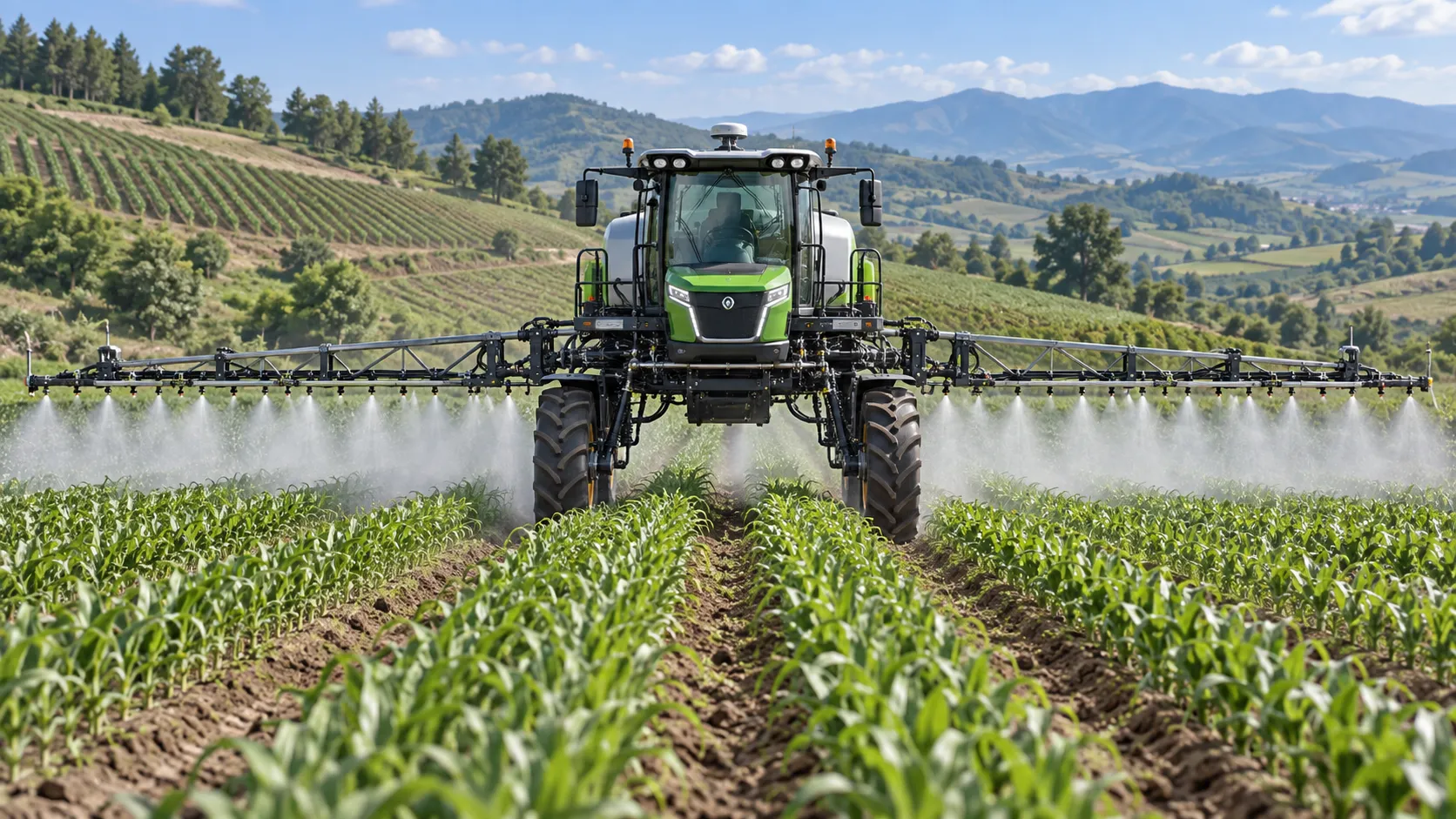
How to Select Precision Crop Protection Equipment for Variable Field Conditions
Precision crop protection equipment selection made simple: compare terrain, canopy, weather, control accuracy, and data workflows for reliable applications.
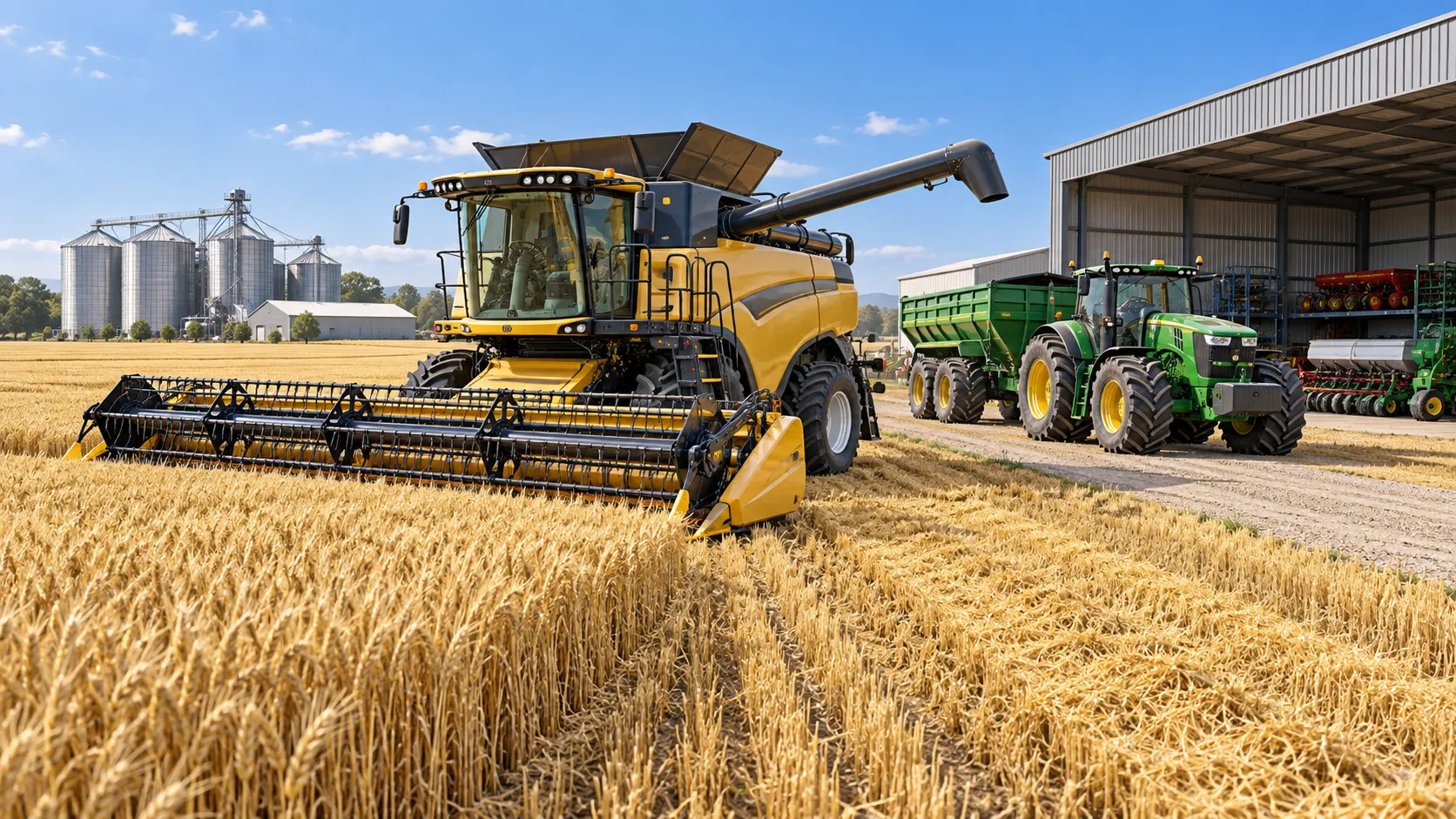
When Does Agricultural Machinery Leasing Cost Less Than Owning Equipment?
Agricultural machinery leasing can lower farm costs when use is seasonal or uncertain. Compare utilization, maintenance, cash flow, and risk to make a smarter equipment decision.
Related News
- 00
0000-00
GPS-Guided Farm Machinery: Where It Delivers Measurable Field Efficiency Gains - 00
0000-00
ISOBUS for Smart Agriculture: How It Connects Tractors, Implements, and Farm Data - 00
0000-00
How North American Farms Can Select Crop Monitoring Systems by Acreage and Connectivity - 00
0000-00
How Tractor Intelligence Systems Improve Field Efficiency and Input Accuracy - 00
0000-00
Which equipment for larger fields maintains accuracy at higher speeds?
Popular Tags
Tractor Power Architect
Weekly Insights
Stay ahead with our curated technology reports delivered every Monday.