
How Digital Farming Technology Improves Crop Monitoring Accuracy and Field Decisions





Digital farming technology for crop monitoring has moved well beyond yield dashboards and seasonal reporting. It now functions as a field intelligence layer, combining imagery, telemetry, soil signals, and irrigation data to improve monitoring accuracy and support faster operational decisions across large farming systems.
That shift matters because crop stress rarely appears as a single, obvious event. It builds through small changes in canopy temperature, moisture balance, machine performance, pest pressure, and timing. When those signals are captured early and interpreted correctly, field actions become more precise and less reactive.
In the Agriculture 4.0 environment, the value of digital farming technology for crop monitoring is tied to how well it connects agronomic insight with real machinery capability. That link is especially relevant for operations using high-capacity equipment, intelligent farm tools, and water-saving irrigation networks at scale.
What the technology actually includes
The term covers more than drones or satellite maps. In practice, it refers to a connected monitoring stack that turns field activity into measurable evidence.
A typical stack may include remote sensing, in-field sensors, GPS-guided equipment, variable-rate application systems, harvester loss monitoring, and irrigation controls linked to weather and evapotranspiration models.
The real advantage appears when these systems stop working in isolation. A vegetation index becomes more useful when it is checked against soil moisture probes, tractor path records, and machine load data from the same zone.
That is why digital farming technology for crop monitoring should be assessed as a decision system, not just a data collection tool. Accuracy depends on correlation, calibration, and timing, not on sensor count alone.
From signal capture to field action
Field monitoring usually follows a sequence. Data is collected, validated, interpreted, prioritized, and translated into action. Weakness at any stage reduces confidence in the final decision.
- Capture: imagery, sensors, and machine logs record field conditions.
- Validation: abnormal readings are checked against local conditions.
- Interpretation: algorithms identify likely stress patterns or anomalies.
- Prioritization: zones are ranked by urgency and economic impact.
- Execution: irrigation, spraying, scouting, or harvest plans are adjusted.
This workflow explains why monitoring accuracy is inseparable from operational context. A correct alert that arrives too late still produces a poor decision.
Why accuracy has become a strategic issue
Large fields create a visibility problem. Manual scouting cannot cover enough ground with consistent timing, especially when crop stages, soil types, and water conditions vary within the same operation.
At the same time, input costs, climate volatility, and tighter sustainability targets have raised the cost of poor judgment. A missed irrigation signal, delayed disease detection, or inaccurate harvest timing can now affect margins quickly.
This is where digital farming technology for crop monitoring gains strategic value. It reduces blind spots, narrows uncertainty, and helps operators move from broad assumptions to evidence-based interventions.
AP-Strategy’s coverage of large-scale agri-machinery, combine harvesting technology, tractor chassis systems, and intelligent irrigation reflects this broader reality. Monitoring quality is no longer separate from machine performance, resource use, or field logistics.
Accuracy is not only about image resolution
High-resolution imagery is useful, but it does not guarantee better decisions. Accuracy also depends on revisit frequency, cloud interference, sensor placement, geospatial alignment, and algorithm training against local crop conditions.
A lower-resolution signal, updated daily and cross-checked with field telemetry, may outperform a sharper image that arrives after the decision window has closed.
Where better monitoring changes field decisions
The most visible benefit is earlier recognition of stress patterns. However, the deeper value lies in how the technology changes the sequence and quality of decisions across the season.
Irrigation scheduling
Water management becomes more precise when canopy condition, soil moisture, and weather forecasts are evaluated together. This supports irrigation by zone, not by field average.
For operations using smart irrigation systems, digital farming technology for crop monitoring helps separate true moisture stress from temporary visual variation. That reduces overwatering and protects water-use efficiency.
Nutrient and input decisions
Monitoring platforms can reveal uneven biomass development, nutrient deficiency zones, or application gaps. When combined with machine guidance and variable-rate tools, those insights support more targeted prescriptions.
This matters in large operations where blanket application often hides field variability rather than solving it.
Harvest timing and machine setup
Crop monitoring also influences harvest strategy. Maturity variation, lodging risk, and moisture patterns can be mapped before machines enter the field.
For combine operations, that information improves routing, reduces idle movement, and supports better cleaning and throughput settings. In other words, monitoring quality can affect harvesting losses as much as scouting quality does.
What to evaluate before trusting the data
Not every platform that claims precision delivers dependable monitoring. Reliable evaluation starts with decision relevance rather than dashboard design.
- Check whether alerts map to real operational actions.
- Review how often data refreshes during critical crop stages.
- Ask how the system handles cloud cover, missing points, and noise.
- Confirm compatibility with tractor, harvester, and irrigation platforms.
- Examine whether field models are adaptable by crop and region.
- Look for evidence linking analytics to yield, loss, or water outcomes.
A useful platform should help compare what the field appears to show with what machines and water systems are actually doing. That is the difference between attractive visualization and actionable intelligence.
Integration is often the deciding factor
The strongest systems connect field sensing with operational assets. A tractor chassis running high-precision guidance, a combine reporting loss behavior, and an irrigation network tracking delivery rates should inform the same decision environment.
This integrated view aligns with the intelligence model emphasized by AP-Strategy. It treats field decisions as a combination of mechanical capability, environmental response, and algorithmic interpretation.
How to use the insight in a practical way
A disciplined rollout usually works better than broad deployment. Start with one decision category where uncertainty is costly and timing matters.
That may be irrigation timing, nutrient correction, disease scouting, or harvest sequencing. Build a baseline, compare digital signals with field verification, and measure whether the new process changes outcomes.
From there, expand only after data quality, workflow fit, and machine compatibility are clear. Digital farming technology for crop monitoring creates value when it fits existing operations instead of adding another disconnected reporting layer.
The next step is usually not buying more sensors. It is defining which field decisions need stronger evidence, which systems already hold relevant data, and where integration gaps are undermining monitoring accuracy.
Viewed this way, digital farming technology for crop monitoring becomes a practical framework for judging field conditions, improving timing, and aligning equipment, agronomy, and water management around the same operational truth.
Related News
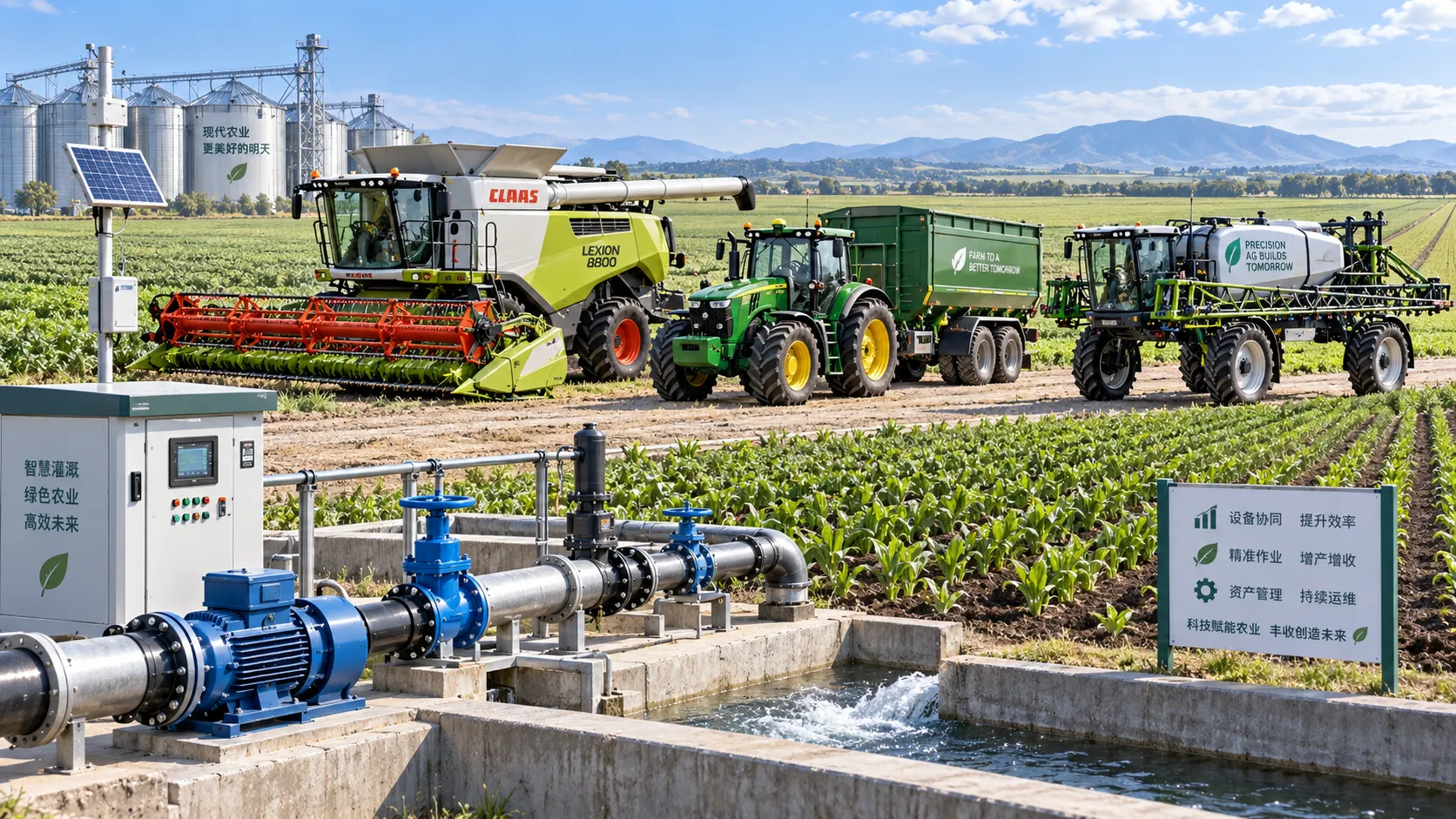
How to Compare Agricultural Equipment Platforms for Fleet Management and ROI
Agricultural equipment platform comparison: evaluate fleet data, maintenance, precision workflows, and ROI to choose a system that delivers measurable results.
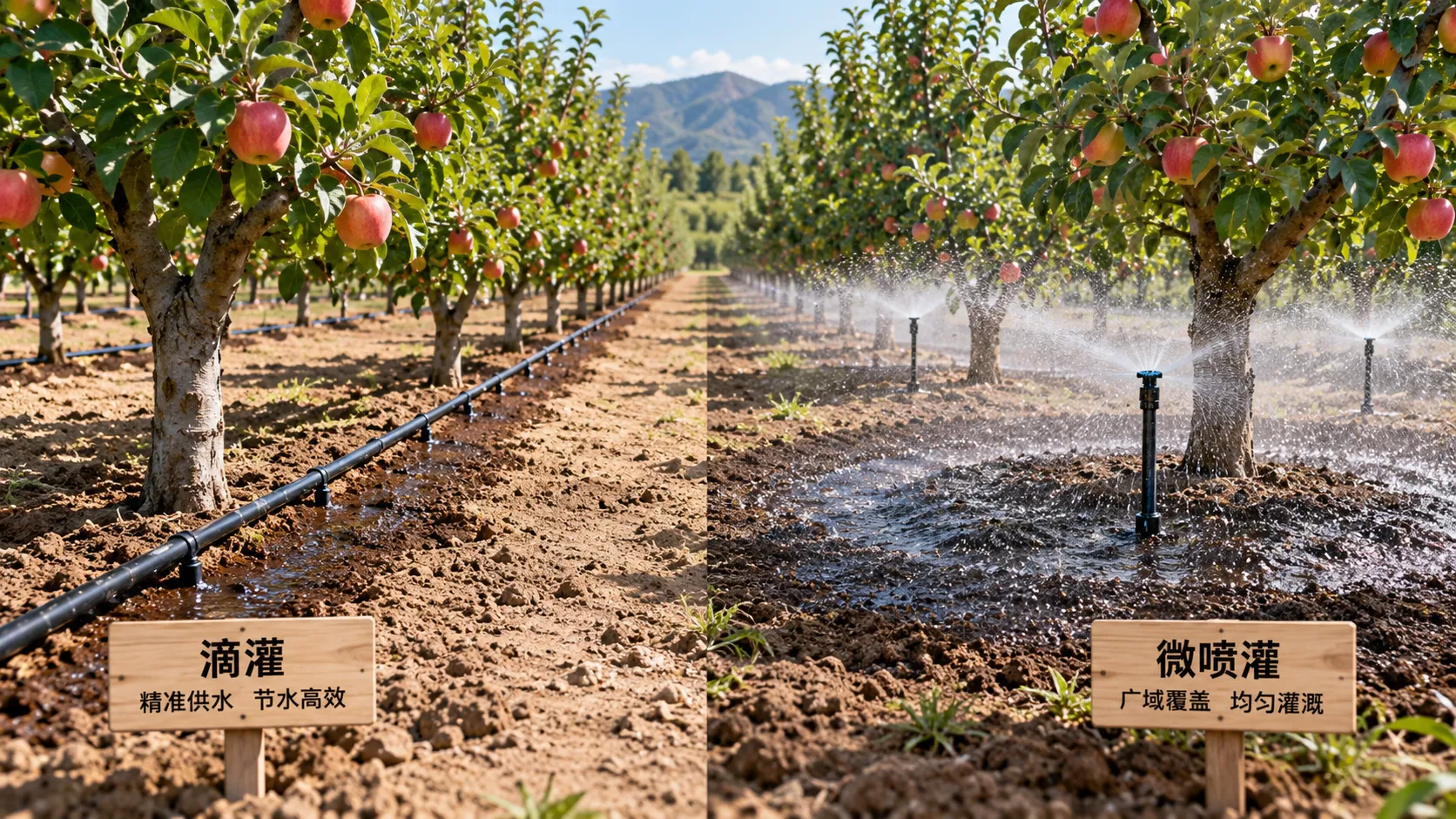
Drip vs. Micro-Sprinkler Irrigation: Which System Fits Your Orchard?
Irrigation solution comparison for orchards: discover whether drip or micro-sprinklers best match your water, soil, roots, fertigation, and frost needs.
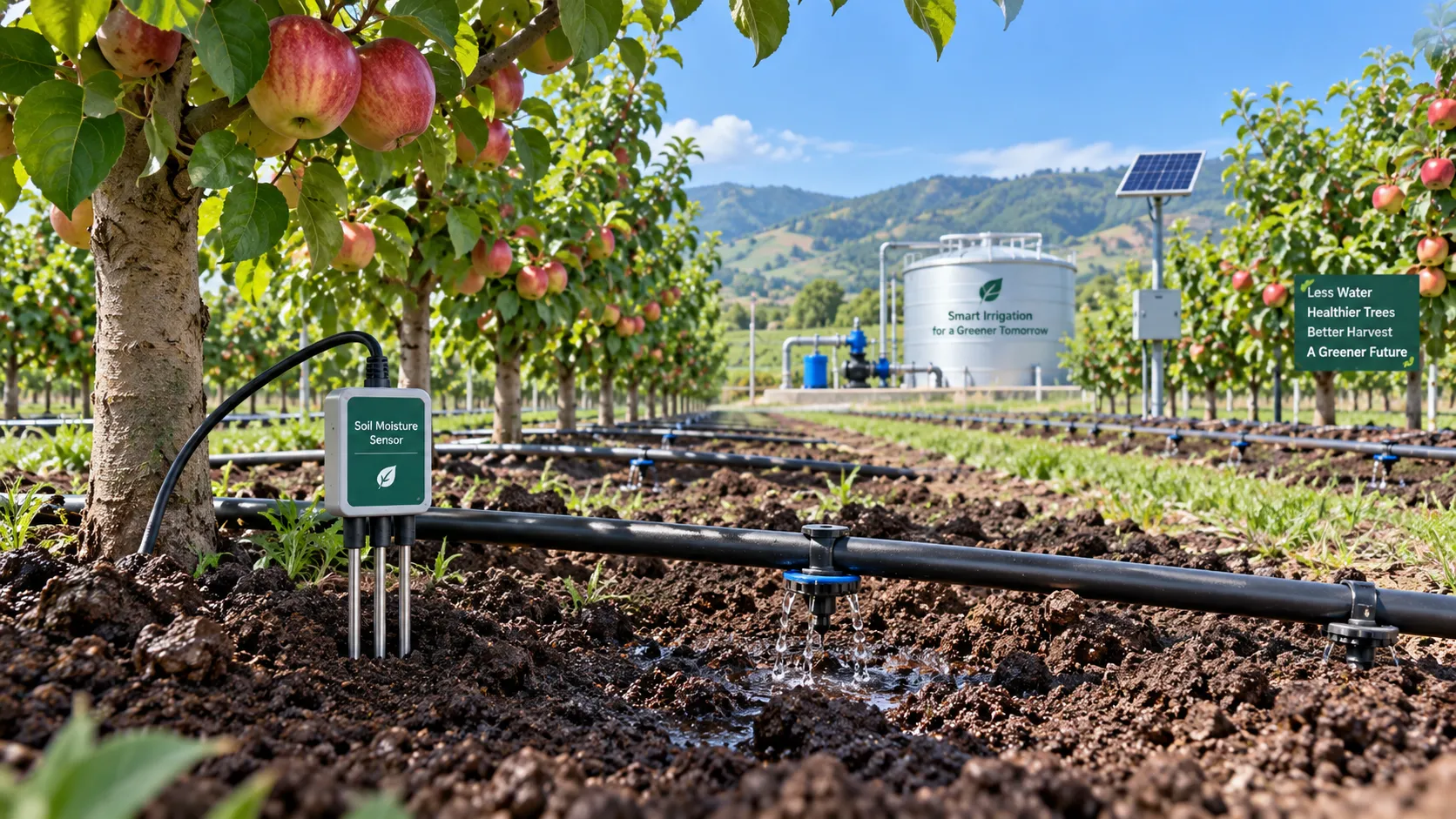
Orchard Water Management: Using Soil Moisture Data to Schedule Irrigation
Agricultural water management for orchards made practical: use soil moisture data to optimize irrigation timing, protect yield, reduce costs, and improve resilience.
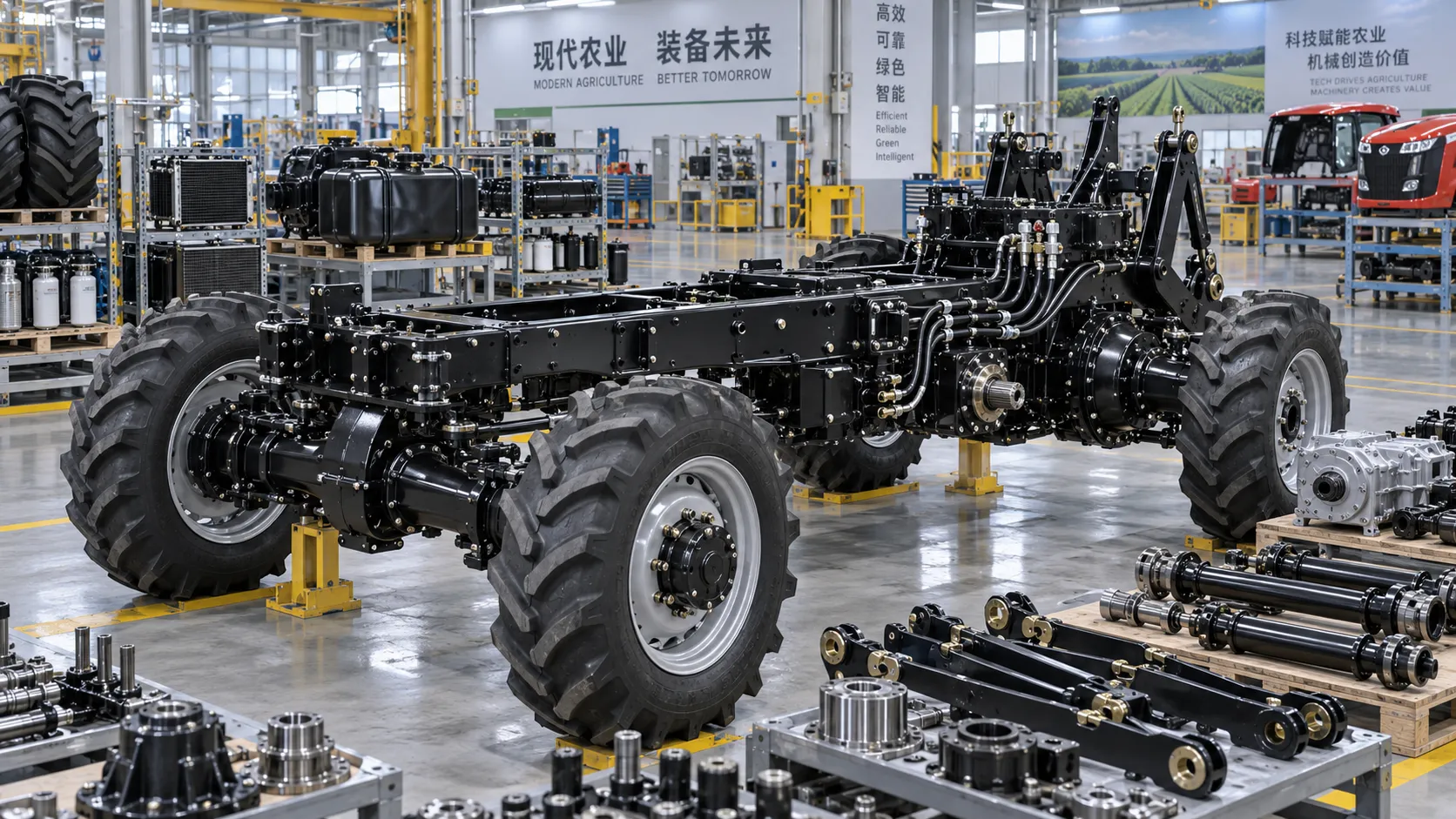
Tractor Chassis Price: What Buyers Should Compare Beyond the Initial Quote
Tractor chassis price is only the start. Compare load capacity, compatibility, durability, and lifecycle costs to choose a reliable, high-value chassis.
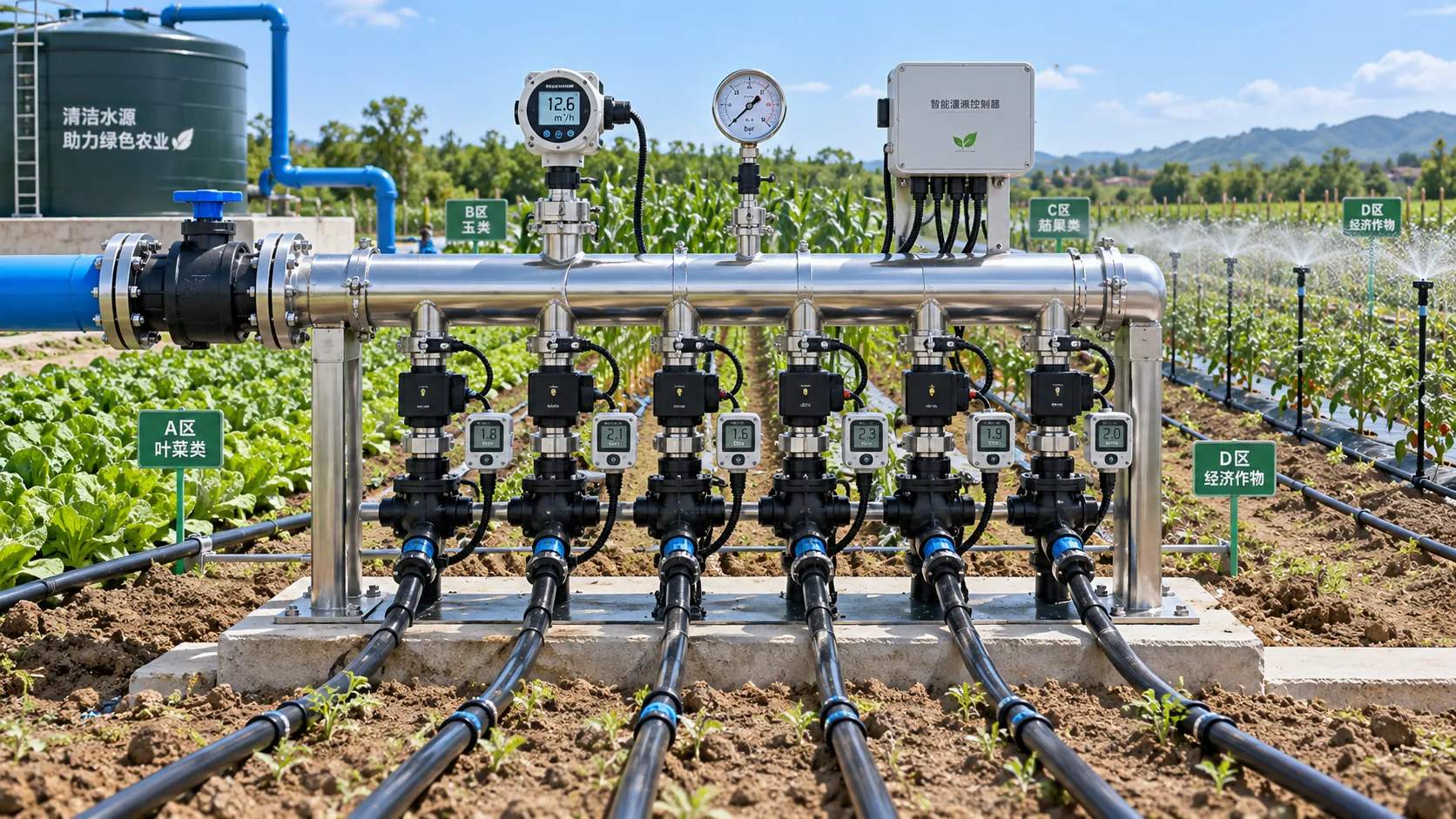
How to Select Smart Irrigation Valves for Multi-Zone Water Management?
Intelligent irrigation systems valves: learn how to match smart valves with multi-zone flow, pressure, control, feedback, and communication needs for reliable water management.
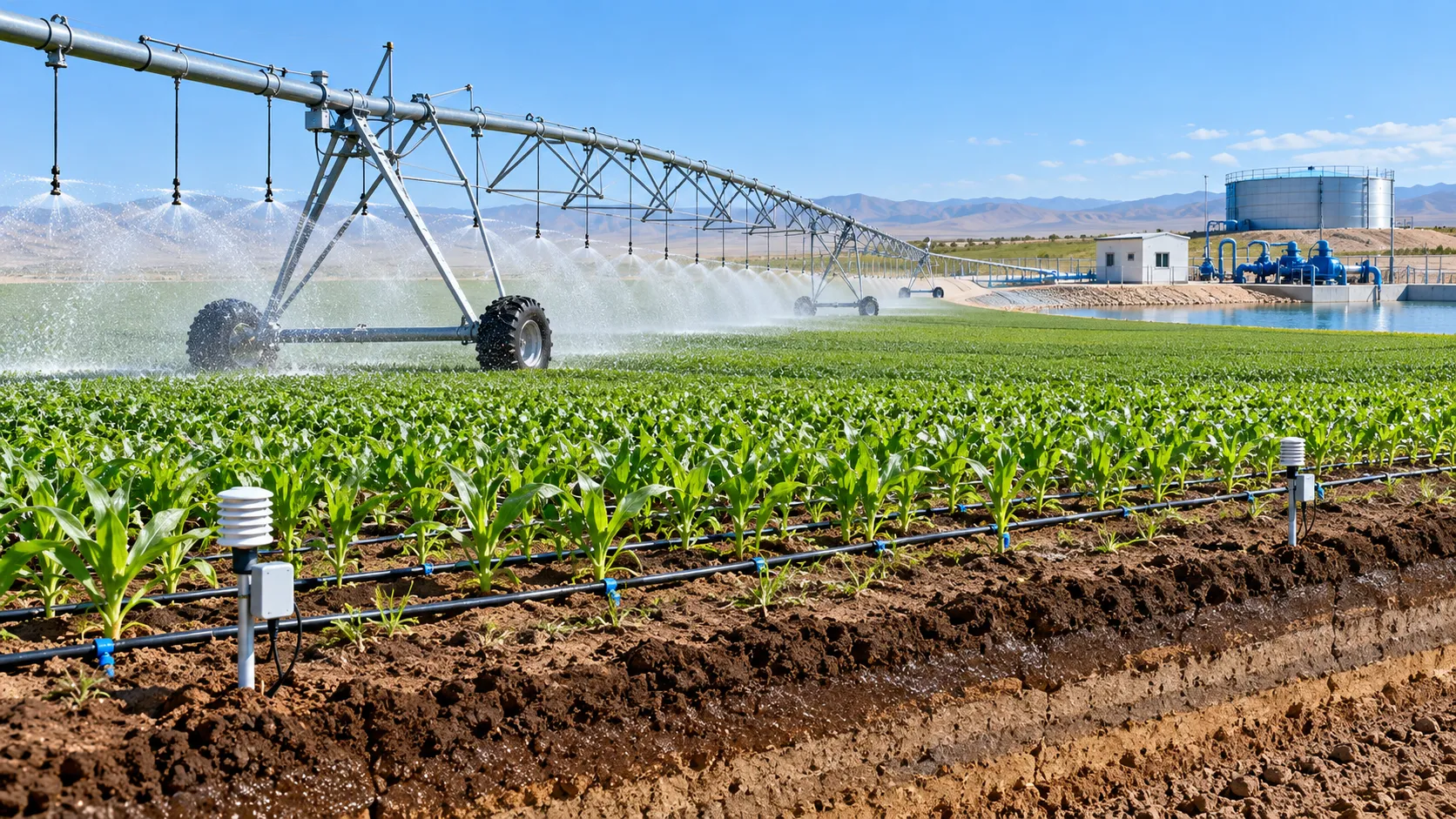
Climate-Smart Farming for Drought: A Practical Plan for Protecting Yields
Climate-smart farming for drought: build smarter water budgets, protect critical crop stages, improve irrigation uniformity, and safeguard yields with practical field-proven strategies.
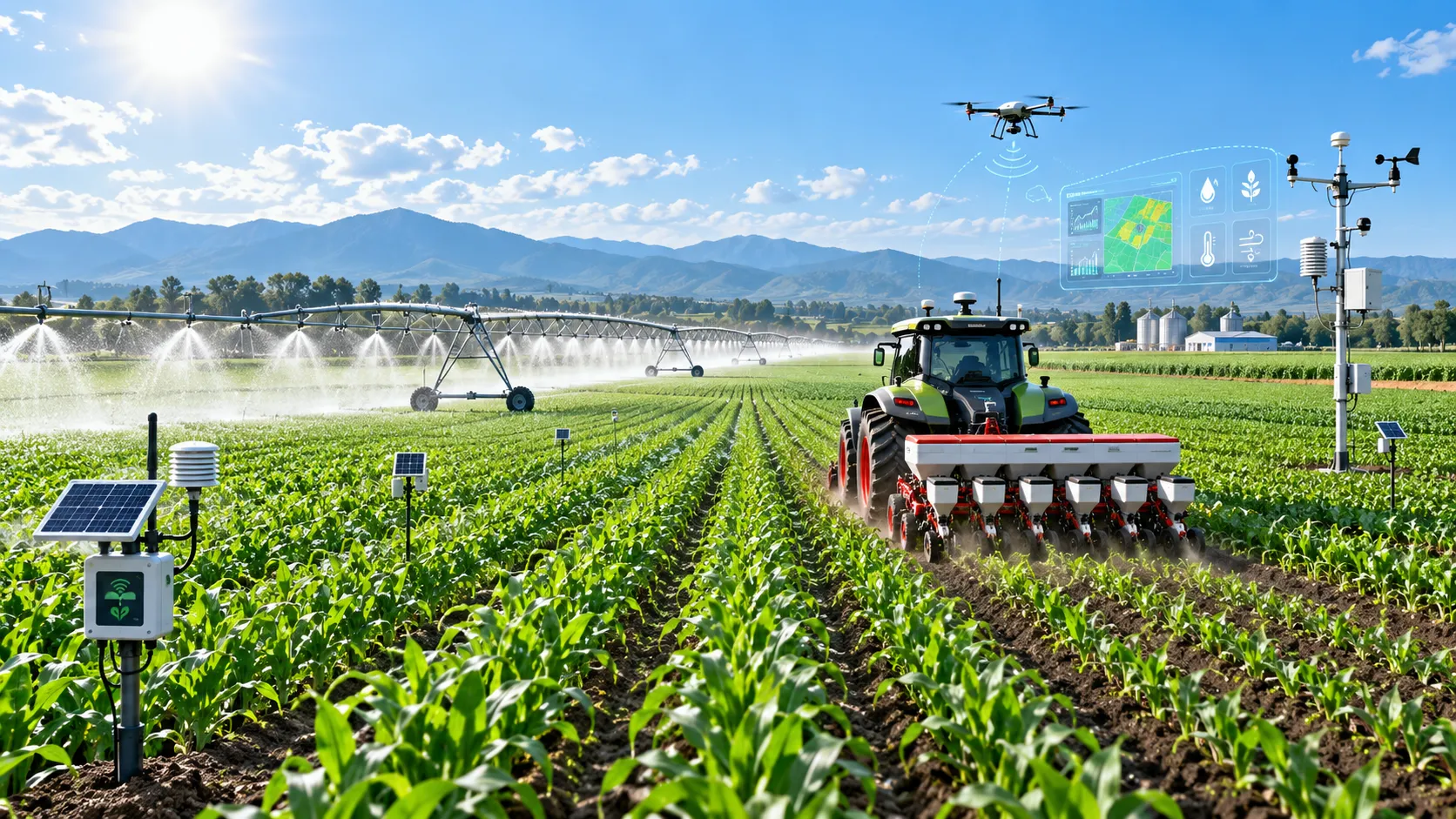
How Digital Agriculture Platforms Turn Field Data Into Better Input Decisions
Digital agriculture platforms turn field data into smarter fertilizer, water, seed, and equipment decisions—helping farms cut risk, improve margins, and scale sustainability.
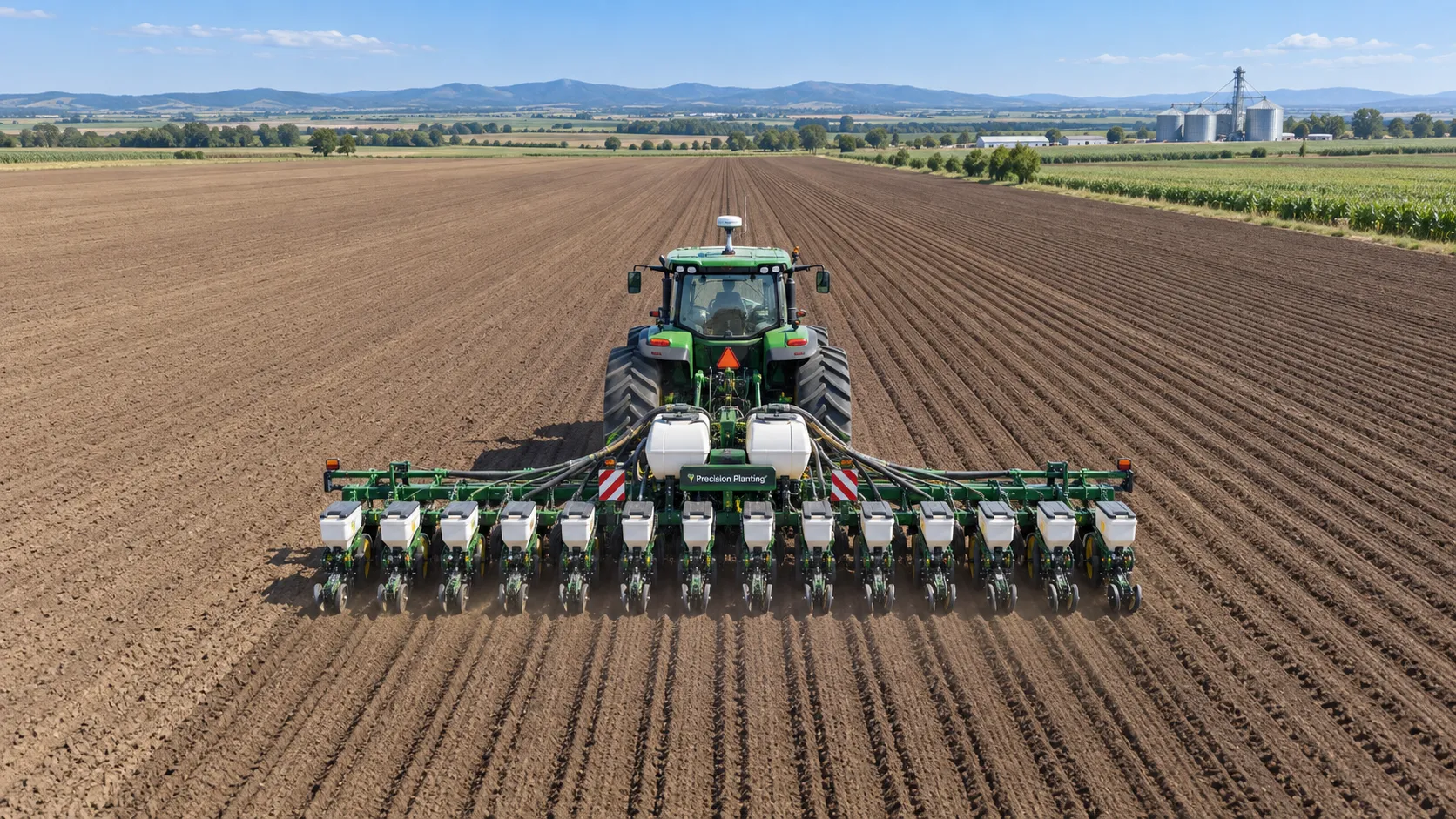
GPS-Guided Farm Machinery: Where It Delivers Measurable Field Efficiency Gains
Agri-mechanization GPS guided systems deliver measurable field efficiency gains through reduced overlap, precise planting, smarter inputs, and reliable farm data.
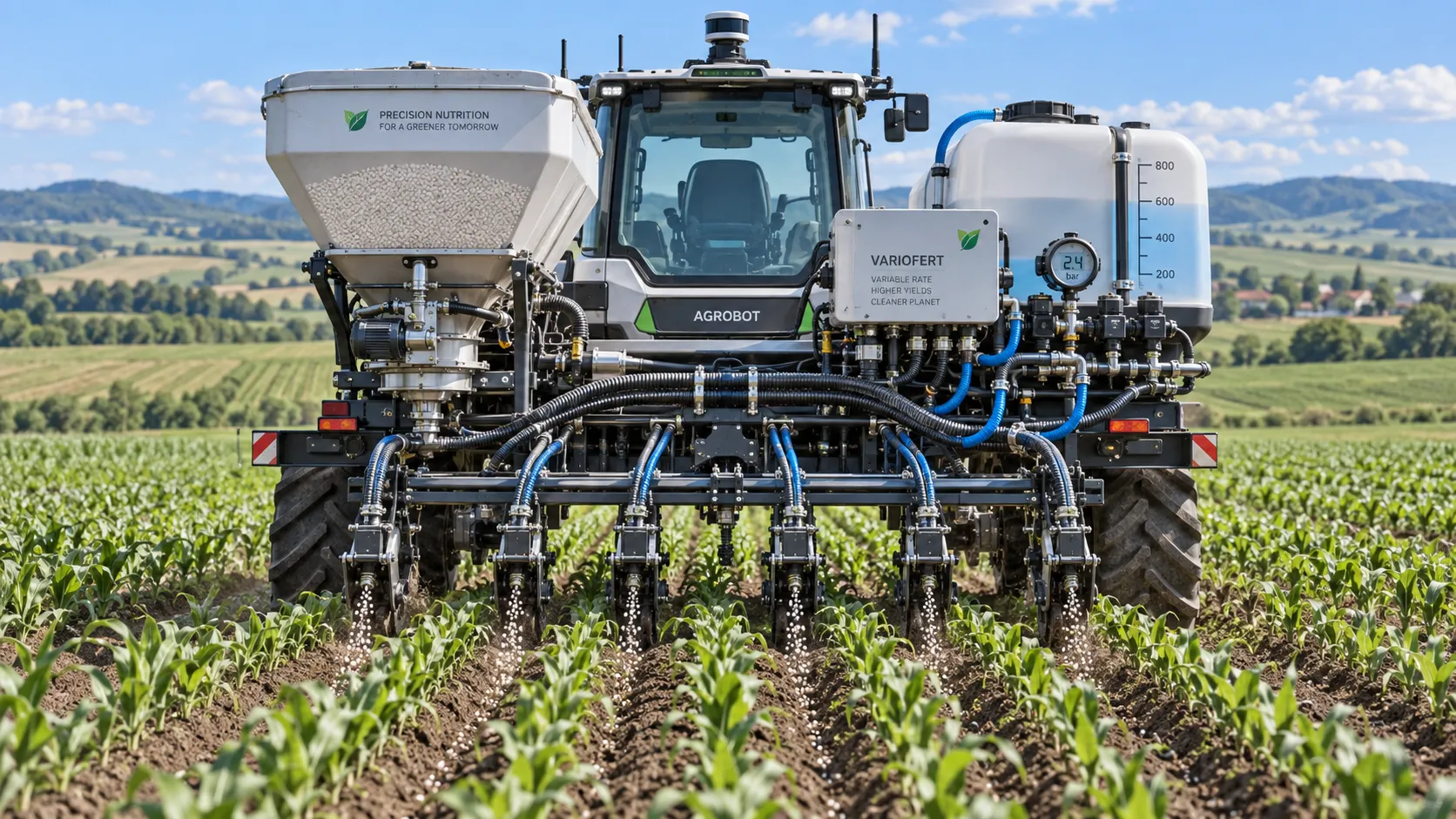
How Sensor Feedback Enables Accurate Variable-Rate Fertilization in Field Conditions
Precision fertilization systems with sensor feedback improve variable-rate accuracy by verifying flow, managing latency, and ensuring reliable field application.
Related News
- 00
0000-00
How Sensor Feedback Enables Accurate Variable-Rate Fertilization in Field Conditions - 00
0000-00
How to Select Precision Crop Protection Equipment for Variable Field Conditions - 00
0000-00
How to Evaluate Precision Fertilization System Suppliers for Farm-Scale Deployment - 00
0000-00
How to Select a Precision Fertilization System for Variable Corn Field Conditions - 00
0000-00
When does equipment for sustainable farming justify a higher capital spend?
Popular Tags
Tractor Power Architect
Weekly Insights
Stay ahead with our curated technology reports delivered every Monday.