
Grain Tank Automation OEM: What to Check in Integration, Control Logic, and Support





Grain Tank Automation OEM: What to Check in Integration, Control Logic, and Support
Selecting a grain tank automation OEM requires more than comparing hardware specs.
For procurement decisions, integration fit, control logic, and support quality usually define long-term value.
That matters even more in modern combines, where unloading speed, crop flow stability, and operator workload are tightly connected.
A capable grain tank automation OEM should reduce friction across engineering, production, service, and field operation.
If the supplier only looks strong on components, risk often appears later during commissioning or harvest season.
The practical question is simple: can this partner integrate cleanly, control reliably, and support the platform for years?
Why Grain Tank Automation OEM Selection Has Become More Complex
Recent harvesting platforms carry more sensors, more software layers, and tighter machine-to-machine coordination.
That means a grain tank automation OEM is no longer supplying a stand-alone mechanism.
It is contributing to a larger control ecosystem involving the combine, unloading auger, operator interface, and telematics stack.
In real projects, hidden costs usually come from interface conflicts, unstable signal interpretation, and slow fault resolution.
This is why business evaluation should move past brochure claims.
A strong grain tank automation OEM must prove fit at system level, not just at component level.
Integration Checks That Prevent Expensive Delays
Integration is often the first real stress test for any grain tank automation OEM.
If interfaces are unclear, the project timeline slips fast.
Electrical and Communication Compatibility
Check supported voltage ranges, connector standards, harness routing constraints, and environmental sealing levels.
Then verify CAN bus, ISOBUS, or other communication protocols already used on the combine platform.
A grain tank automation OEM should provide message maps, signal timing details, and error-handling documentation early.
Mechanical and Hydraulic Fit
Mounting points, actuator stroke, tank geometry, and auger interface dimensions need confirmation before prototype release.
Hydraulic response also matters, especially where unloading actions depend on precise sequencing and feedback.
When a grain tank automation OEM cannot show tolerance management, integration risk increases immediately.
HMI and Data Layer Alignment
Operators should not learn a separate logic model for one subsystem.
Review how alerts, status indicators, overrides, and calibration screens appear in the main interface.
Also ask whether the grain tank automation OEM supports data export for diagnostics, service logs, and fleet analysis.
Useful Integration Questions
- Has the grain tank automation OEM integrated with similar combine architectures before?
- Are software interfaces frozen early enough for validation planning?
- What diagnostics remain available when one sensor fails?
- Can the system operate in degraded mode during harvest?
- Who owns interface testing, and who signs off each milestone?
Control Logic: The Core of Field Reliability
Hardware can look solid while control logic remains fragile.
For that reason, control strategy should be central in any grain tank automation OEM evaluation.
Sensor Fusion and Threshold Design
Ask how the system interprets fill level, crop density, machine slope, and unloading conditions.
Good suppliers avoid simple fixed thresholds where crop behavior changes significantly by field and moisture level.
A mature grain tank automation OEM should explain filtering, hysteresis, and noise rejection in plain engineering terms.
Exception Handling and Failsafe Logic
Harvest conditions are rarely ideal for long.
Blockage, signal loss, vibration spikes, and operator interruptions happen constantly.
A grain tank automation OEM should show what the controller does during every abnormal state.
The key is graceful behavior, not perfect conditions.
Calibration and Update Discipline
Control logic is only useful if calibration stays manageable in production and service.
Review the setup process, parameter boundaries, software version control, and rollback capability.
Any grain tank automation OEM that cannot document change management introduces avoidable operational risk.
How to Evaluate Technical Support Beyond Sales Promises
Support quality becomes visible when the machine is already in the field.
That is exactly when weak supplier claims start to show.
Response Model and Escalation Path
Ask for response times by issue severity, not vague service language.
A dependable grain tank automation OEM should define who handles field calls, software issues, and root-cause investigation.
Regional coverage also matters if harvest windows are short and downtime costs are high.
Training and Service Enablement
The supplier should train engineering teams, factory technicians, dealers, and field service partners separately.
Each group needs different tools and troubleshooting depth.
A capable grain tank automation OEM usually provides service manuals, diagnostic trees, spare parts logic, and update procedures.
Lifecycle Commitment
Support should extend well beyond launch.
Check component obsolescence planning, spare stock policy, software maintenance windows, and retrofit strategy.
This is often where the best grain tank automation OEM separates from lower-cost competitors.
A Practical Decision Matrix for OEM Comparison
To keep evaluation disciplined, score each grain tank automation OEM on operationally meaningful criteria.
Red Flags That Deserve Extra Caution
Some warning signs appear early if the evaluation process is structured properly.
- The grain tank automation OEM cannot provide interface documentation before commercial discussion advances.
- Control behavior is described in marketing language rather than engineering detail.
- Validation data covers only ideal crops or limited environmental conditions.
- Support commitments depend heavily on one expert rather than a formal service structure.
- Software ownership, update rights, or diagnostic access remain unclear.
What Strong OEM Evaluation Looks Like in Practice
The best selection process compares total operating confidence, not just quoted price.
A qualified grain tank automation OEM should help the combine platform become easier to integrate, easier to validate, and easier to support.
That usually shows up in disciplined documentation, stable control logic, and fast issue ownership.
From a procurement standpoint, those traits reduce lifecycle cost more than small upfront savings.
In other words, the right grain tank automation OEM becomes a platform partner, not just a parts source.
Before final selection, request integration evidence, logic documentation, field validation records, and named support responsibilities.
That checklist creates a clearer decision path and leads to a more reliable grain tank automation OEM choice.
Related News
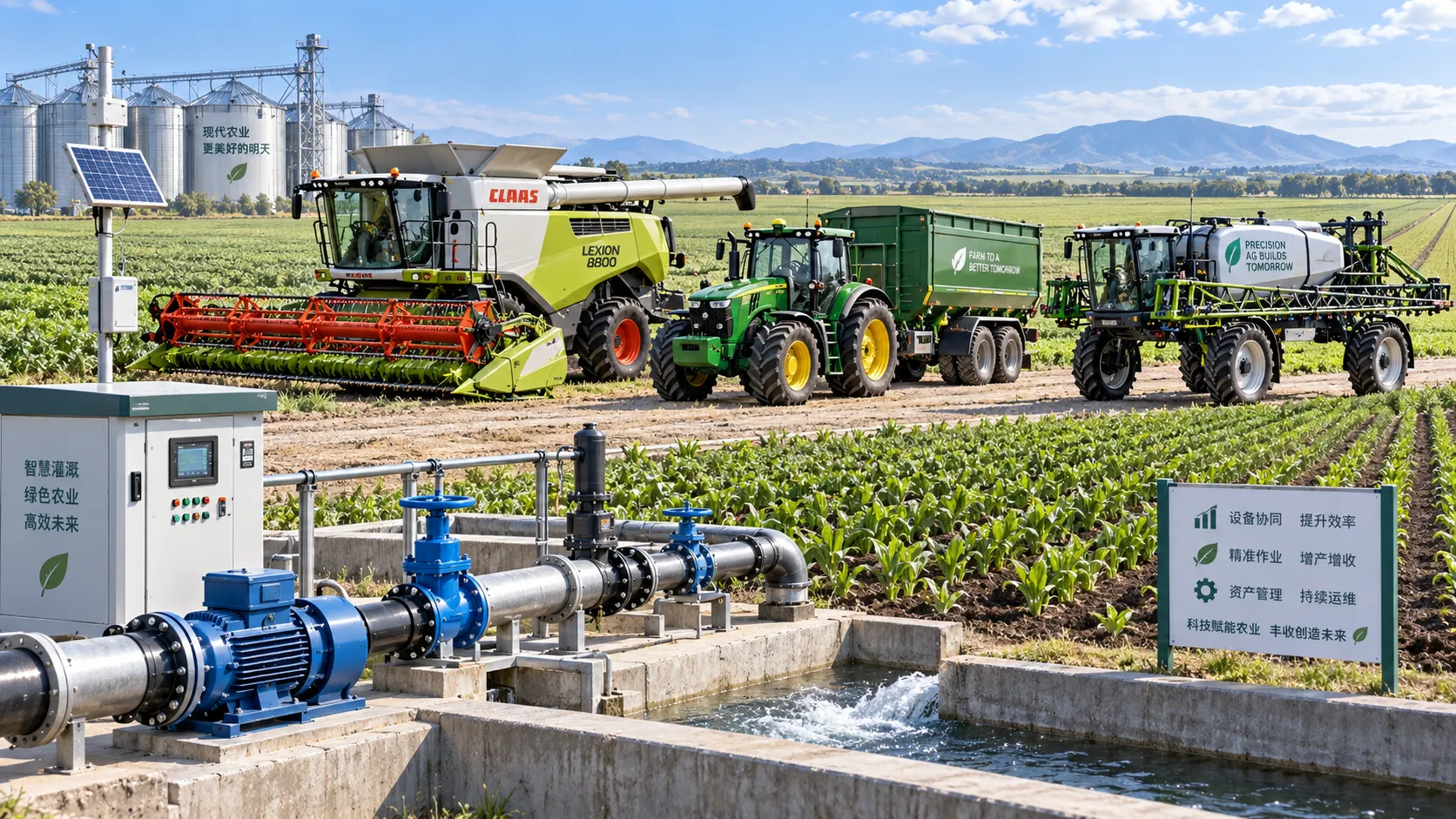
How to Compare Agricultural Equipment Platforms for Fleet Management and ROI
Agricultural equipment platform comparison: evaluate fleet data, maintenance, precision workflows, and ROI to choose a system that delivers measurable results.
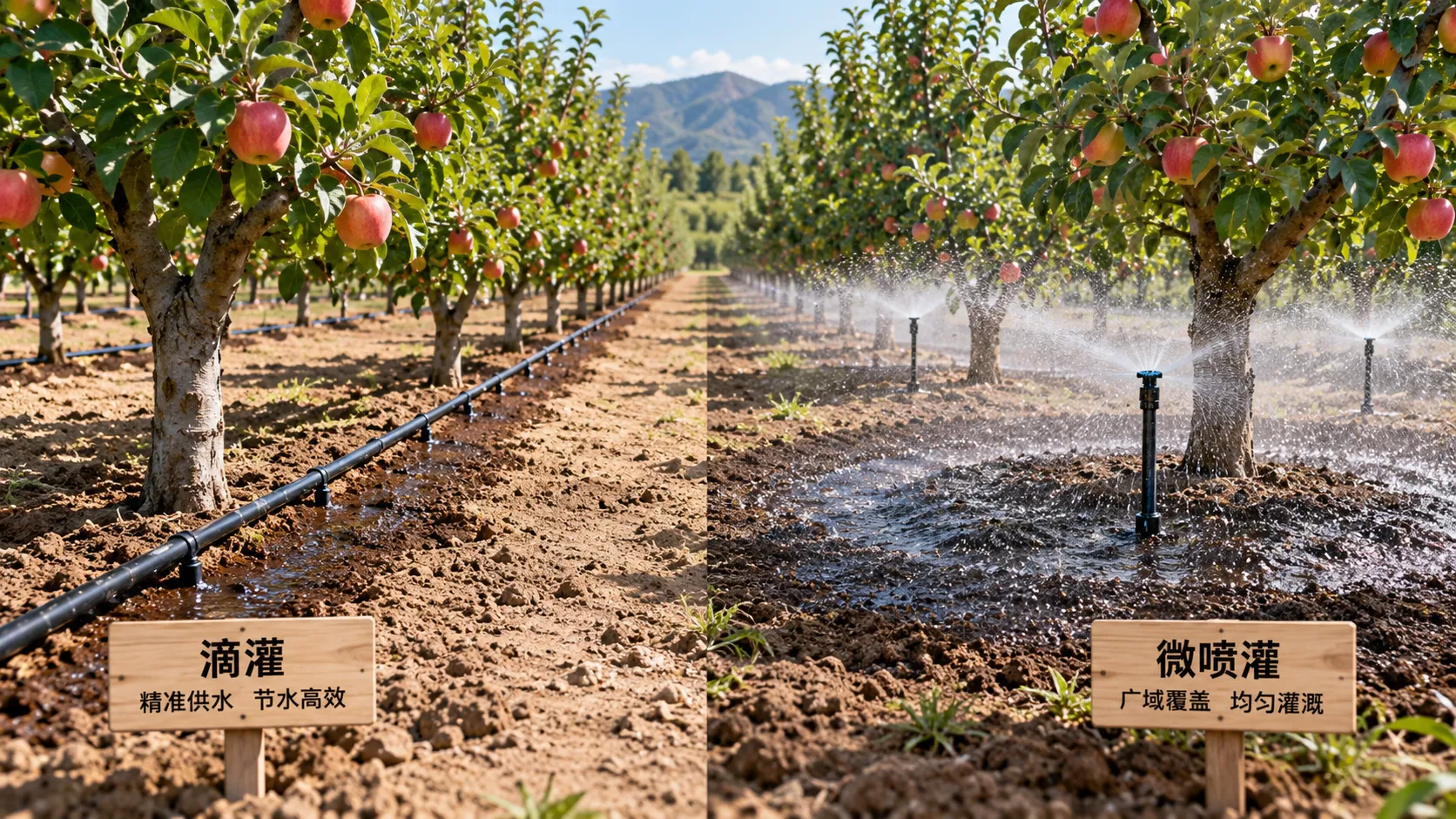
Drip vs. Micro-Sprinkler Irrigation: Which System Fits Your Orchard?
Irrigation solution comparison for orchards: discover whether drip or micro-sprinklers best match your water, soil, roots, fertigation, and frost needs.
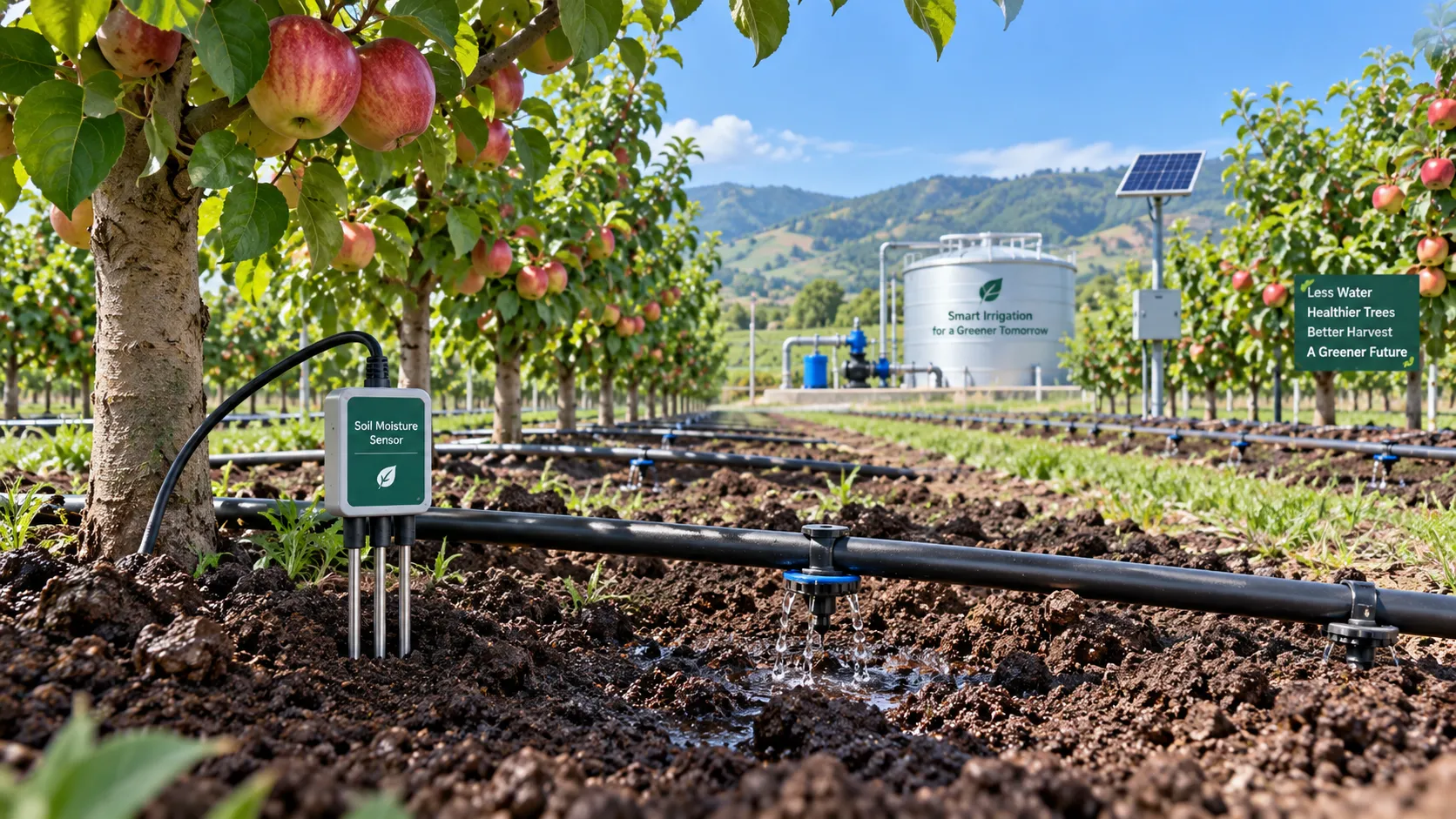
Orchard Water Management: Using Soil Moisture Data to Schedule Irrigation
Agricultural water management for orchards made practical: use soil moisture data to optimize irrigation timing, protect yield, reduce costs, and improve resilience.
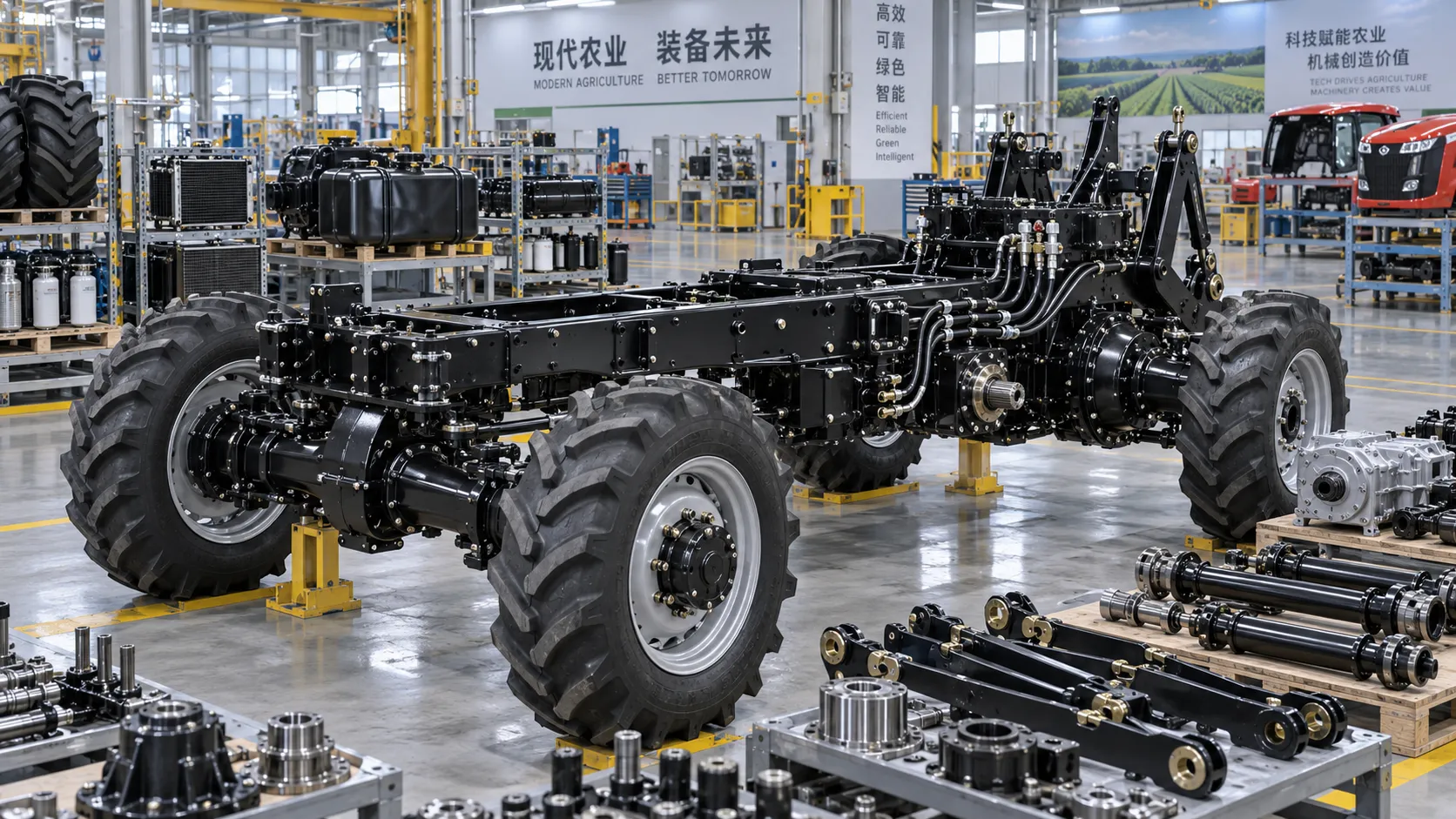
Tractor Chassis Price: What Buyers Should Compare Beyond the Initial Quote
Tractor chassis price is only the start. Compare load capacity, compatibility, durability, and lifecycle costs to choose a reliable, high-value chassis.
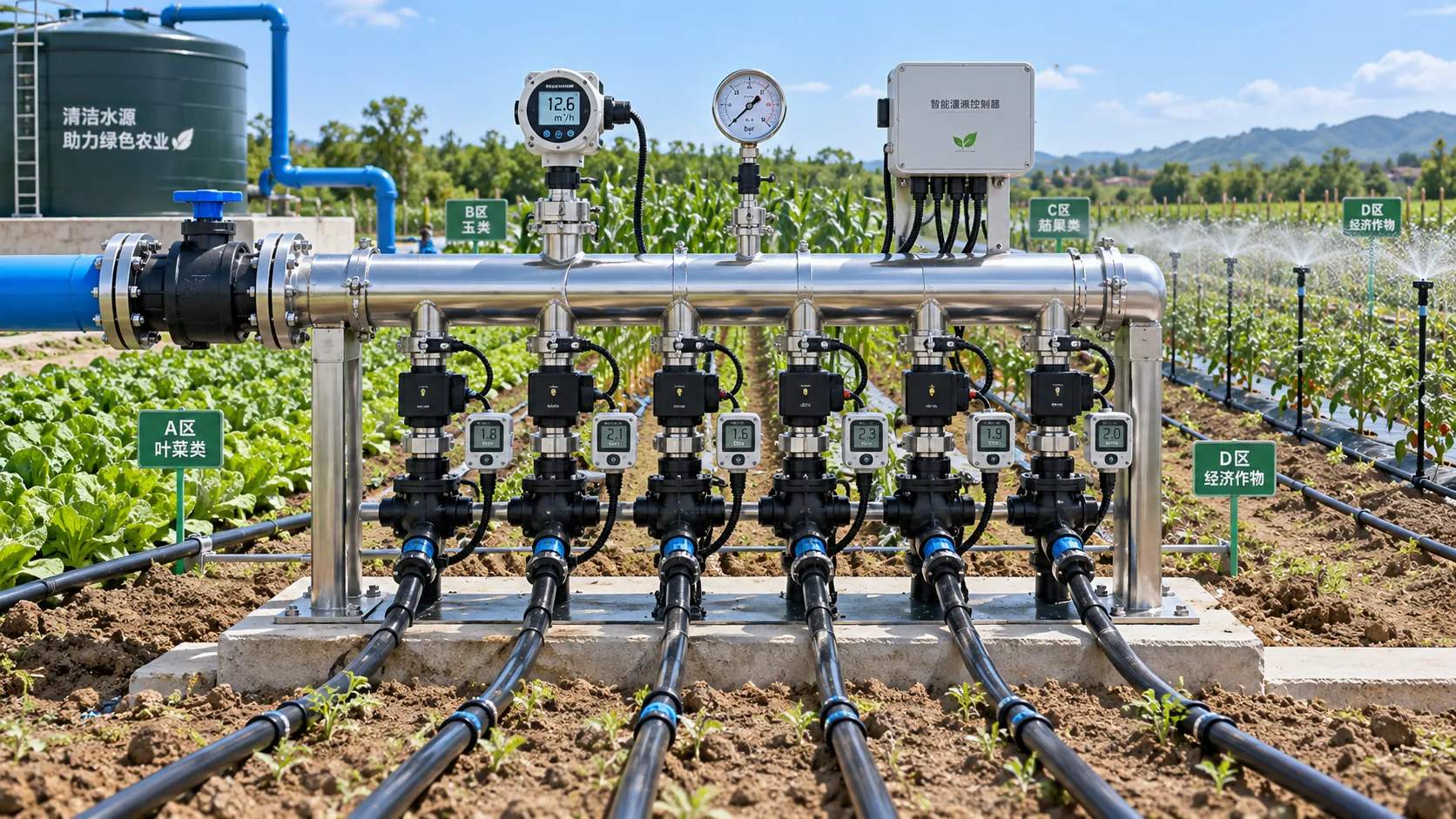
How to Select Smart Irrigation Valves for Multi-Zone Water Management?
Intelligent irrigation systems valves: learn how to match smart valves with multi-zone flow, pressure, control, feedback, and communication needs for reliable water management.
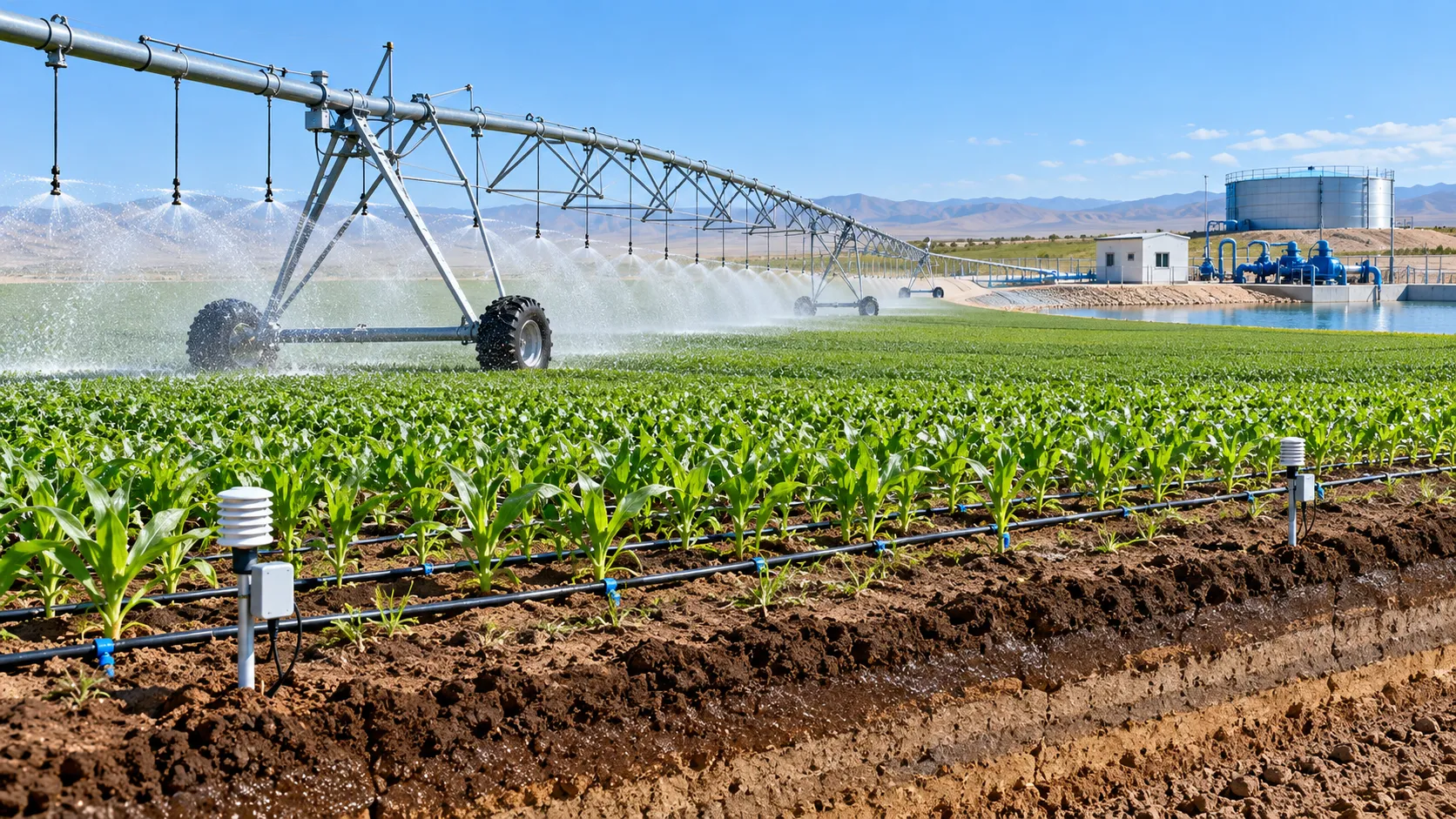
Climate-Smart Farming for Drought: A Practical Plan for Protecting Yields
Climate-smart farming for drought: build smarter water budgets, protect critical crop stages, improve irrigation uniformity, and safeguard yields with practical field-proven strategies.
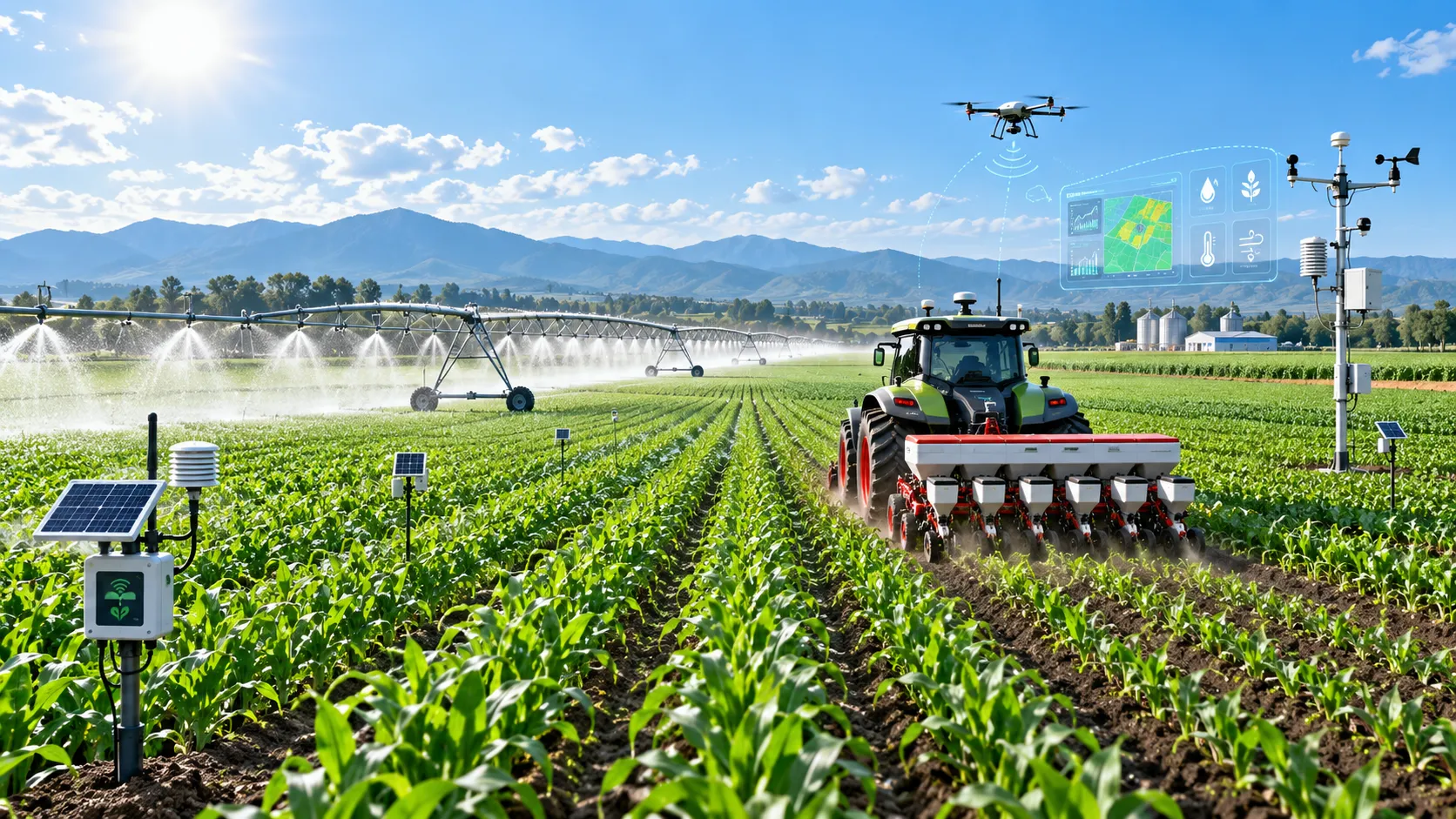
How Digital Agriculture Platforms Turn Field Data Into Better Input Decisions
Digital agriculture platforms turn field data into smarter fertilizer, water, seed, and equipment decisions—helping farms cut risk, improve margins, and scale sustainability.
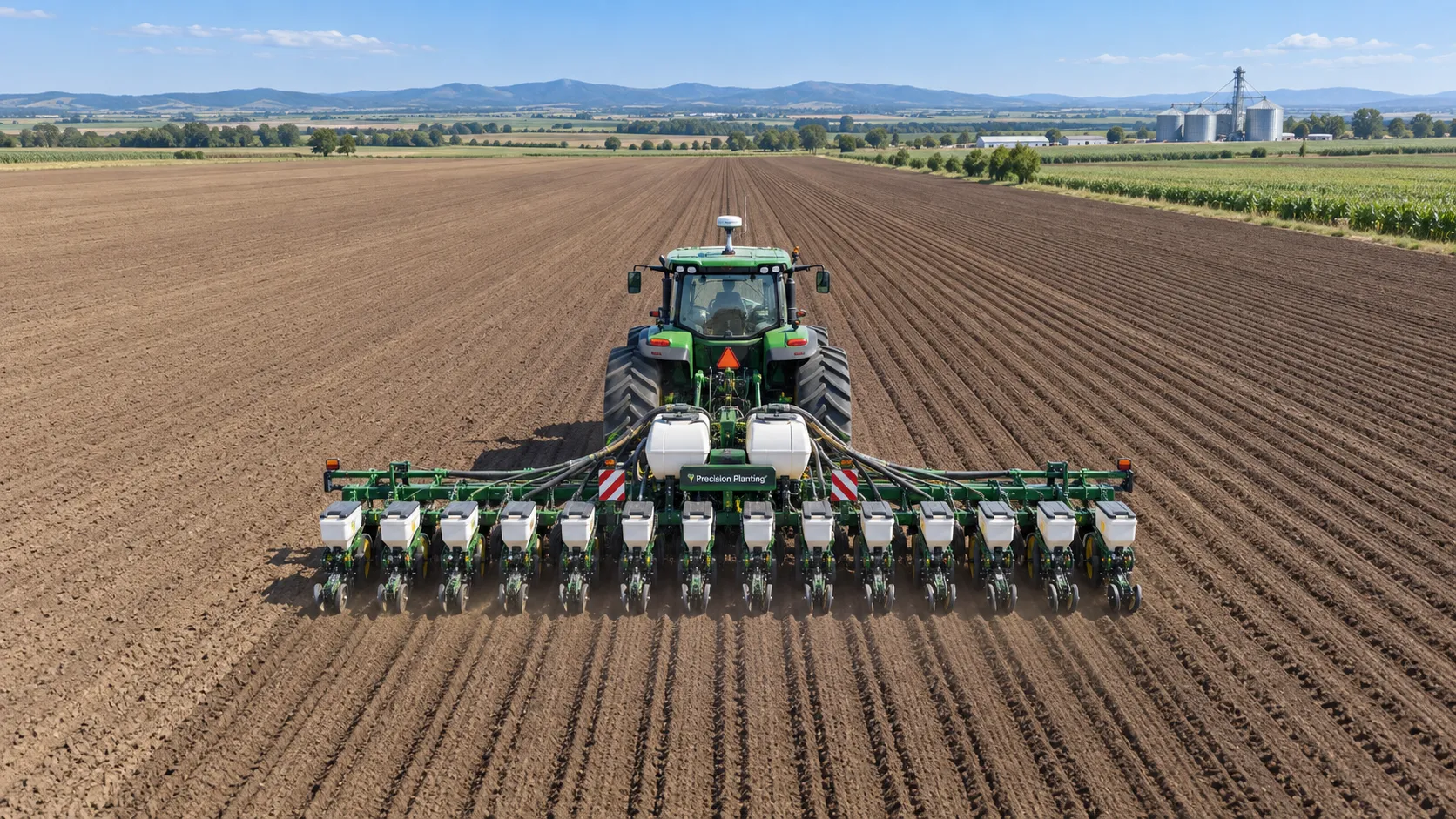
GPS-Guided Farm Machinery: Where It Delivers Measurable Field Efficiency Gains
Agri-mechanization GPS guided systems deliver measurable field efficiency gains through reduced overlap, precise planting, smarter inputs, and reliable farm data.
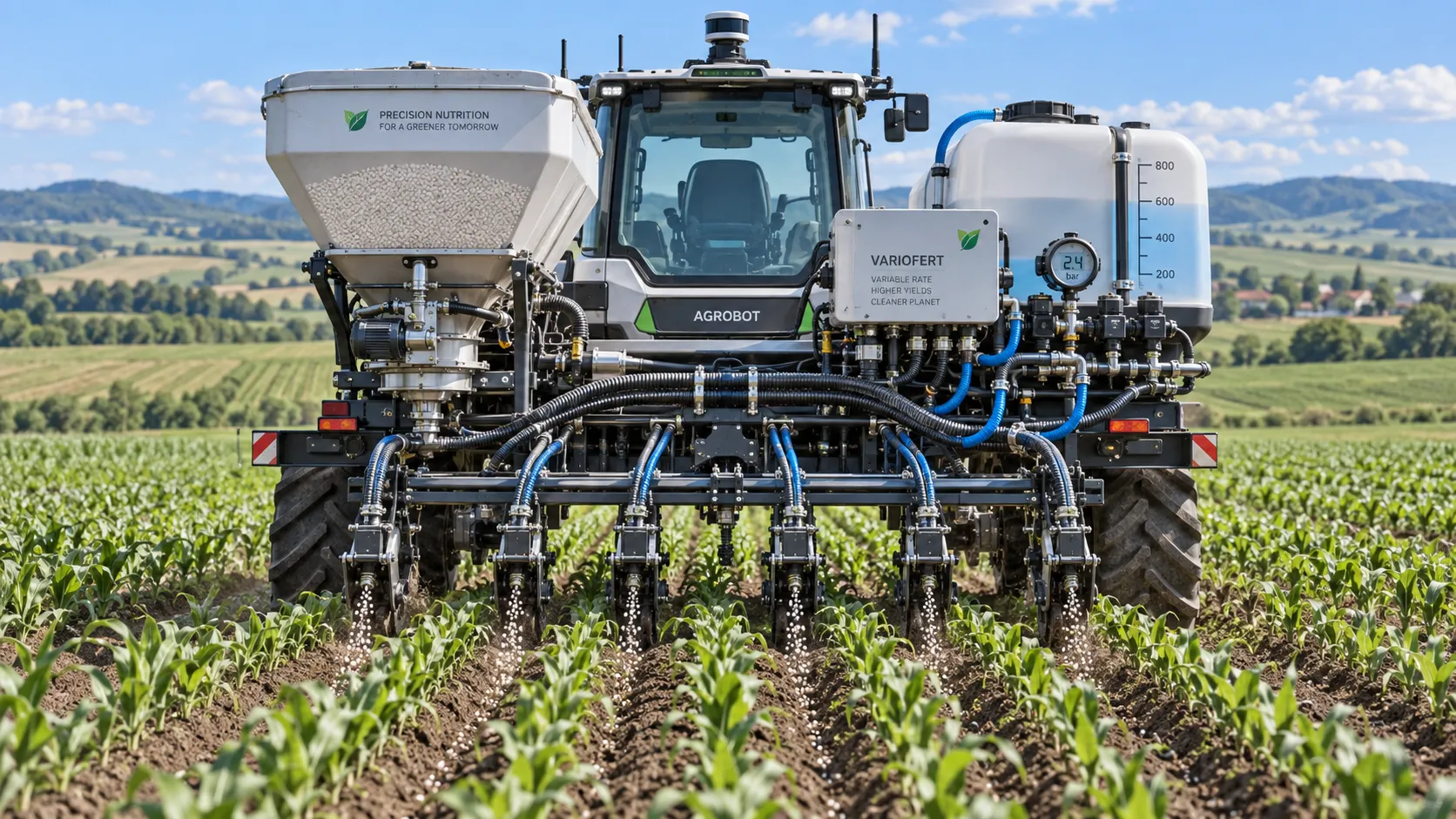
How Sensor Feedback Enables Accurate Variable-Rate Fertilization in Field Conditions
Precision fertilization systems with sensor feedback improve variable-rate accuracy by verifying flow, managing latency, and ensuring reliable field application.
Related News
- 00
0000-00
Grain Tank Automation OEM: What to Check in Integration, Control Logic, and Support - 00
0000-00
EU Adds Vibration Test for Grain Tank Automation CE Marking - 00
0000-00
China’s New Rural Plan Puts Cold-Chain Focus on Smart Irrigation - 00
0000-00
Thailand Food Rule Hits Filling Line Exports - 00
0000-00
Fruit Attraction 2026 Booth Bookings Surpass 90%
Popular Tags
Harvesting Efficiency Expert
Weekly Insights
Stay ahead with our curated technology reports delivered every Monday.