
Thailand Food Rule Hits Filling Line Exports
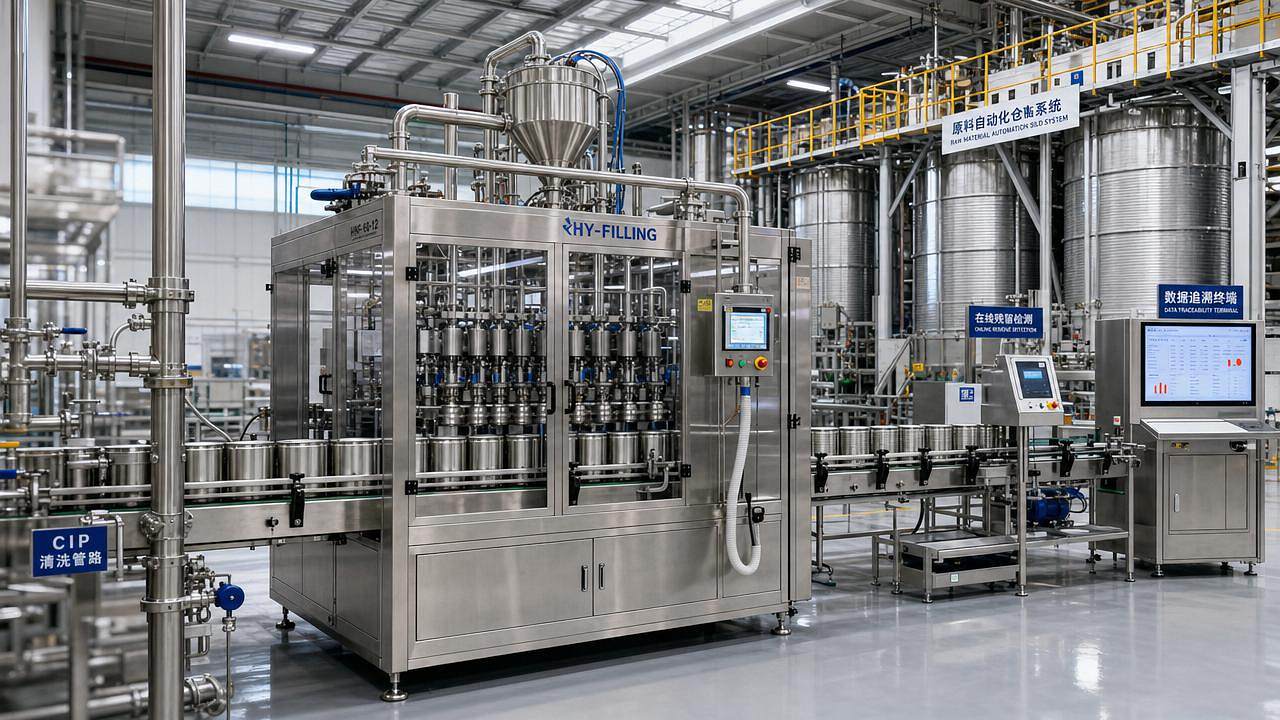




On June 1, 2026, Thailand formally began enforcing a new safety rule for food in sealed containers, with direct implications for imported filling equipment, Grain Tank Automation systems, and Cleaning Shoe Logic modules. For Chinese manufacturers exporting agricultural post-processing equipment to the Thai market, the development is worth close attention because it ties market access more tightly to residue detection interfaces, CIP compatibility, and data traceability requirements, while also affecting supplemental CE/ISO testing and localized delivery timelines.
What the new Thai requirement now covers
According to the provided information, Thailand’s new safety regulation for food in sealed containers took effect on June 1, 2026. The rule requires imported filling equipment, Grain Tank Automation systems, and Cleaning Shoe Logic modules to comply with new-standard provisions related to residue detection interfaces, CIP compatibility, and data traceability.
The requirement applies to Chinese manufacturers exporting agricultural post-processing equipment to Thailand. The same information indicates that the rule will affect supplemental testing linked to CE/ISO certification, as well as the lead time needed for localized adaptation and delivery.
Where the impact is likely to appear first
Export equipment suppliers may face a compliance-first sales process
From an industry perspective, companies directly exporting filling and automation equipment to Thailand are likely to feel the impact first because the rule is tied to technical conformity at the point of import. The main pressure points are likely to be product specification review, technical documentation preparation, and the sequencing of testing before shipment or delivery.
What deserves closer attention is whether existing equipment configurations already match the required residue detection interface, CIP compatibility, and traceability provisions, or whether further adaptation work is needed before export execution.
Manufacturers integrating complete post-processing lines may see delivery schedules shift
For equipment manufacturers and line integrators, the issue is not only whether an individual machine complies, but also whether related modules within a broader post-processing line remain aligned with the new Thai requirements. Analysis shows that any adjustment tied to testing or localization could affect project scheduling, commissioning preparation, and handover timing.
This matters especially where filling equipment, Grain Tank Automation systems, and Cleaning Shoe Logic modules are supplied as part of one coordinated export package.
Procurement and project teams may need to revisit specification alignment
Buyers, project coordinators, and cross-border supply chain teams may also be affected because technical compliance requirements can alter procurement review criteria and supplier communication. Observably, the practical issue is less about headline policy change and more about whether equipment specifications, testing arrangements, and delivery commitments still match the Thai market’s new compliance threshold.
Operational points companies should watch now
Review whether current export configurations meet the named technical provisions
Companies shipping to Thailand should focus first on the exact areas identified in the provided information: residue detection interfaces, CIP compatibility, and data traceability. The immediate practical question is whether current product versions already address these items or require supplementary engineering or validation work.
Prepare for additional CE/ISO-related testing steps
The provided information specifically notes that supplemental CE/ISO certification testing will be affected. In practice, this means exporters should pay closer attention to testing scope, sequencing, and documentation readiness, rather than assuming that existing certification arrangements alone will be sufficient for Thai-bound equipment.
Factor localized adaptation into delivery commitments
Another concrete issue is lead time. Since the new rule is expected to influence localized adaptation and delivery cycles, companies may need to reassess quotation timelines, contract milestones, and customer communication around shipment and acceptance schedules.
Separate confirmed rules from later implementation details
Analysis shows that businesses should distinguish between the confirmed fact of implementation and any later clarification on practical enforcement. That distinction matters for sales planning, compliance preparation, and customer discussions, especially where project deadlines are close to or after the June 1, 2026 effective date.
Why this looks more than a routine customs adjustment
Observably, this development is not just a narrow import formality. The rule connects food safety compliance to specific equipment-side capabilities, including detectability of residues, cleanability within CIP frameworks, and traceable data handling. That makes the issue relevant not only to traders, but also to equipment design teams, testing functions, and project delivery personnel.
It is more appropriate to understand this as a concrete regulatory signal with immediate operational effects, rather than a distant policy direction. At the same time, based on the provided information alone, it would be premature to draw broader conclusions about the full market impact beyond the affected equipment categories and export processes already identified.
How the market may need to interpret this stage
At this point, the Thai rule is best understood as an active compliance change for Chinese manufacturers exporting relevant agricultural post-processing equipment, not merely as a policy proposal under discussion. Its near-term significance lies in testing, specification matching, localization work, and delivery planning.
A balanced reading is that the rule creates a clear short-term adjustment requirement while also signaling a longer-term emphasis on equipment traceability and cleaning compatibility in export markets. Even so, the extent of commercial impact still requires continued observation through actual implementation and follow-up clarification.
Basis of this article and what still needs verification
This article is based on the user-provided news title, event date, and summary information. The available input states that Thailand began enforcing the new sealed-container food safety rule on June 1, 2026, and that the measure affects imported filling equipment, Grain Tank Automation systems, and Cleaning Shoe Logic modules through requirements on residue detection interfaces, CIP compatibility, and data traceability.
No specific official source link was provided in the input, so the underlying official publication still needs ongoing verification. For this type of industry development, follow-up checking would usually involve official notices, company compliance statements, industry association updates, authoritative media reporting, and relevant standards documents. What remains worth monitoring is whether further official clarification emerges on implementation details, testing interpretation, and documentation expectations for exporters.
Related News
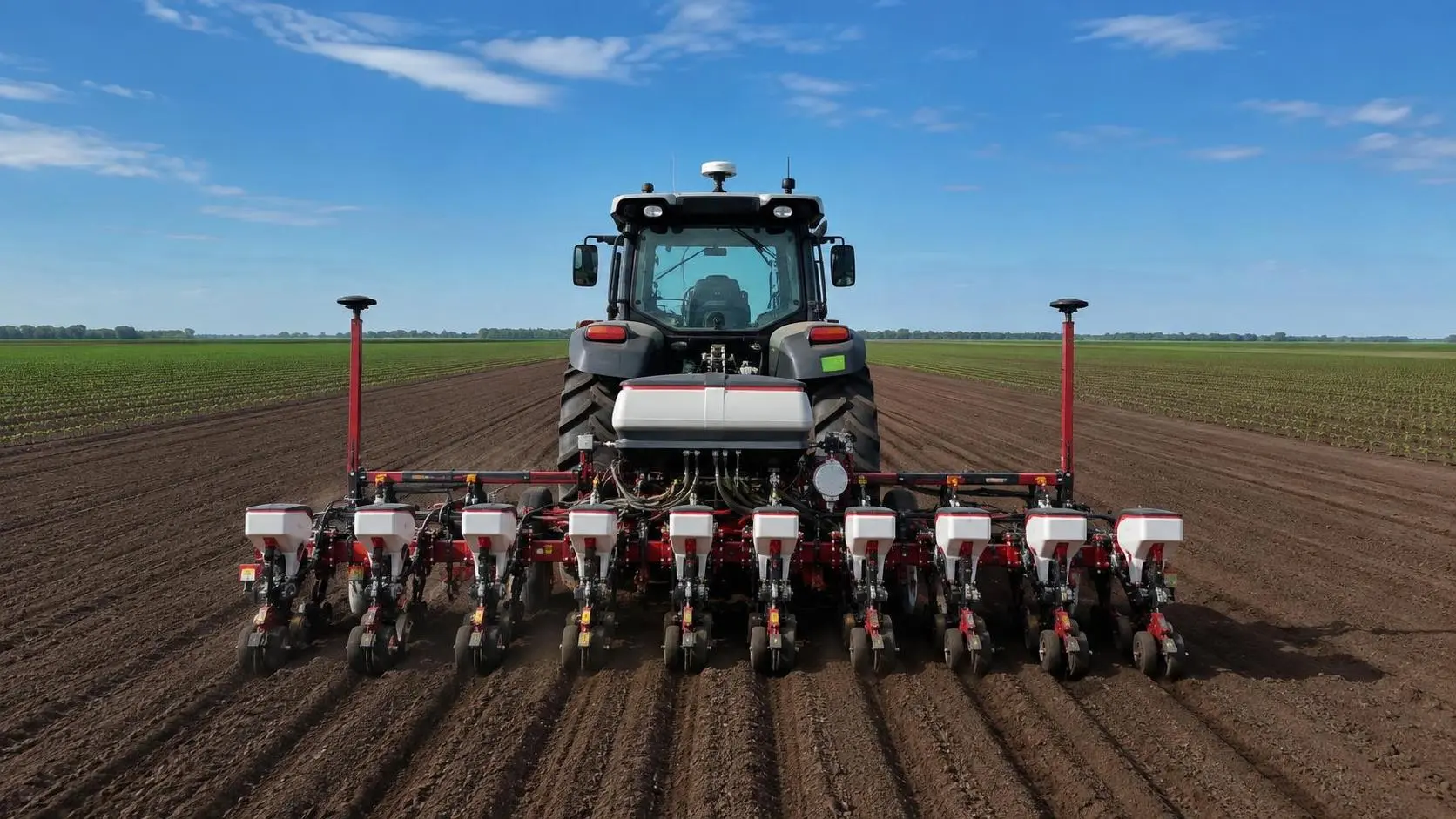
How Tractor Intelligence Systems Improve Field Efficiency and Input Accuracy
Agricultural machinery intelligence for tractors improves field efficiency, input accuracy, data traceability, and implement control. Explore smarter evaluation strategies.
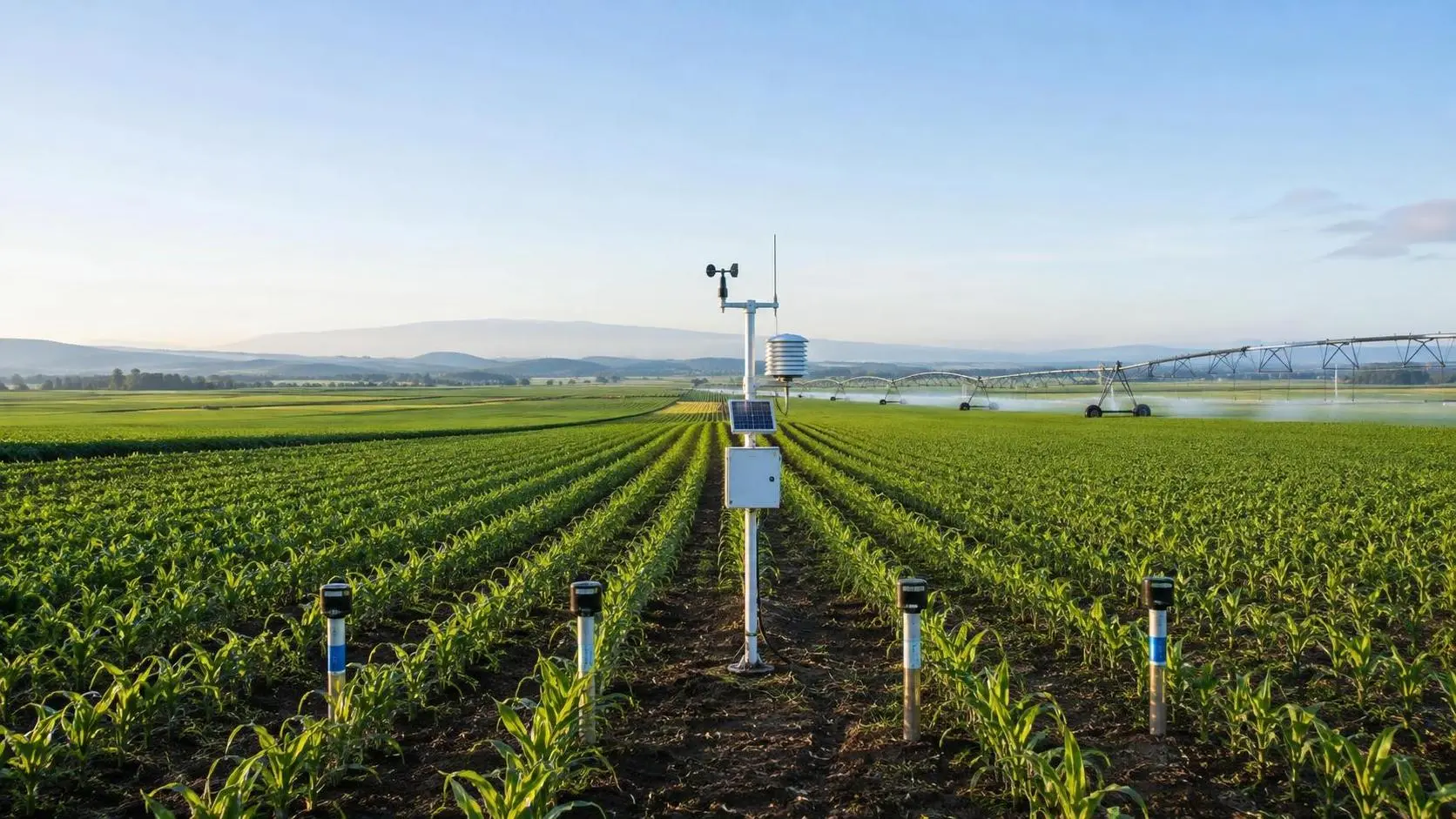
How to Evaluate Crop Monitoring System Manufacturers for Large-Scale Farms
Compare crop monitoring systems manufacturers for large-scale farms. Evaluate data quality, integration, durability, lifecycle costs, support, and pilots for smarter decisions.
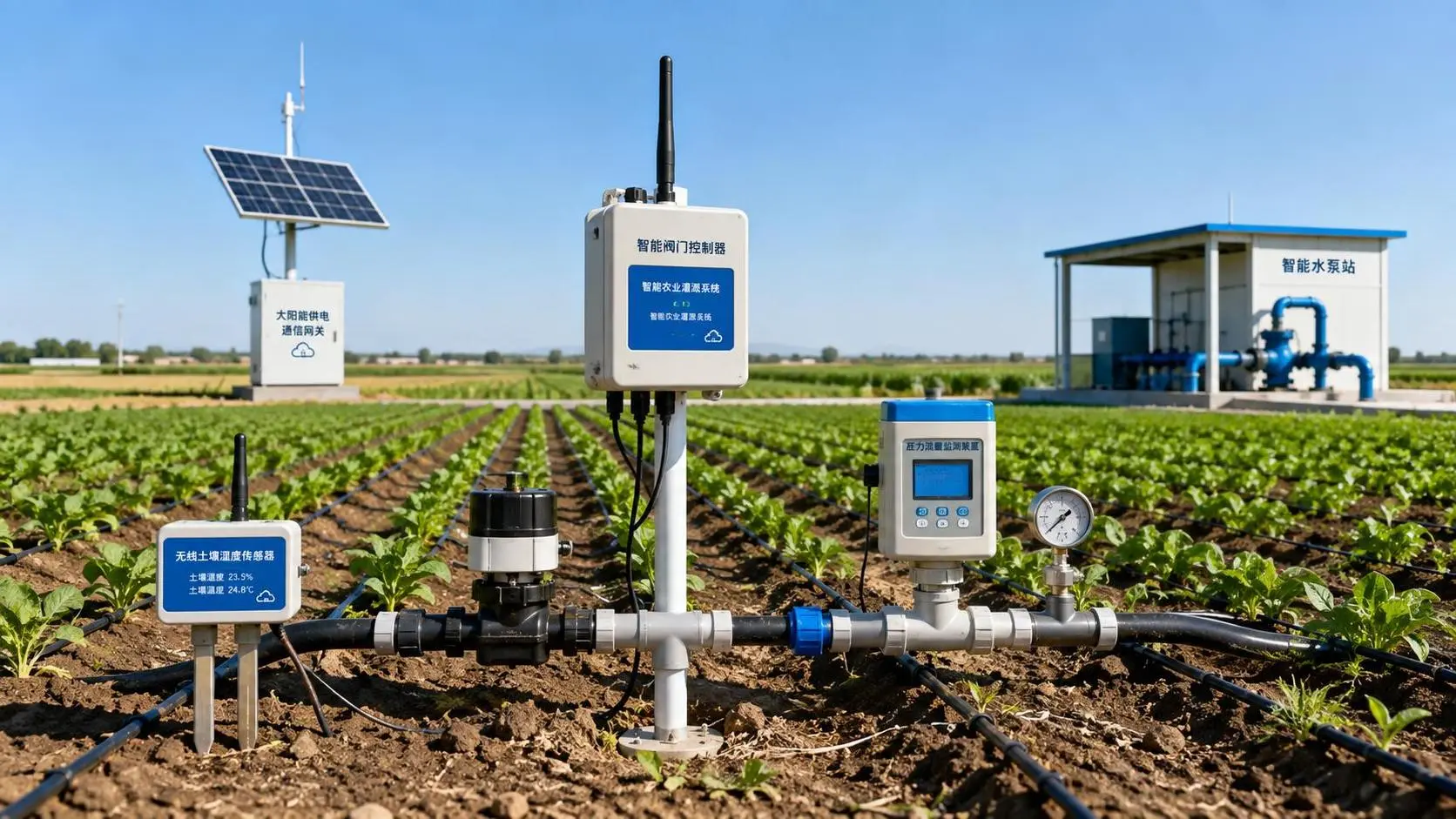
Wireless Agricultural Automation for Remote Irrigation and Field Monitoring
Agricultural automation wireless solutions improve remote irrigation with reliable field data, local control, flow verification, and smarter monitoring. Explore resilient deployment strategies.
Agricultural Product Information Market Guide: Key Data for Sourcing Decisions
Agricultural product information market guide for smarter sourcing—compare machinery, irrigation, precision tools, lifecycle costs, and supplier risk.
Large-Scale Farm Equipment Cost Comparison: Price, Fuel, and Lifecycle Value
Large-scale farm equipment cost comparison: evaluate price, fuel, maintenance, downtime, and lifecycle value to choose tractors, combines, irrigation, and smart tools with confidence.
A Procurement Specification Preparation Example for Buying Farm Equipment
Procurement specification preparation example for farm equipment: learn to define requirements, compare suppliers, control lifecycle costs, and buy with confidence.
What Tractor Horsepower Is Needed for a Three-Bottom Moldboard Plow?
What tractor horsepower is needed for three-bottom moldboard plow? Compare 60–100 hp needs by soil, depth, traction, and plow width for a confident equipment match.
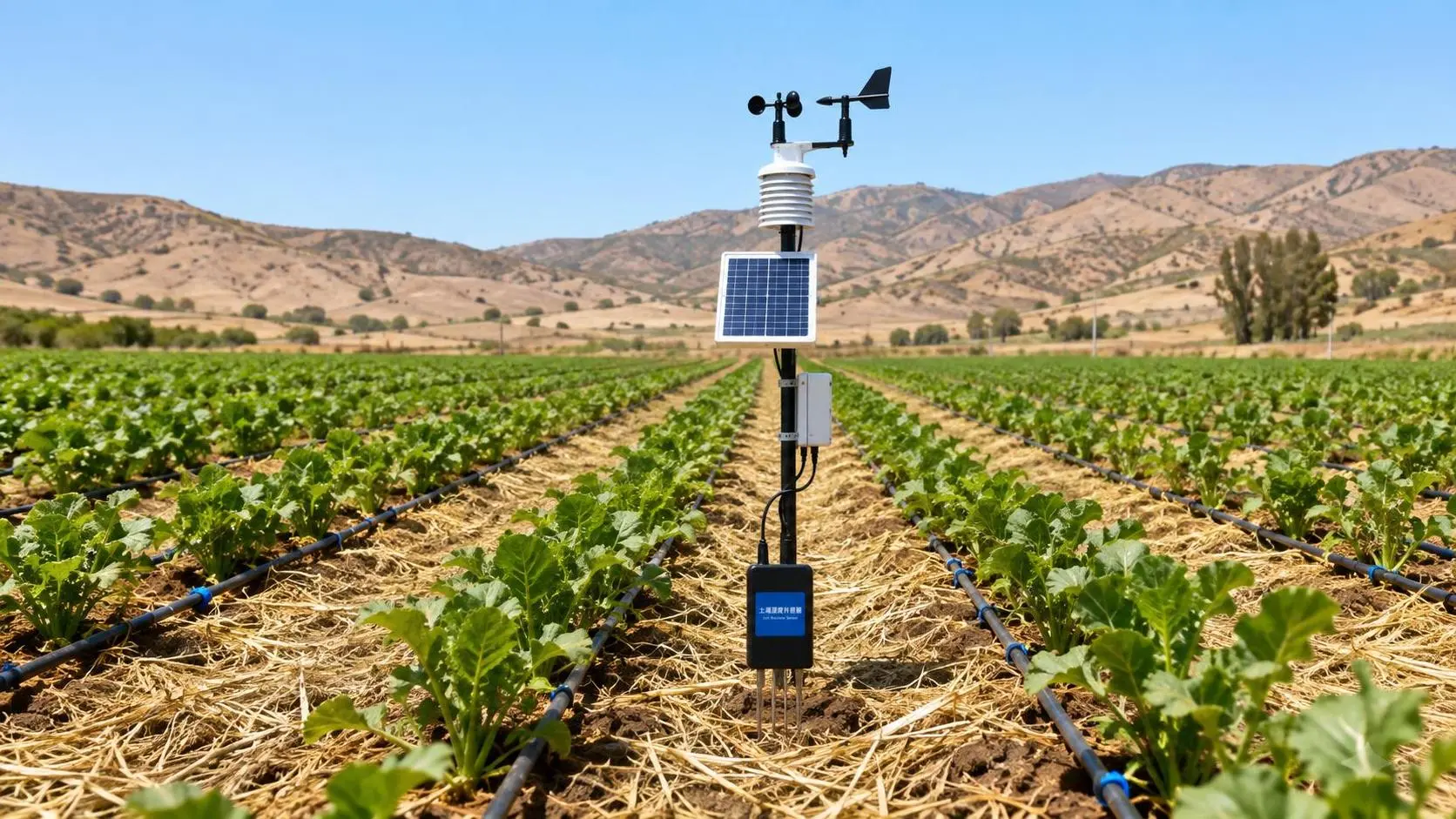
How Does Climate-Smart Farming Reduce Water Use in Semi-Arid Areas?
How does climate-smart farming reduce water use in semi-arid zones? Discover precision irrigation, soil monitoring, and smarter crop planning for resilient yields.
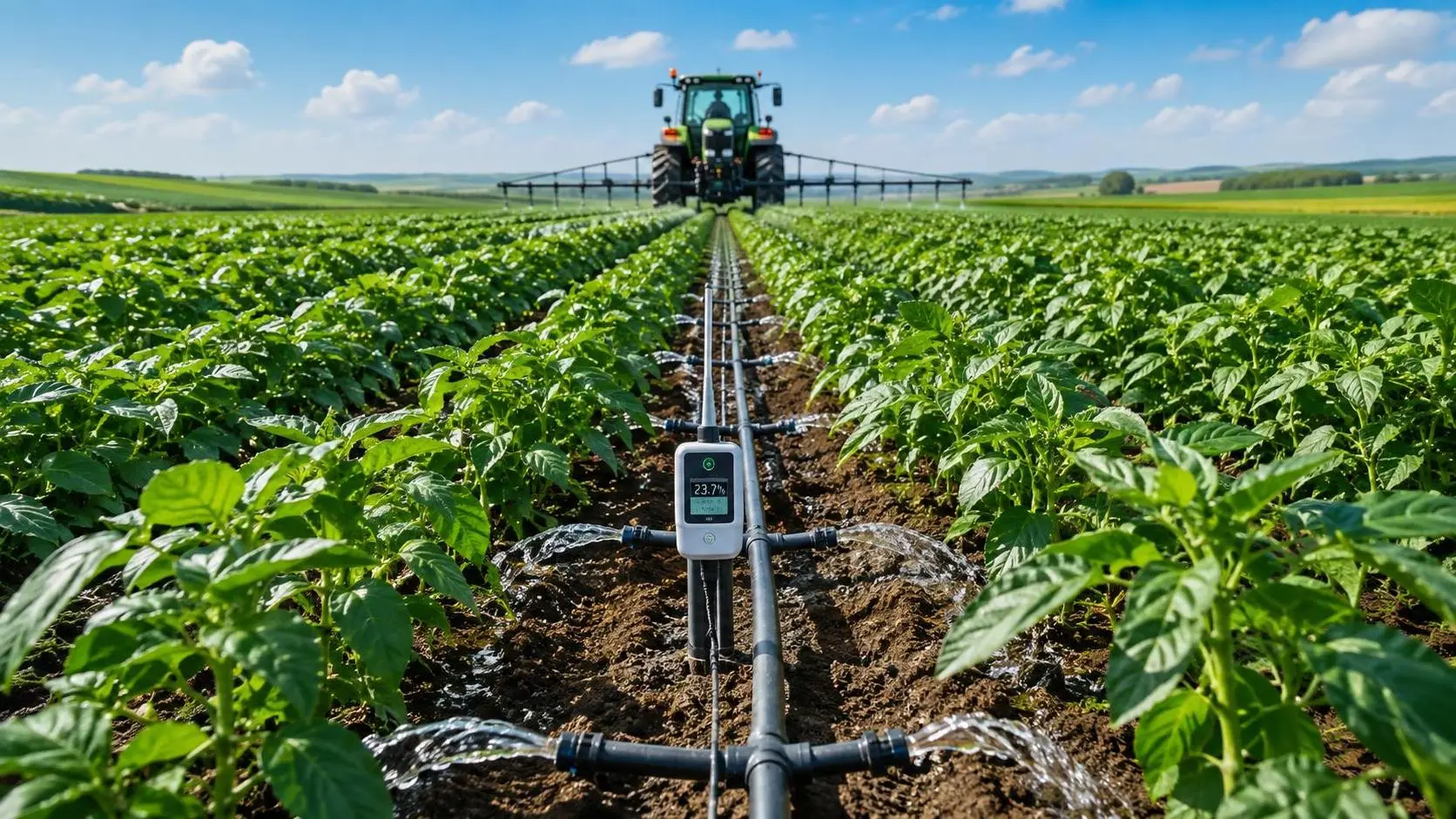
Can Sustainable Farming Be Profitable Without Reducing Yields?
Are sustainable farming practices profitable without yield loss? Discover precision strategies that cut waste, protect yields, and improve farm margins.
Related News
- 00
0000-00
Grain Tank Automation OEM: What to Check in Integration, Control Logic, and Support - 00
0000-00
EU Adds Vibration Test for Grain Tank Automation CE Marking - 00
0000-00
China’s New Rural Plan Puts Cold-Chain Focus on Smart Irrigation - 00
0000-00
Thailand Food Rule Hits Filling Line Exports - 00
0000-00
Fruit Attraction 2026 Booth Bookings Surpass 90%
Popular Tags
Harvesting Efficiency Expert
Weekly Insights
Stay ahead with our curated technology reports delivered every Monday.