
Fruit Attraction 2026 Booth Bookings Surpass 90%
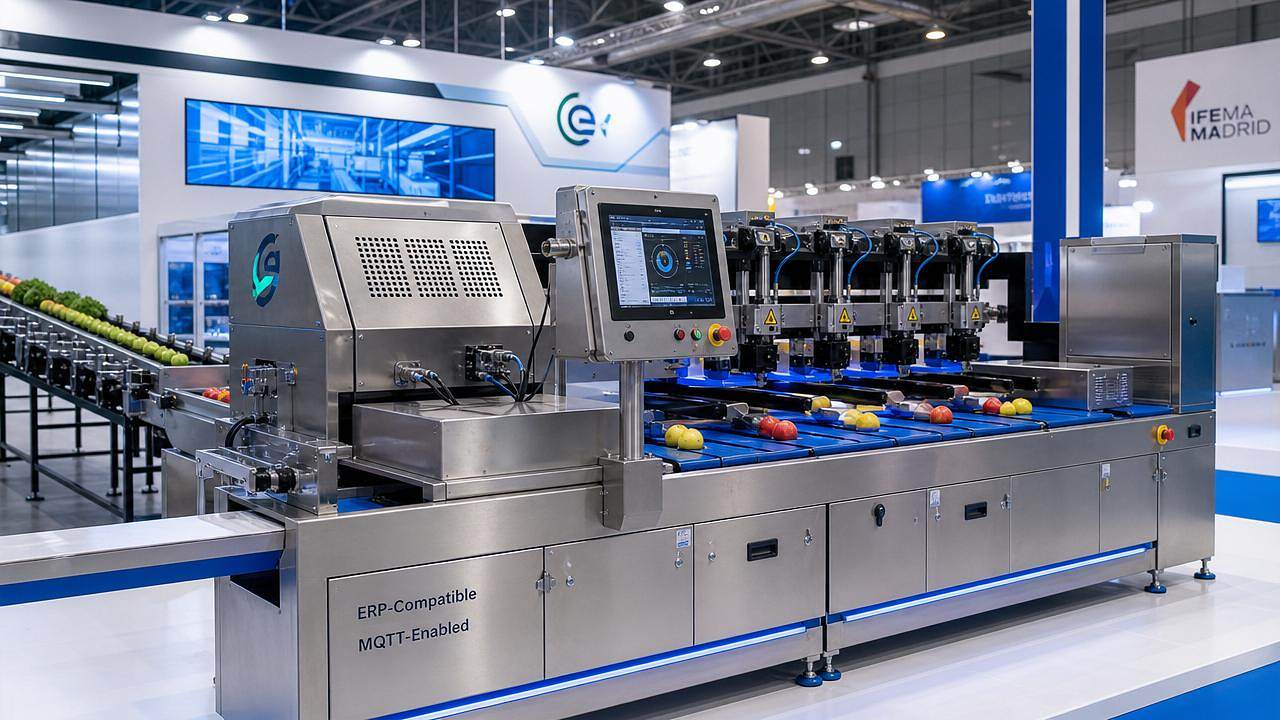




Madrid, October 6, 2026 — Booth reservations for the 18th edition of Fruit Attraction (October 6–8, 2026, Madrid) have exceeded 90%, signaling intensified global demand for intelligent post-harvest solutions. The surge reflects shifting procurement priorities among international buyers—particularly in Europe, the Middle East, and Latin America—toward automation-integrated, low-loss, and ERP/WMS-compatible equipment from Chinese manufacturers.
Event Overview
Booth bookings for Fruit Attraction 2026 have surpassed 90% as of October 6, 2026. According to official confirmation from the organizers, intelligent post-harvest processing systems, automated fruit and vegetable sorting lines, Grain Tank Automation-compatible cleaning modules, and Drip Irrigation Logic integrated pre-cooling irrigation units are the top four categories drawing concentrated inquiry from overseas importers. Fruit Attraction is recognized globally as a key barometer for technical procurement across the fresh produce supply chain.
Industries Affected
Direct Trading Enterprises
Trading firms engaged in cross-border export of agricultural machinery face immediate pressure to align product portfolios with verified buyer intent. High inquiry volume for ERP/WMS-compatible systems implies that documentation, interoperability testing reports, and multilingual technical support capabilities—not just hardware—now directly influence order conversion. Failure to demonstrate system integration readiness may result in lost shelf space at major trade shows and reduced visibility among tier-1 distributors.
Raw Material Procurement Enterprises
Companies sourcing sensors, industrial controllers, food-grade conveyance components, or refrigeration modules for smart sorting/pre-cooling systems are seeing upstream demand shift toward higher precision and certification compliance (e.g., CE, UL, ISO 22000-aligned firmware). Notably, demand is not for generic parts but for components validated in modular, field-deployable configurations—indicating tighter coordination between procurement teams and R&D or system integration units is now operationally necessary.
Manufacturing Enterprises
OEMs producing sorting machines, pre-cooling units, or cleaning modules must prioritize two technical dimensions: (1) hardware modularity enabling compatibility with third-party grain tank or drip irrigation logic platforms, and (2) embedded communication protocols (e.g., MQTT, OPC UA) supporting bidirectional data exchange with warehouse management systems. Observably, ‘plug-and-play’ claims alone no longer suffice—verified integration case studies with WMS/ERP vendors are increasingly requested during technical due diligence.
Supply Chain Service Providers
Logistics, customs brokerage, and after-sales service providers specializing in agri-tech equipment face evolving service expectations. Buyers now routinely request pre-shipment interoperability verification, on-site commissioning support with local ERP vendors, and multilingual remote diagnostics capability. From industry perspective, this signals a structural transition—from transactional freight handling to embedded technical enablement services as a core value proposition.
Key Focus Areas and Recommended Actions
Validate and Document System Integration Capabilities
Manufacturers and exporters should compile verifiable evidence—including interface schematics, tested API endpoints, and customer deployment logs—for compatibility with WMS/ERP platforms (e.g., SAP S/4HANA, Manhattan SCALE) and infrastructure logic layers (e.g., Grain Tank Automation, Drip Irrigation Logic). Marketing materials must reflect actual integration depth—not theoretical compatibility.
Prioritize Modular Design Certification
Enterprises developing sorting or pre-cooling equipment should pursue component-level certifications (e.g., CE for safety, IEC 62443 for industrial cybersecurity) aligned with modular architecture. This supports faster regulatory clearance in target markets and strengthens credibility during technical evaluation by EU or LATAM importers.
Strengthen Technical Support Infrastructure
Overseas buyers increasingly assess post-sale capability before committing. Firms should invest in multilingual remote diagnostics tools, localized spare parts inventories in key regional hubs (e.g., Rotterdam, Dubai, São Paulo), and certified field engineers trained in both mechanical commissioning and software handshake protocols.
Editorial Perspective / Industry Observation
Analysis shows this booking trend is not merely cyclical—it reflects a structural recalibration in how global produce supply chains evaluate technology suppliers. What was once judged primarily on throughput speed or cooling efficiency is now assessed on system-level interoperability, data traceability, and lifecycle service readiness. Current procurement behavior suggests that ‘smart’ is no longer defined by onboard AI alone, but by how seamlessly equipment embeds into existing operational ecosystems. This shift favors vertically integrated manufacturers over pure hardware vendors—and accelerates consolidation among service-focused channel partners.
Conclusion
Fruit Attraction 2026’s early booking strength underscores a broader inflection point: international demand for post-harvest automation is maturing beyond feature lists into ecosystem readiness. For Chinese equipment suppliers, success will hinge less on cost advantage and more on demonstrable integration discipline, certification rigor, and service localization. The event remains a critical litmus test—not of market interest, but of operational credibility.
Source Attribution
Official announcement from Fruit Attraction Organizing Committee (October 6, 2026); confirmed booth occupancy data and category-level inquiry trends sourced from exhibition management dashboard (accessed October 6, 2026). Integration requirements cited reflect verified buyer inquiries reported by three participating Chinese pavilion coordinators. Ongoing monitoring is recommended for: (1) final exhibitor list and country-of-origin distribution; (2) post-show order conversion rates by equipment category; (3) updates to EU MDR or LATAM sanitary regulation affecting pre-cooling unit certification pathways.
Related News
How to Compare Agricultural Equipment Platforms for Fleet Management and ROI
Agricultural equipment platform comparison: evaluate fleet data, maintenance, precision workflows, and ROI to choose a system that delivers measurable results.
Drip vs. Micro-Sprinkler Irrigation: Which System Fits Your Orchard?
Irrigation solution comparison for orchards: discover whether drip or micro-sprinklers best match your water, soil, roots, fertigation, and frost needs.
Orchard Water Management: Using Soil Moisture Data to Schedule Irrigation
Agricultural water management for orchards made practical: use soil moisture data to optimize irrigation timing, protect yield, reduce costs, and improve resilience.
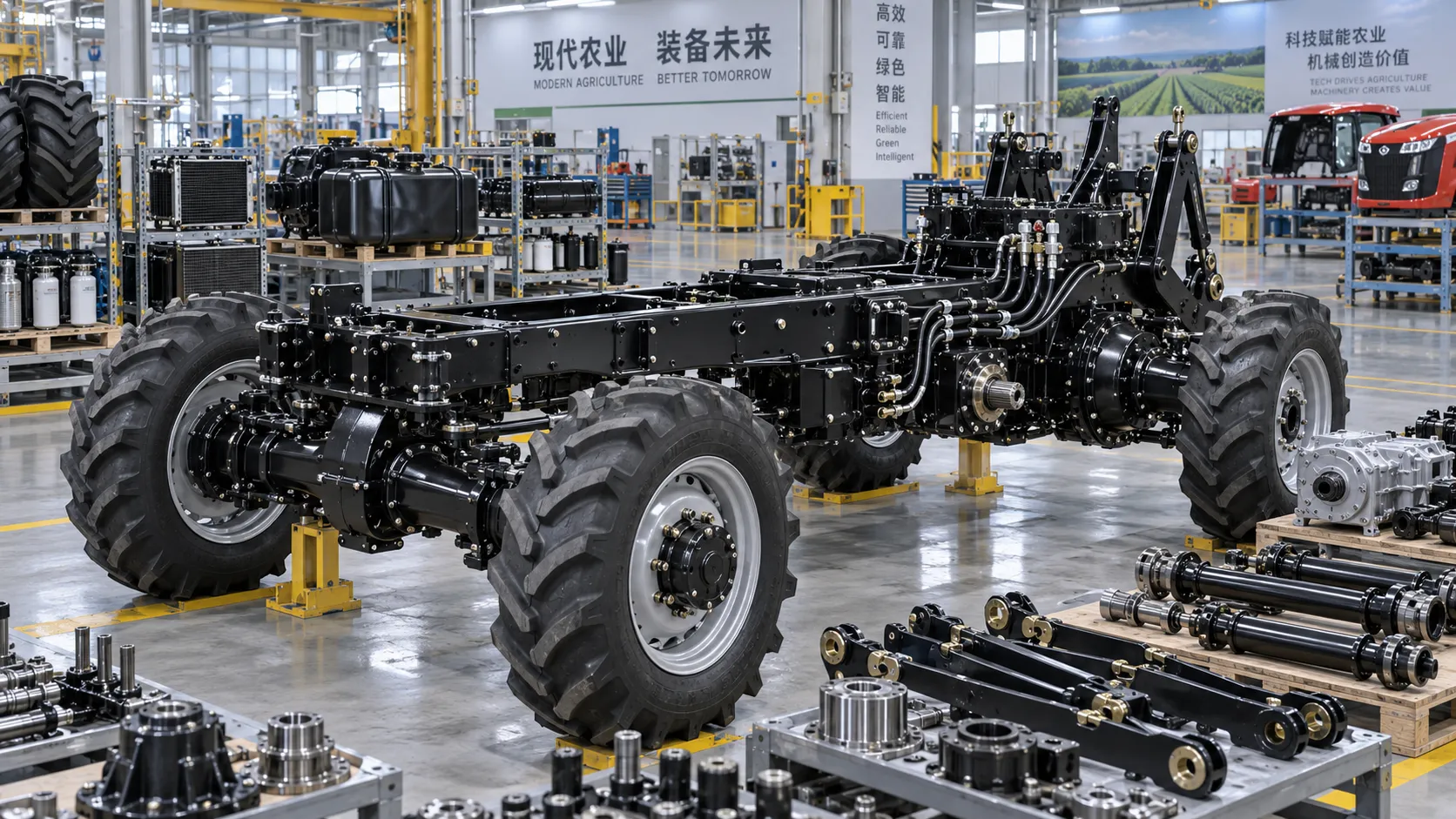
Tractor Chassis Price: What Buyers Should Compare Beyond the Initial Quote
Tractor chassis price is only the start. Compare load capacity, compatibility, durability, and lifecycle costs to choose a reliable, high-value chassis.
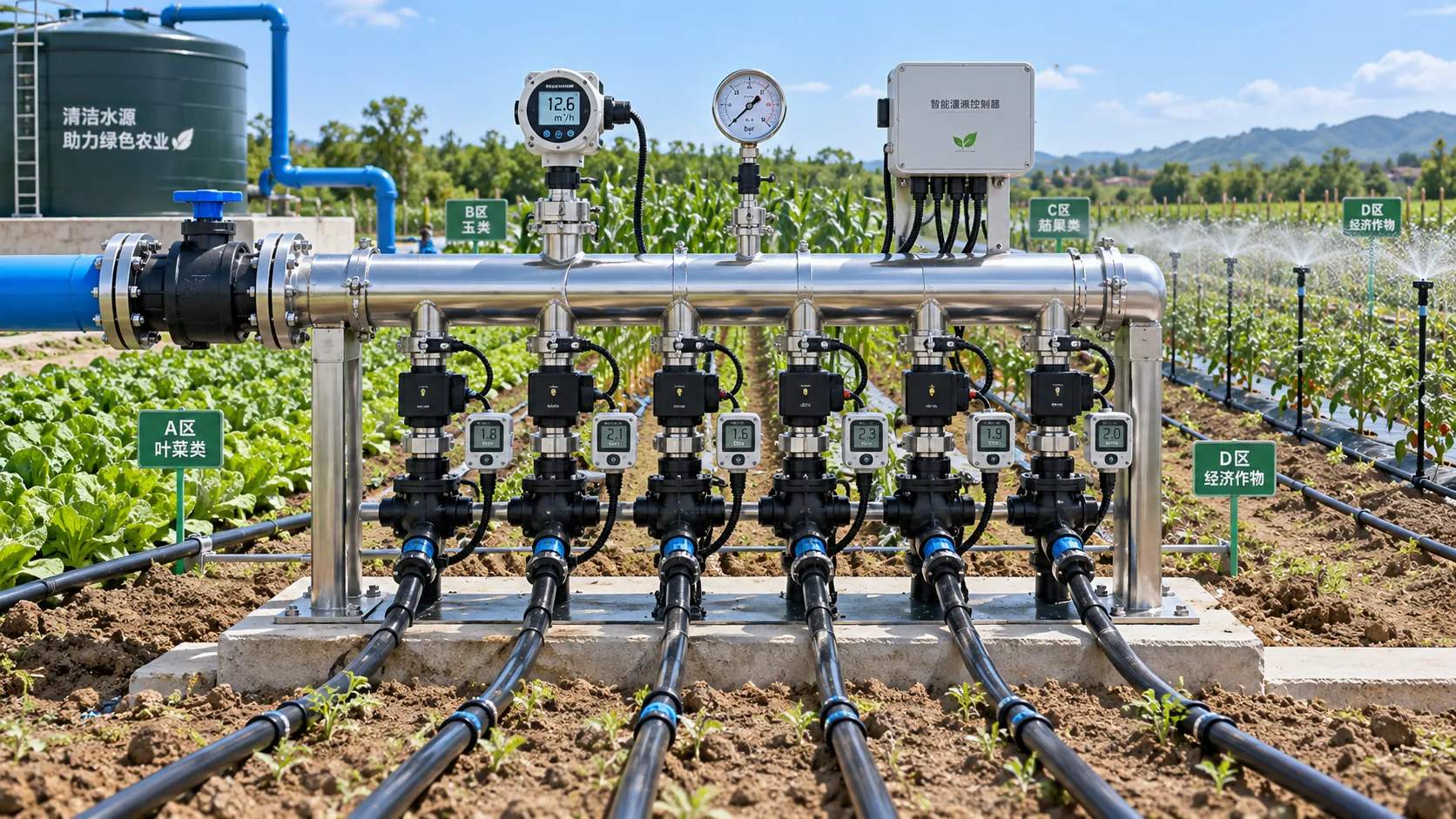
How to Select Smart Irrigation Valves for Multi-Zone Water Management?
Intelligent irrigation systems valves: learn how to match smart valves with multi-zone flow, pressure, control, feedback, and communication needs for reliable water management.
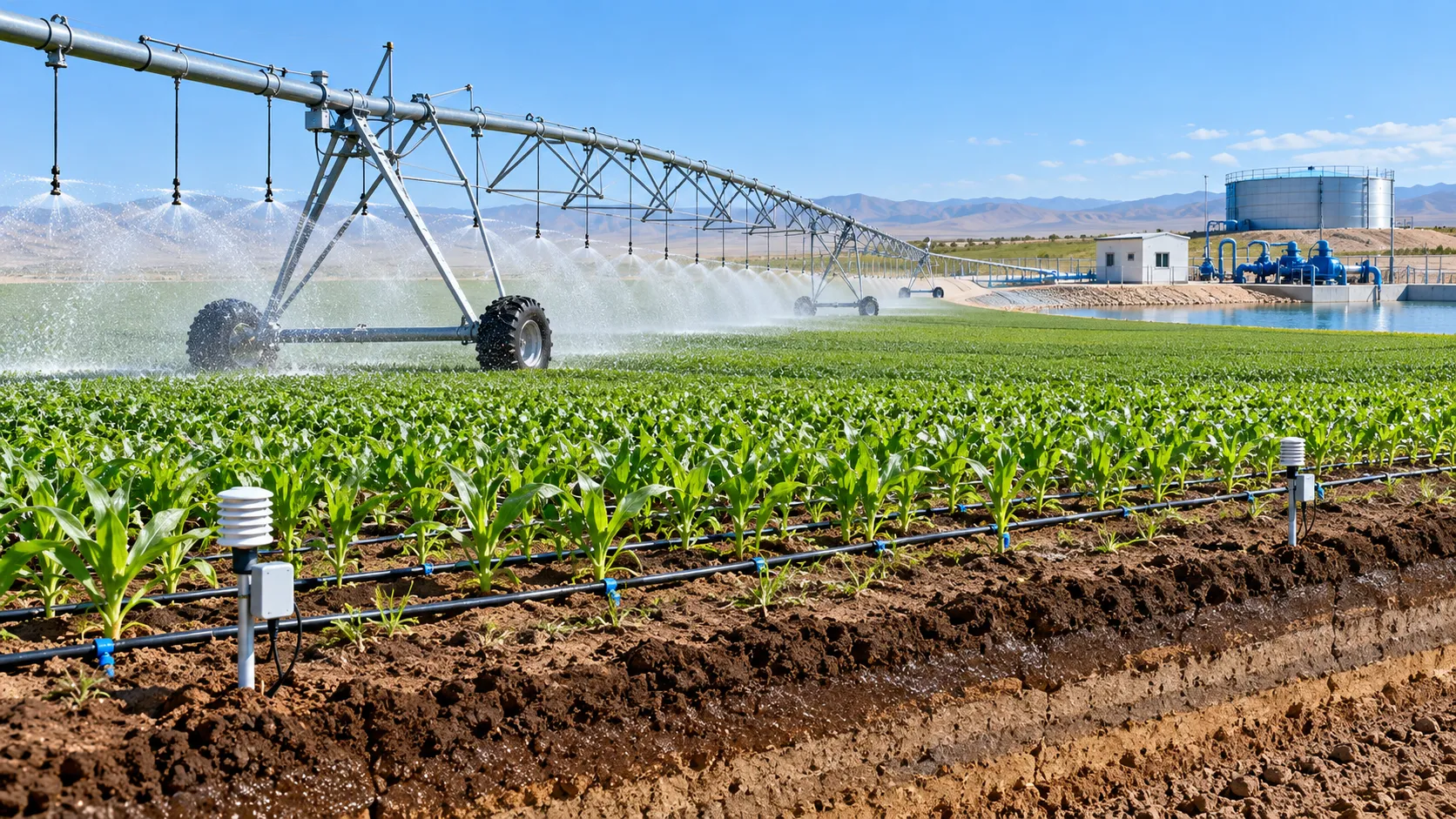
Climate-Smart Farming for Drought: A Practical Plan for Protecting Yields
Climate-smart farming for drought: build smarter water budgets, protect critical crop stages, improve irrigation uniformity, and safeguard yields with practical field-proven strategies.
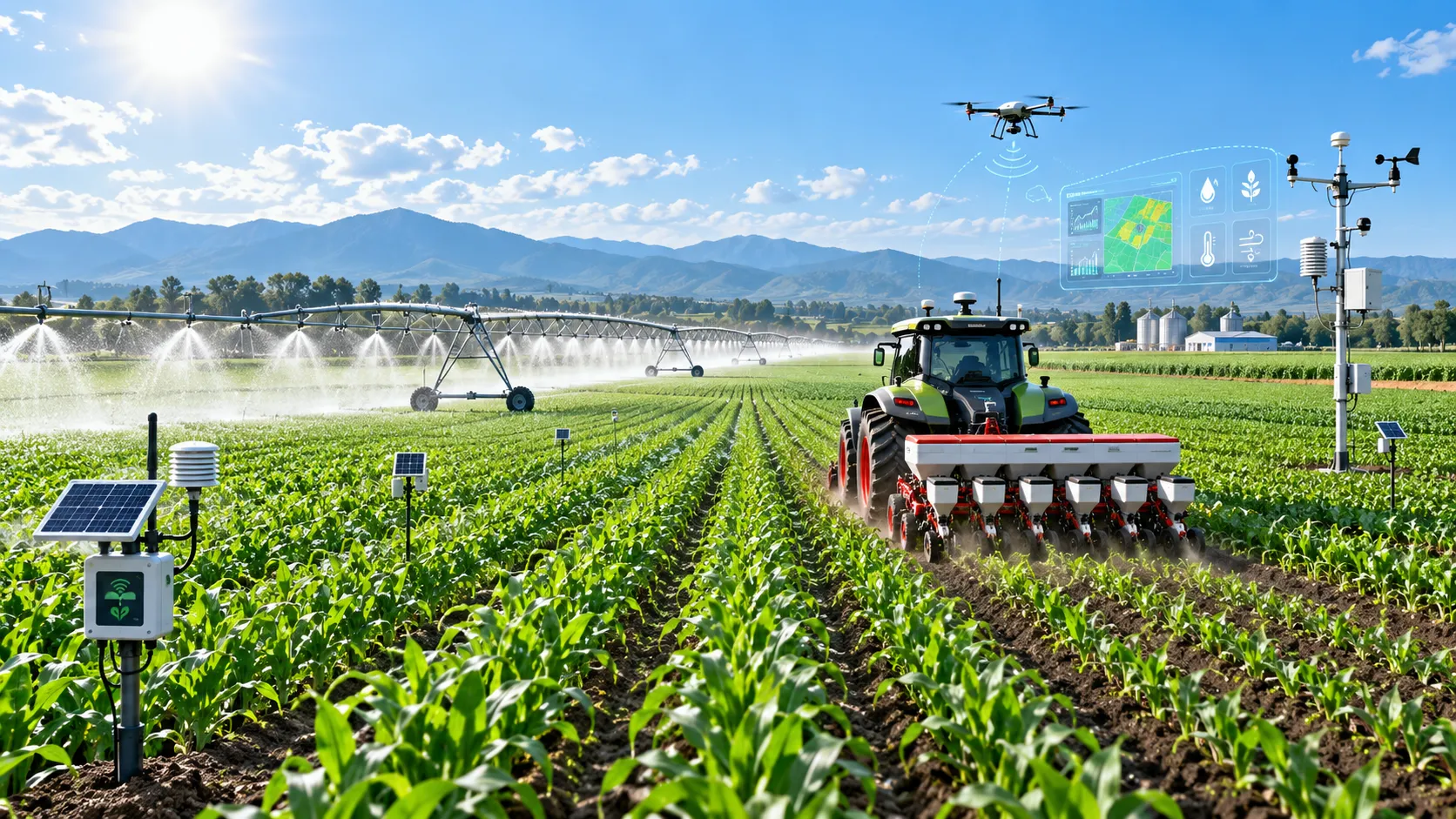
How Digital Agriculture Platforms Turn Field Data Into Better Input Decisions
Digital agriculture platforms turn field data into smarter fertilizer, water, seed, and equipment decisions—helping farms cut risk, improve margins, and scale sustainability.
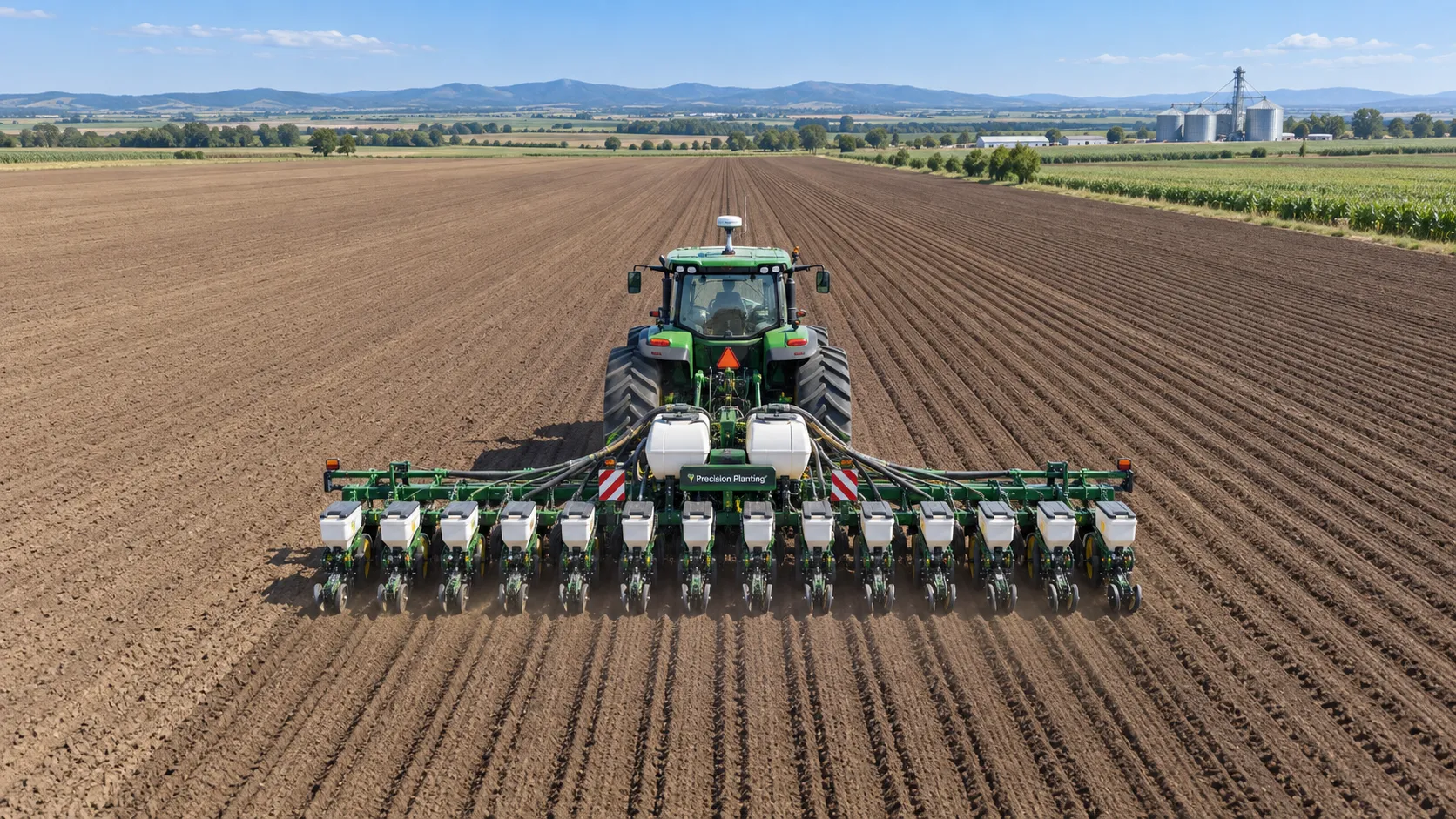
GPS-Guided Farm Machinery: Where It Delivers Measurable Field Efficiency Gains
Agri-mechanization GPS guided systems deliver measurable field efficiency gains through reduced overlap, precise planting, smarter inputs, and reliable farm data.
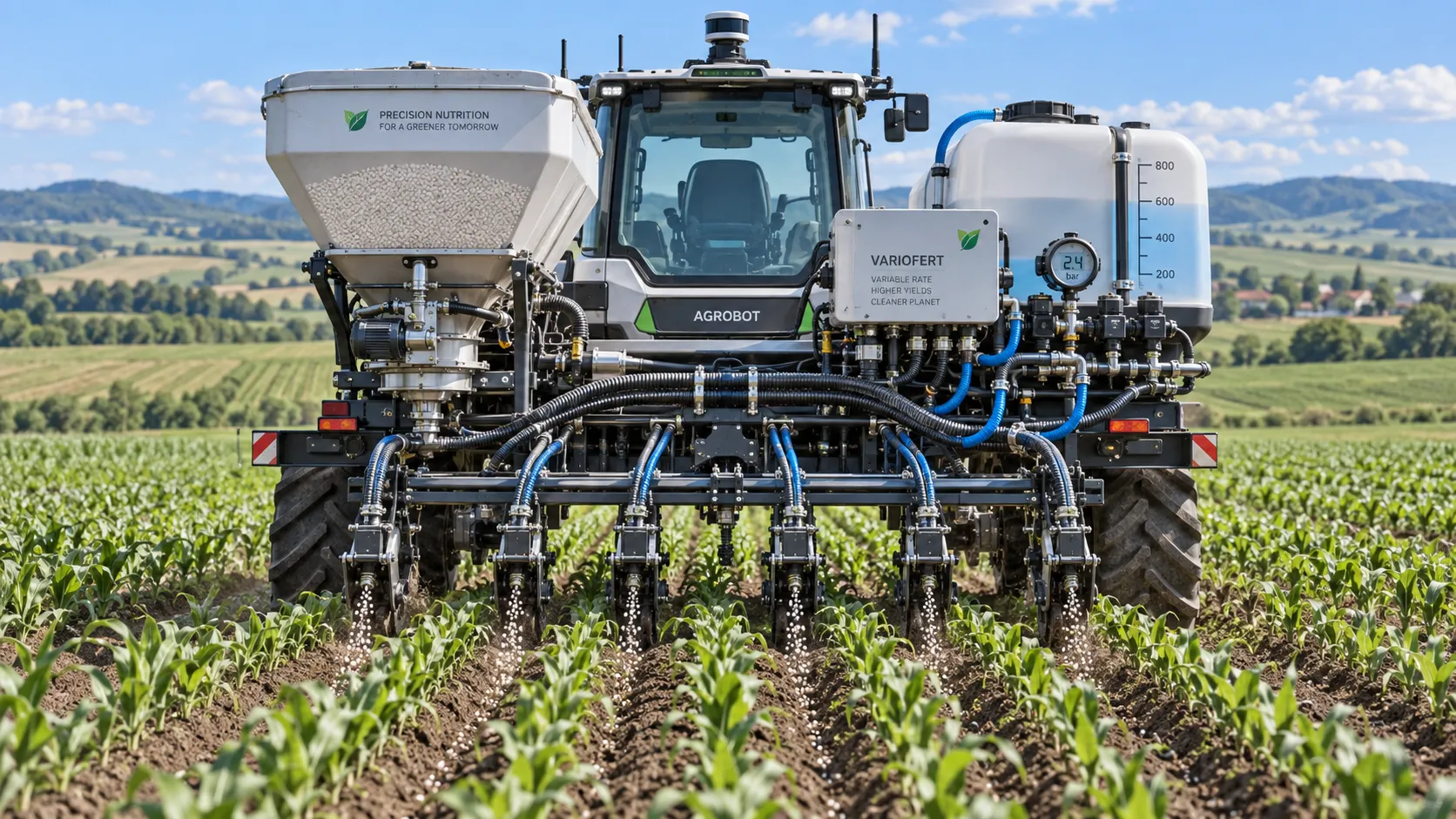
How Sensor Feedback Enables Accurate Variable-Rate Fertilization in Field Conditions
Precision fertilization systems with sensor feedback improve variable-rate accuracy by verifying flow, managing latency, and ensuring reliable field application.
Related News
- 00
0000-00
Grain Tank Automation OEM: What to Check in Integration, Control Logic, and Support - 00
0000-00
EU Adds Vibration Test for Grain Tank Automation CE Marking - 00
0000-00
China’s New Rural Plan Puts Cold-Chain Focus on Smart Irrigation - 00
0000-00
Thailand Food Rule Hits Filling Line Exports - 00
0000-00
Fruit Attraction 2026 Booth Bookings Surpass 90%
Popular Tags
Harvesting Efficiency Expert
Weekly Insights
Stay ahead with our curated technology reports delivered every Monday.